
Nutrition comparison
Mutton vs Duck: Which Meat Is Healthier for You?
Compare mutton and duck nutrition including protein, fat profile, iron content, and heart health impact. Find out which red meat fits your health goals better.
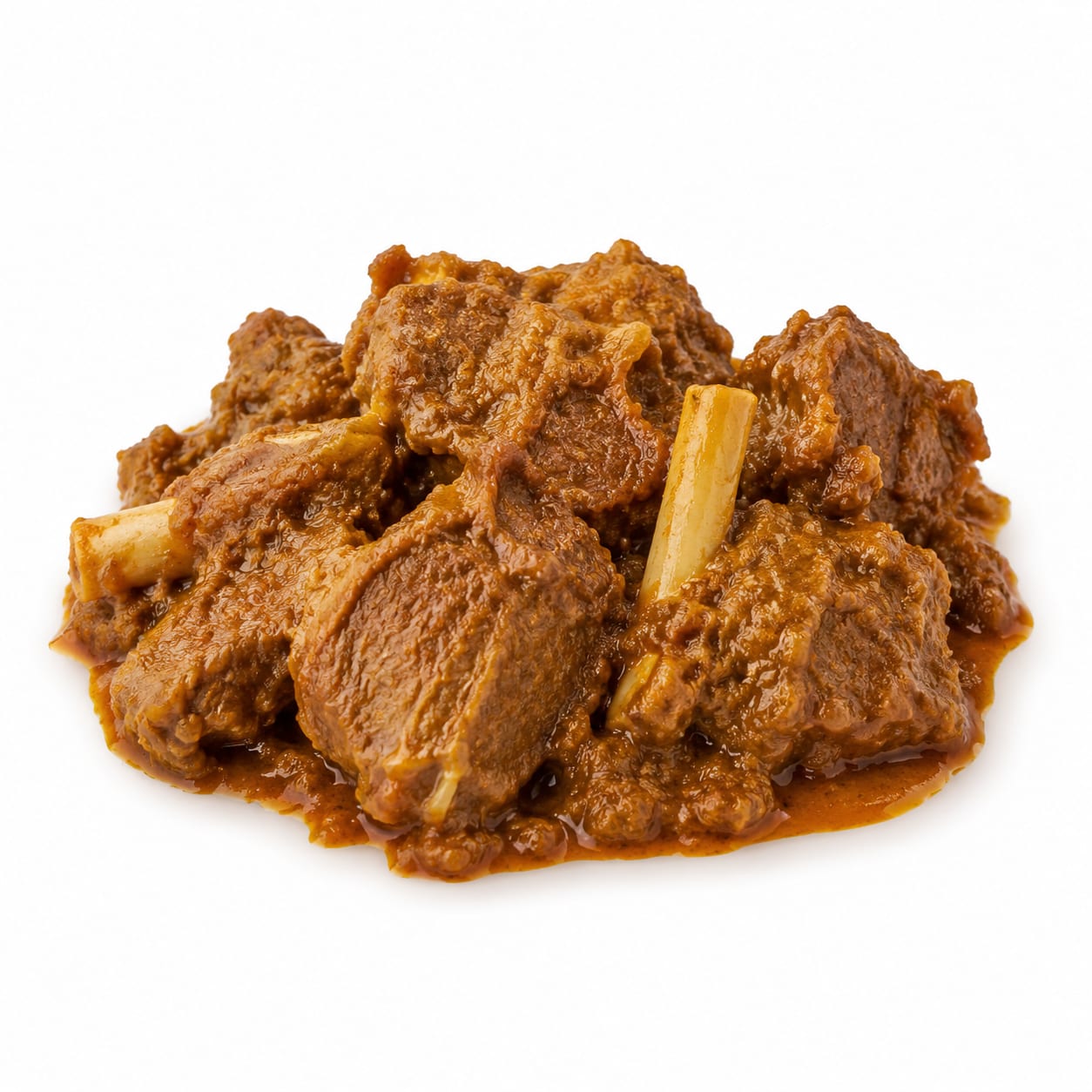
Mutton
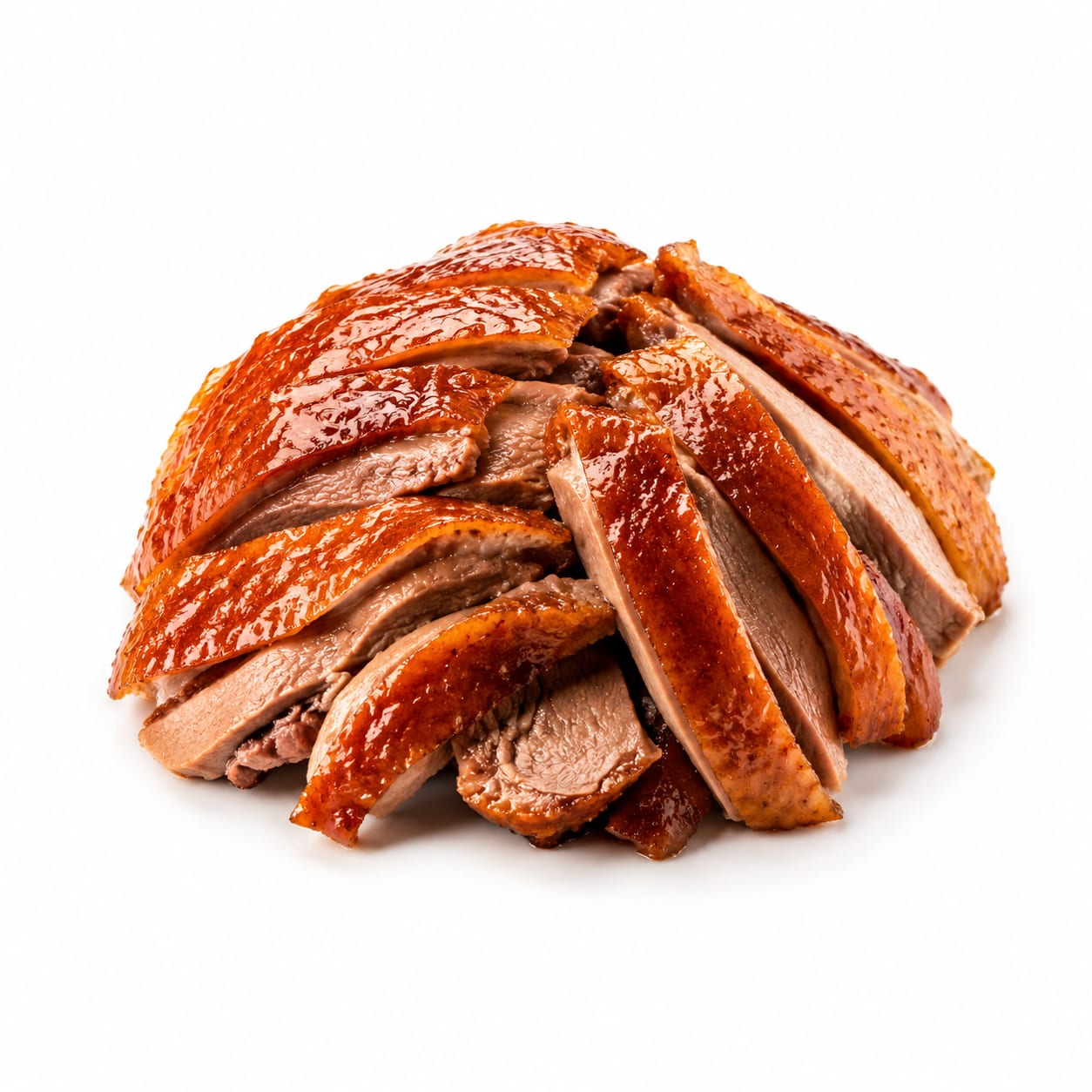
Duck
Mutton wins on protein, iron, and zinc but loses on fat quality. Duck offers a heart-friendlier fat profile but with less mineral punch.
Duck edges ahead slightly due to its more favorable fat profile and the availability of lean breast meat, but mutton's superior protein and mineral content keeps it competitive. The close scores reflect that neither is a clear winner—your health goals determine which is better for you.
Mutton gives you more muscle-building protein and blood-boosting iron, while duck gives you more heart-protective monounsaturated fat and a leaner breast option.
At a glance
Executive summary
Overall
It depends
Healthier
It depends
More practical
Mutton
Daily use
It depends
Key comparison lenses
Which red meat is healthier for regular consumption
Both are high-protein meats with significant fat content, so health-conscious meat eaters want to know which is the smarter regular choice
Fat profile and heart health comparison
Mutton is high in saturated fat while duck is high in monounsaturated fat, making cardiovascular impact the central tradeoff
Iron and micronutrient density for anemia prevention
Both are rich in minerals but mutton delivers significantly more iron and zinc, which matters for deficiency-prone individuals
Weight management suitability
Both are calorie-dense meats, so understanding which fits better into weight-conscious eating matters
Culinary versatility and meal planning
Mutton and duck serve very different cooking traditions and occasions, affecting practical meal decisions
Best choice for
Mutton
- Iron-deficient individuals and women with heavy periods
- Athletes and bodybuilders needing maximum protein per bite
- People recovering from illness or surgery
- Those who find duck too rich or fatty
Duck
- People prioritizing heart health and better blood lipids
- Those watching saturated fat intake
- Home cooks wanting a lean breast cut option
- Anyone seeking richer flavor with less saturated fat
Least suitable for
Mutton
- People with high cholesterol or heart disease risk
- Those strictly limiting saturated fat
- Anyone prone to gout flare-ups
- Casual weeknight cooks wanting quick meals
Duck
- Iron-deficient individuals who need maximum heme iron
- Budget-conscious families
- Those who dislike rich, fatty meats
- People unfamiliar with cooking whole duck
Deep comparison
Dimension by dimension
Each lens scores both foods and breaks down who each option suits.
- Dimension 1 · Priority 90Mutton
Protein Quality and Quantity
Mutton · 88Duck · 72Mutton delivers noticeably more protein per serving with excellent amino acid completeness, making it the stronger muscle-building choice.
Tradeoff
You get more protein from mutton but duck breast is still a solid protein source with slightly lower calories if you remove the skin.
Why it matters
Higher protein means better satiety, easier muscle maintenance, and more metabolic benefit from each meal.
Real-world impact
A mutton leg steak keeps you full longer after dinner than an equivalent duck portion, reducing late-night snacking urges.
Mutton
- Athletes in heavy training blocks
- Older adults preventing muscle loss
- Anyone eating fewer meals per day
Better for
- Those limiting purine intake
Worse for
Duck
- Those counting calories who still want decent protein
- People who prefer white meat texture
Better for
- Bodybuilders needing maximum protein per meal
Worse for
- Dimension 2 · Priority 88Duck
Fat Profile and Heart Health
Mutton · 38Duck · 68Duck fat is roughly half monounsaturated—similar to olive oil—while mutton is dominated by saturated fat, making duck the heart-friendlier option.
Tradeoff
Duck's healthier fat mix comes with high total fat if you eat the skin, while mutton's saturated fat is concentrated even in leaner cuts.
Why it matters
Saturated fat raises LDL cholesterol more consistently than other fats, directly impacting long-term heart disease risk.
Real-world impact
Choosing duck breast without skin a few times a week is easier on your arteries than regular mutton curry with visible fat.
Mutton
- People on very low-carb or keto diets who tolerate saturated fat well
Better for
- People with elevated LDL cholesterol
- Those with multiple cardiovascular risk factors
Worse for
Duck
- Anyone with family history of heart disease
- People trying to improve cholesterol numbers
- Those following Mediterranean-style eating patterns
Better for
- Those who always eat the skin and assume duck is lean
Worse for
- Dimension 3 · Priority 82Mutton
Iron and Mineral Density
Mutton · 92Duck · 58Mutton is an iron and zinc powerhouse, delivering roughly double the heme iron of duck, which is critical for blood health.
Tradeoff
You sacrifice some fat quality in mutton but gain significantly more blood-building minerals that many people lack.
Why it matters
Heme iron from meat is absorbed 2-3x better than plant iron, making mutton especially valuable for deficiency-prone groups.
Real-world impact
A woman with low ferritin levels would correct her iron deficiency faster eating mutton twice weekly than duck.
Mutton
- Menstruating women with heavy periods
- Vegetarians transitioning back to meat for iron
- Children needing mineral-dense foods for growth
Better for
- Those who should limit iron intake for medical reasons
Worse for
Duck
- People with hemochromatosis or iron overload risk
Better for
- Anyone already borderline anemic
Worse for
- Dimension 4 · Priority 75Mutton
Satiety and Fullness
Mutton · 82Duck · 74Mutton's higher protein and dense texture provide longer-lasting fullness, though duck's richness also creates strong satiety signals.
Tradeoff
Mutton keeps you full through protein volume, while duck satisfies through fat-driven satiety—but duck's richness can trigger overeating in some people.
Why it matters
Better satiety means fewer calories consumed overall across the day without conscious restriction.
Real-world impact
After a mutton stew lunch, you are less likely to crave a 3pm snack than after a duck confit portion of equal calories.
Mutton
- People who skip meals and need long-lasting energy
- Those prone to afternoon energy crashes
Better for
- People who feel sluggish after heavy meals
Worse for
Duck
- Those who find lean meats unsatisfying and prefer richness
Better for
- Those triggered by rich foods to keep eating past fullness
Worse for
- Dimension 5 · Priority 70Duck
Calorie Density and Portion Control
Mutton · 45Duck · 62Duck breast without skin is surprisingly lean and lower in calories than most mutton cuts, but whole duck with skin is very calorie-dense.
Tradeoff
Duck gives you a lean option if you are disciplined about skin removal, while mutton's fat is marbled throughout and harder to separate.
Why it matters
Easier portion control helps with weight management without requiring meticulous tracking.
Real-world impact
A skinless duck breast with salad feels lighter than an equivalent mutton chop, making it easier to stop at one reasonable portion.
Mutton
- Very active people who need calorie-dense meals
Better for
- Anyone counting calories carefully
Worse for
Duck
- Weight-conscious eaters who will remove the skin
- Those who prefer having a lean cut option available
Better for
- People who cannot resist eating the crispy skin
Worse for
- Dimension 6 · Priority 68Duck
Inflammatory Potential
Mutton · 42Duck · 60Mutton's higher saturated fat and arachidonic acid content makes it more potentially inflammatory, while duck's monounsaturated fat is more neutral.
Tradeoff
Both are red meats with some inflammatory potential, but duck's fat composition tilts the balance slightly in its favor.
Why it matters
Chronic low-grade inflammation drives joint pain, fatigue, and disease risk over years—fat choices accumulate silently.
Real-world impact
Someone with arthritis may notice less morning stiffness swapping mutton for duck a few times per week.
Mutton
- Those without inflammatory conditions who tolerate red meat well
Better for
- Anyone with inflammatory conditions like arthritis or IBS
Worse for
Duck
- People with autoimmune conditions or chronic inflammation
- Those trying to reduce joint pain through diet
Better for
- Those who assume all poultry is anti-inflammatory
Worse for
Timeline
Health impact over time
Short-term
Hours to days
Mutton
- Heavy, long-lasting fullness that can delay next meal by hours
- Possible sluggishness after large portions due to high fat and protein load
- Warming effect—mutton feels comforting in cold weather
- Risk of digestive discomfort if you are not used to rich red meats
Duck
- Rich satisfaction from high fat content, especially with crispy skin
- Quicker satiety signals from fat but potentially less sustained fullness than mutton
- Greasiness can cause mild nausea in sensitive individuals if overconsumed
- Warming and comforting quality similar to mutton
Long-term
Months to years
Mutton
- Improved iron stores and reduced anemia risk with regular consumption
- Potential increase in LDL cholesterol if eaten frequently without lean cuts
- Higher uric acid levels increasing gout risk in susceptible individuals
- Strong muscle maintenance support for aging adults
Duck
- More favorable blood lipid changes compared to mutton when skin is removed
- Better monounsaturated fat intake supporting cardiovascular health
- Moderate iron improvement but less dramatic than mutton
- Potential weight gain if whole duck with skin is eaten frequently
Risk profile
Safety & processing
Both mutton and duck are typically sold as whole cuts with minimal processing. Fresh or frozen cuts are straightforward single-ingredient foods. Watch out for pre-marinated or smoked versions which may contain sodium and preservatives.
Mutton
Parasitic contamination
mediumUndercooked mutton can carry Toxoplasma and tapeworm. Always cook to at least medium, especially for vulnerable individuals like pregnant women.
Antibiotic residues
mediumConventional lamb and mutton may carry antibiotic residues. Choose grass-fed or organic when possible to reduce exposure.
High purine load
mediumMutton is purine-rich and can trigger gout attacks in susceptible people. Those with gout history should limit portions.
Duck
Salmonella and Campylobacter
mediumLike all poultry, duck can carry bacteria that cause food poisoning. Cook to 165°F and handle raw duck with careful kitchen hygiene.
Avian influenza concern
lowProperly cooked duck poses virtually no avian flu risk, but handling raw duck from affected regions requires caution.
Fat-soluble contaminant accumulation
lowDuck's high fat content can accumulate fat-soluble environmental contaminants. Pasture-raised duck reduces this concern.
Who wins for whom
Audience fit
Same foods, different winners depending on your goal.
children
MuttonMutton's superior iron and zinc content supports growing brains and immune systems, though portions should be moderate due to saturated fat.
daily consumption
DuckDuck breast without skin can be eaten more regularly with less cardiovascular concern than mutton, though both should be rotated with fish and plant proteins for variety.
diabetes
DuckDuck's monounsaturated fat profile supports better insulin sensitivity compared to mutton's saturated fat, and skinless duck breast has zero carbs with moderate protein.
elderly
It dependsMutton helps prevent sarcopenia and anemia in older adults, but duck is gentler on cardiovascular health which becomes more critical with age. Choose based on individual health priorities.
muscle gain
MuttonMutton delivers more protein per serving with excellent leucine content, supporting faster muscle repair and growth after training.
weight loss
DuckSkinless duck breast provides high protein with fewer calories and less saturated fat than most mutton cuts, making it easier to fit into a calorie deficit.
Your move
Decision guide
Choose Mutton
- You need to boost iron levels or have been told you are anemic
- You are in a muscle-building phase and want maximum protein per meal
- You are very active and burn through calorie-dense meals easily
- You are cooking traditional South Asian, Middle Eastern, or Caribbean dishes
- You find poultry unsatisfying and need red meat to feel full
Choose Duck
- Heart health is a priority and you want red-meat satisfaction with less saturated fat
- You enjoy cooking and appreciate the culinary versatility of duck breast and confit
- You want a lean protein option that still feels indulgent
- You are following a Mediterranean-style eating pattern
- You eat meat a few times per week and want the most favorable fat profile
Either works if
- You rotate proteins regularly and neither will dominate your diet
- You are generally healthy with no specific mineral deficiencies or heart concerns
- You are cooking for a special occasion and want something richer than chicken
Avoid both if
- You have severe gout and need to limit purine intake strictly
- You are on a very low-fat diet for medical reasons like gallbladder issues
- You have significantly elevated cholesterol and are trying to reduce all saturated fat sources
- You primarily eat plant-based and only occasionally add animal protein
Final recommendation
If you eat red meat weekly, duck breast without skin is the smarter default for long-term health due to its favorable fat profile. Choose mutton when you specifically need an iron and protein boost, or when cultural cooking traditions call for it. Neither should be a daily staple—rotate both with fish, legumes, and lighter proteins for the best long-term outcomes.
Practical
Consumer tips
- 1
Ask your butcher for lean mutton leg cuts instead of shoulder or rib—this cuts saturated fat significantly while keeping the iron benefits.
- 2
Remove duck skin before eating to drop calories by roughly 40% and eliminate most of the saturated fat concern.
- 3
Marinate mutton in yogurt-based spices—this tenderizes the meat and may reduce harmful compounds formed during high-heat cooking.
- 4
Roast duck on a rack so fat drips away, then save the rendered duck fat for cooking vegetables—it is rich in monounsaturated fat and far better than seed oils.
- 5
If you are new to cooking either meat, start with slow-cooked mutton stew or pan-seared duck breast—both are forgiving and deliver great results without advanced technique.
- 6
Pair both meats with iron-absorption enhancers like vitamin C-rich vegetables—bell peppers, tomatoes, or a squeeze of lemon over your dish makes the iron more bioavailable.
- 7
Choose grass-fed mutton when available—it has a better omega-3 to omega-6 ratio and fewer antibiotic concerns than conventionally raised animals.