
Nutrition comparison
Mutton vs Turkey: Which is Healthier for Daily Meals?
Comparing Mutton and Turkey? Discover which meat is better for weight loss, heart health, and iron levels, plus the nutritional tradeoffs you need to know.
Overall winner · Turkey
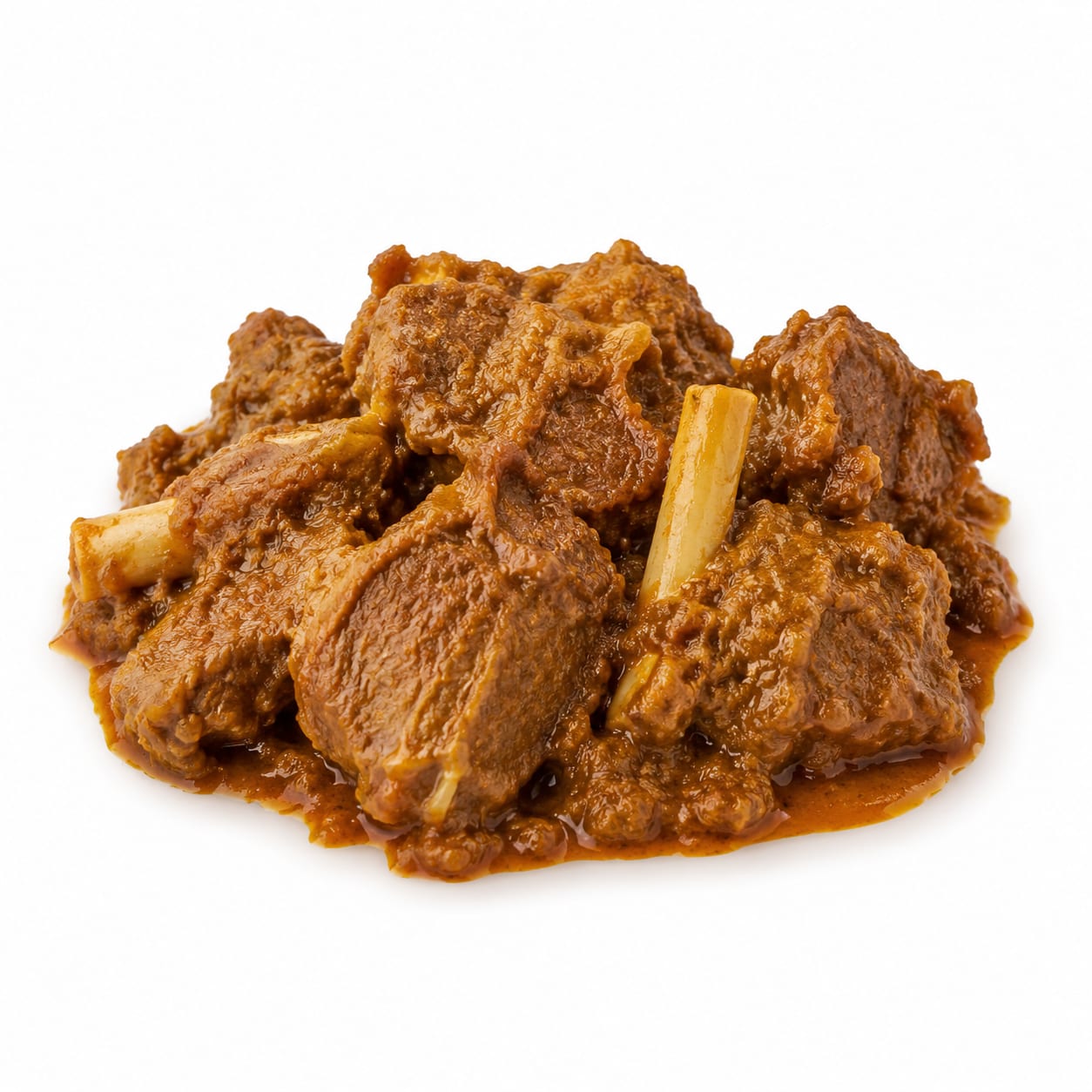
Mutton
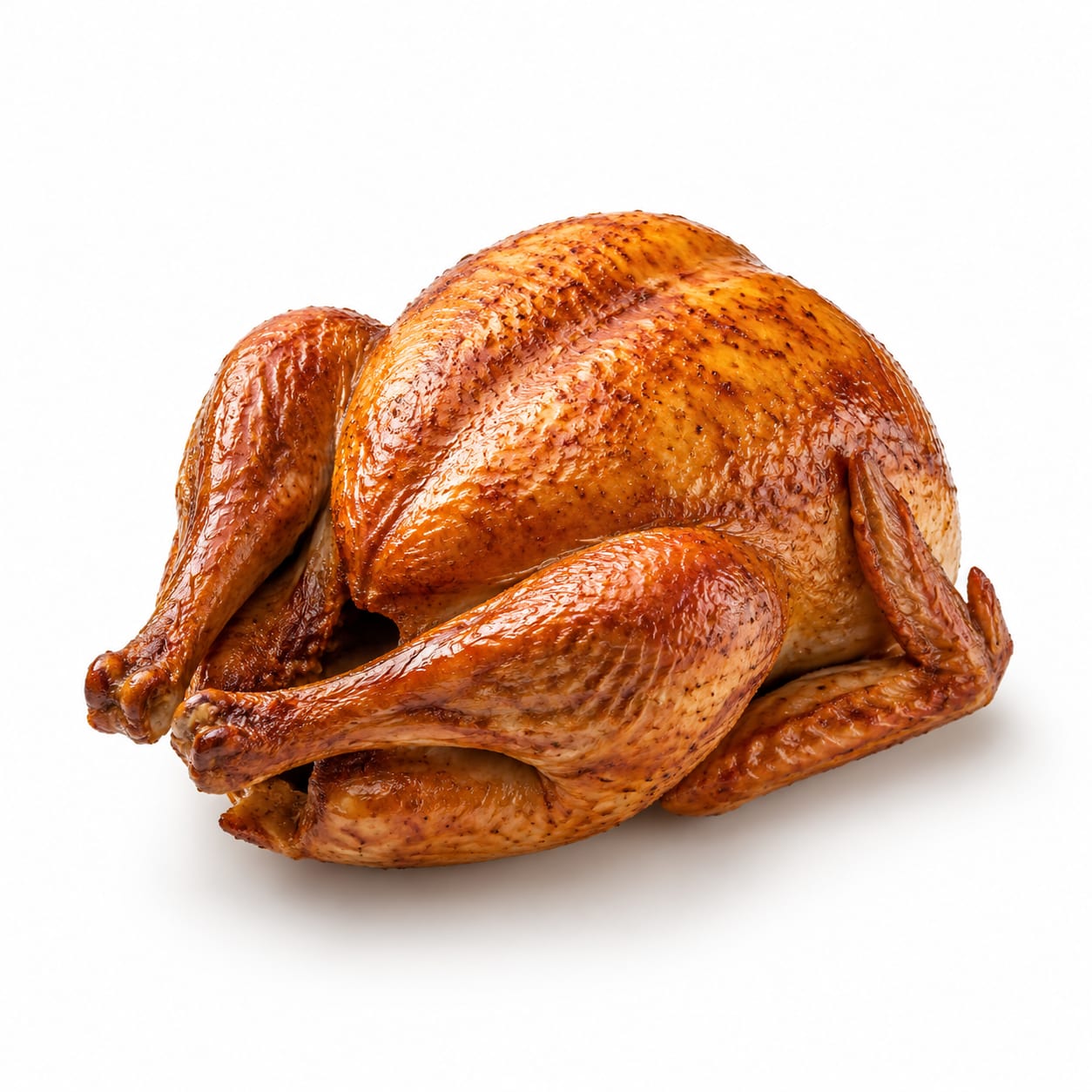
Turkey
Turkey is the safer, leaner choice for daily eating, while Mutton delivers unmatched iron and rich flavor for occasional meals.
Turkey scores higher due to its lean profile, versatility, and suitability for frequent consumption, while Mutton loses points for saturated fat and calorie density but remains valuable for specific nutrient gaps.
You trade Mutton's superior iron and zinc content for Turkey's heart-friendly leanness and easier digestibility.
At a glance
Executive summary
Overall
Turkey
Healthier
Turkey
More practical
Turkey
Daily use
Turkey
Key comparison lenses
Red meat vs poultry health impacts
Mutton is red meat with higher saturated fat, while Turkey is lean poultry, making heart health a primary concern.
Micronutrient density comparison
Mutton offers significantly more heme iron and B12, which are crucial for energy and preventing anemia.
Weight management and leanness
Turkey is a staple for lean diets, whereas Mutton is calorie-dense and higher in fat.
Gout and inflammatory risks
Mutton's higher purine content makes it a risk for gout sufferers compared to Turkey.
Best choice for
Mutton
- Reversing iron deficiency anemia
- Hearty, satisfying winter meals
- Traditional cultural recipes
Turkey
- Lean muscle gain and fat loss
- Heart-healthy daily eating
- Quick weeknight meal prep
Least suitable for
Mutton
- Daily consumption for those with high cholesterol
- People prone to gout attacks
- Light summer meals
Turkey
- Those needing a dense heme iron boost
- Slow-cooked, rich stew recipes requiring high fat
Deep comparison
Dimension by dimension
Each lens scores both foods and breaks down who each option suits.
- Dimension 1 · Priority 95Turkey
Heart Health & Lipid Profile
Mutton · 45Turkey · 90Turkey is much leaner and lower in saturated fat, making it far gentler on your cardiovascular system.
Tradeoff
Mutton provides satisfying richness but comes with saturated fat that can raise LDL cholesterol if eaten often.
Why it matters
Frequent high saturated fat intake is a leading driver of heart disease over time.
Real-world impact
Eating Turkey regularly keeps your blood lipids in check, whereas heavy Mutton consumption might show up in your next cholesterol blood test.
Mutton
- Feeling deeply satisfied after a meal
Better for
- Daily heart-healthy diets
Worse for
Turkey
- Keeping arteries clear
- Managing cholesterol naturally
Better for
- Rich, indulgent dining experiences
Worse for
- Dimension 2 · Priority 90Mutton
Micronutrient Density (Iron, Zinc, B12)
Mutton · 92Turkey · 65Mutton is a powerhouse of heme iron, zinc, and vitamin B12, easily outperforming Turkey in mineral density.
Tradeoff
You get a major nutrient boost with Mutton, but it comes packaged with more fat and calories.
Why it matters
Heme iron from meat is absorbed much better than plant iron, making Mutton a top choice for fighting fatigue and anemia.
Real-world impact
If you are feeling constantly tired or borderline anemic, Mutton can restore your energy faster than Turkey.
Mutton
- Recovering from iron deficiency
- Boosting immune function with zinc
Better for
- Those who easily get too much iron
Worse for
Turkey
- Maintaining baseline B12 on a lean diet
Better for
- Women with heavy menstrual cycles needing iron
Worse for
- Dimension 3 · Priority 85Turkey
Weight Management & Calorie Density
Mutton · 50Turkey · 88Turkey offers far more protein per calorie, making it a staple for fat loss and lean muscle maintenance.
Tradeoff
Mutton is calorie-dense, so portions must be strictly controlled if you are watching your weight.
Why it matters
Lower calorie density means you can eat a satisfying volume of food without overshooting your daily intake.
Real-world impact
A Turkey breast dinner keeps you full without the calorie hangover, while a Mutton feast can easily wipe out half your daily calorie budget.
Mutton
- Bulking up with calorie surplus
Better for
- Calorie-restricted diets
Worse for
Turkey
- Cutting body fat
- Portion control
- Steady energy without food coma
Better for
- Those struggling to eat enough calories
Worse for
- Dimension 4 · Priority 75Turkey
Inflammatory & Uric Acid Risk
Mutton · 40Turkey · 80Mutton is high in purines and saturated fat, which can trigger inflammation and gout, whereas Turkey is much safer.
Tradeoff
Rich red meats like Mutton carry a higher inflammatory toll compared to lean poultry.
Why it matters
Chronic inflammation and gout flare-ups cause painful joints and long-term tissue damage.
Real-world impact
If your joints ache after heavy meat meals, Mutton is the likely culprit, while Turkey is less likely to trigger a flare-up.
Mutton
- No specific anti-inflammatory benefits
Better for
- People with gout or high uric acid
Worse for
Turkey
- Preventing gout attacks
- Keeping joints feeling smooth
Better for
- No significant inflammatory downsides
Worse for
Timeline
Health impact over time
Short-term
Hours to days
Mutton
- Deep, long-lasting satiety
- Potential sluggishness after a heavy meal due to high fat content
Turkey
- Lighter, cleaner feeling after eating
- Quick protein absorption for muscle recovery
Long-term
Months to years
Mutton
- Excellent for maintaining healthy iron stores and preventing anemia
- Increased cardiovascular risk if consumed too frequently
Turkey
- Supports heart health and lean body composition
- Sustainable daily protein source without the heavy saturated fat load
Risk profile
Safety & processing
Both whole Mutton and Turkey cuts are naturally minimally processed, though ground Turkey or deli meats can hide sodium and fillers.
Mutton
Saturated fat overload
mediumRegular overconsumption of Mutton's saturated fat raises cardiovascular risk over time.
Gout flare-ups
highHigh purine content in Mutton can trigger severe joint pain in susceptible individuals.
Turkey
Antibiotic residues
mediumConventional Turkey farming often uses antibiotics, making organic choices safer.
Sodium in processed forms
highDeli Turkey and ground Turkey can contain extremely high hidden sodium levels.
Who wins for whom
Audience fit
Same foods, different winners depending on your goal.
children
TurkeyTurkey is easier for kids to chew, gentler on their digestion, and offers lean protein for growth.
daily consumption
TurkeyTurkey is light, versatile, and sustainable as an everyday protein without the health drawbacks of daily red meat.
diabetes
TurkeyTurkey's low fat content helps maintain insulin sensitivity compared to the saturated fat in Mutton.
elderly
TurkeyOlder adults benefit from Turkey's digestibility and heart-friendly profile, though they should watch for iron needs.
muscle gain
TurkeyTurkey provides lean, high-quality protein necessary for muscle repair without the extra fat that slows digestion.
weight loss
TurkeyTurkey's high protein-to-calorie ratio makes it far easier to stay full while in a calorie deficit.
Your move
Decision guide
Choose Mutton
- You need a dense heme iron boost to fight fatigue or anemia
- You are cooking a traditional, rich, slow-cooked meal
- You are healthy, active, and want deep flavor without daily heart health concerns
Choose Turkey
- You want a lean, heart-healthy protein for daily meals
- You are focused on weight loss or muscle definition
- You have high cholesterol, gout, or a family history of heart disease
Either works if
- You simply need high-quality complete protein and are controlling your portion sizes
- You are rotating your protein sources for a balanced diet
Avoid both if
- You have severe gout and need to limit all meat purines
- You are on a strict plant-based diet
Final recommendation
Make Turkey your everyday go-to for lean, heart-friendly protein, and save Mutton for occasional meals when you need an iron boost or crave its rich, comforting flavor.
Practical
Consumer tips
- 1
Trim all visible fat from Mutton before cooking to significantly cut down on saturated fat and calories.
- 2
Choose whole Turkey breast over deli slices to avoid excessive sodium and preservatives.
- 3
Pair Mutton with vitamin C-rich vegetables like bell peppers to boost iron absorption.
- 4
Opt for organic or antibiotic-free Turkey to reduce exposure to farming chemicals.
- 5
Slow-cook Mutton to make it tender without needing extra added fats.