
Nutrition comparison
Mutton vs Rabbit: Which Meat Is Healthier for You?
Compare mutton and rabbit nutrition including protein, fat, calories, and health impact. Discover which lean meat wins for weight loss, heart health, and daily eating.
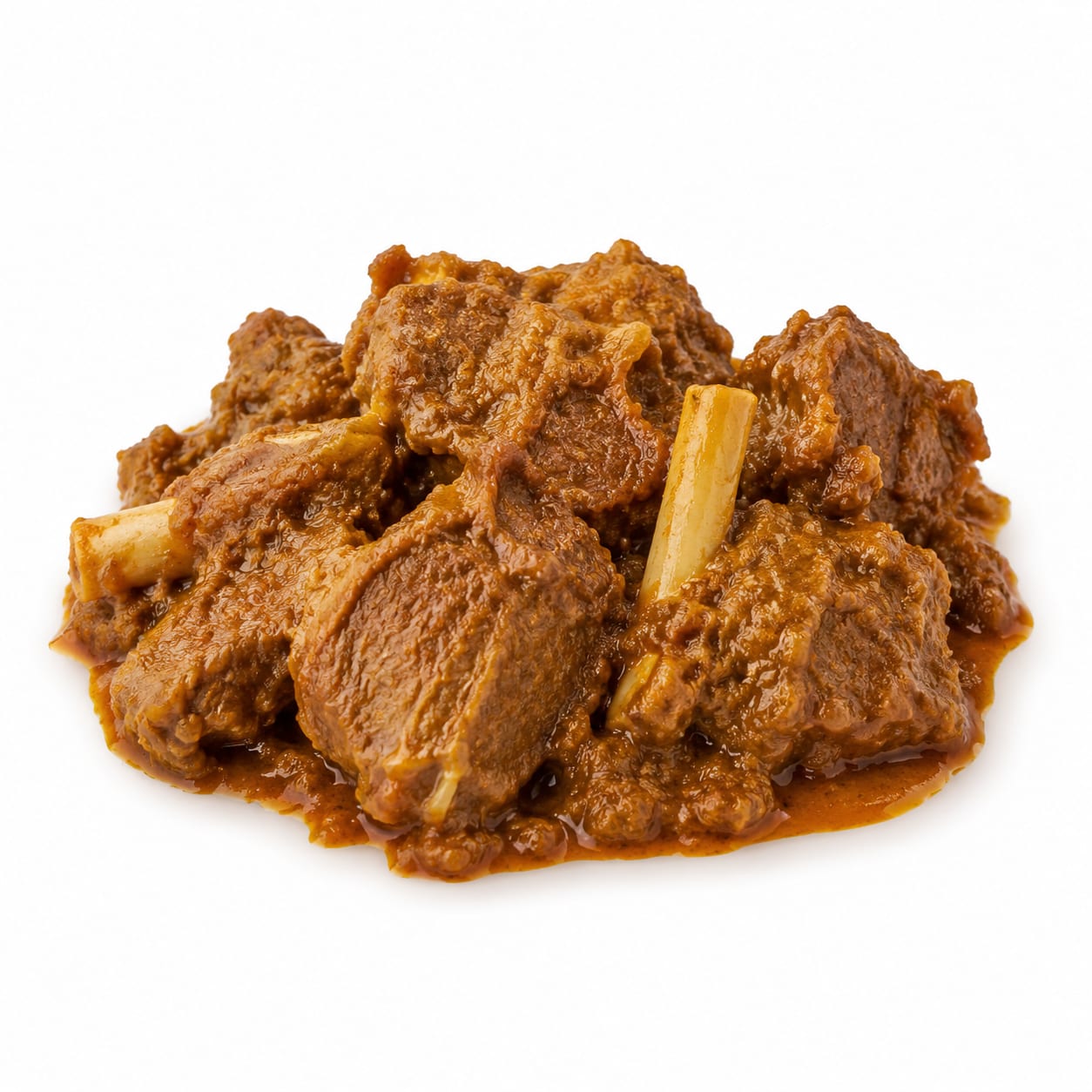
Mutton
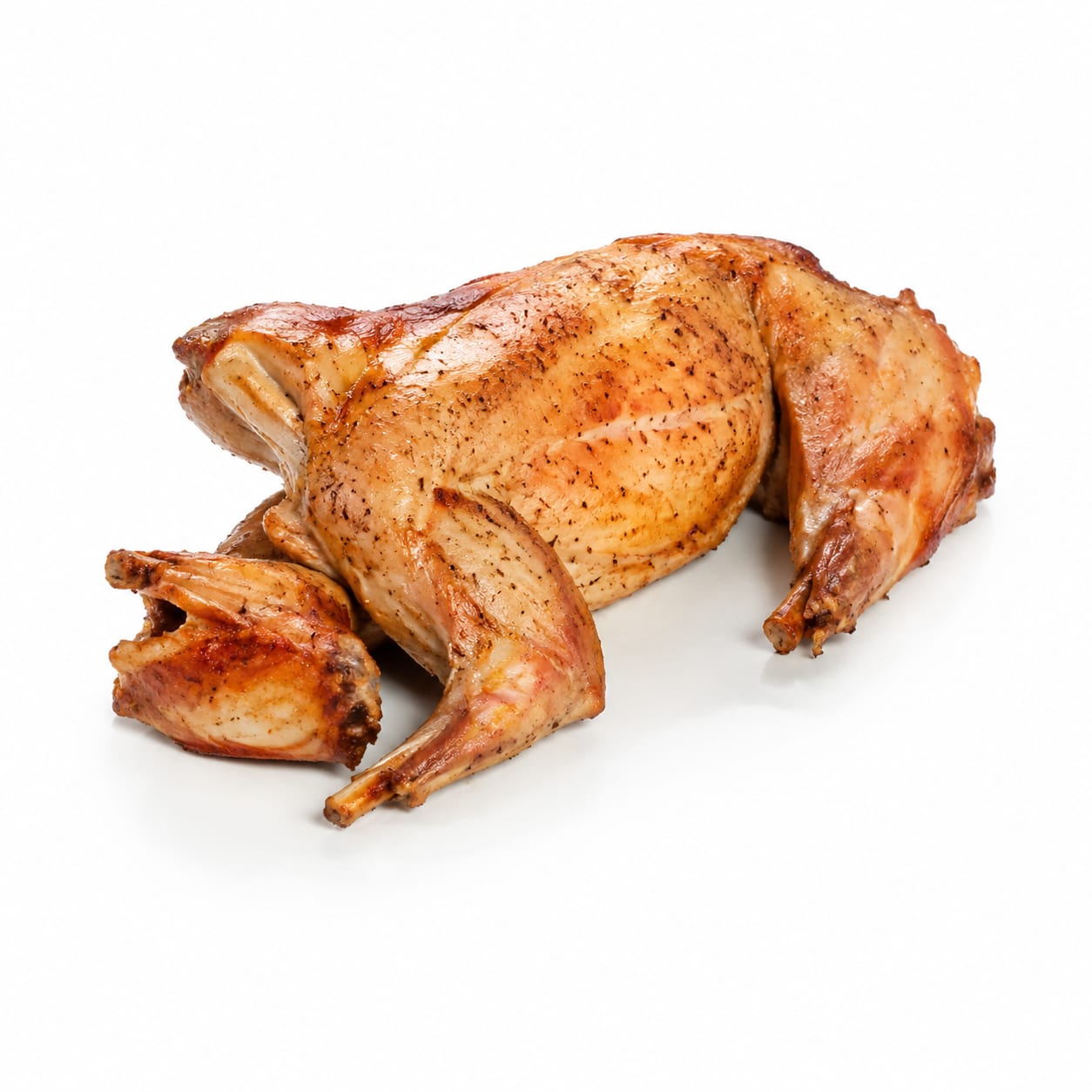
Rabbit
Rabbit wins for lean protein and heart health; mutton wins for satisfying richness and iron density.
Rabbit scores higher due to its exceptional leanness and lower health risks, but mutton remains valuable for specific nutritional needs like iron density and satiety.
You choose between rabbit's ultra-lean profile and mutton's richer, more filling fat content.
At a glance
Executive summary
Overall
It depends
Healthier
Rabbit
More practical
Mutton
Daily use
Rabbit
Key comparison lenses
Lean protein vs rich protein for health goals
Rabbit is one of the leanest meats available while mutton is significantly fattier, making this the core tradeoff
Heart health and cholesterol management
Saturated fat difference between these meats directly impacts cardiovascular risk
Weight management and calorie density
Calorie per gram differs dramatically, affecting portion control and diet adherence
Satiety and meal satisfaction
Fat content in mutton provides longer fullness but at a caloric cost
Sustainability and environmental impact
Rabbit farming has a significantly lower environmental footprint than sheep farming
Practical availability and cooking ease
Mutton is far more accessible in most markets; rabbit requires specialty sourcing
Best choice for
Mutton
- People needing high iron and B12 intake
- Those wanting long-lasting satiety from meals
- Colder climates where rich foods feel appropriate
- Traditional and cultural cooking contexts
Rabbit
- Anyone managing heart disease or high cholesterol
- Weight loss seekers wanting maximum protein with minimal calories
- Athletes needing lean recovery protein
- People watching saturated fat intake closely
Least suitable for
Mutton
- People with cardiovascular concerns
- Those on strict calorie-restricted diets
- Anyone monitoring saturated fat intake
Rabbit
- Those who find very lean meats unsatisfying
- People without access to specialty butchers
- Inexperienced cooks who may dry out lean meat
Deep comparison
Dimension by dimension
Each lens scores both foods and breaks down who each option suits.
- Dimension 1 · Priority 92Rabbit
Protein Quality and Density
Mutton · 75Rabbit · 88Both deliver excellent complete protein, but rabbit provides more protein per calorie since it carries almost no fat.
Tradeoff
Mutton's protein comes packaged with significant fat calories; rabbit's protein is nearly pure.
Why it matters
If you are tracking calories while hitting protein targets, rabbit gets you there with far fewer calories.
Real-world impact
A 150g serving of rabbit delivers roughly 33g protein and only 170 calories. The same mutton portion hits 30g protein but costs you 340+ calories.
Mutton
- Those who struggle to eat enough calories
- People wanting protein with sustained energy
Better for
- Those on strict calorie limits
Worse for
Rabbit
- Calorie-conscious lifters
- Anyone cutting while preserving muscle
- People who want protein without feeling heavy
Better for
- People who find lean meats unsatisfying alone
Worse for
- Dimension 2 · Priority 90Rabbit
Fat Profile and Heart Health
Mutton · 38Rabbit · 92Rabbit is one of the leanest meats on earth. Mutton carries substantial saturated fat that raises cardiovascular concerns.
Tradeoff
Mutton's fat makes it taste richer and more satisfying but directly increases heart disease risk with regular consumption.
Why it matters
Saturated fat from red meat is the single biggest dietary factor in LDL cholesterol elevation.
Real-world impact
Eating mutton several times a week can meaningfully raise your cholesterol numbers within months. Rabbit simply does not carry this risk.
Mutton
- Healthy active people who burn fat efficiently
- Ketogenic dieters who want animal fat
Better for
- People with existing cardiovascular conditions
- Anyone monitoring saturated fat
Worse for
Rabbit
- Anyone with family history of heart disease
- People with elevated LDL cholesterol
- Those whose doctor recommended lean meats only
Better for
- Those who genuinely need more dietary fat
Worse for
- Dimension 3 · Priority 82Mutton
Satiety and Meal Satisfaction
Mutton · 88Rabbit · 62Mutton's fat content keeps you full for hours. Rabbit digests quickly and may leave you hungry sooner.
Tradeoff
You trade longer fullness for more calories with mutton, or fewer calories with less staying power with rabbit.
Why it matters
Meals that do not satisfy lead to snacking and overeating later, undermining health goals.
Real-world impact
A mutton stew at lunch can keep you full until dinner. A rabbit dish may have you reaching for a snack by mid-afternoon.
Mutton
- People who skip meals and need lasting energy
- Those doing physically demanding work
- Anyone who hates feeling hungry between meals
Better for
- People who feel sluggish after heavy meals
Worse for
Rabbit
- People who prefer lighter meals
- Those who eat frequent small meals
Better for
- Those prone to overeating when unsatisfied
Worse for
- Dimension 4 · Priority 78Mutton
Micronutrient Density
Mutton · 84Rabbit · 72Mutton delivers more iron, zinc, and B12 per serving due to its higher overall nutrient concentration in red muscle fiber.
Tradeoff
Rabbit still provides solid micronutrients but at lower absolute amounts per serving compared to mutton.
Why it matters
Iron and B12 deficiencies are common, especially in women and older adults.
Real-world impact
If you rely on meat as your primary iron source, mutton gets you there faster. Rabbit works but you may need larger portions or complementary foods.
Mutton
- People with diagnosed iron deficiency
- Women of reproductive age needing more iron
- Older adults at risk for B12 deficiency
Better for
- People with hemochromatosis or iron overload
Worse for
Rabbit
- Those who get iron from other sources too
- People who eat varied diets with organ meats elsewhere
Better for
- Those relying on a single meat for all micronutrients
Worse for
- Dimension 5 · Priority 75Rabbit
Sustainability and Environmental Impact
Mutton · 35Rabbit · 85Rabbit farming produces far fewer greenhouse gas emissions and requires dramatically less land and water than sheep farming.
Tradeoff
Choosing rabbit is genuinely better for the planet, but availability is limited in many regions.
Why it matters
Sheep farming is among the most carbon-intensive protein production methods. Rabbits are among the least.
Real-world impact
A kilogram of mutton generates roughly 5-6 times more greenhouse emissions than a kilogram of rabbit meat.
Mutton
- People in regions where mutton is locally raised
Better for
- Anyone concerned about climate impact of food choices
Worse for
Rabbit
- Environmentally conscious eaters
- Those interested in sustainable homesteading
- People who want low-impact protein
Better for
- Those who must import rabbit from far away
Worse for
- Dimension 6 · Priority 70Mutton
Practicality and Accessibility
Mutton · 82Rabbit · 40Mutton is available in most grocery stores and butcher shops worldwide. Rabbit requires specialty sourcing in many areas.
Tradeoff
You can cook mutton tonight with a quick store trip. Rabbit may require planning, special orders, or mail delivery.
Why it matters
The healthiest food means nothing if you cannot consistently obtain and prepare it.
Real-world impact
Most people can find mutton within a short drive. Finding rabbit often means calling specialty butchers or ordering online.
Mutton
- Busy households needing convenient shopping
- People in areas without specialty butchers
- Those who value easy availability
Better for
- Those in regions where mutton is uncommon
Worse for
Rabbit
- People with access to farmers markets or specialty shops
- Homesteaders who raise their own
Better for
- Anyone without a reliable rabbit source
- People who need to meal prep on a tight schedule
Worse for
- Dimension 7 · Priority 65Mutton
Cooking Versatility and Forgiveness
Mutton · 78Rabbit · 48Mutton's fat keeps it moist through various cooking methods. Rabbit's extreme leanness makes it easy to overcook and dry out.
Tradeoff
Mutton forgives cooking mistakes. Rabbit demands attention and technique to stay enjoyable.
Why it matters
Dry, tough meat ruins meals and discourages healthy eating habits.
Real-world impact
Slow-cooked mutton is almost always tender. Overcook rabbit by just a few minutes and it becomes chewy and dry.
Mutton
- Less experienced home cooks
- Those who prefer slow cooker or one-pot meals
- People who like forgiving recipes
Better for
- People who find strong flavors overwhelming
Worse for
Rabbit
- Confident cooks comfortable with lean meat techniques
- Those willing to use moist-heat methods like braising
Better for
- Beginners who tend to overcook meat
- Those who prefer quick high-heat cooking methods
Worse for
Timeline
Health impact over time
Short-term
Hours to days
Mutton
- Heavy, long-lasting fullness after eating
- Possible sluggishness after large portions due to fat content
- Warming and comforting sensation in cold weather
Rabbit
- Light, clean energy without heaviness
- Quick digestion may lead to earlier hunger return
- Easy on the stomach with minimal digestive burden
Long-term
Months to years
Mutton
- Regular consumption may elevate LDL cholesterol and cardiovascular risk
- Excellent for maintaining iron and B12 status over time
- High saturated fat intake linked to increased inflammation markers with frequent consumption
Rabbit
- Supports cardiovascular health with minimal saturated fat load
- Helps maintain lean body composition when eaten regularly
- Very low fat intake may require adding healthy fats from other sources for hormonal health
Risk profile
Safety & processing
Both mutton and rabbit are whole, unprocessed meats. Neither typically contains additives when purchased fresh. The naturalness edge goes to rabbit only because small-scale farming is more common, reducing exposure to routine antibiotics and feed additives.
Mutton
Parasitic infection from undercooked meat
mediumSheep can carry toxoplasma and other parasites. Always cook mutton to safe internal temperatures.
Antibiotic residues from conventional farming
lowLarger commercial operations may use antibiotics. Choose grass-fed or organic when possible.
Prion disease (scrapie)
very_lowExtremely rare in commercial meat supply. Not a practical concern for consumers.
Rabbit
Tularemia from wild-caught rabbit
highWild rabbit can carry tularemia, a serious bacterial infection. Farmed rabbit eliminates this risk. Never handle or eat wild rabbit without proper knowledge.
Protein toxicity from extremely lean diet
lowRabbit starvation is a real condition where eating only lean meat without fat causes malnutrition. This only occurs with an extremely restricted diet.
Contamination from small-scale processing
lowSmaller processing facilities may have less standardized hygiene. Buy from reputable sources.
Who wins for whom
Audience fit
Same foods, different winners depending on your goal.
children
MuttonMutton's richer nutrient density and fat content support growing bodies. Rabbit is safe but may not provide enough fat for developing children unless supplemented.
daily consumption
RabbitRabbit's low saturated fat makes it safer to eat regularly. Mutton is best enjoyed a few times per week maximum.
diabetes
RabbitLower saturated fat intake improves insulin sensitivity. Both have zero carbohydrates.
elderly
RabbitLeaner protein is easier to digest and better for aging cardiovascular systems. Mutton's fat can be harder on older digestion.
muscle gain
RabbitHigher protein per calorie supports muscle building without excess fat gain, though both work well.
weight loss
RabbitRabbit provides maximum protein with minimal calories, making it far easier to maintain a caloric deficit.
Your move
Decision guide
Choose Mutton
- You need maximum iron and B12 from your meat
- Heart health is not a primary concern for you
- You want deeply satisfying meals that keep you full
- You enjoy rich, bold flavors in your cooking
- You live where mutton is affordable and accessible
Choose Rabbit
- Your doctor has told you to reduce saturated fat
- You are actively losing weight and counting calories
- You want lean protein for athletic recovery
- Environmental sustainability matters to your food choices
- You are comfortable sourcing and cooking specialty meats
Either works if
- You want high-quality complete protein from whole foods
- You avoid processed meats and factory farming
- You enjoy traditional or heritage cooking
- You rotate proteins regularly as part of a varied diet
Avoid both if
- You follow a plant-based diet
- You have gout and need to limit purine-rich meats
- You cannot reliably source quality versions of either meat
Final recommendation
Choose rabbit as your default if health and leanness are priorities, and you can source it. Choose mutton when you need rich, satisfying meals with maximum iron, but limit it to a few times weekly. Both are excellent whole-food proteins that beat processed meats by a wide margin.
Practical
Consumer tips
- 1
If cooking rabbit for the first time, braise it in liquid to prevent dryness.
- 2
Pair rabbit with olive oil or avocado to add healthy fats that it naturally lacks.
- 3
Choose grass-fed mutton when available for a better omega-3 to omega-6 ratio.
- 4
Never eat wild-caught rabbit unless you are certain it was handled and cooked safely to avoid tularemia.
- 5
If mutton's flavor is too strong, try younger lamb for a milder taste with a similar nutrient profile.
- 6
Ask your butcher about rabbit availability. Many can order it with a few days' notice.
- 7
Marinate mutton in acidic mixtures like yogurt or lemon to help tenderize and reduce gaminess.
- 8
Balance mutton meals with plenty of vegetables and whole grains to offset the saturated fat load.