
Nutrition comparison
Mutton vs Venison: Nutrition, Taste, and Health Comparison
Comparing Mutton and Venison? Discover which meat is leaner, which is easier to cook, and the health tradeoffs between these robust red meats.
Overall winner · Venison
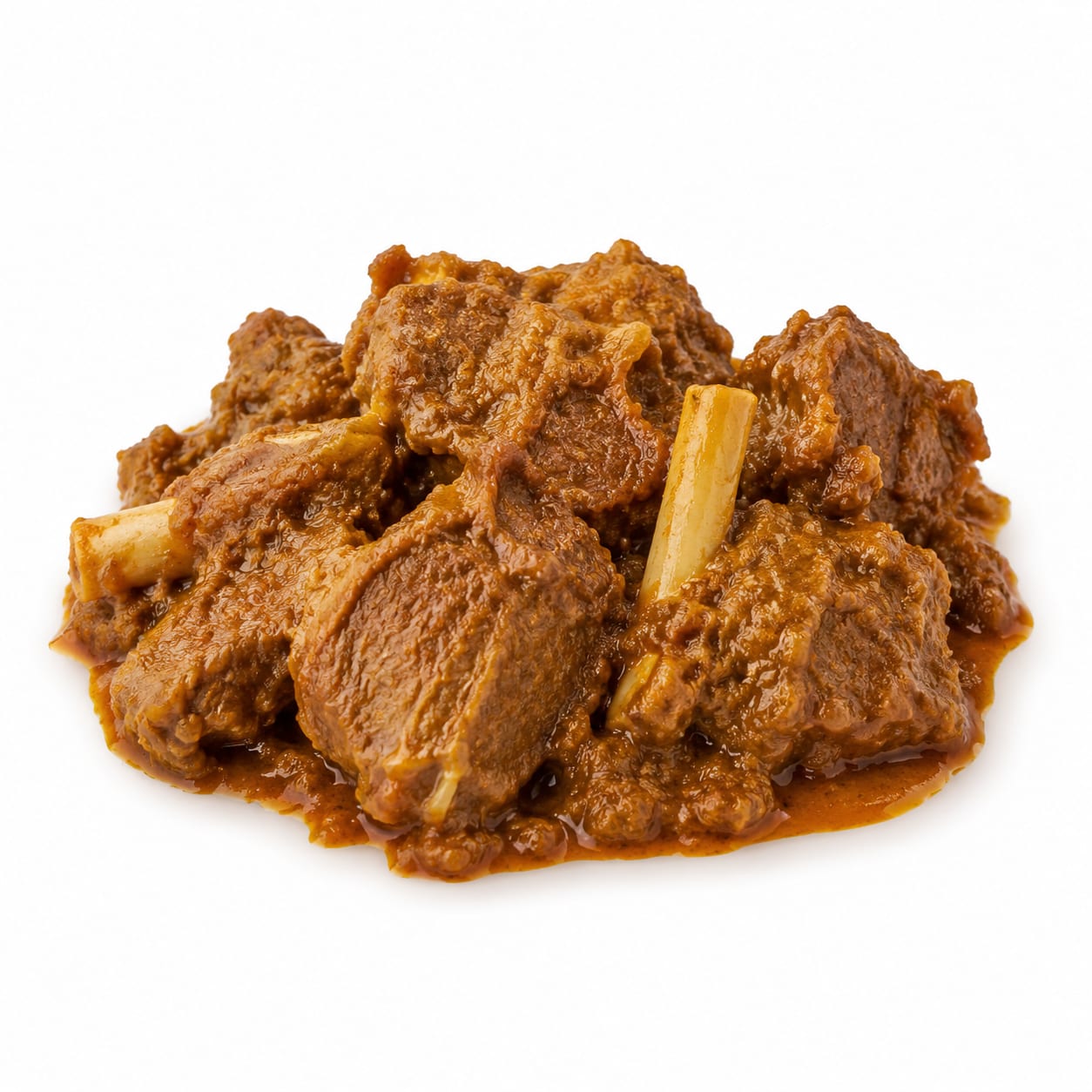
Mutton
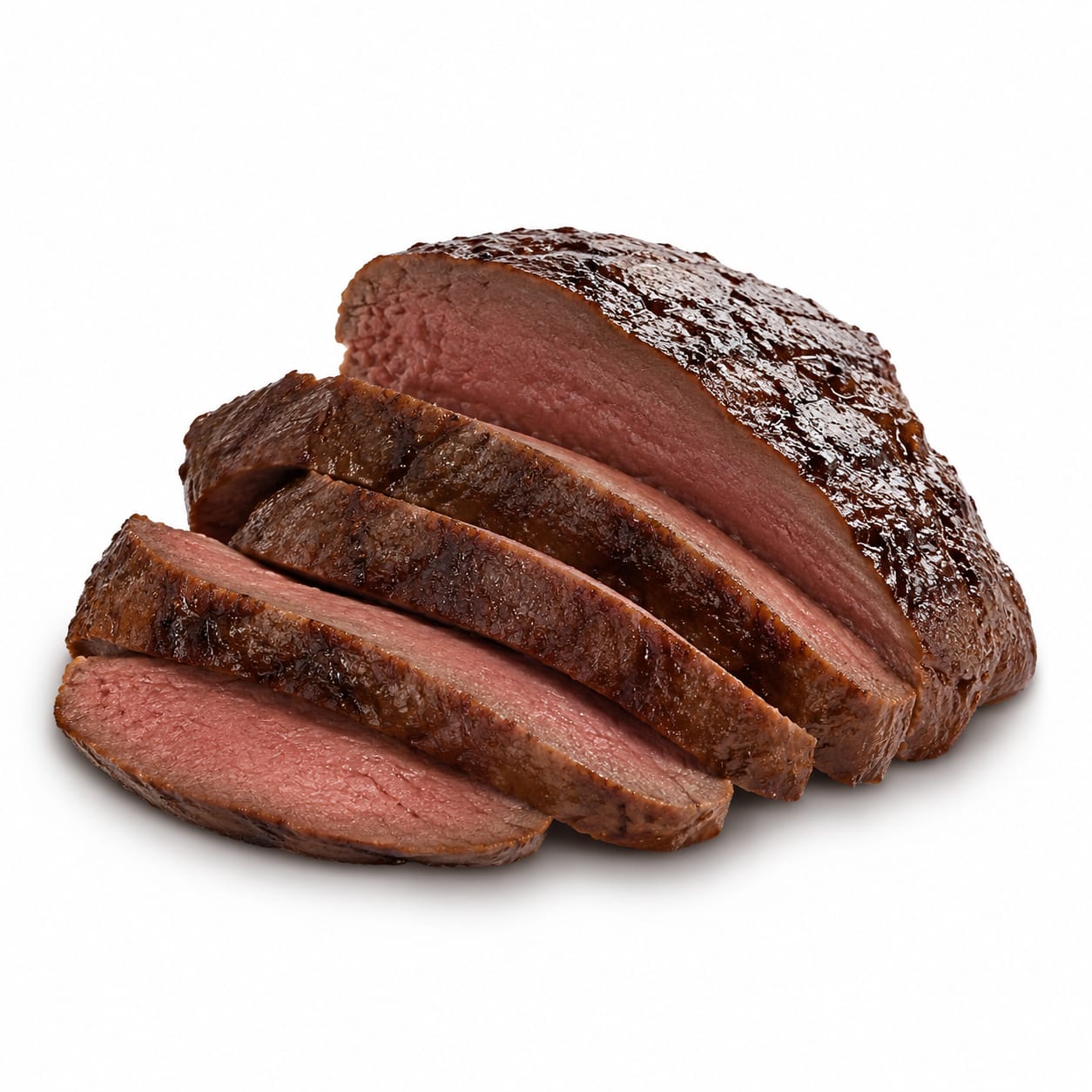
Venison
Venison offers superior lean protein and micronutrients per calorie, while Mutton delivers richer flavor and easier cooking at the cost of higher fat.
Venison scores higher due to its exceptional nutrient-to-calorie ratio and wild sourcing, though Mutton remains a valid choice for specific culinary and caloric needs.
You trade Mutton's forgiving, flavorful fat for Venison's lean, heart-healthy efficiency.
At a glance
Executive summary
Overall
Venison
Healthier
Venison
More practical
Mutton
Daily use
It depends
Key comparison lenses
Fat and calorie comparison
Venison is exceptionally lean while Mutton is notoriously fatty, making calorie density the primary decision factor.
Sourcing and naturalness
Venison is predominantly wild-caught with minimal human intervention, whereas Mutton is farmed, raising concerns about antibiotics and feed.
Culinary usability and taste
Mutton's fat makes it forgiving and rich, while Venison's leanness requires careful cooking to avoid dry, tough meat.
Heart health and cholesterol
Saturated fat differences heavily impact cardiovascular risk, making this a major health differentiator.
Best choice for
Mutton
- Comfort food lovers wanting rich, slow-cooked stews
- Those needing higher caloric intake or extra energy density
- Home cooks who worry about drying out lean meats
Venison
- Weight watchers seeking maximum protein with minimal calories
- Wild game enthusiasts prioritizing natural, unmedicated meat
- Heart-health conscious eaters avoiding saturated fat
Least suitable for
Mutton
- People managing high cholesterol or heart disease
- Anyone strictly tracking calories or saturated fat
- Those who dislike strong, gamey flavors
Venison
- Cooks unfamiliar with preparing lean game meats
- Budget-conscious shoppers looking for everyday affordability
- People who prefer well-done meat, which ruins lean cuts
Deep comparison
Dimension by dimension
Each lens scores both foods and breaks down who each option suits.
- Dimension 1 · Priority 95Venison
Fat and Caloric Density
Mutton · 40Venison · 92Venison is drastically leaner, offering far fewer calories per serving than Mutton.
Tradeoff
Mutton's high fat makes it juicier and more flavorful, but heavily spikes the calorie count.
Why it matters
If you eat red meat frequently, the saturated fat in Mutton can quickly exceed daily limits.
Real-world impact
A Venison dinner leaves you satisfied without the heavy, sluggish feeling that often follows a rich Mutton meal.
Mutton
- Keto or low-carb dieters seeking high fat
- High-calorie bulking phases
Better for
- Cardiovascular health management
- Calorie-restricted eating
Worse for
Venison
- Cutting phases and weight loss
- Low-saturated-fat diets
Better for
- Those needing dense caloric energy in small portions
Worse for
- Dimension 2 · Priority 90Venison
Protein Quality and Satiety
Mutton · 75Venison · 95Venison provides more protein per ounce because it isn't diluted by fat.
Tradeoff
Mutton's fat contributes to satiety through caloric density, but Venison's pure protein is more efficient for muscle maintenance.
Why it matters
Higher protein per calorie means you build muscle without adding unnecessary body fat.
Real-world impact
After a Venison meal, you get long-lasting fullness from the protein without the heavy fat hangover.
Mutton
- Satiety driven by fat content
Better for
- Clean bulk requirements
Worse for
Venison
- Athletes needing efficient muscle repair
- Older adults preserving lean mass
Better for
- Those who find lean meat physically unfilling
Worse for
- Dimension 3 · Priority 85Venison
Micronutrient Density
Mutton · 78Venison · 88Both are iron and B12 powerhouses, but Venison delivers these with far fewer calories.
Tradeoff
Mutton contains slightly higher levels of some B-vitamins due to the fat content, but Venison has the edge in bioavailable iron per serving.
Why it matters
Iron and B12 are critical for energy, and getting them without excess fat is a major win.
Real-world impact
Choosing Venison helps fight fatigue and anemia without compromising your daily fat budget.
Mutton
- Those needing extra B12 from animal fats
Better for
- Nutrient seekers avoiding high calories
Worse for
Venison
- Anemia-prone individuals needing high iron
- Nutrient-maximizers watching their waistline
Better for
- Those specifically needing fat-soluble vitamin co-factors
Worse for
- Dimension 4 · Priority 80Venison
Sourcing and Naturalness
Mutton · 55Venison · 95Venison is mostly wild, foraging on natural diets, while Mutton is farmed with potential agricultural interventions.
Tradeoff
Wild Venison is the ultimate free-range meat, but farmed Mutton offers more consistency and availability.
Why it matters
Wild game avoids the antibiotics, hormones, and processed feeds common in conventional farming.
Real-world impact
Eating Venison feels closer to hunting your own food; Mutton carries the uncertainties of the modern feedlot.
Mutton
- Those who need guaranteed consistent supply
Better for
- Avoiders of conventional farming practices
Worse for
Venison
- Clean-eating advocates avoiding antibiotics
- Environmentalists preferring low-impact wild game
Better for
- Those requiring verified antibiotic-free farmed certifications
Worse for
- Dimension 5 · Priority 75Mutton
Culinary Practicality
Mutton · 85Venison · 50Mutton is far more forgiving to cook thanks to its fat, while Venison turns dry and tough if overcooked.
Tradeoff
You must carefully monitor Venison's cooking time, whereas Mutton thrives under long, slow heat.
Why it matters
Overcooking an expensive cut of Venison ruins the meal, making it a stressful choice for beginners.
Real-world impact
Mutton is perfect for a cozy, unattended slow-roast; Venison demands your attention and a meat thermometer.
Mutton
- Slow-cooking and braising enthusiasts
- Novice cooks needing error margin
Better for
- Quick weeknight meal prep
Worse for
Venison
- Cooks skilled in quick, high-heat searing
- Rare-to-medium-rare steak lovers
Better for
- Those who prefer well-done meat
- Distracted cooks
Worse for
Timeline
Health impact over time
Short-term
Hours to days
Mutton
- Heavy, long-lasting fullness due to high fat content
- Potential sluggishness after a large portion
Venison
- Clean, light energy from lean protein
- Risk of feeling hungry sooner if not paired with healthy fats
Long-term
Months to years
Mutton
- Regular consumption may elevate LDL cholesterol if portions are large
- High saturated fat intake can impact heart health over time
Venison
- Supports lean muscle mass and healthy weight maintenance
- Excellent for cardiovascular health when replacing fattier meats
Risk profile
Safety & processing
Both are whole, unprocessed meats, but Venison's typical wild origin means it lives a completely natural life before harvest, whereas Mutton is subject to agricultural farming practices.
Mutton
Antibiotic and hormone residues
mediumConventional farming may use medications that can linger in the fat, though regulations aim to minimize this.
Pathogenic bacteria
mediumLike all raw meats, Mutton requires safe handling to avoid Salmonella or E. coli.
Venison
Lead fragment contamination
mediumWild-harvested Venison shot with lead ammunition can contain microscopic lead fragments, a particular risk for children.
Chronic Wasting Disease (CWD)
lowA prion disease found in some wild deer populations. While no human cases are confirmed, avoiding meat from infected areas is strongly recommended.
Who wins for whom
Audience fit
Same foods, different winners depending on your goal.
children
MuttonMutton is easier to chew when slow-cooked and avoids the potential lead fragment risk found in some wild Venison.
daily consumption
It dependsVenison is healthier for daily lean protein, but its cost and cooking demands make Mutton more practical for regular stews in some cultures.
diabetes
VenisonZero carbs for both, but Venison's lower saturated fat helps manage insulin resistance better long-term.
elderly
MuttonSlow-cooked Mutton falls apart easily for chewing difficulties, and its fat helps prevent unintentional weight loss.
muscle gain
VenisonVenison offers more protein per gram, supporting muscle repair with less caloric baggage.
weight loss
VenisonVenison's extremely low fat and calorie content makes it a top-tier protein for cutting.
Your move
Decision guide
Choose Mutton
- You want a rich, comforting stew or curry
- You struggle with keeping lean meats moist
- You need calorie-dense food for cold weather or heavy labor
Choose Venison
- You want maximum nutrition with minimum calories
- You prioritize heart health and low saturated fat
- You enjoy cooking and eating rare or medium-rare steaks
Either works if
- You need a massive boost of iron and vitamin B12
- You are following a zero-carb or keto diet (with fat added for Venison)
- You enjoy strong, distinct meat flavors
Avoid both if
- You have severe gout and are actively avoiding purines
- You strictly limit red meat consumption for health reasons
Final recommendation
Choose Venison for a lean, nutrient-dense protein that supports heart health and weight management, but opt for Mutton when you crave rich, comforting flavor and a forgiving cooking experience.
Practical
Consumer tips
- 1
Marinate Venison in olive oil or wrap it in bacon to add moisture and prevent drying out during cooking.
- 2
Trim the hard fat off Mutton before cooking; much of the strong, gamey flavor resides in the fat itself.
- 3
If buying wild Venison, ask your supplier about their hunting practices to ensure lead-free ammunition was used.
- 4
Slow-cook Mutton on low heat for hours to break down the tough connective tissue into melt-in-your-mouth gelatin.
- 5
Pair Venison with a healthy fat source like avocado or nuts to make the meal more satiating without adding saturated fat.