
Nutrition comparison
Mutton vs Chicken: Which Is Healthier for Daily Eating?
Compare mutton and chicken on fat, protein, iron, B12, heart health, and weight management. Find out which meat fits your goals and how often to eat each.
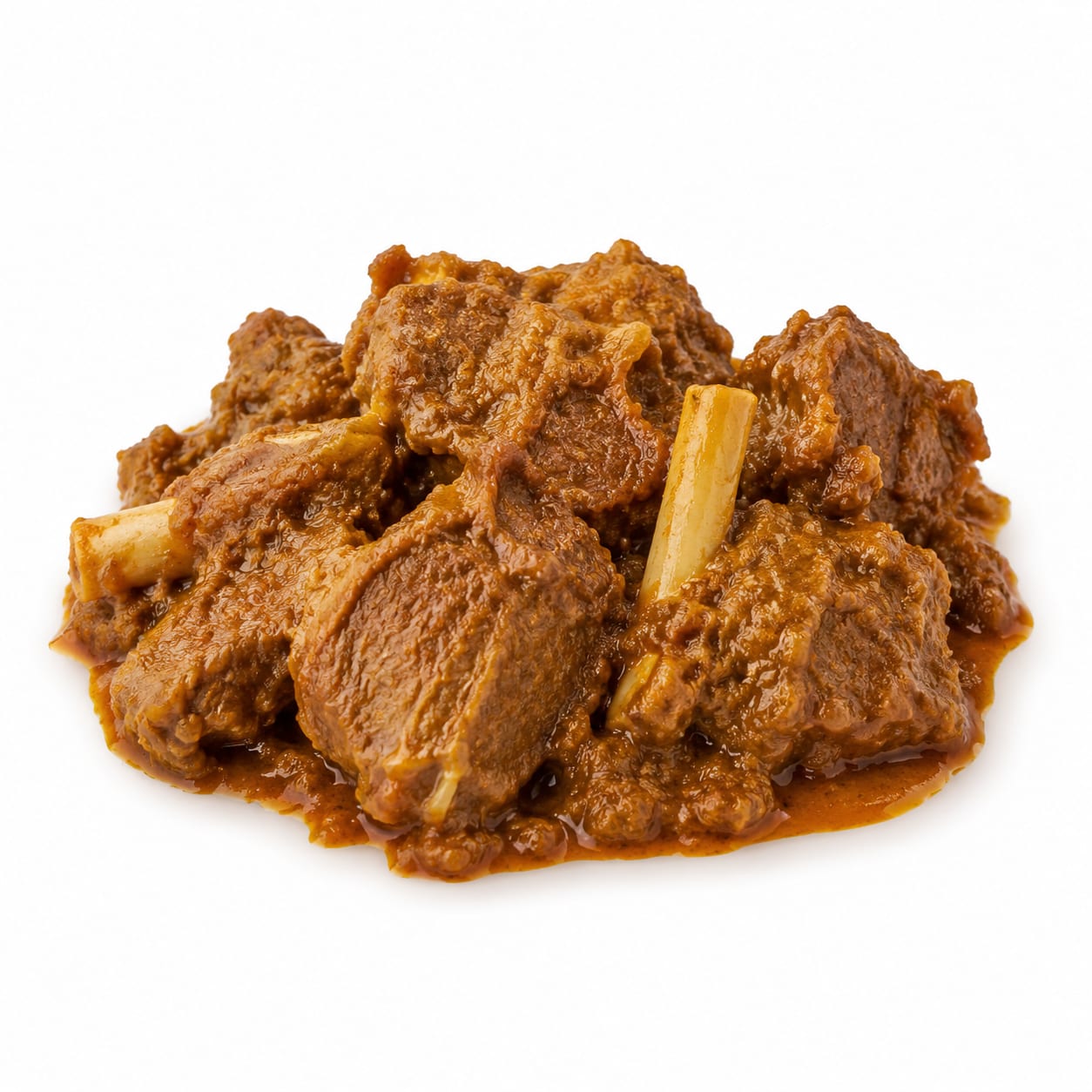
Mutton
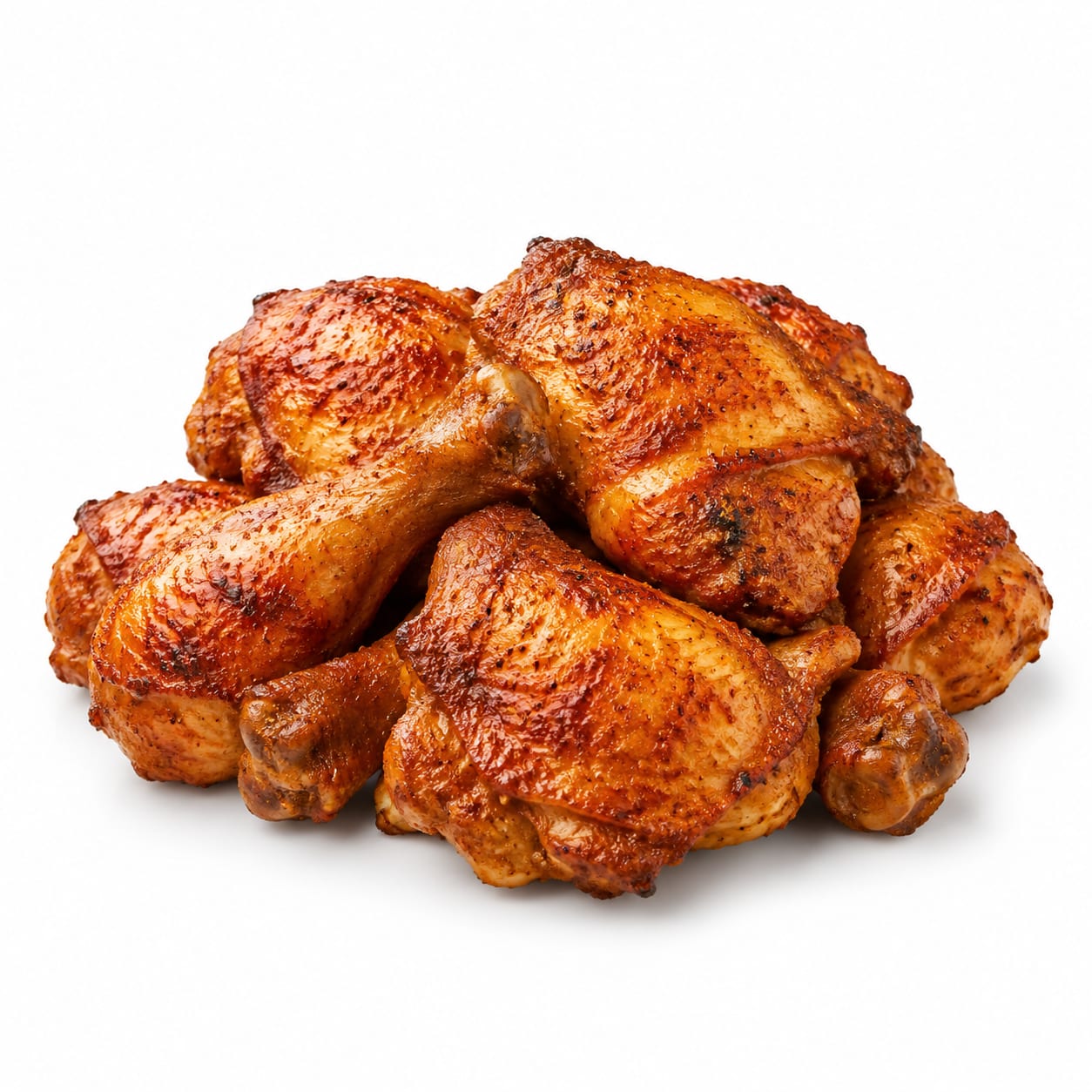
Chicken
Chicken wins for everyday lean protein and heart health; mutton wins for iron, B12, and satisfying richness when eaten moderately.
Chicken scores higher overall due to leanness, versatility, and daily practicality. Mutton earns strong marks for micronutrient density and satiety but loses ground on saturated fat, calorie load, and cardiovascular risk with frequent consumption.
Mutton delivers far more iron and B12 but carries significantly more saturated fat and calories. Chicken is leaner and more practical daily, but nutritionally shallower.
At a glance
Executive summary
Overall
It depends
Healthier
Chicken
More practical
Chicken
Daily use
Chicken
Key comparison lenses
heart health and fat profile
The saturated fat difference between mutton and chicken is the single biggest health tradeoff users care about
protein quality for muscle and satiety
Both are primary protein sources, but density and leanness affect how they fit into daily meals
iron and b12 nutrient density
Mutton dramatically outperforms chicken in critical micronutrients like iron and B12, especially relevant for anemia-prone populations
weight management and calorie control
Calorie density differs significantly, making portion control and weight goals a key decision factor
everyday practicality and cost
Chicken is far more accessible, affordable, and versatile for daily cooking
Best choice for
Mutton
- People with iron deficiency or anemia
- Those needing B12 boost
- Individuals seeking high satiety from smaller portions
- Cuisines where rich flavor is central
- Underweight individuals needing calorie density
Chicken
- People managing cholesterol or heart disease risk
- Anyone tracking calories for weight loss
- Families needing affordable everyday protein
- Athletes wanting lean post-workout recovery
- Those who eat meat daily and need a lighter option
Least suitable for
Mutton
- People with high LDL cholesterol
- Anyone on a calorie-restricted diet
- Those who eat red meat frequently already
- Individuals with gout flare-ups
Chicken
- People with severe iron deficiency
- Vegans transitioning who need nutrient-dense meat
- Those finding lean meats unsatisfying
Deep comparison
Dimension by dimension
Each lens scores both foods and breaks down who each option suits.
- Dimension 1 · Priority 95Chicken
heart_health_and_fat_profile
Mutton · 40Chicken · 82Chicken has roughly half the saturated fat of mutton, making it clearly gentler on cardiovascular health.
Tradeoff
Mutton's richer fat content creates more flavor and satisfaction but raises LDL cholesterol risk with regular consumption.
Why it matters
Heart disease remains the leading cause of death globally. Saturated fat intake is a modifiable risk factor most people can control through meat choices.
Real-world impact
Eating mutton several times a week can noticeably shift cholesterol numbers upward within months. Chicken keeps that risk far lower.
Mutton
- Those with healthy lipid profiles who eat red meat sparingly
- People who find lean meats unsatisfying and overeat as a result
Better for
- People already struggling with high cholesterol
- Anyone advised to limit red meat by their doctor
Worse for
Chicken
- Anyone with family history of heart disease
- People with elevated LDL cholesterol
- Those eating meat multiple times daily
Better for
- Those relying solely on chicken may miss iron and B12 if not eating other rich sources
Worse for
- Dimension 2 · Priority 80Mutton
iron_and_micronutrient_density
Mutton · 88Chicken · 45Mutton delivers roughly double the iron and significantly more B12, zinc, and selenium than chicken.
Tradeoff
You gain powerful micronutrient density with mutton but absorb more saturated fat in the same bite.
Why it matters
Iron deficiency is the most common nutrient deficiency worldwide, especially affecting women. B12 is critical for nerve health and energy.
Real-world impact
A single mutton serving can provide over half your daily iron needs. Chicken would barely make a dent in the same requirement.
Mutton
- Women with heavy menstrual cycles
- Vegetarians reintroducing meat who need maximum nutrient impact
- Older adults at risk for B12 deficiency
- Growing teenagers with high iron needs
Better for
- People with hemochromatosis or iron overload conditions
Worse for
Chicken
- People who get iron from other sources like lentils and greens
- Those taking iron supplements already
Better for
- Anemic individuals relying on chicken alone will likely stay deficient
Worse for
- Dimension 3 · Priority 75Mutton
satiety_and_satisfaction
Mutton · 85Chicken · 68Mutton's higher fat content keeps you full longer and delivers a more satisfying eating experience.
Tradeoff
Greater satiety comes with more calories per bite, so portion awareness matters more with mutton.
Why it matters
Feeling satisfied after meals reduces snacking and overeating later. But calorie-dense foods can silently push you past daily limits.
Real-world impact
A mutton curry at lunch can keep hunger away until dinner. A chicken breast might leave you reaching for a snack by 4pm.
Mutton
- People who struggle with between-meal hunger
- Those doing physically demanding work needing lasting fuel
- Anyone finding lean proteins unsatisfying
Better for
- Anyone who struggles with portion control on rich foods
Worse for
Chicken
- People who prefer eating larger volumes of food for fewer calories
- Those who graze throughout the day anyway
Better for
- Dieters who feel constantly hungry on lean proteins alone
Worse for
- Dimension 4 · Priority 75Chicken
calorie_density_and_weight_management
Mutton · 42Chicken · 80Chicken delivers more protein per calorie, making it far easier to stay within daily limits.
Tradeoff
Mutton's calorie density means smaller portions or less frequent consumption to avoid weight gain.
Why it matters
For anyone managing weight, calorie density determines how much you can eat while still hitting goals.
Real-world impact
A 6oz chicken breast clocks around 280 calories. The same mutton portion can exceed 450 calories, mostly from fat.
Mutton
- Athletes in bulking phases who want calorie density
- Underweight individuals needing to gain
Better for
- Anyone with a sedentary lifestyle watching their weight
Worse for
Chicken
- Anyone actively losing weight
- People counting macros who need protein efficiency
- Those who prefer larger portion sizes
Better for
- Hard gainers who struggle to eat enough calories
Worse for
- Dimension 5 · Priority 70Chicken
everyday_practicality_and_cost
Mutton · 40Chicken · 90Chicken is cheaper, more widely available, faster to cook, and works in nearly any cuisine.
Tradeoff
Mutton requires longer cooking, costs more, and is harder to find in standard grocery stores.
Why it matters
The best protein source is the one you can consistently afford, find, and prepare without hassle.
Real-world impact
Chicken can be grilled in 15 minutes on a Tuesday. Mutton often needs 2+ hours of slow cooking to become tender.
Mutton
- Weekend cooking projects and special occasions
- Cultural dishes where mutton is irreplaceable
Better for
- People with limited cooking time
- Those on tight grocery budgets
Worse for
Chicken
- Busy weeknight dinners
- Meal prepping for the week
- Families on a budget
- Anyone who values quick cleanup
Better for
- Celebratory meals where chicken feels too ordinary
Worse for
- Dimension 6 · Priority 65Chicken
inflammatory_potential
Mutton · 48Chicken · 72Red meat like mutton is associated with higher inflammatory markers than white meat like chicken.
Tradeoff
Mutton's micronutrients have anti-inflammatory benefits, but its saturated fat and arachidonic acid can promote inflammation.
Why it matters
Chronic inflammation underlies many diseases. Regular red meat consumption can nudge inflammatory markers upward over time.
Real-world impact
People with joint pain or autoimmune conditions often notice improvement when swapping mutton for chicken.
Mutton
- Those eating mutton occasionally alongside anti-inflammatory foods
- People without existing inflammatory conditions
Better for
- People with chronic inflammation who eat red meat frequently
Worse for
Chicken
- Anyone with arthritis or joint issues
- People with autoimmune conditions
- Those following anti-inflammatory dietary patterns
Better for
- Those who find chicken bland and compensate with inflammatory sauces or frying
Worse for
Timeline
Health impact over time
Short-term
Hours to days
Mutton
- Heavier, longer-lasting fullness after meals
- Possible sluggishness if eating large portions due to high fat content
- Richer flavor experience that feels more indulgent and satisfying
Chicken
- Lighter post-meal feeling with quicker digestion
- Easier to eat larger portions without feeling overly full
- Faster energy availability for active individuals
Long-term
Months to years
Mutton
- Higher LDL cholesterol with frequent consumption
- Better iron stores and reduced anemia risk
- Potential increased cardiovascular risk if eaten multiple times weekly
- Stronger bone health support from zinc and B12
Chicken
- More favorable lipid profile with regular consumption
- Lower cardiovascular risk when replacing red meat consistently
- Possible iron deficiency if chicken is the sole protein source without complementary iron-rich foods
- Easier weight maintenance over years due to lower calorie density
Risk profile
Safety & processing
Both mutton and chicken are whole foods when purchased as raw cuts. However, commercially raised chicken often receives more antibiotic and hormone treatments depending on sourcing, while mutton is frequently grass-fed and less intensively farmed. Choosing organic or locally sourced versions of either reduces additive and residue concerns significantly.
Mutton
Parasitic contamination
lowProperly cooked mutton poses minimal parasitic risk. Undercooked mutton can carry Toxoplasma, especially concerning for pregnant women.
Bacterial contamination during handling
mediumRaw mutton can carry Salmonella and E. coli. Safe handling and thorough cooking eliminate this risk.
Chicken
Salmonella contamination
highChicken is one of the most common sources of Salmonella food poisoning. Strict hygiene and full cooking are essential.
Campylobacter infection
highChicken is the leading carrier of Campylobacter, a major cause of foodborne illness. Cross-contamination in kitchens is a common pathway.
Antibiotic residues
mediumConventionally raised chicken may carry antibiotic residues. Choosing antibiotic-free or organic chicken reduces this concern.
Who wins for whom
Audience fit
Same foods, different winners depending on your goal.
children
It dependsChicken is safer and easier for kids to chew, but mutton's iron and B12 are valuable for growing bodies. Rotate both for best results.
daily consumption
ChickenChicken's leanness, affordability, and cooking versatility make it sustainable as a daily protein. Mutton is better reserved for a few times per week.
diabetes
ChickenChicken's lower saturated fat content supports better insulin sensitivity and cardiovascular health, both critical for diabetes management.
elderly
ChickenChicken is easier to digest, gentler on the cardiovascular system, and lower in calories—important for aging metabolisms and heart health.
muscle gain
ChickenLean chicken delivers high-quality protein with less fat, making it easier to hit protein targets without overshooting calories.
weight loss
ChickenChicken provides more protein per calorie, allowing larger portions and better hunger control within a calorie budget.
Your move
Decision guide
Choose Mutton
- You have low iron or B12 levels and need a nutrient-dense boost
- You eat red meat only occasionally and want maximum satisfaction when you do
- You're cooking a special meal where rich flavor matters
- You struggle with hunger between meals and need something more filling
- You're physically active and need calorie-dense fuel
Choose Chicken
- You eat meat daily and want the leanest default option
- You're managing cholesterol, blood pressure, or heart disease risk
- You need affordable, quick-cooking protein for busy weekdays
- You're tracking calories or macros for weight loss or muscle gain
- You want maximum cooking versatility across cuisines
Either works if
- You rotate proteins throughout the week and eat both in moderation
- You have no specific health concerns and enjoy variety
- You pair either meat with plenty of vegetables and whole grains
Avoid both if
- You have gout and are sensitive to purines from meat
- You're following a plant-based diet for health or ethical reasons
- You have kidney disease and need to limit protein intake
Final recommendation
Make chicken your everyday protein for its leanness, affordability, and heart-friendly profile. Enjoy mutton once or twice a week as a nutrient-dense, satisfying treat that fills iron and B12 gaps. This balance gives you the best of both without the downsides of either.
Practical
Consumer tips
- 1
Choose lean chicken breast over thighs if minimizing fat is your priority
- 2
Slow-cook mutton to render fat and make it tender—skim excess fat from the broth
- 3
Pair mutton with iron-absorbing helpers like vitamin C-rich vegetables to maximize iron uptake
- 4
Always use a meat thermometer for chicken to ensure it reaches 165°F and eliminates Salmonella risk
- 5
Buy grass-fed mutton when possible for a better omega-3 to omega-6 ratio
- 6
Marinate chicken in yogurt or citrus to keep it moist without adding fat
- 7
Limit mutton to 2-3 servings per week to keep saturated fat intake in check
- 8
Freeze chicken portions individually for easy weeknight meal prep