
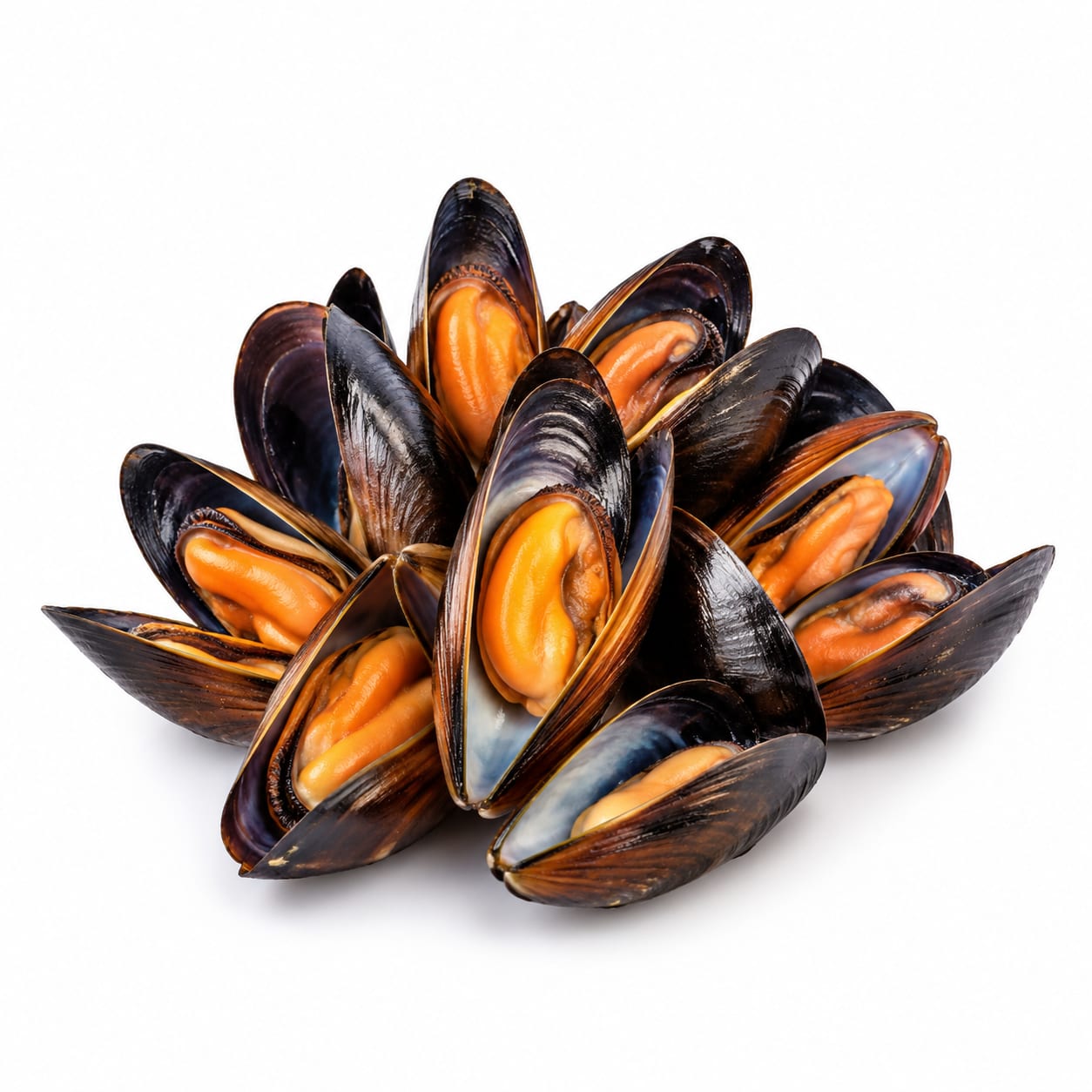
Seafood / Bivalve
Mussel
Mussels are nutrient-dense shellfish high in protein and vitamin B12.
Mussels are nutrient-dense bivalve mollusks found in both freshwater and marine environments. They are widely consumed around the world and prized for their rich flavor, high protein content, and exceptional micronutrient profile, particularly vitamin B12 and zinc.
protein-dense micronutrient-rich shellfish
Typical serving · 100g
Common varieties · blue mussel, green-lipped mussel, mediterranean mussel, california mussel
Overall context score across nutrition, safety, and diet fit
At a glance
Quick facts
Simple indicators based on nutrition, processing, and diet fit.
The story
What makes it unique
Mussels are a high-protein, low-fat marine food with rapid digestion due to low connective tissue. They provide exceptional micronutrient density, particularly vitamin B12 and zinc, and a favorable omega-3 to omega-6 ratio. As a minimally processed whole food, they offer high satiety per calorie.
Varieties: blue mussel · green-lipped mussel · mediterranean mussel · california mussel
Per 100g
Nutrition breakdown
Macro balance and key metrics at a glance.
Energy
Density 0.86 kcal/g
Protein
Carbs
Fat
Fiber
Sugar
0 g
Sodium
286 mg
Potassium
320 mg
Glycemic index
0
Glycemic load
0
Water content
81%
Standout compounds
Nutrient highlights
Vitamin B12
highSupports nerve function and red blood cell formation
Zinc
highBoosts immune system and wound healing
Omega-3 fatty acids
highReduces inflammation and supports heart health
Selenium
highActs as an antioxidant and protects cells
Protein
moderateBuilds and repairs muscle tissue
Wellness map
Health scores & processing
NOVA processing scale
minimally processed · Whole food
Raw or cooked mussels are whole foods with no added ingredients, though canned versions may contain added salt or preservatives.
Diet compatibility
- Weight loss
- Muscle gain
- Diabetes
- Gut health
- Low carb
- High protein
- Heart health
Relative standing
Food rankings
Qualitative ranks compared to similar whole foods.
- Satietygood
- Blood sugarexcellent
- Nutrient densityexcellent
- Fitness fuelgood
- Processing qualityexcellent
Eat with confidence
Food safety profile
Mussels filter large volumes of water, making them susceptible to biotoxins and pollutants from their environment. Sourcing from approved, monitored waters is critical.
Evidence confidence 85%
- Pesticideslow
- Antibioticslow
- Heavy metalsmoderate
- Contaminationmoderate
Watch for
- paralytic shellfish toxins
- vibrio bacteria
- microplastics
Safer choices
Farm-raised mussels from clean, monitored waters
Prep tips
Discard any shells that do not close before cooking or open after cooking. Rinse well and remove the beard before steaming.
Harvesting waters are strictly monitored for biotoxins and bacteria to prevent shellfish poisoning.
Deep dive
Health analysis
How this food may fit different goals and preparation choices.
Weight loss
High protein and low calories create strong satiety, making them excellent for weight loss.
Blood sugar
Virtually zero carbohydrates mean no glycemic impact, ideal for blood sugar control.
Fitness & energy
High-quality protein supports muscle repair, while glycogen is absent, requiring carb pairing for endurance.
Gut health
Zinc and omega-3s support gut lining integrity and reduce inflammation, though they lack dietary fiber.
Processing quality
Whole food with minimal processing; avoid canned versions with high sodium.
Food safety
Primary risk is waterborne biotoxins; always source from regulated waters and cook thoroughly.
Common mistakes
Overcooking makes them rubbery; boiling in too much liquid dilutes flavor and nutrients.
Best preparation
Steaming just until shells open preserves nutrients and texture without adding excess fat.
Practical guide
Best use cases
When and how this food fits real eating patterns.
High-protein low-calorie dinner
Steamed mussels provide a large, satisfying portion for very few calories.
Keto-friendly seafood
Virtually zero carbs make them ideal for strict low-carb diets.
Vitamin B12 boost
Excellent for preventing B12 deficiency, especially in older adults or those with absorption issues.
Balance sheet
Pros & cons
Upsides
- Extremely high in vitamin B12
- Low calorie and high protein
- Rich in omega-3 fatty acids
- Sustainable and environmentally friendly to farm
- Good source of dietary iron and zinc
Trade-offs
- Risk of biotoxins from water quality
- Can be high in sodium if canned or cooked in broth
- Potential allergen for shellfish-sensitive individuals
- Tough and rubbery if overcooked
Fit check
Who is it for?
Great match
- high-volume low-calorie eating
- keto and low-carb diets
- vitamin B12 deficiency prevention
- post-workout protein
Consider alternatives
- strict low-sodium diets (if canned)
- people with shellfish allergies
- those avoiding seafood due to microplastic concerns
Side by side
How it compares
Open the full head-to-head analysis for nutrition, safety, and practical tradeoffs.
This food
Mussel
VS90% alike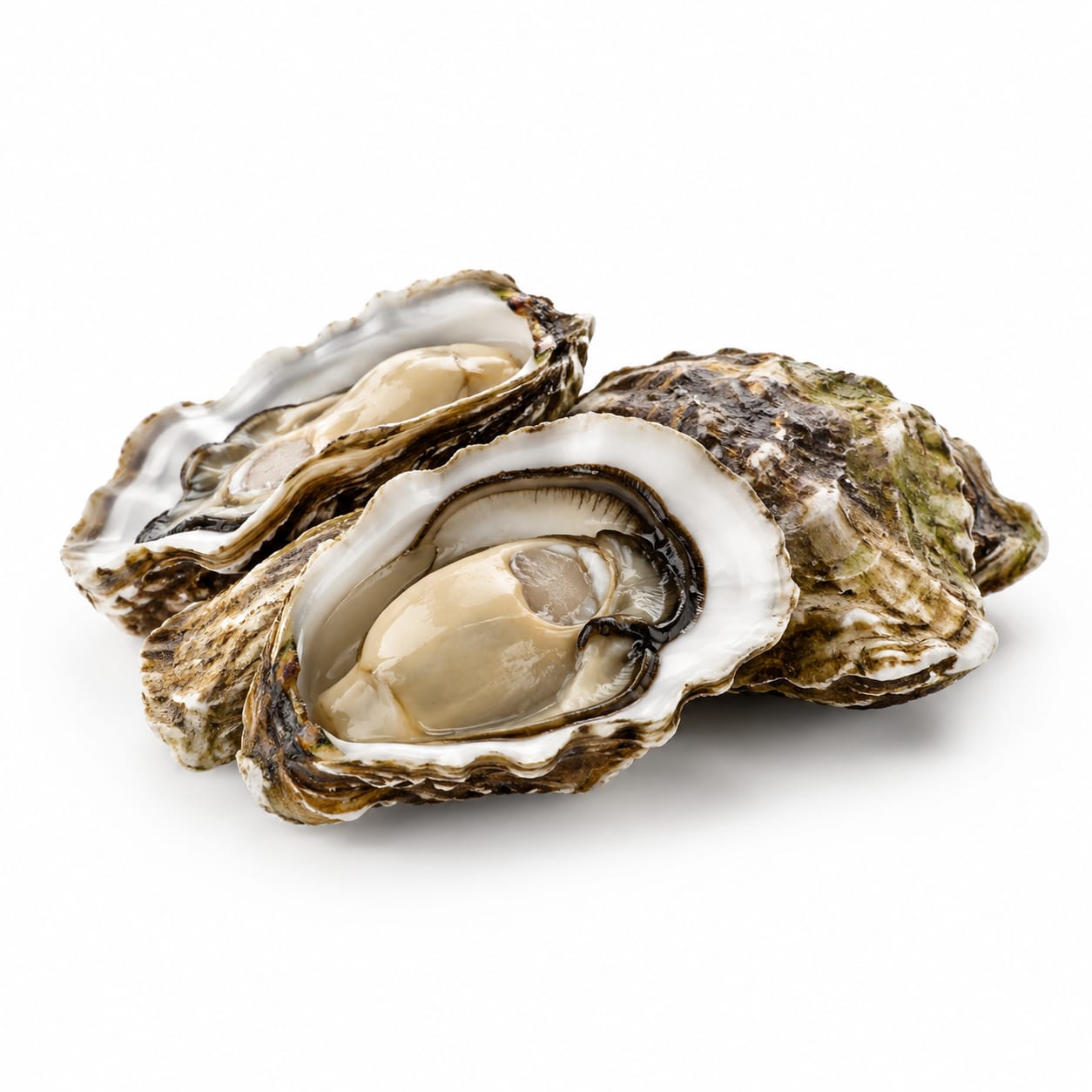
Compare with
Oyster
Oysters are higher in zinc and vitamin D, while mussels are slightly higher in protein and omega-3s.
Mussels offer more protein and omega-3s per calorie, while oysters excel in zinc and vitamin D.
This food
Mussel
VS85% alike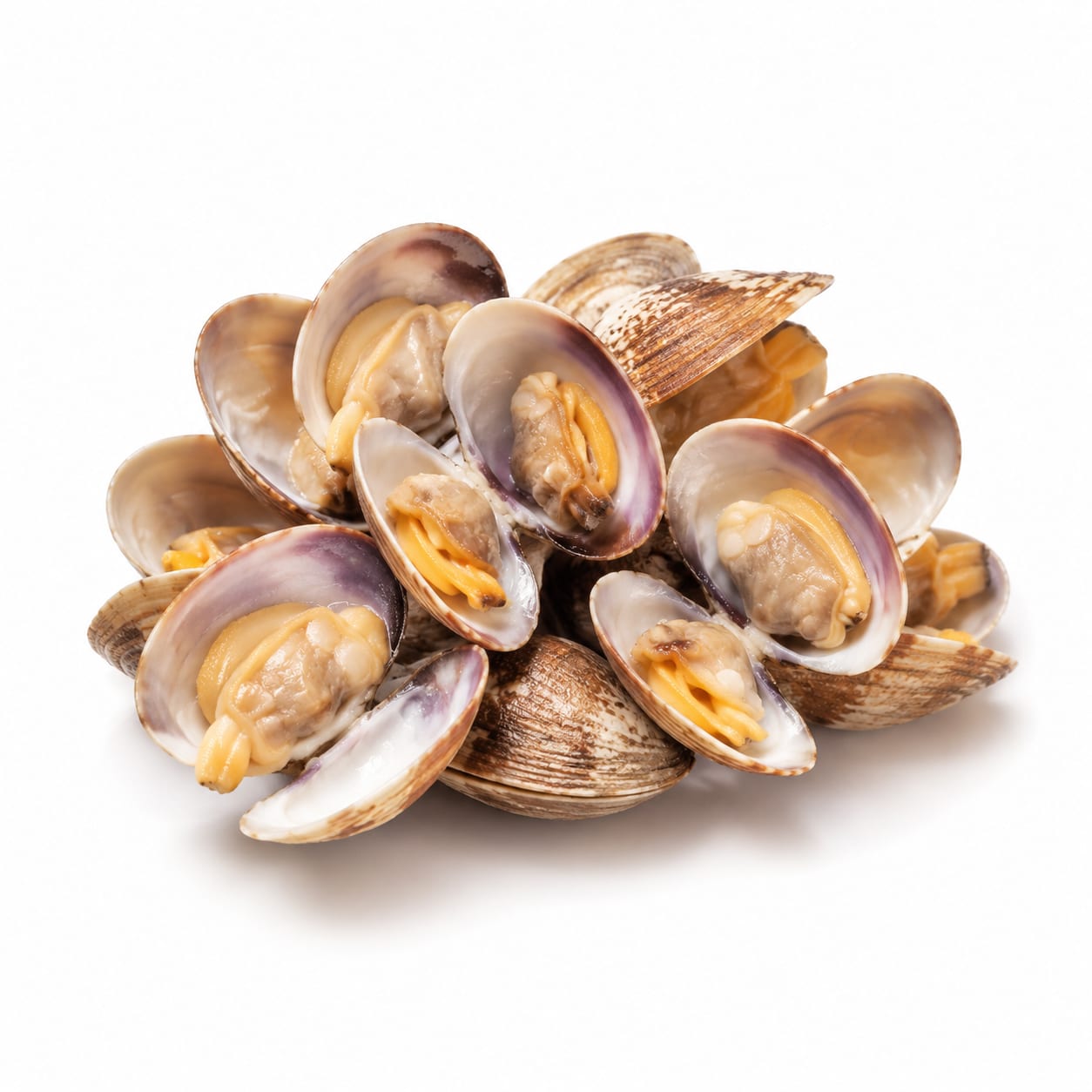
Compare with
Clam
Clams are higher in iron and vitamin C, while mussels are higher in vitamin B12 and omega-3s.
Clams provide more iron, but mussels are a superior source of B12 and healthy fats.
This food
Mussel
VS80% alike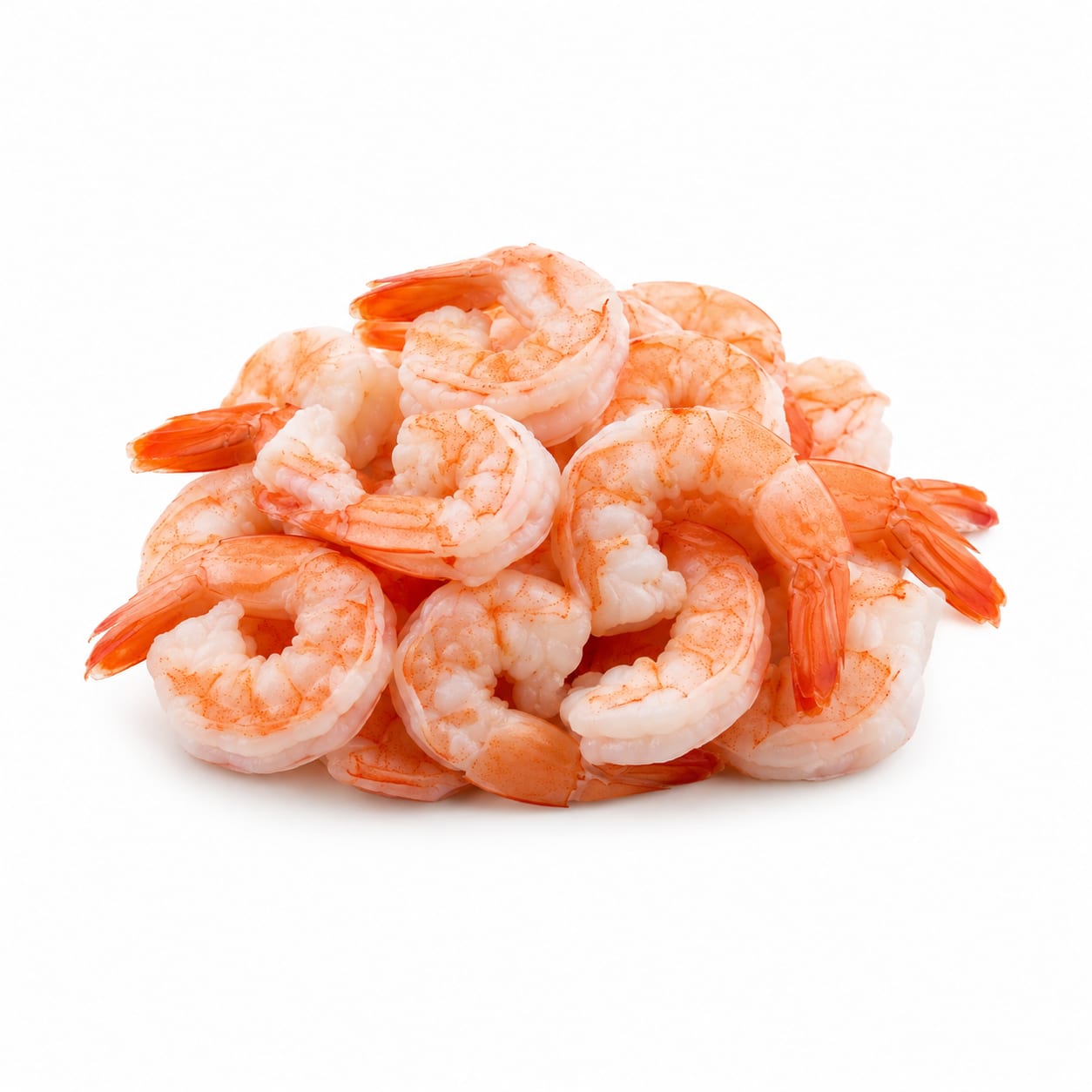
Compare with
Shrimp
Shrimp are lower in calories and fat, but mussels provide more omega-3s and vitamin B12.
Shrimp are leaner for strict calorie counting, while mussels win on omega-3 and micronutrient density.
This food
Mussel
VS80% alike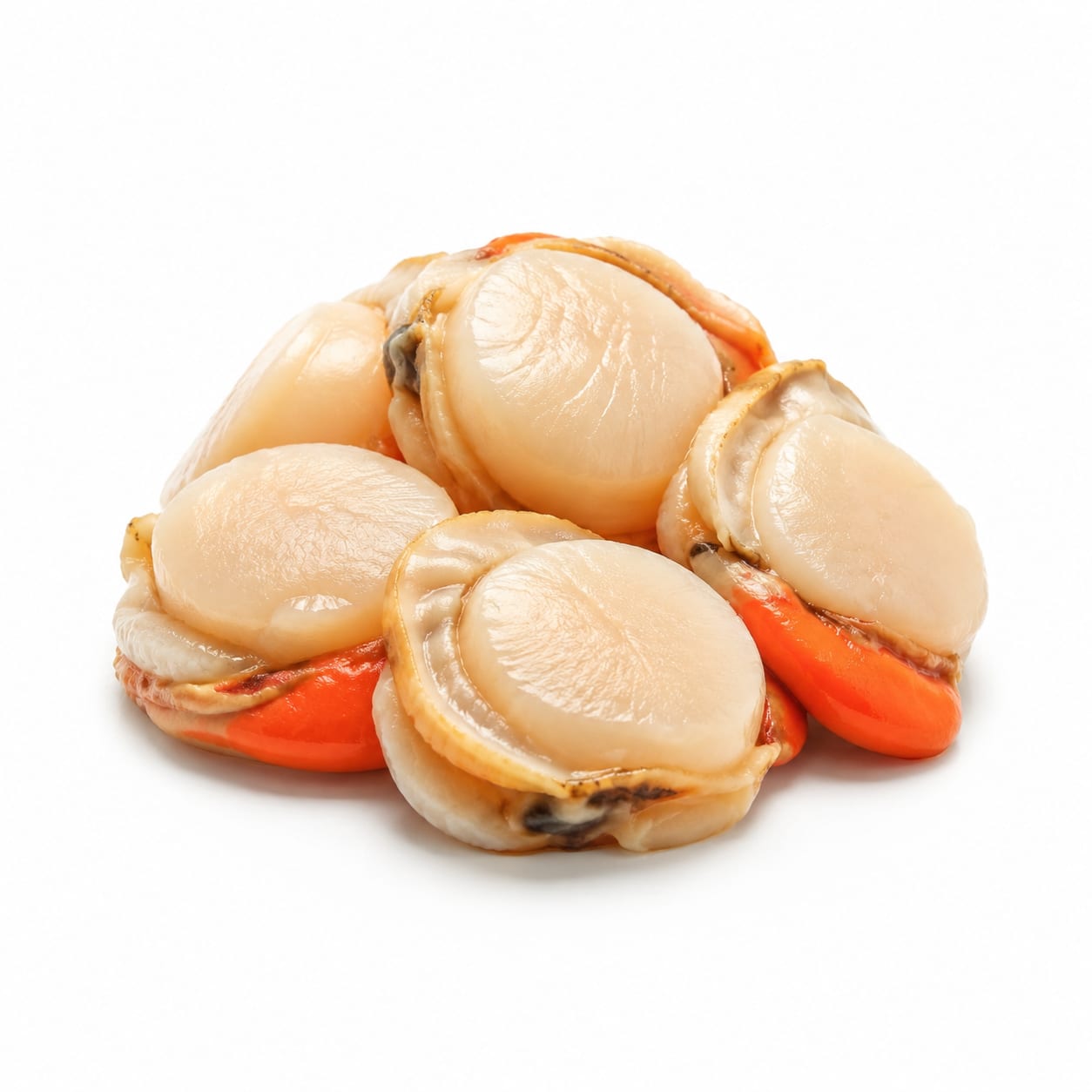
Compare with
Scallop
Scallops are lower in fat and cholesterol, while mussels are richer in zinc and vitamin B12.
Scallops are leaner and higher in protein by weight, but mussels offer more micronutrients like zinc and B12.
This food
Mussel
VS70% alike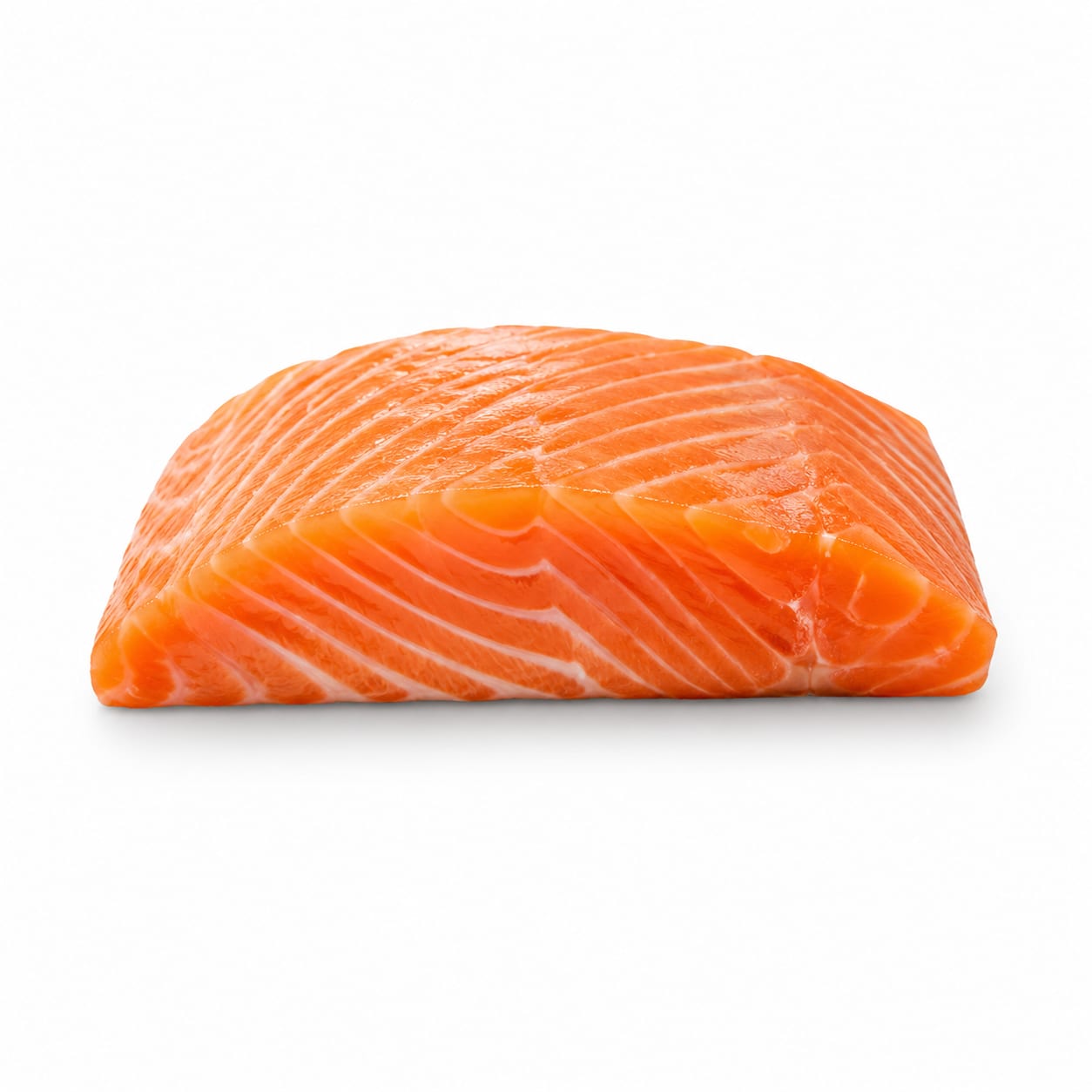
Compare with
Salmon
Salmon is much higher in omega-3 fats and calories, while mussels are lower in fat and higher in vitamin B12.
Salmon provides more omega-3s and calories for energy, while mussels are a lighter, lower-fat B12 powerhouse.
This food
Mussel
VS75% alike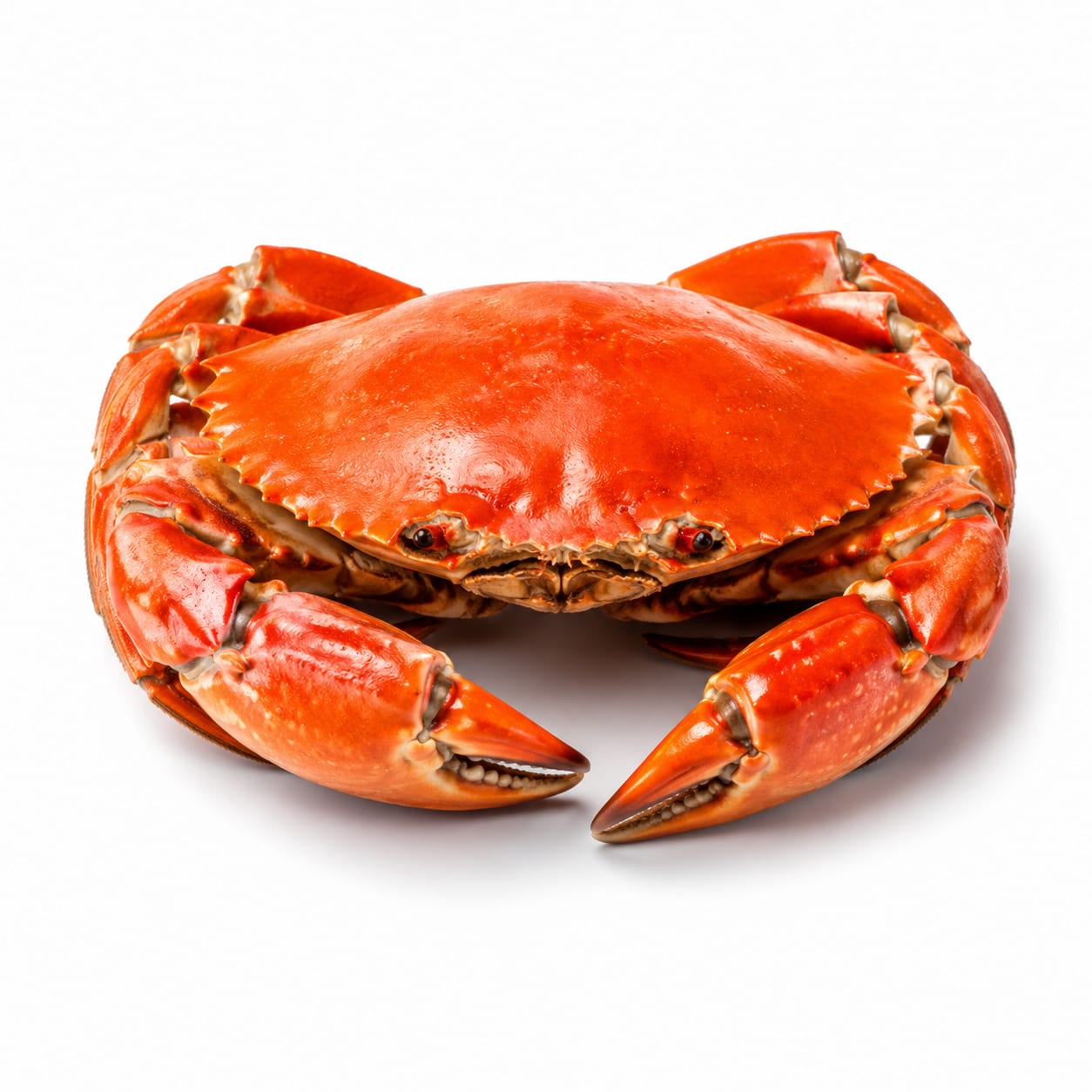
Compare with
Crab
Crab is lower in fat and higher in protein, but mussels are significantly cheaper and higher in omega-3s.
Crab is leaner and higher in protein, but mussels deliver more omega-3s at a fraction of the cost.
This food
Mussel
VS70% alike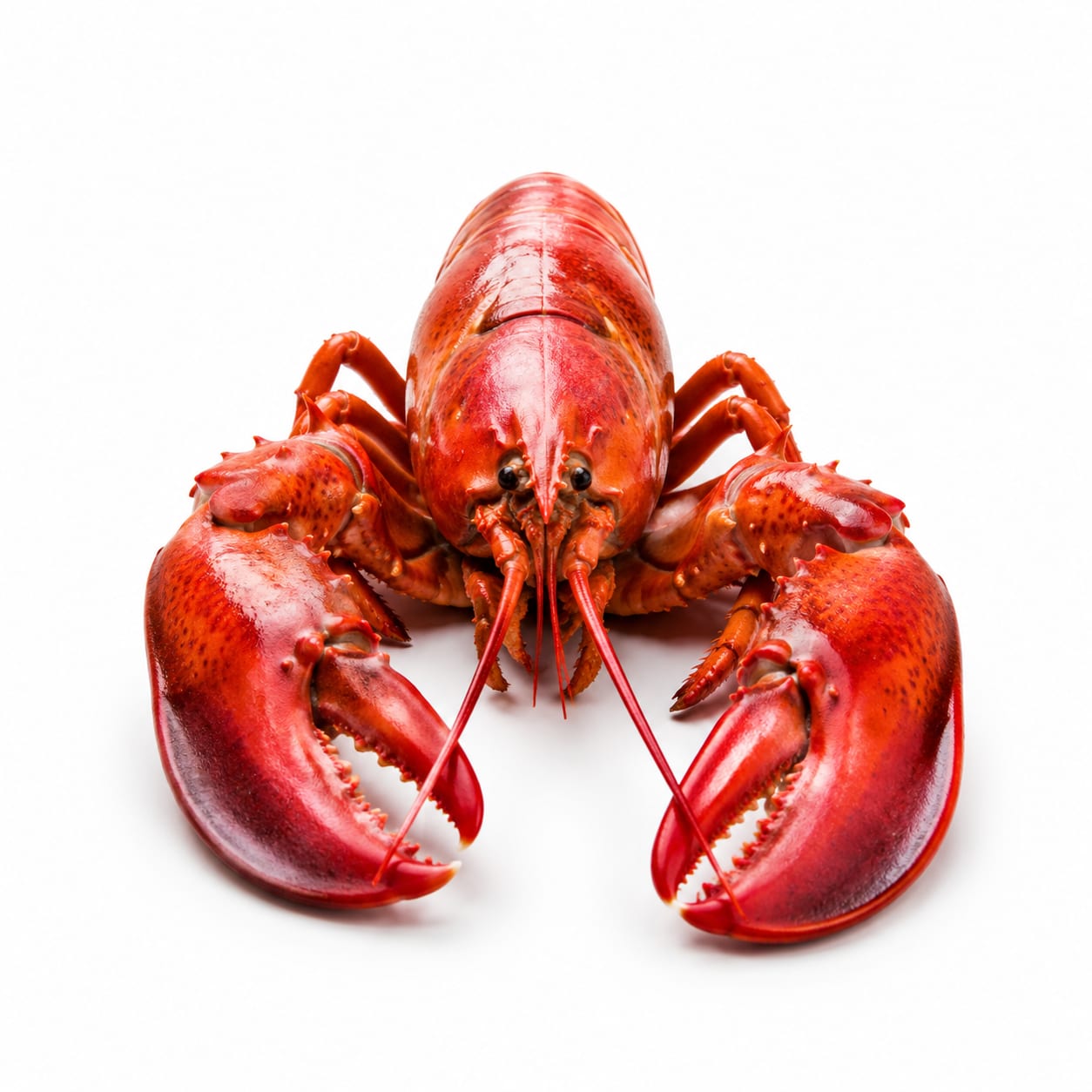
Compare with
Lobster
Lobster is very low in fat and high in protein, while mussels offer more omega-3s and are far more affordable.
Lobster is a leaner protein source, but mussels provide better omega-3 intake and nutrient density per dollar.
This food
Mussel
VS65% alike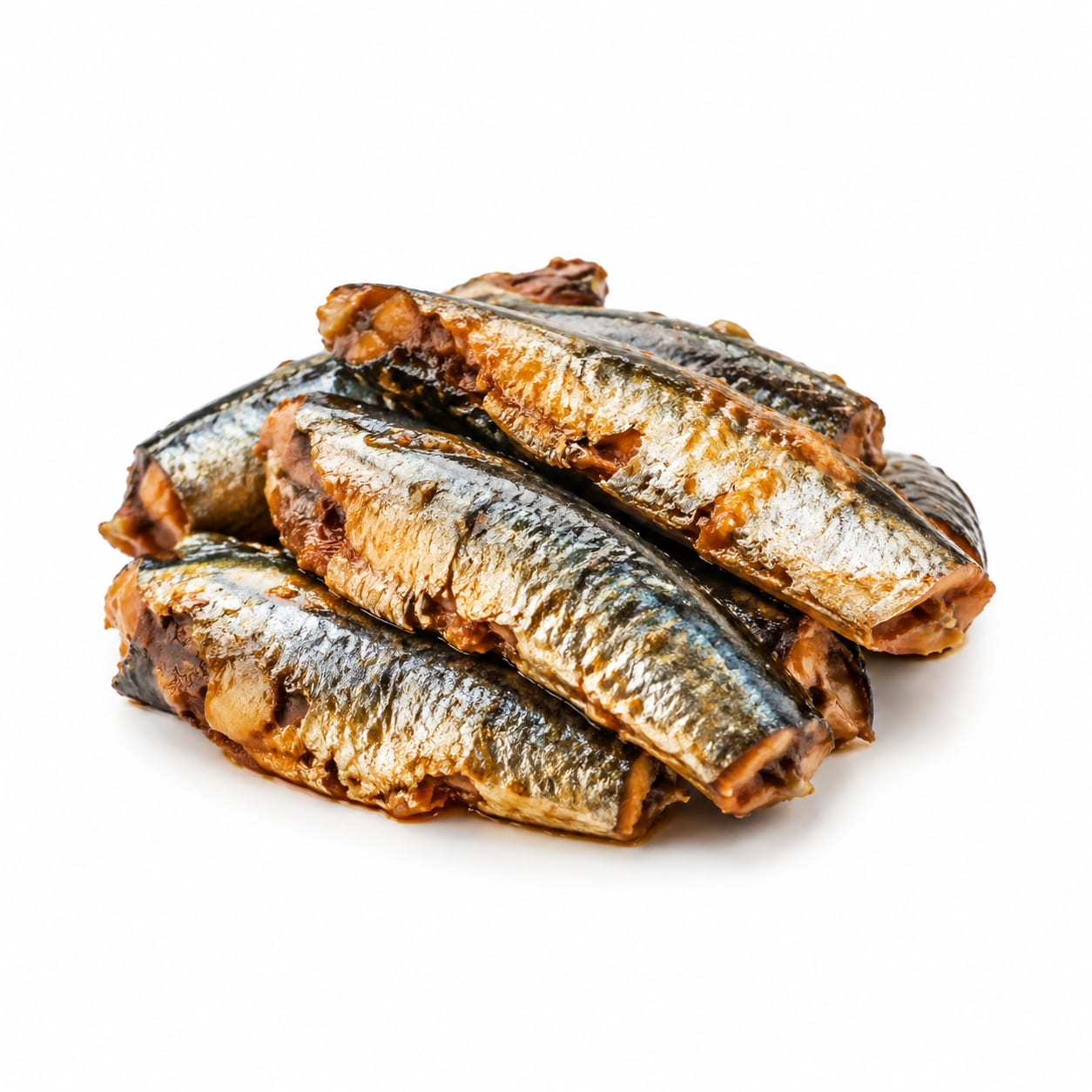
Compare with
Sardine
Sardines are much higher in omega-3s and calcium (if eaten with bones), while mussels are lower in fat and sodium.
Sardines are an omega-3 and calcium powerhouse, while mussels are a lighter, lower-fat shellfish option.
This food
Mussel
VS60% alike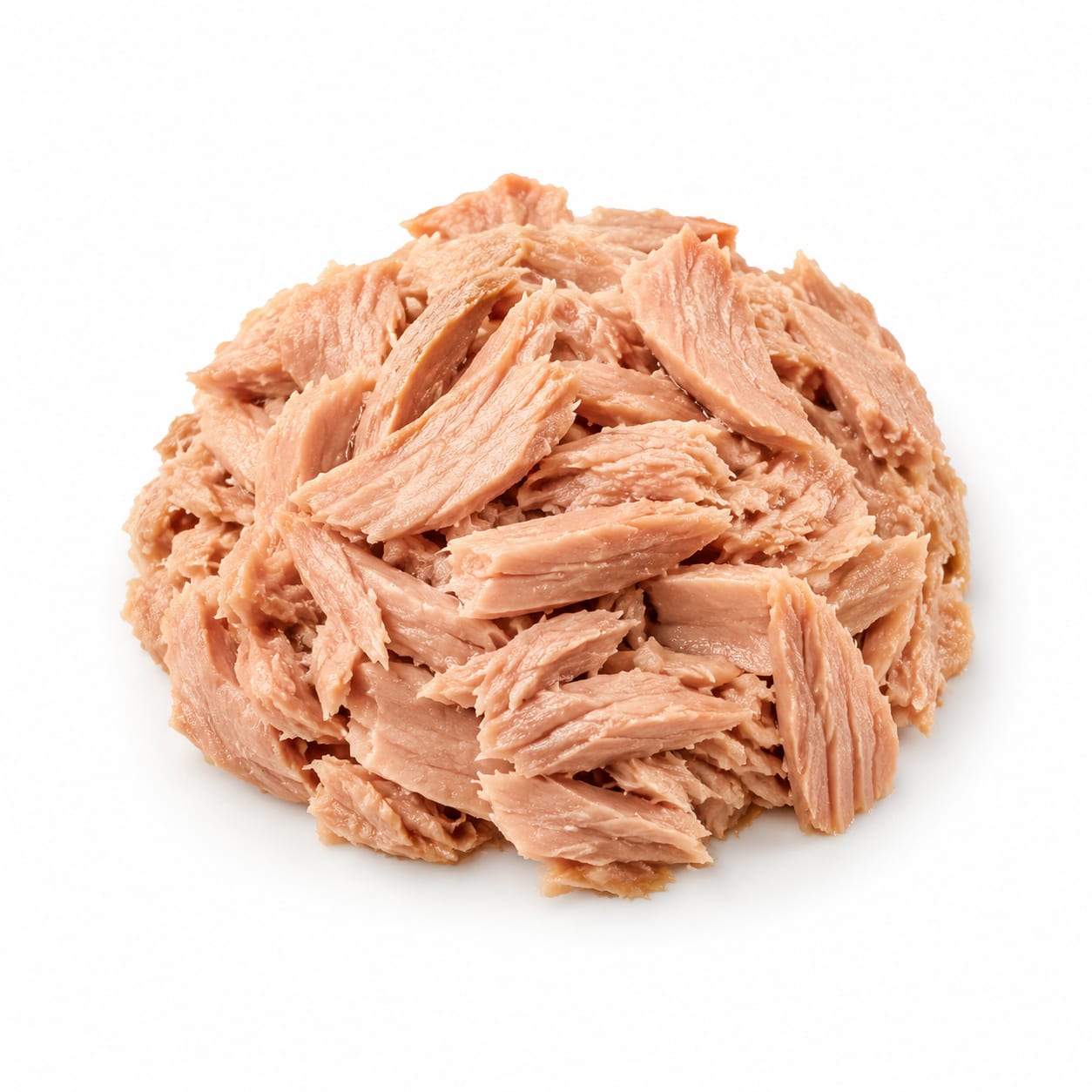
Compare with
Tuna
Tuna is extremely high in protein with zero carbs, while mussels offer more diverse micronutrients like zinc and selenium.
Tuna provides lean protein for muscle building, while mussels offer a broader micronutrient profile including zinc and B12.
This food
Mussel
VS50% alike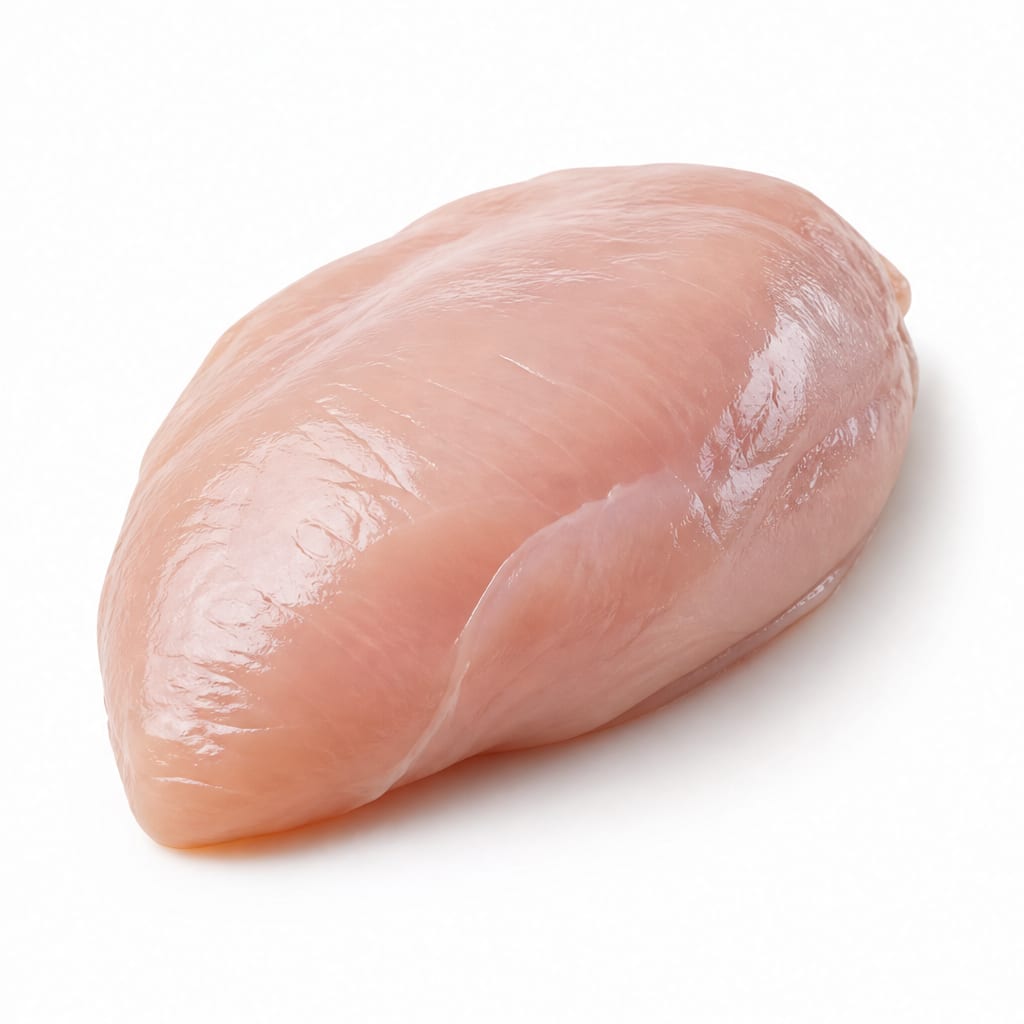
Compare with
Chicken Breast
Chicken breast is the ultimate lean protein, while mussels provide unique marine nutrients like omega-3s and vitamin B12.
Chicken breast is leaner for pure protein, but mussels add valuable omega-3s and B12 that chicken lacks.
Common questions
FAQ
Answers aligned with how people search for this food.
Are mussels good for weight loss?
Yes, they are low in calories and high in protein, which promotes fullness and helps maintain muscle mass during calorie restriction.
Can diabetics eat mussels?
Yes, mussels contain almost no carbohydrates and will not spike blood sugar, making them an excellent protein choice for diabetics.
Are mussels high in cholesterol?
While they contain dietary cholesterol, their low saturated fat and high omega-3 content make them heart-healthy and unlikely to raise blood cholesterol.
How much protein is in a serving of mussels?
A 100-gram serving of cooked mussels provides about 12 grams of high-quality, complete protein.
Are mussels safe to eat raw?
Eating raw mussels carries a risk of bacterial or viral contamination; cooking them until the shells open is recommended for safety.
What is the difference between mussels and oysters?
Mussels are slightly lower in calories and higher in protein, while oysters are higher in zinc and vitamin D.
Can you eat mussels on a keto diet?
Yes, mussels are very low in carbs and fit well into a ketogenic diet, especially when steamed without sugary sauces.
Are farmed mussels safe to eat?
Farmed mussels are generally safe and sustainable, as they are grown in monitored waters that are regularly tested for toxins.
Transparency
Data confidence
Estimated confidence for nutrition data, interpretation, safety notes, and comparisons.
Nutrition data
Health analysis
Food safety
Comparisons