
Nutrition comparison
Mussels vs Sardines: Nutrition, Omega-3, Safety and Taste Compared
Mussels vs sardines — which seafood is healthier? Compare omega-3 content, iron, calcium, mercury risk, convenience, and taste to find which is right for you.
Overall winner · Sardine
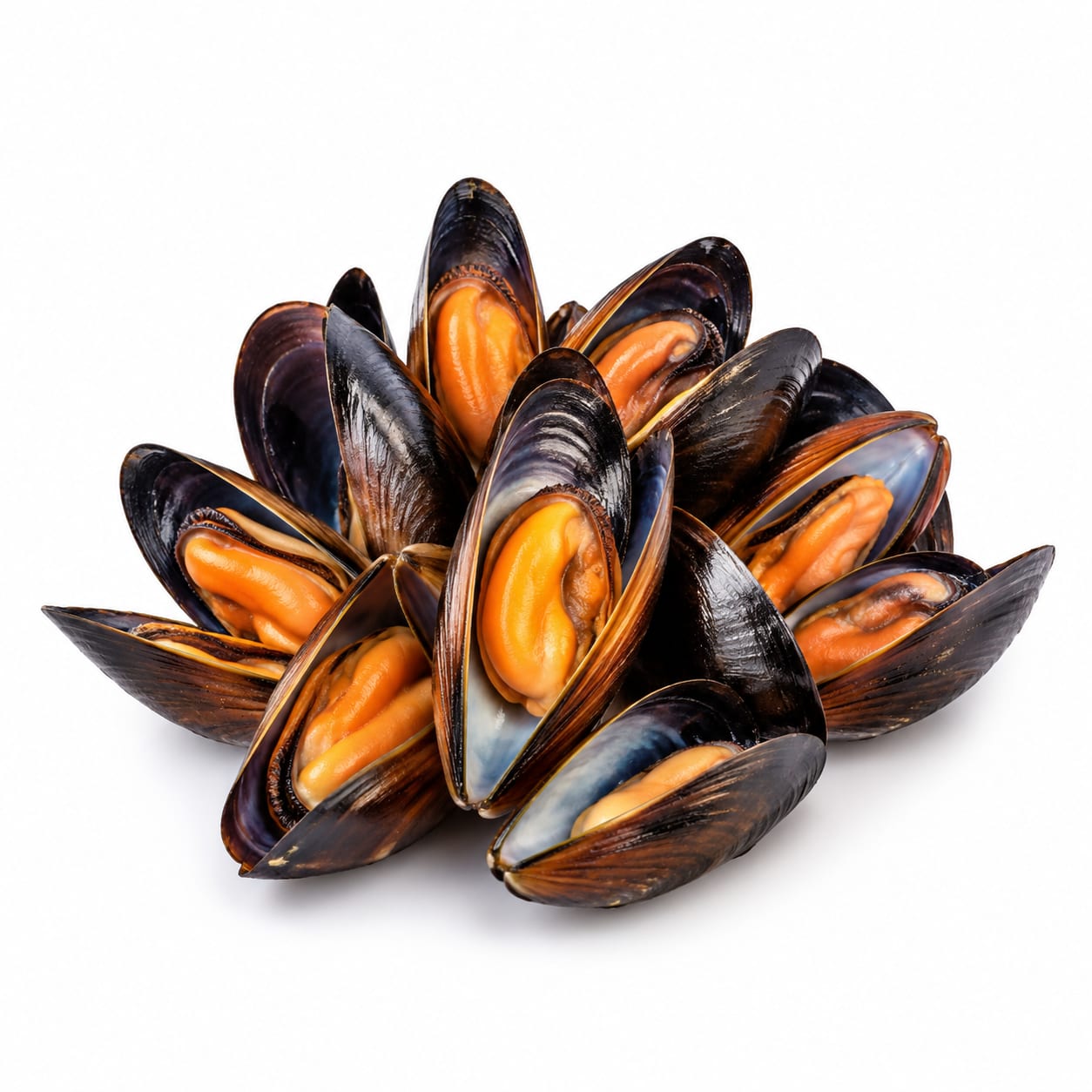
Mussel
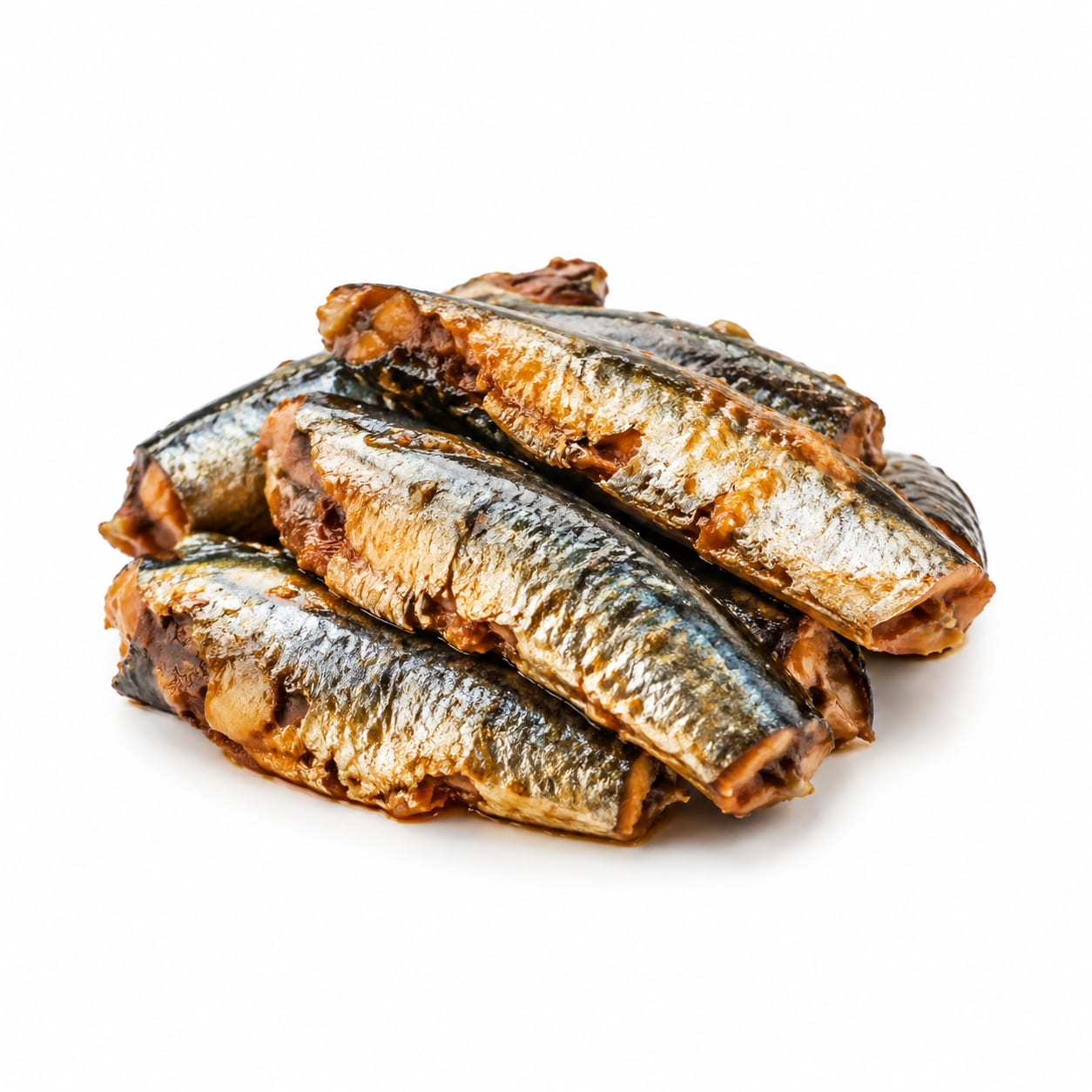
Sardine
Sardines edge out mussels thanks to vastly more omega-3s, ready-to-eat convenience, and bone-building calcium, but mussels win on iron and offer a more versatile culinary experience.
Sardines score higher primarily due to omega-3 content, convenience, and calcium density. Mussels remain nutritionally impressive but lose points on practicality and availability. The gap is meaningful but not overwhelming — both are top-tier seafood choices.
Sardines give you more heart-healthy fats and grab-and-go practicality, while mussels deliver superior iron, a milder flavor, and a more elegant meal experience that requires effort.
At a glance
Executive summary
Overall
Sardine
Healthier
Sardine
More practical
Sardine
Daily use
Sardine
Key comparison lenses
omega-3 and heart health comparison
Both are marine foods prized for omega-3s, but sardines deliver dramatically more EPA/DHA per serving
convenience and everyday practicality
Sardines are shelf-stable and ready to eat; mussels require cooking and must be consumed fresh
heavy metal and contamination safety
Both are low-mercury seafood options, but each carries distinct contamination risks users should understand
mineral density and micronutrient value
Mussels excel in iron and manganese while sardines dominate in calcium and vitamin D
budget and accessibility
Canned sardines are among the cheapest protein sources; fresh mussels vary widely in price and availability
Best choice for
Mussel
- People with iron deficiency or anemia
- Home cooks wanting an impressive seafood meal
- Those who find fish flavors too strong
- Anyone seeking high manganese for bone and connective tissue health
Sardine
- People prioritizing heart health and omega-3 intake
- Busy individuals needing no-prep protein
- Those wanting calcium and vitamin D from food
- Budget-conscious shoppers seeking maximum nutrition per dollar
Least suitable for
Mussel
- People far from coastal areas with limited fresh seafood access
- Anyone needing shelf-stable emergency protein
- Those with shellfish allergies
- Very time-pressed weeknight cooks
Sardine
- People sensitive to strong fish flavors
- Those with gout who must limit purines
- Fish-allergic individuals
- Anyone who cannot tolerate small soft bones
Deep comparison
Dimension by dimension
Each lens scores both foods and breaks down who each option suits.
- Dimension 1 · Priority 95Sardine
omega-3 and heart health
Mussel · 55Sardine · 95Sardines deliver roughly 3-4 times more omega-3 fatty acids than mussels, making them a far more potent choice for cardiovascular protection.
Tradeoff
Mussels still provide meaningful omega-3s but cannot compete with the concentrated EPA and DHA in sardines.
Why it matters
Omega-3s reduce inflammation, lower triglycerides, and support brain health. The difference here is large enough to influence long-term health outcomes.
Real-world impact
Eating sardines twice weekly meaningfully moves the needle on heart health markers. Mussels help, but you would need more frequent servings for similar omega-3 intake.
Mussel
- Light omega-3 supplementation without strong fish taste
Better for
- Reaching therapeutic omega-3 intake levels
Worse for
Sardine
- Lowering triglycerides efficiently
- Supporting brain health with higher DHA
- Reducing systemic inflammation
Better for
- Nothing significant — sardines dominate this dimension
Worse for
- Dimension 2 · Priority 82It depends
mineral density
Mussel · 82Sardine · 85Mussels dominate in iron and manganese; sardines dominate in calcium and selenium. Both are micronutrient powerhouses with different strengths.
Tradeoff
Choosing mussels helps iron status; choosing sardines helps bone density. Your personal deficiency risk should guide this.
Why it matters
Iron deficiency is the world's most common nutrient shortfall, but calcium and vitamin D shortfalls are equally widespread, especially in older adults.
Real-world impact
A serving of mussels covers over 100% of daily iron needs for most people. A serving of sardines with bones covers about 30% of calcium needs — rare for a protein source.
Mussel
- Menstruating women needing iron
- Vegetarians transitioning to seafood who lack iron
- Anyone with diagnosed iron deficiency
Better for
- Meeting calcium needs without dairy
Worse for
Sardine
- Older adults needing calcium and vitamin D
- People avoiding dairy who need bone-supporting minerals
- Those wanting selenium for thyroid and immune support
Better for
- Replenishing iron stores quickly
Worse for
- Dimension 3 · Priority 88Sardine
convenience and practicality
Mussel · 35Sardine · 92Canned sardines are ready to eat, shelf-stable for years, and need zero preparation. Fresh mussels must be cooked within a day of purchase and require scrubbing, debearding, and careful cooking.
Tradeoff
Mussels offer a superior dining experience but demand time and skill. Sardines sacrifice culinary elegance for effortless nutrition.
Why it matters
The best healthy food is the one you actually eat consistently. Convenience often determines whether a food becomes a habit or a one-time experiment.
Real-world impact
You can keep sardines in your desk drawer or pantry for months and eat them in 60 seconds. Mussels require a same-day grocery trip and 30 minutes of prep and cooking.
Mussel
- Weekend dinner parties
- Date nights and special occasions
- Cooking enthusiasts who enjoy process
Better for
- Busy weeknight dinners
- Meal prep and batch cooking
- Anyone without reliable fresh seafood access
Worse for
Sardine
- Quick lunches at work
- Emergency protein when traveling
- Post-workout meals with zero prep
- Camping and backpacking food
Better for
- Fine dining or entertaining guests
Worse for
- Dimension 4 · Priority 75It depends
protein quality and satiety
Mussel · 80Sardine · 82Both provide excellent complete protein with all essential amino acids. Sardines have slightly more protein per calorie due to higher fat content that increases total energy density.
Tradeoff
Mussels are leaner and lower in calories, making them more filling per calorie. Sardines are more calorie-dense but the fat content increases satiety through different mechanisms.
Why it matters
Protein quality matters for muscle maintenance, immune function, and staying full between meals.
Real-world impact
A can of sardines feels like a complete mini-meal. A bowl of mussels feels lighter and leaner — great if watching calories, less satisfying if very hungry.
Mussel
- Lower calorie protein with high satiety per calorie
- Lean diets where fat intake must stay low
Better for
- Very active people needing calorie density
Worse for
Sardine
- Sustained fullness from protein plus fat combination
- Higher total protein per serving
Better for
- Strict calorie restriction where every calorie counts
Worse for
- Dimension 5 · Priority 70Mussel
taste and culinary versatility
Mussel · 82Sardine · 58Mussels have a mild, sweet, briny flavor that pairs with countless cuisines and preparations. Sardines have a distinctively strong fishy taste that limits their culinary range.
Tradeoff
Mussels please more palates and integrate into more recipes, but sardines have a loyal following who love their bold umami intensity.
Why it matters
Taste is the primary reason people abandon healthy foods. A nutrient-dense food you dislike provides zero nutrition because you will not eat it.
Real-world impact
Mussels in white wine sauce, Thai coconut curry, or pasta feel like restaurant-quality meals. Sardines on toast or crackers are an acquired taste that some love and others tolerate.
Mussel
- Picky eaters or seafood newcomers
- Diverse recipe exploration
- Serving to guests with varying tastes
Better for
- Nothing significant — mussels are widely enjoyed
Worse for
Sardine
- Fans of bold, intense umami flavors
- Mediterranean and Portuguese cuisine enthusiasts
Better for
- People sensitive to fishy flavors
- Children who reject strong tastes
- Office lunches where smell matters
Worse for
- Dimension 6 · Priority 68Sardine
sustainability and environmental impact
Mussel · 72Sardine · 85Both are relatively sustainable seafood choices, but sardines have a slight edge due to lower farming impact and efficient wild catch practices.
Tradeoff
Farmed mussels are actually excellent for water filtration and ecosystem health, but sardine fisheries have very low carbon footprints and minimal bycatch.
Why it matters
Seafood sustainability affects ocean health and long-term food security. Choosing sustainable species matters beyond personal nutrition.
Real-world impact
Both choices are far more sustainable than tuna or salmon. You can feel good about either, but sardines are slightly greener.
Mussel
- Farmed mussels that improve local water quality
- Supporting coastal aquaculture economies
Better for
- Wild mussel harvesting can disrupt seabeds
Worse for
Sardine
- Lowest carbon footprint among protein sources
- Minimal bycatch in well-managed fisheries
Better for
- Overfishing concerns in some regional fisheries
Worse for
Timeline
Health impact over time
Short-term
Hours to days
Mussel
- Quick iron boost that can help energy levels within days
- Light, lean meal that will not cause sluggishness
- Potential digestive upset if mussels are not fresh or properly cooked
Sardine
- Immediate omega-3 infusion that supports post-meal blood flow
- Satisfying fat-protein combination that prevents hunger for hours
- Possible fishy aftertaste or breath that some find unpleasant
Long-term
Months to years
Mussel
- Improved iron stores reducing fatigue and brain fog
- Better connective tissue health from manganese
- Risk of biotoxin exposure if sourcing is not careful
Sardine
- Reduced cardiovascular disease risk from consistent omega-3 intake
- Stronger bones from calcium and vitamin D
- Potential gout flares in susceptible individuals from purine content
Risk profile
Safety & processing
Fresh mussels are essentially unprocessed — just cleaned and cooked. Canned sardines may contain salt and oil but are still minimally processed. Both are among the cleanest protein sources available. Watch sodium in canned sardines packed in salt or brine, and choose olive oil or water-packed varieties when possible.
Mussel
biotoxin exposure from red tide
mediumMussels filter large volumes of water and can concentrate algal toxins. Commercially farmed mussels are strictly monitored, but recreational harvesting carries real risk.
bacterial contamination from improper storage
mediumMussels spoil quickly and must be kept cold and cooked within a day of purchase. Discard any that do not open during cooking.
microplastic accumulation
lowAs filter feeders, mussels can retain microplastics from polluted waters. This is an emerging concern but current evidence suggests low risk from regulated sources.
Sardine
purine content triggering gout
mediumSardines are high in purines which convert to uric acid. People with gout or high uric acid should limit intake or avoid them.
sodium in canned varieties
mediumCanned sardines can contain 300-500mg sodium per serving. Choose low-sodium or water-packed options if watching salt intake.
BPA from can linings
lowSome canned sardines use BPA-lined cans. Look for BPA-free brands to minimize exposure.
Who wins for whom
Audience fit
Same foods, different winners depending on your goal.
children
MusselMussels have a milder flavor and softer texture that children accept more easily. Sardines' strong taste and tiny bones make them a harder sell to most kids.
daily consumption
SardineCanned sardines are shelf-stable, affordable, and require no cooking, making daily consumption realistic. Fresh mussels are impractical as a daily staple for most people.
diabetes
SardineThe high omega-3 content in sardines improves insulin sensitivity and reduces inflammation, both critical for diabetes management.
elderly
SardineSardines provide calcium, vitamin D, and omega-3s that directly address age-related concerns like bone loss, cognitive decline, and cardiovascular risk.
muscle gain
SardineSardines provide more total protein and anti-inflammatory omega-3s that support recovery, plus the calorie density helps meet higher energy needs.
weight loss
MusselMussels are leaner with fewer calories per gram of protein, making them easier to fit into a calorie deficit while still feeling like a substantial meal.
Your move
Decision guide
Choose Mussel
- You need more iron in your diet, especially if you are a menstruating woman
- You enjoy cooking and want a seafood that feels special
- You find most fish too strong-tasting
- You are eating at a restaurant and want a lean, elegant option
Choose Sardine
- Heart health and omega-3 intake are your top priorities
- You want grab-and-go nutrition with zero prep time
- You are on a budget and need maximum nutrition per dollar
- You are avoiding dairy and need calcium from another source
- You want a shelf-stable emergency protein source
Either works if
- You simply want to eat more seafood and both are available
- You are rotating protein sources for dietary diversity
- You are looking for low-mercury alternatives to tuna
Avoid both if
- You have a seafood allergy
- You are on a very low-sodium diet and cannot control preparation
- You have gout and must strictly limit purine intake
Final recommendation
Keep canned sardines as your everyday seafood staple — they deliver unmatched omega-3s, calcium, and convenience at low cost. Save mussels for when you have time to cook and want something leaner with more iron. Both deserve a place in a healthy diet, but sardines earn the daily driver spot while mussels are the special occasion choice.
Practical
Consumer tips
- 1
Choose sardines packed in olive oil or water rather than soybean oil for a healthier fat profile
- 2
Look for BPA-free canned sardines to reduce endocrine disruptor exposure
- 3
Buy mussels from reputable suppliers — they should smell like the ocean, not fishy
- 4
Discard any mussels that remain closed after cooking — they are unsafe to eat
- 5
Freeze canned sardines for up to 3 months if you buy in bulk
- 6
Pair mussels with a vitamin C source like lemon or tomatoes to boost iron absorption
- 7
Drain and rinse canned sardines to reduce sodium by roughly 20%
- 8
If new to sardines, start with boneless skinless varieties — the taste is milder