
Nutrition comparison
Mussels vs Salmon: Nutrition, Omega-3, Safety, and Sustainability Compared
Mussels vs salmon — which is healthier? Compare omega-3s, B12, iron, mercury, sustainability, cost, and cooking ease. Expert breakdown with real-world recommendations.
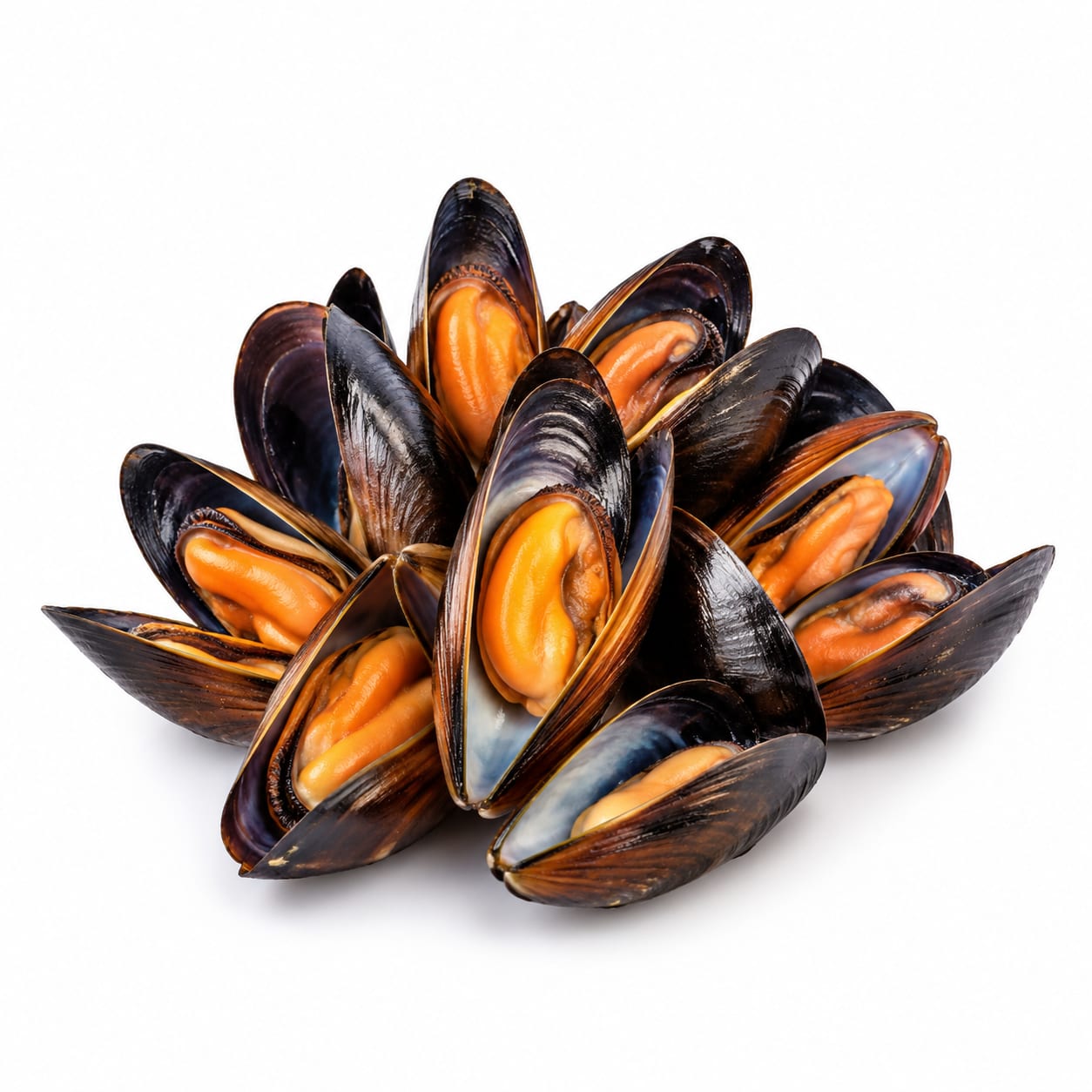
Mussel
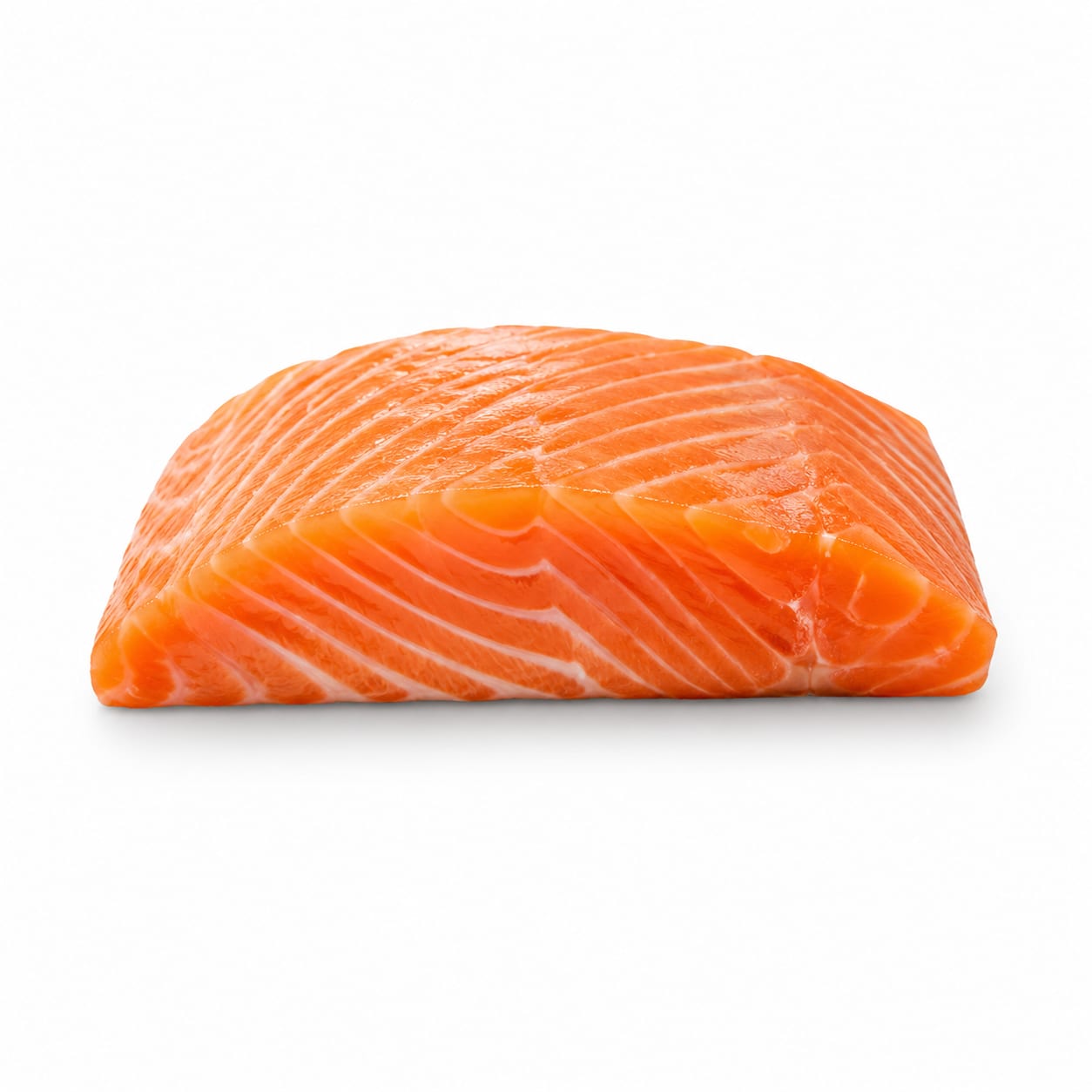
Salmon
Salmon wins on omega-3 volume, protein, and kitchen convenience. Mussels win on mineral density, calorie efficiency, sustainability, and cost. Both are nutritional powerhouses with different strengths.
Salmon edges ahead slightly due to superior omega-3 content, higher protein, and much greater everyday practicality. Mussels score exceptionally on micronutrients and sustainability but lose ground on safety complexity and cooking accessibility. The gap is small — both are elite seafood choices.
Salmon gives you more omega-3s and easier meal prep. Mussels give you unmatched B12 and iron, a lighter calorie footprint, and a much smaller environmental toll — but require more care to source and cook safely.
At a glance
Executive summary
Overall
It depends
Healthier
It depends
More practical
Salmon
Daily use
Salmon
Key comparison lenses
omega-3 source comparison
Both are top-tier seafood omega-3 sources, but the type, amount, and bioavailability differ meaningfully
mineral density and micronutrient value
Mussels are extraordinarily rich in B12, iron, zinc, and manganese — areas where salmon cannot compete
contamination and safety tradeoffs
Mussels are filter feeders vulnerable to biotoxins and microplastics; salmon carries mercury and PCB concerns especially when farmed
sustainability and environmental impact
Mussel farming is among the most sustainable aquaculture practices; salmon farming has significant ecological concerns
everyday practicality and cooking ease
Salmon is widely available and easy to prepare; mussels intimidate many home cooks and require live-shell handling
Best choice for
Mussel
- People with B12 deficiency or low iron
- Budget-conscious seafood lovers
- Sustainability-focused eaters
- Those wanting low-calorie high-nutrient density
- Mediterranean diet adherents seeking variety
Salmon
- People prioritizing omega-3 intake for heart or brain health
- Families wanting familiar, easy-to-cook fish
- Athletes needing higher protein per serving
- Those seeking vitamin D from food
- Anyone meal-prepping seafood for the week
Least suitable for
Mussel
- People with shellfish allergies
- Those uncomfortable cooking and inspecting live shellfish
- Anyone in areas with frequent harmful algal blooms
- People who need high protein per meal without volume
Salmon
- People avoiding moderate-mercury fish during pregnancy
- Those concerned about farmed salmon contaminants
- Budget-limited households eating seafood multiple times weekly
- Vegans or those avoiding all vertebrate animal products
Deep comparison
Dimension by dimension
Each lens scores both foods and breaks down who each option suits.
- Dimension 1 · Priority 95Salmon
omega-3 fatty acid content
Mussel · 72Salmon · 94Salmon delivers roughly 2-3 times more total omega-3s per serving than mussels, making it one of the richest sources available.
Tradeoff
Mussels still provide meaningful EPA and DHA — more than most non-fish foods — but cannot match salmon's sheer volume.
Why it matters
Omega-3s from fatty fish are the most bioavailable form, directly supporting heart rhythm, brain function, and inflammation control.
Real-world impact
Eating salmon twice weekly likely meets omega-3 targets alone. With mussels, you may need an additional source or more frequent consumption.
Mussel
- People who eat a variety of seafood and get omega-3s from multiple sources
Better for
- Those needing therapeutic omega-3 levels from food alone
Worse for
Salmon
- Anyone relying on a single fish for most of their omega-3 intake
- People with inflammatory conditions needing higher EPA/DHA doses
Better for
- People who already supplement omega-3s and want mineral diversity instead
Worse for
- Dimension 2 · Priority 90Mussel
mineral and vitamin density
Mussel · 96Salmon · 74Mussels are a micronutrient juggernaut — extraordinarily rich in B12, iron, zinc, manganese, and selenium. Salmon is strong in B12 and vitamin D but cannot match the breadth.
Tradeoff
Salmon provides vitamin D, which mussels lack meaningfully. But mussels dominate in iron, manganese, and zinc — minerals many people are deficient in.
Why it matters
B12 and iron deficiencies cause fatigue, brain fog, and anemia. Mussels deliver these in quantities few foods can match per calorie.
Real-world impact
A single serving of mussels can supply over 300% of daily B12 needs and significant heme iron. This makes them especially valuable for menstruating women, vegetarians transitioning back to seafood, and older adults.
Mussel
- Women with heavy periods needing iron
- Older adults at risk for B12 deficiency
- Anyone recovering from anemia
- People wanting maximum nutrients per calorie
Better for
- People with hemochromatosis or iron overload conditions
Worse for
Salmon
- People living in northern latitudes needing dietary vitamin D
- Those whose mineral needs are already met through other foods or supplements
Better for
- Anyone counting on fish alone to correct iron deficiency
Worse for
- Dimension 3 · Priority 82Salmon
protein content and quality
Mussel · 68Salmon · 90Salmon provides roughly 25g protein per 100g serving versus mussels at about 14g. Both offer complete, high-quality protein with all essential amino acids.
Tradeoff
Mussels require eating a larger volume to match salmon's protein, which may be filling but impractical for some.
Why it matters
Protein from seafood is highly bioavailable and supports muscle maintenance, satiety, and metabolic health without the saturated fat of red meat.
Real-world impact
A single salmon fillet easily covers half your daily protein needs. With mussels, you would need a generous portion — possible but more effort.
Mussel
- People who enjoy large-volume, low-calorie meals
- Those prioritizing nutrient density over protein quantity
Better for
- People with small appetites who struggle to eat large volumes
Worse for
Salmon
- Athletes and active people needing efficient protein intake
- Anyone meal-prepping who wants compact, protein-dense portions
- Older adults needing leucine-rich protein for muscle preservation
Better for
- Those who prefer lighter meals and find dense protein portions heavy
Worse for
- Dimension 4 · Priority 85Mussel
sustainability and environmental impact
Mussel · 94Salmon · 58Mussel farming is widely considered one of the most sustainable forms of aquaculture — no feed required, water-filtering benefits, low carbon footprint. Salmon farming has significant ecological issues.
Tradeoff
Wild-caught salmon is more sustainable than farmed but is expensive, seasonal, and limited. Farmed salmon is widely available but carries environmental costs including feed sourcing, pollution, and sea lice.
Why it matters
Your seafood choices affect ocean health. Mussels actively improve water quality while growing. Salmon farming often degrades it.
Real-world impact
Choosing farmed mussels over farmed salmon meaningfully reduces your dietary environmental footprint. If you eat salmon, opting for wild-caught or MSC-certified makes a real difference.
Mussel
- Environmentally conscious consumers
- People who eat seafood frequently and want a low-impact staple
- Anyone following a climate-friendly diet
Better for
- Those who live far from coastlines where fresh mussels are unavailable
Worse for
Salmon
- People who eat salmon occasionally and prioritize personal health outcomes over environmental factors
Better for
- Anyone concerned about the ecological toll of intensive salmon aquaculture
Worse for
- Dimension 5 · Priority 88It depends
contamination and food safety
Mussel · 65Salmon · 70Both carry real but different risks. Mussels accumulate biotoxins, microplastics, and bacteria from filtering water. Salmon carries mercury and PCBs, with farmed salmon having higher contaminant loads.
Tradeoff
Mussels are lower on the food chain so less mercury, but their filter-feeding nature creates unique biotoxin risks. Salmon has moderate mercury and higher persistent organic pollutants, especially farmed.
Why it matters
Pregnant women, children, and frequent seafood eaters need to weigh these risks differently depending on their situation.
Real-world impact
Sourcing matters enormously. Mussels from reputable, monitored farms are generally safe. Wild-caught Alaskan salmon has lower contaminants than farmed Atlantic salmon. Either can be safe or risky depending on origin.
Mussel
- People concerned about mercury exposure
- Those who can source from well-monitored, clean-water farms
Better for
- Anyone eating mussels from unmonitored or recreational harvest areas
- People with compromised immune systems more vulnerable to shellfish-borne illness
Worse for
Salmon
- People who can consistently access wild-caught Alaskan salmon
- Those worried about biotoxin exposure from shellfish
Better for
- Pregnant women eating large quantities of farmed salmon
- Frequent seafood consumers accumulating persistent organic pollutants
Worse for
- Dimension 6 · Priority 75Salmon
practicality and everyday convenience
Mussel · 48Salmon · 88Salmon is available everywhere, easy to cook multiple ways, and stores well. Mussels require live purchase, same-day cooking, careful cleaning, and discarding unopened shells.
Tradeoff
Mussels cook very fast once prepped — often under 10 minutes. But the prep and freshness demands are higher. Salmon is forgiving and flexible.
Why it matters
The best nutritious food is one you actually cook and eat regularly. Complexity reduces consistency.
Real-world impact
Salmon can be baked, grilled, pan-seared, or eaten raw. It freezes well and appears on every restaurant menu. Mussels are a more specialized cooking project, though steaming them is simple once you learn.
Mussel
- Adventurous home cooks who enjoy preparing shellfish
- People who live near coastlines with fresh mussel access
- Those who appreciate fast cooking times once prep is done
Better for
- Beginner cooks intimidated by live shellfish handling
- People without access to fresh seafood markets
Worse for
Salmon
- Busy weeknight cooks needing reliable, easy protein
- People who meal-prep and need seafood that stores and reheats well
- Anyone unfamiliar with shellfish preparation
Better for
- Those who find salmon's stronger fish flavor off-putting
Worse for
- Dimension 7 · Priority 72Mussel
cost and accessibility
Mussel · 88Salmon · 55Mussels are one of the most affordable seafood options available. Salmon, especially wild-caught, is among the most expensive.
Tradeoff
Cheap mussels may still require a specialty fish market. Cheap farmed salmon is more accessible but carries more health and environmental concerns.
Why it matters
Cost determines how often you can eat a food. Affordable nutrient-dense options create more sustainable dietary habits.
Real-world impact
Mussels often cost a fraction of salmon per serving while delivering exceptional nutrition. This makes them ideal for frequent seafood consumption on a budget.
Mussel
- Budget-conscious households wanting regular seafood
- People who want to eat shellfish multiple times per week without high cost
- Students and young professionals building cooking skills affordably
Better for
- Anyone without a nearby source of fresh mussels
Worse for
Salmon
- Those who eat fish occasionally and are willing to pay for premium quality
- People who value convenience over cost savings
Better for
- Large families needing affordable protein for multiple people
Worse for
Timeline
Health impact over time
Short-term
Hours to days
Mussel
- High B12 and iron can boost energy within days if you were deficient
- Low calorie density makes mussels a light, satisfying meal that will not cause sluggishness
- Risk of mild digestive upset if mussels are not perfectly fresh or properly cooked
- Potential allergic reaction in shellfish-sensitive individuals, which can be severe
Salmon
- Omega-3s support post-meal satiety and steadier blood sugar
- Rich protein content keeps you full for hours
- Higher fat content provides sustained energy but may feel heavy before intense activity
- Well-tolerated by most people with minimal digestive concerns
Long-term
Months to years
Mussel
- Consistent B12 and iron intake supports neurological health and prevents anemia
- Low mercury exposure makes long-term frequent consumption safer than most fish
- Regular consumption from clean sources supports cardiovascular health through omega-3s
- Potential cumulative microplastic exposure if sourcing is not careful
Salmon
- Strong cardiovascular protection from consistent high omega-3 intake
- Vitamin D contributes to bone health and immune function over time
- Moderate mercury accumulation possible with very frequent consumption of certain salmon types
- PCB and dioxin exposure from farmed salmon may pose long-term endocrine concerns if eaten excessively
Risk profile
Safety & processing
Both mussels and salmon are whole, minimally processed foods when purchased fresh. Farmed salmon may be treated with colorants (astaxanthin) to achieve the expected pink color, and smoked salmon contains added sodium. Fresh mussels are about as close to unprocessed as animal protein gets.
Mussel
Biotoxin exposure (paralytic shellfish poisoning)
highMussels filter large volumes of water and can concentrate harmful algal toxins. Only purchase from commercially monitored sources. Never harvest recreationally without checking local advisories.
Microplastic accumulation
mediumFilter feeders naturally concentrate particles from water, including microplastics. Sourcing from clean, well-monitored farms reduces this risk significantly.
Bacterial contamination from improper handling
mediumMussels must be kept alive and cold until cooking. Discard any shells that do not close when tapped. Thorough cooking eliminates most bacterial risk.
Salmon
Mercury exposure
mediumSalmon is moderate in mercury — lower than tuna but not negligible. Wild-caught generally has less than farmed. Pregnant women should moderate intake to 2-3 servings weekly.
PCBs and dioxins in farmed salmon
mediumFarmed salmon tends to have higher persistent organic pollutant levels than wild. Choosing wild-caught or limiting farmed salmon to a few times per week reduces exposure.
Listeria in smoked salmon
mediumSmoked and cured salmon carries listeria risk. Pregnant women, elderly, and immunocompromised individuals should avoid unpasteurized smoked salmon entirely.
Who wins for whom
Audience fit
Same foods, different winners depending on your goal.
children
SalmonSalmon is easier to serve, has a milder texture for kids, and provides brain-building omega-3s and vitamin D for growth. Mussels present choking risk from shells and are less kid-friendly in preparation and presentation.
daily consumption
SalmonSalmon is easier to source, store, prepare, and vary in recipes day to day. Mussels are best enjoyed a few times per week due to preparation demands and the wisdom of rotating seafood types to manage contaminant exposure.
diabetes
SalmonSalmon's higher fat and protein content creates stronger satiety and steadier blood sugar response. Both are excellent low-carb choices, but salmon's richer macronutrient profile provides more metabolic stability.
elderly
It dependsMussels excel at delivering B12 and iron, which older adults often lack. Salmon provides vitamin D and anti-inflammatory omega-3s for joint and heart health. Both are valuable — the best choice depends on which nutrients are most needed.
muscle gain
SalmonSalmon provides significantly more protein per serving and per bite, which is critical for muscle repair and growth. The leucine content is also higher, directly triggering muscle protein synthesis.
weight loss
MusselMussels deliver exceptional nutrition at roughly half the calories of salmon per serving, making them ideal for calorie-controlled diets while still providing satisfying protein and rich micronutrients.
Your move
Decision guide
Choose Mussel
- You want maximum micronutrients per calorie, especially B12 and iron
- Sustainability is a top priority in your food choices
- You are on a budget but want nutrient-dense seafood regularly
- You enjoy cooking and are comfortable preparing live shellfish
- You have low iron or B12 levels and want a food-based solution
Choose Salmon
- You want the highest omega-3 intake from a single convenient food
- You need reliable, easy-to-prepare protein for busy schedules
- You are feeding a family that prefers familiar fish
- You want vitamin D from food, especially in winter months
- You are an athlete needing efficient protein for recovery
Either works if
- You rotate seafood types weekly for nutrient diversity and contaminant management
- You want heart-healthy, anti-inflammatory protein sources
- You are building a Mediterranean-style eating pattern
- You have access to high-quality, well-sourced versions of both
Avoid both if
- You have a seafood or shellfish allergy
- You are strictly vegan or avoiding all animal products
- You live in an area where neither is available fresh and only poor-quality frozen options exist
Final recommendation
Eat both. Salmon is your omega-3 and protein workhorse — keep it as your seafood staple, ideally wild-caught. Add mussels a couple of times per month for their unmatched mineral density, lighter calorie load, and environmental benefits. Rotating between them gives you the broadest nutrient coverage while minimizing the specific contaminant risks of each. If you must pick one, salmon wins on practicality and omega-3s; mussels win on micronutrients, sustainability, and cost.
Practical
Consumer tips
- 1
Buy mussels from reputable fishmongers who source from monitored waters — ask about harvest location and date
- 2
Tap any open mussel shells before cooking; discard any that do not close — they are dead and unsafe
- 3
Choose wild-caught Alaskan salmon over farmed Atlantic salmon when possible for lower contaminants and better sustainability
- 4
Freeze fresh salmon portions immediately if not cooking within a day; mussels must be cooked the day of purchase
- 5
Steaming mussels with white wine, garlic, and herbs takes under 10 minutes and creates a restaurant-quality meal with minimal effort
- 6
Canned or frozen mussels are acceptable alternatives but lose some B12 and texture quality compared to fresh
- 7
Look for MSC (Marine Stewardship Council) or ASC (Aquaculture Stewardship Council) certification on both products
- 8
Pregnant women can safely eat both in moderation — 2-3 servings of salmon weekly and 1-2 servings of mussels from trusted sources
- 9
If farmed salmon is your only option, remove the skin before cooking to reduce contaminant exposure
- 10
Mussels are one of the best seafood values available — a pound often costs less than a single salmon fillet