
Nutrition comparison
Mussel vs Tuna: Nutrition, Mercury, and Health Comparison
Mussels vs Tuna: Which is healthier? Compare protein, omega-3s, mercury levels, and micronutrients to find the best seafood for your diet.
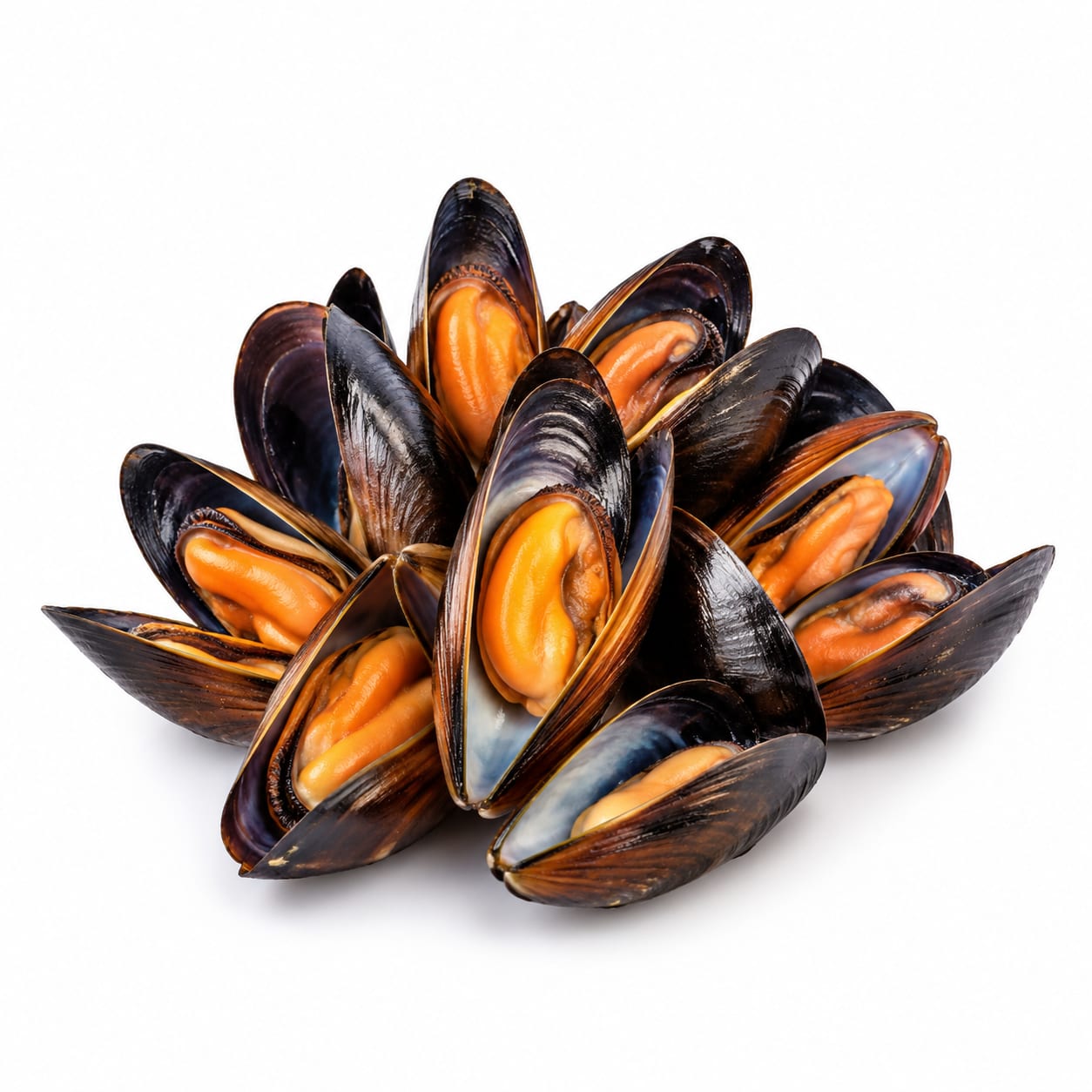
Mussel
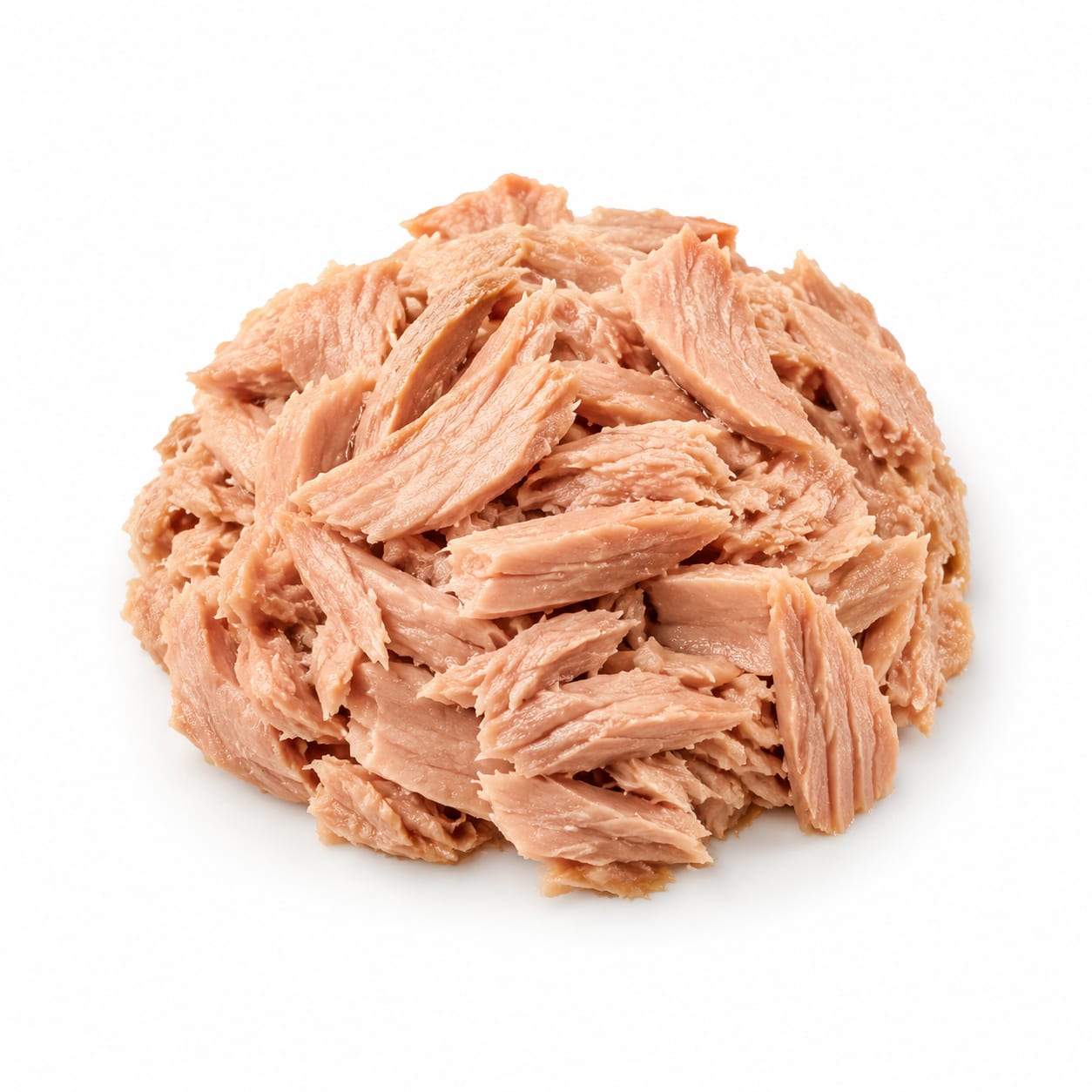
Tuna
Mussels win on micronutrients and mercury safety, while tuna wins on protein density and convenience.
Mussels edge out tuna due to significantly lower mercury and higher micronutrient density, though tuna's convenience and protein content keep it highly competitive.
Tuna offers unmatched lean protein convenience but carries mercury risks; mussels are a micronutrient powerhouse with minimal mercury but require cooking.
At a glance
Executive summary
Overall
It depends
Healthier
Mussel
More practical
Tuna
Daily use
Mussel
Key comparison lenses
Mercury and heavy metal exposure
Tuna is notorious for mercury accumulation, while mussels are among the lowest-mercury seafood options available.
Protein density for muscle and satiety
Tuna is a lean protein powerhouse, whereas mussels offer a more balanced macronutrient profile with slightly less protein per calorie.
Micronutrient density and trace minerals
Mussels are incredibly rich in zinc, manganese, and vitamin B12, far outpacing tuna in these essential nutrients.
Convenience and preparation
Canned tuna is a ready-to-eat pantry staple, while fresh mussels require immediate cooking and careful preparation.
Environmental sustainability
Farmed mussels are highly sustainable and filter water, while tuna fishing often struggles with overfishing and bycatch.
Best choice for
Mussel
- Pregnant women seeking safe seafood
- Men needing a zinc and testosterone boost
- People eating seafood multiple times a week
Tuna
- Bodybuilders needing quick lean protein
- People on a tight budget needing shelf-stable protein
- Busy professionals needing no-cook meals
Least suitable for
Mussel
- People with shellfish allergies
- Those without access to fresh seafood markets
Tuna
- Pregnant women or children due to mercury
- Frequent seafood eaters already hitting mercury limits
Deep comparison
Dimension by dimension
Each lens scores both foods and breaks down who each option suits.
- Dimension 1 · Priority 85Tuna
Protein & Satiety
Mussel · 80Tuna · 92Tuna provides more protein per calorie and is easier to incorporate into a high-protein diet.
Tradeoff
Mussels offer good protein but with slightly more fat, while tuna is virtually fat-free.
Why it matters
Higher protein density keeps you fuller longer and supports muscle maintenance with fewer calories.
Real-world impact
A can of tuna easily delivers 25g of protein for under 120 calories, making post-workout nutrition effortless.
Mussel
- Balanced meals with healthy fats included
- Those wanting whole-food protein with built-in omega-3s
Better for
- Pure protein extraction without fats
Worse for
Tuna
- Strict calorie counters
- Post-workout muscle recovery
Better for
- Those finding very lean meats too dry or unsatisfying
Worse for
- Dimension 2 · Priority 95Mussel
Heavy Metal & Toxin Safety
Mussel · 90Tuna · 45Mussels are very low in mercury, whereas tuna accumulates significant mercury due to its place at the top of the food chain.
Tradeoff
You get more protein convenience with tuna, but you absorb more methylmercury; mussels are safer but carry a slight risk of biotoxins from red tides.
Why it matters
Mercury accumulates in the body and can impair neurological function over time, especially concerning for frequent fish eaters.
Real-world impact
You can eat mussels twice a week without worry, but eating canned tuna daily can push your mercury levels into risky territory.
Mussel
- Pregnant women
- Children
- Frequent seafood consumers
Better for
- Those eating unregulated foraged mussels
Worse for
Tuna
- Occasional seafood eaters keeping mercury intake low
Better for
- Daily lunch eaters
- Pregnant women
- Young kids
Worse for
- Dimension 3 · Priority 80Mussel
Micronutrient Density
Mussel · 95Tuna · 70Mussels are loaded with zinc, manganese, selenium, and vitamin B12, far outpacing tuna in trace minerals.
Tradeoff
Tuna is strong in B-vitamins and selenium but lacks the massive zinc and manganese hit that mussels provide.
Why it matters
Zinc and B12 are critical for immune function, energy metabolism, and hormonal health.
Real-world impact
A single serving of mussels can cover over 200% of your daily B12 and zinc needs, boosting energy and immunity noticeably.
Mussel
- Men looking to support testosterone and immunity
- Those with B12 deficiencies
Better for
- People who dislike the taste of shellfish
Worse for
Tuna
- Those strictly needing selenium and vitamin D
Better for
- Those relying on a single seafood source for all minerals
Worse for
- Dimension 4 · Priority 75Tuna
Convenience & Practicality
Mussel · 40Tuna · 95Canned tuna is a shelf-stable, ready-to-eat protein source; mussels require refrigeration, scrubbing, and cooking.
Tradeoff
Mussels are a dining experience best enjoyed fresh, while tuna is a utilitarian pantry staple.
Why it matters
Convenience often dictates what we actually eat day-to-day versus what we aspire to eat.
Real-world impact
Tuna takes 30 seconds to open and mix; mussels take 20 minutes of prep and cooking, limiting them to dinner occasions.
Mussel
- Weekend dinner cooking
- Impressing guests
Better for
- Dorm living
- No-cook situations
Worse for
Tuna
- Quick work lunches
- Travel protein
- Emergency pantry meals
Better for
- Gourmet dining experiences
Worse for
Timeline
Health impact over time
Short-term
Hours to days
Mussel
- Quick boost in energy from B12 and iron
- Satisfying meal due to protein and fat combination
Tuna
- Rapid satiety from lean protein
- Quick post-workout muscle feeding
Long-term
Months to years
Mussel
- Excellent thyroid and immune support from selenium and zinc
- Safe long-term cardiovascular benefits from omega-3s without mercury buildup
Tuna
- Potential mercury accumulation if consumed too frequently
- Solid muscle maintenance and heart support if kept to moderate intake
Risk profile
Safety & processing
Fresh mussels and fresh tuna are both whole foods, but canned tuna often contains added salt and is processed for shelf stability, making mussels the closer-to-nature option for most consumers.
Mussel
Biotoxins from red tide
mediumMussels filter feed and can accumulate paralytic shellfish toxins, though commercial farming is heavily monitored to prevent this.
Bacterial spoilage
lowMust be cooked alive and properly handled to avoid foodborne illness from spoilage.
Tuna
Mercury toxicity
highTuna accumulates methylmercury, which is neurotoxic. Frequent consumption is linked to mercury buildup, especially problematic for pregnant women and children.
Histamine poisoning (scombroid)
mediumIf fresh tuna is not kept cold, it can produce high levels of histamine, causing allergic-like reactions.
Who wins for whom
Audience fit
Same foods, different winners depending on your goal.
children
MusselMussels are much lower in mercury, making them far safer for developing nervous systems.
daily consumption
MusselMussels can be eaten regularly without mercury accumulation concerns, whereas tuna should be limited to 1-2 times a week.
diabetes
It dependsBoth have zero carbs and will not spike blood sugar, but tuna's higher protein content may offer slightly better satiety for insulin management.
elderly
MusselThe high B12, zinc, and low mercury content in mussels support cognitive health and immunity without the neurological risks of mercury.
muscle gain
TunaTuna provides more protein per gram and per calorie, which is crucial for building and repairing muscle.
weight loss
TunaTuna is lower in calories and fat, making it easier to fit into a strict calorie deficit.
Your move
Decision guide
Choose Mussel
- You eat seafood frequently and want to avoid mercury
- You want a massive boost in zinc and B12
- You are cooking a nice dinner at home
- You are pregnant or feeding children
Choose Tuna
- You need a quick, no-cook protein source
- You are tracking calories strictly
- You are meal-prepping for muscle gain
- You want a cheap, shelf-stable pantry protein
Either works if
- You want heart-healthy omega-3s
- You need high-quality complete protein
- You are following a pescatarian diet
Avoid both if
- You have a severe seafood allergy
- You are on a strict low-sodium diet and are using canned versions
Final recommendation
Choose mussels for regular, safe seafood consumption packed with trace minerals, and opt for tuna occasionally when you need ultra-convenient lean protein.
Practical
Consumer tips
- 1
Limit canned albacore tuna to 1-2 servings per week to keep mercury levels in check; light skipjack tuna is a lower-mercury alternative.
- 2
When buying mussels, ensure they are closed before cooking and discard any that do not open after cooking.
- 3
Rinse canned tuna to remove up to 20% of the sodium if you are watching your blood pressure.
- 4
Pair mussels with a garlic and white wine broth for a heart-healthy, antioxidant-rich meal.