
Nutrition comparison
Mussel vs Clam: Nutrition, Safety, and Taste Compared
Discover the nutritional differences between mussels and clams. Learn which is better for omega-3s, iron, B12, and which is safer and easier to cook.
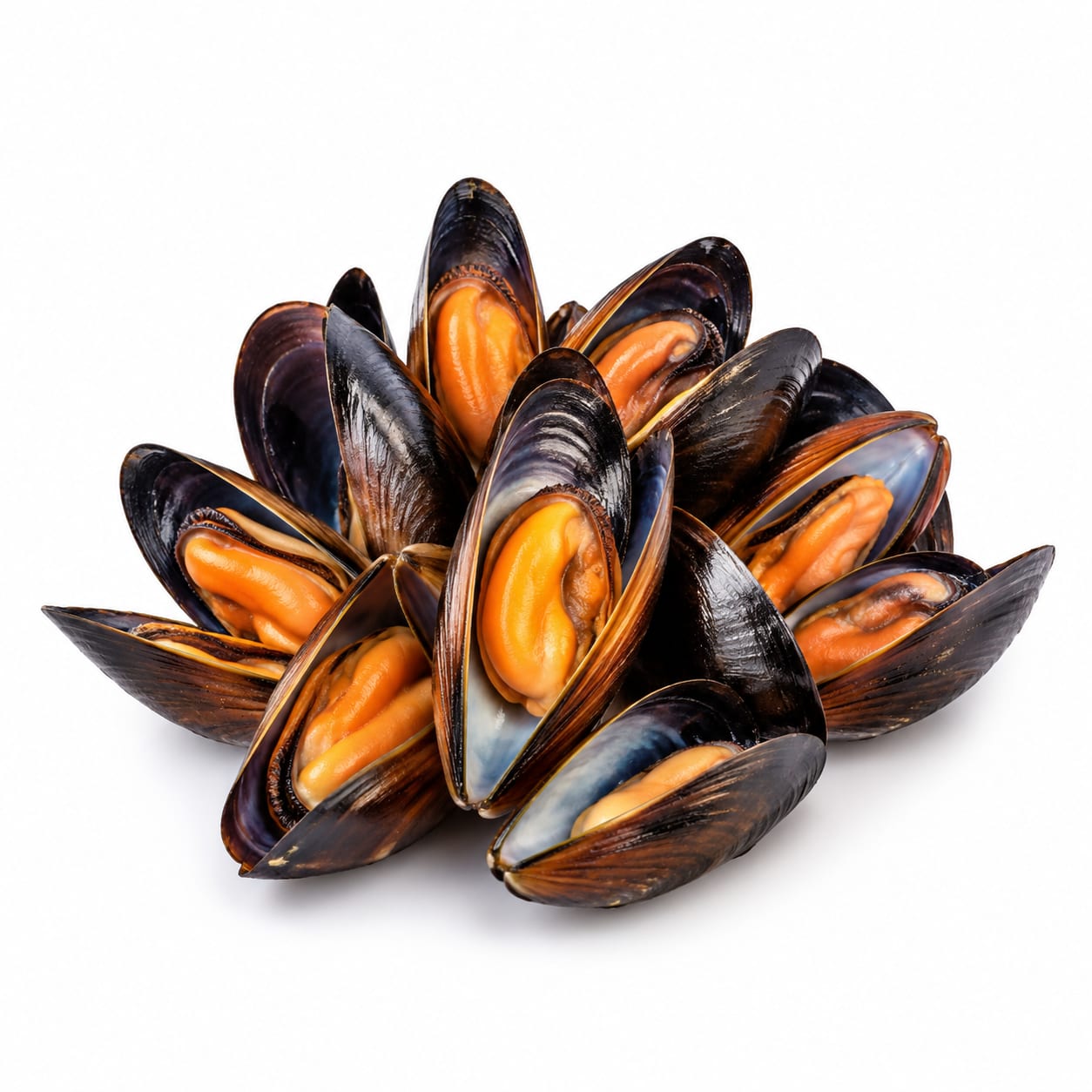
Mussel
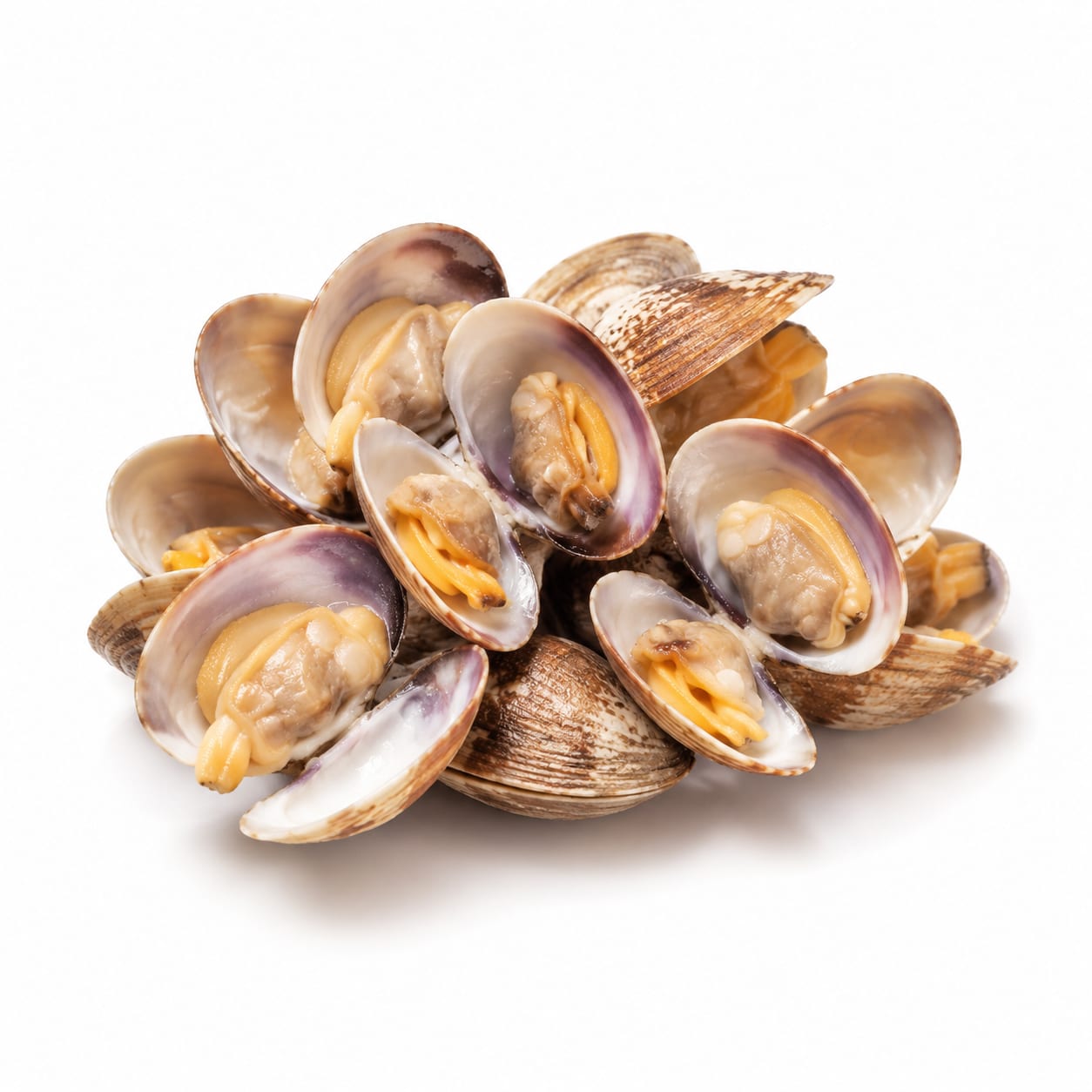
Clam
Mussels win on omega-3s and sustainable farming, while clams are an iron and B12 powerhouse with fewer calories.
Mussels and clams are both exceptional whole foods with slightly different strengths. Mussels edge ahead slightly for omega-3s and ease of prep, while clams dominate in iron and B12.
Mussels offer more anti-inflammatory fats and easier eating without grit, but clams deliver unmatched B12 and iron for blood health.
At a glance
Executive summary
Overall
It depends
Healthier
It depends
More practical
Mussel
Daily use
It depends
Key comparison lenses
Micronutrient density (B12, Iron, Omega-3s)
Both are nutritional powerhouses, but clams offer unmatched B12 and iron, while mussels excel in omega-3 fats.
Filter feeder safety and toxins
As bivalves, both filter large volumes of water, making contamination and water quality a primary concern.
Culinary preparation and grit
Clams require purging to avoid a gritty texture, whereas mussels are generally easier to prep and eat cleanly.
Best choice for
Mussel
- Boosting omega-3 intake naturally
- Following anti-inflammatory diets
- Choosing sustainable seafood
Clam
- Correcting iron-deficiency anemia
- Maximizing Vitamin B12 intake
- Lower-calorie protein sources
Least suitable for
Mussel
- People strictly limiting dietary fat
- Those with severe shellfish allergies
Clam
- People who hate gritty textures
- Those needing higher omega-3 fats
Deep comparison
Dimension by dimension
Each lens scores both foods and breaks down who each option suits.
- Dimension 1 · Priority 95Clam
Micronutrient Density
Mussel · 88Clam · 96Clams are one of the most concentrated sources of Vitamin B12 and iron on the planet, far surpassing mussels.
Tradeoff
You get more blood-building nutrients from clams, but mussels provide more manganese and selenium for antioxidant defense.
Why it matters
B12 and iron are common deficiencies, especially for women and older adults, making clams a potent functional food.
Real-world impact
Eating clams can quickly reverse fatigue from anemia, while mussels support joint and thyroid health.
Mussel
- Thyroid support via selenium
- Joint and connective tissue health
Better for
- Iron deficiency recovery
Worse for
Clam
- Energy and fatigue reduction
- Blood building and oxygen transport
Better for
- Antioxidant variety
Worse for
- Dimension 2 · Priority 90Mussel
Omega-3 & Heart Health
Mussel · 92Clam · 75Mussels contain significantly more omega-3 fatty acids, specifically EPA and DHA, than clams.
Tradeoff
Mussels offer better anti-inflammatory benefits, while clams are leaner but lack the same fat profile.
Why it matters
Omega-3s are critical for heart and brain health, and seafood is the best dietary source of EPA and DHA.
Real-world impact
Regularly eating mussels can help reduce joint stiffness and support cardiovascular function more effectively.
Mussel
- Heart health
- Reducing systemic inflammation
Better for
- Very low-fat dietary protocols
Worse for
Clam
- Strict low-fat diets
Better for
- Getting enough EPA/DHA from food alone
Worse for
- Dimension 3 · Priority 85Mussel
Contamination & Safety
Mussel · 82Clam · 75Mussels are often rope-farmed off-bottom, avoiding sediment pollutants, while clams burrow in sand where toxins accumulate.
Tradeoff
Mussels generally have lower heavy metal and sand-borne contaminant exposure, though both are filter feeders requiring careful sourcing.
Why it matters
Filter feeders concentrate ocean toxins, so farming methods and water quality dictate safety.
Real-world impact
Choosing farmed mussels from clean waters reduces the risk of foodborne illness and heavy metal exposure.
Mussel
- Avoiding sediment toxins
- Sustainable ocean farming
Better for
- Red tide vulnerability
Worse for
Clam
- Wild harvesting traditions
Better for
- Bottom-dwelling pollutant exposure
Worse for
- Dimension 4 · Priority 70Mussel
Culinary Versatility & Preparation
Mussel · 85Clam · 70Mussels are easier to prep and cook in minutes, while clams require purging to remove sand and grit.
Tradeoff
Mussels offer a smoother, grit-free eating experience, but clams provide a firmer, chewier bite that holds up well in chowders.
Why it matters
Gritty clams can ruin a dish, and the extra prep time deters home cooks.
Real-world impact
Mussels are a faster weeknight meal, while clams require planning to soak and purge for clean eating.
Mussel
- Quick weeknight dinners
- Grit-free pasta dishes
Better for
- Chowder texture needs
Worse for
Clam
- Hearty chowders
- Firm textured dishes
Better for
- Grit risk
- Time-consuming prep
Worse for
Timeline
Health impact over time
Short-term
Hours to days
Mussel
- Quick protein satisfaction
- Steady energy without a crash
Clam
- Rapid B12 boost
- Light, low-calorie meal
Long-term
Months to years
Mussel
- Better joint mobility from omega-3s
- Improved heart health markers
Clam
- Prevention of anemia
- Stronger nervous system function from B12
Risk profile
Safety & processing
Both mussels and clams are whole, natural foods typically sold fresh or frozen without additives.
Mussel
Biotoxins (Red Tide)
mediumAs filter feeders, mussels can accumulate paralytic shellfish toxins; always buy from regulated sources.
Microplastics
lowFarmed mussels may ingest microplastics, though human health impacts are still being studied.
Clam
Sand and Grit Bacteria
mediumClams burrow in sand and can harbor bacteria or viruses if not properly purged and cooked.
Heavy Metals
mediumBottom-dwelling clams can accumulate lead and cadmium from polluted sediments.
Who wins for whom
Audience fit
Same foods, different winners depending on your goal.
children
MusselMussels are grit-free and easier for kids to chew, plus their omega-3s support brain development.
daily consumption
It dependsBoth are healthy, but daily consumption of any filter feeder increases heavy metal exposure; rotating them is best.
diabetes
MusselThe higher omega-3 content in mussels helps improve insulin sensitivity and reduce inflammation.
elderly
ClamClams provide massive amounts of B12 and iron, nutrients that older adults often struggle to absorb.
muscle gain
MusselMussels have slightly more protein and omega-3s to support muscle recovery and reduce soreness.
weight loss
ClamClams are lower in calories and fat, making them easier to fit into a strict calorie deficit.
Your move
Decision guide
Choose Mussel
- You want a quick, grit-free seafood dinner
- You need more omega-3s for inflammation
- You prefer sustainable, farmed seafood options
Choose Clam
- You are low in iron or B12
- You want a leaner, lower-calorie protein
- You are making a hearty chowder
Either works if
- You want high-quality lean protein
- You are cooking a seafood pasta
- You need a zinc boost for immunity
Avoid both if
- You have a shellfish allergy
- You are pregnant and unsure of water quality sourcing
- You have gout and are sensitive to purines
Final recommendation
Choose mussels for an easy, omega-3 rich meal, and clams when you need a serious iron and B12 boost; both are excellent choices when sourced from clean waters.
Practical
Consumer tips
- 1
Always buy live shellfish; tap on the shells—if they don't close, throw them out.
- 2
Purge clams in cold salted water for 20 minutes to spit out sand before cooking.
- 3
Skip the butter-heavy broths; steam mussels and clams in white wine and garlic for a healthier dish.
- 4
Check local seafood advisories before harvesting wild bivalves to avoid biotoxins.