
Nutrition comparison
Mussels vs Shrimp: Nutrition, Safety, and Which Shellfish to Choose
Compare mussels and shrimp on iron, B12, cholesterol, omega-3s, sustainability, and safety. Find out which shellfish is healthier and when each makes sense.
Overall winner · Mussel
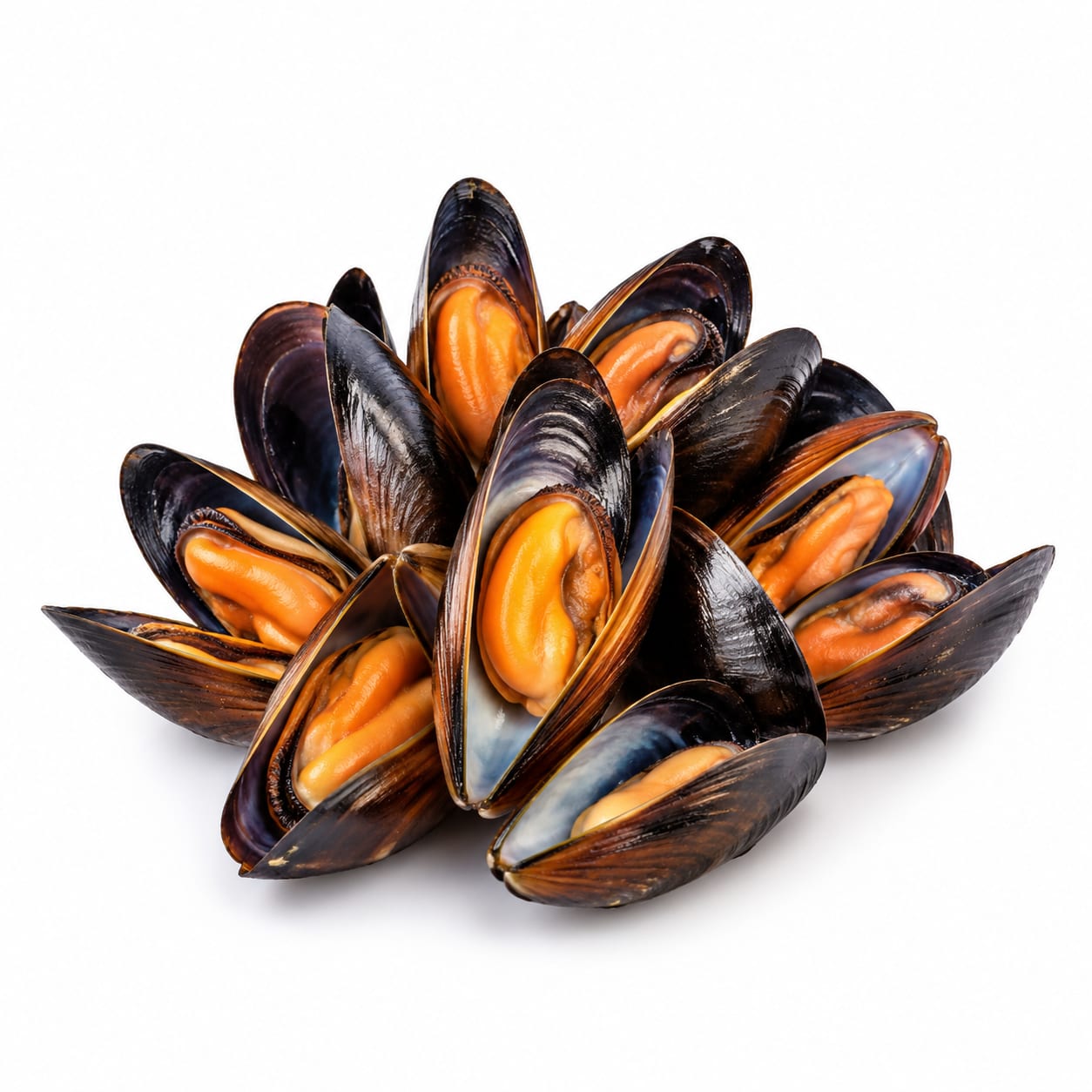
Mussel
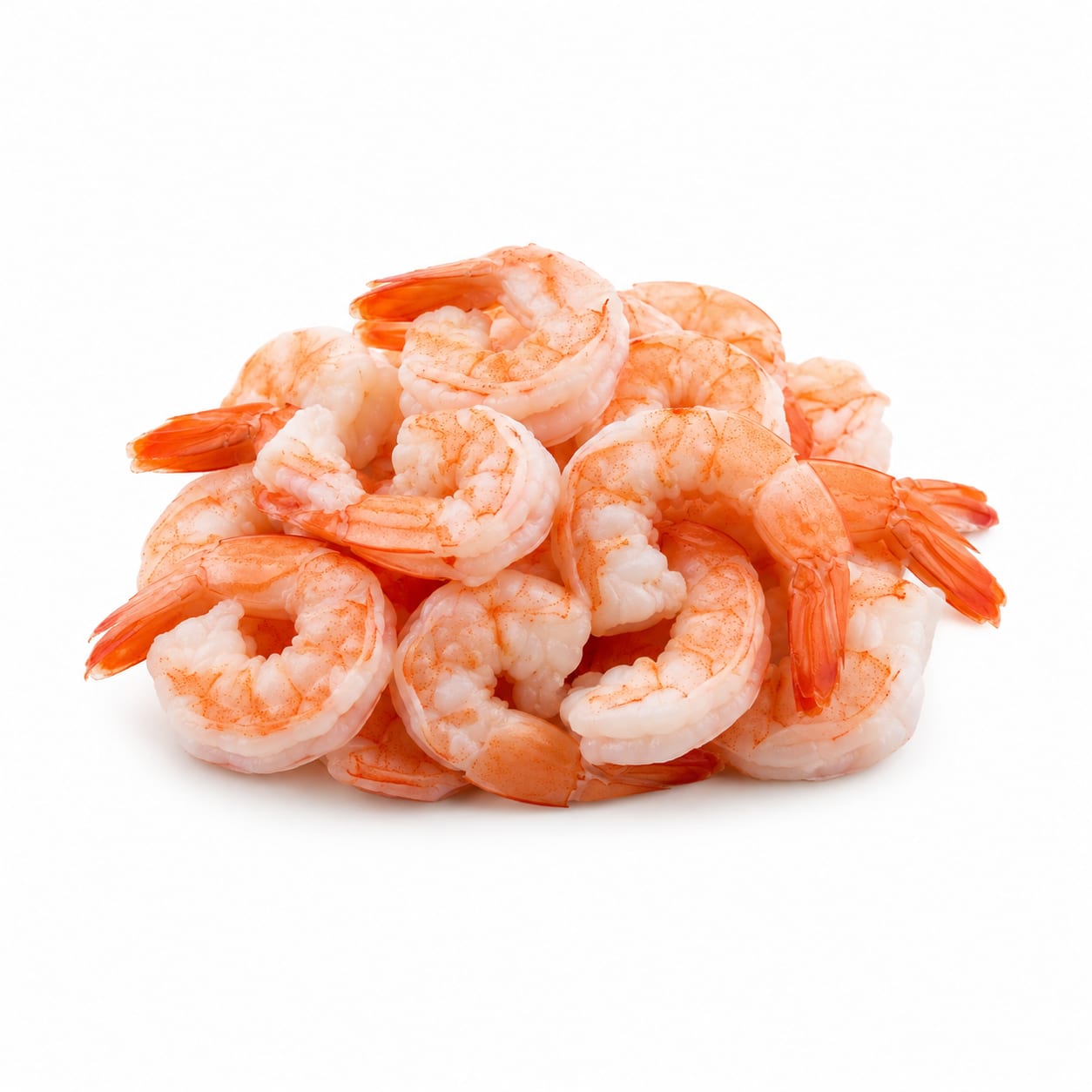
Shrimp
Mussels deliver far more nutrition per calorie—especially iron, B12, and omega-3s—while shrimp wins on convenience and pure protein content.
Mussels score higher due to superior micronutrient density, lower cholesterol, and better sustainability. Shrimp remains competitive thanks to higher protein per calorie, wider availability, and easier preparation. The gap reflects that mussels nutritionally outclass shrimp, but shrimp is more realistic for daily use.
Mussels are the nutritional powerhouse but require more effort to source and cook; shrimp is the practical everyday choice with less mineral density and more cholesterol.
At a glance
Executive summary
Overall
Mussel
Healthier
Mussel
More practical
Shrimp
Daily use
Shrimp
Key comparison lenses
nutrient density and mineral intake
Mussels are dramatically richer in iron, manganese, and B12, making this the starkest difference between the two
cholesterol and heart health concerns
Shrimp's high cholesterol content is a common worry, while mussels are notably lower
contaminant and heavy metal exposure
Both shellfish carry distinct contamination profiles—filter-feeding vs farmed shrimp risks differ significantly
sustainability and environmental impact
Mussels are among the most sustainable seafood options; shrimp farming has well-documented ecological concerns
everyday convenience and availability
Shrimp is far more accessible, easier to cook, and more familiar to most home cooks
Best choice for
Mussel
- People with iron deficiency or low B12
- Anyone prioritizing nutrient density over convenience
- Sustainability-conscious seafood eaters
- Those watching dietary cholesterol
Shrimp
- Busy home cooks wanting quick protein
- People unfamiliar with cooking shellfish
- Anyone meal-prepping lean protein
- Those who need widely available options
Least suitable for
Mussel
- People with shellfish allergies
- Anyone uncomfortable cooking live shellfish
- Those in areas with limited fresh seafood access
- People with gout flares (moderate purines)
Shrimp
- People strictly limiting dietary cholesterol
- Those concerned about antibiotic residues in farmed seafood
- Anyone avoiding imported seafood with weak regulation
- People with severe iodine sensitivity
Deep comparison
Dimension by dimension
Each lens scores both foods and breaks down who each option suits.
- Dimension 1 · Priority 95Mussel
micronutrient density
Mussel · 93Shrimp · 62Mussels are in a different league—packing roughly 15x more iron, 4x more manganese, and significantly more folate than shrimp.
Tradeoff
You gain exceptional mineral intake with mussels but sacrifice the quick-cooking convenience shrimp offers.
Why it matters
Iron and B12 deficiencies are surprisingly common, especially in women and vegetarians transitioning to seafood. Mussels are one of the best food sources for both.
Real-world impact
Eating mussels twice a week can meaningfully move the needle on iron and B12 status in a way shrimp simply cannot match.
Mussel
- Correcting iron deficiency
- Boosting B12 on a pescatarian diet
- Supporting energy and reducing fatigue
Better for
- Quick weeknight meals where prep time matters
Worse for
Shrimp
- Mild iodine supplementation
- Maintaining selenium intake with a more familiar food
Better for
- Anyone needing to address low iron through food alone
Worse for
- Dimension 2 · Priority 85Shrimp
protein and calorie efficiency
Mussel · 72Shrimp · 88Shrimp delivers more protein per calorie and per gram, making it the leaner protein source for portion-conscious eaters.
Tradeoff
Shrimp gives you cleaner protein numbers, but mussels provide more protein per dollar and more accompanying nutrients.
Why it matters
For anyone tracking macros or managing calorie budgets, shrimp's protein-to-calorie ratio is hard to beat among seafood.
Real-world impact
A 4 oz serving of shrimp hits your protein target with fewer calories, leaving more room in your daily budget for other foods.
Mussel
- Budget-conscious protein seekers (mussels are often cheaper per gram of protein)
Better for
- Strict calorie-counting where protein density is priority
Worse for
Shrimp
- Cutting phases where every calorie matters
- Athletes tracking precise macros
- High-protein low-calorie meal plans
Better for
- Situations where cost per gram of protein is the constraint
Worse for
- Dimension 3 · Priority 82Mussel
omega-3 fatty acids
Mussel · 80Shrimp · 55Mussels contain meaningfully more EPA and DHA omega-3s than shrimp, contributing more to anti-inflammatory and heart health goals.
Tradeoff
Neither rivals salmon or sardines for omega-3s, but mussels are the better choice if this is your focus among shellfish.
Why it matters
Regular omega-3 intake from seafood is linked to lower heart disease risk, better mood, and reduced inflammation—mussels contribute more toward this.
Real-world impact
A serving of mussels provides roughly double the omega-3s of an equivalent serving of shrimp, though both are moderate sources compared to fatty fish.
Mussel
- Cardiovascular risk reduction
- Anti-inflammatory eating patterns
- Brain health support through diet
Better for
- Serving as your sole omega-3 source (still not enough alone)
Worse for
Shrimp
- Casual omega-3 intake when you're already eating fatty fish elsewhere
Better for
- Being relied on as a primary omega-3 food
Worse for
- Dimension 4 · Priority 80Mussel
cholesterol and heart health profile
Mussel · 82Shrimp · 55Mussels are low in cholesterol while shrimp is one of the highest-cholesterol seafoods available—roughly 3x more per serving.
Tradeoff
Dietary cholesterol affects people differently, but for those who are sensitive, shrimp is a real concern while mussels are not.
Why it matters
Hyper-responders to dietary cholesterol can see significant blood cholesterol spikes from shrimp. Mussels avoid this issue entirely.
Real-world impact
If your doctor has told you to watch dietary cholesterol, shrimp portions need to be managed carefully; mussels give you more freedom.
Mussel
- People with elevated LDL cholesterol
- Hyper-responders to dietary cholesterol
- Heart-healthy Mediterranean-style eating
Better for
- Situations where cholesterol is not a concern at all (no downside here)
Worse for
Shrimp
- People whose lipid panels are unaffected by dietary cholesterol
Better for
- Anyone actively managing high cholesterol through diet
Worse for
- Dimension 5 · Priority 78It depends
contaminant and safety profile
Mussel · 65Shrimp · 60Mussels risk biotoxins from filter-feeding; shrimp risk antibiotics and chemical residues from farming. Different problems, similar overall concern level.
Tradeoff
Mussels are cleaner if from well-monitored waters; shrimp are safer if wild-caught and from regulated sources. Source matters more than species.
Why it matters
Both foods carry real but manageable contamination risks. Blindly choosing either without considering sourcing is a mistake.
Real-world impact
Buying mussels from reputable suppliers with regular water testing essentially eliminates biotoxin risk. Choosing wild or well-certified farmed shrimp avoids antibiotic concerns.
Mussel
- Eaters who can verify clean water sourcing
- Those avoiding antibiotic exposure in food supply
Better for
- Recreational foragers without water quality data
- Areas with known red tide or algal bloom issues
Worse for
Shrimp
- People with access to wild-caught domestic shrimp
- Anyone in regions where shrimp regulation is strong
Better for
- Imported farmed shrimp from poorly regulated regions
- Budget frozen shrimp with unknown origin
Worse for
- Dimension 6 · Priority 75Mussel
sustainability and environmental impact
Mussel · 90Shrimp · 45Mussels are among the most sustainable animal proteins on Earth—rope-grown mussels actually improve water quality. Shrimp farming is ecologically destructive in many regions.
Tradeoff
Choosing mussels is a clear environmental win, but you may have fewer recipe options and less culinary familiarity.
Why it matters
If environmental impact factors into your food decisions, this is a lopsided comparison. Shrimp has one of the worst sustainability profiles in seafood.
Real-world impact
A weekly mussel dinner instead of shrimp meaningfully reduces your food-related environmental footprint—especially regarding mangrove destruction and bycatch.
Mussel
- Environmentally conscious eaters
- Anyone trying to reduce their food carbon footprint
- Supporting sustainable aquaculture
Better for
- No real environmental downside to mussels
Worse for
Shrimp
- Wild-caught domestic shrimp from well-managed fisheries (limited availability)
Better for
- Mangrove habitat destruction from tropical shrimp farms
- High bycatch rates in trawl-caught shrimp
Worse for
- Dimension 7 · Priority 72Shrimp
convenience and culinary practicality
Mussel · 45Shrimp · 85Shrimp is available everywhere, easy to cook, and fits into countless recipes. Mussels require live purchase, quick cooking, and more confidence in the kitchen.
Tradeoff
Shrimp is the no-brainer weeknight option; mussels reward effort with more nutrients but demand more skill and planning.
Why it matters
The best nutritional choice only matters if you actually cook and eat it. Shrimp's convenience makes it the realistic default for most people.
Real-world impact
Frozen shrimp can be thawed and sautéed in 10 minutes. Mussels need to be bought live, cooked same-day, and properly debearded and cleaned.
Mussel
- Weekend cooking projects
- Dinner parties where steaming mussels feels special
Better for
- Last-minute meal situations
- Cooks intimidated by live shellfish prep
Worse for
Shrimp
- Meal prep and batch cooking
- Quick weeknight dinners
- Households with varying seafood comfort levels
Better for
- Occasions where you want to impress with a more dramatic dish
Worse for
Timeline
Health impact over time
Short-term
Hours to days
Mussel
- High B12 and iron can boost energy within days if you were deficient
- Rich protein and mineral content makes meals very satisfying
- Improperly stored mussels can cause rapid-onset food poisoning—freshness is critical
Shrimp
- Quick-digesting lean protein supports post-workout recovery
- High iodine content may temporarily affect thyroid-sensitive individuals
- Large portions can spike LDL in cholesterol-sensitive people within hours
Long-term
Months to years
Mussel
- Consistent intake supports healthy iron stores and B12 levels, reducing fatigue and anemia risk
- Omega-3 contribution supports cardiovascular and cognitive health over years
- Low cholesterol content makes it sustainable for heart-healthy eating patterns
Shrimp
- Regular consumption provides steady lean protein and selenium for immune and thyroid support
- Frequent high-cholesterol intake may elevate LDL in sensitive individuals over time
- Imported farmed shrimp consumed regularly raises cumulative antibiotic and chemical exposure concerns
Risk profile
Safety & processing
Both are whole foods when fresh, but frozen and packaged shrimp often contains sodium tripolyphosphate and other preservatives. Fresh mussels are typically sold live with minimal intervention, while pre-cooked or breaded shrimp products can be heavily processed.
Mussel
Biotoxin exposure (PSP, DSP)
highAs filter feeders, mussels concentrate algal toxins from their environment. Commercial harvesting is heavily monitored, but recreational harvesting without water testing is dangerous.
Bacterial spoilage
mediumMussels must be alive when cooked—dead mussels before cooking can cause severe food poisoning. Proper storage and timing are essential.
Microplastic accumulation
mediumFilter-feeding means mussels can retain microplastics from polluted water. Levels vary widely by harvest location.
Shrimp
Antibiotic residues in farmed shrimp
highImported farmed shrimp—especially from Southeast Asia—frequently test positive for banned antibiotics. This is one of the most documented seafood safety issues globally.
Chemical preservatives
mediumSodium tripolyphosphate (STPP) is commonly used in frozen shrimp to retain moisture. It adds sodium and may cause digestive upset in sensitive individuals.
Allergenicity
mediumShrimp is one of the top eight allergens. Shellfish allergies can be severe and lifelong, and cross-contamination in restaurants is common.
Who wins for whom
Audience fit
Same foods, different winners depending on your goal.
children
ShrimpShrimp's milder flavor, familiar texture, and easier preparation make it more kid-friendly. Mussels' appearance and texture can be a hard sell for children.
daily consumption
ShrimpShrimp's convenience, availability, and versatility make it more realistic for regular inclusion in meals, even though mussels are nutritionally superior per serving.
diabetes
MusselMussels' lower cholesterol, higher omega-3s, and richer micronutrient profile better support the cardiovascular and inflammatory concerns that accompany diabetes management.
elderly
MusselThe exceptional B12 and iron content in mussels addresses common deficiencies in older adults, and the lower cholesterol profile aligns with cardiovascular concerns in this group.
muscle gain
ShrimpMore protein per serving and per calorie makes shrimp the more efficient choice for building muscle, though both are adequate protein sources.
weight loss
ShrimpShrimp's higher protein-to-calorie ratio makes it easier to stay within calorie limits while hitting protein targets, which supports satiety and muscle retention during deficits.
Your move
Decision guide
Choose Mussel
- You want to address iron or B12 deficiency through food
- Sustainability and environmental impact matter to you
- You're monitoring dietary cholesterol for heart health
- You enjoy cooking and want a nutrient-dense weekend meal
- You're following a Mediterranean-style eating pattern
Choose Shrimp
- You need quick, lean protein for busy weeknights
- You're tracking macros and need efficient protein per calorie
- You're cooking for kids or seafood-hesitant eaters
- You want something that works in salads, stir-fries, and pasta equally
- You don't have reliable access to fresh live shellfish
Either works if
- You're already eating fatty fish regularly for omega-3s
- You rotate seafood types to vary nutrient exposure
- You have no cholesterol concerns or dietary restrictions
- You can source both from reputable, well-regulated suppliers
Avoid both if
- You have a diagnosed shellfish allergy
- You're following a strict low-purine diet for gout management
- You cannot verify the source or water quality of either product
Final recommendation
Eat mussels when you can—their nutritional profile is genuinely superior, especially for iron, B12, and omega-3s. Keep shrimp as your convenient backup for busy days. Aim for mussels once a week and shrimp as needed, always prioritizing sourcing quality over price.
Practical
Consumer tips
- 1
Buy mussels with tightly closed shells or ones that close when tapped—discard any that stay open before cooking
- 2
Choose wild-caught domestic shrimp or farmed shrimp with third-party certifications like ASC or BAP to avoid antibiotic concerns
- 3
Skip pre-cooked or breaded shrimp products—they add sodium, preservatives, and calories you don't need
- 4
If cholesterol is a concern, limit shrimp to 6 oz per serving and balance with plant-based meals the same day
- 5
Steam mussels in white wine and garlic for a simple, nutrient-preserving preparation that takes under 10 minutes
- 6
Freeze fresh shrimp immediately if not using within 2 days—mussels must be cooked the day of purchase
- 7
Check country of origin on shrimp packaging—US, Canada, and Iceland have stricter aquaculture regulations than many Southeast Asian exporters