
Nutrition comparison
Mussel vs Lobster: Nutrition, Mercury & Value Compared
Mussels vs lobster: which is healthier? Compare nutrient density, mercury levels, protein, and cost to see which shellfish wins for your diet.
Overall winner · Mussel
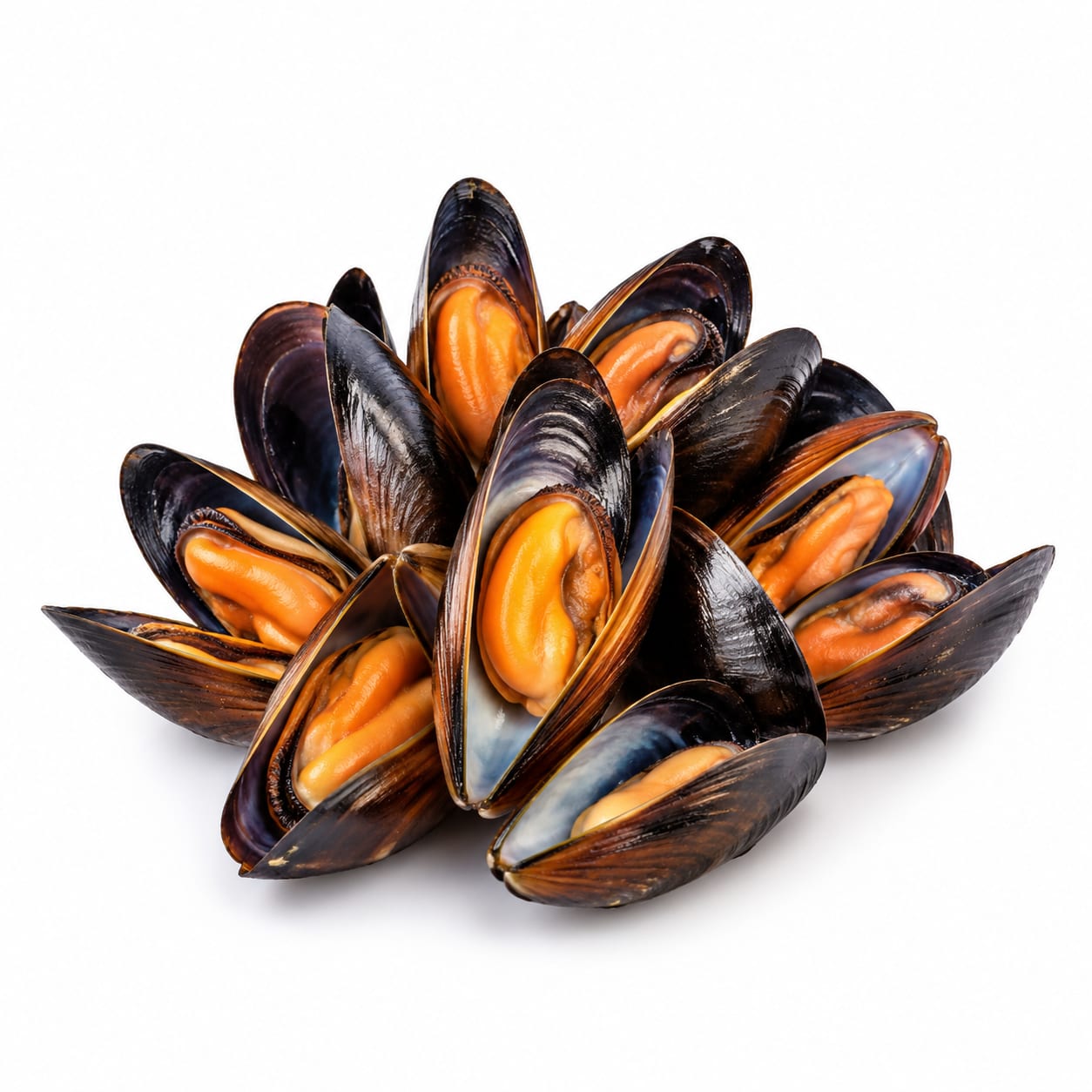
Mussel

Lobster
Mussels deliver far more nutrition per dollar and have lower mercury, making them an everyday superfood. Lobster offers a leaner, luxury eating experience but at a steep price and with higher contaminant tradeoffs.
Mussels score significantly higher due to their exceptional micronutrient density, low mercury levels, and unbeatable affordability. Lobster remains a high-quality lean protein but falls behind on everyday practicality, cost, and contaminant risk.
Unmatched micronutrient density and value versus leaner protein and premium dining status.
At a glance
Executive summary
Overall
Mussel
Healthier
Mussel
More practical
Mussel
Daily use
Mussel
Key comparison lenses
Nutrient density and micronutrient comparison
Mussels are famously nutrient-dense, offering a stark contrast to the leaner profile of lobster
Heavy metal and contaminant exposure
Lobster accumulates more mercury as a larger, longer-living bottom-feeder compared to farmed mussels
Cost versus health tradeoff
Mussels are incredibly affordable superfoods, while lobster is a luxury item with a premium price tag
Everyday practicality versus special occasion dining
Mussels are a cheap weeknight staple, whereas lobster is typically reserved for celebrations
Best choice for
Mussel
- People needing an iron and B12 boost
- Budget-conscious seafood lovers
- Frequent seafood eaters wanting low mercury
Lobster
- Special occasion celebrations
- Strict calorie counters wanting maximum volume
- Those prioritizing extremely lean protein
Least suitable for
Mussel
- People who dislike strong ocean flavors
- Those with specific shellfish allergies
Lobster
- Budget meal prep
- Pregnant women strictly limiting mercury
- Frequent daily consumption
Deep comparison
Dimension by dimension
Each lens scores both foods and breaks down who each option suits.
- Dimension 1 · Priority 95Mussel
Micronutrient Density
Mussel · 98Lobster · 65Mussels are one of the most nutrient-dense foods on the planet, absolutely crushing lobster in vitamins and minerals.
Tradeoff
You get slightly more calories with mussels, but the nutritional payoff per bite is massive compared to lobster.
Why it matters
Mussels provide off-the-charts levels of B12, iron, and manganese—nutrients many people struggle to get enough of.
Real-world impact
Eating mussels regularly can improve energy levels and combat fatigue way more effectively than lobster.
Mussel
- Fixing iron deficiency
- Boosting energy and fighting fatigue
- Getting massive B12 in a single serving
Better for
- Those tracking strict fat macros
Worse for
Lobster
- Keeping meals extremely low in calories
Better for
- Anyone needing a meaningful iron boost
Worse for
- Dimension 2 · Priority 90Mussel
Heavy Metal & Contaminant Risk
Mussel · 85Lobster · 65Farmed mussels are incredibly clean and low in mercury, while lobster carries a moderate mercury load.
Tradeoff
Mussels are filter feeders that can theoretically hold biotoxins, but strict farming regulations make them very safe. Lobster naturally accumulates more mercury over its lifespan.
Why it matters
Mercury exposure affects brain health and is especially concerning for pregnant women and children.
Real-world impact
You can safely eat mussels multiple times a week without worrying about heavy metals, whereas lobster should be limited to a few times a month.
Mussel
- Frequent seafood consumption
- Pregnant women seeking safe seafood
- Long-term daily dietary inclusion
Better for
- Eating unverified wild-foraged mussels
Worse for
Lobster
- Eating in moderation without immediate risk
Better for
- Regular weekly meal prep
- Pregnant women monitoring mercury closely
Worse for
- Dimension 3 · Priority 85Mussel
Value & Everyday Accessibility
Mussel · 96Lobster · 30Mussels are famously cheap, often costing a fraction of lobster's premium price.
Tradeoff
Mussels require some prep like debearding and cleaning, but the financial savings are enormous compared to lobster.
Why it matters
Consistency in eating healthy seafood depends heavily on whether you can actually afford it regularly.
Real-world impact
A massive bowl of mussels costs less than a single lobster tail, making nutritious seafood realistic for weeknight dinners.
Mussel
- Weeknight family dinners
- Budget-friendly meal prep
- Maximizing nutrition per dollar
Better for
- Very formal, multi-course dining events
Worse for
Lobster
- Impressing dinner guests
- High-end culinary experiences
Better for
- Casual weeknight cooking
- Feeding a large family on a budget
Worse for
- Dimension 4 · Priority 75Lobster
Protein & Leanness
Mussel · 80Lobster · 92Lobster is practically pure protein with almost zero fat, making it slightly leaner than mussels.
Tradeoff
Mussels have more healthy omega-3 fats, which makes them more satisfying but slightly higher in calories than lobster.
Why it matters
If you are strictly counting calories or fat, lobster gives you more protein per calorie.
Real-world impact
Lobster fits seamlessly into the strictest cutting phases for bodybuilders, while mussels offer better satiety for the average dieter.
Mussel
- Staying full longer after eating
- Getting beneficial omega-3 fats
Better for
- Very low-fat diet protocols
Worse for
Lobster
- Strict calorie restriction
- Bodybuilding cutting phases
Better for
- Meals where you need lasting fullness
Worse for
Timeline
Health impact over time
Short-term
Hours to days
Mussel
- Quick energy boost from high B12 and iron
- Very satisfying due to healthy fat and protein combo
Lobster
- Light, clean feeling after eating due to extreme leanness
- Highly satiating protein without any heaviness
Long-term
Months to years
Mussel
- Excellent support for blood health and preventing anemia
- Sustained omega-3 intake for heart and brain health
Lobster
- Good maintenance of lean muscle mass
- Potential mercury accumulation if eaten too frequently
Risk profile
Safety & processing
Both mussels and lobster are whole, natural foods. When bought fresh or frozen, they are completely free of artificial additives.
Mussel
Biotoxins from algal blooms
mediumWild mussels can absorb red tide toxins, but commercially farmed mussels are strictly monitored and very safe.
Microplastics
lowAs filter feeders, mussels can retain microplastics, though farmed varieties generally test well below dangerous thresholds.
Lobster
Mercury exposure
mediumLobster contains moderate levels of mercury, requiring moderate consumption, especially for pregnant women.
Foodborne illness from improper handling
mediumLike all shellfish, lobster must be kept cold and cooked properly to avoid bacterial contamination.
Who wins for whom
Audience fit
Same foods, different winners depending on your goal.
children
MusselMussels provide crucial iron and B12 for growth and have lower mercury levels, making them safer for kids.
daily consumption
MusselLow mercury and high affordability make mussels a realistic and safe everyday staple.
diabetes
It dependsBoth are zero-carb foods that will not spike blood sugar, making them equally great choices.
elderly
MusselThe high B12 and iron in mussels help combat common deficiencies in older adults, and they are easier to chew than tough lobster meat.
muscle gain
It dependsBoth provide excellent protein. Lobster is leaner post-workout, but mussels offer more zinc and iron for recovery.
weight loss
LobsterLobster is extremely low in calories and fat, offering pure protein that fits perfectly into strict calorie deficits.
Your move
Decision guide
Choose Mussel
- You want the most nutritional bang for your buck
- You need a boost in iron, B12, or energy
- You eat seafood multiple times a week and worry about mercury
Choose Lobster
- You are celebrating a special occasion
- You want maximum protein with minimal calories
- You prefer a milder, sweeter seafood flavor
Either works if
- You just need high-quality, zero-carb protein
- You are cooking an impressive seafood dinner
Avoid both if
- You have a shellfish allergy
- You are strictly following a vegan or vegetarian diet
Final recommendation
Make mussels your everyday shellfish staple for their unbeatable nutrition and price, and save lobster for when you want a lean, luxurious treat.
Practical
Consumer tips
- 1
Buy farmed mussels for the lowest contaminant risk and highest sustainability rating
- 2
Limit lobster to a couple of times a month to keep mercury exposure in check
- 3
Steam mussels with a splash of white wine and garlic for a healthy, restaurant-quality meal in minutes
- 4
Skip the melted butter with lobster to keep it a genuinely heart-healthy, low-calorie meal