
Nutrition comparison
Mussels vs Chicken Breast: Which Protein Is Actually Better for You?
Compare mussels and chicken breast on protein, micronutrients, omega-3s, safety, and cost. Find out which lean protein fits your health goals and lifestyle.
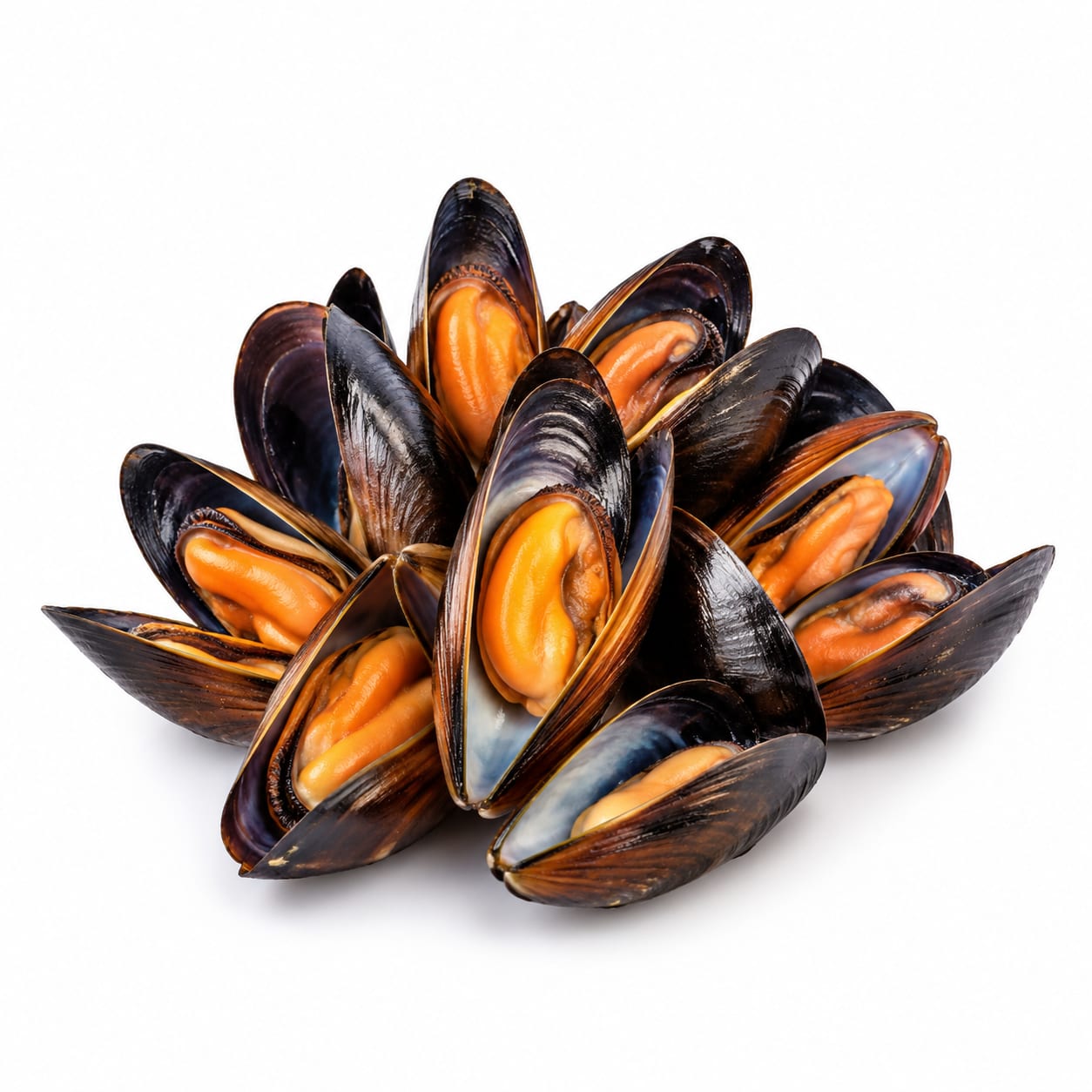
Mussel
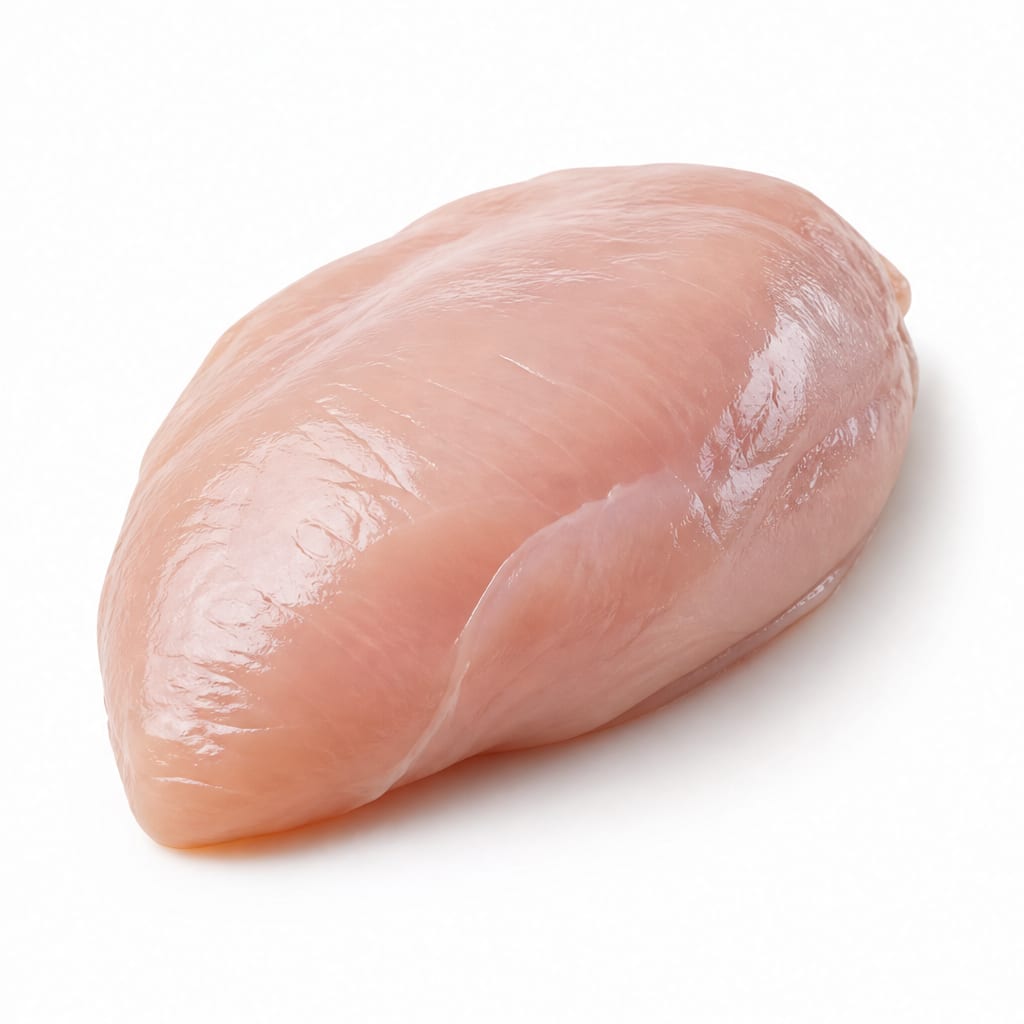
Chicken Breast
Chicken breast wins on practicality and pure protein, but mussels deliver a micronutrient punch that no land meat can match.
Chicken breast scores higher overall due to superior practicality, safety, and protein density. Mussels close the gap significantly with unmatched micronutrient content and omega-3s, but their contamination risks, shorter shelf life, and limited availability keep them from winning overall.
Convenience and protein density versus extraordinary vitamin and mineral content with some contamination risk
At a glance
Executive summary
Overall
It depends
Healthier
It depends
More practical
Chicken Breast
Daily use
Chicken Breast
Key comparison lenses
lean protein source selection
Both are popular lean protein options, but they deliver very different nutritional packages beyond protein
micronutrient density comparison
Mussels are extraordinarily rich in B12, iron, and selenium while chicken breast is relatively micronutrient-poor
seafood vs poultry safety tradeoffs
Mussels carry unique contamination risks that chicken breast avoids, but chicken has its own salmonella concerns
omega-3 intake consideration
Mussels provide meaningful omega-3s while chicken breast provides essentially none
meal prep practicality
Chicken breast is a meal prep staple while mussels are perishable and best eaten fresh
Best choice for
Mussel
- People needing B12 or iron support
- Anyone wanting to boost omega-3 intake without fish oil
- Those eating a mostly plant-based diet needing mineral replenishment
- Home cooks wanting nutrient density over convenience
Chicken Breast
- Athletes tracking macronutrients precisely
- Meal preppers who cook in bulk weekly
- Households wanting a versatile, affordable protein
- Anyone who needs reliable, easy protein daily
Least suitable for
Mussel
- People with shellfish allergies
- Anyone immunocompromised worried about foodborne illness
- Those who need quick weeknight meals with zero prep
- Strict budget shoppers
Chicken Breast
- People avoiding poultry for ethical or religious reasons
- Those needing significant B12 or iron from food sources
- Anyone bored with bland protein seeking culinary excitement
- People prioritizing omega-3 intake from whole foods
Deep comparison
Dimension by dimension
Each lens scores both foods and breaks down who each option suits.
- Dimension 1 · Priority 95Chicken Breast
Protein Content & Quality
Mussel · 72Chicken Breast · 92Chicken breast delivers more protein per calorie and per serving, making it the go-to for anyone tracking macros.
Tradeoff
Mussels still offer solid protein but come with more calories from fat and carbs to get the same protein amount
Why it matters
If your primary goal is hitting a protein target with minimal calories, chicken breast is simply more efficient
Real-world impact
A 6oz chicken breast gets you ~42g protein for 230 calories. The same protein from mussels costs more calories and significantly more money.
Mussel
- Getting protein alongside critical micronutrients in one package
Better for
- Hitting high protein targets without exceeding calorie budgets
Worse for
Chicken Breast
- Maximizing protein per calorie
- Post-workout recovery meals
- Body recomposition diets
Better for
- Getting meaningful micronutrient variety from your protein source
Worse for
- Dimension 2 · Priority 92Mussel
Micronutrient Density
Mussel · 96Chicken Breast · 38Mussels are one of the most nutrient-dense animal foods on earth. Chicken breast is essentially just protein with minimal vitamins or minerals.
Tradeoff
You eat mussels for what they give you nutritionally; you eat chicken breast for what they do not give you — fat and calories
Why it matters
A single serving of mussels can cover your entire B12 need for days and provides highly absorbable iron and zinc
Real-world impact
If you feel run-down or have low energy from nutrient gaps, mussels can replenish what chicken breast simply cannot touch.
Mussel
- B12 replenishment — one serving has over 300% of daily needs
- Iron support for anyone prone to deficiency
- Selenium and manganese intake
- Zinc for immune function
Better for
- Not useful if you need a neutral protein that fits into any meal plan
Worse for
Chicken Breast
- Predictable, simple nutrition without worrying about varying micronutrient levels
Better for
- Anyone relying solely on chicken breast as their protein may develop subtle nutrient gaps over time
Worse for
- Dimension 3 · Priority 82Mussel
Omega-3 & Anti-Inflammatory Profile
Mussel · 78Chicken Breast · 15Mussels provide meaningful EPA and DHA omega-3s. Chicken breast provides virtually zero omega-3s unless it is specially enriched.
Tradeoff
Choosing chicken means you need to find omega-3s elsewhere in your diet or supplement
Why it matters
Omega-3s support heart health, brain function, and inflammation management — areas where most diets fall short
Real-world impact
Eating mussels twice a week can meaningfully move your omega-3 intake needle. Chicken breast cannot do that no matter how much you eat.
Mussel
- Reducing systemic inflammation through dietary omega-3s
- Supporting heart and brain health without supplements
- Balancing a diet high in omega-6 seed oils
Better for
- Omega-3 content is good but lower than fattier fish like salmon or sardines
Worse for
Chicken Breast
- No real omega-3 advantage exists for chicken breast
Better for
- An entirely omega-3-neutral protein source that relies on other foods to fill this gap
Worse for
- Dimension 4 · Priority 88Chicken Breast
Food Safety & Contamination Risk
Mussel · 48Chicken Breast · 72Mussels are filter feeders that concentrate toxins, heavy metals, and microplastics. Chicken breast carries salmonella risk but is more manageable with proper cooking.
Tradeoff
Mussels offer incredible nutrition but come with real contamination concerns that chicken largely avoids
Why it matters
If you eat mussels regularly, sourcing matters enormously. Cheap or poorly sourced mussels are a genuine health gamble.
Real-world impact
A bad batch of mussels can cause serious illness. Chicken risks are more familiar and easier to control with a meat thermometer.
Mussel
- Sourced from clean, regulated waters, mussels can be very safe and are even tested for biotoxins in most countries
Better for
- Red tide and biotoxin risk
- Heavy metal accumulation potential
- Microplastic contamination in some harvest areas
- Rapid spoilage if not kept very cold
Worse for
Chicken Breast
- More predictable safety profile
- Easier to verify doneness
- Less concern about water quality and seasonal toxicity
Better for
- Salmonella risk if undercooked
- Antibiotic residue concerns in conventionally raised chicken
Worse for
- Dimension 5 · Priority 80Chicken Breast
Practicality & Convenience
Mussel · 35Chicken Breast · 90Chicken breast is the king of meal prep. Mussels require same-day cooking, careful cleaning, and have a short shelf life.
Tradeoff
Mussels demand more effort and planning but reward you with far more interesting nutrition
Why it matters
The best protein source is the one you actually eat consistently. Chicken wins on sustainability of habit.
Real-world impact
You can cook 5 pounds of chicken breast on Sunday and eat it all week. Mussels need to be cooked within a day of purchase.
Mussel
- Quick cooking time — they open in 5-7 minutes
- Impressive for dinner parties and date nights
Better for
- Must be purchased fresh and cooked immediately
- Cannot be meal prepped in advance
- Limited availability in many areas
- More expensive per serving
Worse for
Chicken Breast
- Meal prep friendly — cooks in bulk and reheats well
- Available at every grocery store
- Freezes for months without quality loss
- Works in endless recipes from salads to stir-fries
Better for
- Can become dry and unappetizing when overcooked or reheated poorly
Worse for
- Dimension 6 · Priority 72Chicken Breast
Cost & Accessibility
Mussel · 40Chicken Breast · 88Chicken breast is one of the most affordable complete proteins available. Mussels are a specialty item with premium pricing in most markets.
Tradeoff
The extraordinary nutrient density of mussels comes at a higher price and lower availability
Why it matters
Budget constraints determine what people actually eat daily, not what is theoretically optimal
Real-world impact
Chicken breast costs $2-4 per pound in most US markets. Mussels range from $5-12 per pound and are not stocked everywhere.
Mussel
- Still cheaper than most premium seafood like scallops or lobster
Better for
- Premium price for a small amount of edible meat
- Many inland areas have limited or no fresh supply
Worse for
Chicken Breast
- Consistently affordable nationwide
- Available at virtually every grocery store
- Frequently on sale in bulk packs
Better for
- No real cost disadvantage — chicken is among the best value proteins
Worse for
- Dimension 7 · Priority 70Chicken Breast
Satiety & Fullness
Mussel · 68Chicken Breast · 82Chicken breast keeps you fuller for longer due to higher protein density and lower calorie-to-volume ratio.
Tradeoff
Mussels are satisfying in the moment but their lower protein density means hunger returns sooner
Why it matters
Staying full between meals is one of the most important factors for sticking to any eating plan
Real-world impact
A chicken breast lunch typically carries you 4-5 hours. A mussel lunch might have you snacking within 3 hours.
Mussel
- The umami richness and fat content provide satisfying mouthfeel
Better for
- Lower total protein per serving means less prolonged fullness
Worse for
Chicken Breast
- Higher protein per serving keeps hunger at bay longer
- More consistent satiety across different preparation methods
Better for
- Can feel dry and less satisfying if overcooked
Worse for
- Dimension 8 · Priority 65Mussel
Environmental Sustainability
Mussel · 82Chicken Breast · 52Farmed mussels are among the most sustainable animal proteins on earth. Chicken production has a significantly larger carbon and water footprint.
Tradeoff
Choosing mussels is better for the planet but harder on your schedule and wallet
Why it matters
For environmentally conscious eaters, this is a clear win for bivalves over bird
Real-world impact
Mussel farming requires no feed, no freshwater, and no land. It actually filters and cleans the water. Chicken farming cannot claim any of that.
Mussel
- Zero-input aquaculture — no feed or freshwater needed
- Carbon footprint is a fraction of chicken production
- Actually improves local water quality
Better for
- Transport from coastal farms adds some carbon cost for inland consumers
Worse for
Chicken Breast
- More efficient than beef or pork, even if less sustainable than bivalves
Better for
- Significant greenhouse gas emissions
- High water usage
- Land use and waste management concerns
Worse for
Timeline
Health impact over time
Short-term
Hours to days
Mussel
- Rapid B12 and iron replenishment after deficiency
- Omega-3 intake supports same-day anti-inflammatory response
- Risk of digestive upset if mussels are spoiled or contaminated
- High sodium content if prepared in broth or with salt
Chicken Breast
- Reliable protein delivery for muscle repair and satiety
- Steady energy without blood sugar spikes
- Possible dry mouth sensation if overcooked and under-hydrated
- Minimal digestive distress for most people
Long-term
Months to years
Mussel
- Consistent B12 and iron intake supports nerve health and prevents anemia
- Regular omega-3 consumption benefits cardiovascular and cognitive health
- Potential heavy metal accumulation if sourced from polluted waters frequently
- Shellfish consumption may reduce risk of nutrient deficiencies common in restrictive diets
Chicken Breast
- Sustained high protein intake supports muscle preservation with aging
- Low fat profile benefits cardiovascular risk markers long-term
- Risk of dietary boredom leading to less consistent protein intake
- Possible nutrient gap if chicken is the sole protein source without variety
Risk profile
Safety & processing
Both foods are whole, minimally processed proteins in their natural form. Fresh mussels are alive until cooked. Raw chicken breast is a single-ingredient food. The main concern is what happens before purchase — water quality for mussels and farming practices for chicken.
Mussel
Biotoxin contamination from red tide
highMussels filter large volumes of water and can concentrate algal toxins that cause paralytic shellfish poisoning. Commercial harvesting is monitored, but risk is never zero.
Heavy metal accumulation
mediumCadmium and lead can accumulate in mussel tissue, especially from polluted or industrial coastal areas. Regular consumption from unverified sources compounds this risk.
Microplastic ingestion
mediumFilter feeders naturally concentrate microplastics from contaminated water. The health impact is still being studied but is a growing concern.
Rapid bacterial spoilage
mediumMussels spoil quickly once harvested and must be kept alive and cold until cooking. Dead mussels before cooking should always be discarded.
Chicken Breast
Salmonella contamination
mediumRaw chicken commonly carries salmonella. Proper cooking to 165°F eliminates this risk, but cross-contamination in the kitchen remains a concern.
Antibiotic residues in conventional farming
lowConventionally raised chicken may contain trace antibiotic residues. Choosing organic or antibiotic-free chicken reduces this concern.
Campylobacter infection
mediumAnother common poultry bacteria that causes foodborne illness. Handled the same way as salmonella risk — through proper cooking and kitchen hygiene.
Who wins for whom
Audience fit
Same foods, different winners depending on your goal.
children
Chicken BreastMilder flavor, easier to prepare safely, and lower contamination risk make chicken a more appropriate everyday protein for kids.
daily consumption
Chicken BreastConsistent availability, affordability, safety profile, and meal prep compatibility make chicken breast the more sustainable daily choice.
diabetes
Chicken BreastEssentially zero carbs with higher protein content provides steadier blood sugar control and better satiety between meals.
elderly
It dependsChicken breast is easier to chew and safer for immune-compromised seniors. But mussels provide B12 and iron that elderly people often lack. Rotate both if possible.
muscle gain
Chicken BreastMore protein per serving and per dollar makes hitting high protein targets more practical and affordable.
weight loss
Chicken BreastHigher protein per calorie keeps you fuller longer on fewer calories, making it easier to maintain a deficit consistently.
Your move
Decision guide
Choose Mussel
- You want to dramatically boost B12, iron, selenium, and omega-3 intake
- You care about environmental sustainability in your protein choices
- You enjoy cooking and eating seafood as an occasional treat
- You eat a mostly plant-based diet and need concentrated mineral replenishment
- You have access to fresh, well-sourced mussels from trusted suppliers
Choose Chicken Breast
- You need reliable, affordable daily protein without hassle
- You meal prep and need food that stores and reheats well
- You are tracking macros precisely for athletic or body composition goals
- You want a neutral protein that works in any recipe
- You are feeding a family and need broad appeal and food safety
Either works if
- You simply need a high-quality lean protein and have no specific nutrient concerns
- You rotate protein sources throughout the week for dietary diversity
- You have no shellfish allergy or poultry aversion
Avoid both if
- You have gout and are sensitive to purine-rich foods — both contain moderate purines
- You are following a strict plant-based diet
- You have severe kidney disease requiring protein restriction
Final recommendation
Eat chicken breast as your daily protein workhorse and add mussels once or twice a week as a micronutrient booster. This combination gives you the practicality and protein density of poultry alongside the extraordinary B12, iron, selenium, and omega-3 content of shellfish — the best of both worlds without the compromises of choosing just one.
Practical
Consumer tips
- 1
Buy mussels from reputable fishmongers who display harvest tags — this confirms they came from regulated waters
- 2
Tap any open mussels before cooking — alive ones will close. Discard any that stay open or have cracked shells
- 3
Choose organic or antibiotic-free chicken breast when budget allows to reduce residue exposure
- 4
Do not meal prep mussels — cook and eat them the same day you buy them
- 5
Pair chicken breast with nutrient-rich sides like leafy greens or sweet potatoes to compensate for its low micronutrient content
- 6
Freeze chicken breast in individual portions for easy defrosting — this prevents waste and improves convenience
- 7
If you eat mussels regularly, vary your seafood sources to avoid cumulative heavy metal exposure from any single harvest area
- 8
Avoid pre-cooked or frozen mussels in sauce — these are often lower quality and high in sodium