
Nutrition comparison
Mussel vs Crab: Nutrition, Mercury, and Protein Compared
Discover the key nutritional differences between Mussel and Crab. Compare iron, protein, mercury levels, and cost to find the best seafood for your diet.
Overall winner · Mussel
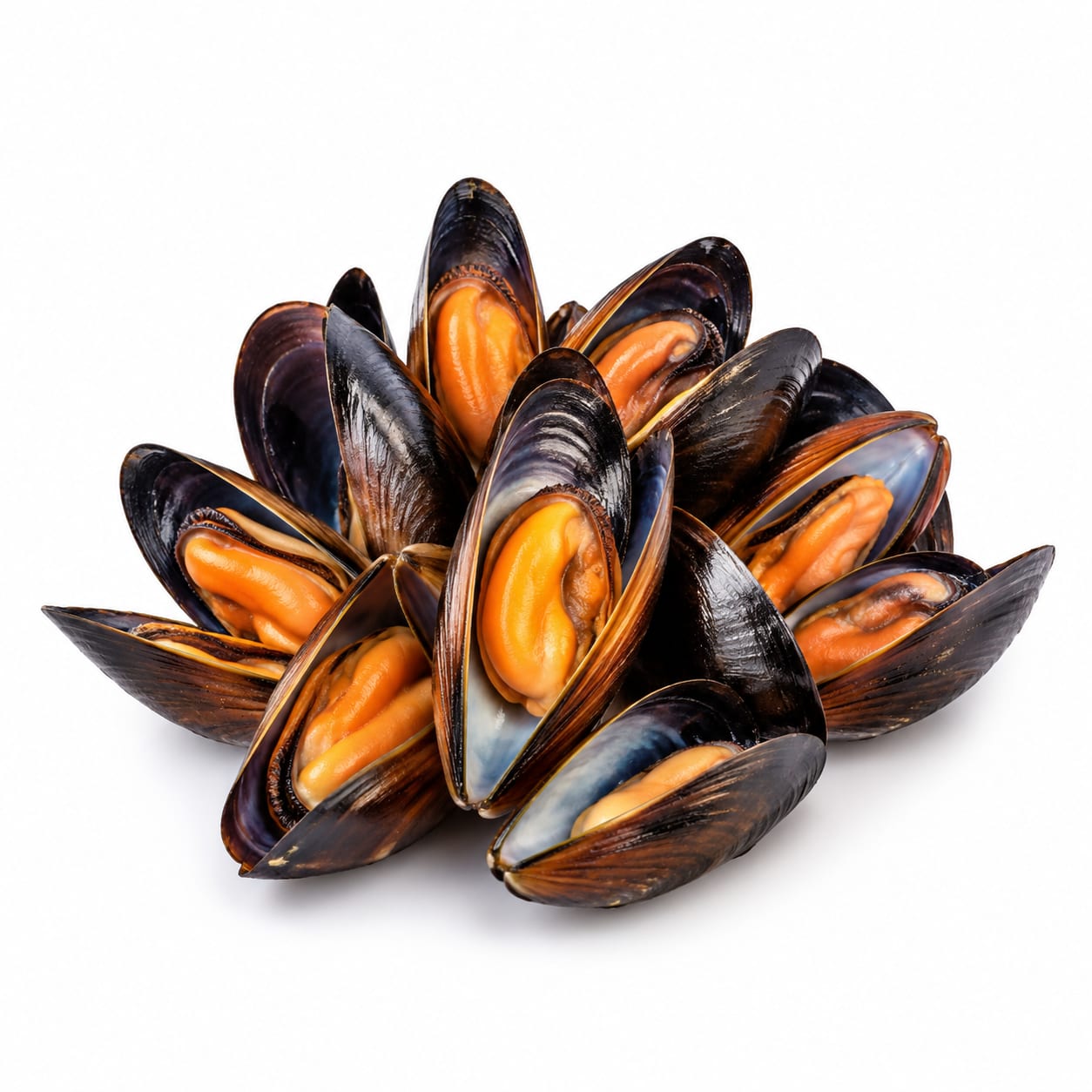
Mussel

Crab
Mussel dominates in micronutrient density and affordability, while Crab offers leaner protein and easier preparation.
Mussel scores higher due to its exceptional micronutrient profile and low cost, making it a highly sustainable and nutritious staple. Crab scores well for protein and convenience but loses points on price and heavy metal load.
Mussel gives you far more iron and omega-3s for a fraction of the price, but Crab delivers higher pure protein with less cooking hassle.
At a glance
Executive summary
Overall
Mussel
Healthier
Mussel
More practical
Crab
Daily use
Mussel
Key comparison lenses
Micronutrient superiority and anemia prevention
Mussels are uniquely rich in iron and B12, making them a top choice for preventing fatigue and anemia compared to other seafood.
Heavy metal and contaminant tradeoffs
Comparing a filter feeder (Mussel) with a bottom-feeder/scavenger (Crab) highlights distinct contamination risks like microplastics versus mercury.
Budget and everyday dietary sustainability
Mussels are famously affordable and sustainable, whereas Crab is often a luxury item, heavily impacting long-term dietary practicality.
Lean protein for muscle and weight goals
Crab provides exceptionally lean protein, making it highly relevant for those tracking macros or cutting calories.
Best choice for
Mussel
- Mussel is the best choice for budget-friendly weekly seafood
- Mussel is the best choice for boosting iron and B12 levels
Crab
- Crab is the best choice for high-protein, low-fat meals
- Crab is the best choice for quick, ready-to-eat seafood salads
Least suitable for
Mussel
- Mussel is least suitable for those wary of microplastics or biotoxins in filter feeders
- Mussel is least suitable for people wanting quick prep without cooking live shellfish
Crab
- Crab is least suitable for tight grocery budgets
- Crab is least suitable for those strictly limiting mercury exposure
Deep comparison
Dimension by dimension
Each lens scores both foods and breaks down who each option suits.
- Dimension 1 · Priority 95Mussel
Micronutrient Density
Mussel · 96Crab · 75Mussel is a nutritional powerhouse, delivering off-the-charts levels of vitamin B12, iron, and manganese compared to Crab.
Tradeoff
You get vastly more minerals from Mussel, but Crab still provides solid B12 and zinc in a leaner package.
Why it matters
Iron and B12 are critical for energy and preventing anemia, areas where Mussel massively outperforms most animal proteins.
Real-world impact
Eating Mussels regularly can keep your energy steadier and reduce the need for iron supplements.
Mussel
- Mussel is better for fighting fatigue and anemia
- Mussel is better for cheaply hitting daily mineral goals
Better for
- Mussel is worse for those who need strictly low-fat mineral sources
Worse for
Crab
- Crab is better for getting B12 without extra calories
- Crab is better for mineral intake without increasing dietary fat
Better for
- Crab is worse for those relying on food alone to correct iron deficiency
Worse for
- Dimension 2 · Priority 85Crab
Protein Quality & Satiety
Mussel · 82Crab · 90Crab provides more protein per calorie with virtually zero fat, making it incredibly filling and macro-friendly.
Tradeoff
Crab is leaner and higher in pure protein, while Mussel offers slightly less protein but more satisfying, anti-inflammatory fats.
Why it matters
Higher protein with lower fat helps with muscle retention and weight management without needing to track extra calories.
Real-world impact
A Crab salad will keep you full longer with fewer calories, while Mussels provide a richer, more comforting meal.
Mussel
- Mussel is better for getting protein alongside anti-inflammatory omega-3s
Better for
- Mussel is worse for strict macro-tracking due to slightly higher fat content
Worse for
Crab
- Crab is better for strict calorie-counting and high-protein diets
- Crab is better for post-workout recovery with minimal fat
Better for
- Crab is worse for those who find very lean proteins unsatisfying on their own
Worse for
- Dimension 3 · Priority 90It depends
Contamination & Safety
Mussel · 78Crab · 76Mussel is lower in mercury but higher in microplastics and biotoxin risk; Crab has higher mercury but lower microplastic accumulation.
Tradeoff
Choosing between them means weighing mercury exposure against the risks of filter-feeding contaminants.
Why it matters
Both carry distinct seafood safety flags that matter for pregnant women and frequent seafood eaters.
Real-world impact
Eating Mussel means trusting the water quality it came from, while eating Crab means watching your weekly heavy metal intake.
Mussel
- Mussel is better for avoiding mercury buildup
- Mussel is better for occasional seafood eaters worried about heavy metals
Better for
- Mussel is worse for consuming microplastics and biotoxins if not sustainably farmed
Worse for
Crab
- Crab is better for avoiding microplastic exposure
- Crab is better if you source from areas with red tide concerns
Better for
- Crab is worse for accumulating mercury over time
Worse for
- Dimension 4 · Priority 80Mussel
Cost & Practicality
Mussel · 92Crab · 55Mussel is one of the most affordable and sustainable seafoods available, whereas Crab is often a pricey luxury item.
Tradeoff
Mussel takes more effort to cook from live but saves significant money; Crab is often bought pre-cooked and easy to use but hits the wallet hard.
Why it matters
Cost determines how often you can realistically eat a food, making Mussel far more accessible as a dietary staple.
Real-world impact
You can eat Mussels twice a week without breaking the bank; Crab is usually reserved for special occasions or small portions.
Mussel
- Mussel is better for budget-friendly meal prep
- Mussel is better for sustainable, frequent seafood consumption
Better for
- Mussel is worse for quick convenience since it requires cooking from live
Worse for
Crab
- Crab is better for quick, no-cook meal assembly using pre-cooked meat
Better for
- Crab is worse for everyday budgets
- Crab is worse for large family dinners due to high cost
Worse for
Timeline
Health impact over time
Short-term
Hours to days
Mussel
- Mussel provides a quick energy lift from high B12 and iron
- Mussel offers immediate anti-inflammatory benefits from omega-3s
Crab
- Crab delivers high satiety with minimal calories
- Crab provides a fast digesting protein source
Long-term
Months to years
Mussel
- Regularly eating Mussel supports cardiovascular health and prevents anemia
- Mussel consumption lowers mercury risk compared to larger seafood
Crab
- Eating Crab regularly helps maintain muscle mass due to high leucine content
- Crab requires mindful portioning to avoid long-term mercury accumulation
Risk profile
Safety & processing
Fresh Mussel is almost always sold live and unprocessed, while Crab is frequently sold canned or frozen with added sodium and preservatives to retain moisture.
Mussel
Biotoxin exposure (red tide)
mediumAs filter feeders, Mussels can concentrate harmful algal blooms if harvested from unmonitored waters.
Microplastic ingestion
mediumMussels filter large volumes of water, leading to higher microplastic retention compared to crustaceans.
Crab
Mercury accumulation
mediumCrab contains moderate levels of mercury, requiring moderation for pregnant women and children.
Sodium and additives in canned products
highCanned or imitation Crab meat is heavily processed with sodium and phosphates, posing risks for blood pressure.
Who wins for whom
Audience fit
Same foods, different winners depending on your goal.
children
CrabCrab is lower in microplastics and biotoxins, making it a safer occasional choice for developing bodies, provided mercury limits are watched.
daily consumption
MusselMussel is far more affordable and lower in mercury, making it realistic and safe as a frequent dietary staple.
diabetes
MusselMussel has more healthy fats and a richer micronutrient profile that supports insulin sensitivity, with zero carbs.
elderly
MusselMussel delivers massive B12 and iron, which are commonly deficient in older adults, with very low mercury risk.
muscle gain
CrabCrab provides a higher concentration of pure, lean protein necessary for muscle repair and growth.
weight loss
CrabCrab offers more protein and fewer calories per serving, making it easier to stay full while cutting weight.
Your move
Decision guide
Choose Mussel
- You want Mussel for the most nutrient-dense seafood per dollar
- You need Mussel for a major boost in iron or B12
- You prefer Mussel to keep mercury intake low while eating seafood often
- You enjoy cooking live Mussel at home
Choose Crab
- You want Crab as a lean, high-protein addition to salads
- You prefer the convenience of pre-cooked Crab meat
- You are strictly tracking macros and need Crab's low-fat protein
- You are concerned about microplastics and prefer Crab over filter feeders
Either works if
- You want either Mussel or Crab as a high-quality, zero-carb protein source
- You are looking for Mussel or Crab for zinc and B12
Avoid both if
- You have a severe shellfish allergy affecting both Mussel and Crab
- You are strictly limiting sodium and can only access canned Mussel or Crab
Final recommendation
Choose Mussel for an affordable, nutrient-packed staple that fuels energy and fights anemia; choose Crab when you need lean, convenient protein for salads or muscle recovery, and your budget allows it.
Practical
Consumer tips
- 1
Always buy Mussels from trusted, regulated sources to avoid biotoxin risks; discard any that remain open before cooking.
- 2
Opt for fresh or frozen Crab over canned to avoid excess sodium and phosphates.
- 3
Pair Mussel with a vitamin C source like tomatoes or lemon to dramatically boost iron absorption.
- 4
Limit Crab consumption to once or twice a week to keep mercury exposure in check.