
Nutrition comparison
Mussels vs Oysters: Nutrition, Safety, and Which Shellfish to Choose
Compare mussels and oysters on protein, zinc, B12, food safety, price, and sustainability. Find out which bivalve is better for your health goals and budget.
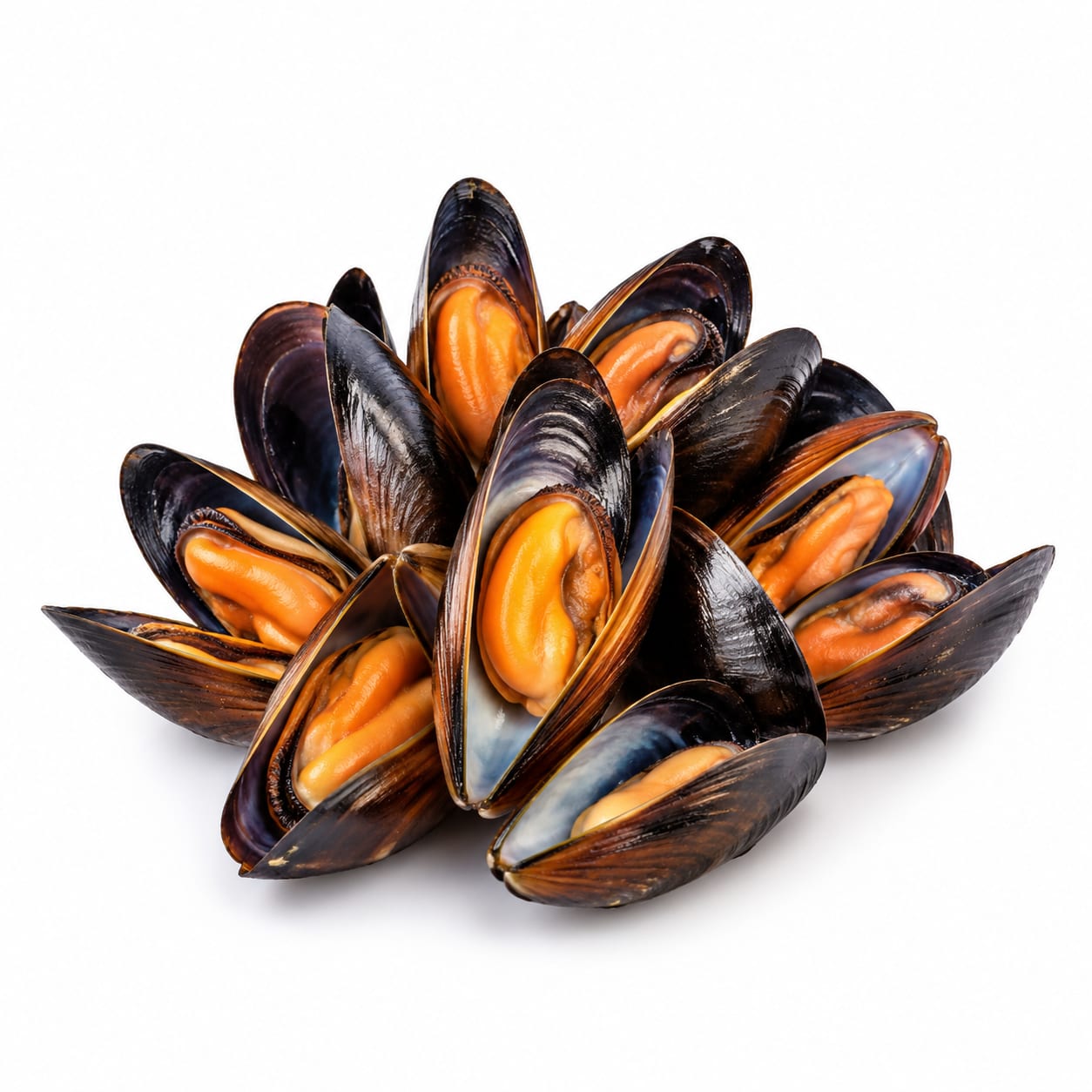
Mussel
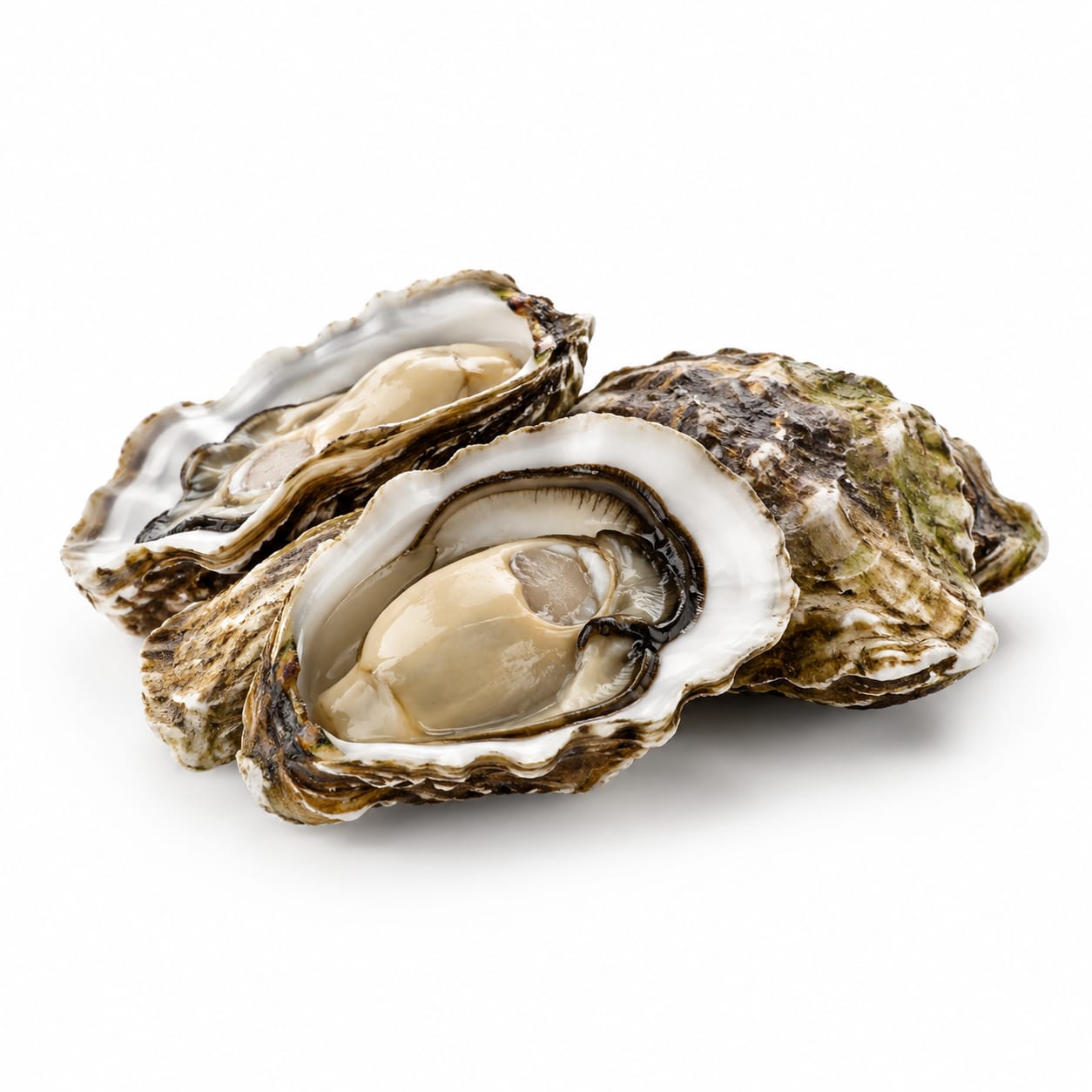
Oyster
Mussels win on protein, safety, price, and everyday practicality. Oysters dominate on zinc, B12, and unique mineral density. Pick mussels for regular meals; oysters for targeted mineral boosts or special occasions.
Mussels score higher due to superior protein, lower cost, better safety profile, and everyday versatility. Oysters close the gap with exceptional zinc and B12 density. The narrow margin reflects that both are nutrient-dense shellfish — the winner depends on your priority.
Oysters deliver unmatched zinc and B12 in tiny portions but cost more and carry higher raw-eating risks. Mussels offer more protein, safer preparation, and better value for frequent consumption.
At a glance
Executive summary
Overall
It depends
Healthier
It depends
More practical
Mussel
Daily use
Mussel
Key comparison lenses
mineral nutrition comparison
Both are shellfish legendary for zinc, B12, and trace minerals — users want to know which delivers more
raw consumption safety
Oysters are commonly eaten raw, raising vibrio and foodborne illness concerns that mussels rarely carry
protein and satiety
Mussels are notably higher in protein per calorie, making them more filling and practical for meals
affordability and accessibility
Mussels are significantly cheaper and more widely available than oysters in most markets
culinary versatility
Users want to know which fits more recipes and everyday cooking, not just special occasions
environmental sustainability
Both are farmed bivalves with strong sustainability profiles, but differences exist worth noting
Best choice for
Mussel
- People wanting high-protein, low-calorie meals
- Budget-conscious seafood lovers
- Those who prefer cooked shellfish only
- Home cooks wanting versatile weeknight ingredients
- Anyone concerned about raw seafood safety
Oyster
- Men or anyone needing a zinc boost
- People with B12 deficiency concerns
- Those seeking vitamin D from food sources
- Raw bar enthusiasts and special-occasion diners
- Anyone wanting maximum mineral density per bite
Least suitable for
Mussel
- Those specifically targeting very high zinc intake
- People wanting a raw bar experience
- Diners seeking a luxury or delicacy item
Oyster
- Immunocompromised individuals avoiding raw seafood
- Budget-limited households
- People who dislike strong briny flavors
- Those wanting a high-protein main dish
Deep comparison
Dimension by dimension
Each lens scores both foods and breaks down who each option suits.
- Dimension 1 · Priority 95Oyster
mineral_density
Mussel · 72Oyster · 91Oysters are one of the most mineral-dense foods on the planet, especially for zinc and copper. Mussels are strong but cannot match that concentration.
Tradeoff
Oysters deliver extraordinary zinc in small portions, but you pay a premium for it. Mussels provide solid iron and manganese at a fraction of the cost.
Why it matters
Zinc supports immunity, testosterone, and wound healing. A single serving of oysters can exceed your daily zinc needs. Mussels still cover the basics well.
Real-world impact
Six medium oysters provide over 300% of daily zinc needs. Mussels give you about 20% per serving — adequate for most days, but not a therapeutic dose.
Mussel
- Consistent daily iron intake
- Manganese for bone and metabolism support
Better for
- Not a concentrated zinc source
- Less useful for targeted mineral supplementation
Worse for
Oyster
- Zinc deficiency correction
- Immune system support during illness
- Testosterone and reproductive health
- Copper for iron metabolism and connective tissue
Better for
- Copper excess risk if consumed very frequently
- High zinc can interfere with copper absorption over time
Worse for
- Dimension 2 · Priority 82Mussel
protein_content
Mussel · 86Oyster · 62Mussels deliver significantly more protein per serving and per calorie. Oysters are mineral-dense but protein-light.
Tradeoff
Mussels work as a protein-forward main dish. Oysters are more of a mineral supplement in food form — you would need large quantities to match mussel protein.
Why it matters
Protein drives fullness, muscle maintenance, and metabolic health. If shellfish is your main protein source, mussels are far more efficient.
Real-world impact
A 100g serving of mussels provides roughly 24g of protein versus about 9g in the same amount of oysters. That makes mussels a real meal; oysters are more of an appetizer.
Mussel
- Post-workout recovery meals
- High-protein diet plans
- Feeling full and satisfied after eating
Better for
- Not relevant — higher protein is almost always an advantage here
Worse for
Oyster
- Light appetizers where low protein is acceptable
- Mineral-focused eating without heavy satiety
Better for
- Poor choice as a standalone protein source
- Less satisfying as a main course
Worse for
- Dimension 3 · Priority 80Oyster
vitamin_b12_and_folate
Mussel · 78Oyster · 88Both are excellent B12 sources, but oysters pack more B12 per serving and also contribute vitamin D, which mussels lack significantly.
Tradeoff
Oysters give you a stronger B12 and vitamin D hit in fewer bites. Mussels counter with notably more folate, which matters for cell repair and pregnancy.
Why it matters
B12 deficiency is common, especially in older adults and plant-leaning eaters. Vitamin D is hard to find in food. Folate is critical for prenatal nutrition.
Real-world impact
A serving of oysters covers roughly 400% of B12 needs and provides meaningful vitamin D. Mussels cover about 200% of B12 but deliver triple the folate of oysters.
Mussel
- Prenatal nutrition due to higher folate
- Cell repair and DNA synthesis support
Better for
- Less B12 per calorie than oysters
- Negligible vitamin D content
Worse for
Oyster
- B12 repletion in deficiency
- Vitamin D intake during winter months
- Nerve health maintenance
Better for
- Lower folate limits prenatal advantage
- B12 excess from frequent consumption is wasteful, not harmful
Worse for
- Dimension 4 · Priority 88Mussel
food_safety
Mussel · 82Oyster · 58Mussels are almost always cooked, eliminating most pathogen risks. Oysters are frequently consumed raw, which carries real vibrio and norovirus danger.
Tradeoff
Raw oysters are a culinary tradition but a genuine health gamble for vulnerable people. Mussels' cooking requirement is actually a safety feature.
Why it matters
Vibrio vulnificus from raw oysters kills roughly 100 Americans yearly. The risk is low for healthy adults but serious for immunocompromised individuals.
Real-world impact
A healthy person eating raw oysters at a reputable restaurant faces low but non-zero risk. Someone with liver disease, diabetes, or weakened immunity should avoid raw oysters entirely.
Mussel
- Immunocompromised diners
- Pregnant women avoiding raw seafood
- Anyone who prefers peace of mind with shellfish
Better for
- Overcooked mussels become rubbery and unappetizing
Worse for
Oyster
- Healthy adults at reputable raw bars with strong sourcing
- Those who value the raw culinary experience and accept the risk
Better for
- Raw consumption risk of vibrio, norovirus, and hepatitis A
- Higher foodborne illness hospitalization rate than any other protein
- Warm-water harvesting increases danger significantly
Worse for
- Dimension 5 · Priority 75Mussel
affordability_and_accessibility
Mussel · 88Oyster · 52Mussels are one of the most affordable seafood options available. Oysters are a luxury item with prices often 3-5 times higher per pound.
Tradeoff
Mussels let you eat shellfish weekly without budget strain. Oysters are a treat that most people reserve for special occasions or restaurants.
Why it matters
Nutrition only matters if you can afford it regularly. Mussels make nutrient-dense seafood accessible; oysters do not.
Real-world impact
Mussels often cost $3-6 per pound at retail. Oysters run $12-30 per pound or $2-4 per single shell. Weekly mussel dinners are realistic; weekly oyster consumption is not for most households.
Mussel
- Weekly meal planning on a budget
- Families wanting affordable seafood
- Bulk cooking and meal prep
Better for
- Less impressive for dinner parties or romantic occasions
Worse for
Oyster
- Special occasion dining experiences
- Restaurant and entertaining contexts where cost is secondary
Better for
- Prohibitively expensive for regular consumption
- Limited availability in landlocked areas
Worse for
- Dimension 6 · Priority 70Mussel
culinary_versatility
Mussel · 80Oyster · 60Mussels integrate easily into pasta, stews, curries, and rice dishes. Oysters have a narrower culinary range — raw, fried, or in stuffing.
Tradeoff
Mussels are a team player in the kitchen. Oysters demand the spotlight and do not blend as easily into varied recipes.
Why it matters
Versatility determines how often you actually cook something. More recipes mean more regular consumption and less boredom.
Real-world impact
Mussels work in Italian pasta, French moules-marinières, Thai curries, and Spanish paella. Oysters shine raw, fried, or Rockefeller-style — but the list ends there for most home cooks.
Mussel
- Weeknight cooking with diverse cuisines
- One-pot meals and stews
- Pairing with grains, pasta, or bread
Better for
- Less iconic as a standalone delicacy
Worse for
Oyster
- Raw bar presentations
- Classic fried oyster sandwiches
- Holiday stuffing and dressing recipes
Better for
- Limited recipe flexibility
- Overpowering brininess in delicate dishes
Worse for
- Dimension 7 · Priority 65It depends
environmental_sustainability
Mussel · 84Oyster · 80Both are among the most sustainable animal proteins. Mussels edge ahead slightly due to lower impact farming methods and faster growth cycles.
Tradeoff
Both bivalves filter-feed and improve water quality. Mussels grow faster and are almost entirely farmed with minimal environmental damage. Oyster farming is also excellent but slightly more resource-intensive.
Why it matters
Choosing sustainable seafood protects ocean health. Both options are top-tier here — far better than shrimp, salmon, or tuna.
Real-world impact
Mussels are rope-grown with no feed, antibiotics, or habitat destruction. Oyster farming similarly requires no feed and rebuilds reef ecosystems. You cannot go wrong with either on sustainability.
Mussel
- Maximum sustainability with lowest resource use
- Fastest farm-to-table cycle
Better for
- No significant downside — mussels are a sustainability gold standard
Worse for
Oyster
- Oyster reef restoration benefits coastal ecosystems
- Living oyster beds filter and clean large volumes of water
Better for
- Longer growth cycle requires more ocean tenure
- Wild oyster harvesting can damage reefs if poorly managed
Worse for
Timeline
Health impact over time
Short-term
Hours to days
Mussel
- High protein provides lasting fullness after meals
- Iron and B12 support same-day energy levels
- Well-tolerated by most people when cooked properly
- Mild histamine risk if not extremely fresh
Oyster
- Zinc boost may support immune response within days
- B12 provides noticeable energy lift if deficient
- Raw consumption can cause acute gastrointestinal illness in vulnerable people
- Briny richness can trigger overconsumption of sodium in large quantities
Long-term
Months to years
Mussel
- Regular consumption supports cardiovascular health via omega-3s
- Consistent iron intake helps prevent anemia over time
- High protein aids muscle preservation with aging
- Low contaminant load compared to most seafood
Oyster
- Exceptional zinc intake supports immune resilience and hormonal health long-term
- Vitamin D contribution helps bone density in limited-sun climates
- Raw consumption habit carries cumulative foodborne illness exposure
- Copper and zinc balance needs monitoring if eaten very frequently
Risk profile
Safety & processing
Both mussels and oysters are whole, minimally processed foods. Fresh or frozen versions contain no additives. Watch for smoked or canned varieties which may add sodium and preservatives, but the default form of both is as natural as protein gets.
Mussel
biotoxin_contamination
mediumMussels filter large volumes of water and can accumulate red tide toxins. Commercial farming monitors this closely, but recreational harvesting carries real danger.
histamine_reaction
lowImproperly stored mussels can develop histamine, causing flushing or headaches in sensitive individuals. Freshness and refrigeration eliminate this risk.
microplastic_ingestion
lowAs filter feeders, mussels retain some microplastics. Levels are generally low and considered a minor health concern compared to nutritional benefits.
Oyster
vibrio_infection_from_raw_consumption
highRaw oysters are the leading cause of seafood-related death in the US. Vibrio vulnificus thrives in warm coastal waters. Healthy adults usually recover, but immunocompromised people face life-threatening infection.
norovirus_from_raw_consumption
mediumRaw oysters can harbor norovirus from contaminated waters. Cooking destroys the virus, but raw consumption bypasses this protection entirely.
heavy_metal_accumulation
lowOysters can accumulate cadmium and lead from polluted waters. Commercial sourcing from clean waters keeps this low, but it is worth knowing if eating frequently.
biotoxin_contamination
mediumLike mussels, oysters can accumulate algal toxins. Regulated harvesting areas are monitored, but the risk exists especially in warm months.
Who wins for whom
Audience fit
Same foods, different winners depending on your goal.
children
MusselCooked mussels are safer and easier to incorporate into family meals. Raw oysters pose unnecessary risk for children, and cooked oysters are less commonly prepared at home.
daily consumption
MusselMussels are affordable, safe when cooked, protein-rich, and easy to vary in recipes. Oysters are too expensive and carry higher cumulative risk for daily raw consumption.
diabetes
MusselBoth are low-carb and blood-sugar friendly, but mussels' higher protein provides steadier glucose control and better satiety between meals.
elderly
It dependsOysters' B12 and vitamin D are excellent for aging bodies, but raw consumption is dangerous for immunocompromised seniors. Cooked oysters work, but mussels are easier to prepare safely and consistently.
muscle gain
MusselWith nearly triple the protein per serving, mussels are far more useful for muscle maintenance and growth. Oysters are mineral-dense but protein-poor.
weight loss
MusselMussels provide significantly more protein per calorie, keeping you fuller for longer. Oysters are low-calorie but not satiating enough to serve as a weight-loss meal on their own.
Your move
Decision guide
Choose Mussel
- You want a high-protein, filling seafood meal
- Budget matters and you want to eat shellfish regularly
- You prefer cooked seafood and want minimal safety concerns
- You cook at home and want versatile recipe options
- You are immunocompromised, pregnant, or feeding children
Choose Oyster
- You need a concentrated zinc boost for immune or hormonal health
- You are a healthy adult who enjoys raw bar experiences
- You want maximum B12 and vitamin D from food
- Cost is not a constraint and you are dining out
- You are specifically targeting mineral repletion under professional guidance
Either works if
- You want omega-3 fatty acids from sustainable seafood
- You need B12 and are tired of supplements
- You enjoy bivalves and want variety in your diet
- You are looking for low-carb, nutrient-dense protein alternatives
Avoid both if
- You have a confirmed shellfish allergy
- You have gout and are sensitive to purine-rich foods
- You are in an area with active harmful algal bloom advisories
- You cannot verify the sourcing or freshness of the product
Final recommendation
Make mussels your everyday shellfish and oysters your occasional mineral boost. Mussels give you more protein, better safety, and real meal satisfaction at a fair price. Oysters are unmatched for zinc and B12 but are best enjoyed selectively — cooked when safety matters, raw only when you trust the source and your immune system. Both are nutritional powerhouses that outclass most other animal proteins on sustainability and nutrient density.
Practical
Consumer tips
- 1
Buy mussels live — shells should be tightly closed or close when tapped. Discard any that stay open.
- 2
Cook mussels within a day of purchase. Steam until shells open; discard any that remain closed.
- 3
If eating raw oysters, only do so at reputable establishments with verified cold-chain sourcing. Avoid raw oysters in warm months (the 'R month rule' still has merit).
- 4
Immunocompromised individuals, pregnant women, and people with liver disease should never eat raw oysters — vibrio infection can be fatal.
- 5
Frozen mussels and oysters retain most nutrients and are often safer than fresh if you cannot cook immediately.
- 6
Canned smoked mussels and oysters are convenient but high in sodium — rinse before eating or limit portion size.
- 7
Both mussels and oysters are on the EPA's 'best choices' list for mercury, meaning you can eat them 2-3 times per week without concern.
- 8
Pair either with lemon — vitamin C dramatically improves iron absorption from bivalves.
- 9
If you want oyster-level zinc without raw risk, try grilled or baked oysters — cooking reduces vibrio danger while preserving most minerals.