
Nutrition comparison
Mussel vs Scallop: Nutrition, Taste, and Health Comparison
Compare mussels vs scallops to see which is healthier. Discover the differences in protein, omega-3s, B12, taste, and cooking uses to pick the right seafood.
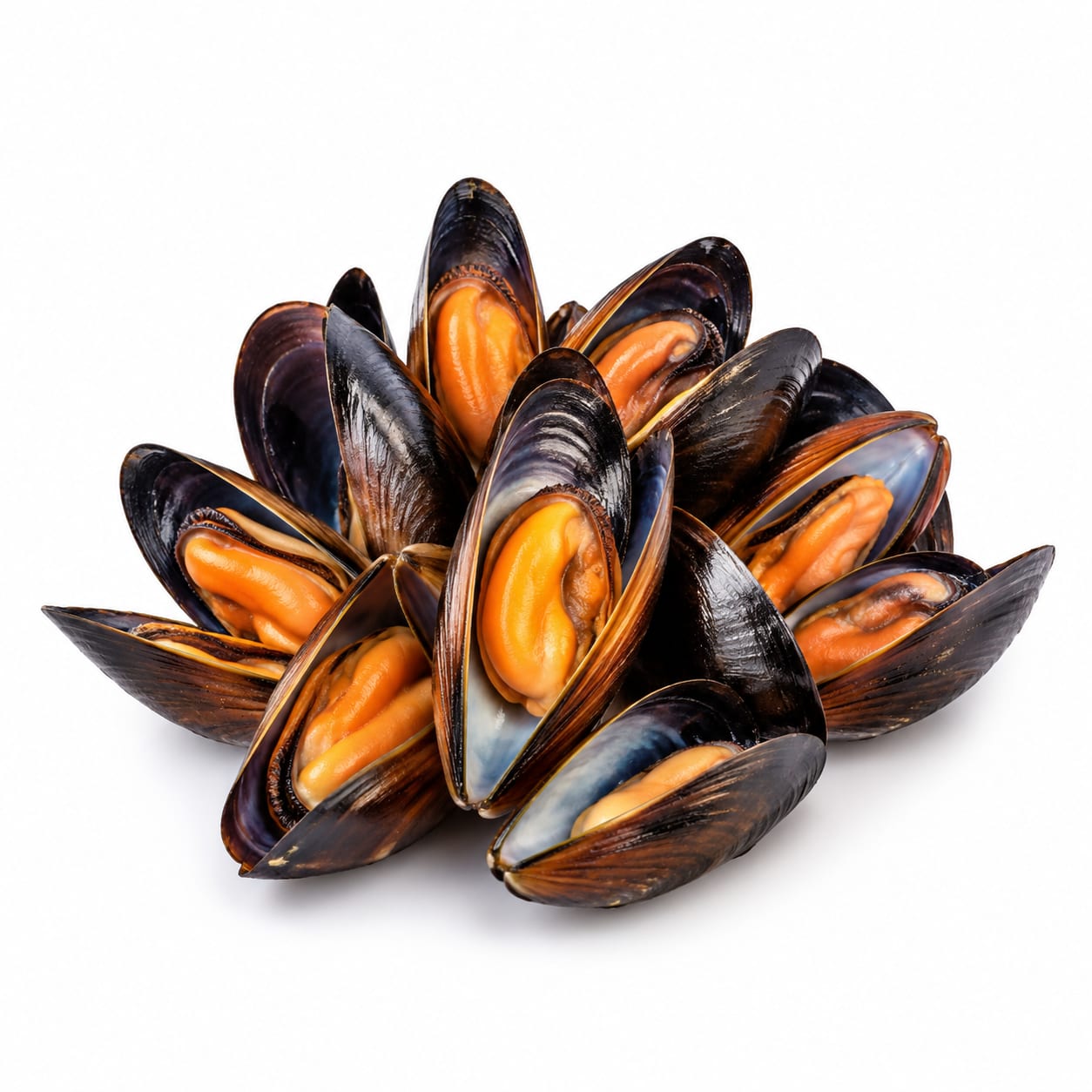
Mussel
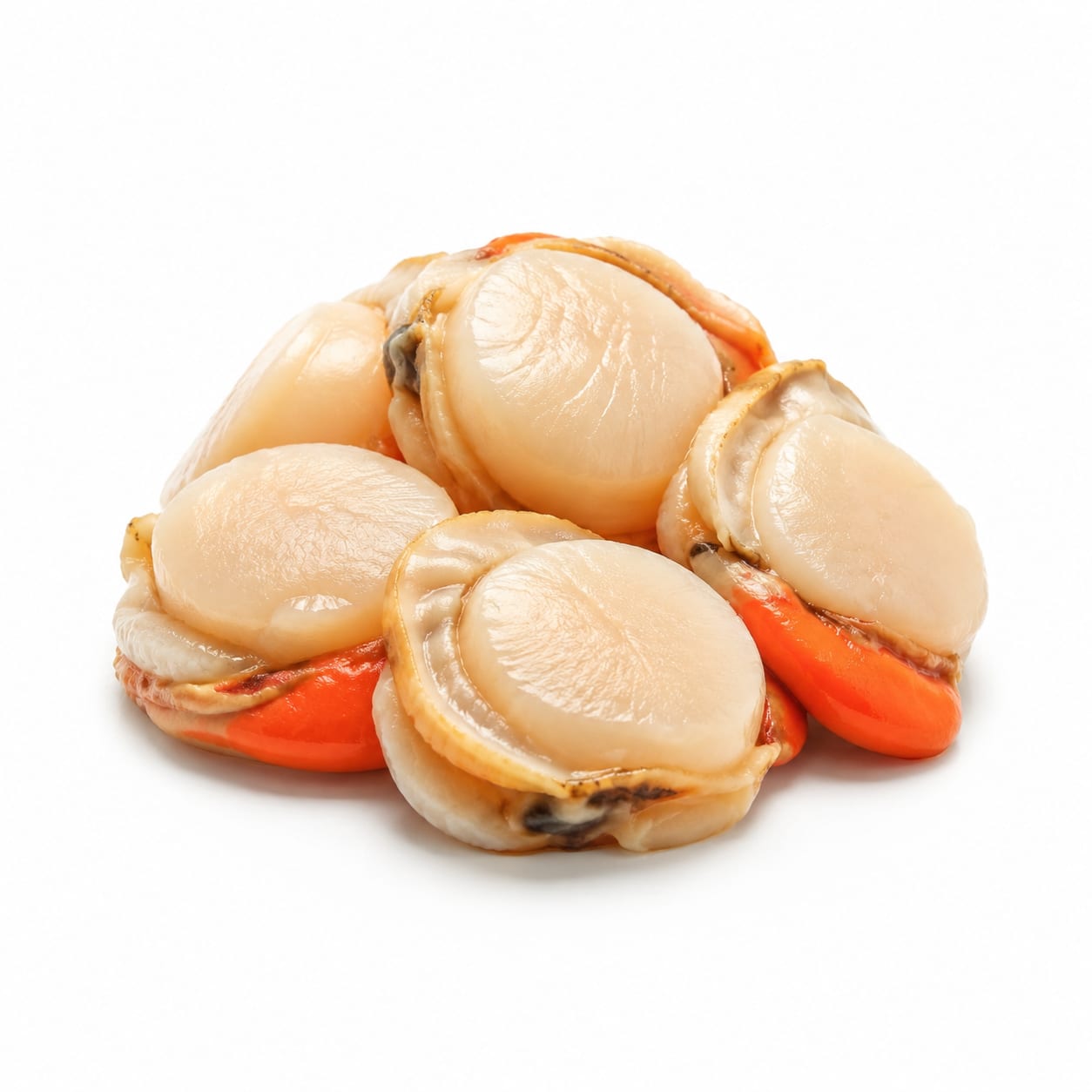
Scallop
Mussels pack a heavier micronutrient punch and more omega-3s, while scallops offer leaner protein with a milder, sweeter flavor.
Mussels edge out scallops slightly due to superior micronutrient density and omega-3 content, but scallops remain an excellent lean protein source.
Maximum vitamins and minerals versus leaner protein and more delicate culinary versatility.
At a glance
Executive summary
Overall
It depends
Healthier
Mussel
More practical
Scallop
Daily use
Mussel
Key comparison lenses
Nutrient density versus leanness
Mussels are famous for packing massive micronutrients, while scallops are prized for their ultra-lean protein profile.
Culinary application and flavor preference
Mussels are deeply oceanic and best steamed, whereas scallops are sweet, mild, and ideal for searing.
Seafood safety and toxin accumulation
As bivalves, both filter water, but their differing habitats and consumption styles affect contaminant risks.
Budget and sustainability
Mussels are typically far more affordable and are considered one of the most sustainable seafoods available.
Best choice for
Mussel
- Boosting B12 and iron levels with mussels
- Budget-friendly seafood stews using mussels
- Maximizing omega-3 intake with mussels
Scallop
- Lean muscle-building diets with scallops
- Delicate, elegant dinner recipes using scallops
- People who dislike strong fishy flavors and prefer scallops
Least suitable for
Mussel
- Those avoiding strong seafood flavors who dislike mussels
- Quick weeknight pan-searing (mussels need steaming)
- People sensitive to high zinc or iron from mussels
Scallop
- Tight grocery budgets (scallops are pricey)
- Those seeking high omega-3s from scallops alone
- Stews and long-simmered broths (scallops do not flavor broth well)
Deep comparison
Dimension by dimension
Each lens scores both foods and breaks down who each option suits.
- Dimension 1 · Priority 95Mussel
Micronutrient Density
Mussel · 95Scallop · 70Mussels are a nutritional powerhouse, delivering massive amounts of vitamin B12, zinc, and selenium compared to scallops.
Tradeoff
You get far more immune-boosting zinc and energy-supporting B12 with mussels, but scallops still offer solid selenium.
Why it matters
B12 and zinc are common deficiencies, and mussels provide them in extreme abundance.
Real-world impact
Eating mussels can quickly correct a B12 shortfall, leaving you feeling more energized and less prone to illness.
Mussel
- Correcting B12 deficiency with mussels
- Boosting immune function with mussels
- Increasing iron intake with mussels
Better for
- Mussels are less ideal for those who must strictly restrict zinc or iron
Worse for
Scallop
- Lower overall mineral intake with scallops
- Managing excesses of zinc or iron with scallops
Better for
- Scallops fall short for people needing a strong nutritional boost on a tight calorie budget
Worse for
- Dimension 2 · Priority 90Scallop
Protein Quality and Leanness
Mussel · 80Scallop · 95Scallops are incredibly lean and protein-dense, making them ideal for strict macro-tracking and muscle gain.
Tradeoff
Scallops give you more protein per calorie with almost zero fat, while mussels bring slightly more fat alongside their protein.
Why it matters
For anyone managing calories closely, scallops provide maximum protein with minimal caloric baggage.
Real-world impact
A scallop dinner feels light but satisfying, perfect for post-workout recovery without feeling heavy.
Mussel
- Those wanting a bit of healthy fat with their protein in mussels
Better for
- Mussels do not fit very low-fat diet protocols as well
Worse for
Scallop
- Strict calorie counters using scallops
- Body recomposition diets using scallops
- Lean muscle building with scallops
Better for
- Those relying on scallops for omega-3 fats will fall short
Worse for
- Dimension 3 · Priority 85Mussel
Omega-3 Fatty Acids
Mussel · 88Scallop · 65Mussels contain significantly more omega-3 fatty acids, which are crucial for heart and brain health.
Tradeoff
Choosing mussels gives you a meaningful dose of EPA and DHA, whereas scallops require you to get your omega-3s elsewhere.
Why it matters
Omega-3s are essential for reducing inflammation and supporting cognitive function.
Real-world impact
Regular mussel consumption can contribute to better heart health and steadier moods over time.
Mussel
- Heart health focus using mussels
- Anti-inflammatory diets using mussels
- Brain health support using mussels
Better for
- No real downside to having more omega-3s from mussels
Worse for
Scallop
- Those taking omega-3 supplements already and eating scallops for protein
Better for
- Relying on scallops alone for omega-3 intake will fall short
Worse for
- Dimension 4 · Priority 80Scallop
Culinary Versatility and Flavor
Mussel · 70Scallop · 90Scallops have a sweet, mild flavor and firm texture that appeals to a wider range of palates and cooking methods.
Tradeoff
Scallops can be seared, baked, or eaten raw, while mussels have a stronger oceanic taste best suited for steaming in broths.
Why it matters
If you or your family dislike fishy flavors, scallops are far easier to enjoy.
Real-world impact
Scallops make for an impressive, crowd-pleasing dinner, whereas mussels are a more acquired taste.
Mussel
- Seafood stews featuring mussels
- Garlic and wine broths with mussels
- Pasta dishes using mussels
Better for
- Serving mussels to seafood skeptics
- Quick pan-searing (mussels do not sear well)
Worse for
Scallop
- Elegant searing of scallops
- Sushi and sashimi using scallops
- Picky eaters who prefer mild scallops
Better for
- Flavoring a broth, as scallops do not release much flavor into the liquid
Worse for
- Dimension 5 · Priority 75Scallop
Food Safety and Toxin Risk
Mussel · 70Scallop · 85As filter feeders that stay rooted, mussels are slightly more prone to accumulating biotoxins and heavy metals than mobile scallops.
Tradeoff
Mussels filter large volumes of water, making them more vulnerable to local water quality, while scallops tend to be cleaner.
Why it matters
Red tide and water pollution can make mussels risky if not sourced from monitored waters.
Real-world impact
You need to be more careful about where your mussels come from, whereas scallops generally pose a lower risk of foodborne illness.
Mussel
- Sustainable aquaculture (mussels are great for the environment)
Better for
- Eating mussels from unverified foraging sources is risky
Worse for
Scallop
- Minimizing heavy metal exposure with scallops
- Avoiding biotoxin risk with scallops
- Weakened immune systems safer with scallops
Better for
- No significant safety downsides to scallops
Worse for
Timeline
Health impact over time
Short-term
Hours to days
Mussel
- Quick boost in energy from B12 in mussels
- Highly satisfying meal due to mussels' protein and fat combo
- Potential mild stomach upset if sensitive to rich mussels
Scallop
- Very light, clean feeling after eating scallops
- Rapid protein availability for muscles from scallops
- Easy to digest due to scallops' low fat content
Long-term
Months to years
Mussel
- Stronger immune defense from zinc and selenium in mussels
- Improved cardiovascular health from mussels' omega-3s
- Better iron stores preventing fatigue from eating mussels
Scallop
- Sustained lean muscle mass from scallops
- Easier weight management due to scallops' low calorie density
- Need to ensure omega-3s are sourced from other foods if eating mostly scallops
Risk profile
Safety & processing
Both mussels and scallops are whole, natural seafood typically sold fresh or frozen without additives, though wet-packed scallops are sometimes treated with STPP (sodium tripolyphosphate) to retain moisture, which is a notable drawback.
Mussel
Biotoxin accumulation (red tide)
mediumMussels filter large volumes of water and can concentrate harmful algal blooms; always buy from verified commercial sources.
Heavy metal exposure
lowWhile generally low, mussels can accumulate trace heavy metals depending on the water quality of their habitat.
Scallop
Sodium tripolyphosphate (STPP) additive
mediumWet-packed scallops are often soaked in STPP to increase water weight, which ruins searing and adds unnatural sodium; look for dry-packed scallops.
Foodborne illness from raw consumption
lowEating scallops raw as sushi carries a slight risk of vibrio or norovirus if not handled properly.
Who wins for whom
Audience fit
Same foods, different winners depending on your goal.
children
ScallopScallops have a milder, sweeter taste and softer texture that children are more likely to accept than the stronger flavor of mussels.
daily consumption
MusselMussels are more affordable and provide a wider array of hard-to-get micronutrients, making regular inclusion more impactful and budget-friendly.
diabetes
ScallopScallops have virtually zero carbohydrates and very low fat, causing no blood sugar disruption.
elderly
MusselMussels provide exceptional B12 and zinc, nutrients that older adults often struggle to absorb adequately from other foods.
muscle gain
ScallopScallops offer a higher protein-to-calorie ratio, supporting muscle repair with minimal extra calories.
weight loss
ScallopScallops are extremely low in calories and fat while being high in protein, making them perfect for calorie deficits.
Your move
Decision guide
Choose Mussel
- You want to maximize your intake of B12, zinc, and omega-3s with mussels
- You are cooking a flavorful broth, paella, or seafood pasta with mussels
- You are on a budget but still want high-quality seafood like mussels
Choose Scallop
- You want a lean, high-protein meal with very low fat using scallops
- You are planning an elegant dinner and want to sear scallops perfectly
- You or your guests prefer mild, sweet flavors of scallops over strong oceanic tastes
Either works if
- You simply want a healthy, high-quality seafood dinner
- You are looking for a low-mercury alternative to tuna or swordfish
Avoid both if
- You have a severe shellfish allergy
- You are following a strict vegan or vegetarian diet
Final recommendation
Choose mussels when you need a nutrient-dense, budget-friendly boost, especially in stews; opt for scallops when you want lean protein, delicate flavor, or an impressive seared dish.
Practical
Consumer tips
- 1
Always buy mussels with tightly closed shells, or tap open ones to see if they close; discard any that stay open.
- 2
Seek out dry-packed scallops to avoid the STPP additive—wet scallops will not sear properly and taste soapy.
- 3
Mussels are one of the most sustainable seafoods available, often farmed with zero feed or environmental damage.
- 4
Pat scallops very dry before searing to achieve that golden, restaurant-quality crust.
- 5
Both foods are best consumed fresh; if frozen, thaw them in the fridge overnight for the best texture.