
Vegetable
Mung Bean Sprouts
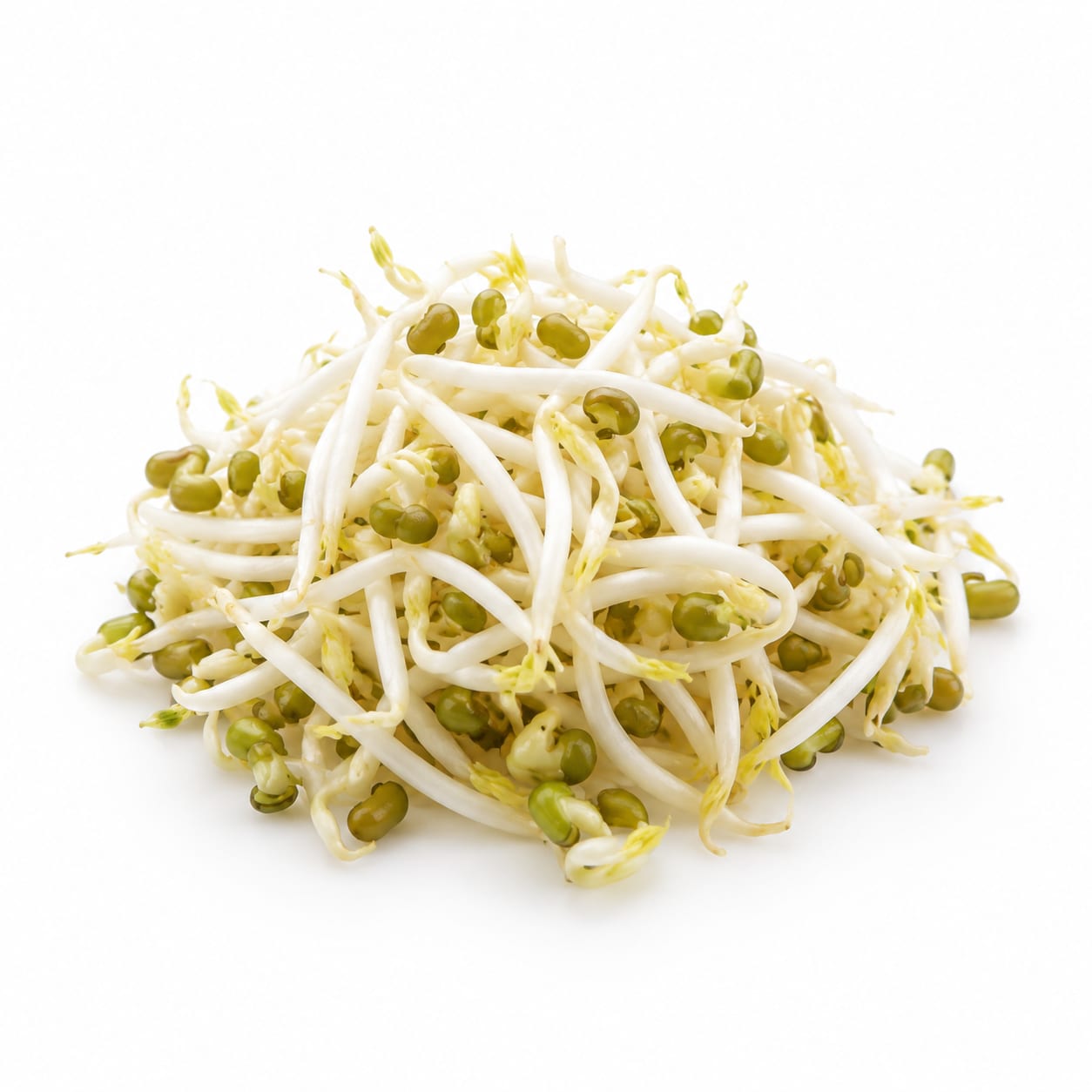
Mung bean sprouts are the crisp, low-calorie germinated shoots of mung beans, rich in water and dietary fiber.
Mung bean sprouts are the crisp, mildly sweet germinated shoots of the mung bean, widely used in Asian cuisine. They are highly hydrating and offer a low-calorie source of fiber and plant protein.
high-volume low-calorie vegetable
Typical serving · 100g
Common varieties · whole mung bean sprouts, split mung bean sprouts, long bean sprouts
Overall context score across nutrition, safety, and diet fit
At a glance
Quick facts
Simple indicators based on nutrition, processing, and diet fit.
The story
What makes it unique
Mung bean sprouts consist of roughly 90% water, resulting in very low energy density. Their macronutrient profile features moderate fiber and easily digestible plant protein with minimal fat. The germination process reduces antinutrients found in raw beans, improving nutrient bioavailability. Digestion speed is moderate, slowed by fiber content, which provides reasonable satiety relative to caloric intake.
Varieties: whole mung bean sprouts · split mung bean sprouts · long bean sprouts
Per 100g
Nutrition breakdown
Macro balance and key metrics at a glance.
Energy
Density 0.30 kcal/g
Protein
Carbs
Fat
Fiber
Sugar
4 g
Sodium
6 mg
Potassium
149 mg
Glycemic index
25
Glycemic load
1.5
Water content
90%
Standout compounds
Nutrient highlights
Vitamin C
moderateSupports immune function and collagen synthesis
Fiber
moderatePromotes digestive regularity and satiety
Folate
moderateEssential for cell division and DNA synthesis
Vitamin K
moderateImportant for blood clotting and bone metabolism
Wellness map
Health scores & processing
NOVA processing scale
minimally processed · Whole food
Raw mung bean sprouts are simply germinated seeds with no added ingredients, classifying them as unprocessed or minimally processed whole foods.
Diet compatibility
- Weight loss
- Muscle gain
- Diabetes
- Gut health
- Low carb
- High protein
- Heart health
Relative standing
Food rankings
Qualitative ranks compared to similar whole foods.
- Satietygood
- Blood sugarexcellent
- Nutrient densitygood
- Fitness fuelmoderate
- Processing qualityexcellent
Eat with confidence
Food safety profile
The warm, humid conditions required for sprouting also favor the growth of harmful bacteria. Raw consumption carries a higher risk of foodborne illness compared to other vegetables.
Evidence confidence 95%
- Pesticideslow
- Antibioticslow
- Heavy metalslow
- Contaminationhigh
Watch for
- Salmonella
- E. coli
- Listeria
Safer choices
Cooked mung bean sprouts
Prep tips
Rinse thoroughly under cold running water. Cooking via stir-frying or blanching significantly reduces the risk of foodborne illness.
Raw sprouts are frequently flagged by food safety agencies due to ideal bacterial growth conditions during the sprouting process.
Deep dive
Health analysis
How this food may fit different goals and preparation choices.
Weight loss
Extremely low energy density and high water content allow for large portion sizes with minimal caloric intake, promoting fullness.
Blood sugar
Low glycemic index and minimal carbohydrate load prevent blood sugar spikes, making them safe for glucose management.
Fitness & energy
Provides light hydration and easily digestible carbohydrates, but lacks the dense energy or protein needed for serious muscle recovery.
Gut health
Fiber and residual oligosaccharides support bowel regularity and feed beneficial gut bacteria, though they may cause mild gas in sensitive individuals.
Processing quality
Whole food in its natural germinated state with no artificial additives or alterations.
Food safety
High risk of bacterial contamination when consumed raw; cooking is strongly recommended, especially for vulnerable populations.
Common mistakes
Eating them straight from the package without washing, or consuming them raw during pregnancy despite food safety warnings.
Best preparation
Quick stir-frying, blanching, or adding to soups at the end of cooking to kill pathogens while maintaining crunch.
Practical guide
Best use cases
When and how this food fits real eating patterns.
High-volume low-calorie eating
Add bulk to stir-fries and salads without adding significant calories to stay full longer.
Quick-cooking vegetable side
Blanch or stir-fry in under two minutes for a crunchy, hydrating side dish.
Low-carb noodle alternative
Use as a base for low-carb stir-fry dishes instead of rice or wheat noodles.
Balance sheet
Pros & cons
Upsides
- Very low in calories and carbohydrates
- High water content promotes fullness
- Low glycemic impact suitable for diabetics
- Adds satisfying crunch and texture to meals
- Quick to cook and easy to prepare
Trade-offs
- High risk of bacterial contamination when raw
- Not a significant source of protein or healthy fats
- Can cause digestive gas in sensitive individuals
- Short shelf life and spoil quickly
Fit check
Who is it for?
Great match
- weight loss diets
- low-carb meal plans
- blood sugar management
- adding volume to meals
Consider alternatives
- raw food diets during pregnancy
- high-protein diets
- those with severe IBS sensitive to oligosaccharides
Side by side
How it compares
Open the full head-to-head analysis for nutrition, safety, and practical tradeoffs.
This food
Mung Bean Sprouts
VS90% alike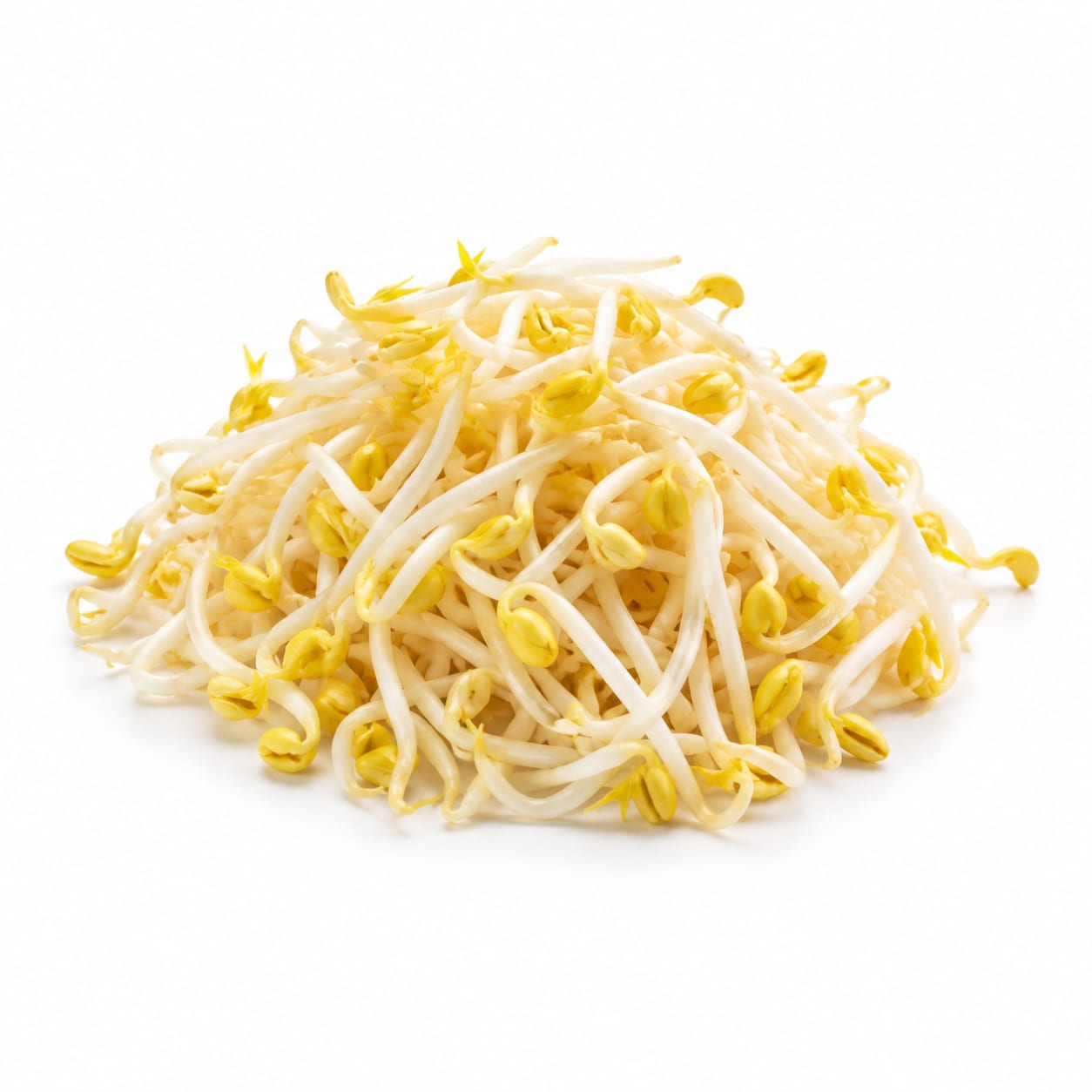
Compare with
Soybean Sprouts
Mung bean sprouts are lower in calories and fat, while soybean sprouts provide significantly more protein and a crunchier texture.
Mung bean sprouts are lower in calories and better for weight loss, while soybean sprouts offer more protein for muscle building.
This food
Mung Bean Sprouts
VS85% alike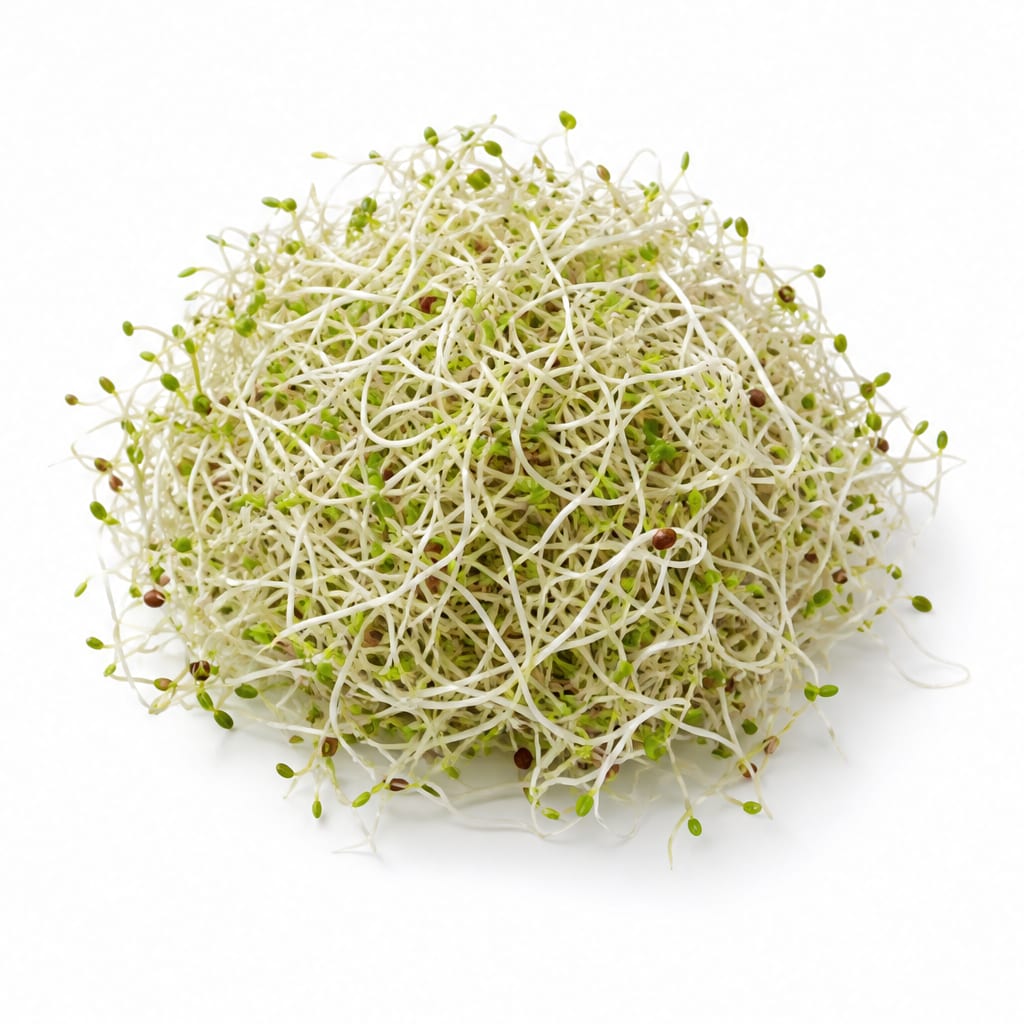
Compare with
Alfalfa Sprouts
Alfalfa sprouts are even lower in calories but offer less protein and a grass-like texture, whereas mung bean sprouts are crunchier and more substantial.
Alfalfa sprouts are lower in calories, but mung bean sprouts provide more protein and a better crunch for meals.
This food
Mung Bean Sprouts
VS80% alike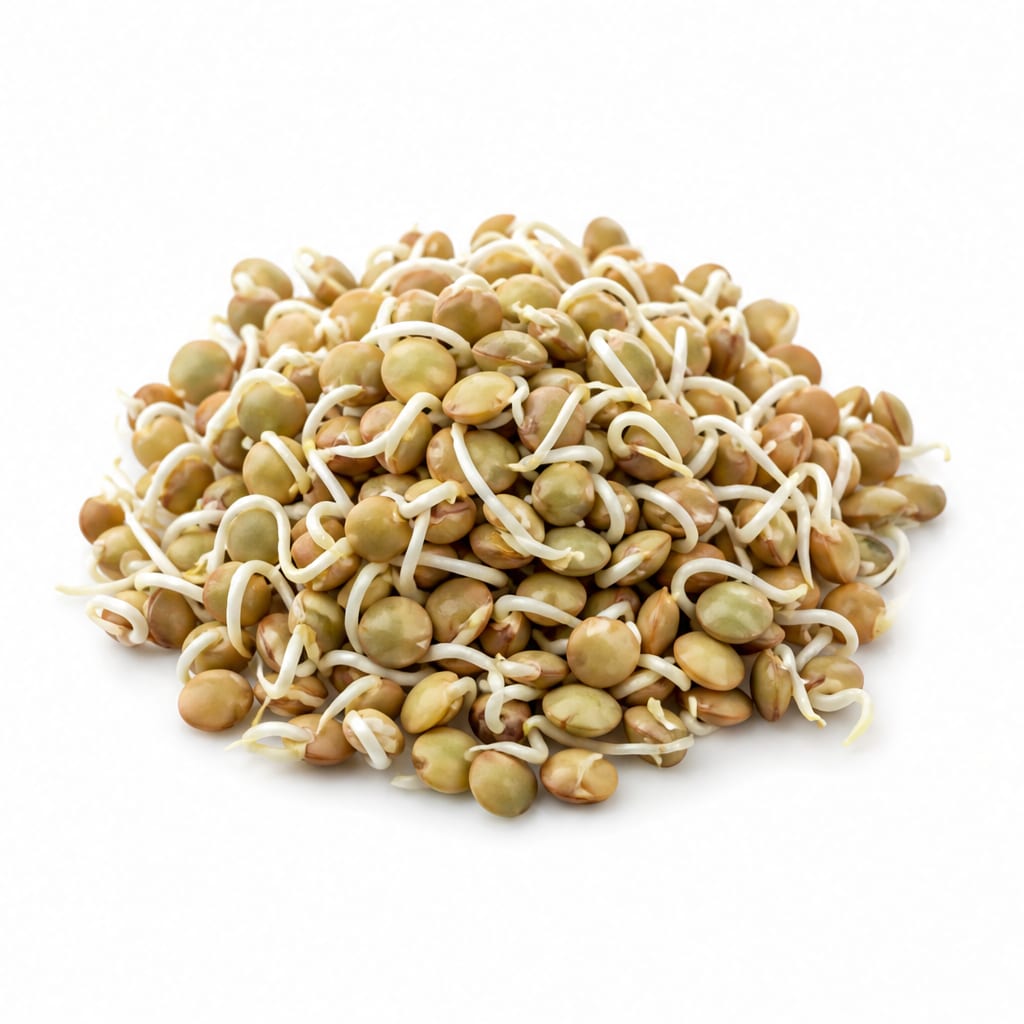
Compare with
Lentil Sprouts
Lentil sprouts are higher in protein and fiber but have a denser, less watery crunch compared to mung bean sprouts.
Lentil sprouts offer more protein and fiber for satiety, while mung bean sprouts are lighter and lower in calories.
This food
Mung Bean Sprouts
VS75% alike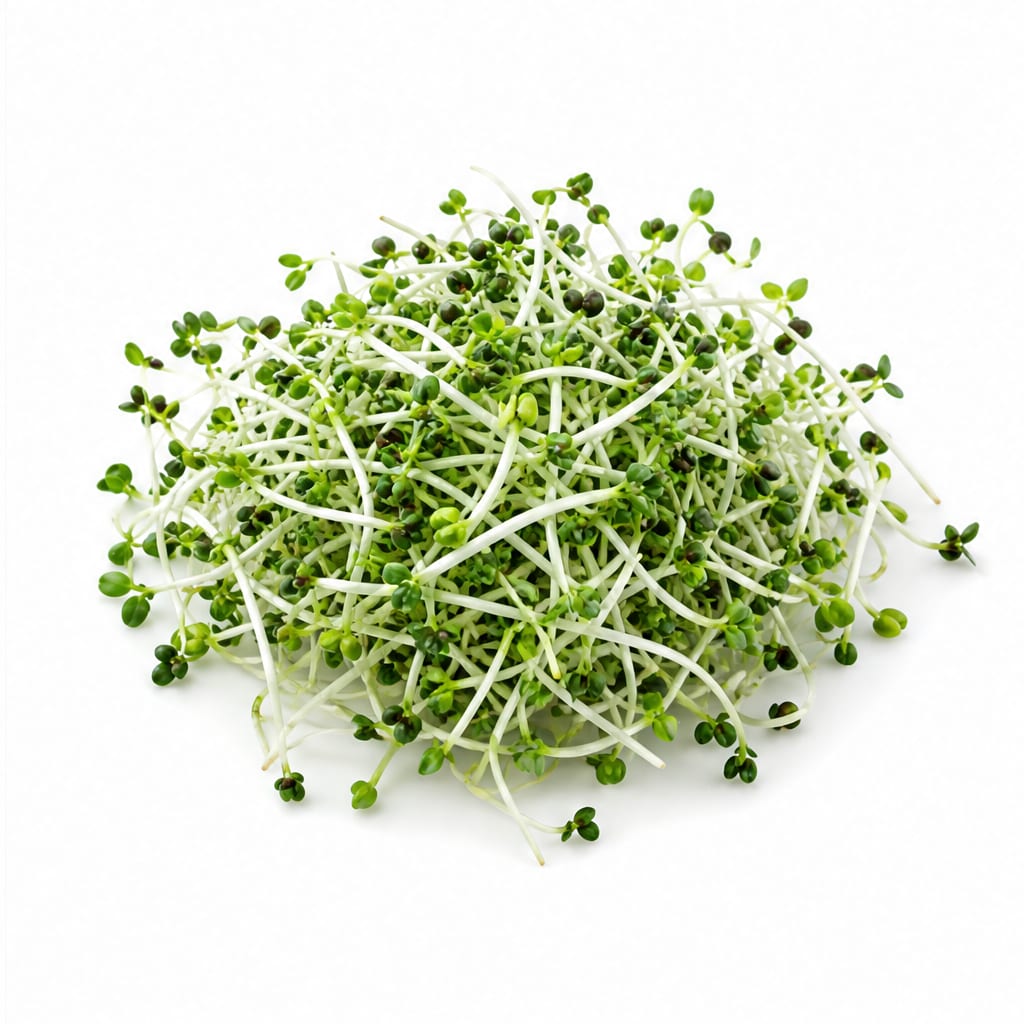
Compare with
Broccoli Sprouts
Broccoli sprouts are prized for sulforaphane and cancer-fighting potential, while mung bean sprouts offer better volume and culinary crunch.
Broccoli sprouts are superior for antioxidants, while mung bean sprouts provide better meal volume and crunch.
This food
Mung Bean Sprouts
VS60% alike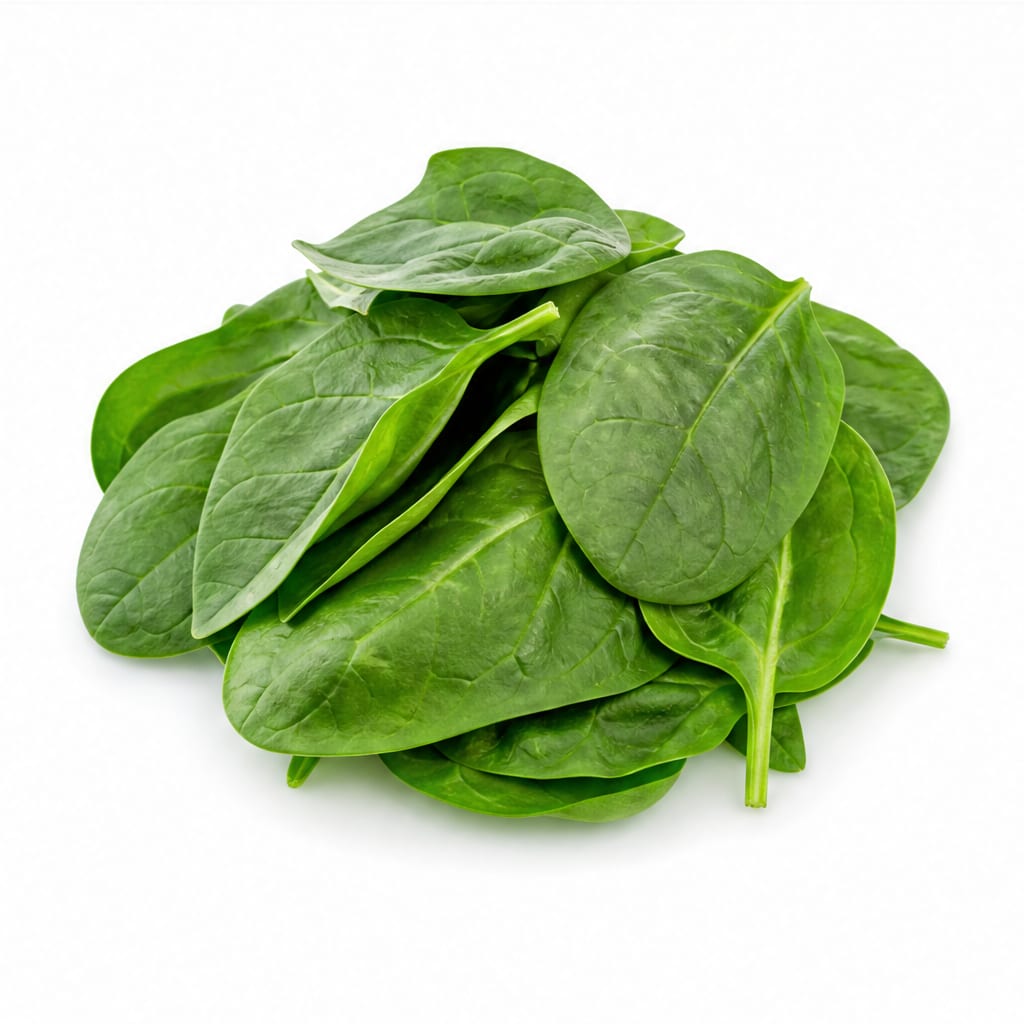
Compare with
Raw Spinach
Spinach is richer in iron and vitamins, but mung bean sprouts provide a superior crunch and slightly more protein per serving.
Spinach is richer in micronutrients like iron, but mung bean sprouts offer more protein and a satisfying crunch.
This food
Mung Bean Sprouts
VS55% alike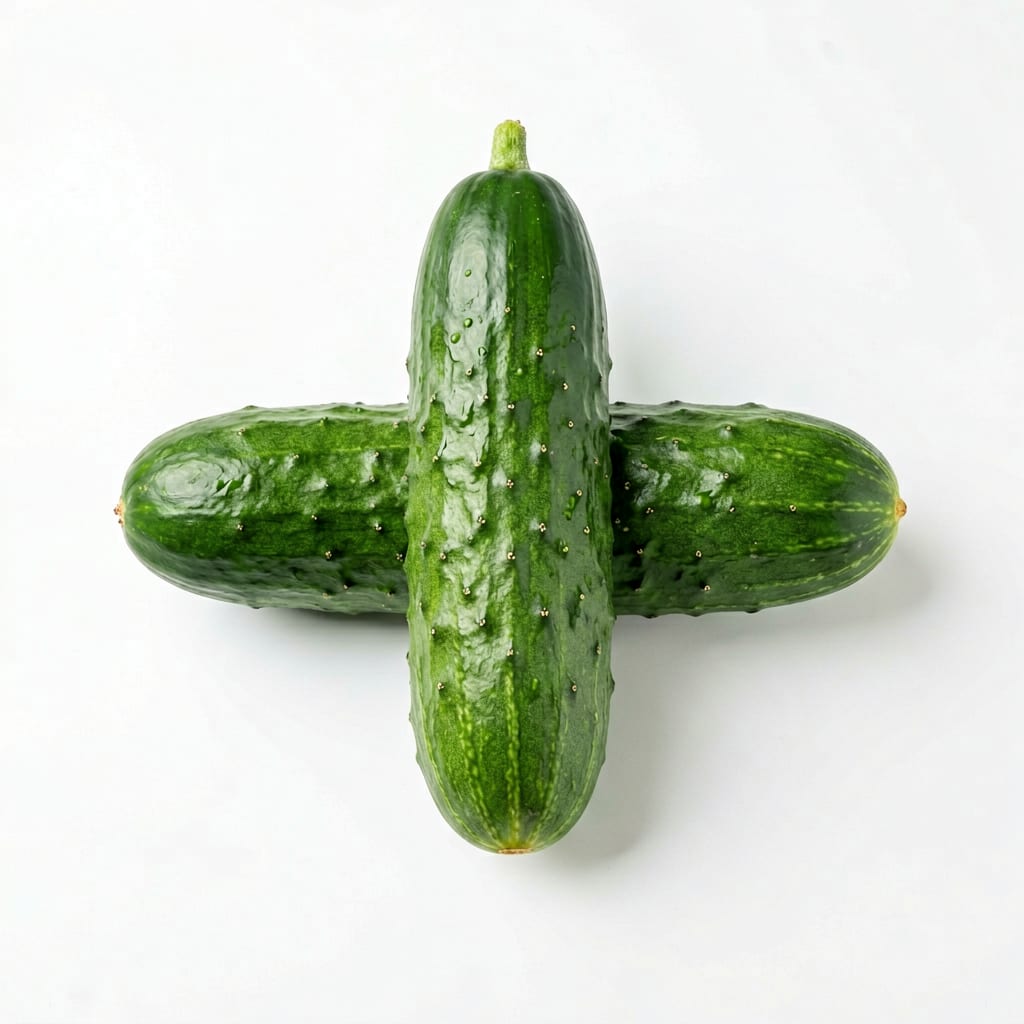
Compare with
Cucumber
Both are highly hydrating and low-calorie, but mung bean sprouts offer slightly more protein and fiber per serving.
Cucumber is slightly more hydrating, but mung bean sprouts provide more protein and fiber for better satiety.
This food
Mung Bean Sprouts
VS50% alike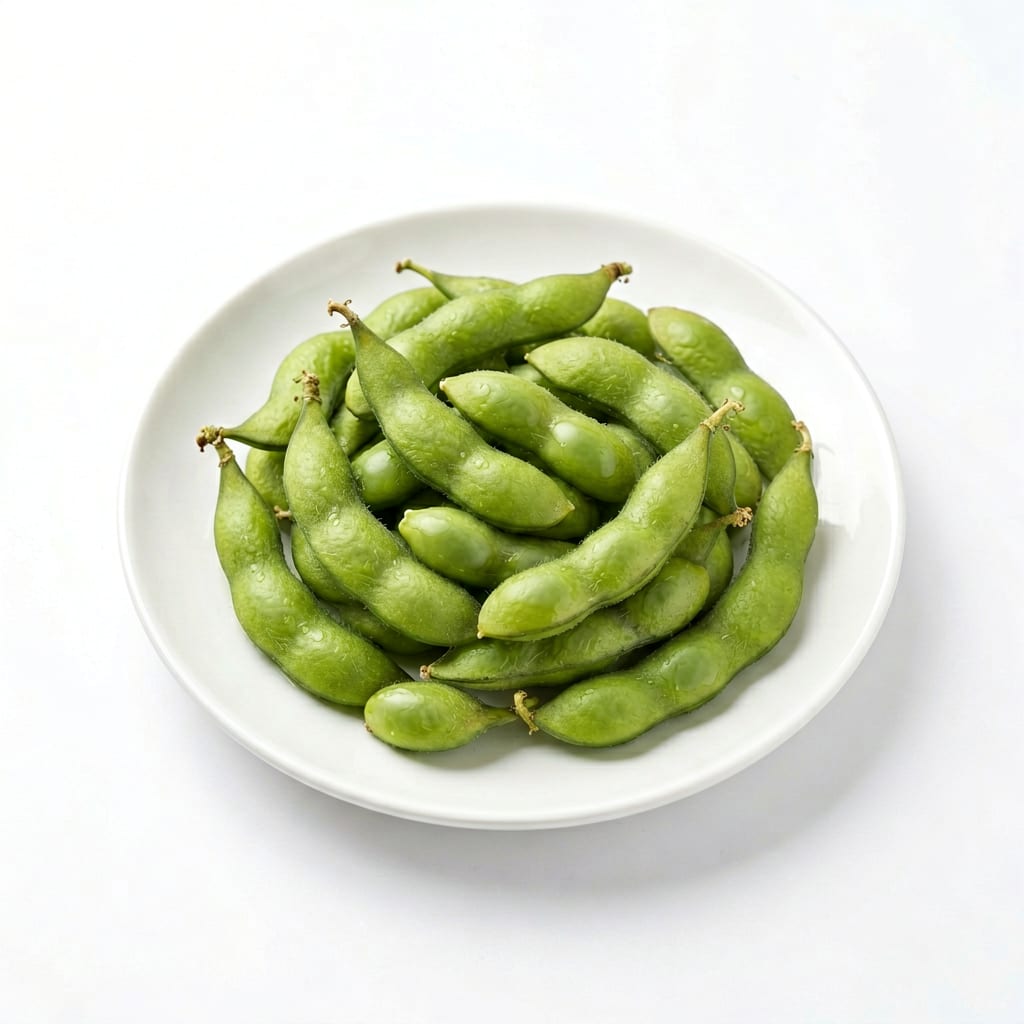
Compare with
Edamame
Edamame is much higher in protein and fat, making it better for fitness, while mung bean sprouts are far lower in calories and better for weight loss.
Edamame is a high-protein snack great for fitness, while mung bean sprouts are a low-calorie food ideal for weight loss.
This food
Mung Bean Sprouts
VS65% alike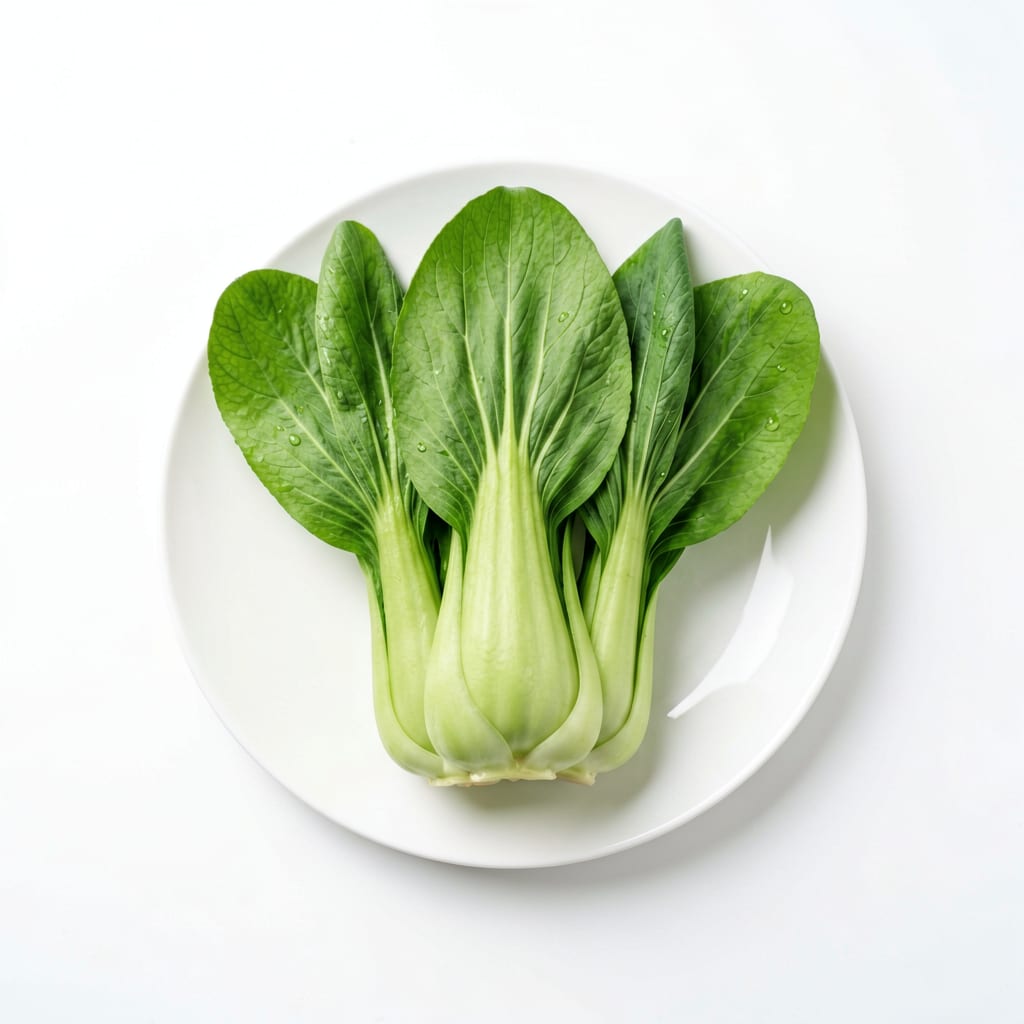
Compare with
Bok Choy
Bok choy offers more Vitamin A and C, while mung bean sprouts provide a slightly higher protein content and different culinary texture.
Bok choy is richer in vitamins, but mung bean sprouts offer slightly more protein and a unique crunch for stir-fries.
This food
Mung Bean Sprouts
VS50% alike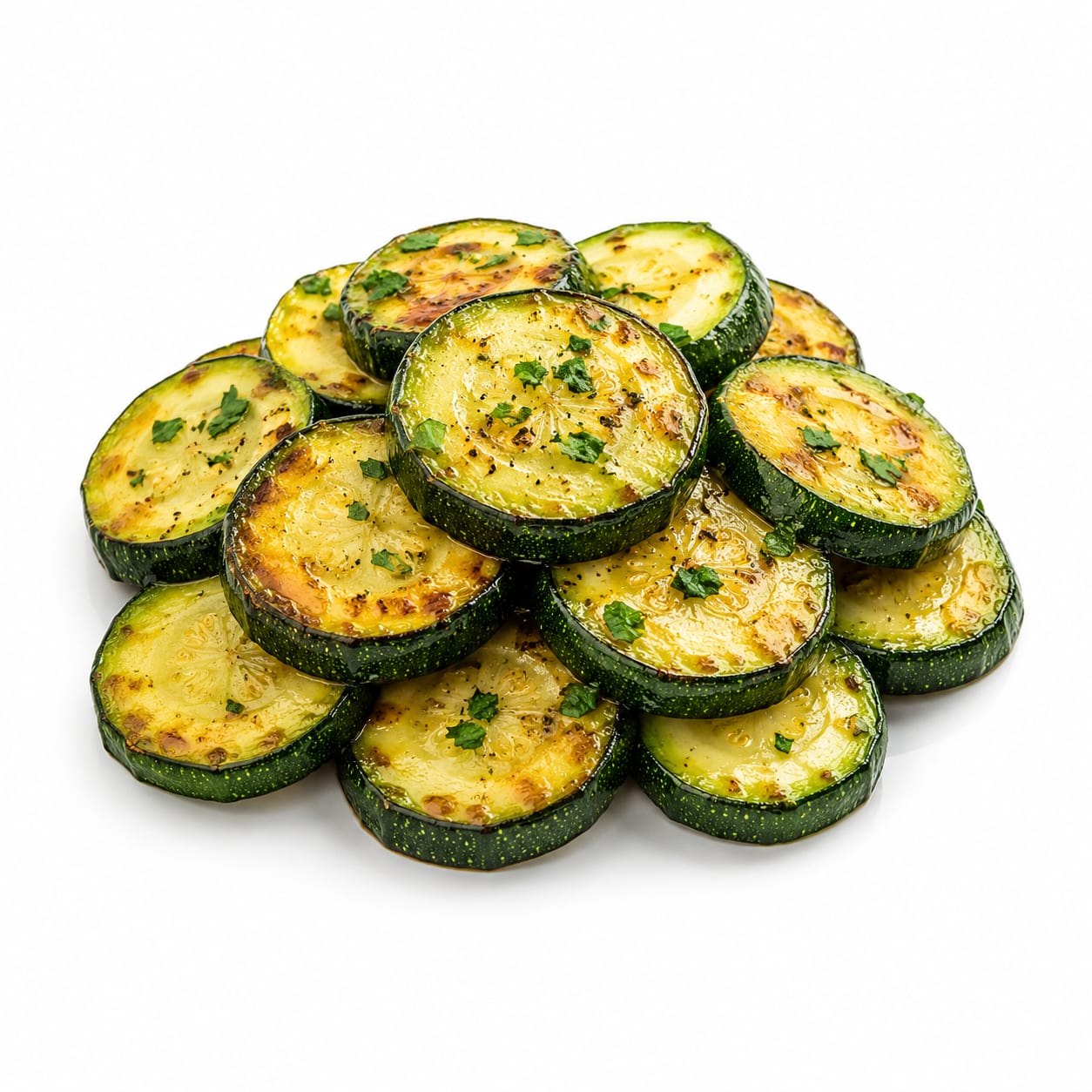
Compare with
Zucchini
Zucchini is similarly low in calories and carbs, but mung bean sprouts offer a distinct crunch and slightly more protein per 100g.
Zucchini is great for low-carb noodles, but mung bean sprouts offer more protein and a crispier texture.
This food
Mung Bean Sprouts
VS60% alike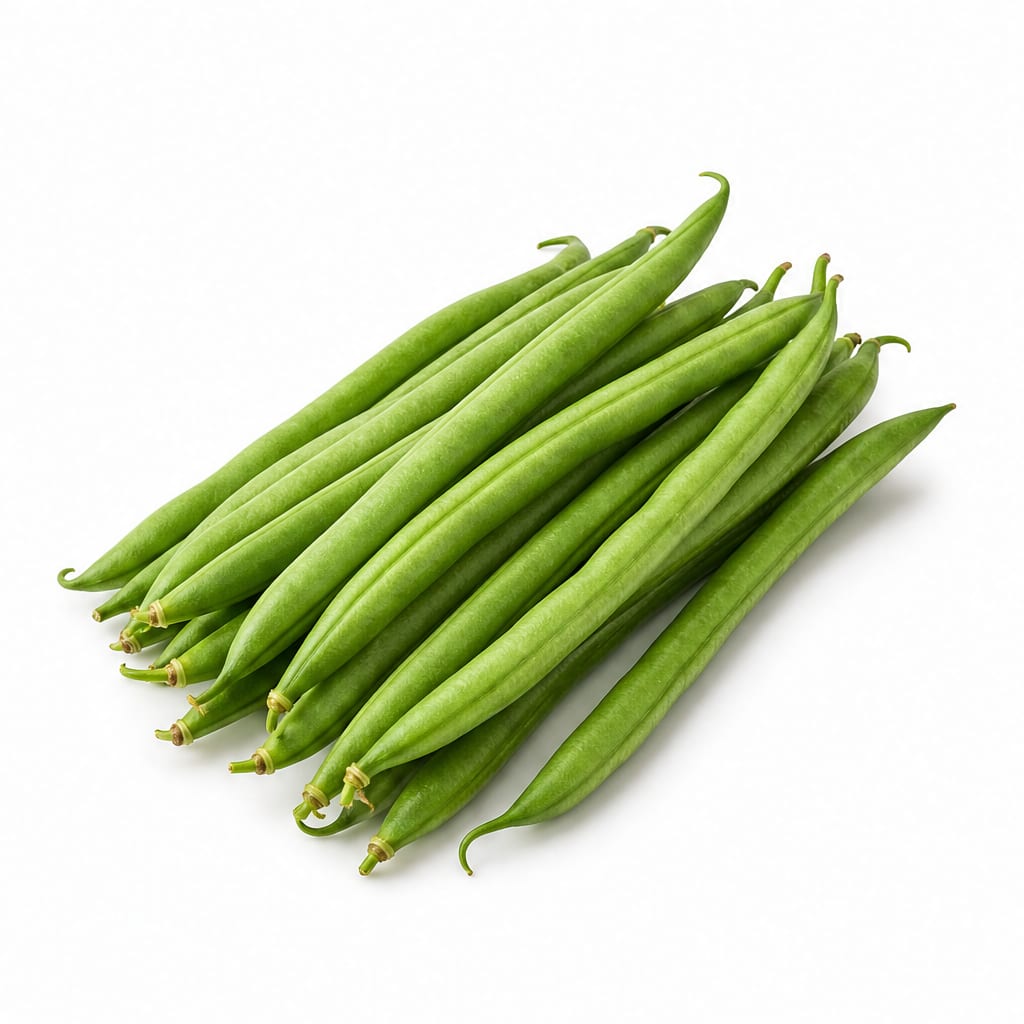
Compare with
Green Beans
Green beans are higher in fiber and micronutrients, but mung bean sprouts are lower in calories and faster to cook.
Green beans provide more fiber and nutrients, while mung bean sprouts are lighter in calories and quicker to prepare.
Common questions
FAQ
Answers aligned with how people search for this food.
Are mung bean sprouts good for weight loss?
Yes, their high water and fiber content provide bulk and satiety for very few calories, making them excellent for weight loss.
Can you eat mung bean sprouts raw?
While you can eat them raw, food safety agencies advise against it due to a high risk of Salmonella and E. coli. Cooking them is much safer.
Are mung bean sprouts high in protein?
They provide a moderate amount of protein for a vegetable at 3 grams per 100 grams, but they are not considered a high-protein food on their own.
Do mung bean sprouts spike blood sugar?
No, they have a very low glycemic index and load, so they will not spike blood sugar and are safe for diabetics.
How should I prepare mung bean sprouts?
Rinse them thoroughly under cold water and cook them via stir-frying, blanching, or adding to soups to eliminate bacteria while retaining their crunch.
Do mung bean sprouts cause gas?
They contain some oligosaccharides and fiber that can cause mild gas or bloating in sensitive individuals, though less than mature beans.
Are bean sprouts and mung bean sprouts the same?
In most grocery stores, the generic 'bean sprouts' sold are mung bean sprouts, though soybean sprouts are also common and have a larger, yellowish head.
Can diabetics eat mung bean sprouts?
Yes, their low carbohydrate content and low glycemic index make them an excellent, safe choice for blood sugar management.
Transparency
Data confidence
Estimated confidence for nutrition data, interpretation, safety notes, and comparisons.
Nutrition data
Health analysis
Food safety
Comparisons