
Nutrition comparison
Mung Bean Sprouts vs Zucchini: Nutrition, Safety, and Which to Choose
Compare mung bean sprouts and zucchini on protein, calories, food safety, and cooking versatility. Find out which low-calorie vegetable fits your diet and lifestyle better.
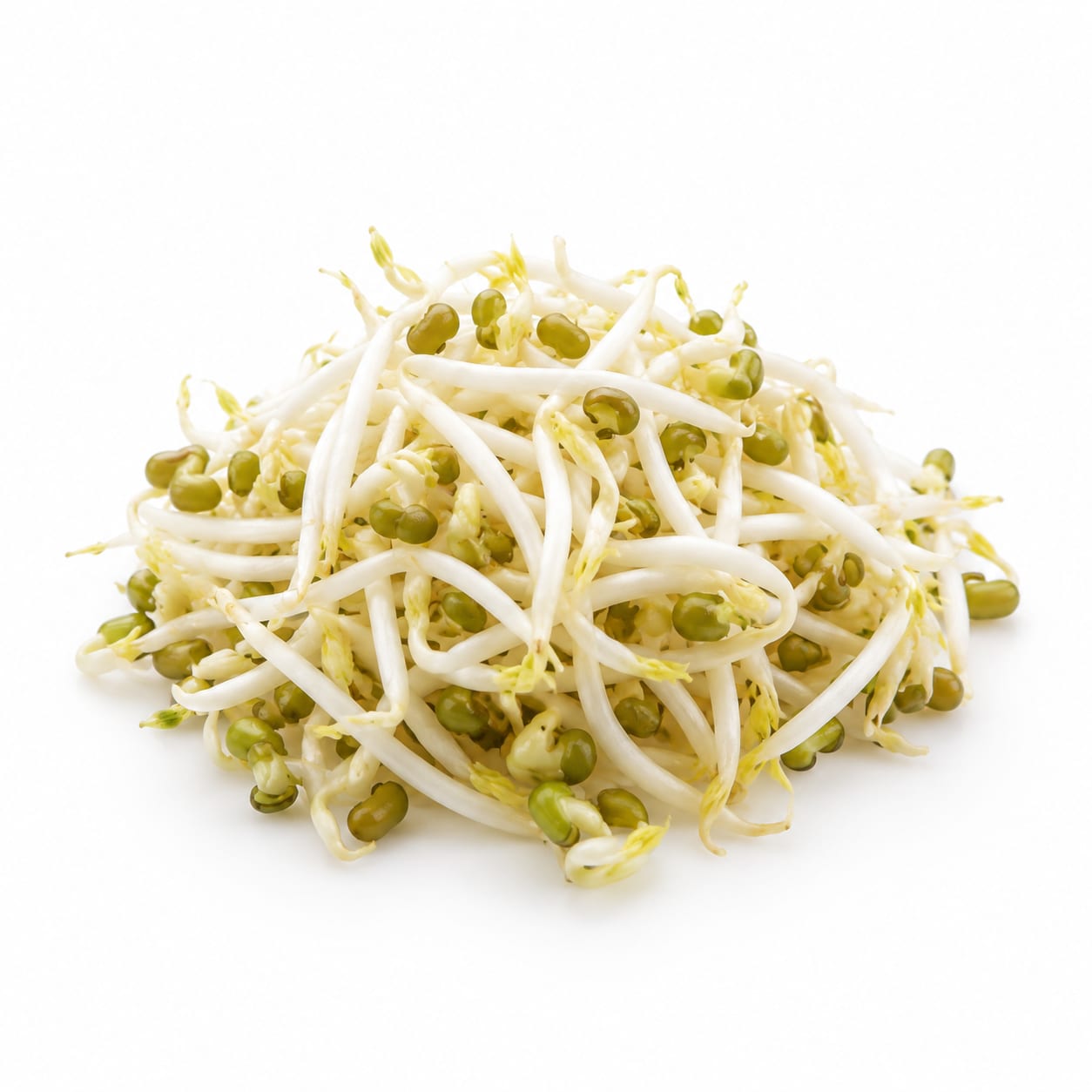
Mung Bean Sprouts
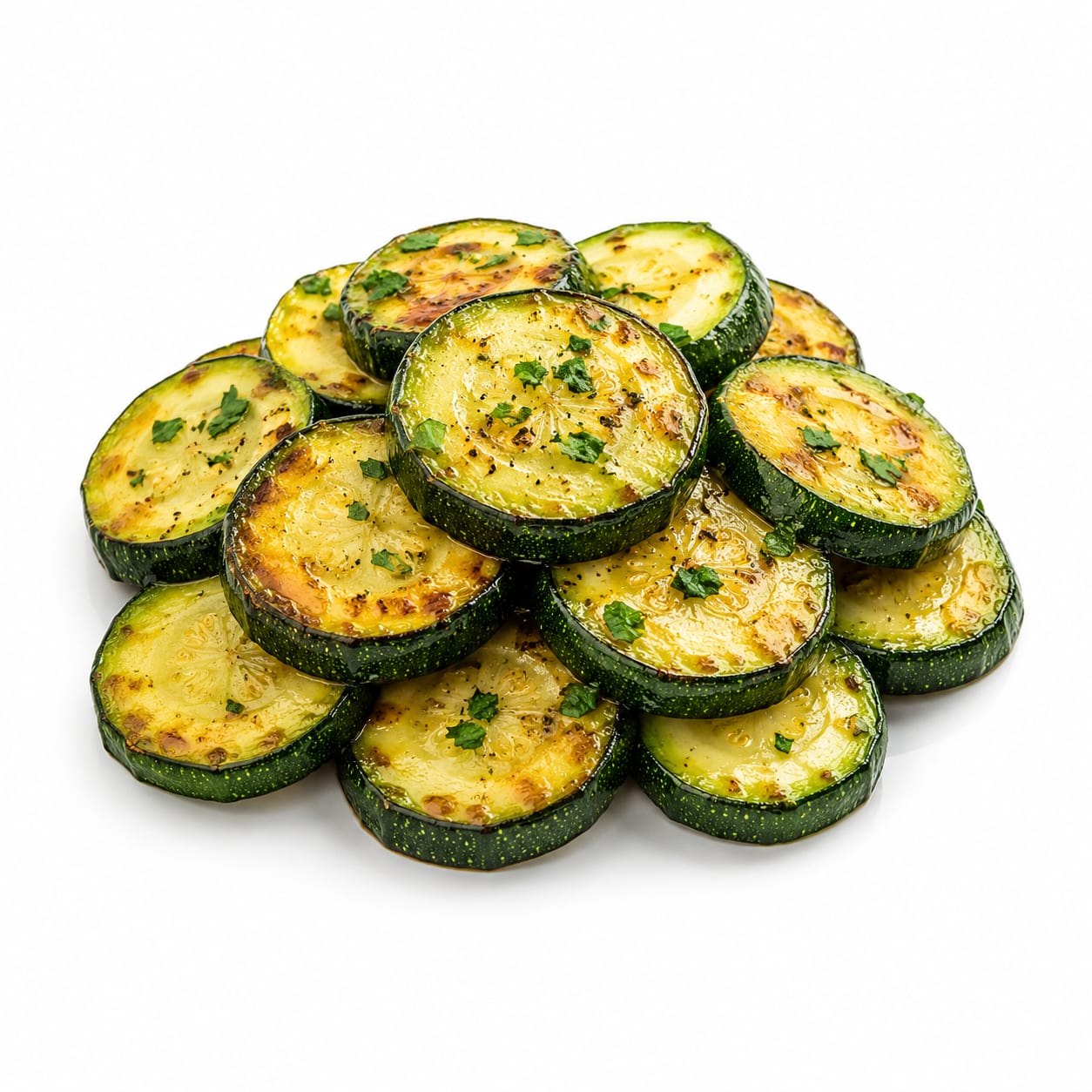
Zucchini
Zucchini wins on safety and versatility; mung bean sprouts win on protein and folate density per calorie.
Zucchini scores higher mainly due to superior safety, versatility, and digestibility. Mung bean sprouts offer better protein and folate but carry meaningful contamination risk and limited culinary flexibility.
You gain protein and B-vitamins with sprouts but take on real food safety risk and limited cooking options. Zucchini is safer, more adaptable, and easier to eat daily.
At a glance
Executive summary
Overall
It depends
Healthier
It depends
More practical
Zucchini
Daily use
Zucchini
Key comparison lenses
low-calorie vegetable selection for weight management
Both foods are extremely low in calories, making them popular choices for volume eating and weight loss diets
food safety and raw consumption risk
Mung bean sprouts carry significant foodborne illness risk when raw, while zucchini is generally safe raw or cooked
protein and nutrient density comparison
Sprouts offer notably more protein and folate per calorie, while zucchini provides different antioxidants and carotenoids
cooking versatility and meal integration
Zucchini is far more versatile across cooking methods and cuisines, while sprouts are more niche
digestive tolerance and gut friendliness
Zucchini is gentler on digestion for most people, while sprouts can cause bloating in sensitive individuals
Best choice for
Mung Bean Sprouts
- People wanting plant protein from vegetables
- Anyone needing more folate in their diet
- Asian stir-fry enthusiasts wanting authentic crunch
- Those seeking vitamin K for bone health
Zucchini
- Meal preppers needing a versatile low-calorie base
- Anyone with a sensitive digestive system
- Families wanting a safe vegetable for children
- People who want a vegetable they can eat raw without worry
Least suitable for
Mung Bean Sprouts
- Pregnant women due to raw sprout contamination risk
- Anyone with compromised immunity
- People prone to bloating from legumes
- Those wanting a vegetable they can roast or grill
Zucchini
- Anyone specifically seeking plant protein from vegetables
- People needing folate-rich foods
- Those wanting significant nutrient density per serving
- Anyone looking for a crunchy raw snack with substance
Deep comparison
Dimension by dimension
Each lens scores both foods and breaks down who each option suits.
- Dimension 1 · Priority 90Mung Bean Sprouts
Nutrient Density Per Calorie
Mung Bean Sprouts · 82Zucchini · 65Mung bean sprouts deliver more protein, folate, and vitamin K per calorie than zucchini, making them more nutritionally concentrated.
Tradeoff
That density comes with a smaller serving size reality — most people eat far more zucchini volume in one sitting, which can close the nutrient gap.
Why it matters
If you eat small portions or track calories strictly, getting more nutrients per calorie matters significantly.
Real-world impact
A cup of mung bean sprouts gives you about 3g protein and significant folate. You would need to eat nearly three cups of zucchini to match the protein, which is easy given how zucchini cooks down.
Mung Bean Sprouts
- Strict calorie counters wanting maximum nutrition
- Vegans needing plant protein from every source
- Pregnant women needing folate (if cooked thoroughly)
Better for
- Those who only eat small amounts and miss the nutrient window
Worse for
Zucchini
- Volume eaters who prefer large portions
- Anyone wanting carotenoids and vitamin A precursors
- People who find small portions unsatisfying
Better for
- Anyone assuming all low-calorie vegetables are protein sources
Worse for
- Dimension 2 · Priority 95Zucchini
Food Safety and Contamination Risk
Mung Bean Sprouts · 40Zucchini · 92Raw mung bean sprouts are a well-documented source of foodborne illness outbreaks. Zucchini is one of the safest vegetables available.
Tradeoff
Cooking sprouts reduces risk significantly but also diminishes their signature crunch and some vitamin C content.
Why it matters
For vulnerable populations — pregnant women, elderly, immunocompromised — this is not a minor concern. Sprout-related salmonella and E. coli outbreaks are recurrent.
Real-world impact
The CDC explicitly advises high-risk groups to avoid raw sprouts entirely. Zucchini can be eaten raw, roasted, grilled, or sautéed with virtually no safety concern.
Mung Bean Sprouts
- Healthy adults comfortable cooking sprouts thoroughly
Better for
- Anyone eating sprouts raw from unreliable sources
- People unaware of the contamination risk
Worse for
Zucchini
- Pregnant women
- Elderly individuals
- Anyone with weakened immunity
- Parents preparing food for young children
- Meal preppers storing food for several days
Better for
- Dimension 3 · Priority 85Zucchini
Cooking Versatility
Mung Bean Sprouts · 45Zucchini · 90Zucchini adapts to nearly every cooking method and cuisine. Mung bean sprouts are largely limited to quick stir-fries and raw garnishes.
Tradeoff
Sprouts add a unique textural element that zucchini cannot replicate, but they cannot be roasted, grilled, baked, or spiralized.
Why it matters
A vegetable you can cook many ways stays interesting longer, reducing meal fatigue and making healthy eating easier to sustain.
Real-world impact
Zucchini becomes noodles, bakes into bread, grills as steaks, stuffs with filling, and blends into soups. Sprouts wilt quickly and work best as a topping or quick stir-in.
Mung Bean Sprouts
- Stir-fry lovers wanting authentic Asian texture
- Anyone seeking a raw crunchy topping for bowls
Better for
- Anyone wanting to roast or grill their vegetables
- People who like to batch-cook for the week
Worse for
Zucchini
- Home cooks wanting one vegetable for many recipes
- Anyone who meal preps in bulk
- People who get bored eating the same preparation repeatedly
- Low-carb dieters wanting pasta alternatives
Better for
- Dimension 4 · Priority 78Zucchini
Digestive Tolerance
Mung Bean Sprouts · 55Zucchini · 88Zucchini is one of the easiest vegetables to digest. Mung bean sprouts can cause gas and bloating, especially for people sensitive to legumes.
Tradeoff
Sprouts contain enzymes that aid digestion for some people, but the oligosaccharides can trigger discomfort in others.
Why it matters
If a vegetable causes bloating, you will naturally eat it less often, undermining any nutritional advantage it has.
Real-world impact
Zucchini is often recommended during elimination diets and for IBS patients. Sprouts are more likely to cause discomfort, especially raw and in larger quantities.
Mung Bean Sprouts
- People whose digestion handles legumes well
- Anyone who benefits from the natural enzymes in sprouts
Better for
- People with legume sensitivity
- Anyone prone to gas and bloating
Worse for
Zucchini
- IBS sufferers
- Anyone on an elimination diet
- People recovering from gastrointestinal illness
- Those new to eating vegetables regularly
Better for
- Dimension 5 · Priority 72Mung Bean Sprouts
Satiety and Fullness
Mung Bean Sprouts · 70Zucchini · 58Mung bean sprouts provide more protein and fiber per serving, which contributes to slightly better satiety despite their small size.
Tradeoff
Zucchini's volume advantage means you can eat much more of it, which creates physical fullness even if the protein-driven satiety is lower.
Why it matters
Feeling full on fewer calories is the key to sustainable weight management for most people.
Real-world impact
A large zucchini cooked down with a meal fills your stomach visually and physically. A handful of sprouts adds protein but may not feel like enough food on its own.
Mung Bean Sprouts
- Those who eat smaller, protein-forward meals
- Anyone combining sprouts with other filling foods
Better for
- People expecting sprouts alone to fill them up
Worse for
Zucchini
- Volume eaters who need large portions to feel satisfied
- Anyone using vegetables as a calorie buffer in meals
Better for
- Those who find watery vegetables unsatisfying without protein
Worse for
- Dimension 6 · Priority 70It depends
Antioxidant and Phytonutrient Profile
Mung Bean Sprouts · 72Zucchini · 74Sprouts offer isoflavones and vitamin C. Zucchini provides carotenoids like lutein and zeaxanthin. They support different body systems.
Tradeoff
Neither is an antioxidant powerhouse compared to berries or leafy greens, but both contribute meaningfully in different ways.
Why it matters
Eye health benefits from zucchini's lutein, while sprouts' isoflavones may support hormonal balance.
Real-world impact
If you eat zucchini regularly, you are supporting your eyes and skin. If you eat sprouts, you are getting compounds that may help with inflammation and hormonal health.
Mung Bean Sprouts
- Women seeking dietary phytoestrogens
- Anyone wanting vitamin C from a non-fruit source
Better for
Zucchini
- People concerned about eye health and macular degeneration
- Anyone wanting skin-protective carotenoids
Better for
Timeline
Health impact over time
Short-term
Hours to days
Mung Bean Sprouts
- Quick energy from easily digestible carbohydrates
- Possible bloating or gas within hours of eating, especially raw
- Vitamin C boost supporting immune function shortly after consumption
Zucchini
- Very gentle on the stomach with almost immediate comfort
- Hydrating effect due to high water content
- Light feeling that will not slow you down after meals
Long-term
Months to years
Mung Bean Sprouts
- Consistent folate intake supports cell repair and DNA synthesis
- Isoflavones may contribute to hormonal balance over months and years
- Ongoing food safety vigilance required if eating raw regularly
Zucchini
- Lutein and zeaxanthin accumulation supporting eye health over decades
- Consistent low-calorie intake making weight maintenance easier long-term
- Potassium contribution helping blood pressure regulation over time
Risk profile
Safety & processing
Both foods are whole, minimally processed vegetables. Mung bean sprouts are simply germinated beans, and zucchini is harvested directly from the vine. Neither typically contains additives when purchased fresh.
Mung Bean Sprouts
Salmonella contamination
highThe warm, humid conditions required for sprouting are ideal for bacterial growth. Multiple salmonella outbreaks have been linked to raw mung bean sprouts.
E. coli contamination
highSimilar to salmonella, E. coli can thrive during sprouting. The CDC recommends cooking sprouts thoroughly to reduce risk.
Rapid spoilage
mediumSprouts have a very short shelf life and can become slimy or develop off-odors within days, increasing the chance of consuming spoiled product.
Zucchini
Pesticide residue
lowZucchini typically tests low for pesticide residues. Choosing conventional or organic both carry minimal concern.
Bitter compound accumulation
lowOccasionally zucchini can develop cucurbitacins causing extreme bitterness. This is rare but can cause digestive distress. Discard any unusually bitter zucchini.
Who wins for whom
Audience fit
Same foods, different winners depending on your goal.
children
ZucchiniZucchini is safer, milder in flavor, and can be hidden in familiar foods like pasta sauce and muffins. Raw sprouts are a contamination risk children should avoid.
daily consumption
ZucchiniZucchini can be eaten every day in different forms without safety concerns or palate fatigue. Daily sprout consumption requires more caution and gets repetitive faster.
diabetes
ZucchiniZucchini has a lower glycemic impact and is easier to pair with proteins and fats for balanced meals. Its versatility makes building low-glycemic meals simpler.
elderly
ZucchiniOlder adults are more vulnerable to foodborne illness, making raw sprouts risky. Zucchini is gentle, safe, and easy to chew when cooked.
muscle gain
Mung Bean SproutsMung bean sprouts provide more protein per calorie, though neither is a primary protein source. Every gram counts when building muscle on a plant-forward diet.
weight loss
ZucchiniBoth are extremely low calorie, but zucchini's versatility and volume make it easier to eat in satisfying portions daily without getting bored.
Your move
Decision guide
Choose Mung Bean Sprouts
- You are a healthy adult who cooks sprouts thoroughly before eating
- You want more plant protein and folate from your vegetables
- You regularly make stir-fries and want authentic texture and flavor
- You are comfortable sourcing from reliable suppliers with high turnover
Choose Zucchini
- You want a versatile vegetable you can prepare a dozen different ways
- You are pregnant, elderly, or preparing food for young children
- You have a sensitive stomach or are recovering from digestive issues
- You meal prep and need vegetables that last in the fridge all week
- You want a low-effort vegetable that works in almost any recipe
Either works if
- You simply want more vegetables in your diet and enjoy both
- You are counting calories and both fit your daily budget easily
- You are eating a varied diet and neither needs to be your primary vegetable
Avoid both if
- You are looking for a significant protein source — neither delivers enough alone
- You need calorie-dense foods to maintain or gain weight
- You have a nightshade sensitivity and react to zucchini (rare but possible)
Final recommendation
Make zucchini your daily vegetable and enjoy mung bean sprouts as an occasional addition when you cook Asian meals. This gives you the safety and versatility of zucchini most days, with the protein and folate boost from sprouts when you want it. Always cook sprouts thoroughly, especially if anyone in your household is pregnant, elderly, or immunocompromised.
Practical
Consumer tips
- 1
Rinse mung bean sprouts thoroughly under running water and cook them for at least 30 seconds in a hot stir-fry to significantly reduce contamination risk
- 2
Buy sprouts from stores with high product turnover — the fresher they are, the lower the risk
- 3
Store sprouts in the coldest part of your fridge and consume within two days of purchase
- 4
Spiralize zucchini for a low-carb pasta alternative that pairs with any sauce
- 5
Grate zucchini into oatmeal, muffins, or meatballs for invisible vegetable boosting
- 6
If sprouts smell sour, feel slimy, or look dark, discard them immediately — do not taste-test
- 7
Freeze grated zucchini in portioned bags for easy addition to smoothies and baking year-round