
Nutrition comparison
Mung Bean Sprouts vs Cucumber: Nutrition, Safety, and Which to Choose
Compare mung bean sprouts and cucumber on nutrition, food safety, weight loss, and daily use. Learn which is better for your health goals and when to choose each.
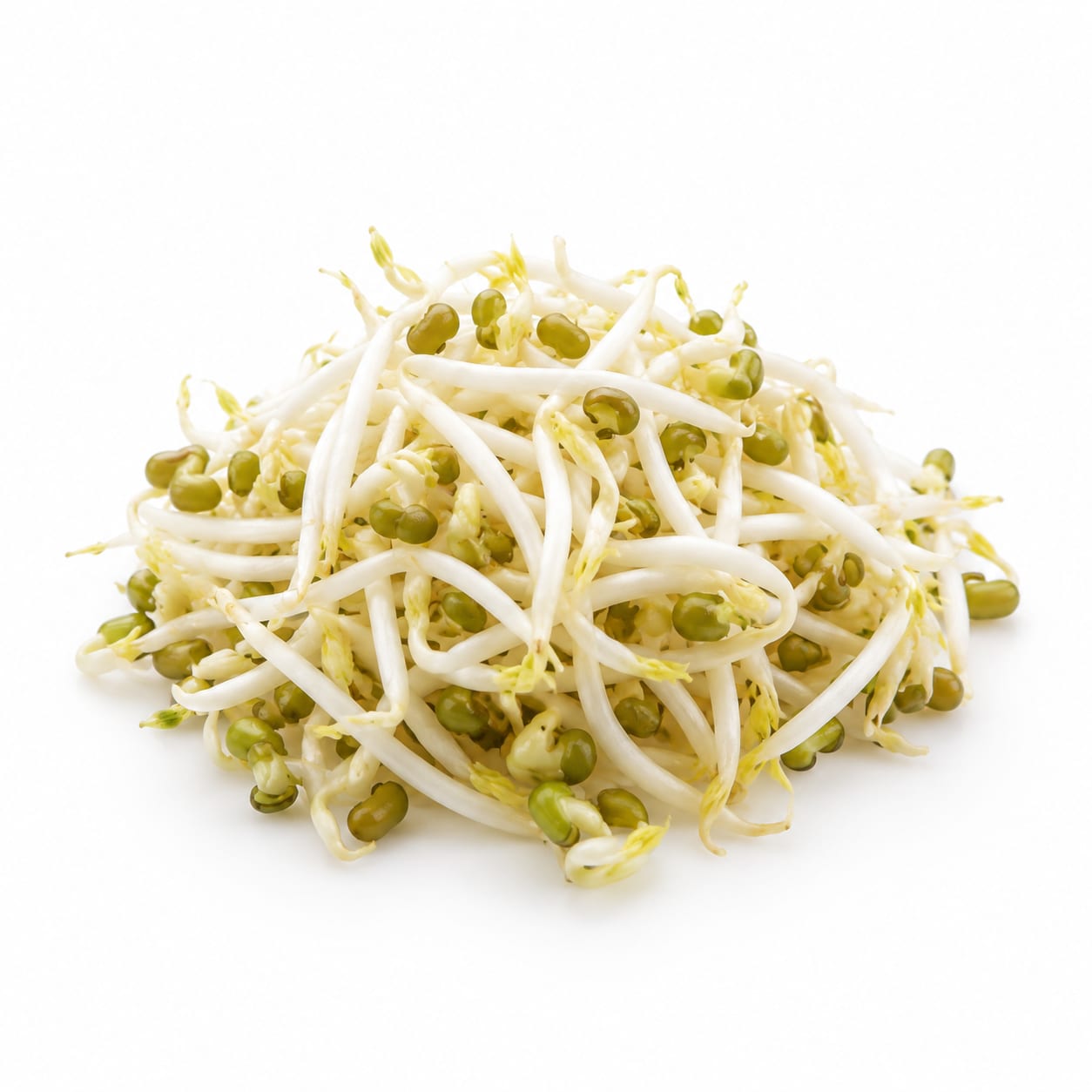
Mung Bean Sprouts
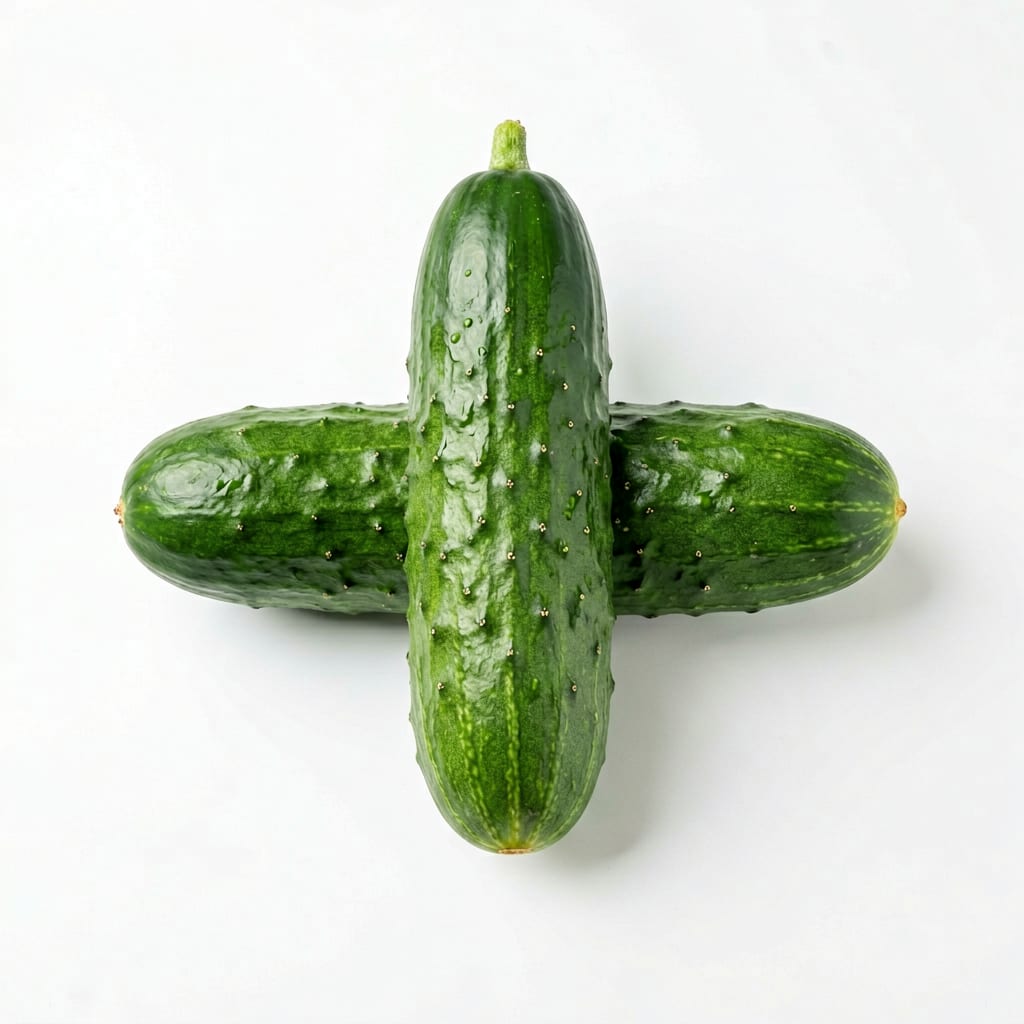
Cucumber
Mung bean sprouts deliver more protein and nutrients per bite, but cucumber wins on safety, convenience, and everyday reliability.
Cucumber scores slightly higher overall because its safety profile and everyday practicality outweigh the nutritional edge of mung bean sprouts for most people. However, for those who cook sprouts or are comfortable with raw sprout handling, mung bean sprouts are the stronger nutritional choice.
Nutritional upside versus food safety and practical simplicity — sprouts offer more, but carry real risks raw.
At a glance
Executive summary
Overall
It depends
Healthier
Mung Bean Sprouts
More practical
Cucumber
Daily use
Cucumber
Key comparison lenses
low calorie snack selection
Both foods are extremely low in calories, making them popular choices for weight-conscious snacking
raw food safety concerns
Mung bean sprouts carry significant foodborne illness risk when consumed raw, unlike cucumber
nutrient density comparison
Users want to know if the extra effort of sprouting translates to meaningful nutritional gains
hydration and light eating
Both foods are water-rich and commonly chosen for light, refreshing meals
meal prep and convenience
Shelf life, preparation needs, and storage differ significantly between these foods
Best choice for
Mung Bean Sprouts
- People seeking plant-based protein in low-calorie foods
- Stir-fry and Asian cuisine enthusiasts
- Those wanting more folate and vitamin K
- Anyone needing more filling salads without adding calories
Cucumber
- People prioritizing food safety, especially pregnant women
- Anyone wanting a grab-and-go hydrating snack
- Those with sensitive digestion who need gentle foods
- Meal preppers needing ingredients that last a week
Least suitable for
Mung Bean Sprouts
- Pregnant women and immunocompromised individuals (raw sprout risk)
- People who want low-maintenance meal prep
- Anyone uncomfortable cooking before eating
- Those who need long-lasting fridge staples
Cucumber
- People looking for meaningful protein from vegetables
- Those wanting nutrient-dense calories rather than water volume
- Anyone needing sustained energy from a snack
- People seeking folate or iron from plant sources
Deep comparison
Dimension by dimension
Each lens scores both foods and breaks down who each option suits.
- Dimension 1 · Priority 90Mung Bean Sprouts
Nutrient Density
Mung Bean Sprouts · 78Cucumber · 35Mung bean sprouts pack significantly more protein, folate, vitamin K, and iron per calorie than cucumber, which is mostly water.
Tradeoff
You get more nutrition from sprouts, but cucumber requires zero preparation to access its simpler nutritional profile.
Why it matters
If every calorie needs to work harder for you, sprouts deliver more vitamins and minerals per bite.
Real-world impact
A cup of mung bean sprouts gives you about 3g protein and meaningful folate. A cup of cucumber gives you less than 1g protein and mostly hydration.
Mung Bean Sprouts
- Pregnant women needing folate (if sprouts are cooked)
- Vegans seeking plant protein from low-calorie sources
- Anyone recovering from illness needing nutrient-dense light foods
Better for
- People who eat sprouts raw and risk foodborne illness, negating nutritional benefits
Worse for
Cucumber
- People who just want hydration without worrying about nutrient timing
- Those already meeting nutritional needs from other foods
Better for
- Those relying on cucumber as a primary vegetable, leading to nutrient gaps
Worse for
- Dimension 2 · Priority 92Cucumber
Food Safety
Mung Bean Sprouts · 35Cucumber · 92Raw mung bean sprouts are a well-documented source of foodborne illness outbreaks. Cucumber is far safer to eat raw.
Tradeoff
Sprouts need cooking to be truly safe, which reduces some vitamin C content. Cucumber is safe raw but offers less nutrition.
Why it matters
The warm, humid conditions needed for sprouting are also ideal for bacterial growth. This is not a minor concern for vulnerable groups.
Real-world impact
The FDA explicitly warns pregnant women, children, and elderly people to avoid raw sprouts entirely. No such warning exists for cucumber.
Mung Bean Sprouts
- People who always cook sprouts before eating
- Healthy adults comfortable with proper sprout handling and sourcing
Better for
- Anyone eating raw sprouts from unreliable sources
- People with weakened immune systems
Worse for
Cucumber
- Pregnant women
- Elderly individuals
- Immunocompromised people
- Anyone serving food to children
Better for
- Those who assume all raw vegetables carry equal risk and skip washing
Worse for
- Dimension 3 · Priority 78Mung Bean Sprouts
Satiety and Fullness
Mung Bean Sprouts · 65Cucumber · 40Mung bean sprouts have more protein and fiber, making them slightly more filling despite both being low-calorie foods.
Tradeoff
Neither food is truly filling on its own, but sprouts at least contribute some protein to help stabilize hunger.
Why it matters
When you are snacking on low-calorie foods, even small differences in protein and fiber can affect how soon you get hungry again.
Real-world impact
A salad with mung bean sprouts will keep you satisfied a bit longer than a cucumber-only salad, though both need a protein source to truly fill you up.
Mung Bean Sprouts
- People building salads who want more staying power without adding dense foods
- Snackers trying to avoid rebound hunger
Better for
- People expecting sprouts alone to be a satisfying snack — they will still be hungry
Worse for
Cucumber
- Those who want something light before a meal without ruining appetite
Better for
- Anyone relying on cucumber to suppress hunger for more than 30 minutes
Worse for
- Dimension 4 · Priority 72Cucumber
Hydration and Refreshment
Mung Bean Sprouts · 60Cucumber · 90Cucumber is roughly 96% water and excels at pure hydration. Mung bean sprouts are hydrating but denser.
Tradeoff
Cucumber provides more water volume per calorie, while sprouts provide more nutrition per calorie.
Why it matters
On hot days or after exercise, cucumber offers genuinely refreshing hydration that sprouts cannot match in texture or water volume.
Real-world impact
Eating a whole cucumber feels like drinking a glass of water with crunch. Sprouts feel more like eating a vegetable.
Mung Bean Sprouts
- People who want hydration with some nutritional payoff
Better for
- Those seeking maximum water intake from food
Worse for
Cucumber
- Hot weather snacking
- Post-workout refreshing food
- Anyone struggling to drink enough water throughout the day
Better for
- People who find watery foods unsatisfying
Worse for
- Dimension 5 · Priority 80Cucumber
Convenience and Shelf Life
Mung Bean Sprouts · 40Cucumber · 88Cucumber lasts over a week in the fridge and needs no prep. Mung bean sprouts spoil within days and require careful handling.
Tradeoff
Sprouts demand more attention and faster use, while cucumber is a reliable fridge staple you can forget about for days.
Why it matters
Food that spoils quickly often gets wasted, which costs money and discourages healthy eating habits.
Real-world impact
Buy sprouts on Monday and they may be slimy by Thursday. Buy a cucumber on Monday and it is still crisp on Sunday.
Mung Bean Sprouts
- People who shop frequently and cook same-day
- Home sprouters who grow fresh batches as needed
Better for
- Meal preppers who prep on Sunday for the whole week
- People who forget about produce in the crisper drawer
Worse for
Cucumber
- Weekly grocery shoppers
- Busy people who need ingredients to wait for them
- Anyone who hates food waste
Better for
- Those who want a vegetable that works in cooked dishes across multiple cuisines
Worse for
- Dimension 6 · Priority 70It depends
Culinary Versatility
Mung Bean Sprouts · 68Cucumber · 72Cucumber is more versatile raw, while mung bean sprouts shine in cooked dishes and Asian recipes.
Tradeoff
Cucumber works in salads, sandwiches, and infused water. Sprouts are essential in stir-fries, spring rolls, and soups but less useful in Western raw dishes.
Why it matters
The food you can use in more meals is the food you will actually finish and benefit from.
Real-world impact
Cucumber slides easily into most diets without recipe changes. Sprouts often require specific recipes or cuisines to feel purposeful.
Mung Bean Sprouts
- Fans of Asian cooking who regularly make stir-fries or pho
- People who enjoy spring rolls and noodle bowls
- Anyone looking to add crunch to cooked dishes without oil
Better for
- People who do not cook Asian-style meals regularly
Worse for
Cucumber
- People who eat a lot of salads and sandwiches
- Those who want a vegetable that works in smoothies
- Anyone who snacks on vegetables without cooking
Better for
- Those wanting a vegetable that holds up to cooking
Worse for
Timeline
Health impact over time
Short-term
Hours to days
Mung Bean Sprouts
- Quick nutrient boost with folate, vitamin C, and small protein amount
- Potential digestive discomfort if eaten in large quantities raw
- Risk of foodborne illness within 12-72 hours if sprouts are contaminated
Cucumber
- Immediate hydration and refreshment
- Very gentle on digestion with almost no irritation risk
- Minimal caloric impact, making it easy to eat freely
Long-term
Months to years
Mung Bean Sprouts
- Consistent folate intake supports cell repair and healthy blood formation
- Regular consumption (when cooked) adds meaningful plant protein to low-calorie diets
- Repeated raw consumption increases cumulative foodborne illness exposure risk
Cucumber
- Excellent for maintaining hydration habits long-term
- Very low risk profile makes it safe for daily consumption indefinitely
- Nutritional contribution is modest, so relying on it as a primary vegetable creates gaps
Risk profile
Safety & processing
Both foods are whole, minimally processed vegetables with no artificial additives. Mung bean sprouts are simply germinated seeds, and cucumbers are harvested directly from the vine. Neither raises processing concerns.
Mung Bean Sprouts
Salmonella and E. coli contamination
highThe sprouting process requires warm, humid conditions that are ideal for bacterial growth. Multiple foodborne illness outbreaks have been linked to raw mung bean sprouts.
Short shelf life leading to spoilage
mediumSprouts typically last only 2-3 days in the fridge before becoming slimy or developing off-smells, increasing the chance of consuming spoiled product.
Cucumber
Pesticide residue on conventional cucumber skins
mediumCucumber is on the EWG's Dirty Dozen list some years. Peeling or choosing organic significantly reduces exposure.
Wax coatings on conventional cucumbers
lowSome grocery store cucumbers have edible wax coatings to retain moisture. Washing with baking soda or peeling removes most of it.
Who wins for whom
Audience fit
Same foods, different winners depending on your goal.
children
CucumberChildren are more vulnerable to foodborne illness, making raw sprouts a poor choice. Cucumber is safe, mild-flavored, and easy for kids to hold and eat.
daily consumption
CucumberCucumber's safety, shelf life, and versatility make it a better everyday staple. Mung bean sprouts are better as an occasional addition rather than a daily vegetable.
diabetes
Mung Bean SproutsMung bean sprouts have slightly more fiber and protein, which helps blunt any blood sugar response. Both foods have minimal carbohydrate impact, but sprouts offer a marginal advantage for glucose stability.
elderly
CucumberOlder adults have weaker immune systems and should avoid raw sprouts entirely. Cucumber is gentle, hydrating, and safe for daily consumption.
muscle gain
Mung Bean SproutsNeither food is a muscle-building staple, but mung bean sprouts provide about 3g protein per cup versus less than 1g in cucumber. Every gram counts in a plant-based diet.
weight loss
It dependsCucumber is lower in calories and easier to eat mindlessly as a snack, but mung bean sprouts provide more protein and fiber which helps control hunger longer. Choose based on whether you prioritize volume or satiety.
Your move
Decision guide
Choose Mung Bean Sprouts
- You always cook sprouts before eating or are comfortable with careful raw handling
- You want more protein and folate from low-calorie vegetables
- You regularly cook Asian dishes where sprouts are a natural fit
- You are a healthy adult seeking nutrient density over convenience
Choose Cucumber
- You are pregnant, elderly, or immunocompromised
- You want a safe, hydrating snack that requires zero preparation
- You grocery shop weekly and need vegetables that last
- You prefer eating vegetables raw without cooking
Either works if
- You want a low-calorie crunch to add to meals
- You are trying to eat more vegetables overall
- You are building a light, refreshing salad base
Avoid both if
- You need a calorie-dense food to meet energy needs
- You are looking for a significant protein source — neither food provides enough alone
- You have severe oral allergy syndrome triggered by raw vegetables
Final recommendation
Keep cucumber as your everyday vegetable and add mung bean sprouts as an occasional nutritional boost when you are cooking. This gives you the safety and convenience of cucumber daily, plus the protein and folate benefits of sprouts when you can cook them properly. If you eat sprouts raw, source them carefully and consume within two days of purchase.
Practical
Consumer tips
- 1
Cook mung bean sprouts for even 30 seconds in a stir-fry to dramatically reduce food safety risks while keeping most nutritional benefits
- 2
Store sprouts in the coldest part of your fridge and use within 2 days of purchase — discard if slimy or sour-smelling
- 3
Choose organic cucumber or peel conventionally grown ones to reduce pesticide exposure
- 4
Add cucumber to your water pitcher for a hydration upgrade that makes drinking water more appealing
- 5
Freeze cucumber slices for a soothing, cooling snack on hot days or after outdoor exercise
- 6
If you sprout mung beans at home, use clean equipment and rinse seeds twice daily to reduce contamination risk
- 7
Combine both foods in a summer roll with rice paper for a light meal that uses the strengths of each