
Nutrition comparison
Mung Bean Sprouts vs Edamame: Which Is Better for Protein, Weight Loss, and Snacking?
Compare mung bean sprouts and edamame on protein, calories, food safety, and satiety. Find out which legume fits your health goals and when to choose each one.
Overall winner · Edamame
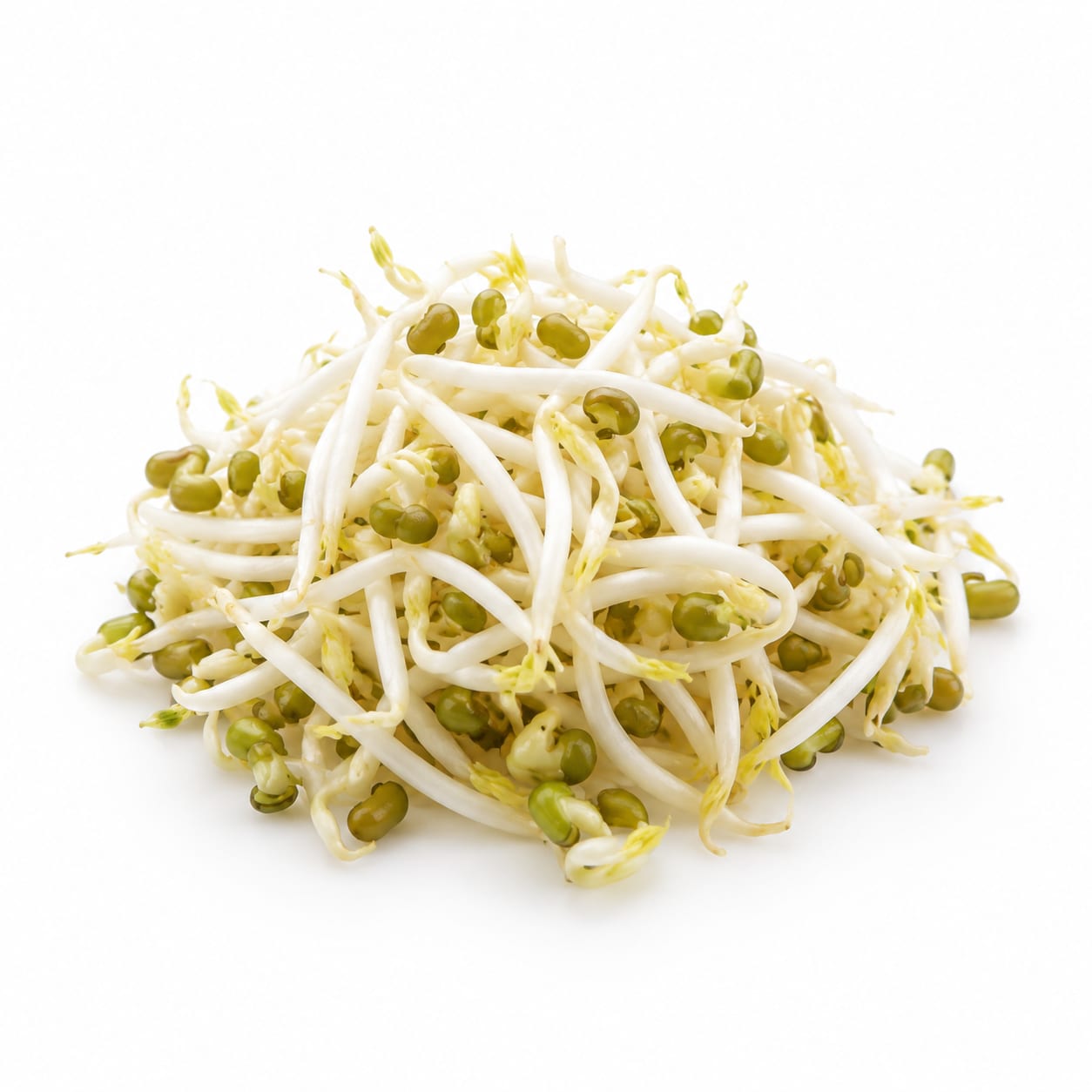
Mung Bean Sprouts
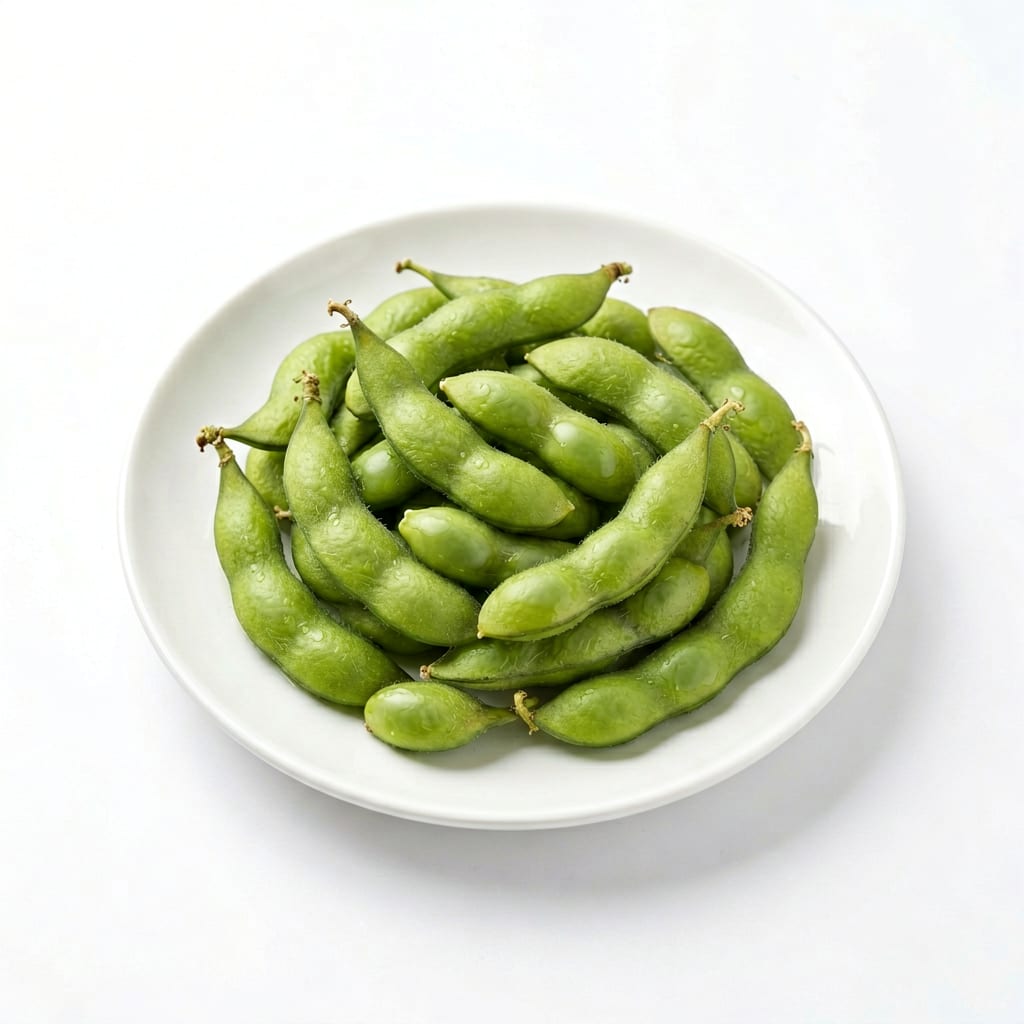
Edamame
Edamame is the more nutritionally powerful choice with far more protein, fiber, and staying power, while mung bean sprouts offer ultra-low calories and crunch but little sustenance.
Edamame scores substantially higher due to its complete protein, superior satiety, and better safety profile. Mung bean sprouts have a real but narrower niche — they excel at low-calorie volume but cannot serve as a meaningful protein source or standalone meal component.
Volume and lightness versus genuine fullness and protein quality — sprouts fill your plate, edamame fills your stomach.
At a glance
Executive summary
Overall
Edamame
Healthier
Edamame
More practical
Edamame
Daily use
Edamame
Key comparison lenses
protein and satiety comparison
Edamame delivers dramatically more protein and keeps you full far longer than mung bean sprouts, which are mostly water
weight loss strategy choice
Users often choose between high-volume low-calorie foods versus protein-rich filling foods when managing weight
food safety concerns with raw sprouts
Raw mung bean sprouts carry a well-documented bacterial contamination risk that many consumers are unaware of
plant based protein quality
Edamame is a complete protein source while mung bean sprouts are not, which matters for vegetarians and vegans
snack versus ingredient usage
Edamame works as a standalone satisfying snack while mung bean sprouts are almost always a secondary ingredient
Best choice for
Mung Bean Sprouts
- Maximizing food volume on very low calories
- Adding crunch and freshness to stir-fries and sandwiches
- Light meals before bed when you want minimal digestive load
- Raw food diet followers wanting legume-based options
Edamame
- A filling high-protein snack that actually satisfies hunger
- Plant-based athletes needing complete protein
- Blood sugar management requiring steady energy release
- Anyone wanting a nutrient-dense food that replaces less healthy snacks
Least suitable for
Mung Bean Sprouts
- People with compromised immune systems due to raw sprout contamination risk
- Anyone seeking a protein-rich meal component
- Those needing sustained energy from a single food
- Pregnant women advised to avoid raw sprouts
Edamame
- People with soy allergies
- Those strictly limiting calorie intake per serving
- Individuals avoiding phytoestrogens for specific medical reasons
Deep comparison
Dimension by dimension
Each lens scores both foods and breaks down who each option suits.
- Dimension 1 · Priority 95Edamame
protein_and_satiety
Mung Bean Sprouts · 20Edamame · 88Edamame has roughly six times more protein per serving and keeps you full for hours; mung bean sprouts barely move the hunger needle.
Tradeoff
You trade the light, airy eating experience of sprouts for genuine staying power with edamame.
Why it matters
Protein is the most satiating macronutrient. A cup of edamame delivers about 17g of complete protein versus roughly 3g in mung bean sprouts.
Real-world impact
Edamame as an afternoon snack prevents the energy crash and cravings that mung bean sprouts simply cannot hold off.
Mung Bean Sprouts
- Meals where you want lightness over fullness
- Dishes where protein comes from other components
Better for
- Anyone relying on it as a protein source will be disappointed and hungry soon after
Worse for
Edamame
- Standalone snacks between meals
- Post-workout recovery eating
- Replacing chips or crackers with something satisfying
Better for
- Heavy meals where you already have ample protein from other foods
Worse for
- Dimension 2 · Priority 85Mung Bean Sprouts
calorie_efficiency_and_volume
Mung Bean Sprouts · 92Edamame · 45Mung bean sprouts give you enormous plate volume for roughly 30 calories per cup, while edamame packs about 188 calories into the same measure.
Tradeoff
Sprouts let you eat a mountain of food for minimal calories, but that mountain disappears from your stomach quickly.
Why it matters
For volume eaters who need visual and physical fullness, sprouts are hard to beat. But without protein or fat, that fullness is fleeting.
Real-world impact
A massive mung bean sprout salad feels indulgent in portion size but leaves you searching for a real snack within an hour.
Mung Bean Sprouts
- Bulking up meals without adding significant calories
- Volume eating strategies for weight loss
- Large portions that feel psychologically satisfying
Better for
- Situations where you need lasting energy from limited stomach space
Worse for
Edamame
- Smaller portions that actually sustain you between meals
- Calorie-dense recovery after intense exercise
Better for
- Strict calorie counting where every calorie needs maximum volume
Worse for
- Dimension 3 · Priority 85Edamame
food_safety
Mung Bean Sprouts · 35Edamame · 85Raw mung bean sprouts are a documented foodborne illness risk, while edamame is always cooked before eating, eliminating most bacterial concerns.
Tradeoff
The raw crunch that makes sprouts appealing is exactly what makes them risky — warm, humid sprouting conditions are ideal for bacterial growth.
Why it matters
The FDA has flagged raw sprouts as a high-risk food repeatedly. Salmonella and E. coli outbreaks linked to sprouts are well-documented.
Real-world impact
Pregnant women, elderly individuals, and anyone with a weakened immune system should avoid raw mung bean sprouts entirely, while edamame remains safe.
Mung Bean Sprouts
- Cooked sprouts reduce risk significantly, though they lose their signature crunch
Better for
- Raw consumption for vulnerable populations
- Improperly stored sprouts kept too long in the fridge
Worse for
Edamame
- Immune-compromised individuals
- Pregnant women
- Anyone concerned about food safety who still wants a plant protein
Better for
- Soy allergy is the primary safety concern, though unrelated to contamination
Worse for
- Dimension 4 · Priority 80Edamame
nutrient_density
Mung Bean Sprouts · 40Edamame · 85Edamame delivers far more nutrients per bite — protein, fiber, healthy fats, folate, vitamin K, and manganese — while sprouts offer some vitamin C but little else in meaningful quantities.
Tradeoff
Sprouts have higher water content and some vitamin C from the sprouting process, but edamame is the clear nutrient heavyweight.
Why it matters
Nutrient density determines how much your food actually gives you beyond empty volume. Edamame is one of the most nutrient-dense plant foods available.
Real-world impact
A cup of edamame covers roughly one-third of your daily protein, a quarter of your fiber, and significant micronutrients. Sprouts cover vitamin C and not much else.
Mung Bean Sprouts
- Vitamin C contribution, especially in raw preparations
- Hydration from high water content
Better for
- Cannot serve as a nutritional anchor in any meal
Worse for
Edamame
- Complete amino acid profile
- Fiber for digestive health and blood sugar stability
- Healthy polyunsaturated fats including omega-3 ALA
- Folate and vitamin K for cellular and bone health
Better for
- Virtually no vitamin C compared to fresh sprouts
Worse for
- Dimension 5 · Priority 78Edamame
blood_sugar_stability
Mung Bean Sprouts · 45Edamame · 82Edamame's protein-fiber-fat combination slows digestion and steadies blood sugar, while sprouts digest quickly with minimal macronutrient buffer.
Tradeoff
Sprouts will not spike blood sugar dramatically, but they also will not protect you from later spikes the way edamame's sustained release does.
Why it matters
Stable blood sugar means fewer cravings, steadier energy, and better metabolic health over time.
Real-world impact
Edamame as a side dish or snack helps prevent the afternoon energy dip. Sprouts alone would leave you reaching for something else within the hour.
Mung Bean Sprouts
- Very low carbohydrate content means minimal immediate glycemic impact
Better for
- Cannot buffer carbohydrates from other foods in the same meal effectively
Worse for
Edamame
- Diabetics needing foods that stabilize glucose over hours
- Preventing post-meal energy crashes
- Sustained energy between meals without snacking
Better for
- Not a concern — edamame is widely recommended for blood sugar management
Worse for
- Dimension 6 · Priority 70Edamame
convenience_and_versatility
Mung Bean Sprouts · 55Edamame · 78Edamame works as a standalone snack straight from the pod, while mung bean sprouts always need other ingredients to become a satisfying dish.
Tradeoff
Sprouts add texture and freshness to dishes but cannot carry a meal. Edamame can be a meal component or a complete snack on its own.
Why it matters
Foods that work independently are easier to incorporate into daily routines without recipe planning.
Real-world impact
Frozen edamame microwaves in minutes and needs nothing else. Sprouts require washing, cooking consideration, and pairing to matter.
Mung Bean Sprouts
- Adding crunch and freshness to stir-fries, sandwiches, and wraps
- Quick garnish that elevates presentation
- No cooking required if used raw in salads
Better for
- Short fridge life — sprouts spoil within days
- Cannot function as a standalone food
Worse for
Edamame
- Grab-and-go snacking with no preparation beyond steaming
- Frozen versions available year-round with long shelf life
- Works in salads, grain bowls, stir-fries, or alone
Better for
- Requires cooking, though minimal
- Shelling can be mildly tedious for some
Worse for
Timeline
Health impact over time
Short-term
Hours to days
Mung Bean Sprouts
- Very light feeling after eating with minimal digestive burden
- Quick hydration from high water content
- Possible stomach discomfort if eaten raw in large quantities due to insoluble fiber
- Risk of foodborne illness if sprouts are contaminated and consumed raw
Edamame
- Noticeable fullness within 20-30 minutes of eating
- Steady energy without the crash that follows carbohydrate-heavy snacks
- Mild digestive adjustment if your body is unaccustomed to high-fiber soy foods
- Soy allergy reactions in sensitive individuals, including hives or digestive distress
Long-term
Months to years
Mung Bean Sprouts
- Minimal caloric contribution supports weight maintenance if used to bulk meals
- Vitamin C from raw sprouts supports immune function over time
- Repeated raw sprout consumption carries cumulative food safety risk
- Unlikely to meaningfully improve protein status or muscle maintenance
Edamame
- Consistent protein intake supports muscle preservation, especially important with aging
- Isoflavones in edamame may support bone density and cardiovascular health
- Regular fiber intake promotes gut health and regularity
- Soy phytoestrogens remain debated but current evidence suggests neutral to beneficial effects for most people
Risk profile
Safety & processing
Both foods are whole, minimally processed plant foods with no artificial additives. Mung bean sprouts are simply germinated beans, and edamame is immature soybeans steamed or boiled. Neither raises ultra-processing concerns.
Mung Bean Sprouts
Bacterial contamination from raw sprouts
highSalmonella and E. coli outbreaks are well-documented with raw sprouts. The warm, humid conditions required for sprouting are ideal for bacterial proliferation. Cooking eliminates this risk but destroys the raw crunch.
Rapid spoilage in refrigeration
mediumSprouts deteriorate quickly and can harbor bacteria as they age. Consuming sprouts past their freshness window increases food safety risk significantly.
Edamame
Soy allergy reactions
highSoy is one of the top eight allergens. Reactions can range from mild digestive discomfort to anaphylaxis in severely allergic individuals.
Phytoestrogen exposure
lowIsoflavones in soy can weakly mimic estrogen. Current research suggests this is not harmful for most people and may be beneficial, but those with hormone-sensitive conditions should consult their doctor.
Who wins for whom
Audience fit
Same foods, different winners depending on your goal.
children
EdamameEdamame is fun to eat from the pod, provides growing bodies with protein and micronutrients, and is cooked for safety. Raw sprouts carry contamination risk that is particularly concerning for children's developing immune systems.
daily consumption
EdamameEdamame provides consistent nutritional value as a daily staple. Sprouts are better used as an occasional ingredient due to food safety concerns with frequent raw consumption and minimal protein contribution.
diabetes
EdamameEdamame's protein-fiber-fat combination slows glucose absorption and provides sustained energy. Sprouts will not spike blood sugar but also will not protect against subsequent spikes from other foods.
elderly
EdamameOlder adults need protein for muscle preservation and have more vulnerable immune systems, making edamame's nutritional density and cooked safety profile the better fit.
muscle gain
EdamameEdamame provides 17g of complete protein per cup, making it a legitimate plant-based muscle-building food. Mung bean sprouts cannot contribute meaningfully to protein targets.
weight loss
It dependsMung bean sprouts win for volume-based calorie restriction where you need to feel like you are eating a lot. Edamame wins for sustainable weight loss where protein and satiety prevent overeating later. Choose based on your eating psychology.
Your move
Decision guide
Choose Mung Bean Sprouts
- You want maximum food volume for minimal calories
- You are adding crunch and freshness to a stir-fry, sandwich, or salad
- You are comfortable cooking sprouts to eliminate contamination risk
- Your protein needs are already met by other foods in your meal
Choose Edamame
- You need a satisfying high-protein snack that prevents overeating later
- You are plant-based and need complete protein sources
- You want a nutrient-dense food that works as a meal component or standalone
- You have food safety concerns about raw sprouts
Either works if
- You want a plant-based addition to a grain bowl or stir-fry
- You are looking for whole-food alternatives to processed snacks
- You want to increase your vegetable and legume variety
Avoid both if
- You have a soy allergy — edamame is unsafe and cross-contamination concerns may apply to sprouts from shared facilities
- You are on a very low-fiber diet for digestive recovery — both foods may be too fibrous
Final recommendation
Make edamame your go-to for protein, satiety, and a safe standalone snack. Use mung bean sprouts as a supporting player for crunch and freshness, ideally cooked to reduce contamination risk. If you can only stock one, edamame delivers far more nutritional value per bite and per dollar.
Practical
Consumer tips
- 1
Steam or stir-fry mung bean sprouts for at least 2-3 minutes to significantly reduce bacterial contamination risk while retaining most texture
- 2
Buy frozen edamame in pods for the best shelf life — it keeps for months and steams in under 5 minutes
- 3
Use mung bean sprouts within 2 days of purchase and discard any that look slimy, dark, or smell off
- 4
Sprinkle edamame with sea salt and eat from the pod as a replacement for chips or popcorn
- 5
Add mung bean sprouts at the very end of stir-fry cooking to preserve their crunch while ensuring food safety
- 6
If you are new to edamame, start with half a cup to assess digestive tolerance before making it a daily staple
- 7
Rinse mung bean sprouts thoroughly under running water before use, even if pre-washed