
Nutrition comparison
Mung Bean Sprouts vs Raw Spinach: Which Is Healthier?
Compare mung bean sprouts and raw spinach on nutrition, oxalates, protein, food safety, and digestibility. Find out which green is better for your specific health goals.
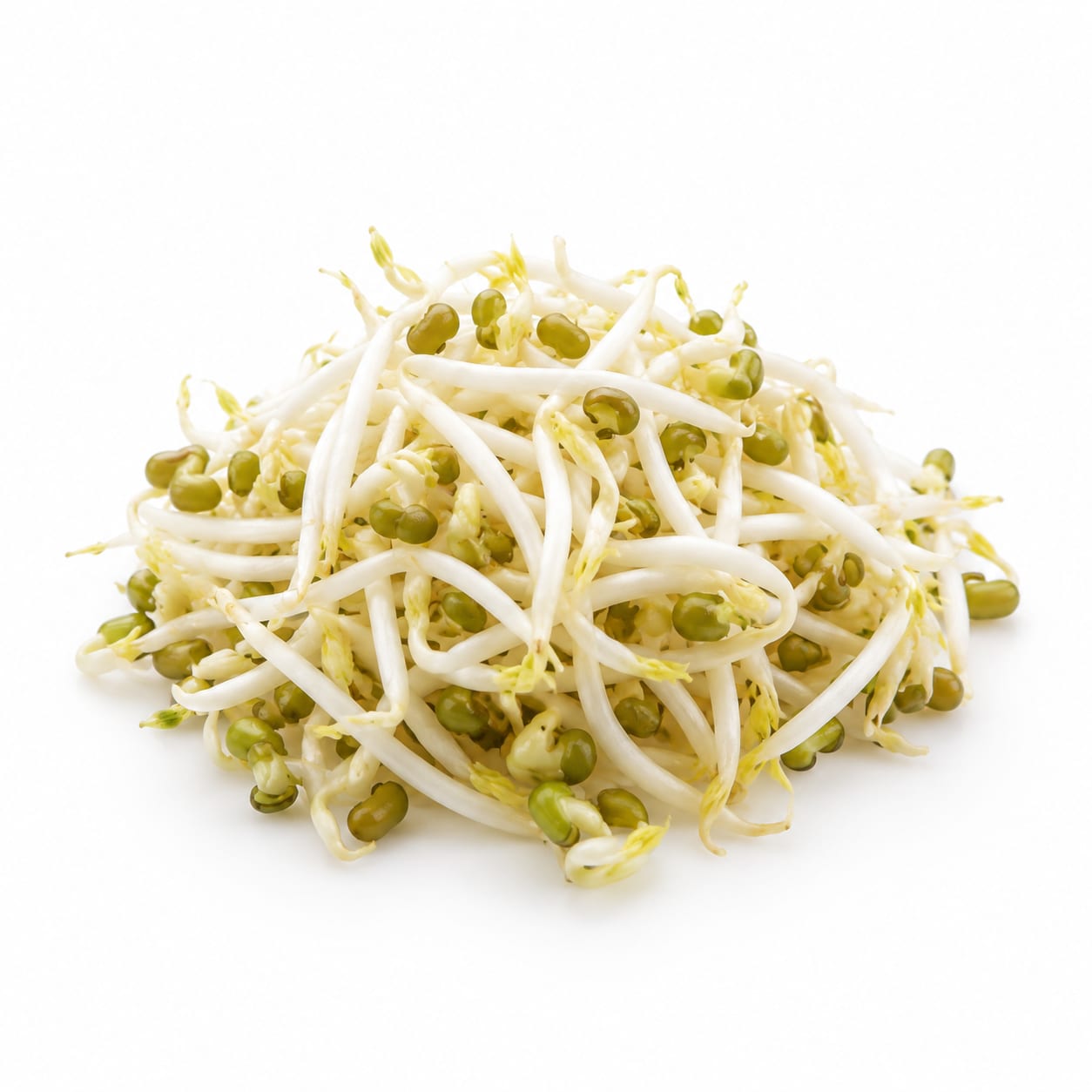
Mung Bean Sprouts
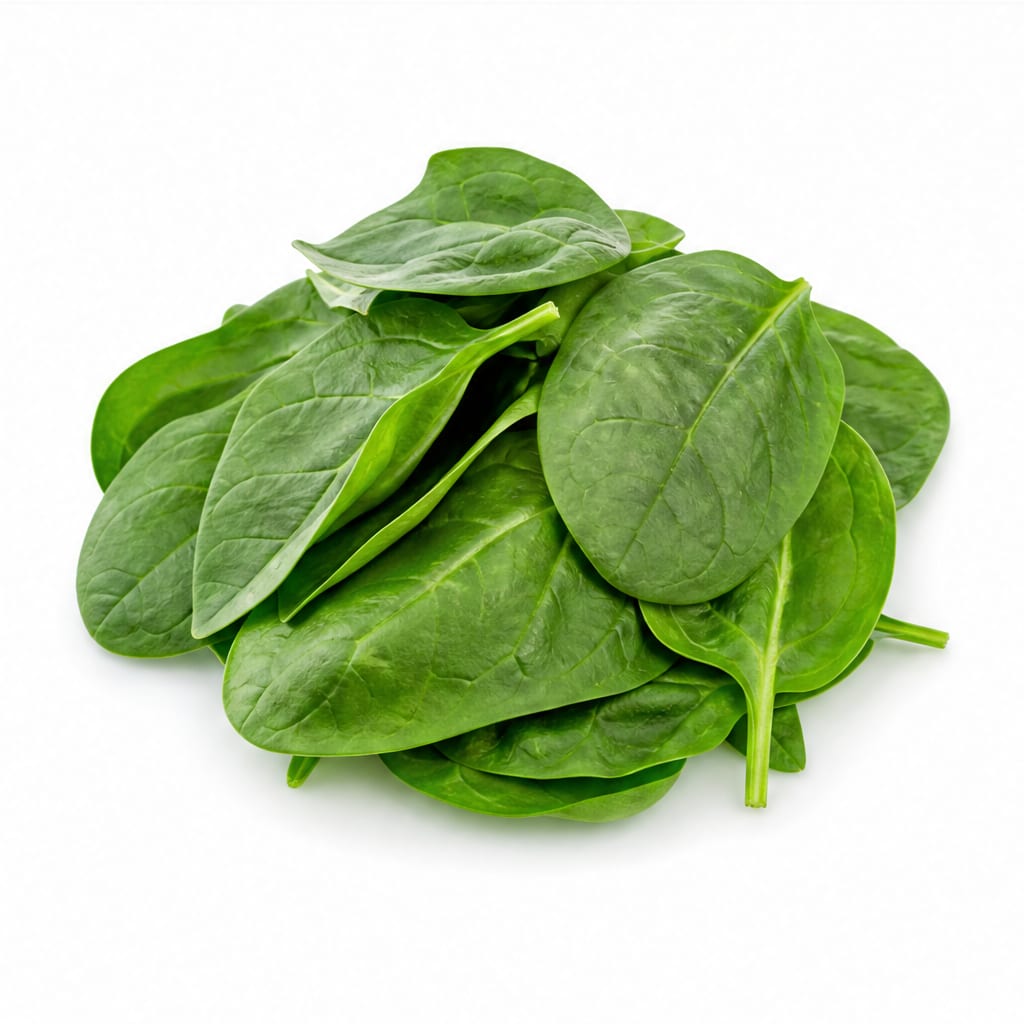
Raw Spinach
Raw Spinach wins on total vitamin density, but Mung Bean Sprouts win on mineral bioavailability and protein. Your choice depends on whether you need absorbable nutrients or sheer vitamin volume.
Raw Spinach scores slightly higher due to its exceptional vitamin density and versatility, but the gap is narrow because Mung Bean Sprouts offer better mineral absorption and more protein. The real deciding factor is whether oxalates are a concern for you personally.
Spinach offers more vitamins but locks away its minerals behind oxalates. Mung Bean Sprouts give you fewer total vitamins but more actually absorbable protein, iron, and minerals per bite.
At a glance
Executive summary
Overall
It depends
Healthier
It depends
More practical
Raw Spinach
Daily use
Raw Spinach
Key comparison lenses
nutrient density and vitamin profile
Spinach is legendary for vitamins K and A; mung bean sprouts offer different strengths like vitamin C and folate. Users want to know which delivers more usable nutrition.
mineral absorption and oxalates
Spinach packs iron and calcium but binds them with oxalates, making much of it unabsorbable. Mung bean sprouts have far fewer oxalates, so their minerals are actually usable.
food safety and contamination risk
Sprouts are one of the most commonly recalled foods for bacterial contamination. Spinach also has recall history but less frequently. Safety is a real daily concern here.
digestive tolerance
Raw spinach's oxalates and rough fiber can irritate sensitive stomachs. Sprouts are generally lighter and easier to tolerate raw.
weight loss and satiety
Both are extremely low calorie, so users wonder which keeps them fuller or supports diet goals better.
Best choice for
Mung Bean Sprouts
- People prone to kidney stones who must avoid oxalates
- Anyone wanting more bioavailable protein from a raw vegetable
- Those seeking vitamin C and folate without oxalate interference
- People with sensitive digestion who find raw spinach harsh
Raw Spinach
- People needing massive vitamin K for bone or blood health
- Anyone wanting the most nutrient-dense leafy green per calorie
- Those who cook their greens (cooking reduces oxalates significantly)
- People seeking lutein and zeaxanthin for eye health
Least suitable for
Mung Bean Sprouts
- Immunocompromised individuals due to bacterial contamination risk
- Pregnant women advised to avoid raw sprouts
- People who want a versatile cooking green
Raw Spinach
- People with a history of calcium oxalate kidney stones
- Those with iron-deficiency anemia relying on plant iron (oxalates block absorption)
- People who find raw spinach causes bloating or stomach upset
Deep comparison
Dimension by dimension
Each lens scores both foods and breaks down who each option suits.
- Dimension 1 · Priority 92Raw Spinach
Vitamin Density and Diversity
Mung Bean Sprouts · 65Raw Spinach · 93Raw Spinach is a vitamin powerhouse, especially for vitamins K, A, and folate. Mung Bean Sprouts provide solid vitamin C and folate but cannot match spinach's breadth.
Tradeoff
You get more total vitamins from spinach, but some are fat-soluble and need dietary fat alongside them for absorption. Sprouts' vitamin C is water-soluble and immediately usable.
Why it matters
If you eat spinach without any oil or fat, you absorb far less of its vitamins A and K than you'd expect from the label.
Real-world impact
A spinach salad with olive oil dressing delivers dramatically more usable vitamins than a dry spinach salad. Mung bean sprouts in a stir-fry give you straightforward vitamin C regardless of added fat.
Mung Bean Sprouts
- Vitamin C intake without needing fat for absorption
- Folate in a more bioavailable form
Better for
- Very low vitamin K compared to spinach
- Minimal beta-carotene or eye-protective carotenoids
Worse for
Raw Spinach
- Vitamin K needs (one cup covers over 100% daily value)
- Beta-carotene and vitamin A for skin and immune health
- Lutein and zeaxanthin for long-term eye health
Better for
- Fat-soluble vitamins require dietary fat for absorption
- Vitamin C content is modest compared to sprouts
Worse for
- Dimension 2 · Priority 90Mung Bean Sprouts
Mineral Bioavailability
Mung Bean Sprouts · 82Raw Spinach · 45Spinach contains more iron and calcium on paper, but its high oxalate content binds these minerals and blocks absorption. Mung Bean Sprouts have lower total minerals but you actually absorb what is there.
Tradeoff
Eating spinach for iron is surprisingly ineffective despite its iron content. You absorb more iron from a smaller serving of sprouts because oxalates are not in the way.
Why it matters
People with anemia who load up on spinach may see little improvement because oxalates can block up to 90% of iron absorption.
Real-world impact
If your doctor said to eat more iron-rich greens, sprouts will actually raise your iron levels more reliably than raw spinach.
Mung Bean Sprouts
- Iron that your body can actually absorb
- Calcium and magnesium without oxalate interference
- Zinc availability for immune function
Better for
- Lower total iron and calcium content compared to spinach
Worse for
Raw Spinach
- Higher total mineral content on nutrition labels (though poorly absorbed)
- Potassium for blood pressure regulation
Better for
- Oxalates bind iron, calcium, and magnesium making them largely unavailable
- Can contribute to kidney stone formation in susceptible people
Worse for
- Dimension 3 · Priority 78Mung Bean Sprouts
Protein and Satiety
Mung Bean Sprouts · 74Raw Spinach · 58Mung Bean Sprouts provide roughly 3g of protein per 100g compared to spinach's 2.9g, but the protein quality from sprouted legumes is more complete and satisfying.
Tradeoff
Neither food is a protein powerhouse, but sprouts edge ahead because legume-based protein includes more essential amino acids than leafy green protein.
Why it matters
When building a light meal or snack, the slightly better protein profile in sprouts helps you feel satisfied a bit longer.
Real-world impact
A mung bean sprout salad will keep you slightly fuller for slightly longer than a raw spinach salad of the same volume.
Mung Bean Sprouts
- More complete amino acid profile from sprouted legumes
- Slightly better satiety per calorie
- Easier to eat in larger volumes due to lighter texture
Better for
- Still a low-protein food overall, not a protein source
Worse for
Raw Spinach
- Thylakoid membranes in spinach may help reduce appetite hormones over time
Better for
- Protein is less complete and harder to eat in large raw quantities
Worse for
- Dimension 4 · Priority 88Raw Spinach
Food Safety and Contamination Risk
Mung Bean Sprouts · 40Raw Spinach · 72Mung Bean Sprouts are grown in warm, humid conditions ideal for bacteria, making them one of the riskiest raw foods. Spinach has had notable outbreaks but is generally safer.
Tradeoff
Sprouts offer great nutrition raw but carry a real foodborne illness risk that spinach does not match. Cooking sprouts eliminates most risk but destroys some vitamin C.
Why it matters
The FDA explicitly warns vulnerable populations against raw sprouts. This is not theoretical — salmonella and E. coli outbreaks from sprouts happen regularly.
Real-world impact
If you are pregnant, elderly, or immunocompromised, raw sprouts are genuinely risky. Spinach is the safer raw choice, and even safer when washed thoroughly.
Mung Bean Sprouts
- Quick blanching or cooking eliminates most contamination risk while retaining protein and minerals
Better for
- High risk of salmonella and E. coli contamination
- Warm humid sprouting conditions are bacterial breeding grounds
- Multiple FDA recalls and outbreaks on record
- Not recommended raw for pregnant or immunocompromised people
Worse for
Raw Spinach
- Lower baseline risk of bacterial contamination
- More established washing and pre-packaging safety standards
- Safer for vulnerable populations including pregnant women
Better for
- Has had notable E. coli outbreaks in pre-washed bagged form
- Contamination can persist in creases of leaves even after washing
Worse for
- Dimension 5 · Priority 78Mung Bean Sprouts
Digestive Tolerance
Mung Bean Sprouts · 80Raw Spinach · 55Mung Bean Sprouts are light and easy on most stomachs. Raw spinach can cause bloating and discomfort due to oxalates and insoluble fiber, especially in large amounts.
Tradeoff
Sprouts are gentler raw, but some people experience gas from the oligosaccharides in legume sprouts. Spinach is fine in small amounts but rough in big raw salads for sensitive guts.
Why it matters
If you have IBS or a sensitive stomach, a large raw spinach salad can leave you bloated and uncomfortable. Sprouts are usually better tolerated raw.
Real-world impact
That giant raw spinach salad at lunch might cause afternoon bloating. A sprout-heavy salad is less likely to cause that heavy, gassy feeling.
Mung Bean Sprouts
- Lighter texture easier on sensitive digestion
- Lower oxalate load reduces gut irritation
- Enzymes from sprouting may aid digestion
Better for
- Legume oligosaccharides can cause gas in some people
- Raw sprouts may be hard to break down for those with severe digestive issues
Worse for
Raw Spinach
- Higher fiber content supports healthy gut bacteria long-term when tolerated
- Thylakoids may slow fat digestion in a beneficial way for some
Better for
- High oxalates irritate the gut lining in sensitive individuals
- Large raw portions commonly cause bloating and cramping
- Insoluble fiber can be rough on inflamed digestive tracts
Worse for
- Dimension 6 · Priority 70Raw Spinach
Versatility and Convenience
Mung Bean Sprouts · 60Raw Spinach · 85Spinach works in salads, smoothies, soups, stir-fries, omelets, and pasta. Mung Bean Sprouts are mostly limited to Asian dishes, salads, and sandwiches.
Tradeoff
Spinach shrinks down when cooked, making it easy to add massive nutrition to hot dishes. Sprouts are best raw or lightly cooked and have a narrower culinary role.
Why it matters
If you want one green to buy and use all week across different meals, spinach is far more flexible. Sprouts are more of a specialty ingredient.
Real-world impact
You can throw spinach into a morning smoothie, lunch salad, and dinner pasta. Sprouts really shine in stir-fries and sandwiches but feel out of place elsewhere.
Mung Bean Sprouts
- Excellent crunch and freshness in sandwiches and wraps
- Quick addition to stir-fries at the very end
- No prep needed beyond rinsing
Better for
- Limited to mostly Asian-inspired or raw applications
- Wilt quickly and do not store well past 2-3 days
- Cannot be blended into smoothies without odd texture
Worse for
Raw Spinach
- Works raw, sautéed, steamed, blended, or baked into dishes
- Cooks down dramatically so you can eat large volumes easily
- Available pre-washed in bags for instant use
- Mild flavor that disappears into smoothies and sauces
Better for
- Shrinks to almost nothing when cooked, which can feel unsatisfying
- Raw spinach in smoothies can have a gritty texture if not blended well
Worse for
- Dimension 7 · Priority 75Raw Spinach
Antioxidant and Anti-inflammatory Profile
Mung Bean Sprouts · 62Raw Spinach · 84Spinach delivers lutein, zeaxanthin, quercetin, and kaempferol — a broad anti-inflammatory arsenal. Sprouts offer some antioxidants but lack the carotenoid depth of spinach.
Tradeoff
Spinach's antioxidants are particularly protective for eyes and brain. Sprouts have antioxidants from the sprouting process but in less studied and less diverse forms.
Why it matters
Long-term, the lutein and zeaxanthin in spinach are strongly linked to lower risk of macular degeneration. This is a concrete health benefit sprouts cannot replicate.
Real-world impact
Eating spinach regularly over years meaningfully protects your vision. Sprouts are healthy but do not have the same evidence base for specific long-term disease prevention.
Mung Bean Sprouts
- Sprouting process generates unique antioxidant compounds
- Vitamin C acts as a direct antioxidant in the body
Better for
- Less studied antioxidant profile
- No significant carotenoid content for eye health
Worse for
Raw Spinach
- Lutein and zeaxanthin for eye health with strong clinical evidence
- Quercetin and kaempferol for anti-inflammatory benefits
- Chlorophyll and thylakoids with emerging metabolic benefits
Better for
- Some antioxidants are less available raw due to oxalate binding
- Cooking improves antioxidant access but reduces vitamin C
Worse for
Timeline
Health impact over time
Short-term
Hours to days
Mung Bean Sprouts
- Light, refreshing crunch that feels energizing rather than heavy
- Vitamin C supports immediate immune function
- Easy to eat in volume without feeling stuffed or bloated
- Risk of foodborne illness if sprouts are contaminated
Raw Spinach
- Quick boost of vitamins K and A with fat-soluble absorption if eaten with oil
- Can cause bloating or stomach discomfort in large raw servings
- Immediate hydration from high water content
- Oxalates may cause tingling or rough feeling on teeth (oxalate crystals)
Long-term
Months to years
Mung Bean Sprouts
- Consistent folate intake supports cell repair and DNA health
- Low oxalate load protects kidney health over decades
- Moderate protein from sprouted legumes supports muscle maintenance
- Repeated raw consumption carries cumulative food safety risk
Raw Spinach
- Lutein and zeaxanthin significantly reduce macular degeneration risk
- Vitamin K supports bone density and cardiovascular health long-term
- Chronic high oxalate intake increases kidney stone risk in susceptible people
- Folate and iron support healthy blood, though iron absorption is limited by oxalates
Risk profile
Safety & processing
Both foods are whole, unprocessed, and free of additives. Mung Bean Sprouts are simply sprouted from whole mung beans with water. Raw Spinach is harvested and sold as-is, sometimes pre-washed in bags. Neither raises processing concerns.
Mung Bean Sprouts
Salmonella and E. coli contamination
highSprouting environments are warm and humid, creating ideal bacterial growth conditions. Multiple outbreaks have been traced to mung bean sprouts. Cooking eliminates this risk.
Short shelf life and spoilage
mediumSprouts degrade quickly and can grow mold or bacteria within 2-3 days of purchase. Slimy or musty-smelling sprouts should always be discarded.
Raw Spinach
E. coli contamination in pre-washed bagged spinach
mediumNotable outbreaks have occurred, particularly with pre-washed bagged spinach. Washing again at home reduces but does not eliminate risk.
Pesticide residue on conventional spinach
mediumSpinach frequently appears on the Environmental Working Group's Dirty Dozen list for pesticide residues. Organic spinach significantly reduces this concern.
Oxalate accumulation contributing to kidney stones
mediumRegular consumption of large amounts of raw spinach can contribute to calcium oxalate kidney stone formation in predisposed individuals.
Who wins for whom
Audience fit
Same foods, different winners depending on your goal.
children
Raw SpinachRaw sprouts carry a food safety risk that is particularly concerning for children's developing immune systems. Spinach, especially cooked, is safer and easier to blend into kid-friendly meals.
daily consumption
Raw SpinachSpinach is more versatile, stores better, has fewer safety concerns, and delivers a wider nutrient range. It integrates more easily into daily meals across breakfast, lunch, and dinner.
diabetes
Raw SpinachSpinach's thylakoids have been shown to help regulate blood sugar and reduce cravings. Its higher fiber content also supports steadier glucose levels. Both are excellent low-glycemic choices.
elderly
Raw SpinachOlder adults benefit enormously from spinach's vitamin K for bone health and lutein for eye health. The food safety risk of raw sprouts is also more dangerous for elderly immune systems.
muscle gain
Mung Bean SproutsMung Bean Sprouts provide slightly more bioavailable protein with a more complete amino acid profile from their legume origin. Neither is a significant protein source, but sprouts edge ahead.
weight loss
Raw SpinachBoth are extremely low calorie, but spinach is more versatile and can be eaten in larger cooked volumes, making it easier to fill up on fewer calories across more meal types.
Your move
Decision guide
Choose Mung Bean Sprouts
- You have a history of kidney stones and need to avoid oxalates
- You want more absorbable iron and protein from a raw vegetable
- You primarily eat Asian-inspired dishes where sprouts fit naturally
- You find raw spinach causes bloating or digestive discomfort
- You can source sprouts from a trusted supplier and consume them fresh
Choose Raw Spinach
- You want the most nutrient-dense green per calorie
- You cook your greens regularly (cooking reduces oxalates by 40-90%)
- You want eye-health benefits from lutein and zeaxanthin
- You need vitamin K for bone or blood health
- You want one versatile green for smoothies, salads, and hot dishes
- You are pregnant, elderly, or immunocompromised and need safer raw options
Either works if
- You want a low-calorie crunchy addition to a meal
- You are building a diverse salad with multiple vegetables
- You are generally healthy and eat a varied diet already
Avoid both if
- You are on a vitamin K-restricted diet due to blood thinners like warfarin
- You have severe oxalate sensitivity (spinach is high, and even sprouts have some)
- You cannot reliably source fresh produce and food safety is a concern
Final recommendation
Eat both, but lean toward spinach as your daily green and use mung bean sprouts as a crunchy accent. Cook spinach to slash oxalates and unlock its minerals. Lightly blanch sprouts to eliminate contamination risk while preserving most nutrients. If kidney stones are a personal concern, skip raw spinach entirely and enjoy sprouts as your primary raw green.
Practical
Consumer tips
- 1
Blanch mung bean sprouts for 30 seconds in boiling water to kill bacteria while keeping crunch and most vitamin C
- 2
Always cook spinach if you want to absorb its iron and calcium — steaming reduces oxalates by up to 90%
- 3
Pair spinach with a fat source like olive oil, nuts, or avocado to absorb its fat-soluble vitamins K and A
- 4
Buy organic spinach when possible — it consistently ranks high for pesticide residue on conventional produce
- 5
Use sprouts within 2 days of purchase and discard any that look slimy or smell musty
- 6
Add lemon juice to spinach dishes — vitamin C helps convert plant iron to a more absorbable form
- 7
Keep sprouts refrigerated and never eat them past their use-by date, even if they look fine
- 8
If you have kidney stones, boil spinach and discard the water to remove oxalates before eating