
Nutrition comparison
Mung Bean Sprouts vs Green Beans: Nutrition, Safety, and Which to Eat Daily
Compare Mung Bean Sprouts and Green Beans on fiber, food safety, calories, and daily usability. Learn which vegetable fits your health goals and when each one shines.
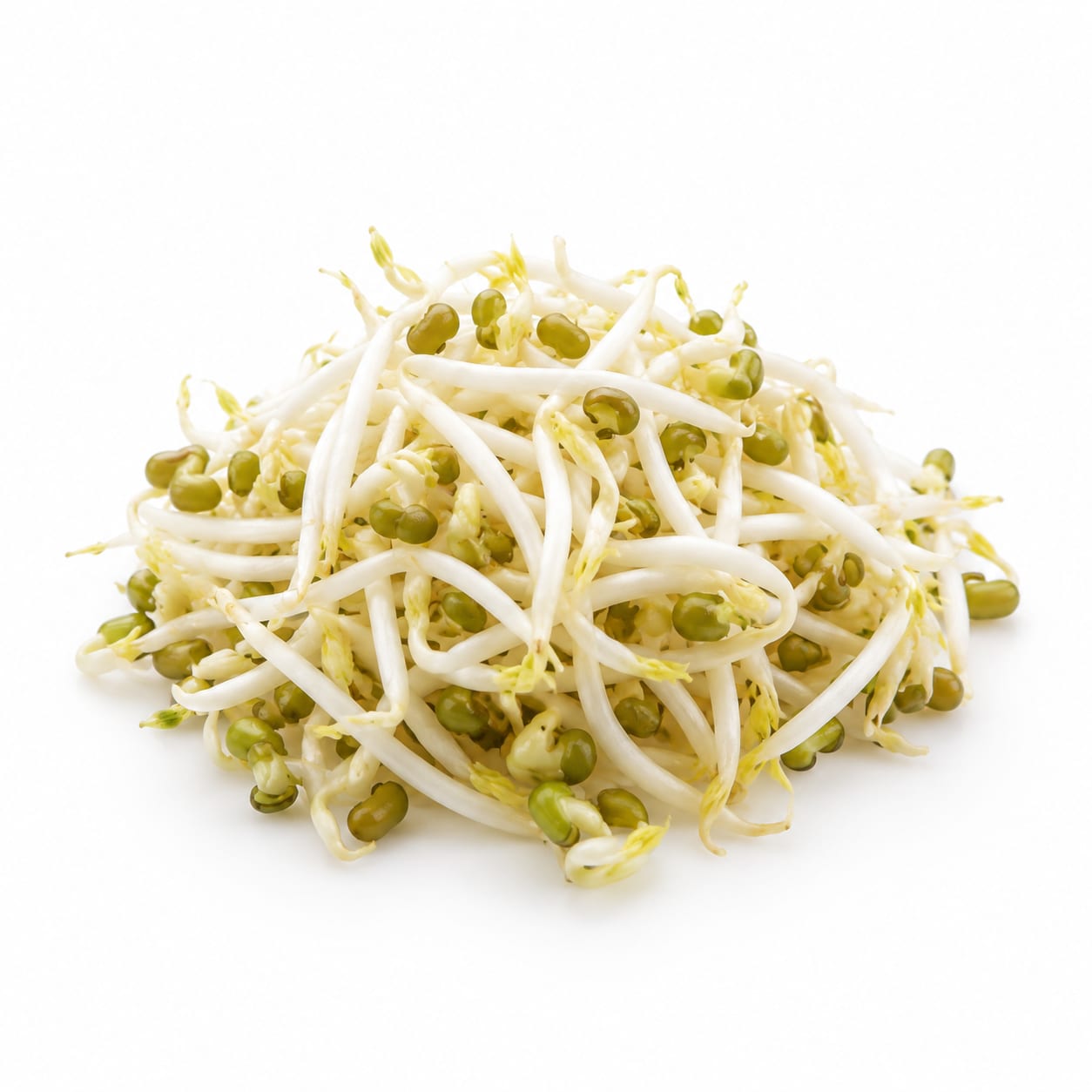
Mung Bean Sprouts
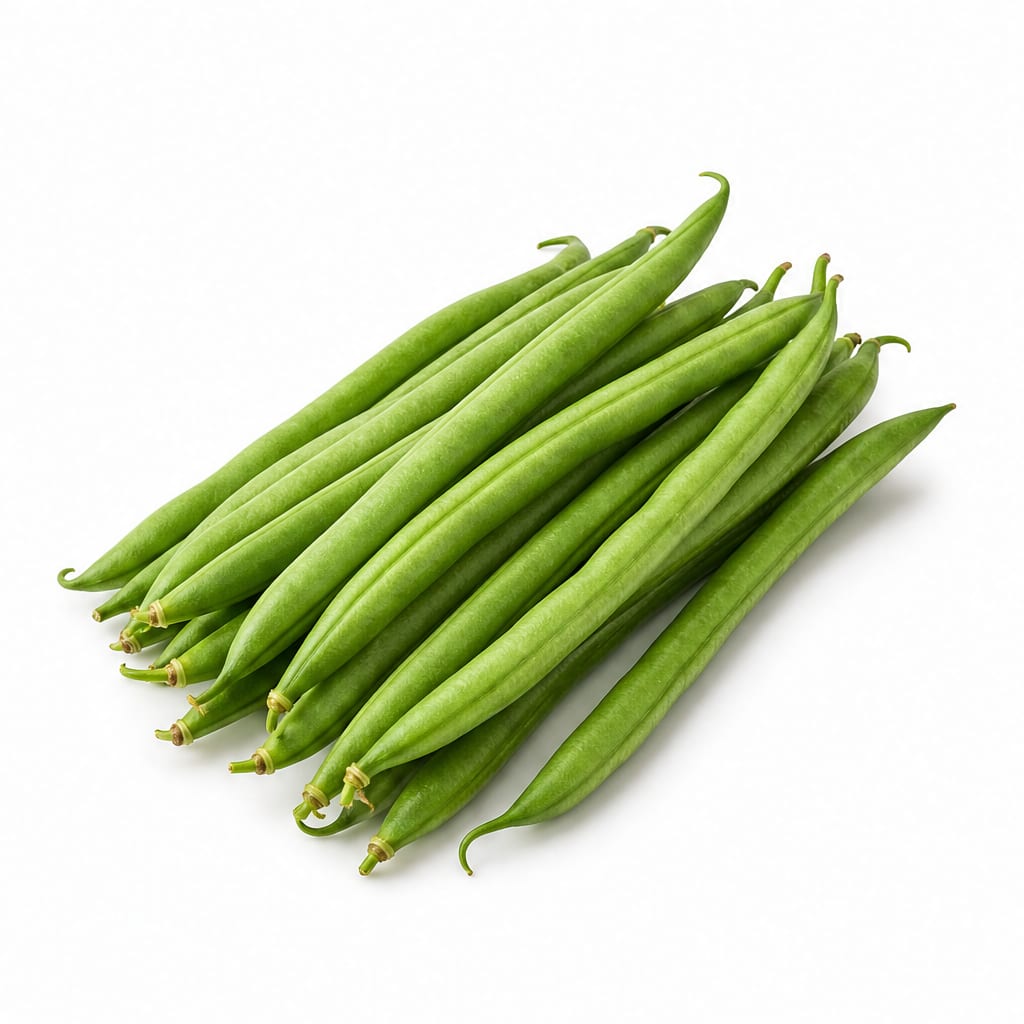
Green Beans
Green Beans win on safety, fiber, and everyday reliability. Mung Bean Sprouts offer lighter crunch and more vitamin C but carry real food safety tradeoffs.
Green Beans score higher primarily due to superior fiber content, lower food safety risk, and greater everyday versatility. Mung Bean Sprouts remain valuable for specific culinary uses and vitamin C but lose ground on safety and satiety.
Mung Bean Sprouts give you a refreshing raw crunch with higher vitamin C, but Green Beans deliver steadier fiber, safer eating, and broader meal compatibility.
At a glance
Executive summary
Overall
It depends
Healthier
Green Beans
More practical
Green Beans
Daily use
Green Beans
Key comparison lenses
raw food safety vs cooked vegetable reliability
Mung Bean Sprouts carry significant foodborne illness risk when consumed raw, while Green Beans are almost always cooked, eliminating most pathogen concerns
calorie efficiency and weight management
Both are extremely low-calorie vegetables, but users often choose between them when prioritizing volume eating or meal lightness
digestive tolerance and gut comfort
Sprouts can cause bloating in sensitive individuals, while Green Beans are generally easier on digestion when cooked
nutrient density per calorie
Users comparing sprouted vs mature legume forms want to know which delivers more nutrition per bite
meal versatility and cuisine fit
Mung Bean Sprouts lean Asian stir-fry, while Green Beans span Mediterranean, American, and global dishes
Best choice for
Mung Bean Sprouts
- Raw crunch cravings without heavy calories
- Asian stir-fry and pho recipes
- Quick vitamin C boost from a vegetable source
- Light meal additions where you want volume without fullness
Green Beans
- Reliable daily vegetable with strong fiber
- Family meals where food safety matters most
- Blood sugar management and steady digestion
- Side dishes that pair with virtually any cuisine
Least suitable for
Mung Bean Sprouts
- Pregnant women and immunocompromised individuals
- Meal prep scenarios requiring days of storage
- People prone to bloating from raw cruciferous-style vegetables
- Anyone seeking substantial fiber intake
Green Beans
- Raw salad applications
- Very low-fiber diets prescribed by doctors
- Cuisines where their flavor profile feels out of place
Deep comparison
Dimension by dimension
Each lens scores both foods and breaks down who each option suits.
- Dimension 1 · Priority 95Green Beans
Food Safety and Contamination Risk
Mung Bean Sprouts · 45Green Beans · 90Mung Bean Sprouts are a well-documented vector for Salmonella and E. coli outbreaks due to warm, humid sprouting conditions. Green Beans, almost always cooked, pose minimal risk.
Tradeoff
That raw crunch from sprouts comes with a real pathogen gamble. Cooking eliminates most risk but defeats the purpose for many recipes.
Why it matters
The FDA has issued multiple warnings about sprout consumption. For vulnerable populations, this alone makes Green Beans the clear choice.
Real-world impact
A healthy adult might brush off the risk, but serving raw sprouts to elderly parents or pregnant partners is genuinely concerning.
Mung Bean Sprouts
- Quick blanching reduces risk while preserving some crunch
Better for
- Raw consumption carries documented outbreak history
Worse for
Green Beans
- Cooking is standard practice, so safety is built into how people use them
Better for
- Minimal concern when cooked properly
Worse for
- Dimension 2 · Priority 88Green Beans
Fiber and Satiety
Mung Bean Sprouts · 50Green Beans · 82Green Beans deliver roughly 2.5x more fiber per serving. Mung Bean Sprouts are mostly water, leaving you hungry sooner.
Tradeoff
Sprouts fill your plate visually but not your stomach. Green Beans actually keep you satisfied between meals.
Why it matters
If you are eating vegetables partly to manage hunger and stabilize blood sugar, fiber content directly determines whether that strategy works.
Real-world impact
A cup of Green Beans with dinner helps prevent the 9pm snack raid. A cup of sprouts barely registers.
Mung Bean Sprouts
- Useful when you want to eat something without feeling full
Better for
- Low fiber means minimal satiety contribution
Worse for
Green Beans
- Meaningful fiber contribution toward daily targets
- Steadier digestion and less blood sugar spiking
Better for
- Slightly more filling than some people want in light summer meals
Worse for
- Dimension 3 · Priority 78Mung Bean Sprouts
Micronutrient Profile
Mung Bean Sprouts · 80Green Beans · 72Mung Bean Sprouts offer notably more vitamin C and folate per calorie. Green Beans provide more vitamin A and comparable vitamin K.
Tradeoff
Sprouting amplifies certain vitamins, especially vitamin C, but the mature Green Bean retains more carotenoids and overall mineral density.
Why it matters
If you are counting calories strictly and want maximum vitamin C per bite, sprouts deliver. For broader nutrient coverage, Green Beans are more balanced.
Real-world impact
Adding sprouts to a salad gives a meaningful vitamin C bump that helps absorb iron from other foods.
Mung Bean Sprouts
- Higher vitamin C per calorie supports immune function and iron absorption
- Folate content benefits prenatal nutrition when safety concerns are managed
Better for
- Lower total mineral content due to high water fraction
Worse for
Green Beans
- Vitamin A precursors support eye health more effectively
- More balanced overall mineral profile including manganese and potassium
Better for
- Vitamin C content drops with longer cooking times
Worse for
- Dimension 4 · Priority 75Green Beans
Digestive Tolerance
Mung Bean Sprouts · 55Green Beans · 80Raw sprouts can trigger gas and bloating in sensitive digestive systems. Cooked Green Beans are gentler and more predictable.
Tradeoff
The enzymatic activity in sprouts that makes them nutritionally interesting also makes them harder for some people to digest comfortably.
Why it matters
If you have IBS or frequent bloating, raw sprouts may worsen symptoms. Cooked Green Beans are typically well-tolerated.
Real-world impact
That light sprout salad at lunch might leave you uncomfortably gassy by midafternoon. Green Beans rarely cause that problem.
Mung Bean Sprouts
- Some people find sprouted legumes easier to digest than mature beans
Better for
- Raw consumption increases bloating likelihood
- Unpredictable tolerance varies widely between individuals
Worse for
Green Beans
- Cooking breaks down gas-producing compounds
- More predictable digestive experience
Better for
- Rarely causes digestive issues for anyone
Worse for
- Dimension 5 · Priority 70Green Beans
Culinary Versatility
Mung Bean Sprouts · 60Green Beans · 85Green Beans work in steamed, roasted, sautéed, casseroled, and grilled preparations across dozens of cuisines. Mung Bean Sprouts shine in Asian dishes but have a narrower range.
Tradeoff
Sprouts bring a unique texture nothing else replicates, but only within specific dishes. Green Beans adapt to almost any meal.
Why it matters
A vegetable you can cook 15 ways gets eaten more often than one you can cook 3 ways. Versibility drives actual consumption.
Real-world impact
Green Beans can be a Tuesday roast side, a Wednesday stir-fry addition, and a Thursday salad topper. Sprouts mostly live in stir-fries and sandwiches.
Mung Bean Sprouts
- Irreplaceable crunch in banh mi, pho, and pad thai
- No-cook addition to wraps and sandwiches
Better for
- Limited to mostly Asian and raw applications
- Wilts quickly, losing its primary textural appeal
Worse for
Green Beans
- Works across Mediterranean, American, Asian, and African cuisines
- Multiple cooking methods yield different flavor profiles
Better for
- Cannot replicate the fresh raw crunch sprouts provide
Worse for
- Dimension 6 · Priority 65Mung Bean Sprouts
Calorie Efficiency
Mung Bean Sprouts · 88Green Beans · 80Both are extremely low-calorie, but Mung Bean Sprouts edge ahead with roughly 30 calories per cup versus 44 for Green Beans, with higher water content creating more visual volume.
Tradeoff
Fewer calories per cup sounds great, but the near-zero fiber means you absorb that calorie advantage without feeling fed.
Why it matters
For volume eaters who want maximum plate coverage for minimum calories, sprouts create visual abundance. For actual hunger management, Green Beans work better despite slightly more calories.
Real-world impact
A massive sprout salad feels like a lot of food but leaves you hungry in an hour. A smaller Green Bean portion actually sustains you.
Mung Bean Sprouts
- Maximum visual volume per calorie for plate-filling strategies
- Lower absolute calorie count per serving
Better for
- Low calorie density without matching fullness is a trap for overeating later
Worse for
Green Beans
- Better calorie-to-satiety ratio due to fiber
- More nutritionally meaningful per calorie consumed
Better for
- Slightly higher calorie count, though still very low
Worse for
Timeline
Health impact over time
Short-term
Hours to days
Mung Bean Sprouts
- Quick hydration from high water content
- Vitamin C availability supports immediate immune function
- Potential bloating or gas within hours of consumption
- Risk of foodborne illness if consumed raw and contaminated
Green Beans
- Comfortable fullness after meals due to fiber
- Steadier blood sugar response compared to lower-fiber vegetables
- Gentle digestive transit without gas spikes
- Minimal safety concerns when cooked
Long-term
Months to years
Mung Bean Sprouts
- Consistent vitamin C intake supports skin and immune health over time
- Regular raw sprout consumption maintains a small but real foodborne illness risk
- Low fiber contribution means less long-term gut microbiome support
- Enzymatic compounds may aid nutrient absorption from other foods
Green Beans
- Sustained fiber intake promotes cardiovascular and digestive health
- Carotenoid accumulation supports long-term eye health
- Reliable daily vegetable that builds consistent healthy eating patterns
- Low risk profile makes long-term daily consumption safe
Risk profile
Safety & processing
Both are whole, natural vegetables with minimal processing. Mung Bean Sprouts are simply germinated seeds, and Green Beans are harvested mature pods. Neither typically contains additives unless canned or frozen with sauces.
Mung Bean Sprouts
Salmonella contamination
highWarm, humid sprouting conditions are ideal for Salmonella growth. Multiple outbreaks have been traced to sprouts, making them a top concern for food safety agencies worldwide.
E. coli contamination
highSimilar to Salmonella, E. coli can thrive during sprouting. The bacteria can internalize within the sprout, making surface washing insufficient to eliminate risk.
Rapid spoilage
mediumHigh moisture content makes sprouts spoil quickly in the refrigerator, typically within 2-3 days. Slimy texture or off-smell indicates bacterial overgrowth.
Green Beans
Pesticide residue
lowGreen Beans appear on the EWG's Dirty Dozen list some years, but washing and cooking significantly reduce residue. Organic options are widely available.
Lectin content when undercooked
lowRaw Green Beans contain lectins that can cause nausea, but standard cooking eliminates this concern entirely. Most people cook Green Beans thoroughly.
Who wins for whom
Audience fit
Same foods, different winners depending on your goal.
children
Green BeansFood safety alone makes Green Beans the clear choice for kids. Children's developing immune systems are more vulnerable to foodborne pathogens from raw sprouts.
daily consumption
Green BeansGreen Beans are safer, more versatile, and more nutritionally substantive for everyday eating. Mung Bean Sprouts work better as an occasional addition than a daily staple.
diabetes
Green BeansHigher fiber in Green Beans slows glucose absorption more effectively. The steady digestion they provide helps prevent blood sugar spikes better than the low-fiber sprouts.
elderly
Green BeansOlder adults face higher risk from foodborne illness and benefit more from fiber for digestive regularity. Green Beans deliver both safety and gut health.
muscle gain
It dependsNeither is a significant protein source. Both serve as low-calorie vegetable sides alongside protein-rich foods. Choose based on meal context and personal preference.
weight loss
Green BeansGreen Beans provide more fiber per calorie, which controls hunger better and reduces the likelihood of overeating later. Sprouts offer fewer calories but almost no satiety.
Your move
Decision guide
Choose Mung Bean Sprouts
- You are making Asian stir-fries, pho, or spring rolls where their crunch is irreplaceable
- You want maximum vitamin C from a low-calorie vegetable source
- You are a healthy adult comfortable with the food safety tradeoffs of raw sprouts
- You need visual volume on your plate without adding substantive calories
Choose Green Beans
- You want a reliable daily vegetable with real fiber benefits
- You are cooking for children, elderly family, or anyone immunocompromised
- You value food safety and want peace of mind with your vegetables
- You need one vegetable that works across many different meals and cuisines
- You are managing blood sugar or digestive issues
Either works if
- You simply want a low-calorie vegetable side and have no specific health concerns
- You are building a varied vegetable rotation and want both in your repertoire
Avoid both if
- You need a substantial protein source, as neither delivers meaningful protein
- You are looking for a high-calorie energy-dense food for weight gain
Final recommendation
Keep Green Beans as your everyday vegetable and treat Mung Bean Sprouts as a specialty ingredient. When you use sprouts, blanch them briefly to reduce safety risks while preserving most of their crunch. Green Beans earn their place through fiber, safety, and versatility. Sprouts earn theirs through unique texture and vitamin C. Both deserve a spot in your kitchen, but Green Beans should get far more plate time.
Practical
Consumer tips
- 1
Blanch Mung Bean Sprouts for 30 seconds in boiling water to kill surface bacteria while retaining most of the crunch
- 2
Buy sprouts from refrigerated displays and use within two days of purchase
- 3
Avoid sprouts that look slimy, smell sour, or have dark spots regardless of the use-by date
- 4
Steam or roast Green Beans with olive oil and garlic for a simple side that works with any protein
- 5
Frozen Green Beans retain most nutrients and are more practical for weekly meal prep than fresh
- 6
If you love sprouts but worry about safety, grow your own at home using sanitized seeds and equipment
- 7
Add a squeeze of lemon to cooked Green Beans to boost iron absorption from the meal