
Nutrition comparison
Mung Bean Sprouts vs Broccoli Sprouts: Which Is Healthier?
Compare mung bean sprouts and broccoli sprouts for cancer-fighting sulforaphane, protein, safety, and daily use. Find out which sprout fits your health goals.
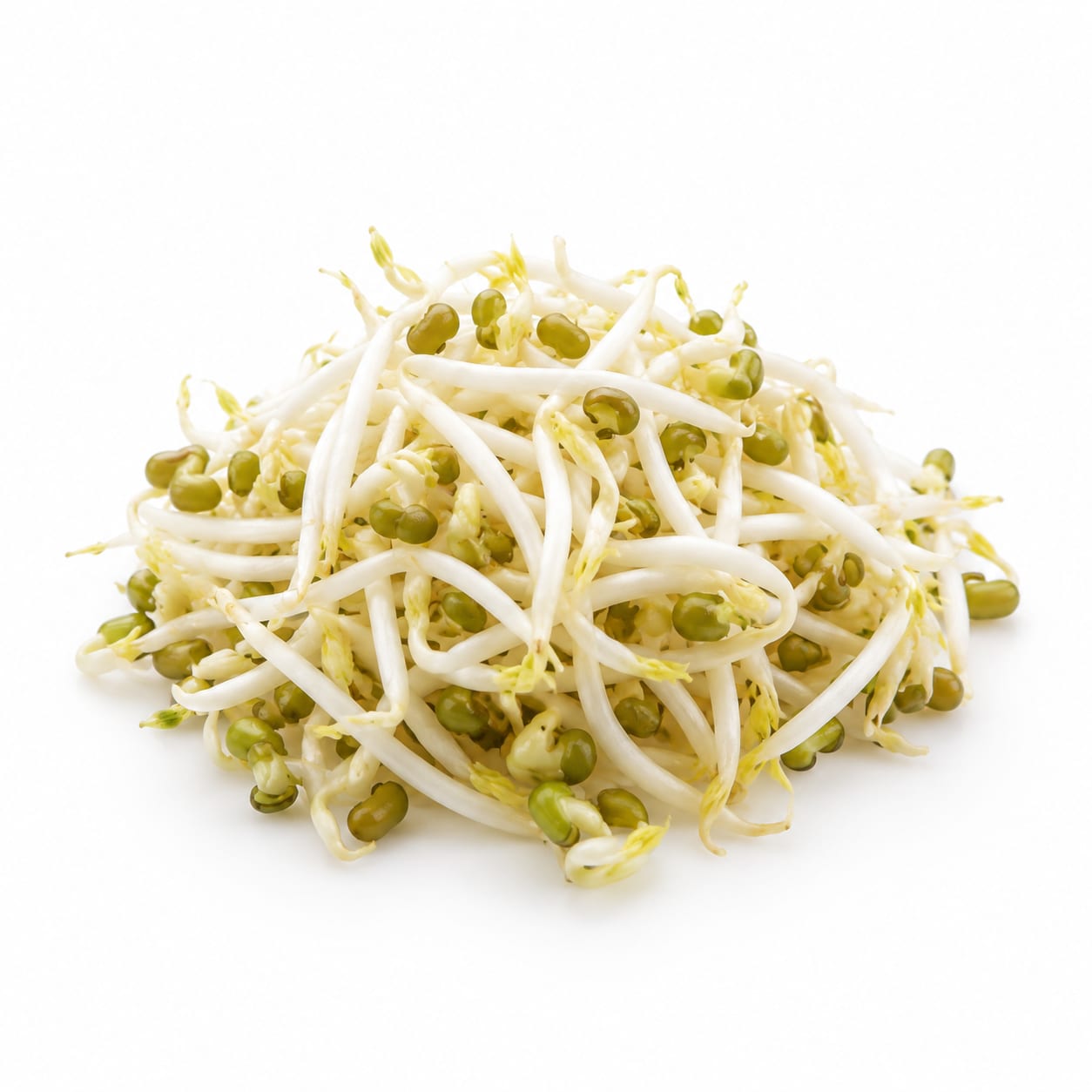
Mung Bean Sprouts
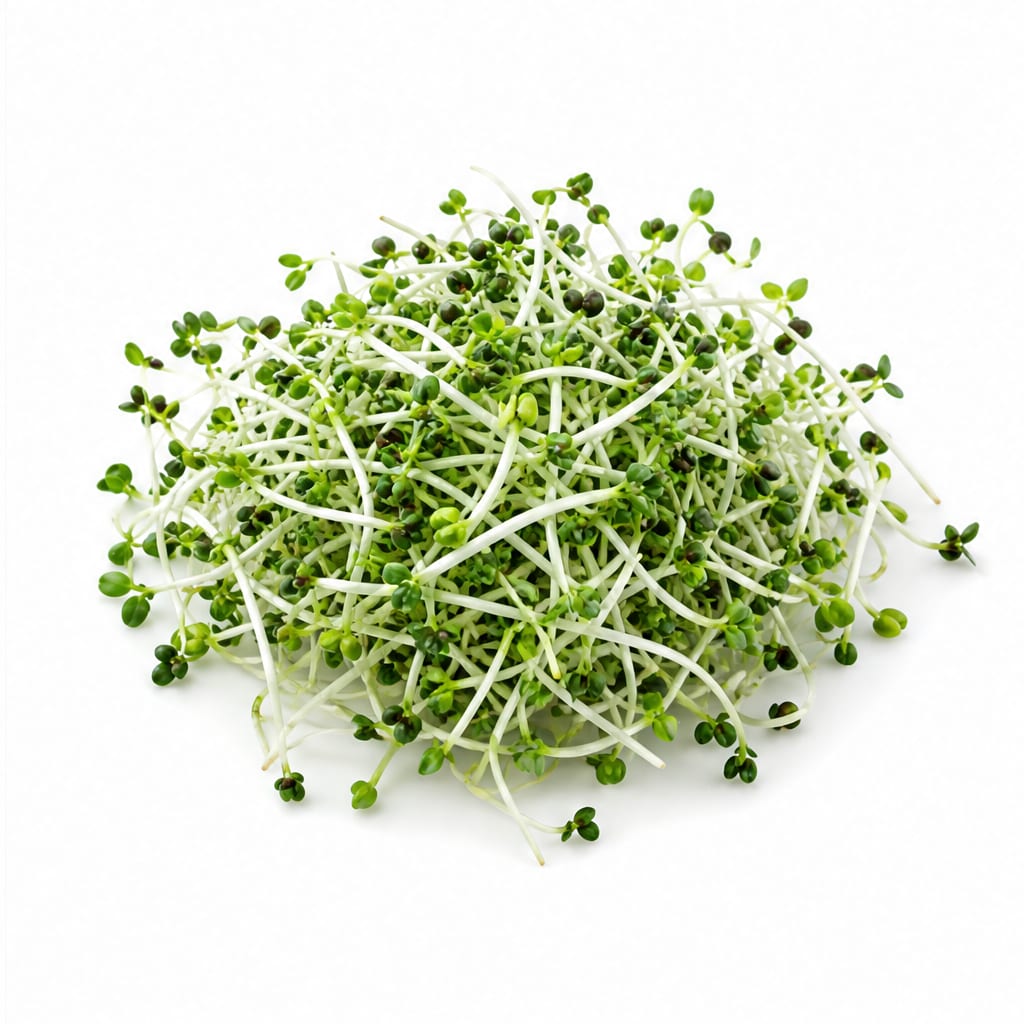
Broccoli Sprouts
Broccoli sprouts are a concentrated bioactive powerhouse best used as a daily garnish, while mung bean sprouts are a versatile, filling food you can actually build a meal around.
Broccoli sprouts score higher for disease-fighting potency, but mung bean sprouts win on practicality, protein, and meal versatility. The close scores reflect that they serve different purposes.
Potent cancer-fighting compounds in tiny amounts versus satisfying volume and protein in a familiar food.
At a glance
Executive summary
Overall
It depends
Healthier
Broccoli Sprouts
More practical
Mung Bean Sprouts
Daily use
It depends
Key comparison lenses
cancer-fighting and antioxidant potency
Broccoli sprouts are renowned for sulforaphane content, which is the primary reason people seek them out over other sprouts
safety and contamination risk
All raw sprouts carry bacterial contamination risks, and this is a top concern for consumers choosing between sprout varieties
everyday nutritional value and meal integration
Mung bean sprouts are eaten in larger quantities as a food, while broccoli sprouts function more like a supplement garnish
protein and satiety comparison
Mung bean sprouts provide more protein per serving, making them more filling and useful as a food rather than a garnish
cost and accessibility
Broccoli sprouts are harder to find and more expensive, which affects daily use feasibility
Best choice for
Mung Bean Sprouts
- People who want a filling, low-calorie food for stir-fries and salads
- Anyone meal-prepping on a budget
- Those who find broccoli sprout flavor too intense
- Home cooks wanting versatile crunch and texture
Broccoli Sprouts
- People specifically seeking sulforaphane for cancer prevention
- Those willing to eat small amounts daily for long-term benefits
- Biohackers and health optimizers focused on antioxidant intake
- Anyone with a family history of cancer looking for protective foods
Least suitable for
Mung Bean Sprouts
- People seeking maximum sulforaphane intake
- Those wanting the most potent anti-inflammatory food possible
- Anyone who finds bean sprouts bland or unappealing
Broccoli Sprouts
- People with compromised immune systems who should avoid raw sprouts
- Those on tight grocery budgets
- Anyone expecting a substantial side dish rather than a garnish
- People who dislike peppery, mustard-like flavors
Deep comparison
Dimension by dimension
Each lens scores both foods and breaks down who each option suits.
- Dimension 1 · Priority 95Broccoli Sprouts
cancer-fighting and antioxidant potency
Mung Bean Sprouts · 30Broccoli Sprouts · 97Broccoli sprouts contain 20-50 times more sulforaphane than mature broccoli, making them one of the most potent anti-cancer foods available per gram.
Tradeoff
You need only a small handful of broccoli sprouts to get therapeutic sulforaphane levels, while mung bean sprouts would need to be eaten in impractical amounts for similar antioxidant effects.
Why it matters
Sulforaphane activates the Nrf2 pathway, which triggers your body's own detoxification and antioxidant enzymes. This is a unique mechanism most other foods cannot replicate.
Real-world impact
A daily quarter-cup of broccoli sprouts on your sandwich or salad delivers more cancer-fighting potential than several cups of mung bean sprouts.
Mung Bean Sprouts
- Those who cannot tolerate the spicy, mustard-like taste of broccoli sprouts
Better for
- Anyone prioritizing maximum sulforaphane intake
Worse for
Broccoli Sprouts
- Anyone with a family history of cancer
- People seeking the most bang per bite for long-term disease prevention
- Those who want measurable antioxidant impact from tiny portions
Better for
- People who expect large portions to feel satisfied
Worse for
- Dimension 2 · Priority 75Mung Bean Sprouts
protein and satiety
Mung Bean Sprouts · 72Broccoli Sprouts · 35Mung bean sprouts provide roughly 3 grams of protein per cup compared to about 1 gram in broccoli sprouts, making them noticeably more filling.
Tradeoff
Broccoli sprouts are rarely eaten in large enough quantities to contribute meaningful protein, while mung bean sprouts can actually help you feel full.
Why it matters
If you are using sprouts as part of a meal rather than a supplement, protein and volume matter for staying satisfied and not overeating later.
Real-world impact
A two-cup mound of mung bean sprouts in a stir-fry adds substance and crunch. The same volume of broccoli sprouts would be overpowering and expensive.
Mung Bean Sprouts
- Vegetarians wanting more protein from whole foods
- Anyone using sprouts as a meal component rather than a garnish
- People who get hungry soon after light meals
Better for
- Anyone who does not need additional protein from sprouts
Worse for
Broccoli Sprouts
- Those already getting adequate protein from other sources
Better for
- People relying on sprouts as a meaningful protein source
Worse for
- Dimension 3 · Priority 80Mung Bean Sprouts
versatility and culinary use
Mung Bean Sprouts · 88Broccoli Sprouts · 45Mung bean sprouts are a kitchen staple across Asian cuisines, working in stir-fries, soups, spring rolls, and salads. Broccoli sprouts are mostly a garnish or topping.
Tradeoff
Broccoli sprouts have a strong, peppery flavor that limits how much you can use, while mung bean sprouts have a mild crunch that disappears into almost any dish.
Why it matters
The best healthy food is one you actually enjoy eating regularly. Mung bean sprouts are easier to incorporate without getting flavor fatigue.
Real-world impact
You can toss two cups of mung bean sprouts into a wok and call it dinner. With broccoli sprouts, you sprinkle a small handful and you are done.
Mung Bean Sprouts
- Home cooks wanting an easy, versatile vegetable
- Anyone meal-prepping stir-fries or noodle bowls
- People who prefer mild flavors that blend into dishes
Better for
- Anyone specifically wanting the sharp, mustard-like bite of broccoli sprouts
Worse for
Broccoli Sprouts
- Those who enjoy strong, peppery flavors as a finishing touch
- Smoothie drinkers who can blend a small amount without texture issues
Better for
- Cooks wanting a neutral sprout that absorbs sauce flavors
- Anyone trying to build a meal around sprouts
Worse for
- Dimension 4 · Priority 65Mung Bean Sprouts
cost and accessibility
Mung Bean Sprouts · 85Broccoli Sprouts · 40Mung bean sprouts are cheap and available at nearly any grocery store. Broccoli sprouts are specialty items, often requiring health food stores or home sprouting kits.
Tradeoff
You can grab mung bean sprouts anywhere for under two dollars. Broccoli sprouts may cost four to eight dollars for a small container, if you can find them at all.
Why it matters
The best superfood is one you can actually buy and eat consistently. Cost and availability barriers make broccoli sprouts harder to sustain as a daily habit.
Real-world impact
A week of mung bean sprouts might cost five dollars. A week of broccoli sprouts could cost twenty dollars or require you to sprout them yourself.
Mung Bean Sprouts
- Budget-conscious shoppers
- People without access to specialty health food stores
- Anyone who wants to just grab sprouts during a regular grocery run
Better for
- Anyone specifically seeking sulforaphane regardless of cost
Worse for
Broccoli Sprouts
- Those willing to invest in a home sprouting kit for long-term savings
- People near well-stocked health food stores
Better for
- People on tight grocery budgets
- Anyone without reliable access to specialty stores
Worse for
- Dimension 5 · Priority 70Mung Bean Sprouts
digestive tolerance
Mung Bean Sprouts · 75Broccoli Sprouts · 55Mung bean sprouts are gentle on most stomachs when cooked. Broccoli sprouts contain glucosinolates that can cause gas and bloating, especially when raw.
Tradeoff
Cooking mung bean sprouts is easy and normal. Cooking broccoli sprouts destroys much of the sulforaphane you are eating them for, creating a frustrating catch-22.
Why it matters
If raw broccoli sprouts upset your stomach but cooking ruins their main benefit, you are stuck. Mung bean sprouts have no such conflict.
Real-world impact
You can lightly cook mung bean sprouts and feel great. With broccoli sprouts, you either tolerate them raw or you lose the primary reason to eat them.
Mung Bean Sprouts
- People with sensitive digestion who prefer cooked vegetables
- Anyone who experiences bloating from raw cruciferous vegetables
Better for
- Anyone specifically seeking the raw bioactive compounds found in broccoli sprouts
Worse for
Broccoli Sprouts
- Those with iron stomachs who tolerate raw cruciferous vegetables well
Better for
- People with IBS or cruciferous vegetable intolerance
- Anyone who finds raw sprouts hard to digest
Worse for
- Dimension 6 · Priority 85Broccoli Sprouts
anti-inflammatory potential
Mung Bean Sprouts · 45Broccoli Sprouts · 92Sulforaphane in broccoli sprouts is one of the most potent natural anti-inflammatory compounds studied, with measurable effects at small doses.
Tradeoff
Mung bean sprouts offer general antioxidant benefits from vitamin C and flavonoids, but nothing approaching the targeted anti-inflammatory power of sulforaphane.
Why it matters
Chronic inflammation drives heart disease, cancer, and aging. A daily quarter-cup of broccoli sprouts is one of the simplest anti-inflammatory habits you can adopt.
Real-world impact
If you are dealing with joint pain, skin issues, or inflammatory markers on bloodwork, broccoli sprouts offer more targeted support per bite.
Mung Bean Sprouts
- Those who need a mild, food-based approach without strong bioactive effects
Better for
- Anyone specifically targeting inflammation reduction
Worse for
Broccoli Sprouts
- Anyone managing chronic inflammation
- People with inflammatory skin conditions like acne or eczema
- Those wanting to support joint health through diet
Better for
- People who cannot tolerate raw cruciferous vegetables long enough to see benefits
Worse for
Timeline
Health impact over time
Short-term
Hours to days
Mung Bean Sprouts
- Light, hydrating crunch that adds volume to meals without heaviness
- Mild fiber support for regular digestion
- Very low calorie intake, which may not satisfy hunger alone
Broccoli Sprouts
- Noticeable peppery, mustard-like flavor that can be surprising at first
- Possible mild gas or bloating from glucosinolates if you eat too much
- Quick antioxidant boost even from a small portion
Long-term
Months to years
Mung Bean Sprouts
- Consistent fiber intake supports gut health and regularity
- Low calorie volume helps with weight maintenance when used strategically
- Modest protein contribution adds up over time in plant-based diets
Broccoli Sprouts
- Sulforaphane may reduce cancer risk through daily Nrf2 pathway activation
- Anti-inflammatory effects may improve skin, joints, and metabolic markers
- Potential detoxification support from regular glucosinolate consumption
Risk profile
Safety & processing
Both are whole, living foods that you sprout yourself or buy freshly sprouted. Neither contains additives, preservatives, or artificial ingredients. The only processing is the natural germination process itself.
Mung Bean Sprouts
Bacterial contamination from Salmonella or E. coli
mediumAll raw sprouts grow in warm, humid conditions ideal for bacteria. Mung bean sprouts have been linked to multiple foodborne illness outbreaks, especially when eaten raw.
Spoilage from improper storage
lowSprouts degrade quickly and can develop slime or off-odors within days. Always refrigerate and consume within 2-3 days of purchase.
Broccoli Sprouts
Bacterial contamination from Salmonella or E. coli
mediumSame warm, humid growing conditions as all sprouts. The smaller seed size and denser sprout mat may slightly increase contamination risk compared to mung bean sprouts.
Home sprouting hygiene failures
mediumMany people grow broccoli sprouts at home, where sterile technique is often poor. Contaminated seeds or unclean jars can breed harmful bacteria quickly.
Who wins for whom
Audience fit
Same foods, different winners depending on your goal.
children
Mung Bean SproutsChildren should avoid raw sprouts entirely due to contamination risk, but cooked mung bean sprouts are safe, mild, and easy to incorporate into familiar dishes.
daily consumption
It dependsBroccoli sprouts are ideal as a small daily garnish for disease prevention. Mung bean sprouts are better as a regular meal component. They serve different daily roles.
diabetes
Broccoli SproutsSulforaphane has been shown to improve insulin sensitivity and reduce fasting blood sugar. The anti-inflammatory effects also support metabolic health more directly.
elderly
Mung Bean SproutsOlder adults are more vulnerable to foodborne illness from raw sprouts. Cooked mung bean sprouts are safer, easier to chew, and gentler on digestion.
muscle gain
Mung Bean SproutsNeither is a significant protein source, but mung bean sprouts contribute more protein per serving and can be eaten in larger quantities alongside protein-rich foods.
weight loss
Mung Bean SproutsMung bean sprouts provide more volume and protein per calorie, helping you feel full on fewer calories. You can eat cups of them without overconsuming.
Your move
Decision guide
Choose Mung Bean Sprouts
- You want a versatile vegetable you can cook with and build meals around
- Budget and grocery accessibility matter to you
- You find raw broccoli sprouts difficult to digest or unappealing
- You are feeding a family and need a safe, mild sprout everyone will eat
- You want more protein and fullness from your vegetables
Choose Broccoli Sprouts
- Cancer prevention and anti-inflammatory benefits are your top priority
- You can commit to eating a small amount raw every day
- You are willing to pay more or sprout them at home for consistent access
- You tolerate raw cruciferous vegetables without digestive issues
- You want the most potent bioactive food per gram possible
Either works if
- You enjoy both and want variety in your sprout rotation
- You are generally healthy and just want to add more living foods to your diet
- You are comfortable with raw sprout safety protocols like washing and refrigeration
Avoid both if
- You are pregnant, elderly, or immunocompromised and cannot safely eat raw sprouts
- You cannot reliably source fresh, uncontaminated sprouts
- You have a history of foodborne illness anxiety that would cause stress around eating raw sprouts
Final recommendation
Use both for different purposes. Keep broccoli sprouts as your daily quarter-cup garnish for sulforaphane benefits, and use mung bean sprouts as your go-to cooking vegetable for volume, protein, and satisfaction. If you must pick one, choose broccoli sprouts for disease prevention and mung bean sprouts for everyday meal practicality.
Practical
Consumer tips
- 1
Always rinse sprouts thoroughly under running water before eating, even pre-packaged ones
- 2
Refrigerate sprouts immediately and consume within 2-3 days of purchase for safety and freshness
- 3
If you sprout broccoli seeds at home, use sterile jars, clean hands, and buy seeds specifically labeled for sprouting to reduce contamination risk
- 4
Lightly cooking mung bean sprouts in a stir-fry kills potential bacteria while preserving most nutrients and texture
- 5
Never eat sprouts that smell sour, feel slimy, or look discolored — these are signs of spoilage, not fermentation
- 6
Add broccoli sprouts to smoothies if you dislike their taste — blending with fruit masks the peppery flavor while preserving sulforaphane
- 7
Chew broccoli sprouts thoroughly to activate the myrosinase enzyme that converts glucoraphanin to sulforaphane — swallowing them whole reduces their benefit