
Nutrition comparison
Mung Bean Sprouts vs Bok Choy: Nutrition, Safety, and Which to Choose
Compare Mung Bean Sprouts and Bok Choy side by side. Learn which is safer, more nutritious, and better for weight loss, daily meals, and your specific health goals.
Overall winner · Bok Choy
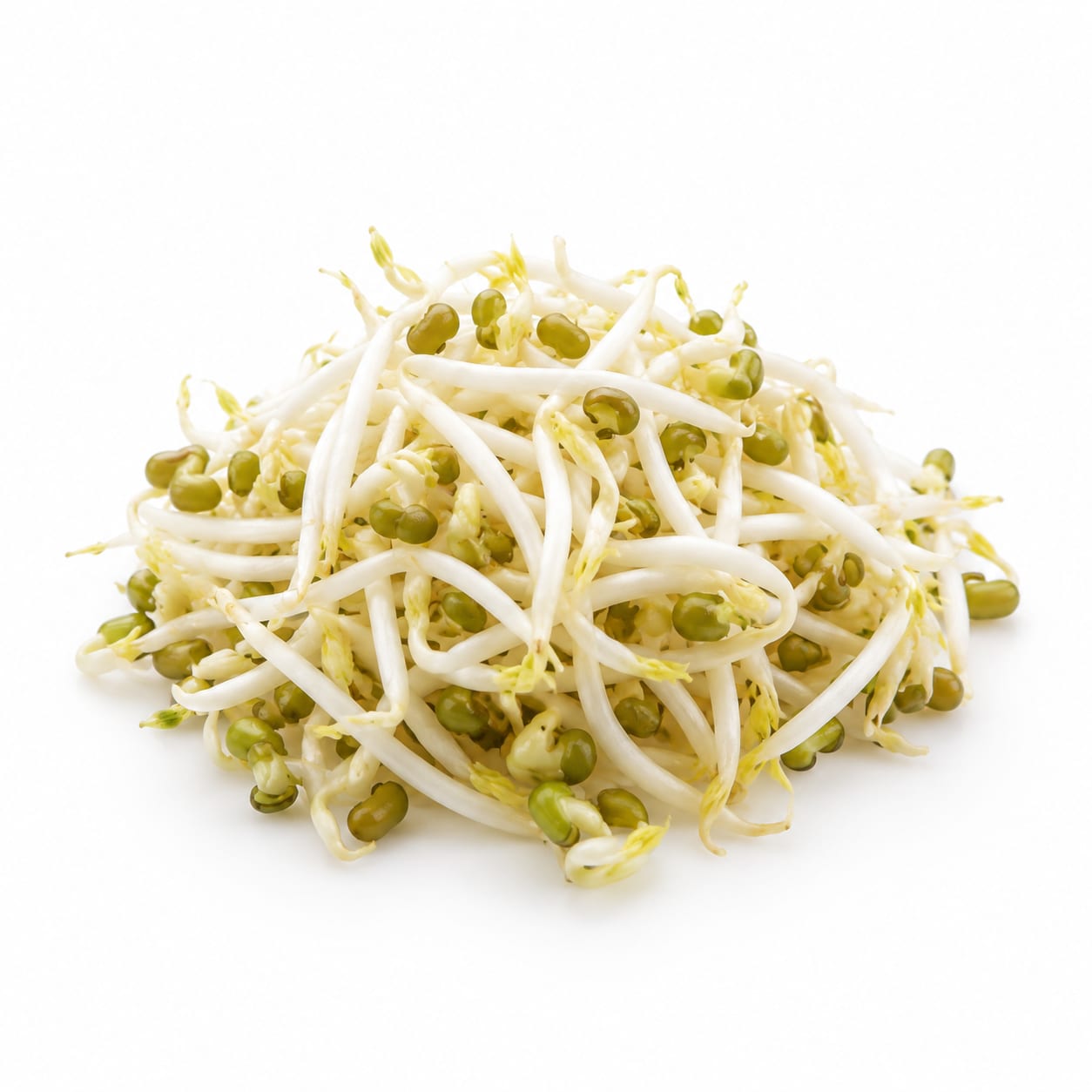
Mung Bean Sprouts
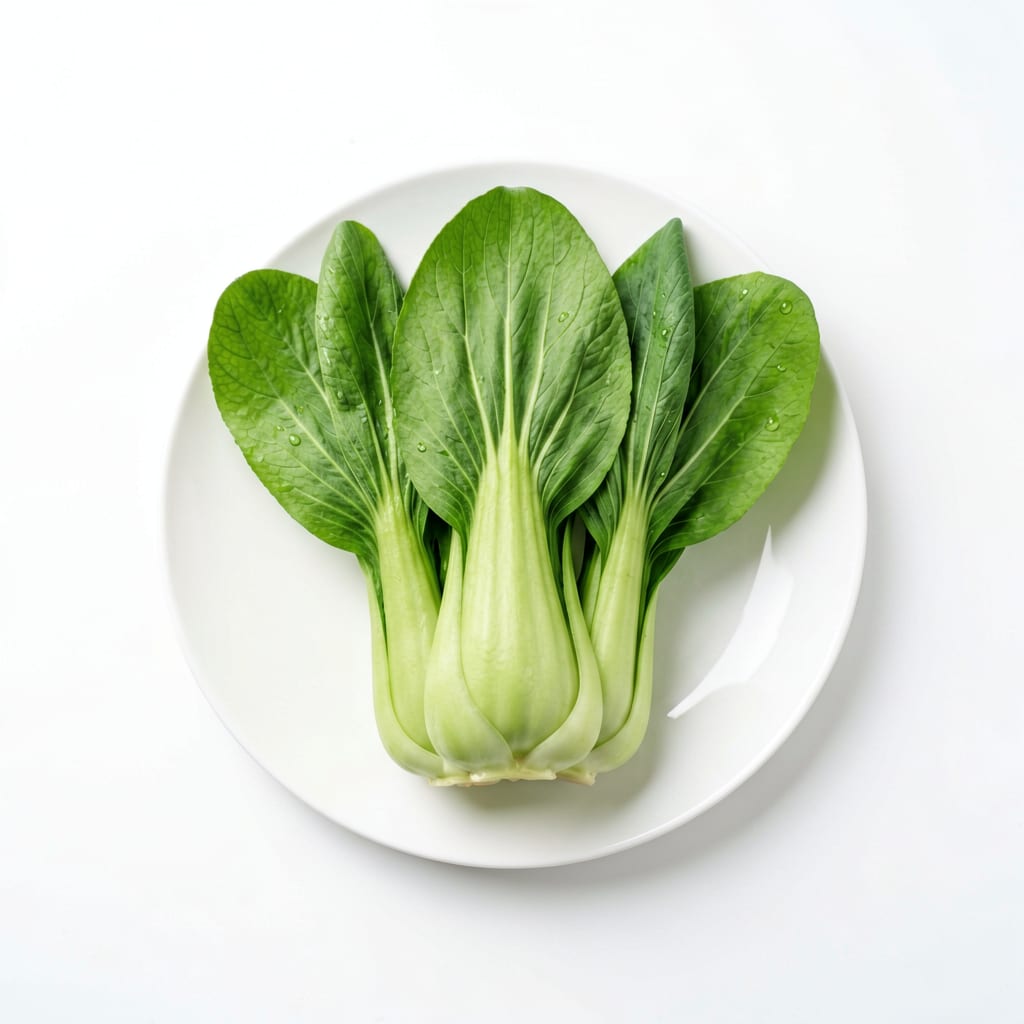
Bok Choy
Bok Choy wins on safety, versatility, and mineral density, while Mung Bean Sprouts offer more protein and folate but carry a real contamination risk when raw.
Bok Choy scores noticeably higher due to superior safety profile, mineral content, and everyday practicality. Mung Bean Sprouts remain valuable for protein and folate but their raw contamination risk and limited cooking role pull the score down.
Mung Bean Sprouts give you more protein and B-vitamins per serving, but Bok Choy delivers safer, more mineral-rich nutrition with far more cooking flexibility.
At a glance
Executive summary
Overall
Bok Choy
Healthier
Bok Choy
More practical
Bok Choy
Daily use
Bok Choy
Key comparison lenses
nutrient density comparison
Both are low-calorie vegetables users choose for maximizing nutrition per bite
food safety concerns
Raw sprouts carry significantly higher contamination risk than leafy greens
weight loss and satiety
Both are popular in weight management but fill different roles on the plate
cooking versatility
Bok Choy works as a main vegetable while sprouts are more of an add-in
digestive tolerance
Sprouts can cause bloating in sensitive people; bok choy is generally gentler
Best choice for
Mung Bean Sprouts
- Plant-based eaters seeking extra protein from vegetables
- Pregnant women needing folate (if cooked thoroughly)
- Stir-fry enthusiasts wanting crunch and texture
- Anyone meal-prepping Asian-inspired bowls
Bok Choy
- Daily vegetable rotation with minimal safety worry
- Bone health and calcium needs without dairy
- Families cooking for children and elderly
- People wanting a substantial cooked green as a side dish
Least suitable for
Mung Bean Sprouts
- Immunocompromised individuals (raw sprout risk)
- People prone to bloating from legumes
- Anyone uncomfortable with food safety vigilance
- Those wanting a hearty cooked vegetable base
Bok Choy
- People with thyroid issues who overconsume raw cruciferous vegetables
- Anyone specifically seeking high folate from vegetables
- Those wanting significant protein from their greens
Deep comparison
Dimension by dimension
Each lens scores both foods and breaks down who each option suits.
- Dimension 1 · Priority 92Bok Choy
nutrient_density
Mung Bean Sprouts · 70Bok Choy · 82Bok Choy packs more vitamins A, C, and K plus significantly more calcium per serving. Mung Bean Sprouts lead in protein and folate but fall behind on minerals.
Tradeoff
You get more building-block nutrients from sprouts but a broader micronutrient spectrum from bok choy.
Why it matters
If your diet already has adequate protein, bok choy fills more nutritional gaps. If you're plant-based and protein-scarce, sprouts help more.
Real-world impact
A cup of bok choy covers over half your daily vitamin A needs. Sprouts barely move the needle on vitamins but give you a small protein bump.
Mung Bean Sprouts
- Folate intake during pregnancy
- Adding vegetable protein to a plant-based meal
Better for
- Mineral intake especially calcium
- Vitamin A needs
Worse for
Bok Choy
- Bone-supporting calcium and vitamin K
- Eye-health vitamin A
- Overall micronutrient coverage
Better for
- Protein contribution from vegetables
- B-vitamin density
Worse for
- Dimension 2 · Priority 88Bok Choy
food_safety
Mung Bean Sprouts · 45Bok Choy · 88Raw Mung Bean Sprouts are a well-documented food safety hazard due to warm humid growing conditions that breed bacteria. Bok Choy carries standard produce risk only.
Tradeoff
Sprouts require cooking to be safe, which reduces their signature crunch. Bok Choy is safe raw or cooked with minimal concern.
Why it matters
The FDA explicitly warns vulnerable populations against raw sprouts. This is not theoretical — outbreaks happen regularly.
Real-world impact
If you eat raw sprouts regularly, you are rolling the dice on foodborne illness. Cooking them eliminates most risk but changes the eating experience entirely.
Mung Bean Sprouts
- No advantage in this dimension
Better for
- Salmonella and E. coli risk when raw
- Requires careful washing and preferably cooking
- Not safe for immunocompromised people raw
Worse for
Bok Choy
- Safe for raw consumption in salads
- Suitable for pregnant women and elderly without special precautions
- Lower anxiety around food handling
Better for
- Standard pesticide residue concerns like any leafy green
Worse for
- Dimension 3 · Priority 78Mung Bean Sprouts
protein_and_satiety
Mung Bean Sprouts · 74Bok Choy · 55Mung Bean Sprouts roughly double the protein of bok choy per serving. Neither is a protein powerhouse, but sprouts contribute more meaningfully to daily protein targets.
Tradeoff
More protein from sprouts but less overall food volume and satisfaction compared to a hearty serving of cooked bok choy.
Why it matters
For plant-based eaters, every gram of vegetable protein counts. Sprouts help close that gap slightly better.
Real-world impact
A cup of sprouts adds about 3g protein versus 1.5g from bok choy. Not huge, but meaningful if you're eating multiple vegetable servings daily.
Mung Bean Sprouts
- Plant-based protein contribution
- Slightly more filling per calorie due to protein
Better for
- Low absolute protein still requires other sources
Worse for
Bok Choy
- Larger more satisfying cooked portions
Better for
- Protein contribution is minimal
Worse for
- Dimension 4 · Priority 75Bok Choy
cooking_versatility
Mung Bean Sprouts · 55Bok Choy · 85Bok Choy works as a standalone side dish, soup green, stir-fry base, or salad component. Sprouts are primarily a garnish or add-in that wilts quickly.
Tradeoff
Bok Choy can carry a meal; sprouts can only accent one.
Why it matters
If you want one vegetable that does everything, bok choy is far more useful in weekly meal planning.
Real-world impact
You can build an entire dish around bok choy. With sprouts, you're always adding them to something else.
Mung Bean Sprouts
- Quick no-cook crunch topping
- Sandwich and wrap filling
Better for
- Cannot serve as a main vegetable dish
- Disintegrates with extended cooking
Worse for
Bok Choy
- Standalone stir-fried side dish
- Soup green that holds texture
- Grilled or braised main vegetable
- Raw salad base when young and tender
Better for
- Does not provide the same fresh crunch as raw sprouts
Worse for
- Dimension 5 · Priority 70Bok Choy
digestive_tolerance
Mung Bean Sprouts · 58Bok Choy · 78Sprouts can cause gas and bloating due to their legume origin and oligosaccharides. Bok Choy is generally well-tolerated, though raw cruciferous vegetables can bother some.
Tradeoff
Sprouts may leave you uncomfortably gassy. Bok Choy is gentler on most digestive systems, especially when cooked.
Why it matters
If you have IBS or sensitive digestion, sprouts are more likely to cause problems than bok choy.
Real-world impact
A big bowl of sprouts can mean bloating within hours. Cooked bok choy rarely triggers that response.
Mung Bean Sprouts
- Easier to eat small portions as a topping
Better for
- Legume-based oligosaccharides cause gas
- Raw sprouts are harder to digest for sensitive people
Worse for
Bok Choy
- Gentler on sensitive stomachs when cooked
- Less gas-producing overall
- Cooking reduces goitrogenic compounds
Better for
- Raw bok choy contains goitrogens that may affect thyroid
Worse for
- Dimension 6 · Priority 76It depends
weight_management
Mung Bean Sprouts · 72Bok Choy · 74Both are extremely low calorie and high volume. Bok Choy edges ahead because you can eat larger satisfying portions as a cooked vegetable.
Tradeoff
Sprouts offer slightly more protein per calorie. Bok Choy offers more food volume and satisfaction per serving.
Why it matters
Satiety from volume matters more for weight loss than small protein differences at this calorie level.
Real-world impact
A big plate of stir-fried bok choy feels like a real meal. A cup of sprouts feels like a topping.
Mung Bean Sprouts
- Slightly more protein per calorie
- Very low calorie crunch for snacking
Better for
- Small serving size limits satiety
Worse for
Bok Choy
- Greater volume satisfaction per serving
- More filling as a cooked side dish
Better for
- Slightly higher calories per cup but still negligible
Worse for
Timeline
Health impact over time
Short-term
Hours to days
Mung Bean Sprouts
- Quick energy from easily digestible carbohydrates
- Possible bloating or gas within hours of eating
- Raw consumption carries acute foodborne illness risk
- Refreshing crunch can satisfy without heaviness
Bok Choy
- Light hydrating effect from high water content
- Gentle on digestion especially when cooked
- Quick to prepare and satisfying as a warm side
- Minimal digestive discomfort for most people
Long-term
Months to years
Mung Bean Sprouts
- Consistent folate intake supports cell repair and DNA synthesis
- Regular protein from vegetables helps maintain muscle on plant-based diets
- If always eaten raw, cumulative food safety risk increases
- Antioxidant contribution from vitamin C supports immune function
Bok Choy
- Sustained calcium and vitamin K intake supports bone density over decades
- Glucosinolates from cruciferous vegetables are linked to lower cancer risk
- Vitamin A supports long-term eye and skin health
- Consistent intake supports cardiovascular health through potassium and fiber
Risk profile
Safety & processing
Both are whole foods with minimal processing. Mung Bean Sprouts are simply germinated beans. Bok Choy is harvested directly as a leafy vegetable. Neither typically contains additives unless purchased in pre-packaged prepared forms.
Mung Bean Sprouts
Bacterial contamination (Salmonella, E. coli)
highSprouts grow in warm humid conditions ideal for bacterial proliferation. Multiple outbreaks have been documented. Cooking eliminates most risk.
Spoilage from improper storage
mediumSprouts spoil quickly and should be consumed within 2-3 days of purchase. Slimy or dark sprouts should be discarded immediately.
Bok Choy
Pesticide residue on conventional produce
lowLeafy greens can retain pesticide residue. Washing thoroughly or choosing organic reduces this concern significantly.
Goitrogenic compounds when consumed raw in large amounts
lowCruciferous vegetables contain goitrogens that can interfere with thyroid function, but this is only a concern with very high raw intake in iodine-deficient individuals.
Who wins for whom
Audience fit
Same foods, different winners depending on your goal.
children
Bok ChoyBok Choy is safer, easier to cook into kid-friendly dishes, and free from the raw contamination risk that makes sprouts unsuitable for young children.
daily consumption
Bok ChoyBok Choy can be eaten daily without safety concerns and offers broader nutritional coverage. Sprouts require more caution and are better as an occasional addition.
diabetes
Bok ChoyBoth have minimal impact on blood sugar, but bok choy's higher fiber and mineral content supports better long-term metabolic health.
elderly
Bok ChoyOlder adults are more vulnerable to foodborne illness, making raw sprouts risky. Bok Choy's calcium and vitamin K also support bone health in aging populations.
muscle gain
Mung Bean SproutsMung Bean Sprouts offer roughly double the protein per serving, which matters slightly more when muscle gain is the priority.
weight loss
Bok ChoyBok Choy provides more food volume and satiety per serving, making it easier to fill up on fewer calories during weight loss.
Your move
Decision guide
Choose Mung Bean Sprouts
- You want a crunchy protein boost in wraps, sandwiches, or stir-fries
- You are confident in your food safety practices and will cook them
- You are plant-based and tracking every gram of vegetable protein
- You enjoy sprouting at home where you control hygiene
Choose Bok Choy
- You want a reliable daily vegetable with strong mineral content
- You are cooking for vulnerable people including children or elderly
- You need one versatile green that works in soups, stir-fries, and salads
- You want maximum nutrition with minimum safety worry
Either works if
- You are building an Asian-inspired meal and want both textures
- You are counting calories and both fit easily
- You rotate vegetables regularly and want variety
Avoid both if
- You have severe thyroid issues and consume large amounts of raw cruciferous vegetables (bok choy concern)
- You are immunocompromised and considering raw sprouts
- You have significant IBS and are sensitive to both legume fibers and cruciferous vegetables
Final recommendation
Keep Bok Choy as your everyday green and treat Mung Bean Sprouts as a flavorful occasional addition. Cook sprouts whenever possible to eliminate contamination risk. Together they make an excellent pairing — bok choy as the substantial base and sprouts as the crunchy accent — giving you the best of both worlds without having to choose.
Practical
Consumer tips
- 1
Cook Mung Bean Sprouts thoroughly if you are pregnant, elderly, or immunocompromised — the crunch is not worth the risk
- 2
Store sprouts in the coldest part of your fridge and use within 2-3 days of purchase
- 3
Choose organic bok choy when possible to reduce pesticide exposure on leafy greens
- 4
Add sprouts to a stir-fry at the very last minute for a safer version of that fresh crunch
- 5
Bok choy stems and leaves cook at different rates — separate them and add stems first for even cooking
- 6
If sprouting at home, sanitize your equipment and rinse seeds thoroughly before starting
- 7
Young baby bok choy is more tender and sweeter — ideal for quick cooking and raw salads