
Nutrition comparison
Mung Bean Sprouts vs Alfalfa Sprouts: Safety, Nutrition, and Which to Choose
Compare mung bean sprouts and alfalfa sprouts on protein, food safety, autoimmune risk, and everyday usability. Find out which sprout is better for your health goals.
Overall winner · Mung Bean Sprouts
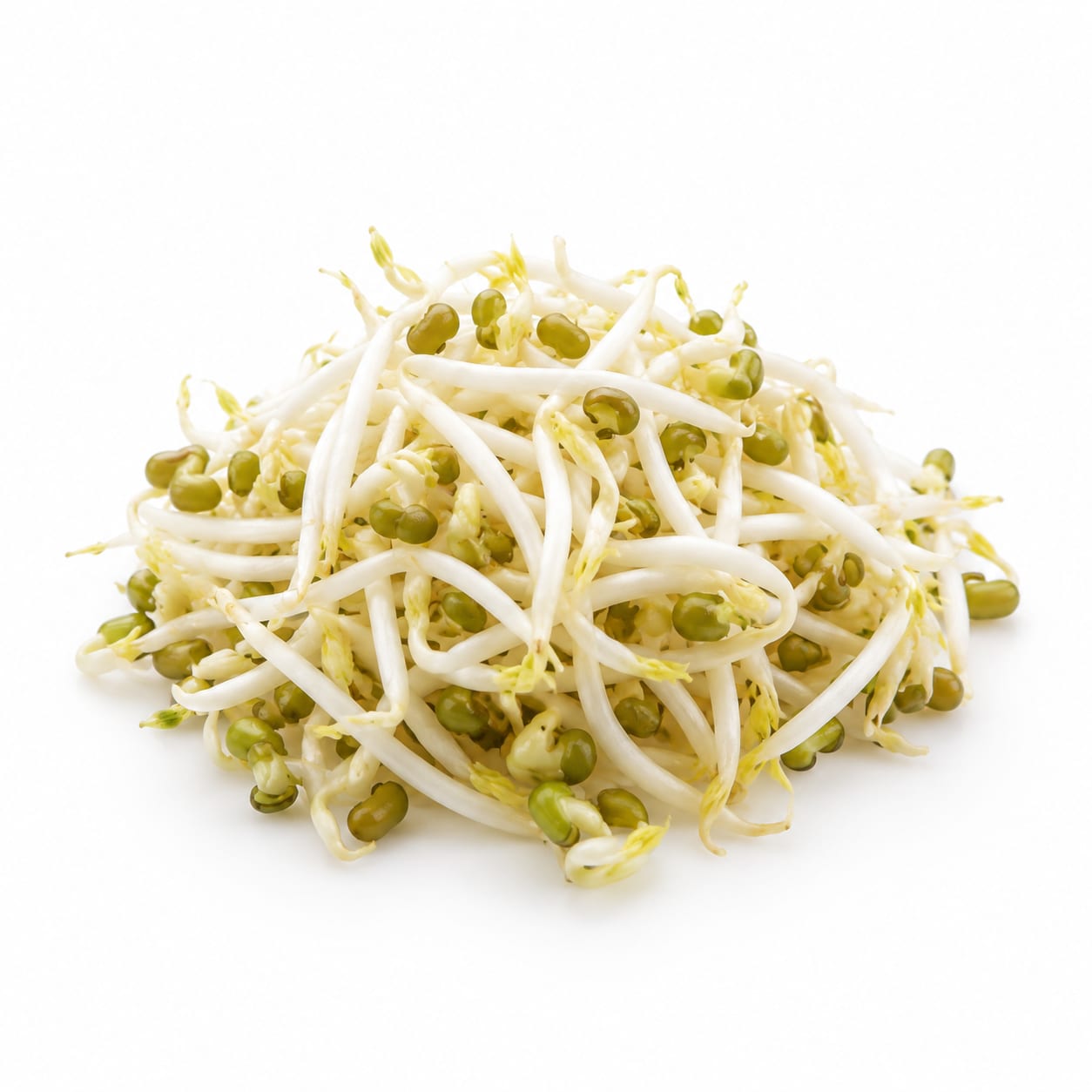
Mung Bean Sprouts
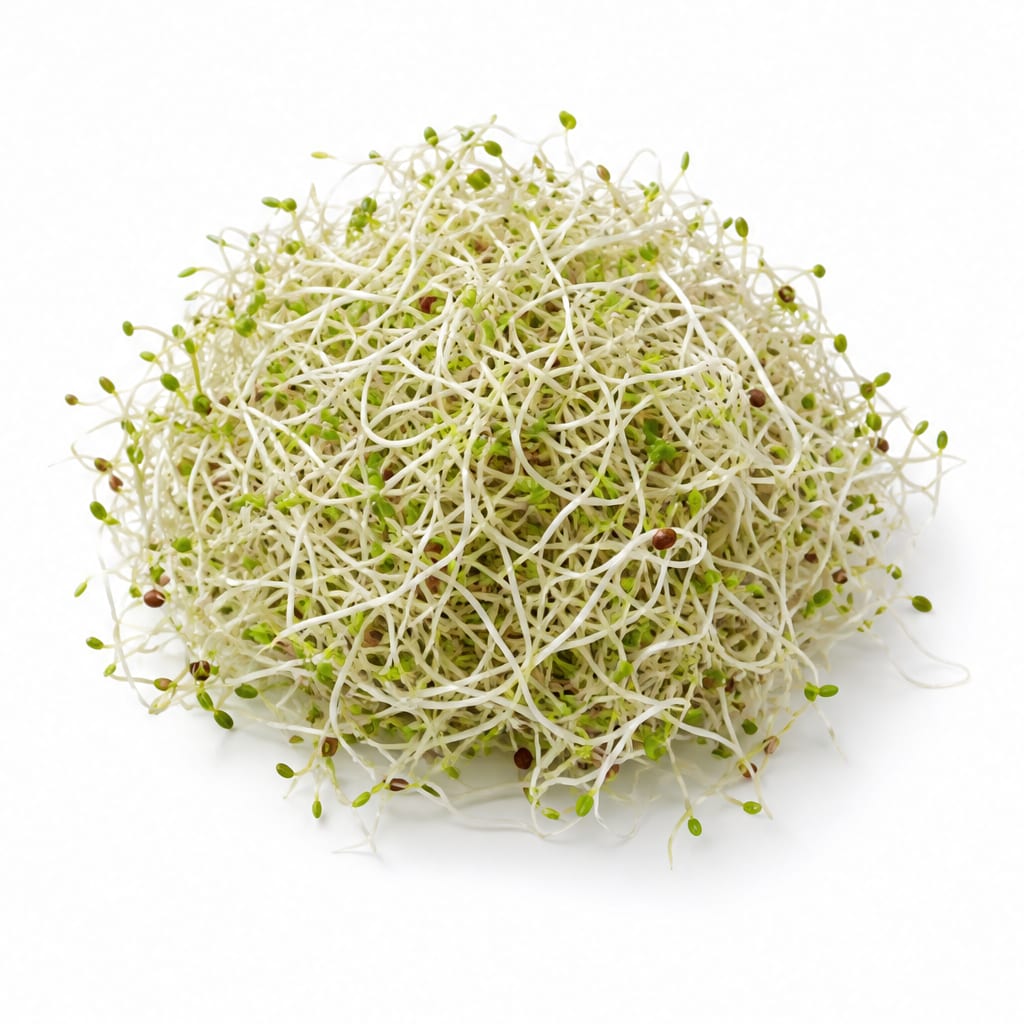
Alfalfa Sprouts
Mung bean sprouts deliver more protein, more vitamins, and carry significantly lower food safety risk than alfalfa sprouts, making them the stronger everyday choice.
Mung bean sprouts score notably higher due to superior protein, better safety profile, and greater versatility. Alfalfa sprouts lose significant ground on food safety and autoimmune risk, which outweigh their vitamin K advantage.
Alfalfa sprouts are lighter and contain more vitamin K, but their repeated contamination history and autoimmune concerns make them a riskier regular habit.
At a glance
Executive summary
Overall
Mung Bean Sprouts
Healthier
Mung Bean Sprouts
More practical
Mung Bean Sprouts
Daily use
Mung Bean Sprouts
Key comparison lenses
food safety comparison
Alfalfa sprouts have a well-documented history of salmonella and E. coli outbreaks, making safety the dominant concern in this comparison
vulnerable population safety
Alfalfa sprouts carry specific risks for immunocompromised individuals, pregnant women, and people with autoimmune conditions
nutritional density for calorie investment
Both sprouts are very low calorie, so users want to know which gives more nutritional return per bite
protein and substance for meals
Mung bean sprouts offer noticeably more protein and bulk, making them more meal-worthy
everyday salad or stir fry choice
Users choosing between these are typically deciding what to add to salads, sandwiches, or stir-fries
Best choice for
Mung Bean Sprouts
- People wanting a safer everyday sprout
- Stir-fry and cooked dish lovers
- Anyone seeking more protein from vegetables
- Immunocompromised individuals who still want sprouts
- Meal builders wanting substance and crunch
Alfalfa Sprouts
- Those prioritizing maximum vitamin K intake
- People wanting the lightest possible salad topper
- Anyone specifically seeking alfalfa's saponin benefits
- Sandwich lovers who prefer delicate texture
Least suitable for
Mung Bean Sprouts
- People who find the crunchier texture overwhelming in delicate dishes
Alfalfa Sprouts
- Pregnant women and elderly individuals
- Anyone immunocompromised
- People with lupus or autoimmune conditions
- Those concerned about frequent food recalls
Deep comparison
Dimension by dimension
Each lens scores both foods and breaks down who each option suits.
- Dimension 1 · Priority 95Mung Bean Sprouts
food_safety_and_contamination_risk
Mung Bean Sprouts · 75Alfalfa Sprouts · 35Alfalfa sprouts are one of the most frequently recalled foods in the US due to salmonella and E. coli outbreaks. Mung bean sprouts carry lower risk, especially when cooked.
Tradeoff
Alfalfa's delicate growing conditions make bacterial contamination far more likely, while mung bean sprouts can be cooked to eliminate most risk.
Why it matters
Foodborne illness from sprouts is not theoretical — outbreaks happen multiple times per year and can be severe for vulnerable people.
Real-world impact
If you're serving sprouts to children, elderly parents, or anyone with a weakened immune system, alfalfa is genuinely risky. Mung bean sprouts stir-fried for two minutes are far safer.
Mung Bean Sprouts
- Households with young children
- Anyone cooking for elderly family members
- People who want peace of mind with raw sprouts
Better for
Alfalfa Sprouts
- Pregnant women
- Immunocompromised individuals
- Anyone with liver disease
Worse for
- Dimension 2 · Priority 80Mung Bean Sprouts
protein_and_substance
Mung Bean Sprouts · 72Alfalfa Sprouts · 40Mung bean sprouts provide roughly 3g of protein per cup versus about 1g for alfalfa. They also offer more fiber and a more satisfying bite.
Tradeoff
Alfalfa sprouts are almost weightless nutritionally — pleasant as a garnish but not a meaningful food. Mung bean sprouts contribute actual substance to a meal.
Why it matters
If you're building a bowl or stir-fry and want your vegetables to carry some nutritional weight, mung bean sprouts pull their own.
Real-world impact
A cup of mung bean sprouts in your lunch adds protein and crunch that actually helps you feel full. A cup of alfalfa sprouts disappears without making a dent in hunger.
Mung Bean Sprouts
- Plant-based eaters needing protein from vegetables
- Athletes building recovery meals
- Anyone trying to make salads more filling
Better for
Alfalfa Sprouts
- People who want pure crunch without calories
Better for
- Anyone relying on sprouts as a protein source
Worse for
- Dimension 3 · Priority 75Mung Bean Sprouts
vitamin_and_mineral_density
Mung Bean Sprouts · 70Alfalfa Sprouts · 62Mung bean sprouts offer more vitamin C, folate, and potassium. Alfalfa sprouts provide significantly more vitamin K and contain unique saponins that may support cholesterol management.
Tradeoff
Alfalfa's vitamin K advantage matters for bone health and blood clotting, but mung bean sprouts deliver a broader spectrum of nutrients overall.
Why it matters
Vitamin K is important but easy to get from other greens. The broader nutrient spread of mung bean sprouts makes them more nutritionally versatile.
Real-world impact
If you eat leafy greens regularly, you likely already get enough vitamin K. Mung bean sprouts then add more value with folate and vitamin C that complement your diet.
Mung Bean Sprouts
- People wanting broader nutrient coverage
- Women who need extra folate
- Anyone not eating many vitamin C sources
Better for
- People who need high vitamin K intake specifically
Worse for
Alfalfa Sprouts
- People on blood thinners who want consistent vitamin K
- Those specifically targeting cholesterol support
Better for
- Anyone on warfarin (vitamin K interferes with dosing)
Worse for
- Dimension 4 · Priority 85Mung Bean Sprouts
autoimmune_and_hormonal_considerations
Mung Bean Sprouts · 80Alfalfa Sprouts · 35Alfalfa sprouts contain L-canavanine, an amino acid that can trigger lupus flares and worsen autoimmune conditions. Mung bean sprouts do not carry this risk.
Tradeoff
Alfalfa's phytoestrogens and L-canavanine may benefit some people but are genuinely harmful for those with autoimmune conditions.
Why it matters
This is not a minor concern. Medical literature documents alfalfa triggering serious lupus exacerbations. This alone makes it unsuitable for a significant population.
Real-world impact
If you have lupus, rheumatoid arthritis, or any autoimmune condition, alfalfa sprouts are worth avoiding entirely. Mung bean sprouts are the safe alternative.
Mung Bean Sprouts
- Anyone with autoimmune conditions
- People with family history of lupus
- Those who want sprouts without hormonal activity
Better for
Alfalfa Sprouts
- People with lupus or similar autoimmune diseases
- Anyone concerned about immune triggers
Worse for
- Dimension 5 · Priority 70Mung Bean Sprouts
culinary_versatility_and_texture
Mung Bean Sprouts · 78Alfalfa Sprouts · 55Mung bean sprouts work raw in salads, cooked in stir-fries, or added to soups. Alfalfa sprouts are almost exclusively used raw as a delicate garnish.
Tradeoff
Alfalfa's fine texture is lovely on sandwiches but it wilts and disappears in cooked dishes. Mung bean sprouts hold up to heat and add crunch to almost anything.
Why it matters
A food you can use multiple ways is more likely to actually get eaten rather than forgotten in the fridge.
Real-world impact
Mung bean sprouts can be tonight's stir-fry addition and tomorrow's salad topper. Alfalfa sprouts really only do one job well — light sandwich filler.
Mung Bean Sprouts
- Home cooks wanting one sprout for multiple dishes
- Stir-fry enthusiasts
- Soup and noodle bowl builders
Better for
Alfalfa Sprouts
- Sandwich purists wanting the lightest layer
- People who find mung bean sprouts too crunchy raw
Better for
- Anyone wanting to cook with their sprouts
Worse for
- Dimension 6 · Priority 65It depends
calorie_efficiency_for_weight_management
Mung Bean Sprouts · 68Alfalfa Sprouts · 72Alfalfa sprouts are extremely low calorie at about 8 calories per cup, while mung bean sprouts run about 31 calories per cup. Both are negligible, but alfalfa wins on sheer lightness.
Tradeoff
Fewer calories sounds ideal, but mung bean sprouts' extra calories come with protein and fiber that actually help you feel satisfied. Alfalfa's near-zero calories mean near-zero satiety.
Why it matters
For weight loss, feeling full matters more than saving 23 calories. A food that leaves you hungry may cost you more calories later in snacking.
Real-world impact
Adding mung bean sprouts to your lunch might save you from a 3pm vending machine visit. Alfalfa sprouts won't move the needle on hunger.
Mung Bean Sprouts
- People who need their food to actually fill them up
- Emotional eaters benefiting from volume and crunch
Better for
Alfalfa Sprouts
- Strict calorie counters tracking every single calorie
- People who want garnish-level additions only
Better for
- Anyone hoping sprouts will help them feel full between meals
Worse for
Timeline
Health impact over time
Short-term
Hours to days
Mung Bean Sprouts
- Mild digestive adjustment if you're not used to high-fiber foods
- Quick energy from easily digestible carbohydrates
- Crunch and volume help with meal satisfaction
Alfalfa Sprouts
- Risk of foodborne illness if consumed raw from contaminated batches
- Possible mild stomach upset in sensitive individuals
- Virtually no caloric impact on energy levels
Long-term
Months to years
Mung Bean Sprouts
- Consistent folate intake supports cell repair and energy production
- Regular fiber supports healthy digestion and gut microbiome
- Low sustained food safety risk especially when cooked
Alfalfa Sprouts
- Potential autoimmune flare risk with regular consumption for susceptible individuals
- Vitamin K contribution supports bone density long-term
- Ongoing low-level food safety risk with raw consumption
Risk profile
Safety & processing
Both are whole, minimally processed foods that are simply sprouted from seeds. Neither contains additives, preservatives, or artificial ingredients. The naturalness is identical — the differences lie in safety and nutrition, not processing.
Mung Bean Sprouts
Bacterial contamination when consumed raw
mediumRaw mung bean sprouts can harbor salmonella or E. coli, but the risk is lower than alfalfa and cooking eliminates most concern.
Spoilage if stored too long
lowLike all sprouts, they degrade quickly. Use within 2-3 days of purchase and refrigerate properly.
Alfalfa Sprouts
Salmonella and E. coli outbreaks
highAlfalfa sprouts are among the most frequently recalled foods in the United States. The warm, humid sprouting conditions are ideal for bacterial growth.
L-canavanine triggering autoimmune flares
highWell-documented in medical literature. Can cause lupus flares and worsen autoimmune conditions. Not a theoretical risk.
Phytoestrogen activity
mediumAlfalfa contains coumestrol, a phytoestrogen that may affect hormonal balance with frequent consumption. Concerning for some, beneficial for others.
Who wins for whom
Audience fit
Same foods, different winners depending on your goal.
children
Mung Bean SproutsChildren are more vulnerable to foodborne illness, making alfalfa's contamination risk especially concerning. Cooked mung bean sprouts are far safer.
daily consumption
Mung Bean SproutsLower contamination risk, no autoimmune triggers, and better nutritional return make mung bean sprouts the safer daily habit.
diabetes
Mung Bean SproutsMore fiber and protein slow glucose absorption. Mung bean sprouts support steadier blood sugar than the nearly nutrient-free alfalfa alternative.
elderly
Mung Bean SproutsOlder adults face higher risk from foodborne pathogens. Alfalfa sprouts are specifically not recommended for elderly consumers by food safety agencies.
muscle gain
Mung Bean SproutsThree times more protein per cup makes mung bean sprouts the clear choice for anyone supporting muscle recovery.
weight loss
Mung Bean SproutsMung bean sprouts provide more satiety per serving, which prevents overeating later. Alfalfa sprouts save a few calories but leave you hungry.
Your move
Decision guide
Choose Mung Bean Sprouts
- You want a sprout you can eat almost daily without worry
- You cook stir-fries, soups, or noodle bowls regularly
- Anyone in your household is immunocompromised, pregnant, or elderly
- You want your vegetables to actually contribute protein and substance
- You have an autoimmune condition or family history of lupus
Choose Alfalfa Sprouts
- You specifically want vitamin K or alfalfa's saponin compounds
- You only use sprouts as an occasional sandwich garnish
- You have no autoimmune concerns and prefer the delicate texture
- You purchase from trusted sources with rigorous safety testing
Either works if
- You just want a light crunch on a salad and have no health vulnerabilities
- You rotate sprouts occasionally and don't eat them daily
Avoid both if
- You are severely immunocompromised and your doctor has advised against all raw sprouts
- You cannot guarantee proper refrigeration and freshness of either product
Final recommendation
Mung bean sprouts are the better everyday choice for most people. They offer more nutrition, greater versatility, and significantly lower safety risk. Alfalfa sprouts can have a place as an occasional garnish if you're healthy and source carefully, but their contamination history and autoimmune concerns make them hard to recommend for regular use. If you love sprouts, make mung bean your default and treat alfalfa as an occasional guest.
Practical
Consumer tips
- 1
Always cook mung bean sprouts for at least 2 minutes if food safety is a priority — stir-frying is perfect
- 2
Rinse any sprouts thoroughly under running water before eating, even pre-packaged ones
- 3
Refrigerate sprouts immediately and consume within 2-3 days of purchase
- 4
Avoid sprouts that smell sour, feel slimy, or look dark — these are signs of spoilage
- 5
If you grow sprouts at home, sanitize your equipment and use only seeds labeled for sprouting
- 6
Pregnant women, elderly individuals, and immunocompromised people should avoid raw alfalfa sprouts entirely
- 7
Check FDA recall notices if you eat sprouts regularly — outbreaks happen several times per year