
Nutrition comparison
Mung Bean Sprouts vs Lentil Sprouts: Which Is Healthier?
Compare mung bean sprouts and lentil sprouts on protein, digestion, calories, and safety. Find out which sprout fits your diet and which one keeps you full longer.
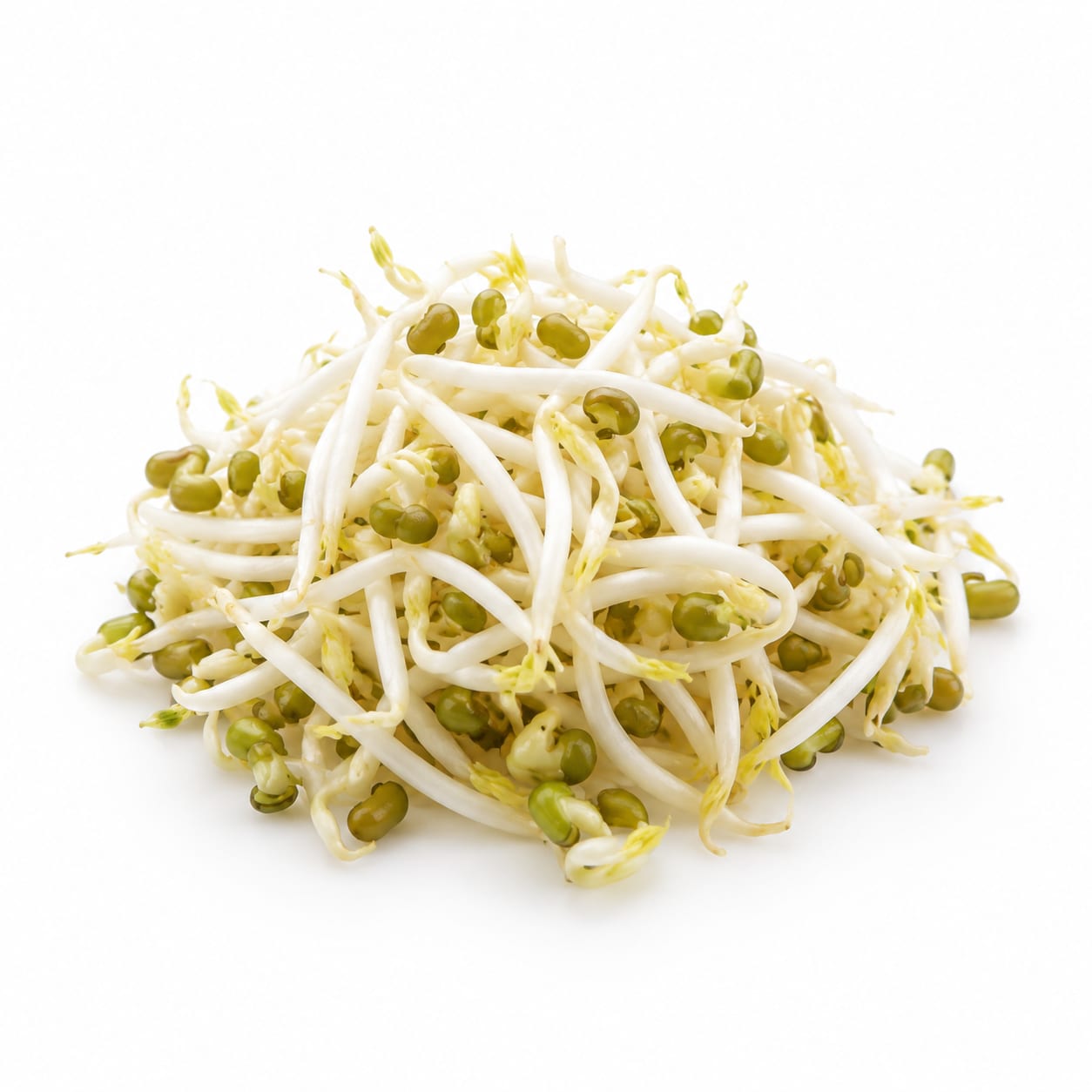
Mung Bean Sprouts
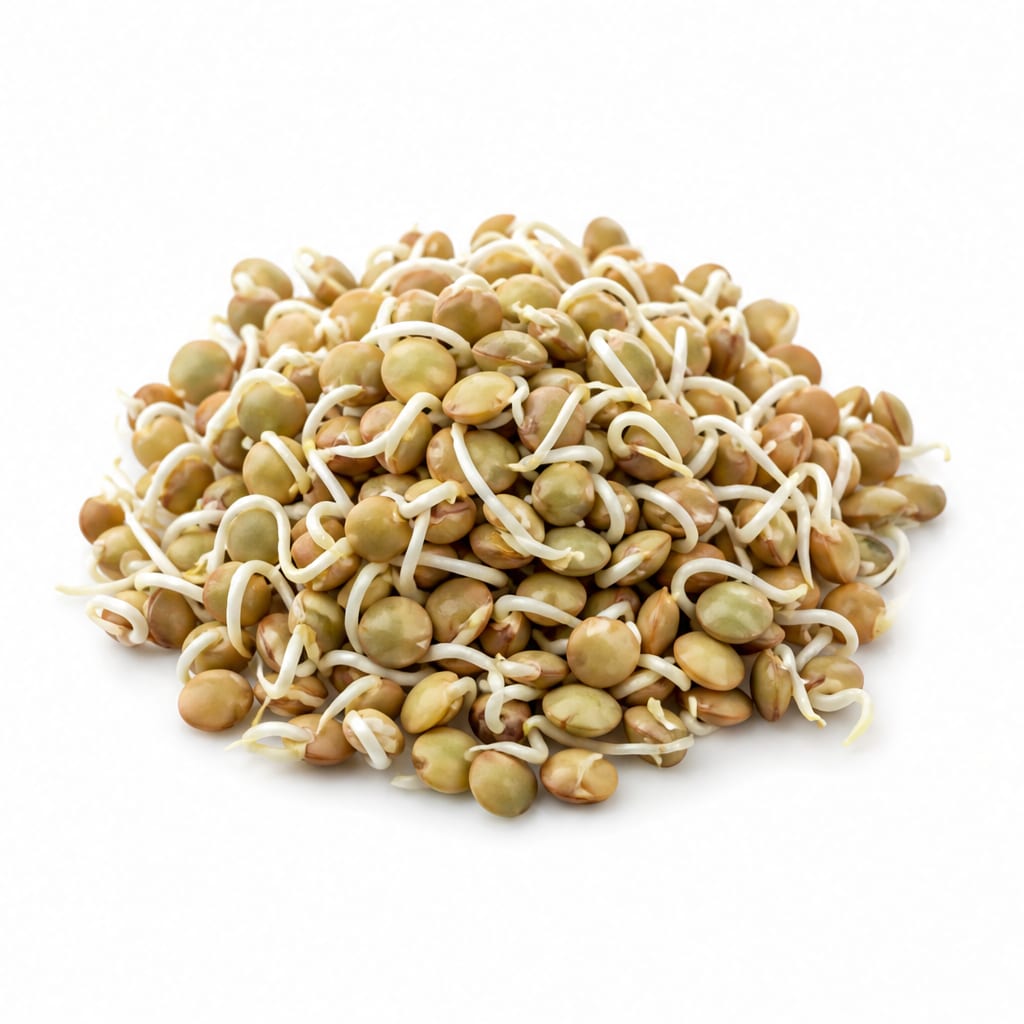
Lentil Sprouts
Mung bean sprouts are lighter and easier to digest; lentil sprouts are more filling and nutrient-dense. Pick based on whether you want volume or substance.
Lentil sprouts score higher due to superior protein, fiber, and mineral content. Mung bean sprouts remain valuable for digestive comfort and low calorie density, but offer less nutritional substance per bite.
Digestive comfort and low calories versus protein power and staying full longer
At a glance
Executive summary
Overall
It depends
Healthier
Lentil Sprouts
More practical
Mung Bean Sprouts
Daily use
It depends
Key comparison lenses
protein and satiety comparison
Lentil sprouts deliver significantly more protein and fiber, making them far more filling — the single biggest practical difference between these two
digestive tolerance
Mung bean sprouts are famously gentle on the stomach, while lentil sprouts can cause bloating in sensitive individuals
weight management strategy
Users choosing between these are often deciding between volume eating (mung bean) vs nutrient density (lentil)
food safety from sprouting
Both carry raw sprout contamination risks, but preparation and sourcing differences matter
culinary use case fit
These sprouts serve very different roles in meals — crunch and lightness vs heartiness and substance
Best choice for
Mung Bean Sprouts
- People with sensitive digestion or IBS
- Volume eaters who want large portions with few calories
- Quick stir-fry and salad crunch seekers
- Those new to sprouting at home
Lentil Sprouts
- Vegetarians and vegans needing more protein
- Anyone wanting a sprout that actually satisfies hunger
- Meal-preppers looking for a hearty salad base
- People managing blood sugar who need steady energy
Least suitable for
Mung Bean Sprouts
- Athletes or active people needing protein from sprouts
- Anyone using sprouts as a main protein source
- People who find water-rich foods unsatisfying
Lentil Sprouts
- People prone to bloating or gas from legumes
- Those wanting a light, refreshing crunch
- Anyone with severe lentil allergies
Deep comparison
Dimension by dimension
Each lens scores both foods and breaks down who each option suits.
- Dimension 1 · Priority 95Lentil Sprouts
protein_and_satiety
Mung Bean Sprouts · 45Lentil Sprouts · 82Lentil sprouts provide roughly double the protein per serving, making them genuinely filling rather than just crunchy water.
Tradeoff
You gain lasting fullness with lentil sprouts but lose the light, eat-as-much-as-you-want freedom of mung bean sprouts.
Why it matters
If your sprout is a side garnish, protein barely matters. If it is part of your actual meal, this difference determines whether you are hungry again in 30 minutes.
Real-world impact
A lentil sprout salad at lunch keeps you going until dinner. A mung bean sprout salad leaves you reaching for a snack by 3pm.
Mung Bean Sprouts
- Light snackers who prefer small portions
- People who eat protein from other sources anyway
Better for
- Post-workout recovery meals
- Main dish salads where sprouts are the base
Worse for
Lentil Sprouts
- Plant-based eaters counting on sprouts for protein
- Anyone replacing a heavier meal with a sprout-based bowl
Better for
- Light grazing or appetizer situations
- Meals where heaviness feels wrong
Worse for
- Dimension 2 · Priority 88Mung Bean Sprouts
digestive_comfort
Mung Bean Sprouts · 90Lentil Sprouts · 58Mung bean sprouts are one of the easiest legumes to digest. Lentil sprouts retain more of the gas-producing compounds that make legumes tricky for sensitive stomachs.
Tradeoff
Gentle digestion versus nutritional payoff — the classic legume dilemma, even in sprout form.
Why it matters
No matter how healthy a food is, if it makes you bloated and uncomfortable, you will not keep eating it.
Real-world impact
Mung bean sprouts in a weekday stir-fry feel light and comfortable. Lentil sprouts in the same meal might have you unbuttoning your pants by afternoon.
Mung Bean Sprouts
- IBS sufferers and sensitive guts
- Older adults with slower digestion
- Anyone eating sprouts before physical activity
Better for
- Situations where digestive challenge is irrelevant
Worse for
Lentil Sprouts
- People with robust digestion who tolerate legumes well
- Those who gradually adapted to legume fiber over time
Better for
- Date nights and social meals where bloating is a dealbreaker
- Work lunches before important meetings
Worse for
- Dimension 3 · Priority 85Lentil Sprouts
nutrient_density
Mung Bean Sprouts · 55Lentil Sprouts · 84Lentil sprouts pack more iron, folate, zinc, and manganese into each bite. Mung bean sprouts offer decent vitamins but are mostly water.
Tradeoff
More nutrition per calorie with lentil sprouts, but less hydration and refreshment.
Why it matters
If you eat a varied diet, this gap shrinks. If sprouts are one of your few vegetable sources, lentil sprouts do more heavy lifting.
Real-world impact
A cup of lentil sprouts contributes meaningfully to your daily iron and folate. A cup of mung bean sprouts contributes mostly water and a little vitamin C.
Mung Bean Sprouts
- Hot climates where hydration from food matters
- Diets already rich in minerals from other sources
Better for
- Recovery from iron deficiency
- Nutrition-critical life stages like pregnancy
Worse for
Lentil Sprouts
- Vegetarian and vegan diets needing iron and zinc
- Pregnant women prioritizing folate
- Anyone eating on a budget who needs maximum nutrition per dollar
Better for
- Situations where you already supplement these minerals
Worse for
- Dimension 4 · Priority 78Mung Bean Sprouts
calorie_efficiency
Mung Bean Sprouts · 88Lentil Sprouts · 65Mung bean sprouts deliver big portions for almost no calories. Lentil sprouts are still low-calorie but denser, so portions feel smaller for the same calorie budget.
Tradeoff
Maximum volume eating with mung bean sprouts, but you may need to eat again sooner.
Why it matters
For strict calorie counters, mung bean sprouts let you pile your plate high. For everyone else, the satiety from lentil sprouts prevents overeating later.
Real-world impact
You can eat three cups of mung bean sprouts for under 50 calories. Three cups of lentil sprouts is closer to 180 calories — still low, but not invisible.
Mung Bean Sprouts
- Strict calorie restriction phases
- Volume eaters who need visual plate fullness
Better for
- Muscle-building phases where calories are welcome
- Active people who need energy density
Worse for
Lentil Sprouts
- People who prefer eating less volume but staying full longer
- Anyone tired of low-calorie foods that leave them hungry
Better for
- Very low-calorie diet protocols
Worse for
- Dimension 5 · Priority 80Lentil Sprouts
blood_sugar_stability
Mung Bean Sprouts · 60Lentil Sprouts · 78Lentil sprouts have more fiber and protein to slow glucose absorption. Mung bean sprouts are gentle on blood sugar but lack the stabilizing power of lentil's denser macronutrients.
Tradeoff
Both are far better than refined carbs, but lentil sprouts provide steadier, longer-lasting energy.
Why it matters
For diabetes management or avoiding afternoon crashes, the extra fiber and protein in lentil sprouts make a measurable difference.
Real-world impact
Lentil sprouts at lunch mean no 3pm energy dip. Mung bean sprouts alone might leave you reaching for coffee or a snack.
Mung Bean Sprouts
- Light evening meals where you do not want sustained energy
- Small snack portions paired with other foods
Better for
- Standalone meals for blood sugar management
Worse for
Lentil Sprouts
- Diabetics managing post-meal glucose
- Anyone prone to energy crashes after eating
Better for
- Late-night eating when you want to wind down
Worse for
- Dimension 6 · Priority 72It depends
culinary_versatility
Mung Bean Sprouts · 75Lentil Sprouts · 73Mung bean sprouts shine in Asian stir-fries, soups, and fresh rolls. Lentil sprouts excel in grain bowls, salads, and Mediterranean dishes. They are not interchangeable.
Tradeoff
Crunch and delicacy versus heartiness and earthy flavor — different tools for different jobs.
Why it matters
Substituting one for the other often ruins the dish. A pad thai needs mung bean sprouts. A lentil sprout grain bowl would feel wrong with mung bean sprouts.
Real-world impact
Keep both in your rotation. They solve different meal problems and do not compete in the kitchen.
Mung Bean Sprouts
- Stir-fries and Asian soups
- Fresh spring rolls and Vietnamese dishes
- Quick cooking where you want crunch preserved
Better for
- Dishes where a watery crunch would feel out of place
- Heavy winter meals
Worse for
Lentil Sprouts
- Hearty salads and grain bowls
- Mediterranean and Middle Eastern recipes
- Raw sprout sandwiches with substance
Better for
- Delicate Asian recipes where earthiness clashes
- Dishes requiring quick high-heat cooking
Worse for
Timeline
Health impact over time
Short-term
Hours to days
Mung Bean Sprouts
- Very light energy — will not cause food coma or sluggishness
- Unlikely to cause bloating or gas even in larger portions
- High water content supports hydration
Lentil Sprouts
- Noticeable fullness that reduces between-meal snacking
- Possible gas or bloating in the first few hours if unaccustomed to legumes
- Steadier energy without spikes or crashes
Long-term
Months to years
Mung Bean Sprouts
- Consistent gentle fiber intake supports regular digestion
- Low calorie density helps maintain healthy weight if used strategically
- May not provide enough protein if relied on as a primary food
Lentil Sprouts
- Higher iron and folate intake supports energy and blood health over time
- Regular legume consumption linked to lower cardiovascular risk
- Improved satiety patterns may reduce overall calorie intake naturally
Risk profile
Safety & processing
Both are whole foods transformed only by water and time. Neither contains additives unless store-bought with preservatives — always check labels on packaged sprouts.
Mung Bean Sprouts
Bacterial contamination from sprouting conditions
mediumWarm, humid sprouting environments favor Salmonella and E. coli. Store-bought mung bean sprouts carry slightly lower risk than lentil sprouts due to shorter sprouting times, but all raw sprouts require caution.
Improper home sprouting hygiene
mediumHome-sprouted mung beans without sanitized equipment and regular rinsing can grow harmful bacteria. Clean jars and frequent rinsing are non-negotiable.
Lentil Sprouts
Bacterial contamination from sprouting conditions
mediumLentil sprouts require longer sprouting times, giving bacteria more opportunity to grow if conditions are not meticulously clean. Slightly higher risk than mung bean sprouts.
Lectin exposure from under-sprouting
lowLentils contain more lectins than mung beans. If sprouts are harvested too early, residual lectins can cause digestive upset. Ensure sprouts have visible leaves before consuming raw.
Who wins for whom
Audience fit
Same foods, different winners depending on your goal.
children
Mung Bean SproutsMung bean sprouts are easier to digest, milder in flavor, and their crunchy texture is more kid-friendly. Raw sprouts of any kind should be given to children with caution due to contamination risk.
daily consumption
Lentil SproutsLentil sprouts offer more nutritional return per serving, making daily use more impactful — assuming your digestion tolerates them well.
diabetes
Lentil SproutsHigher fiber and protein in lentil sprouts slow glucose absorption more effectively, providing steadier blood sugar after meals.
elderly
Mung Bean SproutsGentler digestion and lower risk of bloating make mung bean sprouts more appropriate for older digestive systems. Both should be cooked lightly for safety.
muscle gain
Lentil SproutsLentil sprouts provide substantially more protein per serving, making them the only sprout here that contributes meaningfully to muscle-building goals.
weight loss
It dependsMung bean sprouts for calorie restriction and volume eating. Lentil sprouts for appetite control and preventing rebound hunger. Strategy determines the winner.
Your move
Decision guide
Choose Mung Bean Sprouts
- You have a sensitive stomach or struggle with legume-related bloating
- You want maximum food volume for minimal calories
- You cook mostly Asian-inspired dishes
- You are new to sprouting and want an easy, forgiving start
- You need a light crunch without heaviness
Choose Lentil Sprouts
- You want a sprout that actually fills you up as part of a meal
- You are plant-based and need more protein from whole foods
- You are building grain bowls or hearty salads
- You want more iron, folate, and zinc from your vegetables
- You tolerate legumes well and want maximum nutrition per bite
Either works if
- You are adding sprouts as a minor garnish rather than a main component
- You rotate both for variety and different meal contexts
- You cook them thoroughly, which reduces both safety and digestive concerns
Avoid both if
- You are immunocompromised and cannot risk raw sprout consumption
- You have a severe legume allergy
- You cannot source from reliable suppliers or maintain clean home sprouting conditions
Final recommendation
Keep both in your kitchen and use them for different purposes. Mung bean sprouts for light, crunchy, digestible meals. Lentil sprouts when you need substance, protein, and lasting energy. If forced to pick one for daily nutrition, lentil sprouts deliver more — but only if your stomach agrees.
Practical
Consumer tips
- 1
Lightly cooking either sprout reduces contamination risk significantly while preserving most nutrients
- 2
If buying pre-packaged sprouts, check for sliminess, off-smells, or discoloration — toss anything suspicious
- 3
Home sprouting is economical but requires sanitized jars, filtered water, and rinsing twice daily
- 4
Start with small lentil sprout portions if you are not used to legumes — your gut adapts over a week or two
- 5
Add mung bean sprouts at the very end of stir-frying to keep their crunch intact
- 6
Lentil sprouts pair well with olive oil, lemon, and salt as a simple side — they do not need complicated preparation
- 7
Pregnant women, elderly, and immunocompromised individuals should always cook sprouts rather than eating them raw