
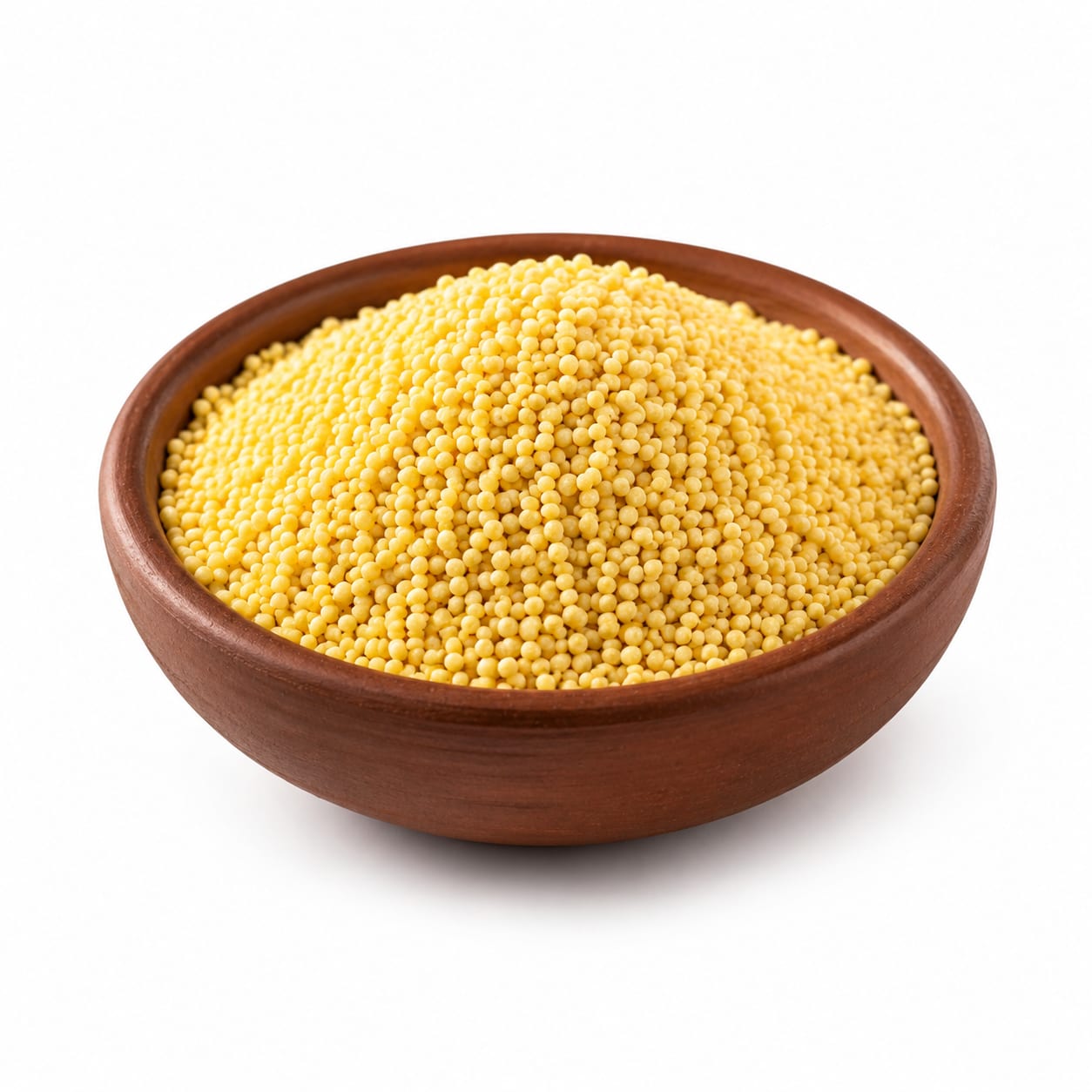
Whole Grains
Millet
Millet is a versatile, gluten-free ancient grain rich in magnesium and complex carbohydrates, commonly used as a base for porridges, pilafs, and flatbreads.
Millet is a group of small-seeded grasses widely grown around the world as cereal crops or grains for fodder and human food. It is naturally gluten-free, rich in antioxidants, and serves as a staple in many parts of Africa and Asia.
gluten-free complex carbohydrate grain
Typical serving · 174g
Common varieties · proso millet, foxtail millet, pearl millet, finger millet, little millet
Overall context score across nutrition, safety, and diet fit
At a glance
Quick facts
Simple indicators based on nutrition, processing, and diet fit.
The story
What makes it unique
Millet is a fast-digesting carbohydrate source with a moderate to high glycemic index depending on the variety and preparation. It provides moderate protein, B vitamins, and essential minerals like magnesium and phosphorus. Its fiber content supports slow gastric emptying compared to refined grains, though it lacks the soluble beta-glucans found in oats.
Varieties: proso millet · foxtail millet · pearl millet · finger millet · little millet
Per 100g
Nutrition breakdown
Macro balance and key metrics at a glance.
Energy
Density 1.19 kcal/g
Protein
Carbs
Fat
Fiber
Sugar
0.2 g
Sodium
2 mg
Potassium
62 mg
Glycemic index
68
Glycemic load
14
Water content
70%
Standout compounds
Nutrient highlights
Magnesium
highSupports muscle function, nerve signaling, and insulin sensitivity
Phosphorus
highEssential for bone health and cellular energy production
Manganese
moderateActs as a cofactor for enzymes involved in metabolism and antioxidant defense
Niacin (B3)
moderateHelps convert food into energy and supports skin and nervous system health
Wellness map
Health scores & processing
NOVA processing scale
minimally processed · Whole food
Whole grain millet is harvested and hulled, requiring no further processing to be edible, retaining its bran and germ.
Diet compatibility
- Weight loss
- Muscle gain
- Diabetes
- Gut health
- Low carb
- High protein
- Heart health
Relative standing
Food rankings
Qualitative ranks compared to similar whole foods.
- Satietygood
- Blood sugarmoderate
- Nutrient densitygood
- Fitness fuelgood
- Processing qualityexcellent
Eat with confidence
Food safety profile
Millet is generally safe and free from major contamination risks. However, it contains goitrogens that can suppress thyroid function if consumed excessively without adequate iodine intake.
Evidence confidence 85%
- Pesticideslow
- Antibioticslow
- Heavy metalslow
- Contaminationlow
Watch for
- naturally occurring goitrogens
Safer choices
Ensure adequate dietary iodine intake if consuming millet daily, and rotate with other gluten-free grains like quinoa or rice.
Prep tips
Rinse thoroughly under cold water before cooking to remove any residual debris and reduce natural saponins that can impart a bitter taste.
Millet contains goitrogenic substances that may interfere with thyroid function if consumed in very large quantities as a primary staple, particularly in iodine-deficient populations.
Deep dive
Health analysis
How this food may fit different goals and preparation choices.
Weight loss
Millet has a low energy density when cooked, providing volume and satiety with relatively few calories, which aids in portion control and weight management.
Blood sugar
Millet has a moderate to high glycemic index, but its fiber content and magnesium levels help improve insulin sensitivity compared to refined grains. Finger millet specifically has a lower GI.
Fitness & energy
Provides easily digestible complex carbohydrates that restock glycogen stores efficiently, making it a solid pre-workout or post-workout carb source.
Gut health
Contains insoluble fiber and prebiotics that support bowel regularity and feed beneficial gut bacteria, though it lacks the high soluble fiber of oats.
Processing quality
As a minimally processed whole grain, it retains its natural nutrient profile without added sugars, fats, or synthetic preservatives.
Food safety
Naturally gluten-free and low in pesticide residues, but frequent high consumption should be balanced with iodine-rich foods to mitigate goitrogenic effects.
Common mistakes
Not rinsing before cooking, which can leave a bitter taste, and overcooking, which turns it into a mushy paste rather than a fluffy pilaf.
Best preparation
Toasting in a dry pan before boiling enhances the nutty flavor and yields a fluffier, separated grain texture similar to couscous.
Practical guide
Best use cases
When and how this food fits real eating patterns.
Gluten-Free Grain Bowl Base
Serves as a fluffy, nutty base for vegetable and protein bowls, offering a lighter texture than brown rice.
Warm Breakfast Porridge
Can be cooked with extra water or plant milk to create a creamy, oatmeal-like breakfast porridge.
Post-Workout Carb Replenishment
Provides fast-digesting carbohydrates to restock glycogen stores after intense exercise.
Balance sheet
Pros & cons
Upsides
- Naturally gluten-free and allergy-friendly
- Good source of magnesium and phosphorus
- Provides fast-digesting complex carbs for energy
- Versatile cooking texture from fluffy to creamy
- More affordable than many other gluten-free grains
Trade-offs
- Contains goitrogens that may affect thyroid if overconsumed
- Not a complete protein, lacking lysine
- Lower fiber content compared to oats or barley
- Can become mushy if overcooked or prepared incorrectly
- Moderate to high glycemic index depending on variety
Fit check
Who is it for?
Great match
- gluten-free diets
- post-workout recovery
- plant-based meal bases
- digestive variety
Consider alternatives
- strict low-carb diets
- severe hypothyroidism management
- high-protein diets
Side by side
How it compares
Open the full head-to-head analysis for nutrition, safety, and practical tradeoffs.
This food
Millet
VS90% alike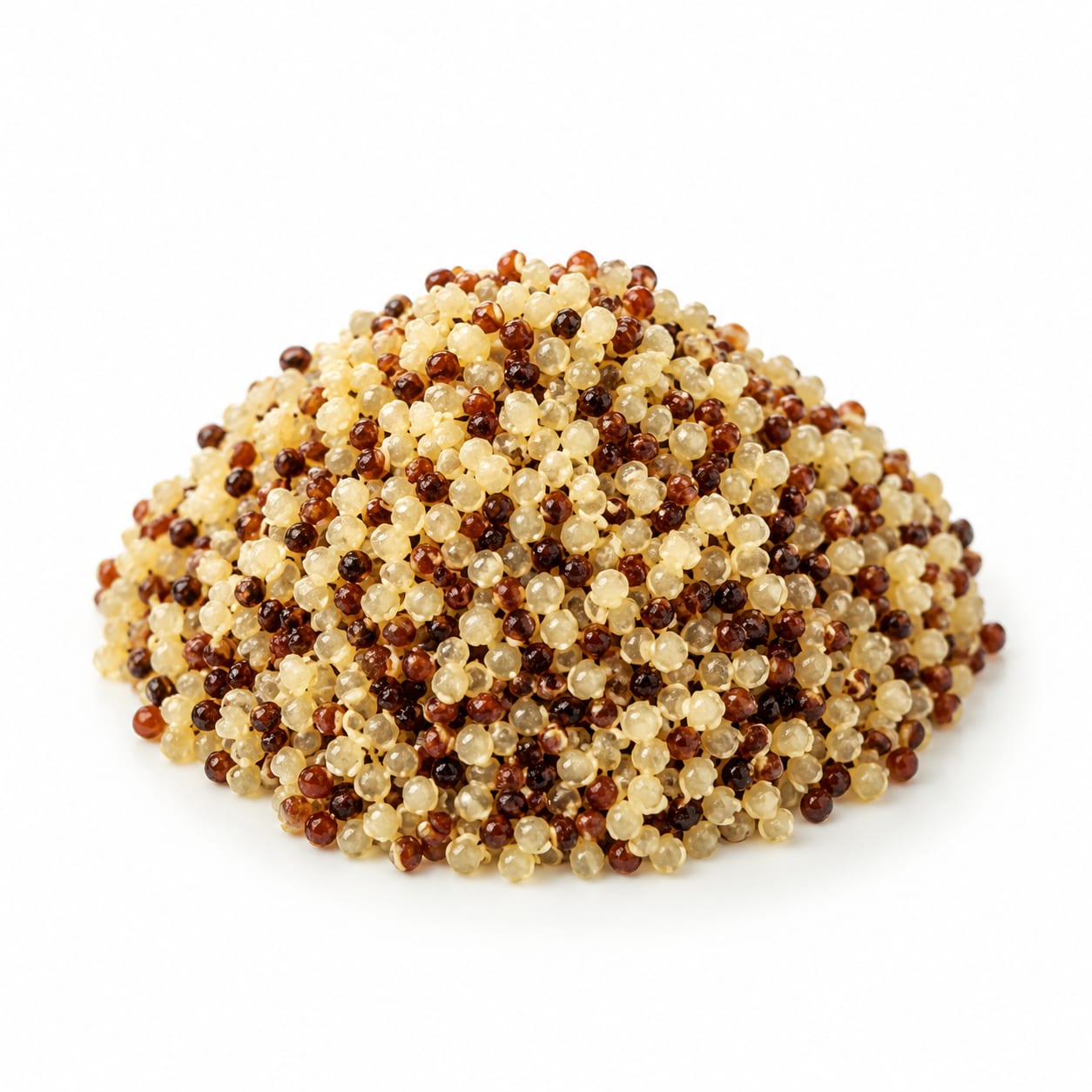
Compare with
Quinoa
Quinoa is a complete protein with higher fiber, while millet is lighter, fluffier, and cheaper.
Quinoa provides more protein and fiber for better satiety, while millet offers a fluffier texture and lower cost for budget-friendly meals.
This food
Millet
VS85% alike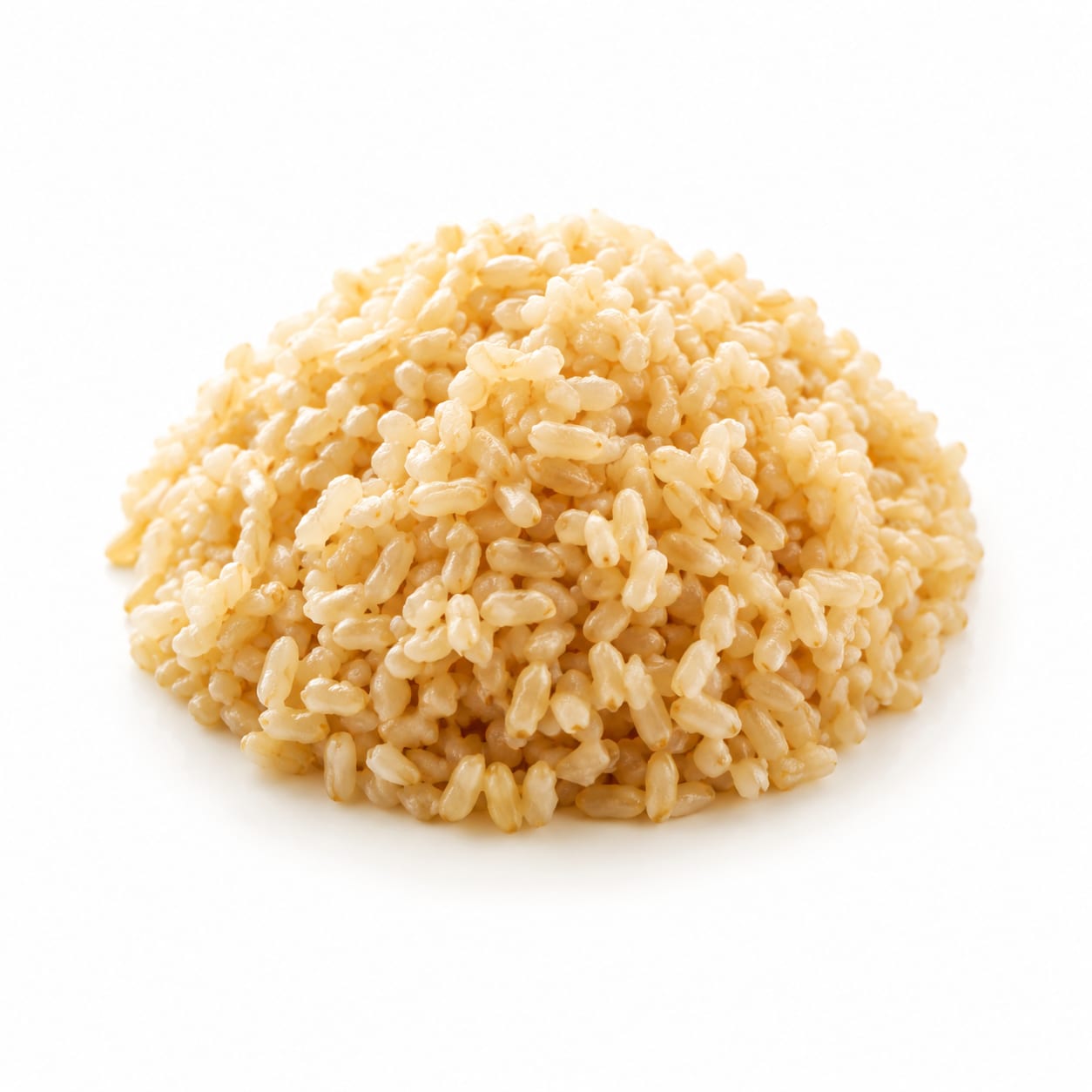
Compare with
Brown Rice
Brown rice has no goitrogens and slightly more fiber, but millet offers more magnesium and cooks faster.
Millet cooks faster and provides more magnesium, while brown rice avoids goitrogens and offers slightly better blood sugar control.
This food
Millet
VS80% alike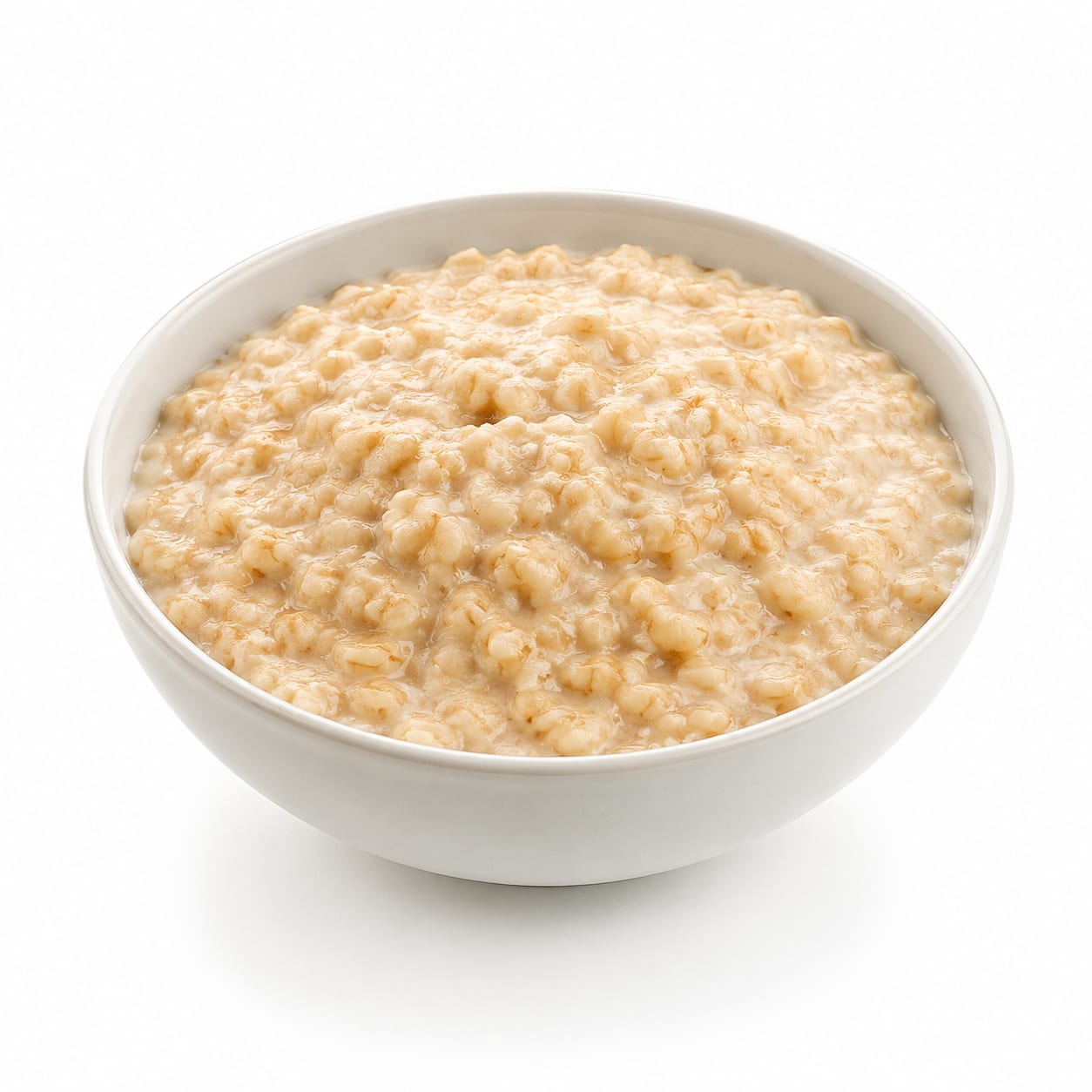
Compare with
Oats
Oats contain soluble fiber for cholesterol and blood sugar control, while millet is gluten-free.
Oats are superior for heart health and blood sugar due to beta-glucan, but millet is the necessary choice for a gluten-free diet.
This food
Millet
VS85% alike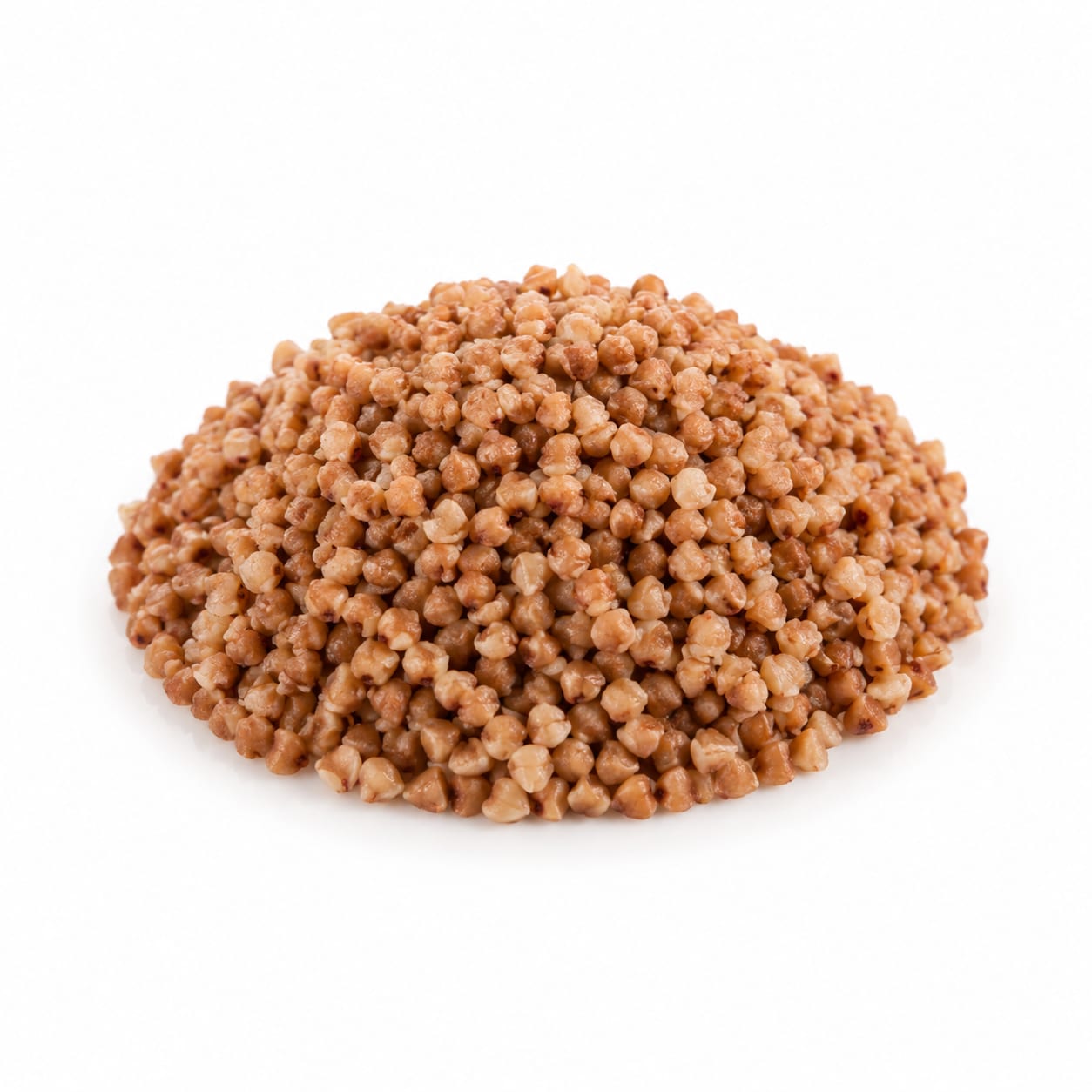
Compare with
Buckwheat
Buckwheat has a lower glycemic index and more rutin for blood vessels, while millet has a milder flavor.
Buckwheat offers better blood sugar control and heart-healthy rutin, whereas millet provides a lighter, fluffier texture for savory dishes.
This food
Millet
VS75% alike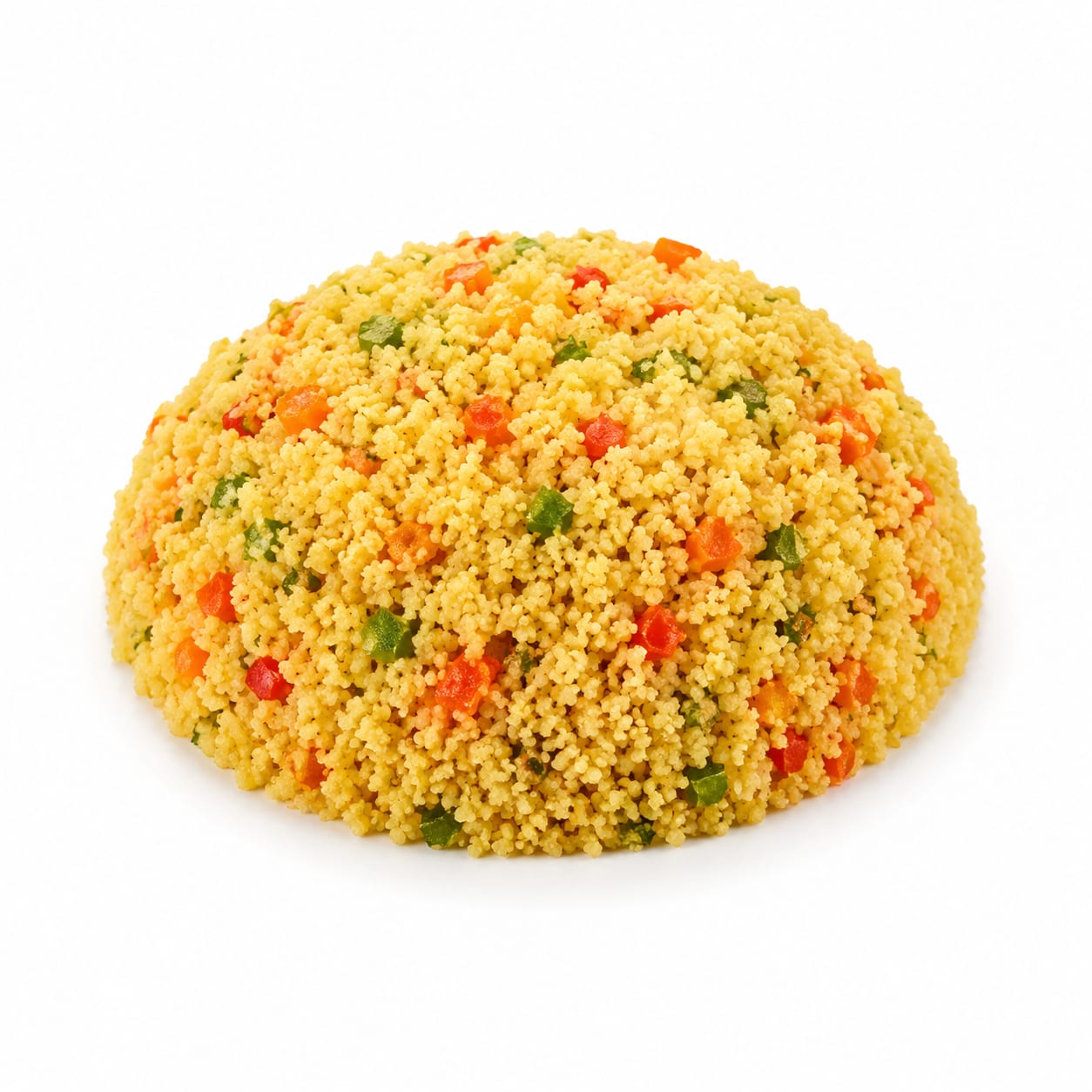
Compare with
Couscous
Millet is a whole grain and gluten-free, while traditional couscous is refined wheat pasta.
Millet is a gluten-free whole grain with more nutrients, while traditional couscous is a refined wheat product with less fiber.
This food
Millet
VS70% alike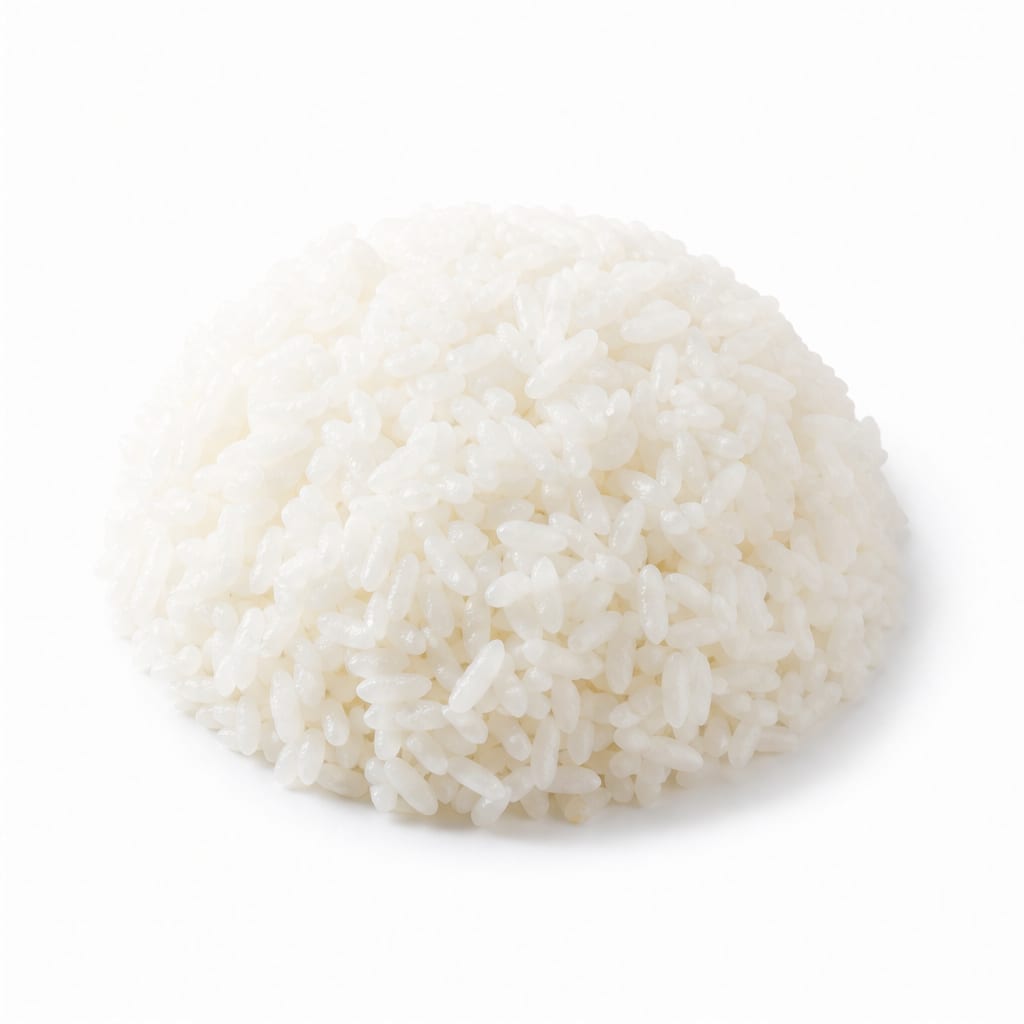
Compare with
White Rice
Millet provides significantly more fiber, protein, and minerals than white rice.
Millet is far more nutritious than white rice, offering more fiber and magnesium for better fullness and blood sugar management.
This food
Millet
VS80% alike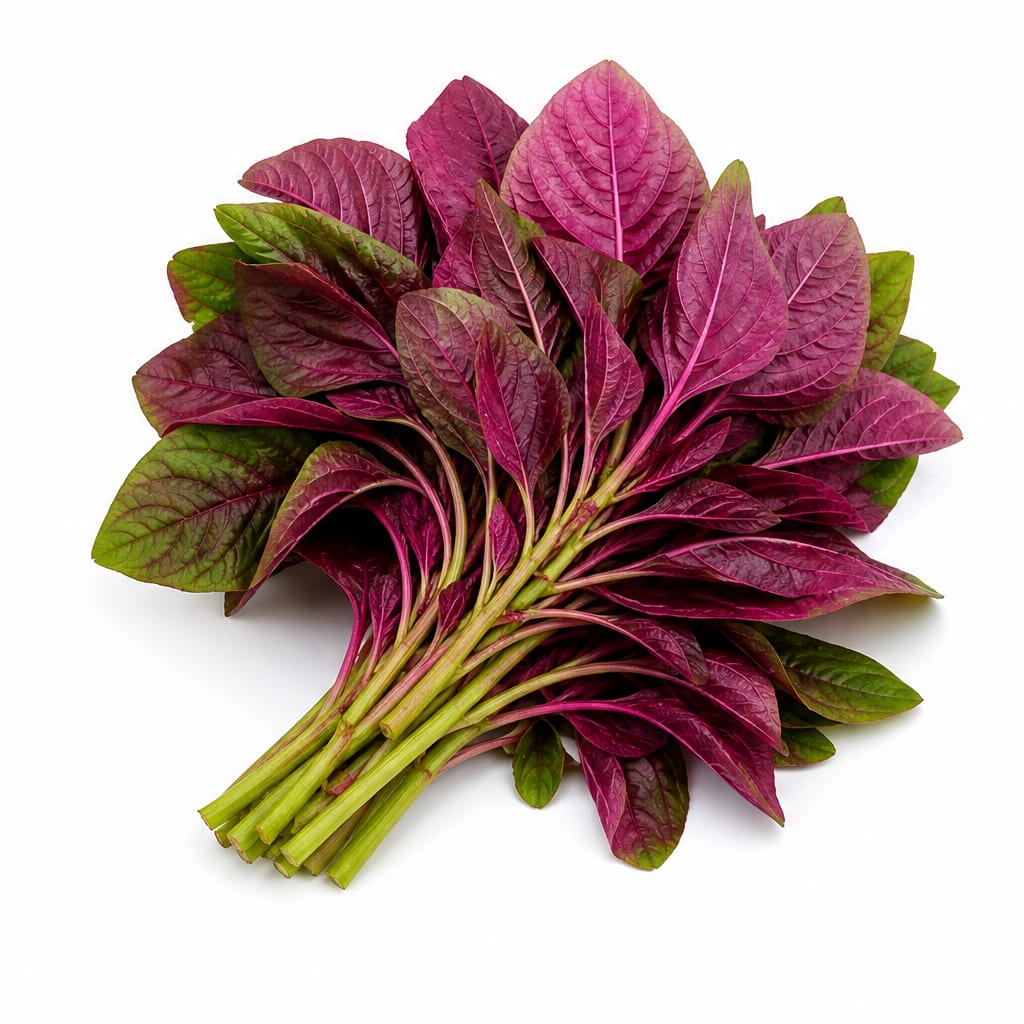
Compare with
Amaranth
Amaranth is higher in protein and calcium, while millet has a lighter, less sticky texture.
Amaranth provides more protein and calcium for muscle and bone support, while millet yields a fluffier, more rice-like texture.
This food
Millet
VS70% alike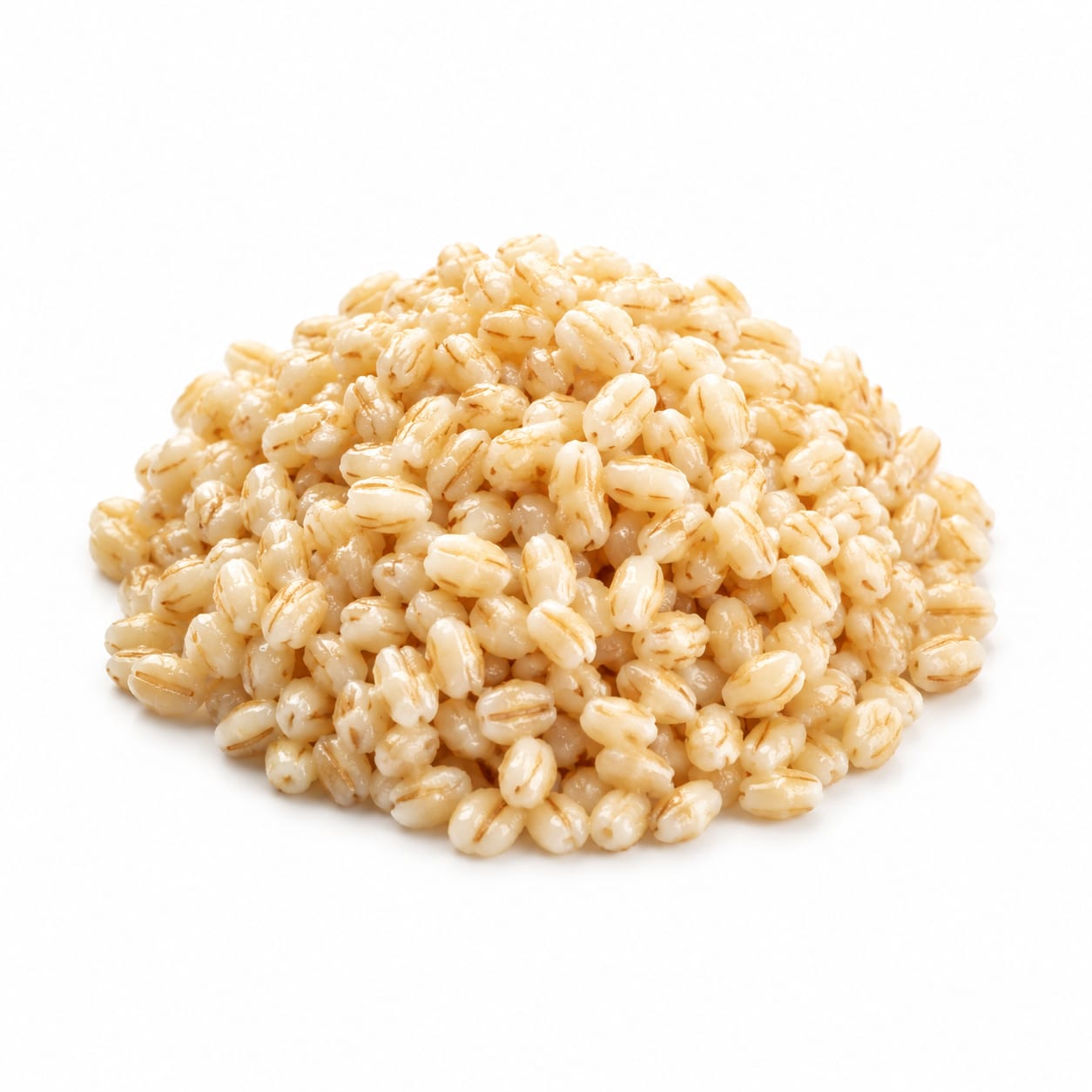
Compare with
Barley
Barley is very high in soluble fiber for gut health, but contains gluten; millet is gluten-free.
Barley is the winner for gut health and blood sugar due to high soluble fiber, but millet is essential for those avoiding gluten.
This food
Millet
VS85% alike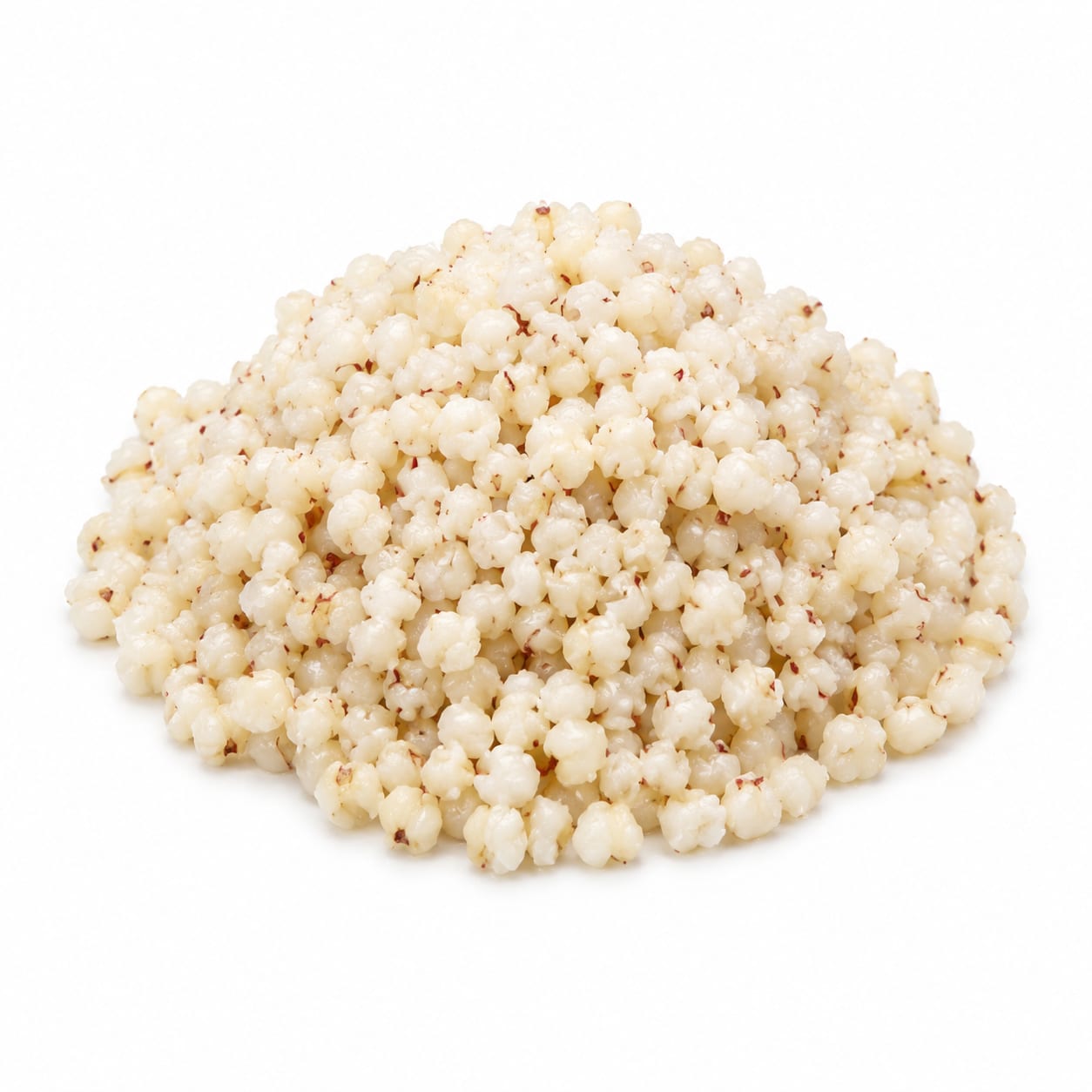
Compare with
Sorghum
Sorghum is higher in antioxidants and has a lower glycemic index, while millet cooks faster.
Sorghum offers more antioxidants and slower-digesting carbs, while millet provides quicker energy and a faster cooking time.
This food
Millet
VS65% alike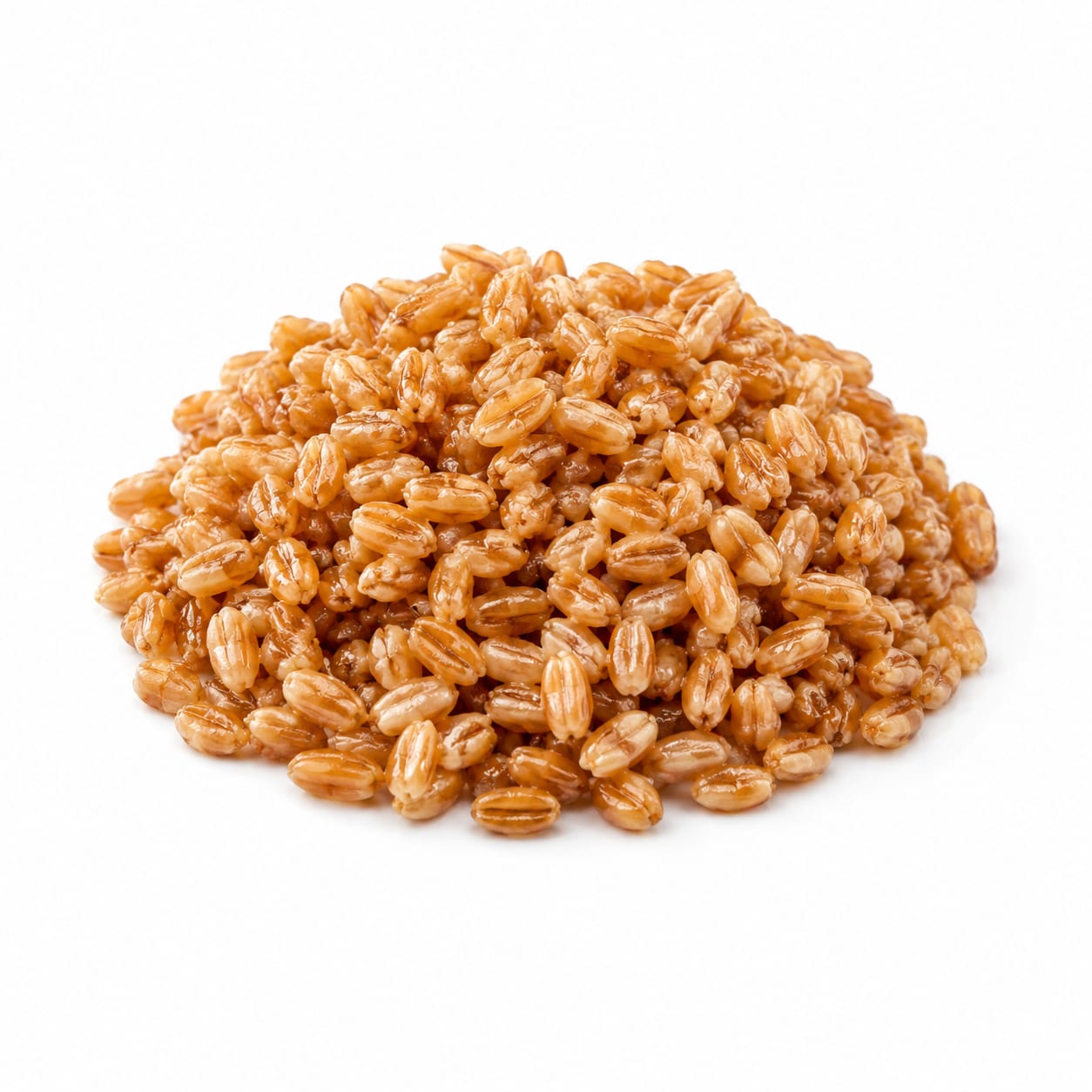
Compare with
Farro
Farro has more protein and fiber but contains gluten; millet is gluten-free and lighter.
Farro provides more protein and a chewy, satisfying bite, but millet is the only gluten-free option between the two.
Common questions
FAQ
Answers aligned with how people search for this food.
Is millet good for weight loss?
Yes, cooked millet is low in calories and provides good volume, helping you feel full without overconsuming calories, which supports weight loss.
Is millet gluten-free?
Yes, millet is naturally gluten-free, making it a safe grain choice for individuals with celiac disease or gluten sensitivity.
Can diabetics eat millet?
Yes, in moderation. While some varieties have a higher glycemic index, millet is rich in magnesium and fiber, which help improve insulin sensitivity and manage blood sugar levels better than refined grains.
Does millet affect thyroid function?
Millet contains goitrogens, which can interfere with thyroid hormone production if consumed in very large amounts, especially if iodine intake is low. Eating it as part of a varied diet is generally safe.
Is millet better than rice?
Millet offers more protein, fiber, and minerals like magnesium than white rice, and is gluten-free unlike wheat. However, brown rice provides slightly different amino acids and does not contain goitrogens.
How do you cook millet so it isn't mushy?
Toast the grains in a dry pan for a few minutes, then use a 2:1 water-to-millet ratio. Bring to a boil, simmer covered for 15-20 minutes, and let it rest off the heat for 10 minutes before fluffing.
Is millet a carb or a protein?
Millet is primarily a carbohydrate source, making up about 75% of its calories from carbs, but it does provide a moderate amount of plant-based protein compared to other grains.
What does millet taste like?
Millet has a mild, slightly nutty, and corn-like flavor. When toasted before cooking, the nutty flavor becomes more pronounced.
Transparency
Data confidence
Estimated confidence for nutrition data, interpretation, safety notes, and comparisons.
Nutrition data
Health analysis
Food safety
Comparisons