
Nutrition comparison
Millet vs Buckwheat: Which Ancient Grain Is Healthier for You?
Complete nutrition comparison of millet and buckwheat. Discover which grain is better for blood sugar, thyroid health, weight loss, and daily eating. Expert analysis with practical recommendations.
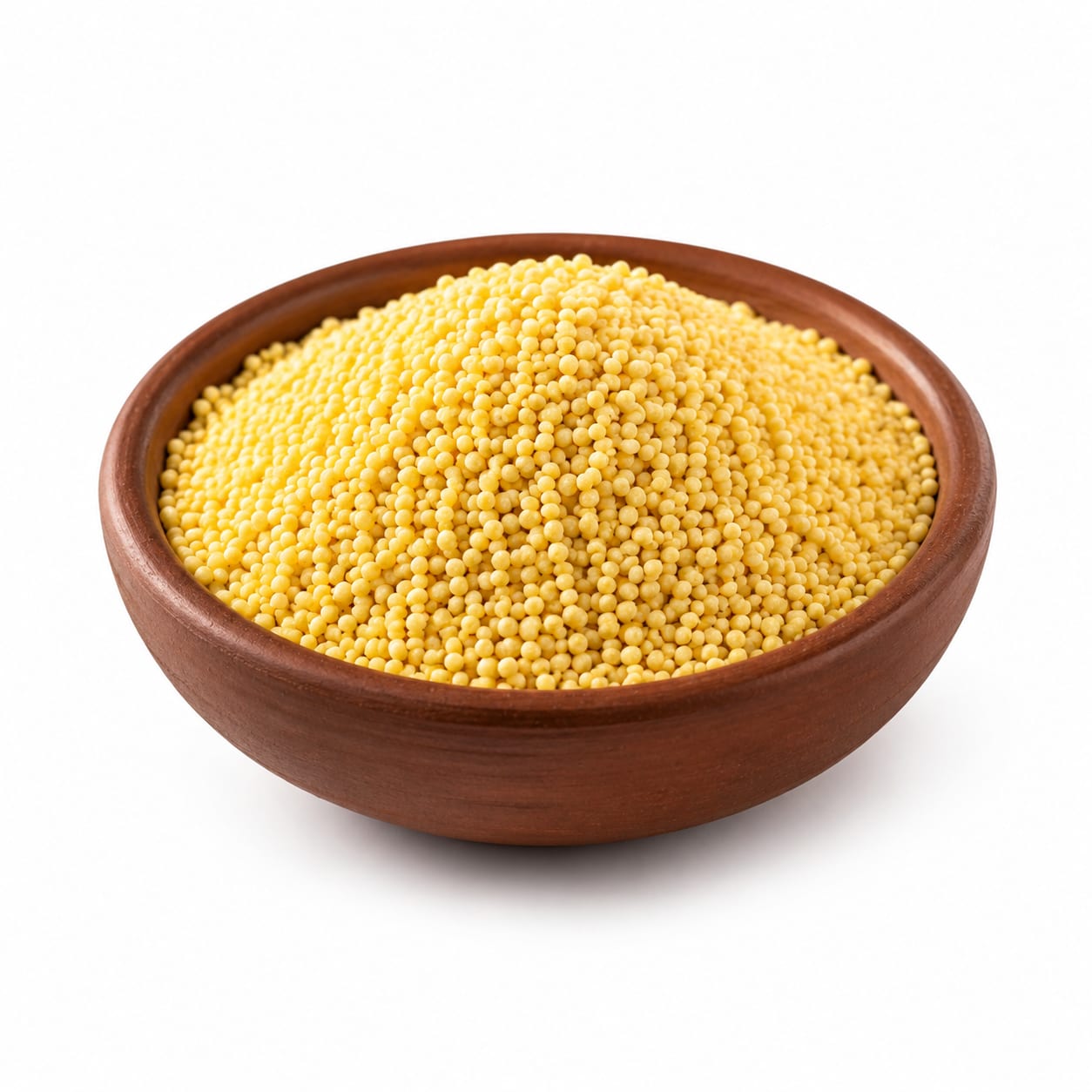
Millet
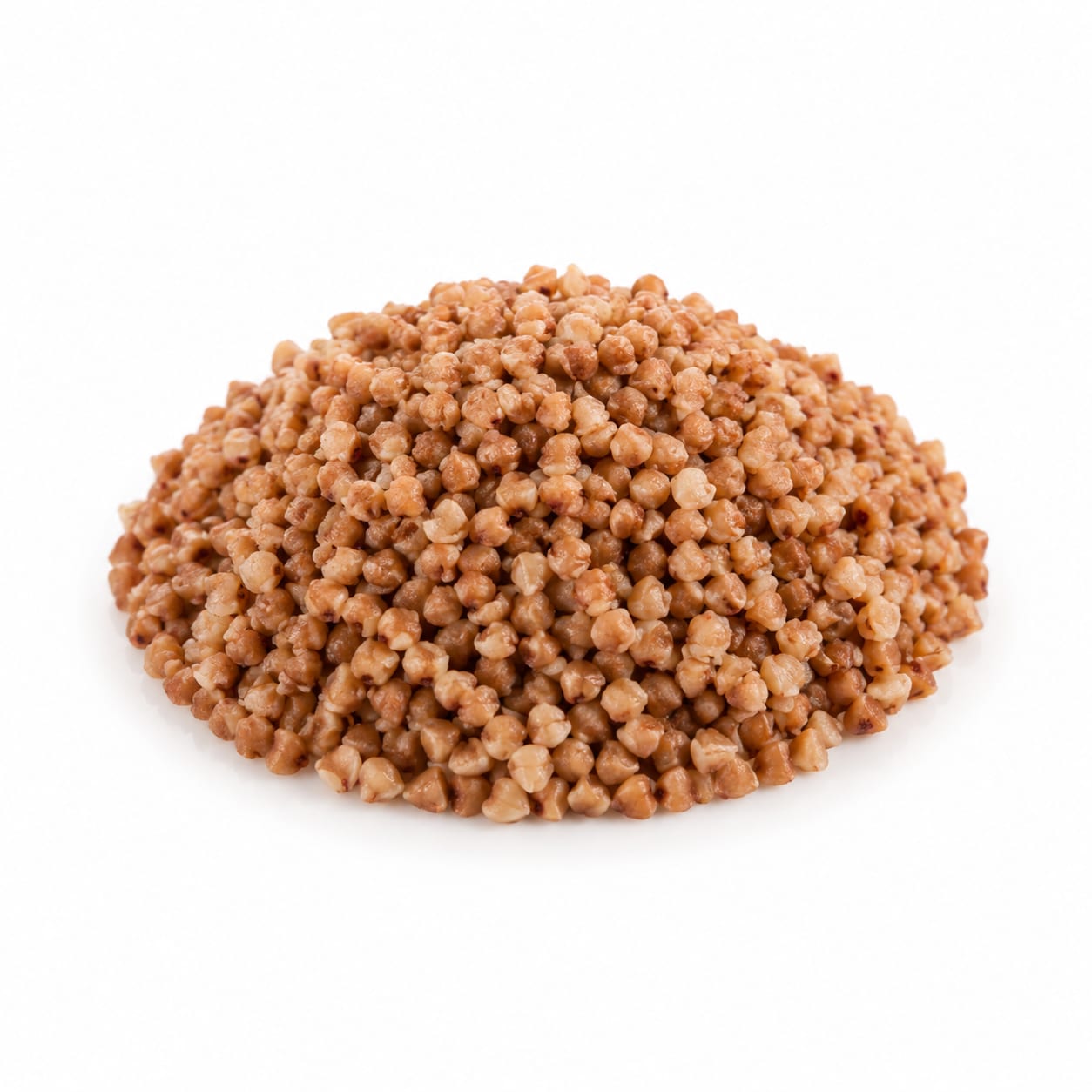
Buckwheat
Buckwheat wins on nutrition density and heart health, but millet wins on digestibility and culinary versatility. Your thyroid status and flavor preference should decide.
Buckwheat scores higher due to its complete protein, rutin content, and resistant starch. Millet stays competitive with better digestibility and culinary flexibility, but its goitrogen concern and lower nutrient density per calorie create a meaningful gap.
Buckwheat delivers superior protein and vascular benefits but has a stronger, more polarizing flavor. Millet is gentler on digestion and more neutral-tasting but carries thyroid risks with heavy consumption.
At a glance
Executive summary
Overall
It depends
Healthier
Buckwheat
More practical
Millet
Daily use
It depends
Key comparison lenses
gluten-free grain alternative selection
Both are naturally gluten-free, making them top swaps for wheat. Users are likely choosing between them for celiac-safe meals.
blood sugar management
Both have low glycemic indices, but their fiber types and resistant starch content differ significantly, affecting glucose response.
thyroid health safety
Millet contains goitrogens that can interfere with thyroid function, a concern many users are unaware of when switching to ancient grains.
protein quality for plant-based diets
Buckwheat offers a rare complete plant protein, while millet falls short on certain amino acids. Critical for vegetarians and vegans.
cardiovascular protection
Buckwheat's rutin content uniquely strengthens blood vessels and reduces inflammation, giving it a heart-health edge millet cannot match.
Best choice for
Millet
- Mild-flavored porridge and neutral side dishes
- People with sensitive digestion or recovering from illness
- Anyone avoiding strong or bitter flavors in meals
- Those who want a rice substitute that absorbs flavors well
- Families introducing whole grains to picky eaters
Buckwheat
- Plant-based eaters needing complete protein sources
- People focused on heart and blood vessel health
- Anyone managing blood sugar or insulin resistance
- Those seeking maximum antioxidant and mineral density per calorie
- Breakfast bowls where nutty, earthy flavor is welcome
Least suitable for
Millet
- People with thyroid issues consuming it daily in large amounts
- Those seeking high-protein grain alternatives
- Anyone needing significant rutin or flavonoid intake
Buckwheat
- People with buckwheat allergy, which can be severe
- Those who dislike strong, earthy, or bitter flavors
- Anyone wanting a truly neutral-tasting grain base
Deep comparison
Dimension by dimension
Each lens scores both foods and breaks down who each option suits.
- Dimension 1 · Priority 90Buckwheat
Blood Sugar Stability
Millet · 74Buckwheat · 85Buckwheat causes a slower, steadier rise in blood sugar thanks to resistant starch and D-chiro-inositol, a compound that improves insulin sensitivity.
Tradeoff
Millet still beats most refined grains, but lacks the insulin-sensitizing compounds that make buckwheat exceptional for glucose control.
Why it matters
If you experience afternoon energy crashes or mid-morning hunger after breakfast, buckwheat keeps you steadier for longer.
Real-world impact
A buckwheat breakfast bowl typically delays hunger by 1-2 hours compared to millet porridge, which can feel satisfying initially but may leave you reaching for a snack sooner.
Millet
- Those who prefer smaller, more frequent meals
Better for
- Those needing maximum glucose stability
Worse for
Buckwheat
- Insulin-resistant or prediabetic individuals
- Anyone trying to cut afternoon sugar cravings
- Breakfast eaters who need lasting energy until lunch
Better for
- People unaccustomed to high fiber who may experience initial bloating
Worse for
- Dimension 2 · Priority 85Buckwheat
Protein Quality & Satiety
Millet · 62Buckwheat · 84Buckwheat is one of the few plant foods with all nine essential amino acids, making it a complete protein. Millet is decent but missing adequate lysine.
Tradeoff
If you eat millet alongside beans or legumes, the amino acid gap closes. On its own, buckwheat is the clear winner for protein quality.
Why it matters
Complete protein means better muscle maintenance, longer fullness, and less need to carefully pair foods. This matters most for plant-based eaters.
Real-world impact
A single buckwheat serving provides noticeably more staying power than millet alone. You are less likely to feel hungry an hour after eating.
Millet
- Meals already paired with lysine-rich foods like lentils
Better for
- Plant-based eaters relying on grains as a primary protein source
Worse for
Buckwheat
- Vegans and vegetarians needing reliable protein
- Post-workout meals where protein quality matters
- Anyone eating grain as a standalone dish
Better for
- Those combining buckwheat with too many heavy proteins, risking overfullness
Worse for
- Dimension 3 · Priority 80Millet
Digestive Tolerance
Millet · 86Buckwheat · 68Millet is one of the easiest whole grains to digest. It is traditionally recommended during illness or recovery. Buckwheat's high fiber and resistant starch can cause bloating in sensitive people.
Tradeoff
Millet is gentler on the stomach but provides less prebiotic fuel for gut bacteria. Buckwheat feeds your microbiome better but demands more digestive effort.
Why it matters
If you have IBS, are recovering from stomach illness, or simply feel heavy after high-fiber meals, millet will feel noticeably more comfortable.
Real-world impact
Millet porridge sits light in the stomach, making it ideal before bed or when nauseous. Buckwheat can feel heavy and gassy if your gut is not accustomed to it.
Millet
- People with sensitive digestion or IBS
- Recovery meals after illness
- Light evening meals before sleep
Better for
- Anyone needing maximum prebiotic fiber intake
Worse for
Buckwheat
- Those wanting to improve gut microbiome diversity
- People with healthy digestion seeking more fiber
Better for
- People prone to bloating or gas from high-fiber foods
Worse for
- Dimension 4 · Priority 85Buckwheat
Heart & Vascular Health
Millet · 65Buckwheat · 90Buckwheat contains rutin, a flavonoid that strengthens blood vessel walls, reduces inflammation, and lowers blood pressure. Millet has magnesium but lacks this vascular-specific benefit.
Tradeoff
Millet's magnesium still supports heart rhythm and blood pressure, but it cannot match the targeted vascular protection rutin provides.
Why it matters
If cardiovascular disease runs in your family or you have elevated blood pressure, buckwheat offers a food-based intervention millet simply cannot replicate.
Real-world impact
Regular buckwheat consumption has been linked to measurable blood pressure improvements in as little as 8 weeks. Millet supports heart health indirectly through minerals alone.
Millet
- General heart-healthy diets where variety matters more than specific compounds
Better for
- Those specifically targeting vascular strength
Worse for
Buckwheat
- People with hypertension or blood vessel concerns
- Anyone with family history of cardiovascular disease
- Those wanting food-based blood pressure support
Better for
- People on blood thinners should consult a doctor due to rutin's mild anticoagulant effect
Worse for
- Dimension 5 · Priority 75Buckwheat
Thyroid Safety
Millet · 55Buckwheat · 90Millet contains goitrogens that can interfere with iodine uptake and thyroid hormone production. Buckwheat has no goitrogenic compounds and is thyroid-safe.
Tradeoff
Occasional millet consumption is fine for most people, but daily large servings can become problematic for those with existing thyroid issues. Buckwheat carries no such risk.
Why it matters
Thyroid problems are common and often undiagnosed. Eating goitrogenic grains daily without realizing it can worsen fatigue, weight gain, and cold sensitivity.
Real-world impact
If you have hypothyroidism and eat millet daily as your main grain, you may notice worsening symptoms over months. Switching to buckwheat removes this hidden stressor entirely.
Millet
- People with healthy thyroid function eating millet a few times per week
Better for
- Daily consumers with borderline thyroid function
Worse for
Buckwheat
- Anyone with hypothyroidism or Hashimoto's
- Those with family history of thyroid disorders
- People who eat grain as their primary daily staple
Better for
- No significant thyroid-related downside
Worse for
- Dimension 6 · Priority 70Millet
Culinary Versatility
Millet · 85Buckwheat · 68Millet has a mild, slightly sweet flavor that works in everything from savory pilafs to sweet porridges. Buckwheat has a strong, earthy taste that dominates dishes and limits pairing options.
Tradeoff
Millet adapts to any cuisine or flavor profile. Buckwheat commits you to its personality. If you want flexibility, millet is easier to live with daily.
Why it matters
The best grain for you is the one you will actually eat regularly. If buckwheat's flavor feels like a chore, its nutritional advantages become irrelevant.
Real-world impact
Millet can replace rice in stir-fries, work in salads, or become a creamy breakfast. Buckwheat excels in specific dishes like kasha, soba noodles, or granola but feels out of place in lighter recipes.
Millet
- Cooks who want one grain for everything
- Families with diverse taste preferences
- Meal preppers needing a neutral base
Better for
- Dishes where a distinctive grain flavor is desired
Worse for
Buckwheat
- Those who love robust, nutty flavors
- Eastern European and Japanese recipe traditions
- Breakfast and baking applications where earthiness shines
Better for
- Delicate recipes where buckwheat overpowers other ingredients
Worse for
- Dimension 7 · Priority 80Buckwheat
Antioxidant Power
Millet · 64Buckwheat · 88Buckwheat is rich in rutin, quercetin, and other flavonoids that actively reduce inflammation and oxidative stress. Millet has antioxidants too, but at lower concentrations and with less research backing.
Tradeoff
Millet's antioxidants are more heat-stable during cooking, while buckwheat loses some flavonoid content with prolonged high heat. Raw or lightly cooked buckwheat retains more.
Why it matters
Chronic inflammation drives aging, joint pain, and disease. Buckwheat gives you more anti-inflammatory firepower per serving than almost any other grain.
Real-world impact
Eating buckwheat regularly can contribute to reduced joint stiffness and better recovery from exercise. Millet's effect is milder and less noticeable.
Millet
- Recipes requiring long cooking times where antioxidant stability matters
Better for
- Those prioritizing maximum antioxidant intake
Worse for
Buckwheat
- Those fighting chronic inflammation
- Quick-cook recipes preserving flavonoids
- Smoothies and overnight soaking preparations
Better for
- Overcooked preparations that destroy heat-sensitive flavonoids
Worse for
Timeline
Health impact over time
Short-term
Hours to days
Millet
- Light, comfortable digestion with minimal bloating
- Moderate energy that may fade faster than buckwheat
- Easy on the stomach, suitable when feeling unwell
Buckwheat
- Longer-lasting fullness and steadier energy
- Possible gas or bloating if unaccustomed to high fiber
- Satisfying, grounding meal that reduces between-meal snacking
Long-term
Months to years
Millet
- Potential thyroid suppression with heavy daily consumption
- Consistent mineral intake supporting bone and nerve health
- Moderate protection against chronic disease through regular whole grain consumption
Buckwheat
- Improved blood vessel flexibility and blood pressure over time
- Better insulin sensitivity and glucose metabolism
- Stronger gut microbiome from resistant starch and prebiotic fiber
- Possible allergy development with very frequent consumption in susceptible individuals
Risk profile
Safety & processing
Both millet and buckwheat are whole foods typically sold with minimal processing. Hulled millet and raw buckwheat groats are as close to natural as grains get. Watch out for roasted buckwheat (kasha), which is still natural but has reduced heat-sensitive nutrients.
Millet
Goitrogenic compounds
mediumMillet contains goitrogens that can suppress thyroid function when consumed in large amounts daily, especially in iodine-deficient diets. Cooking reduces but does not eliminate this risk.
Phytic acid reducing mineral absorption
lowLike most whole grains, millet contains phytic acid that can bind iron, zinc, and calcium. Soaking before cooking significantly reduces this.
Buckwheat
Buckwheat allergy
highBuckwheat allergy is uncommon but can be severe, causing anaphylaxis in sensitive individuals. More prevalent in East Asian populations. First-time consumers should try a small amount.
Cross-contamination with gluten grains
mediumBuckwheat is naturally gluten-free but is often processed on shared equipment. Celiacs must verify certified gluten-free sourcing.
Who wins for whom
Audience fit
Same foods, different winners depending on your goal.
children
MilletMillet's milder flavor and easier digestibility make it more kid-friendly. Buckwheat's strong taste and potential allergy risk are less ideal for young children.
daily consumption
It dependsBuckwheat is nutritionally superior for daily use, but millet's thyroid risk with daily consumption and buckwheat's allergy potential both argue for rotating between them.
diabetes
BuckwheatD-chiro-inositol in buckwheat directly improves insulin sensitivity, while resistant starch slows glucose absorption more effectively than millet's fiber.
elderly
It dependsMillet is gentler on aging digestive systems, but buckwheat's cardiovascular benefits are especially valuable for older adults. Choose based on individual health priorities.
muscle gain
BuckwheatComplete amino acid profile supports muscle repair better than millet, which lacks sufficient lysine for optimal protein synthesis.
weight loss
BuckwheatBuckwheat's resistant starch and complete protein create stronger satiety signals, reducing overall calorie intake naturally.
Your move
Decision guide
Choose Millet
- You have a sensitive stomach or are recovering from illness
- You want a neutral-tasting grain that works in any recipe
- You have picky eaters or children to feed
- You already eat a varied diet and do not rely on grains for protein
- You are eating grain a few times per week, not daily
Choose Buckwheat
- You want maximum nutrition per calorie from your grains
- You have blood sugar concerns, insulin resistance, or diabetes
- Heart health and blood vessel strength are priorities
- You eat plant-based and need complete protein sources
- You enjoy robust, nutty, earthy flavors
Either works if
- You are simply replacing refined grains with whole grains
- You want a gluten-free alternative to wheat
- You plan to rotate between multiple grains weekly
- Both are available and affordable in your area
Avoid both if
- You have grain-specific allergies to either
- You are on a strict low-carb or ketogenic diet
- You cannot source uncontaminated gluten-free versions and have celiac disease
Final recommendation
Eat both, but let buckwheat be your primary grain and millet your supporting player. Buckwheat's nutritional advantages are real and measurable, while millet's thyroid concern makes it better suited for occasional use. Rotate them weekly: buckwheat most days for protein and heart health, millet when you want something lighter and milder. This gives you the best of both without the downsides of either.
Practical
Consumer tips
- 1
Soak both grains for 2-4 hours before cooking to reduce phytic acid and improve mineral absorption. This also speeds up cooking time.
- 2
If you have thyroid issues but love millet, cook it with iodine-rich foods like seaweed to partially offset goitrogenic effects.
- 3
Buy raw buckwheat groats instead of roasted kasha for maximum antioxidant retention. Roasting destroys much of the rutin content.
- 4
Toast millet dry in a pan for 3 minutes before adding water. This brings out a pleasant nutty flavor without the strong taste of buckwheat.
- 5
If buckwheat's flavor is too intense, mix it 50/50 with millet. You get most of the nutritional benefits with a more approachable taste.
- 6
Always check for certified gluten-free labels if you have celiac disease. Both grains are naturally gluten-free but cross-contamination during processing is common.
- 7
Introduce buckwheat slowly if you have never eaten it. Start with small portions to check for allergy and let your digestive system adapt to the higher fiber.