
Nutrition comparison
Millet vs Couscous: Nutrition, Gluten, and Which is Healthier
Comparing Millet and Couscous? Discover which grain is better for blood sugar, gluten-free diets, and quick meals. Learn the nutritional tradeoffs here.
Overall winner · Millet
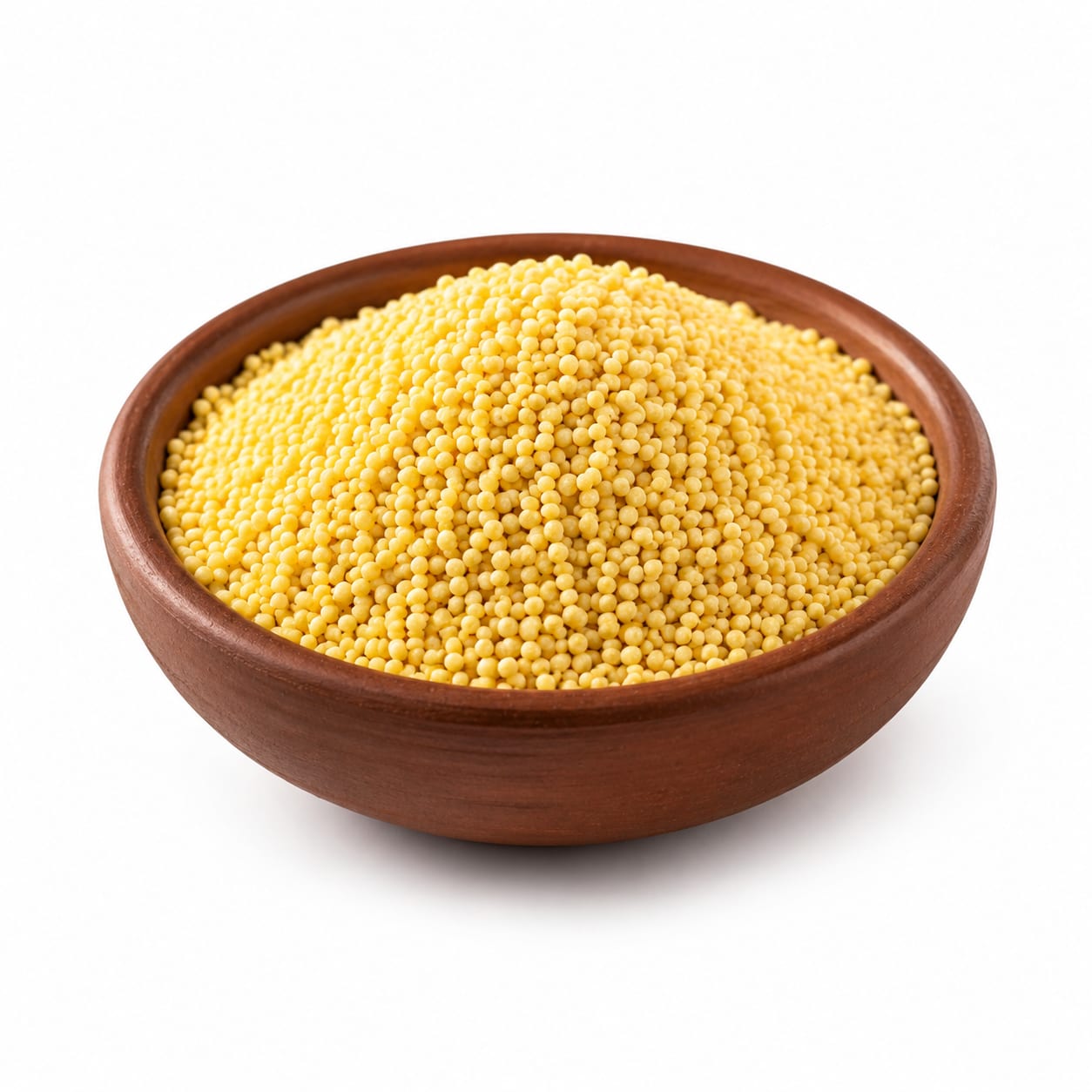
Millet
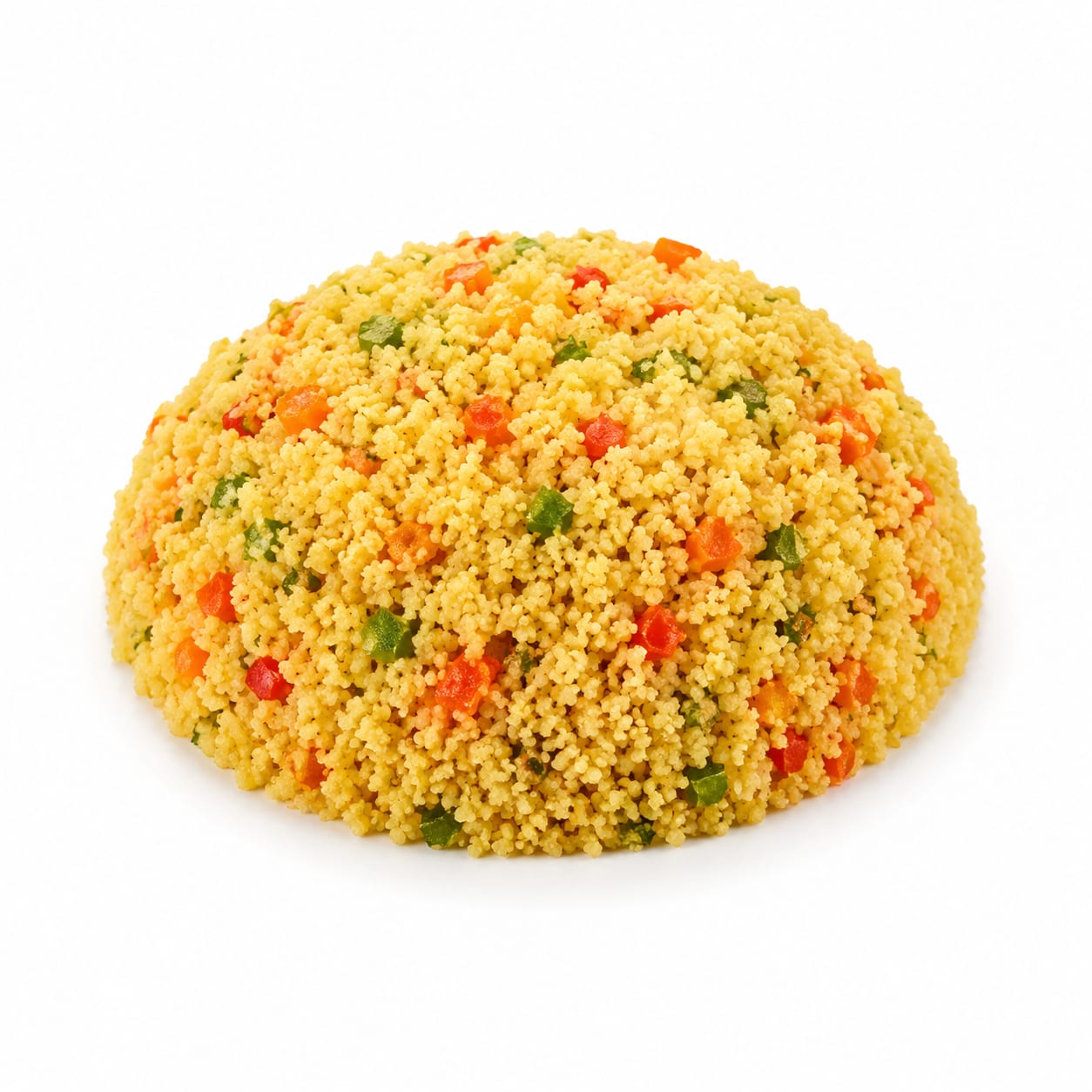
Couscous
Millet is the nutritional champion with better blood sugar control and gluten-free benefits, but Couscous remains the ultimate convenience carb for busy weeknights.
Millet scores significantly higher due to its whole-grain status, superior fiber, and micronutrient density. Couscous scores lower because it is typically a refined wheat product with a high glycemic index, though it earns points for convenience.
You are choosing between Millet's whole-grain nourishment and steady energy versus Couscous's unmatched cooking speed and fluffy, comforting texture.
At a glance
Executive summary
Overall
Millet
Healthier
Millet
More practical
Couscous
Daily use
Millet
Key comparison lenses
Blood sugar stability and glycemic impact
Millet is a low-GI whole grain, while Couscous is a high-GI refined wheat product, making this crucial for energy and diabetes management.
Gluten-free dietary needs
Millet is naturally gluten-free, whereas Couscous is made from wheat semolina, making it a hard pass for celiacs.
Meal prep convenience and cooking time
Couscous cooks in 5 minutes with just hot water, while Millet requires simmering, making convenience a major differentiator.
Nutrient density and fiber intake
Millet offers significantly more fiber, magnesium, and antioxidants compared to the refined carbohydrates in traditional Couscous.
Best choice for
Millet
- Gluten-free and celiac diets
- Steady energy without afternoon crashes
- Boosting daily fiber and mineral intake
Couscous
- Quick weeknight dinners under 15 minutes
- Post-workout carb loading
- Mediterranean and North African recipes
Least suitable for
Millet
- Those in an extreme time crunch
- People who dislike grainy or chewy textures
Couscous
- Anyone with celiac disease or gluten sensitivity
- Low-glycemic or diabetic eating plans
Deep comparison
Dimension by dimension
Each lens scores both foods and breaks down who each option suits.
- Dimension 1 · Priority 95Millet
Blood Sugar Stability
Millet · 88Couscous · 35Millet provides slow-burning, steady energy, while Couscous can cause rapid blood sugar spikes followed by crashes.
Tradeoff
Choosing Couscous for convenience means risking that 3 PM energy slump, whereas Millet keeps you fueled longer but takes more time to cook.
Why it matters
Stable blood sugar prevents cravings, mood swings, and long-term metabolic issues.
Real-world impact
Eating Millet at lunch means you are far less likely to raid the snack cabinet by mid-afternoon.
Millet
- Diabetics
- Intermittent fasters
- Office workers avoiding food comas
Better for
- Those needing immediate post-workout carb absorption
Worse for
Couscous
- Endurance athletes needing quick glycogen
Better for
- Pre-diabetics
- People prone to sugar crashes
Worse for
- Dimension 2 · Priority 85Millet
Nutrient Density
Millet · 90Couscous · 45Millet is packed with magnesium, phosphorus, and antioxidants. Traditional Couscous is refined wheat, stripped of most natural nutrients.
Tradeoff
You trade the light, fluffy mouthfeel of Couscous for Millet's dense profile of vitamins and minerals.
Why it matters
Higher nutrient density means you get more health benefits per calorie, supporting bone health and cellular repair.
Real-world impact
A bowl of Millet actively feeds your body minerals, while a bowl of regular Couscous mostly just provides quick calories.
Millet
- Older adults needing magnesium for bones
- Pregnant women seeking whole-food nutrients
Better for
- People who heavily season their grains and prefer a neutral base
Worse for
Couscous
- Underweight individuals needing easy calories
Better for
- Anyone tracking micronutrient intake
Worse for
- Dimension 3 · Priority 80Couscous
Convenience and Cook Time
Millet · 40Couscous · 95Couscous is essentially instant, ready in 5 minutes with boiling water. Millet requires 20-25 minutes of simmering.
Tradeoff
You sacrifice whole-grain nutrition to get dinner on the table in a flash with Couscous.
Why it matters
When hunger strikes or time is tight, convenience often dictates what actually ends up on your plate.
Real-world impact
Couscous is a weeknight lifesaver when you have 15 minutes to cook; Millet requires actual meal planning.
Millet
- Meal preppers cooking in batches on Sunday
Better for
- Exhausted people needing food instantly
Worse for
Couscous
- Busy parents
- College students in dorms
- Last-minute dinner emergencies
Better for
- Slow-food cooking enthusiasts
Worse for
- Dimension 4 · Priority 90Millet
Digestive Compatibility and Gluten
Millet · 95Couscous · 20Millet is naturally gluten-free and easy on the gut. Couscous is pure wheat semolina, making it a non-starter for anyone with gluten issues.
Tradeoff
If you have celiac disease or gluten sensitivity, Millet is your only safe bet here, offering a satisfying grain bowl without the inflammation.
Why it matters
Gluten triggers severe autoimmune responses or digestive distress in a large portion of the population.
Real-world impact
Eating Couscous with a gluten intolerance means bloating and brain fog; Millet lets you enjoy a hearty grain pain-free.
Millet
- Celiacs
- People with IBS or wheat sensitivity
Better for
- People with severe iodine deficiency who overconsume goitrogenic foods
Worse for
Couscous
- Those without any wheat allergies who prefer traditional textures
Better for
- Anyone with celiac or non-celiac gluten sensitivity
Worse for
- Dimension 5 · Priority 75Millet
Satiety and Fullness
Millet · 85Couscous · 50Millet's high fiber and protein content keep you full for hours. Couscous digests quickly, leaving you hungry sooner.
Tradeoff
Millet feels like a substantial, grounding meal. Couscous feels lighter, which is great for light appetites but bad for snacking control.
Why it matters
Staying full between meals prevents overeating and helps maintain a healthy weight effortlessly.
Real-world impact
A Millet bowl at noon will easily carry you to dinner. A Couscous bowl might have you reaching for chips by 3 PM.
Millet
- Weight loss seekers
- People with physically demanding jobs
Better for
- Anyone wanting a light, delicate side dish
Worse for
Couscous
- People with small appetites
- Those eating right before a workout
Better for
- Emotional eaters
- Volume eaters
Worse for
Timeline
Health impact over time
Short-term
Hours to days
Millet
- Provides sustained, jitter-free energy
- Promotes comfortable digestion without bloating
Couscous
- Offers rapid energy replenishment
- Can cause a quick energy crash or sudden hunger an hour later
Long-term
Months to years
Millet
- Supports heart health with magnesium and fiber
- May reduce the risk of type 2 diabetes due to a low glycemic load
Couscous
- Frequent consumption of refined grains may increase inflammation
- Could contribute to insulin resistance if eaten in large portions regularly
Risk profile
Safety & processing
Millet is a true whole grain harvested and hulled with minimal intervention. Traditional Couscous is a processed wheat product where semolina is rolled into tiny pellets, stripping away the bran and germ.
Millet
Goitrogenic compounds
lowMillet contains mild goitrogens that can interfere with thyroid function, but only if consumed in massive quantities as a dietary staple without adequate iodine.
Cross-contamination with gluten
mediumMillet is often processed in facilities that handle wheat, so celiacs must verify certified gluten-free labels.
Couscous
Gluten exposure
highCouscous is made from wheat and is strictly unsafe for anyone with celiac disease or a wheat allergy.
Pesticide residue
mediumConventional wheat is often heavily sprayed with pesticides like glyphosate, making organic Couscous a smarter choice.
Who wins for whom
Audience fit
Same foods, different winners depending on your goal.
children
CouscousCouscous has a softer, less chewy texture and a milder taste that picky kids usually accept more readily than denser grains.
daily consumption
MilletAs a whole grain, Millet offers a broader nutritional profile that supports long-term health without the metabolic drawbacks of refined wheat.
diabetes
MilletMillet has a much lower glycemic index and more fiber, preventing the dangerous blood sugar spikes caused by refined Couscous.
elderly
MilletMillet provides essential minerals like magnesium for bone health and fiber for digestion, which are critical as metabolism slows.
muscle gain
CouscousCouscous digests rapidly, making it an excellent quick-carb source to replenish glycogen right after a heavy lifting session.
weight loss
MilletMillet's high fiber and protein content keep you fuller for longer, naturally reducing overall calorie intake.
Your move
Decision guide
Choose Millet
- You are gluten-free or cooking for someone who is
- You want steady energy and no afternoon crashes
- You are focused on weight management or diabetes prevention
- You enjoy nutty, chewy whole grains
Choose Couscous
- You need a hot meal on the table in under 10 minutes
- You are carbo-loading before or after an intense workout
- You are making traditional North African or Moroccan dishes
- You prefer light, fluffy textures over chewy grains
Either works if
- You are mixing the grain with heavy sauces, stews, or curries where the base texture matters less
- You are looking for a neutral carbohydrate side dish
Avoid both if
- You are on a strict ketogenic or very low-carb diet
- You are highly sensitive to all grains
Final recommendation
Make Millet your everyday grain for its nutritional depth and blood sugar benefits, but keep a box of whole-wheat Couscous in the pantry for those chaotic nights when cooking time is the only metric that matters.
Practical
Consumer tips
- 1
Toast Millet in a dry pan for 3 minutes before adding water to bring out a rich, nutty flavor and improve texture.
- 2
If you eat Couscous, opt for whole-wheat varieties to get a slight bump in fiber and protein over the traditional refined version.
- 3
Always check Millet packaging for a certified gluten-free label if cross-contamination is a concern for you.
- 4
Cook Millet in vegetable or chicken broth instead of water to add depth of flavor without extra effort.