
Nutrition comparison
Barley vs Millet: Which Grain is Healthier?
Compare Barley vs Millet for fiber, blood sugar control, and gluten-free diets. Find out which whole grain is best for your health goals.
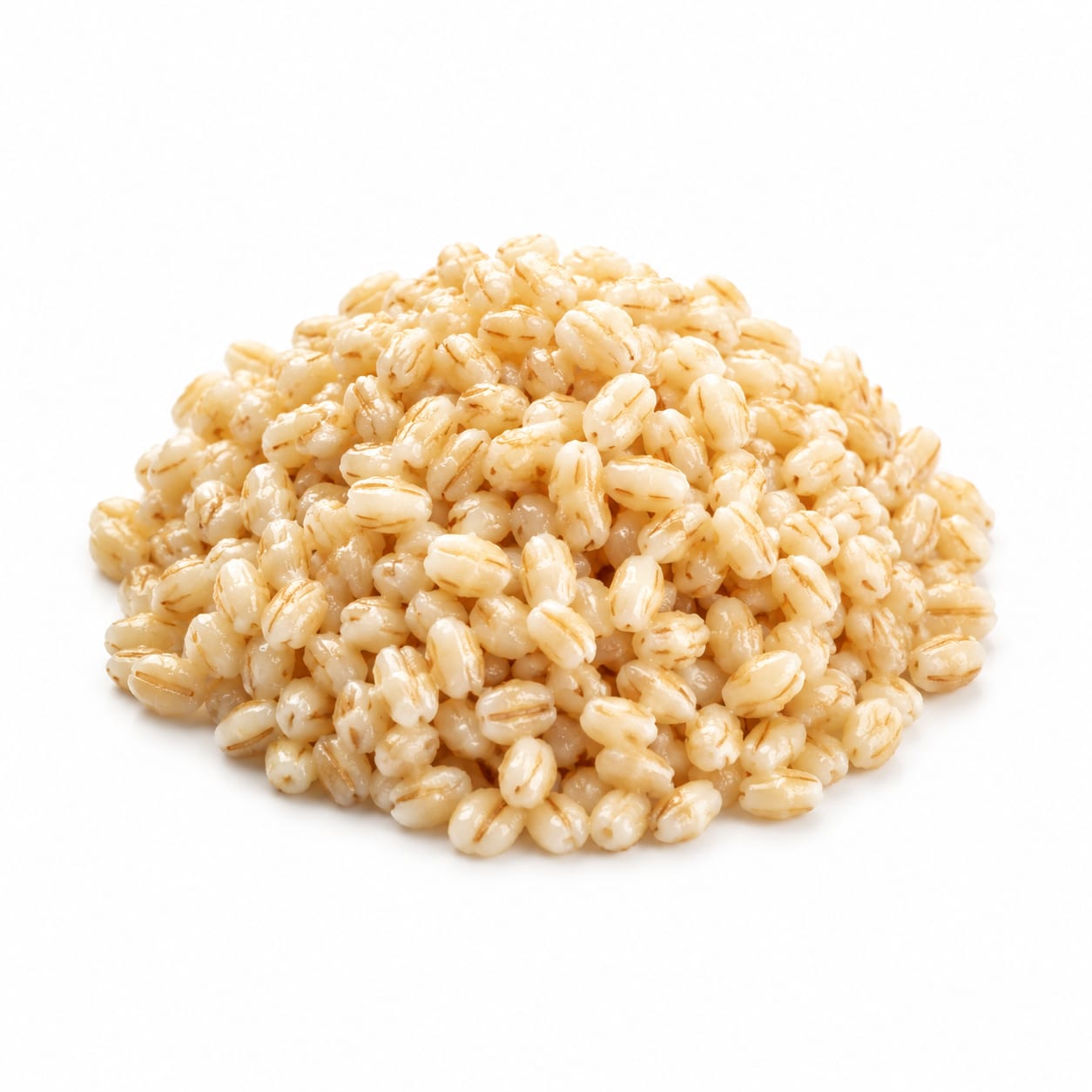
Barley
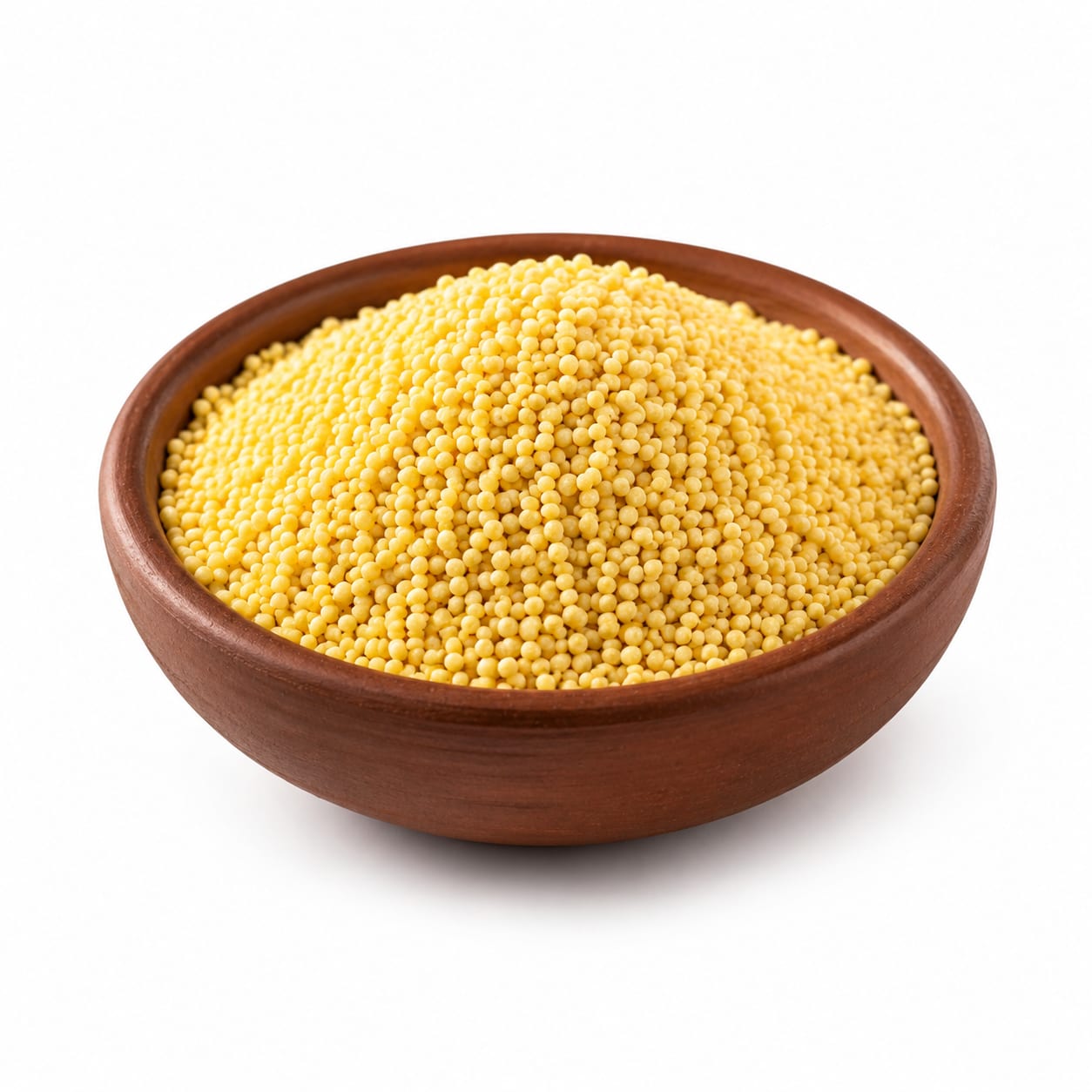
Millet
Barley is the champion for heart health and blood sugar, while Millet is the go-to for gluten-free, easy-to-digest meals.
Barley scores slightly higher for its exceptional soluble fiber content, but Millet stays competitive due to its gluten-free nature and mineral density.
Massive soluble fiber benefits in Barley versus the gluten-free, lighter digestibility of Millet.
At a glance
Executive summary
Overall
It depends
Healthier
It depends
More practical
Millet
Daily use
It depends
Key comparison lenses
Blood sugar and cholesterol management
Barley's beta-glucan content is legendary for metabolic health, making this a key differentiator.
Gluten sensitivity and celiac safety
Millet is naturally gluten-free while Barley contains gluten, a major deciding factor for many.
Digestive comfort and tolerance
Millet is often considered lighter and easier to digest, whereas Barley's heavy fiber load can bloat sensitive stomachs.
Mineral density and antioxidant intake
Millet is surprisingly rich in magnesium and antioxidants, offering distinct nutritional perks.
Best choice for
Barley
- Lowering cholesterol
- Managing type 2 diabetes
- High-fiber diets
Millet
- Celiac disease
- Gluten intolerance
- Quick-cooking whole grains
Least suitable for
Barley
- Gluten-free diets
- People with severe IBS flare-ups
Millet
- Maximizing beta-glucan intake
- Very low-fat diets
Deep comparison
Dimension by dimension
Each lens scores both foods and breaks down who each option suits.
- Dimension 1 · Priority 95Barley
Blood Sugar & Heart Health
Barley · 92Millet · 70Barley's beta-glucan fiber is a powerhouse for lowering cholesterol and stabilizing blood sugar.
Tradeoff
You get superior metabolic benefits with Barley, but you must tolerate gluten.
Why it matters
Beta-glucan actively reduces LDL cholesterol and slows glucose absorption.
Real-world impact
Steadier energy after meals and better long-term heart health with Barley.
Barley
- Diabetics
- People with high cholesterol
Better for
- Celiacs
Worse for
Millet
- Those needing blood sugar control without gluten
Better for
- Those needing aggressive cholesterol lowering
Worse for
- Dimension 2 · Priority 90Millet
Digestive Tolerance & Allergens
Barley · 60Millet · 90Millet is naturally gluten-free and often feels lighter in the stomach, while Barley contains gluten and is heavy on fiber.
Tradeoff
Millet is safer and gentler for sensitive guts, but lacks the robust soluble fiber of Barley.
Why it matters
Gluten can trigger inflammation in sensitive individuals, and heavy fiber can bloat some people.
Real-world impact
Millet feels comforting and light; Barley can feel heavy or cause gas if you aren't used to it.
Barley
- Those needing high fiber for constipation
Better for
- Gluten-sensitive individuals
Worse for
Millet
- People with celiac disease
- Those with IBS triggers from gluten
Better for
- Those who need extreme fiber intake
Worse for
- Dimension 3 · Priority 80It depends
Nutrient Density
Barley · 80Millet · 82Millet edges out with higher magnesium and phosphorus, while Barley offers more B vitamins and fiber.
Tradeoff
Millet supports bone health and enzyme function better, while Barley supports metabolic and gut health.
Why it matters
Magnesium is crucial for muscle and nerve function, whereas B vitamins drive energy metabolism.
Real-world impact
Millet helps with cramps and recovery; Barley keeps your gut and energy steady.
Barley
- Gut microbiome support
- Sustained energy
Better for
- Those needing high magnesium
Worse for
Millet
- Athletes needing magnesium
- Bone health support
Better for
- Those needing high B-vitamins from grains
Worse for
- Dimension 4 · Priority 75Millet
Cooking Convenience & Versatility
Barley · 65Millet · 85Millet cooks faster and has a fluffy texture like couscous, while Barley takes longer and is chewier.
Tradeoff
Millet saves time and works well in lighter dishes, whereas Barley excels in soups and stews.
Why it matters
Time and texture dictate how often you will actually cook a grain on a busy weeknight.
Real-world impact
Millet is ready in 20 minutes for a quick dinner; hulled Barley can take over an hour.
Barley
- Slow-cooked soups
- Stews
- Risottos
Better for
- Quick weeknight meals
Worse for
Millet
- Quick side dishes
- Breakfast porridge
- Fluffy salad bases
Better for
- Creamy, thick soups
Worse for
Timeline
Health impact over time
Short-term
Hours to days
Barley
- Highly filling, reduces snacking urges
- Can cause bloating or gas if introduced too fast
Millet
- Light, comfortable digestion without heaviness
- Quick energy without the sluggish feeling
Long-term
Months to years
Barley
- Lowered LDL cholesterol
- Improved insulin sensitivity
- Better cardiovascular health
Millet
- Stronger bones from magnesium intake
- Reduced oxidative stress from antioxidants
- Safe long-term grain option for celiacs
Risk profile
Safety & processing
Both Barley and Millet are whole grains when purchased in their hulled form, free from artificial additives. Note that pearled Barley is more processed and strips away the valuable bran.
Barley
Gluten exposure
highContains gluten, making it completely unsafe for anyone with celiac disease or severe gluten intolerance.
Fiber shock
lowEating a large amount of Barley suddenly can cause bloating or constipation if not paired with enough water.
Millet
Goitrogenic compounds
lowMillet contains goitrogens that can interfere with thyroid function if consumed in extreme excess, especially in iodine-deficient diets.
Phytic acid
lowLike many whole grains, Millet contains phytic acid which can slightly reduce mineral absorption if not soaked or cooked properly.
Who wins for whom
Audience fit
Same foods, different winners depending on your goal.
children
MilletMillet is gluten-free, easier to digest, and has a mild, fluffy texture that kids often prefer over chewy Barley.
daily consumption
It dependsChoose Barley for metabolic health and Millet for digestive comfort and variety; rotating both is ideal.
diabetes
BarleyBarley's soluble fiber is clinically proven to blunt blood sugar spikes better than almost any other grain.
elderly
BarleyThe cardiovascular and blood sugar benefits of Barley are crucial for aging bodies, provided they tolerate gluten well.
muscle gain
MilletMillet has slightly more protein per serving and is easier to eat in larger volumes without feeling overly heavy.
weight loss
BarleyBarley's high beta-glucan fiber creates a stronger feeling of fullness, helping to naturally reduce overall calorie intake.
Your move
Decision guide
Choose Barley
- You want to actively lower your cholesterol
- You need top-tier blood sugar control
- You are making a hearty soup or stew
Choose Millet
- You eat a gluten-free diet
- You want a quick-cooking, light grain
- You have a sensitive digestive system
Either works if
- You want a nutritious whole grain base for bowls
- You are looking to diversify your daily grain intake
Avoid both if
- You are on a strict ketogenic or very low-carb diet
Final recommendation
Let your gut decide. If you tolerate gluten, Barley is a metabolic superfood. If gluten bothers you or you want a faster-cooking grain, Millet is a fantastic, mineral-rich alternative.
Practical
Consumer tips
- 1
Soak hulled Barley overnight to cut cooking time and improve digestibility.
- 2
Toast Millet in a dry pan for 2-3 minutes before adding water to bring out a rich, nutty flavor.
- 3
Always choose hulled Barley over pearled Barley; pearling strips away the valuable beta-glucan fiber.
- 4
Rinse Millet thoroughly before cooking to remove any bitter residue from the natural saponins on the grain hull.