
Nutrition comparison
Millet vs Brown Rice: Nutrition, Arsenic, and Blood Sugar Compared
Millet and brown rice are popular whole grains, but which is healthier? Compare their fiber, protein, arsenic risk, and blood sugar impact to find out.
Overall winner · Millet
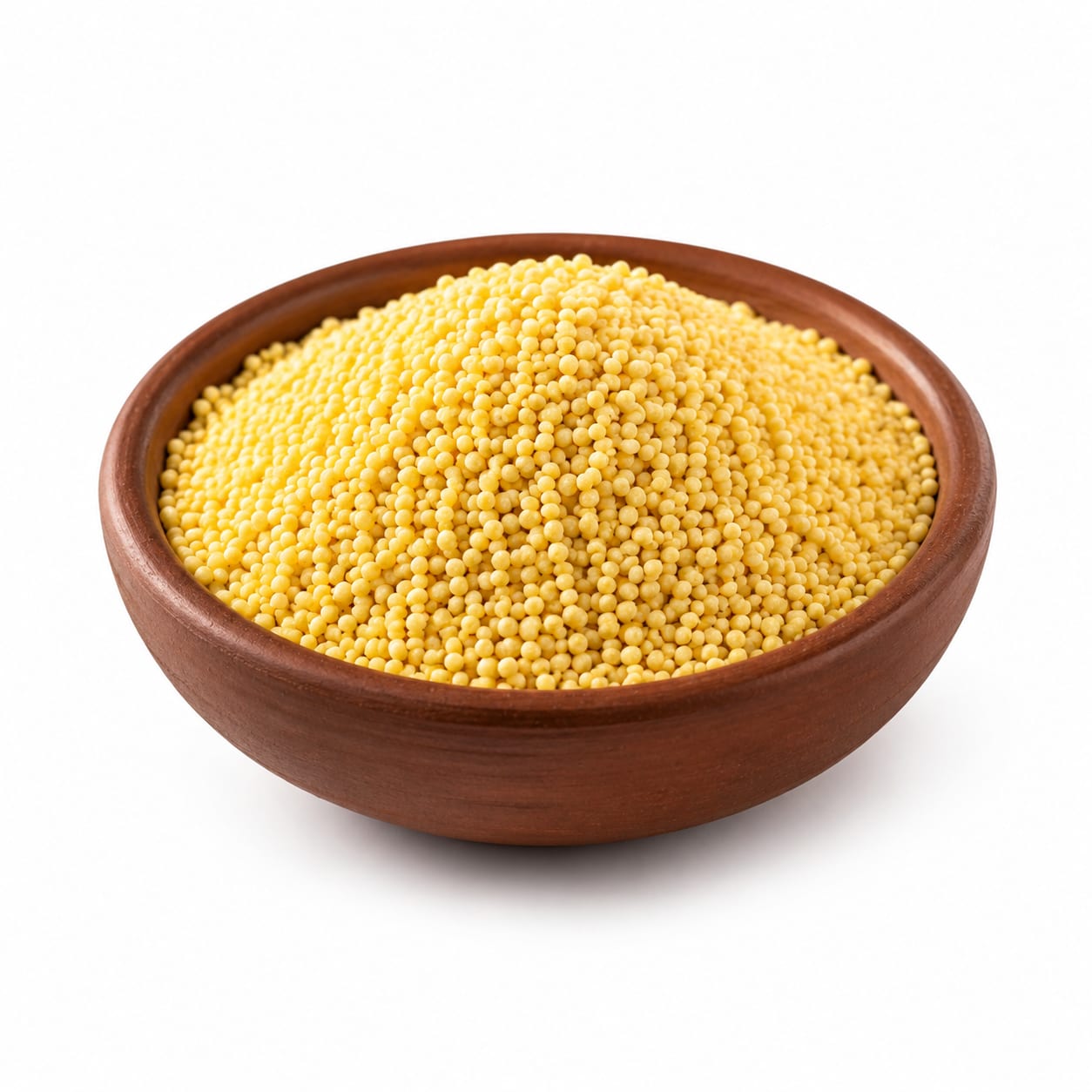
Millet
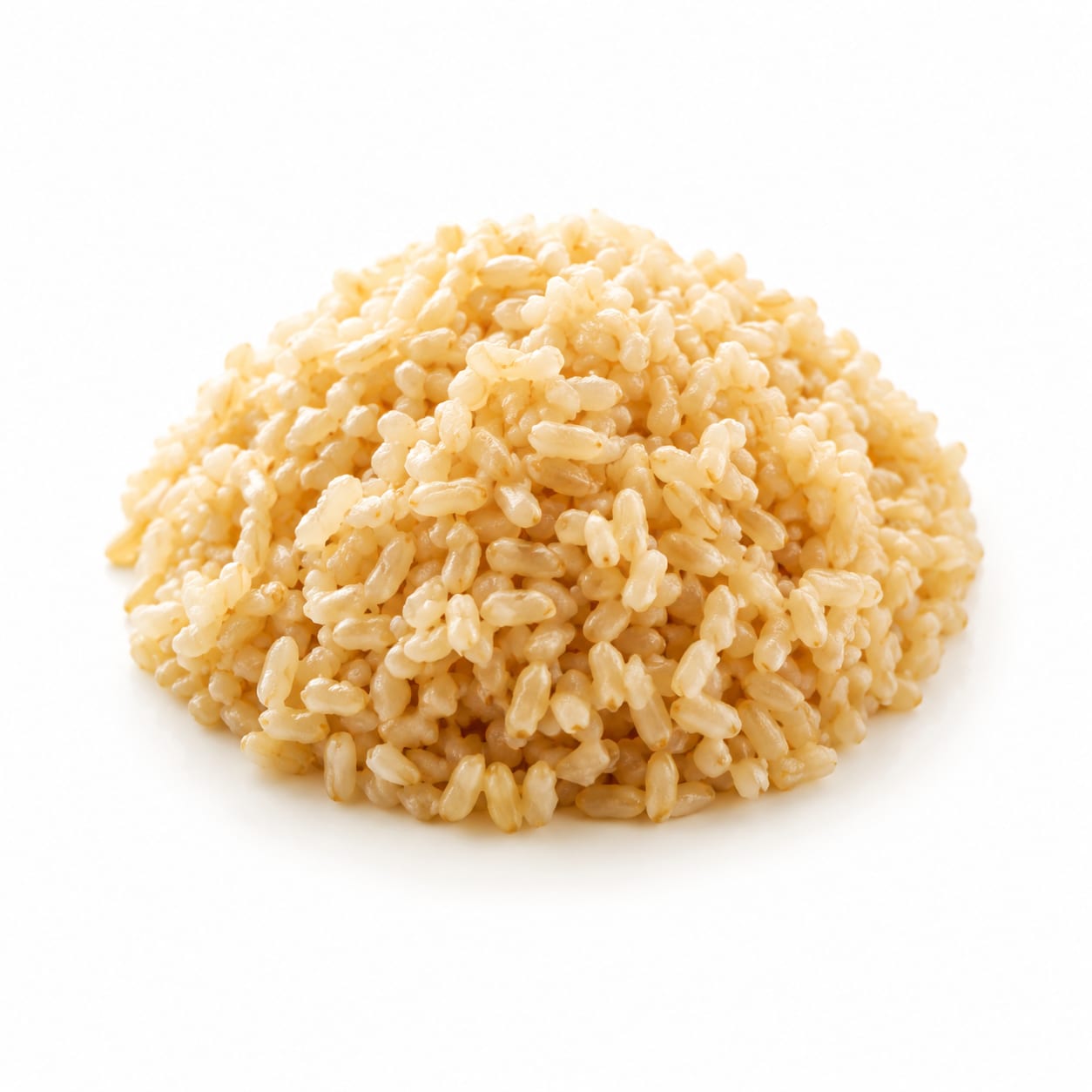
Brown Rice
Millet edges out brown rice with better blood sugar control, more protein, and zero arsenic risk, though brown rice is easier to find and gentler on the thyroid.
Millet wins on most nutritional and safety metrics, but brown rice remains a solid, accessible choice with specific thyroid advantages that keep it competitive.
You gain fiber, protein, and mineral density with millet, but sacrifice some everyday convenience and may need to watch thyroid impact if you overdo it.
At a glance
Executive summary
Overall
Millet
Healthier
Millet
More practical
Brown Rice
Daily use
Millet
Key comparison lenses
Blood sugar management
As primary carbohydrate sources, the glycemic impact of these grains is the most critical factor for most users.
Heavy metal and toxin exposure
Arsenic accumulation is a well-documented concern specifically for brown rice, making safety a major decision factor.
Thyroid health
Millet contains goitrogens that can affect thyroid function, which is a unique and important downside to consider.
Nutrient density
Users choosing whole grains want to maximize vitamins and minerals per calorie eaten.
Satiety and weight management
How full a grain keeps you directly impacts overall calorie intake and snacking habits.
Best choice for
Millet
- People managing blood sugar or insulin resistance
- Those wanting to avoid arsenic exposure
- Gluten-free eaters looking for nutrient variety
Brown Rice
- People with underactive thyroid conditions
- Those who want a familiar, easy-to-find staple grain
- Meal preppers who cook in large batches
Least suitable for
Millet
- People with hypothyroidism eating grain-heavy diets
- Those who strongly dislike grainy or textured foods
Brown Rice
- People concerned about heavy metal exposure
- Those needing very tight blood sugar control
Deep comparison
Dimension by dimension
Each lens scores both foods and breaks down who each option suits.
- Dimension 1 · Priority 95Millet
Blood Sugar Stability
Millet · 85Brown Rice · 65Millet has a lower glycemic index and more fiber, keeping blood sugar steadier than brown rice.
Tradeoff
You get better glucose control with millet, but brown rice is less likely to interfere with thyroid function.
Why it matters
Steady energy means fewer afternoon crashes and less craving for snacks.
Real-world impact
A millet lunch bowl keeps you focused longer, while a brown rice bowl might leave you hungry an hour sooner.
Millet
- Steady energy levels
- Avoiding blood sugar spikes
Better for
- Quick energy recovery after intense exercise
Worse for
Brown Rice
- Pre-workout carb loading
Better for
- Managing diabetes or insulin resistance
Worse for
- Dimension 2 · Priority 90Millet
Safety and Contaminants
Millet · 88Brown Rice · 55Millet is free from the heavy metal concerns that plague brown rice.
Tradeoff
Choosing millet avoids arsenic entirely, but it introduces mild goitrogenic compounds that brown rice lacks.
Why it matters
Arsenic exposure is linked to long-term health risks, making this a critical tradeoff for daily eaters.
Real-world impact
Eating millet daily avoids arsenic buildup, while brown rice requires mindful rotation to stay safe.
Millet
- Avoiding arsenic exposure
- Safe daily consumption
Better for
- Those with severe thyroid conditions
Worse for
Brown Rice
- Unrestricted thyroid function
Better for
- Children and pregnant women due to arsenic
Worse for
- Dimension 3 · Priority 75Millet
Nutrient Density
Millet · 82Brown Rice · 68Millet delivers more magnesium, iron, and phosphorus per serving than brown rice.
Tradeoff
You get a stronger mineral profile with millet, while brown rice offers slightly more selenium and manganese.
Why it matters
Extra minerals support bone health, energy production, and oxygen transport.
Real-world impact
Choosing millet means getting more nutritional value per calorie, while brown rice offers a milder mineral profile.
Millet
- Boosting iron intake
- Getting more magnesium for sleep and muscles
Better for
- Relying on grain for selenium
Worse for
Brown Rice
- Increasing selenium for immune support
Better for
- Combating fatigue with low iron intake
Worse for
- Dimension 4 · Priority 70Millet
Satiety and Fullness
Millet · 80Brown Rice · 70Millet keeps you satisfied longer thanks to its higher fiber and protein content.
Tradeoff
You stay fuller longer with millet, but brown rice digests a bit easier for sensitive stomachs.
Why it matters
Feeling full makes it easier to stick to appropriate portion sizes.
Real-world impact
A millet bowl holds off hunger better than an equal portion of brown rice.
Millet
- Weight management
- Long-lasting fullness
Better for
- Heavy meals right before intense activity
Worse for
Brown Rice
- Easier digestion for sensitive stomachs
Better for
- Controlling late-night snacking
Worse for
- Dimension 5 · Priority 80Brown Rice
Thyroid Compatibility
Millet · 60Brown Rice · 90Brown rice is completely free of goitrogens, making it safer for the thyroid.
Tradeoff
Brown rice protects thyroid health, but brings the arsenic tradeoff instead.
Why it matters
Thyroid health directly impacts metabolism and energy levels.
Real-world impact
If you have hypothyroidism, brown rice is the safer daily staple over millet.
Millet
- People with normal thyroid function
Better for
- Those with existing thyroid imbalances
Worse for
Brown Rice
- Those with hypothyroidism
- People on thyroid medication
Better for
- People prioritizing heavy metal avoidance
Worse for
- Dimension 6 · Priority 65Brown Rice
Everyday Practicality
Millet · 70Brown Rice · 85Brown rice is universally available, cheaper, and familiar to cook.
Tradeoff
Brown rice is easier to find anywhere, while millet may require a trip to a specialty store.
Why it matters
Convenience determines whether a healthy habit actually sticks.
Real-world impact
Brown rice is easier to find in stores and restaurants, while millet may require planning ahead.
Millet
- Adding variety to a boring grain rotation
Better for
- Last-minute meal prep
Worse for
Brown Rice
- Tight grocery budgets
- Eating out at Asian restaurants
Better for
- Adventurous eaters seeking new textures
Worse for
Timeline
Health impact over time
Short-term
Hours to days
Millet
- Steadier energy after meals without a sugar crash
- Feeling full longer due to higher fiber and protein
Brown Rice
- Faster energy release which can be good for active moments
- Familiar comfort food feeling that is easy to digest
Long-term
Months to years
Millet
- Better blood sugar management and insulin sensitivity
- Lower risk of arsenic accumulation compared to daily brown rice
- Potential thyroid impact if eaten exclusively in massive quantities
Brown Rice
- Possible arsenic accumulation with high daily consumption
- Consistent fiber intake but less mineral diversity than millet
- Safe for thyroid function even when eaten as a daily staple
Risk profile
Safety & processing
Both are whole grains with minimal processing and no artificial additives, making them clean carbohydrate sources.
Millet
Goitrogenic compounds
mediumMillet contains goitrogens that can interfere with thyroid hormone production if consumed in massive quantities daily, especially in those with existing thyroid issues.
Brown Rice
Inorganic arsenic
highBrown rice accumulates significantly more inorganic arsenic from soil and water than other grains, posing long-term health risks if consumed daily in large amounts.
Who wins for whom
Audience fit
Same foods, different winners depending on your goal.
children
MilletLower arsenic risk makes millet a safer everyday grain for kids' developing bodies and brains.
daily consumption
MilletMillet's nutrient density and lower arsenic risk make it a better daily staple, provided you do not have a thyroid condition.
diabetes
MilletMillet causes a slower, lower rise in blood sugar compared to brown rice, making it much easier to manage glucose levels.
elderly
It dependsMillet offers more minerals for bone health, but brown rice is gentler on the thyroid, which often slows with age.
muscle gain
MilletMillet provides slightly more protein per serving to support muscle repair, though both need to be paired with richer protein sources.
weight loss
MilletMillet is higher in protein and fiber, making it more filling and easier to eat fewer calories overall without feeling deprived.
Your move
Decision guide
Choose Millet
- You want steadier energy and better blood sugar control
- You are concerned about arsenic exposure from rice
- You need more magnesium and iron in your diet
Choose Brown Rice
- You have a thyroid condition and eat grains as a primary staple
- You want a widely available, budget-friendly base for meals
- You prefer the taste and texture of rice in your cooking
Either works if
- You just need a gluten-free carb base for a veggie bowl
- You are rotating whole grains for gut diversity
Avoid both if
- You are on a strict low-carb or keto diet
Final recommendation
Make millet your default grain for its nutritional edge and safety profile, but rotate in brown rice occasionally for thyroid health and convenience.
Practical
Consumer tips
- 1
Rinse brown rice thoroughly and cook it like pasta in excess water to reduce arsenic levels by up to 50%.
- 2
Toast millet in a dry pan for a few minutes before boiling to bring out a nutty flavor and improve texture.
- 3
If you have a thyroid issue, cook millet well and avoid making it your sole grain to minimize goitrogen exposure.
- 4
Rotate your grains! Eating millet, brown rice, quinoa, and oats on different days minimizes the downsides of each.