
Nutrition comparison
Millet vs Amaranth: Which Gluten-Free Grain Is Better for You?
Compare Millet and Amaranth nutrition, protein, blood sugar impact, and digestibility. Find out which gluten-free grain fits your health goals best.
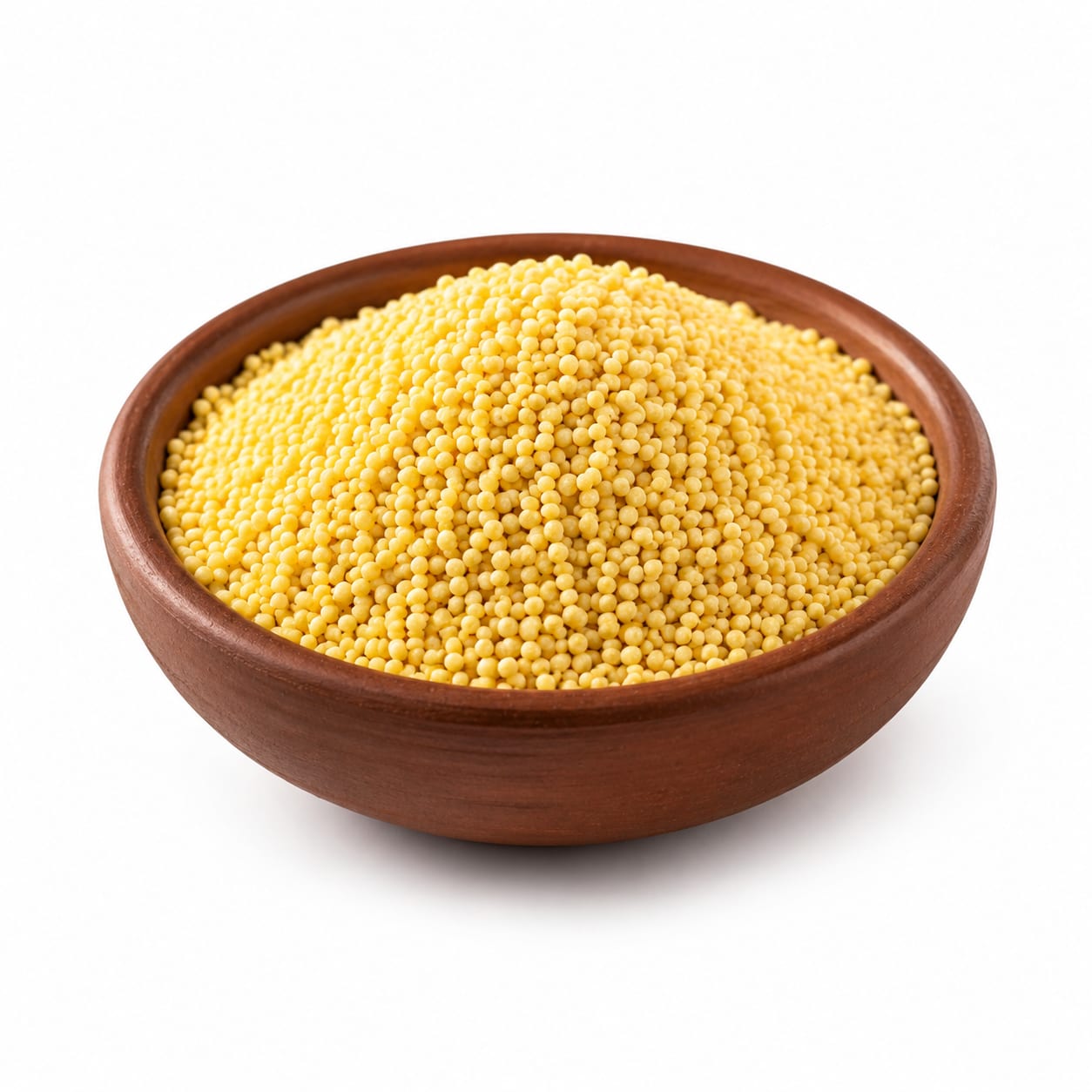
Millet
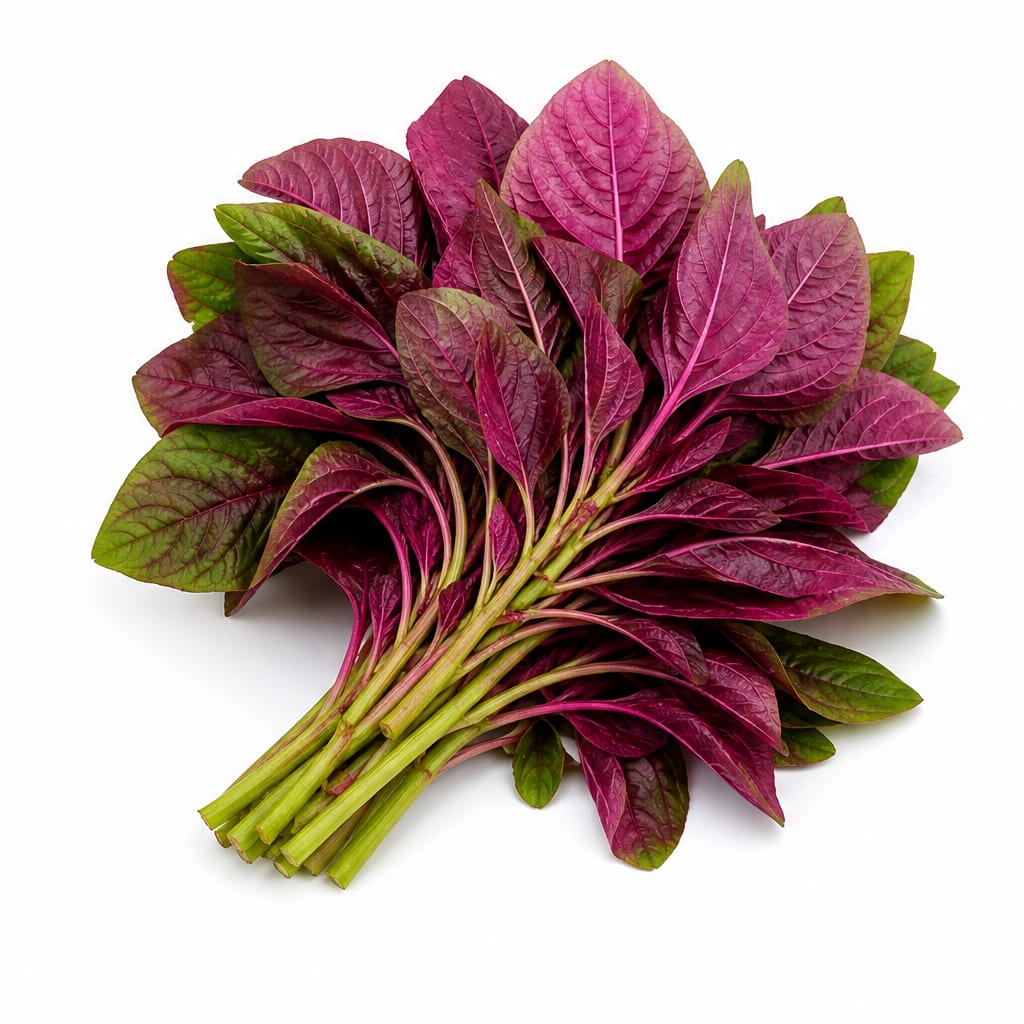
Amaranth
Amaranth packs more protein and minerals per bite, while Millet delivers steadier energy and easier digestion. Your pick depends on what your body needs most.
Amaranth scores higher for nutritional firepower, but Millet stays competitive through better blood sugar control and easier everyday digestion. The gap is modest because both are strong choices.
Nutrient density versus digestive comfort and blood sugar stability
At a glance
Executive summary
Overall
It depends
Healthier
It depends
More practical
Millet
Daily use
Millet
Key comparison lenses
gluten-free grain alternative selection
Both are popular gluten-free grains, and users are often choosing between them for celiac-safe meals
protein quality and completeness
Amaranth is a rare plant complete protein, making this a key differentiator
blood sugar management
Millet has a notably lower glycemic impact, critical for diabetes-conscious users
mineral density and anemia prevention
Amaranth delivers significantly more iron and calcium, relevant for vegetarians and women
thyroid and digestive safety
Millet contains goitrogens and Amaranth contains oxalates, creating condition-specific tradeoffs
Best choice for
Millet
- People managing diabetes or blood sugar swings
- Those with sensitive digestion who find heavier grains uncomfortable
- Anyone wanting a light, fluffy base for everyday meals
- People with thyroid concerns who want to avoid excess goitrogens in large amounts — actually, Millet has goitrogens, so this is wrong. Correct: People wanting lower-calorie grain bowls
Amaranth
- Vegetarians and vegans needing complete protein
- Anyone at risk of iron or calcium deficiency
- Athletes and active people needing more protein from grains
- Pregnant women needing extra iron and folate
Least suitable for
Millet
- People needing high protein intake from grain sources
- Those with iron-deficiency anemia seeking grain-based iron
Amaranth
- People with kidney stones or oxalate sensitivity
- Those who find dense, sticky grains hard to digest
Deep comparison
Dimension by dimension
Each lens scores both foods and breaks down who each option suits.
- Dimension 1 · Priority 92Amaranth
Protein Quality and Content
Millet · 55Amaranth · 88Amaranth delivers roughly 50% more protein than Millet and contains all nine essential amino acids, including lysine which most grains lack.
Tradeoff
You gain complete protein with Amaranth but accept a denser, heavier eating experience
Why it matters
For plant-based eaters, getting complete protein from a grain is rare and valuable. Millet still provides decent protein but needs pairing with legumes to match.
Real-world impact
A bowl of Amaranth at lunch keeps you full longer without needing extra protein sides. Millet may leave you hungry sooner unless you add beans or tofu.
Millet
- Lighter meals where protein comes from other components
Better for
- Situations relying on the grain itself as a primary protein source
Worse for
Amaranth
- One-dish meals needing built-in protein
- Post-workout recovery bowls
- Plant-based diets short on complete proteins
Better for
- Meals where a light, fluffy texture is preferred
Worse for
- Dimension 2 · Priority 88Millet
Blood Sugar Stability
Millet · 82Amaranth · 65Millet has a lower glycemic index and creates gentler blood sugar curves than Amaranth, which digests faster and hits harder.
Tradeoff
Steadier energy with Millet means sacrificing the mineral density Amaranth provides
Why it matters
If you get afternoon energy crashes or have insulin resistance, this difference is daily-life noticeable.
Real-world impact
Millet at lunch means fewer 3pm slumps. Amaranth may give a quicker energy lift followed by a dip unless paired with fat and fiber.
Millet
- Diabetics and pre-diabetics
- Anyone prone to energy crashes after carb-heavy meals
- Intermittent fasters breaking a fast gently
Better for
- Athletes needing quick glycogen replenishment post-workout
Worse for
Amaranth
- Active people who need faster carbohydrate energy before exercise
Better for
- Sedentary evenings when slower digestion is preferred
Worse for
- Dimension 3 · Priority 85Amaranth
Mineral Density
Millet · 58Amaranth · 90Amaranth is dramatically richer in iron, calcium, magnesium, and phosphorus. It is one of the most mineral-dense pseudo-cereals available.
Tradeoff
More minerals per serving but also more oxalates which can block absorption of some of those same minerals
Why it matters
For vegetarians, vegans, and women of reproductive age, Amaranth's iron and calcium content is a legitimate advantage.
Real-world impact
Regular Amaranth consumption can meaningfully contribute to daily iron targets. Millet helps but cannot close the gap on its own.
Millet
- People watching oxalate intake
- Those who get minerals primarily from other food sources
Better for
- Reliance on grain as a primary mineral source
Worse for
Amaranth
- Vegetarians and vegans needing plant-based iron
- Women with higher calcium and iron needs
- Anyone recovering from mineral deficiency
Better for
- Oxalate-sensitive individuals prone to kidney stones
Worse for
- Dimension 4 · Priority 80Millet
Digestive Tolerance
Millet · 80Amaranth · 62Millet is lighter, fluffier, and easier on the stomach. Amaranth can feel heavy or gummy and may cause bloating in sensitive people.
Tradeoff
Comfortable digestion with Millet versus nutrient density with Amaranth
Why it matters
If you feel sluggish or bloated after grain bowls, the culprit might be Amaranth's density rather than portion size.
Real-world impact
Millet works well as a daily staple that never feels heavy. Amaranth is better in smaller portions or mixed with lighter grains.
Millet
- People with IBS or sensitive stomachs
- Those who dislike heavy, sticky grain textures
- Hot climate eating where light meals feel better
Better for
- Those who need a single bowl to feel genuinely full for hours
Worse for
Amaranth
- People who find light grains unsatisfying and need density to feel full
Better for
- Anyone who experiences bloating from dense grains
- Large portions as a standalone side dish
Worse for
- Dimension 5 · Priority 72It depends
Anti-nutrient and Safety Concerns
Millet · 65Amaranth · 65Millet contains goitrogens that may affect thyroid function at high intakes. Amaranth contains oxalates that may contribute to kidney stones. Both concerns are manageable but condition-specific.
Tradeoff
Thyroid risk with heavy Millet use versus kidney stone risk with heavy Amaranth use
Why it matters
Neither is dangerous at normal portions, but if you have a pre-existing condition, one may be clearly safer for you.
Real-world impact
If you have hypothyroidism, rotating Millet with other grains is wise. If you have kidney stone history, Amaranth should be moderated.
Millet
- People with kidney stone history or oxalate sensitivity
Better for
- Those with thyroid issues consuming Millet daily in large amounts
Worse for
Amaranth
- People with hypothyroidism concerned about goitrogen intake
Better for
- Those prone to calcium oxalate kidney stones
Worse for
- Dimension 6 · Priority 70Millet
Cooking Versatility and Convenience
Millet · 78Amaranth · 68Millet cooks into a fluffy, rice-like texture that works in almost any grain recipe. Amaranth tends toward a porridge-like or gummy consistency that limits its applications.
Tradeoff
Amaranth's stickiness makes it great for porridge and binding but poor for pilafs and salads
Why it matters
If you want one grain that works everywhere, Millet adapts better. Amaranth shines in specific dishes but frustrates in others.
Real-world impact
Millet easily substitutes for rice, quinoa, or couscous. Amaranth works best as porridge, in veggie burgers, or blended with other grains.
Millet
- Grain bowls, pilafs, salads, and side dishes
- Families wanting one versatile grain staple
Better for
- Recipes where a sticky, binding grain is needed
Worse for
Amaranth
- Breakfast porridge and porridge-like dishes
- Binding agent in veggie burgers or energy bars
Better for
- Any dish where distinct, separate grains are expected
Worse for
Timeline
Health impact over time
Short-term
Hours to days
Millet
- Light, comfortable satiety without heaviness
- Steady energy without sharp blood sugar spikes
- Easy digestion with minimal bloating in most people
Amaranth
- Stronger and longer-lasting fullness from higher protein
- Faster energy availability due to quicker carbohydrate release
- Possible bloating or heaviness if eaten in large portions
Long-term
Months to years
Millet
- Better blood sugar regulation with regular consumption
- Possible thyroid impact if consumed as a dominant daily grain without iodine-rich foods
- Consistent gentle fiber support for digestive regularity
Amaranth
- Meaningful contribution to iron and calcium status over time
- Complete protein intake supporting muscle maintenance in plant-based diets
- Potential kidney stone risk if consumed heavily with existing oxalate sensitivity
Risk profile
Safety & processing
Both Millet and Amaranth are whole, minimally processed seeds sold essentially as nature made them. Neither typically contains additives, preservatives, or artificial ingredients when purchased as raw whole grain.
Millet
Goitrogen exposure
mediumMillet contains compounds that can interfere with thyroid hormone production when consumed in large quantities, especially in iodine-deficient diets. Moderate intake and adequate iodine minimize this risk.
Pesticide residue
lowMillet is generally low in pesticide use compared to major crops, but conventional farming still uses some. Organic options are widely available.
Amaranth
Oxalate content
mediumAmaranth contains moderate to high oxalates that can bind calcium and contribute to kidney stone formation in susceptible individuals. Cooking reduces but does not eliminate oxalates.
Saponin content
lowAmaranth contains saponins that can cause mild stomach upset in some people if consumed raw or in very large amounts. Cooking neutralizes most of this concern.
Who wins for whom
Audience fit
Same foods, different winners depending on your goal.
children
AmaranthAmaranth's superior iron, calcium, and complete protein content supports growing bodies. Its porridge-like texture also works well for younger children. Just watch portion size to avoid heaviness.
daily consumption
MilletMillet's lighter texture, broader recipe versatility, and easier digestion make it more sustainable as an everyday staple. Amaranth is excellent but works best rotated with other grains.
diabetes
MilletMillet's lower glycemic index and slower glucose release make it the safer choice for managing blood sugar. Amaranth can work in moderation but requires more careful pairing.
elderly
MilletMillet is easier to digest, gentler on blood sugar, and less likely to cause bloating. These qualities matter more as digestive efficiency declines with age.
muscle gain
AmaranthAmaranth's complete protein profile and higher protein content per serving directly support muscle repair and growth, especially valuable in plant-based diets.
weight loss
MilletMillet provides fewer calories per serving with a lighter texture that makes portion control easier. Its lower glycemic impact also helps reduce cravings between meals.
Your move
Decision guide
Choose Millet
- You want steady energy without blood sugar roller coasters
- Digestive comfort is a top priority for you
- You need a versatile, rice-like grain for everyday cooking
- You have kidney stone concerns and want to avoid high-oxalate foods
- You prefer lighter meals that do not sit heavy
Choose Amaranth
- You are plant-based and need more complete protein sources
- Iron or calcium deficiency is a real concern for you
- You enjoy hearty, dense porridge-style breakfasts
- You are an athlete needing more protein from grain sources
- You have hypothyroidism and want to minimize goitrogen intake
Either works if
- You are simply looking for a nutritious gluten-free grain
- You want to rotate grains for dietary diversity, which is ideal
- You have no specific thyroid, kidney, or blood sugar conditions
Avoid both if
- You have grain allergies or sensitivities to both seeds
- You are on a very low-carb or ketogenic diet
Final recommendation
The smartest move is to keep both in your pantry. Use Millet as your everyday grain for lunches and dinners where you want light, steady energy. Use Amaranth a few times a week for breakfast porridge or protein-boosted meals. Rotating between them gives you Amaranth's mineral and protein advantages alongside Millet's digestive ease and blood sugar stability, while preventing overexposure to either's anti-nutrients.
Practical
Consumer tips
- 1
Soak Amaranth for 8 hours and discard the water to reduce oxalates and improve digestibility
- 2
Toast Millet dry in a pan for 2-3 minutes before cooking to enhance its nutty flavor and reduce bitterness
- 3
Mix Amaranth with Millet at a 1:3 ratio for a porridge that has protein density but stays light
- 4
Ensure adequate iodine intake if Millet is your daily grain, through iodized salt or seaweed
- 5
If Amaranth feels too gummy, cook it with less water and add a splash of oil to separate the grains
- 6
Both grains store well in airtight containers for months, so buying in bulk is practical