
Nutrition comparison
Millet vs Farro: Which Ancient Grain Is Better for You?
Complete nutrition comparison of Millet and Farro covering protein, fiber, gluten, blood sugar impact, and cooking convenience. Find out which ancient grain fits your health goals.
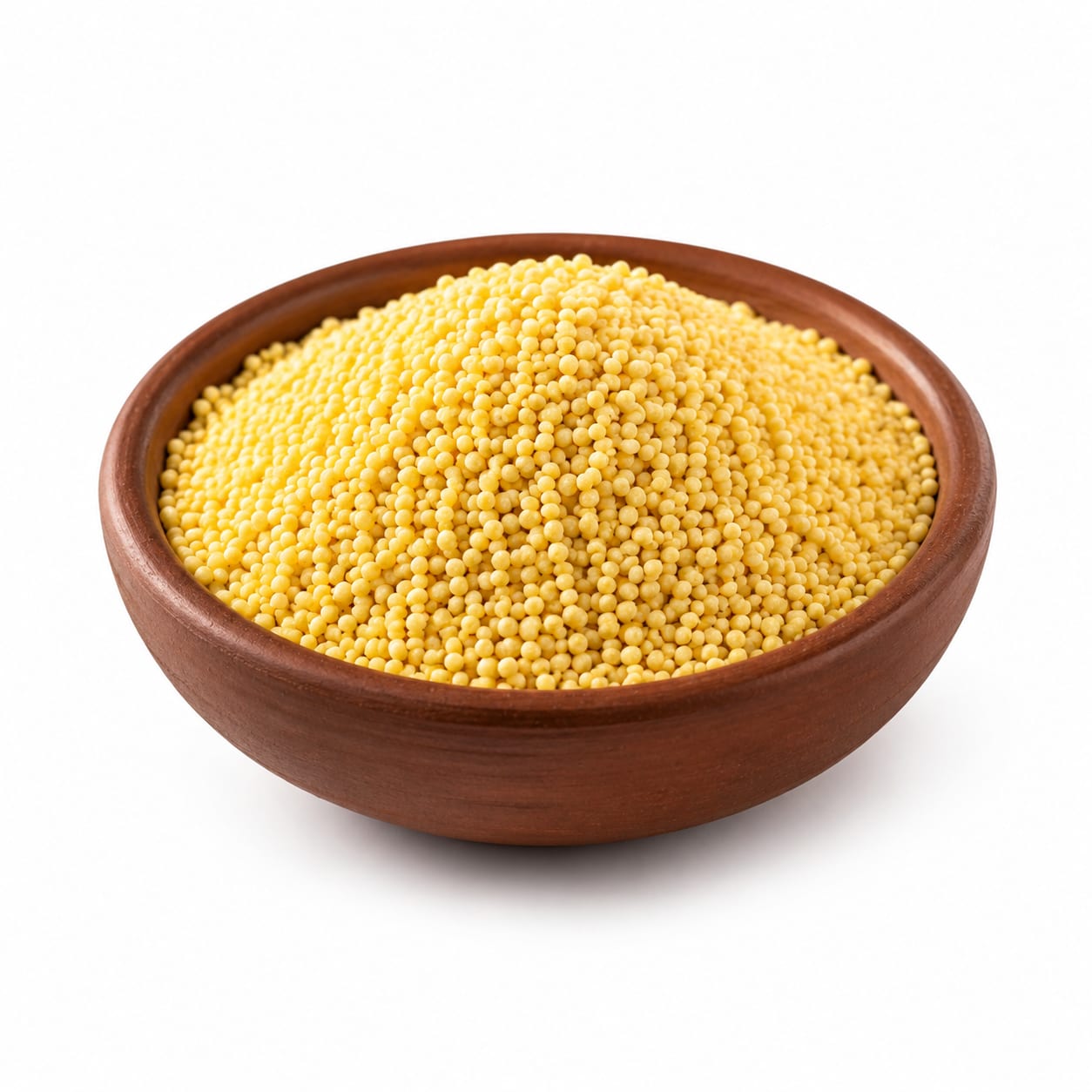
Millet
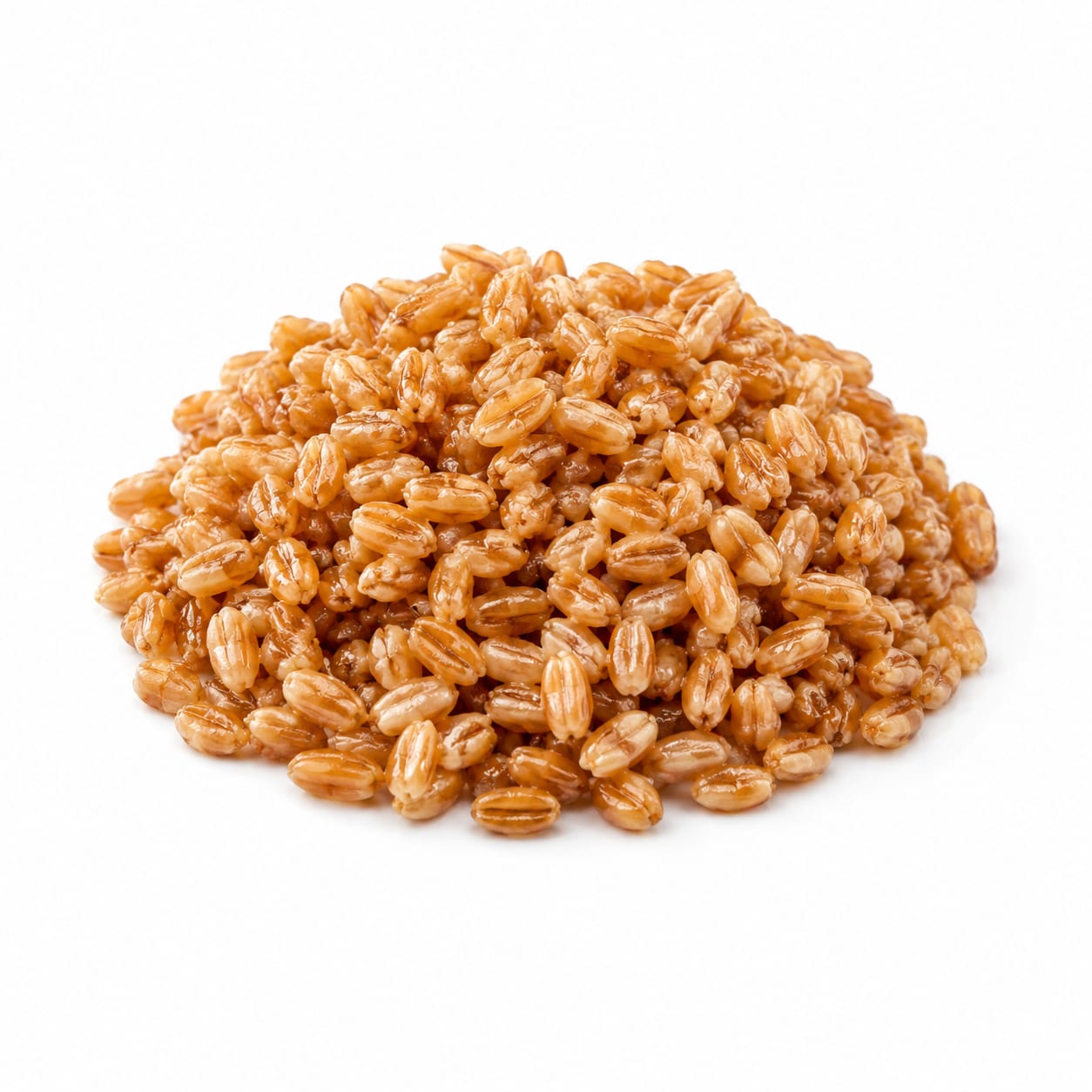
Farro
Millet wins for gluten-free needs and blood sugar control; Farro wins for protein, fiber, and staying full longer.
Farro edges ahead on protein, fiber, and satiety, but Millet's gluten-free advantage and lower glycemic impact keep it highly competitive. The close scores reflect that neither is universally better—context determines the winner.
Millet gives you faster cooking and zero gluten but less protein. Farro gives you more satisfying meals but requires gluten tolerance and longer cook times.
At a glance
Executive summary
Overall
It depends
Healthier
It depends
More practical
Millet
Daily use
It depends
Key comparison lenses
gluten tolerance and digestive compatibility
Millet is naturally gluten-free while Farro contains gluten, making this the single most decisive factor for many consumers
blood sugar management
Both are whole grains but with different glycemic impacts, critical for diabetes-conscious users
protein and satiety for meal planning
Farro delivers notably more protein, making it more filling and better for active people
ancient grain nutrition density
Both are prized as nutrient-dense ancient grains, so users want to know which delivers more per serving
cooking convenience and weekday practicality
Millet cooks significantly faster, which matters for busy households
Best choice for
Millet
- Anyone with celiac disease or gluten sensitivity
- People managing blood sugar or insulin resistance
- Busy cooks wanting a quick whole grain side dish
- Those following an alkaline-focused eating approach
Farro
- Active people needing more protein from grains
- Anyone wanting longer-lasting fullness from meals
- Mediterranean diet followers seeking authentic grains
- Those who prioritize fiber intake for gut health
Least suitable for
Millet
- People relying on grains as a primary protein source
- Those wanting a chewy, substantial grain bowl base
- Anyone bored by mild-flavored grains without dressing them up
Farro
- Anyone with celiac disease or wheat allergy
- People with non-celiac gluten sensitivity
- Those wanting a quick-cooking weeknight grain
Deep comparison
Dimension by dimension
Each lens scores both foods and breaks down who each option suits.
- Dimension 1 · Priority 95Millet
gluten_and_digestive_tolerance
Millet · 95Farro · 30Millet is naturally gluten-free and easy on the digestive tract. Farro contains gluten and is a wheat species, making it unsuitable for anyone with celiac or significant gluten sensitivity.
Tradeoff
Choosing Farro for its nutrition means accepting gluten exposure; Millet sacrifices some protein but offers worry-free digestion for sensitive individuals.
Why it matters
Roughly 6-7% of the population has some form of gluten sensitivity, and for them this single factor overrides all other nutritional considerations.
Real-world impact
If you experience bloating, brain fog, or fatigue after wheat-based meals, Millet is the clear choice. Farro will trigger the same reactions as other wheat grains.
Millet
- Celiac patients
- People with IBS triggered by gluten
- Anyone on an elimination diet testing gluten
Better for
- Nobody—Millet is universally digestible
Worse for
Farro
- Those with confirmed gluten tolerance
- People who digest wheat without issues
Better for
- Celiac patients
- People with wheat allergies
- Those with non-celiac gluten sensitivity
Worse for
- Dimension 2 · Priority 88Millet
blood_sugar_stability
Millet · 82Farro · 68Millet has a lower glycemic index and produces more gradual blood sugar rises. Farro, while still a whole grain, has a moderate glycemic impact that is less favorable for glucose management.
Tradeoff
Millet keeps energy steadier but with less protein to anchor the meal. Farro's protein helps satiety but its carbohydrate absorption is slightly faster.
Why it matters
For the 1 in 3 American adults with prediabetes, grain choice directly affects afternoon energy crashes and long-term metabolic health.
Real-world impact
A Millet-based lunch is less likely to cause a 3pm energy dip. Farro meals may need pairing with extra protein or healthy fat to smooth the blood sugar curve.
Millet
- Prediabetics
- Insulin-resistant individuals
- People prone to afternoon energy crashes
Better for
- Endurance athletes needing quick glycogen recovery
Worse for
Farro
- Active athletes who need faster carb replenishment post-workout
Better for
- Anyone monitoring fasting glucose
- Type 2 diabetics seeking the gentlest blood sugar response
Worse for
- Dimension 3 · Priority 82Farro
protein_and_satiety
Millet · 55Farro · 82Farro delivers roughly 50% more protein per serving than Millet, making meals noticeably more filling and satisfying for longer.
Tradeoff
Farro's protein advantage means smaller portions satisfy hunger, but Millet's lighter profile can feel more appropriate in warm weather or as a side dish.
Why it matters
Protein is the most satiating macronutrient. A grain that delivers more protein reduces snacking and helps maintain muscle during weight loss.
Real-world impact
A Farro grain bowl at lunch can keep you full until dinner. A Millet bowl may leave you reaching for a snack by mid-afternoon unless you add beans or eggs.
Millet
- Light eaters who prefer smaller meals
- Hot weather meals where heaviness feels uncomfortable
Better for
- Those relying on grain bowls as complete meals without added protein
Worse for
Farro
- Anyone trying to eat less between meals
- Vegetarians relying on grains for protein
- Active people needing sustained energy
Better for
- People who find heavy meals cause sluggishness
Worse for
- Dimension 4 · Priority 78Farro
fiber_and_gut_health
Millet · 62Farro · 80Farro provides more fiber per serving, including more insoluble fiber that feeds gut bacteria and promotes regularity. Millet offers decent fiber but notably less.
Tradeoff
Farro's extra fiber supports digestion and microbiome health but can cause bloating in sensitive individuals. Millet's moderate fiber is gentler on transitioning digestive systems.
Why it matters
Most people get only half the fiber they need. A grain that delivers more fiber per bite makes hitting daily targets easier without supplements.
Real-world impact
Regular Farro consumption can improve bowel regularity within days. Millet still helps but you will need other fiber sources to match the same effect.
Millet
- People transitioning from low-fiber diets who need gradual increases
- Those with sensitive digestion who find high-fiber meals uncomfortable
Better for
- Those counting on a single grain to meet fiber needs
Worse for
Farro
- Anyone needing to boost daily fiber intake
- People managing constipation through diet
- Gut microbiome optimization efforts
Better for
- People with active IBS flares who need lower fiber temporarily
Worse for
- Dimension 5 · Priority 72Farro
mineral_and_vitamin_density
Millet · 65Farro · 78Farro provides more iron, zinc, and B vitamins per serving. Millet stands out for magnesium and phosphorus but trails on most other micronutrients.
Tradeoff
Farro's broader micronutrient profile supports energy and immunity more comprehensively, while Millet's magnesium advantage specifically helps with sleep and muscle recovery.
Why it matters
Subtle micronutrient gaps compound over years. Choosing a grain that covers more nutritional bases reduces the need for supplementation.
Real-world impact
Regular Farro eaters get more iron support, which matters for menstruating women and vegetarians. Millet eaters get more magnesium, which helps with sleep quality and muscle cramps.
Millet
- People with muscle cramps or sleep issues needing magnesium
- Those who get adequate iron from other sources
Better for
- Those at risk for iron deficiency
Worse for
Farro
- Vegetarians and vegans needing plant-based iron
- Women of reproductive age concerned about iron intake
- Anyone wanting broader B-vitamin coverage
Better for
- People already meeting iron needs who want targeted magnesium support
Worse for
- Dimension 6 · Priority 70Millet
cooking_convenience
Millet · 85Farro · 55Millet cooks in 20-25 minutes. Whole Farro can take 50-60 minutes, though semi-pearled or pearled varieties cook faster but sacrifice some nutrition.
Tradeoff
Millet's quick cooking makes weeknight dinners realistic. Farro's longer cook time rewards patience with a chewier, more substantial texture.
Why it matters
Grains that take too long get abandoned for instant options. Practical cooking time determines whether a grain becomes a staple or a special-occasion ingredient.
Real-world impact
Millet can be started after work and on the table in 25 minutes. Farro usually requires advance planning or weekend batch cooking.
Millet
- Weeknight dinner cooks
- Meal prep beginners
- Anyone wanting a grain as fast as white rice
Better for
- People who prefer chewy, substantial grain textures
Worse for
Farro
- Weekend meal preppers who batch cook
- Slow cooking enthusiasts
- Those who value texture over convenience
Better for
- Time-pressed weeknight cooks
- Anyone unwilling to plan grain cooking ahead
Worse for
Timeline
Health impact over time
Short-term
Hours to days
Millet
- Lighter post-meal feeling without heaviness
- Steadier energy without sugar spikes
- Easy digestion even with sensitive stomachs
- May feel less full than expected if eaten alone
Farro
- Noticeable fullness that reduces between-meal snacking
- Slightly more sustained energy from higher protein content
- Can feel heavy if portions are large
- May cause bloating in gluten-sensitive individuals
Long-term
Months to years
Millet
- Better blood sugar management with regular consumption
- Magnesium support for sleep and muscle function over months
- Safe long-term option for celiac and gluten-sensitive individuals
- May need complementary protein sources to maintain muscle mass
Farro
- Improved regularity and gut health from higher fiber intake
- Better iron status reducing fatigue risk over time
- More effective weight maintenance through natural appetite regulation
- Gluten exposure accumulates for sensitive individuals even with mild symptoms
Risk profile
Safety & processing
Both Millet and Farro are whole ancient grains sold with minimal processing. However, Farro is sometimes sold as semi-pearled or pearled, which removes some bran and reduces fiber—check labels for whole Farro to get full nutritional benefits.
Millet
Goitrogenic compounds
lowMillet contains goitrogens that may interfere with thyroid function if consumed in very large quantities, but moderate intake poses minimal risk for most people.
Phytic acid reducing mineral absorption
lowLike most whole grains, Millet contains phytic acid that can reduce iron and zinc absorption. Soaking before cooking mitigates this significantly.
Farro
Gluten exposure for sensitive individuals
highFarro is a wheat species containing gluten. For celiac patients, even trace cross-contamination can cause intestinal damage. Not safe for any level of gluten restriction.
Phytic acid reducing mineral absorption
lowFarro contains phytic acid similar to other whole grains. Soaking or sprouting before cooking improves mineral bioavailability.
Who wins for whom
Audience fit
Same foods, different winners depending on your goal.
children
It dependsMillet is safer for children with undiagnosed gluten sensitivity and cooks faster for busy parents. Farro provides more iron and zinc for growing bodies if gluten is tolerated.
daily consumption
It dependsMillet is better for daily use if you have any gluten concerns or blood sugar issues. Farro is better for daily use if you prioritize protein intake and satiety and tolerate gluten well.
diabetes
MilletMillet's lower glycemic index and slower blood sugar impact make it the safer choice for glucose management, though both are far superior to refined grains.
elderly
MilletMillet is easier to digest, gentler on aging digestive systems, and its magnesium content supports bone density and sleep quality common concerns in older adults.
muscle gain
FarroFarro provides significantly more protein per serving, making it a better base for muscle-supporting meals when combined with legumes or animal protein.
weight loss
FarroFarro's higher protein and fiber create stronger satiety signals, naturally reducing overall calorie intake without feeling deprived.
Your move
Decision guide
Choose Millet
- You have celiac disease, wheat allergy, or gluten sensitivity
- Blood sugar management is a top health priority
- You want a quick-cooking grain for busy weeknights
- You experience bloating or discomfort after eating wheat
- You prefer lighter meals that do not sit heavily
Choose Farro
- You tolerate gluten and want maximum protein from your grains
- Staying full between meals is a constant struggle
- You enjoy chewy, substantial textures in grain bowls
- You are following a Mediterranean diet approach
- You have no gluten issues and want broader micronutrient coverage
Either works if
- You are simply replacing refined grains with whole grains
- You rotate grains throughout the week for variety
- You pair grains with legumes and vegetables for complete meals
- You want to avoid refined carbohydrates regardless of which whole grain you pick
Avoid both if
- You are on a strict grain-free or paleo protocol
- You have severe carbohydrate intolerance requiring very low carb intake
- You are allergic to both wheat and millet proteins (rare but possible)
Final recommendation
If gluten is not a concern, Farro's protein and fiber advantages make it the more nutritionally complete choice for most people. If you have any gluten sensitivity or prioritize blood sugar control, Millet is the clear winner. The best approach for those who tolerate both is rotation—use Farro when you need a hearty, satisfying meal and Millet when you want something lighter and faster.
Practical
Consumer tips
- 1
Soak both grains for 6-8 hours before cooking to reduce phytic acid and improve mineral absorption
- 2
Buy whole Farro rather than pearled or semi-pearled to preserve fiber and nutrients
- 3
Toast Millet in a dry pan for 2-3 minutes before adding water to enhance its naturally mild flavor
- 4
Batch cook Farro on weekends and refrigerate for up to 5 days to solve the long cooking time issue
- 5
Pair Millet with beans or lentils to create a complete protein profile that matches Farro's protein content
- 6
Rinse both grains thoroughly before cooking to remove any debris and reduce bitterness
- 7
If transitioning from refined grains, start with Millet since its milder flavor and softer texture are closer to what you are used to