
Nutrition comparison
Millet vs Oats: Which Grain is Healthier for You?
Compare Millet vs Oats for weight loss, heart health, and gluten-free diets. Discover the nutritional tradeoffs and find out which grain is best for your goals.
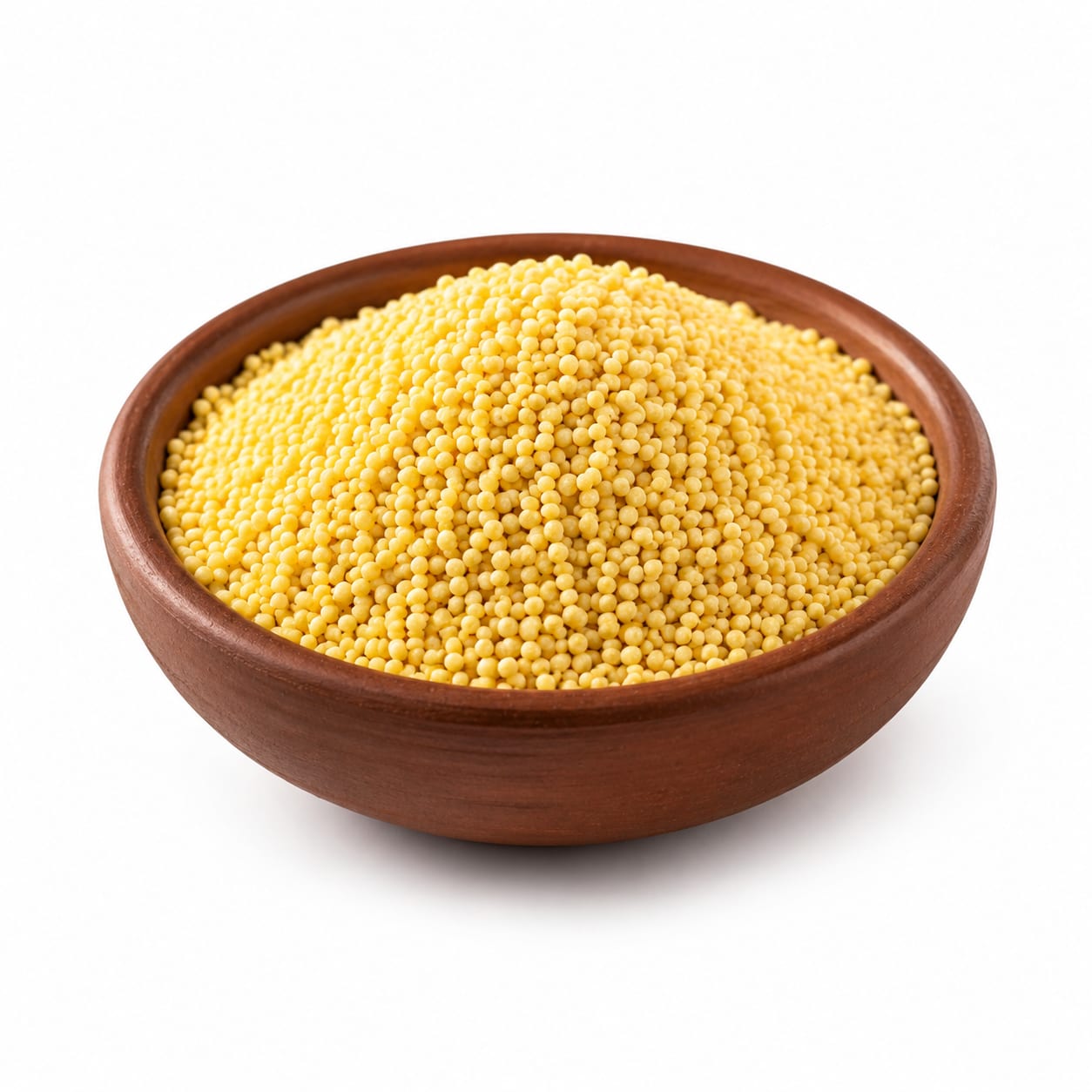
Millet
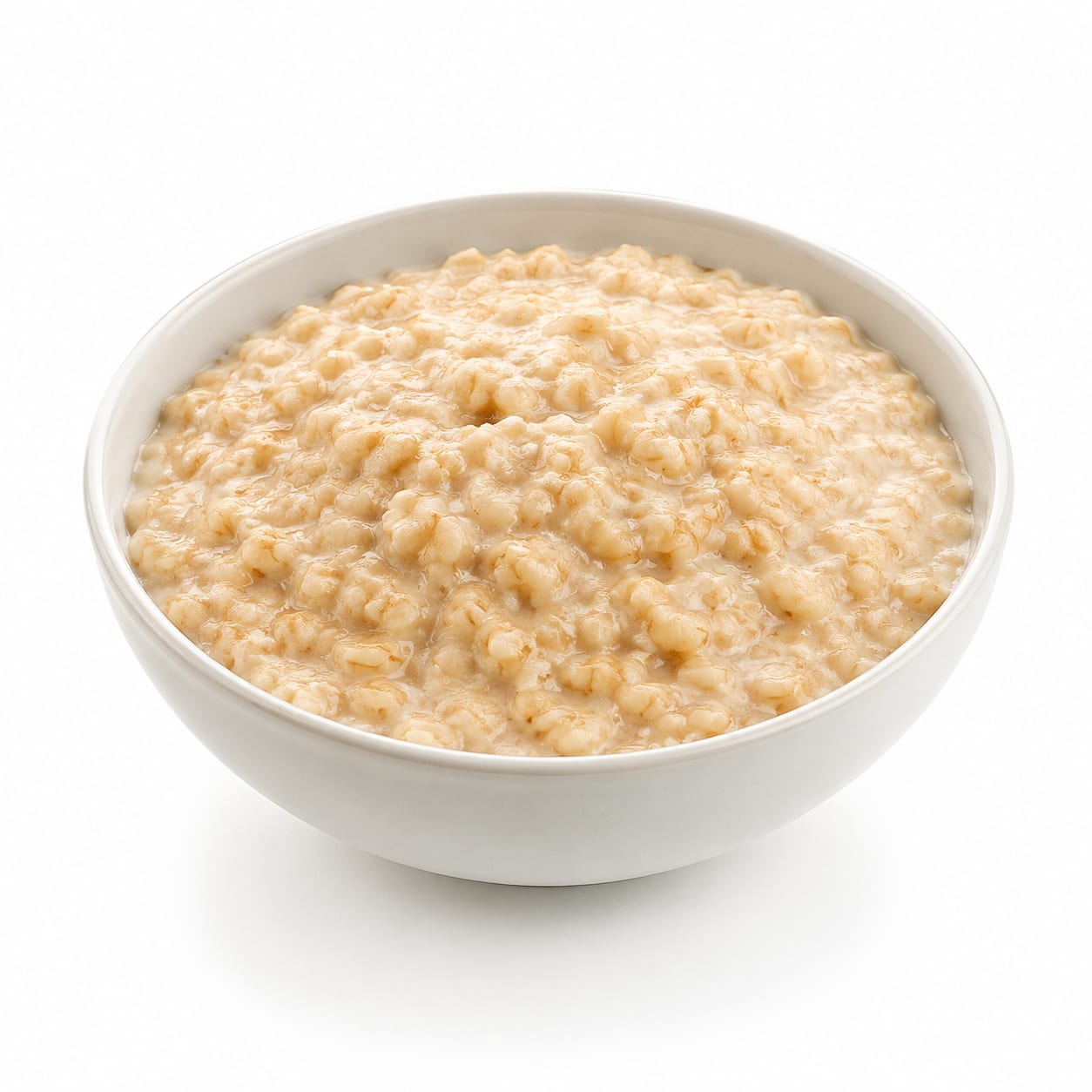
Oats
Oats win for heart health and satiety, while Millet is the better choice for gluten-free diets and lighter meals.
Oats score higher due to the unmatched heart-health benefits of beta-glucan and superior satiety. Millet remains a strong, versatile grain but lacks the specific clinical backing for cholesterol that gives Oats an edge for daily use.
You trade the cholesterol-lowering power and deep fullness of Oats for the guaranteed gluten-free safety and lighter digestibility of Millet.
At a glance
Executive summary
Overall
It depends
Healthier
Oats
More practical
Oats
Daily use
Oats
Key comparison lenses
Heart health and cholesterol management
Oats are uniquely rich in beta-glucan fiber, which is clinically proven to lower cholesterol, making heart health a primary differentiator.
Gluten-free diet compatibility
Millet is naturally gluten-free, while Oats are frequently cross-contaminated with gluten, making this a critical factor for celiacs.
Blood sugar control and satiety
Both are whole grains, but their fiber profiles impact blood sugar and fullness differently, which matters for daily energy and weight management.
Thyroid health considerations
Millet contains goitrogens that can affect thyroid function if consumed in extreme excess, a unique risk not present in Oats.
Best choice for
Millet
- People with celiac disease or severe gluten intolerance
- Those wanting a lighter, less heavy breakfast option
- Individuals looking to diversify their whole grain intake
Oats
- People focused on lowering cholesterol naturally
- Those needing a highly filling meal to manage cravings
- Athletes needing sustained, heavy energy for performance
Least suitable for
Millet
- People with underactive thyroid relying heavily on a single grain staple
- Those seeking maximum satiety from a small portion
Oats
- People with celiac disease unless the Oats are certified gluten-free
- Those who find heavy meals cause sluggishness in the morning
Deep comparison
Dimension by dimension
Each lens scores both foods and breaks down who each option suits.
- Dimension 1 · Priority 95Oats
Heart Health & Cholesterol
Millet · 70Oats · 95Oats contain beta-glucan, a soluble fiber clinically proven to reduce LDL cholesterol. Millet has heart benefits but lacks this specific targeted effect.
Tradeoff
Choosing Millet means missing out on the active cholesterol-lowering mechanism of beta-glucan found in Oats.
Why it matters
Heart disease is a leading health risk, and daily Oats offer a food-as-medicine approach that Millet cannot fully replicate.
Real-world impact
Eating Oats regularly can lead to measurably lower cholesterol at your next doctor's visit, while Millet provides general whole-grain benefits.
Millet
- Targeted cholesterol management
Worse for
Oats
- Lowering LDL cholesterol
- Supporting overall cardiovascular function
Better for
- Dimension 2 · Priority 90Millet
Gluten-Free Safety & Digestion
Millet · 95Oats · 60Millet is naturally 100% gluten-free. Oats are inherently gluten-free but face massive cross-contamination risks during processing.
Tradeoff
Oats require seeking out certified gluten-free versions to be safe, whereas any standard Millet is safe for those with celiac disease.
Why it matters
For the roughly 1% of the population with celiac disease and many more with sensitivities, cross-contamination can cause severe autoimmune reactions.
Real-world impact
You can grab any bag of Millet without worrying, but buying regular Oats could mean days of digestive distress for someone with celiac.
Millet
- Guaranteed safe for celiacs
- Easier to source without worry
Better for
Oats
- Risk of gluten cross-contamination
- Potential avenin sensitivity in a small subset of celiacs
Worse for
- Dimension 3 · Priority 85Oats
Satiety & Fullness
Millet · 75Oats · 92Oats absorb a massive amount of liquid and expand in your stomach, while Millet cooks into a fluffier, lighter grain that digests faster.
Tradeoff
Millet feels lighter and less heavy in the stomach, but you will get hungry again sooner compared to a bowl of Oats.
Why it matters
Staying full between meals prevents snacking and makes it easier to stick to your dietary goals without willpower struggles.
Real-world impact
A bowl of oatmeal can easily keep you full until lunch, while a bowl of Millet might have you reaching for a snack by mid-morning.
Millet
- Lighter pre-workout meals
- Those who dislike feeling overly stuffed
Better for
- Long fasting periods between meals
Worse for
Oats
- Preventing mid-morning cravings
- Weight management through portion control
Better for
- Eating right before intense activity
Worse for
- Dimension 4 · Priority 80Oats
Blood Sugar Stability
Millet · 78Oats · 88The beta-glucan in Oats forms a gel that slows down digestion and glucose absorption, leading to very stable blood sugar. Millet has a moderate glycemic index.
Tradeoff
Millet still provides decent blood sugar control, but Oats offer a more pronounced buffer against blood sugar spikes.
Why it matters
Stable blood sugar means no afternoon energy crashes and better long-term metabolic health.
Real-world impact
Oats give you a slow, steady burn of energy, while Millet might lead to a slightly faster rise and fall depending on the variety.
Millet
- Severe insulin sensitivity issues
Worse for
Oats
- Managing insulin resistance
- Avoiding afternoon energy crashes
Better for
- Dimension 5 · Priority 75It depends
Micronutrient Density
Millet · 82Oats · 84Millet is richer in magnesium and phosphorus, while Oats provide more iron, zinc, and unique polyphenols. Both are highly nutritious.
Tradeoff
Millet offers better support for bone health and energy production, while Oats better support immune function and oxygen transport.
Why it matters
Different minerals serve different critical functions, so your choice depends on what your diet might be lacking.
Real-world impact
If you need an energy boost, Millet's magnesium helps. If you are prone to colds or fatigue, Oats' zinc and iron are more useful.
Millet
- Boosting magnesium for muscle recovery and sleep
- Supporting bone density
Better for
- Addressing iron deficiency
Worse for
Oats
- Preventing iron-deficiency fatigue
- Supporting immune health with zinc
Better for
- Meeting high magnesium needs
Worse for
Timeline
Health impact over time
Short-term
Hours to days
Millet
- Provides a light, comforting energy without feeling overly stuffed
- Easily digested by most people, making it gentle on the stomach
Oats
- Creates a strong feeling of fullness that kills mid-morning cravings
- The soluble fiber can initially cause mild bloating if you aren't used to it
Long-term
Months to years
Millet
- Supports a diverse gut microbiome by varying your grain intake
- Over-reliance on Millet without iodine intake could potentially impact thyroid function
Oats
- Clinically proven to lower LDL cholesterol and support heart health
- Consistent daily consumption stabilizes long-term blood sugar patterns
Risk profile
Safety & processing
Both whole grain Millet and steel-cut or rolled Oats are minimally processed. However, instant oat packets often contain added sugars and flavorings, whereas Millet is rarely sold in highly processed forms.
Millet
Goitrogenic compounds
mediumMillet contains goitrogens that can interfere with thyroid function if consumed as the primary staple in an iodine-deficient diet. Moderate consumption is rarely an issue.
Phytic acid
lowLike many whole grains, Millet contains phytic acid which can bind to minerals and reduce their absorption. Soaking or cooking reduces this significantly.
Oats
Gluten cross-contamination
highOats are frequently grown and processed alongside wheat, making standard Oats unsafe for those with celiac disease unless certified gluten-free.
Mycotoxin exposure
lowOats can sometimes harbor ochratoxin A, a mycotoxin from fungal contamination, though strict food safety limits generally keep this in check.
Who wins for whom
Audience fit
Same foods, different winners depending on your goal.
children
OatsOatmeal is a familiar, easy-to-eat texture for kids, and the slow-releasing energy helps them focus better at school.
daily consumption
OatsOats have a stronger evidence base for daily heart health benefits, though rotating both grains is the ideal strategy.
diabetes
OatsThe beta-glucan in Oats creates a gel that slows glucose absorption, offering superior blood sugar control compared to Millet.
elderly
OatsOats are softer to chew, easier to digest when cooked into porridge, and the cholesterol-lowering benefits are highly relevant for older adults.
muscle gain
OatsOats are easier to consume in large quantities and offer a denser source of calories and protein for bulking.
weight loss
OatsOats are significantly more filling per calorie, making it easier to eat less throughout the day without feeling deprived.
Your move
Decision guide
Choose Millet
- You have celiac disease or non-celiac gluten sensitivity
- You find Oats too heavy and want a lighter breakfast alternative
- You want to add more variety to your whole grain rotation
- You are looking for a grain to mix into salads or light pilafs
Choose Oats
- You want to actively lower your cholesterol
- You need a breakfast that keeps you full for hours
- You are an athlete needing sustained, heavy energy
- You want the most cost-effective, widely available superfood
Either works if
- You just want a healthy whole grain to replace white rice or refined carbs
- You are mixing grains into a soup or stew where texture differences fade
Avoid both if
- You are on a strict low-carb or ketogenic diet
- You have severe grain intolerances that trigger both
Final recommendation
Make Oats your daily driver for the heart health and satiety benefits, but keep Millet in regular rotation for gluten-free days and lighter meals. Variety always beats relying on a single grain.
Practical
Consumer tips
- 1
If you are gluten-free, only buy Oats labeled certified gluten-free to avoid cross-contamination.
- 2
Soak Millet for a few hours before cooking to reduce phytic acid and improve mineral absorption.
- 3
Avoid instant oat packets loaded with sugar; stick to rolled or steel-cut Oats for real health benefits.
- 4
Toast Millet in a dry pan before cooking to bring out a nutty flavor that makes it much more enjoyable.
- 5
Add a pinch of salt and healthy fats like nuts or seeds to either grain to slow down sugar absorption even more.