
Nutrition comparison
Millet vs White Rice: Which Grain Is Better for Blood Sugar, Weight Loss, and Daily Energy?
Millet delivers more fiber, minerals, and steadier energy than white rice, but white rice is easier to digest and more convenient. Compare nutrition, glycemic impact, and real-world tradeoffs to choose the right grain for your goals.
Overall winner · Millet
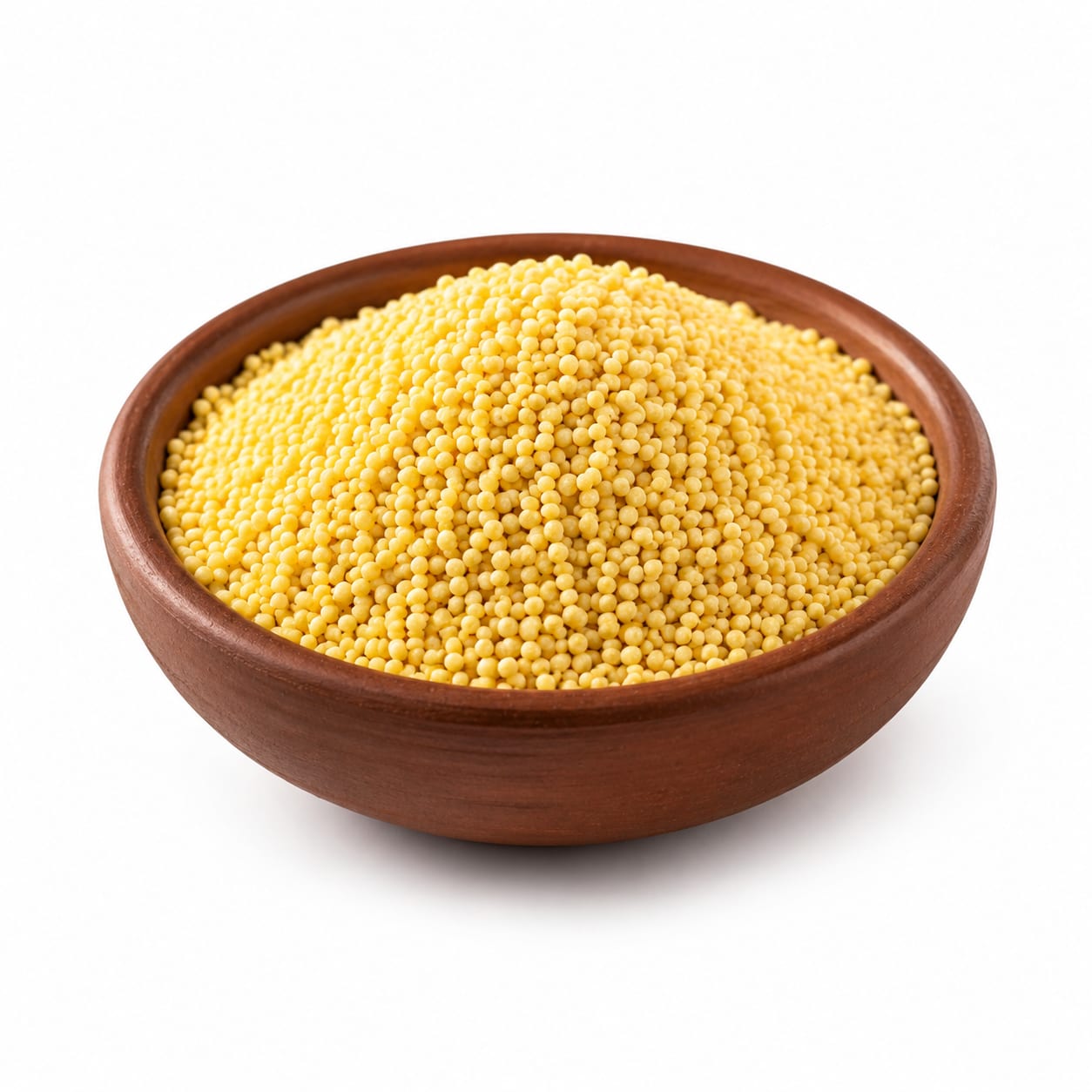
Millet
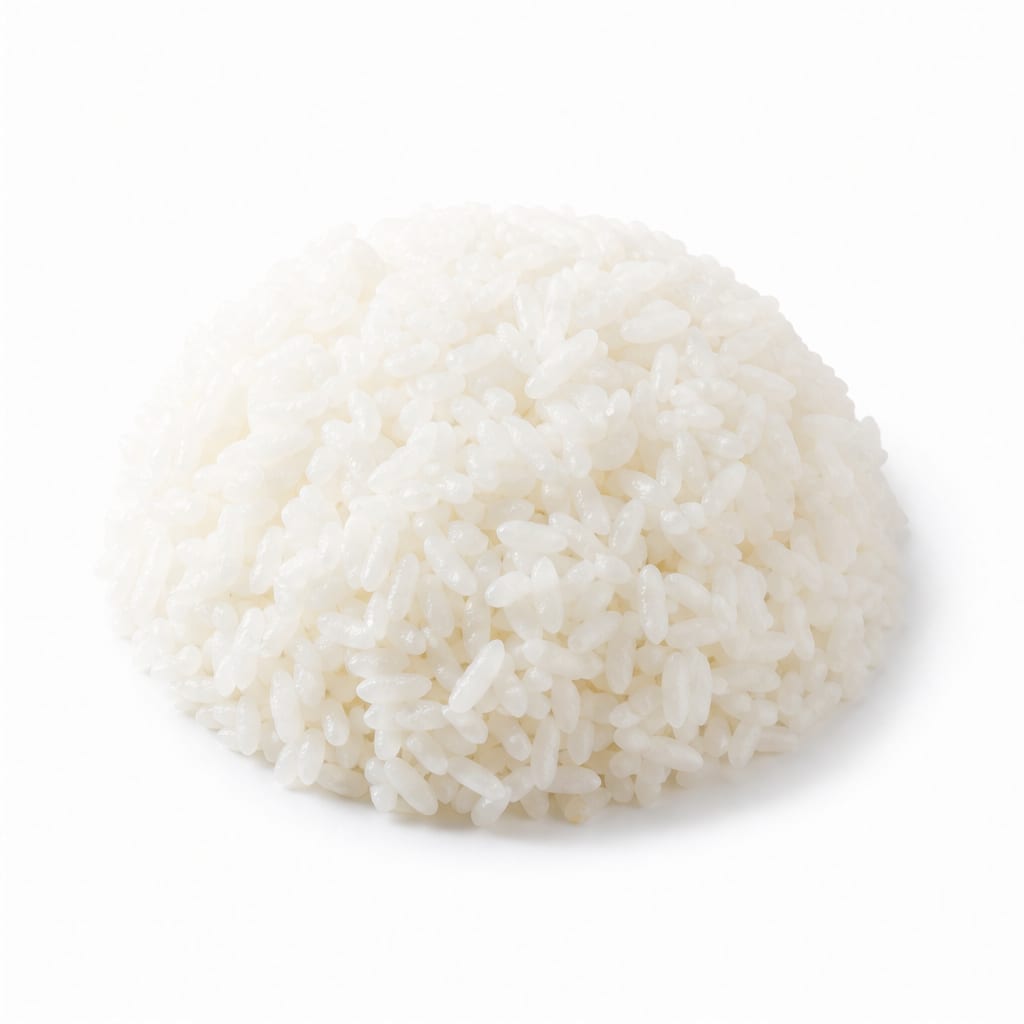
White Rice
Millet wins on nutrition and blood sugar stability, but white rice wins on convenience and digestibility.
Millet scores substantially higher due to its fiber, mineral content, and blood sugar stability. White rice remains relevant for specific situations but is nutritionally weaker for daily use.
You trade quick energy and easy digestion for sustained energy and better long-term health outcomes.
At a glance
Executive summary
Overall
Millet
Healthier
Millet
More practical
White Rice
Daily use
Millet
Key comparison lenses
blood sugar management
The glycemic gap between these two grains is massive and directly affects energy, cravings, and diabetes risk
nutrient density tradeoffs
Millet delivers significantly more minerals and fiber while white rice is largely stripped of nutrition
weight management and satiety
Fiber and protein differences mean these grains affect fullness and overeating risk very differently
digestive comfort and tolerance
White rice is a go-to for upset stomachs while millet's fiber can be harder on sensitive digestion
everyday convenience and habit sustainability
White rice is effortless to cook and universally available; millet requires more effort and know-how
Best choice for
Millet
- People managing diabetes or prediabetes
- Anyone trying to eat more whole grains
- Those seeking steadier energy without afternoon crashes
- Weight-conscious eaters who want to stay full longer
White Rice
- Post-workout carb replenishment
- Recovery from stomach illness
- Anyone who needs cheap, quick, reliable calories
- Elderly or those with severely compromised digestion
Least suitable for
Millet
- People with thyroid issues who eat grain-heavy diets
- Those with severe IBS or fiber sensitivity during flares
- Anyone who needs immediate post-workout glycogen reload
White Rice
- People with insulin resistance or type 2 diabetes
- Those trying to lose weight while controlling hunger
- Anyone seeking nutrient-dense calories over empty calories
Deep comparison
Dimension by dimension
Each lens scores both foods and breaks down who each option suits.
- Dimension 1 · Priority 95Millet
Blood Sugar Stability
Millet · 82White Rice · 30Millet has a glycemic index around 47-68 depending on variety, while white rice hits 73-89. This is not a small difference.
Tradeoff
White rice gives you fast energy when you need it, but millet prevents the crash that follows a high-glycemic meal.
Why it matters
Blood sugar spikes drive hunger returns, fatigue, and long-term insulin resistance. This is the single biggest difference between these grains.
Real-world impact
Eat white rice at lunch and you may feel sleepy by 2pm and hungry again by 3pm. Millet keeps you steadier for hours.
Millet
- Diabetics and prediabetics
- Office workers who need afternoon focus
- Anyone prone to energy crashes after carbs
Better for
- Situations requiring rapid carb absorption
- During intense endurance events
Worse for
White Rice
- Endurance athletes mid-event
- Underweight individuals needing easy calories
- Post-workout glycogen replenishment
Better for
- Sedentary evenings when spikes just become fat
- Anyone already struggling with cravings
Worse for
- Dimension 2 · Priority 90Millet
Nutrient Density
Millet · 85White Rice · 25Millet delivers magnesium, phosphorus, B vitamins, iron, zinc, and antioxidants. White rice provides mostly starch with trace nutrients unless enriched.
Tradeoff
You get far more per calorie from millet, but white rice is sometimes fortified with folic acid and iron that millet lacks.
Why it matters
Nutrient-dense calories reduce the need for supplements and protect against long-term deficiencies that creep up slowly.
Real-world impact
A millet bowl feeds your cells. A white rice bowl mostly feeds your calorie count. Over months, this gap compounds.
Millet
- Pregnant women needing magnesium
- Older adults at risk for mineral deficiencies
- Anyone eating limited calories who needs more nutrition per bite
Better for
- Those who need added folic acid from enrichment
Worse for
White Rice
- Situations where enriched folic acid matters specifically
- Infants needing iron-fortified cereal
Better for
- Long-term daily eaters who develop subtle deficiencies
- Anyone already eating a low-nutrient diet overall
Worse for
- Dimension 3 · Priority 85Millet
Satiety and Fullness
Millet · 80White Rice · 35Millet's fiber and protein content keeps you full significantly longer than white rice, which digests quickly and leaves you hungry sooner.
Tradeoff
White rice feels lighter in the stomach immediately, which can be preferable before exercise or in hot weather.
Why it matters
Satiety directly controls how much you eat at the next meal. Low satiety means more snacking and higher total calorie intake.
Real-world impact
A millet lunch typically delays your next snack by 1-2 hours compared to the same portion of white rice.
Millet
- Weight loss efforts
- Long workdays without snack access
- Emotional eaters who benefit from physical fullness
Better for
- Right before intense exercise
Worse for
White Rice
- Pre-workout meals when you want light digestion
- Hot summer days when heavy meals feel oppressive
Better for
- Late-night dinners that lead to late-night snacking
- Anyone who finds themselves hungry an hour after eating
Worse for
- Dimension 4 · Priority 80White Rice
Digestive Tolerance
Millet · 55White Rice · 90White rice is one of the most easily digested foods available. Millet's fiber can irritate sensitive digestive systems.
Tradeoff
Easy digestion comes at the cost of minimal fiber, which harms gut health long-term. Millet feeds your gut microbiome but can cause bloating initially.
Why it matters
For people with IBS, recovery from illness, or sensitive stomachs, this difference is the deciding factor.
Real-world impact
After food poisoning or a flare, white rice is comfort food. Millet might extend the discomfort.
Millet
- People with healthy digestion wanting better gut flora
- Anyone constipated who needs more fiber
Better for
- Active IBS flares
- Acute gastrointestinal illness
Worse for
White Rice
- IBS sufferers during symptom flares
- Post-surgical recovery diets
- Stomach bug recovery
- Chemotherapy patients with nausea
Better for
- Chronic constipation
- Long-term gut microbiome health
Worse for
- Dimension 5 · Priority 75White Rice
Convenience and Practicality
Millet · 50White Rice · 92White rice cooks in 15-20 minutes, is available everywhere, and pairs with every cuisine. Millet takes longer, requires rinsing, and is harder to find.
Tradeoff
Convenience drives consistency. The grain you actually cook regularly beats the grain that sits in your pantry.
Why it matters
The healthiest food only works if you eat it. If millet is too inconvenient, you default to white rice anyway.
Real-world impact
Most restaurants serve white rice. Few serve millet. Eating out means white rice is often your only grain option.
Millet
- Home cooks who meal prep on weekends
- Anyone with access to health food stores
Better for
- Last-minute meal situations
- Rural areas with limited grocery options
Worse for
White Rice
- Busy weeknight cooking
- Restaurant dining
- Travel and eating away from home
- People new to cooking whole grains
Better for
- Those committed to whole-grain cooking routines
Worse for
- Dimension 6 · Priority 65White Rice
Thyroid and Goitrogen Risk
Millet · 55White Rice · 95Millet contains goitrogens that can interfere with thyroid function when consumed in large amounts. White rice has no such concern.
Tradeoff
This mainly matters for people with existing thyroid issues eating millet daily. Occasional millet consumption is not a problem for most people.
Why it matters
Thyroid problems are common, especially in women, and many people do not know they have them.
Real-world impact
Eating millet at every meal could worsen an undiagnosed thyroid condition. Rotating grains eliminates this risk entirely.
Millet
- People with healthy thyroid function who rotate grains
Better for
- Daily heavy consumption by thyroid-compromised individuals
Worse for
White Rice
- Anyone with hypothyroidism
- People taking thyroid medication
Better for
- No specific thyroid-related downside
Worse for
Timeline
Health impact over time
Short-term
Hours to days
Millet
- Steadier energy for 3-4 hours after eating
- Possible mild bloating if your body is not used to fiber
- Greater feeling of fullness and meal satisfaction
White Rice
- Quick energy spike within 30-60 minutes
- Likely hunger return within 1.5-2 hours
- Very gentle on an upset stomach
Long-term
Months to years
Millet
- Better blood sugar control and reduced diabetes risk
- Improved gut microbiome diversity from fiber
- Higher mineral intake supporting bone and heart health
- Potential thyroid interference if eaten excessively without rotation
White Rice
- Increased risk of type 2 diabetes with frequent consumption
- Minimal fiber contribution to long-term gut health
- Possible weight gain from frequent blood sugar spikes driving overeating
- Enriched varieties provide some supplemental folate and iron
Risk profile
Safety & processing
Millet is a whole grain eaten essentially as grown. White rice has had its bran and germ removed, stripping away most fiber and nutrients. Neither typically contains artificial additives, but white rice is fundamentally a refined product.
Millet
Goitrogenic compounds
mediumMillet contains goitrogens that may suppress thyroid function when consumed in large quantities daily, especially in iodine-deficient individuals.
Phytic acid reducing mineral absorption
lowLike most whole grains, millet contains phytic acid that can reduce absorption of iron and zinc. Soaking or cooking reduces this significantly.
White Rice
Arsenic contamination
mediumRice absorbs arsenic from soil and water more than other grains. White rice has less than brown rice but still carries measurable levels, especially from certain regions.
Blood sugar dysregulation
highRegular consumption of high-glycemic white rice is strongly linked to increased type 2 diabetes risk, particularly in Asian populations eating it multiple times daily.
Who wins for whom
Audience fit
Same foods, different winners depending on your goal.
children
It dependsWhite rice is easier for picky eaters and sensitive tummies, but millet provides better nutrition for growth. Rotate both.
daily consumption
MilletMillet provides more consistent nutrition and energy stability for daily eating, assuming you rotate it with other grains occasionally.
diabetes
MilletMillet's lower glycemic index and higher fiber make it significantly safer for blood sugar management.
elderly
White RiceWhite rice is easier to chew and digest, which matters more for elderly individuals with diminished appetite and digestive capacity.
muscle gain
White RiceWhite rice delivers fast-digesting carbs ideal for post-workout glycogen replenishment when muscle recovery is the priority.
weight loss
MilletMillet's fiber and protein keep you full longer, reducing total calorie intake naturally without relying on willpower.
Your move
Decision guide
Choose Millet
- You want steadier energy without afternoon crashes
- Blood sugar management is a health priority
- You are trying to lose weight and stay full longer
- You want to increase your whole grain intake
- You are willing to learn new cooking habits
Choose White Rice
- You need easy digestion after illness or during digestive distress
- You are an athlete needing quick post-workout carbs
- Budget and accessibility are primary constraints
- You eat out frequently where only white rice is available
- You have thyroid issues and eat grain-heavy meals daily
Either works if
- You rotate grains regularly and eat a varied diet overall
- Neither grain is your primary calorie source
- You mix both in different meals throughout the week
Avoid both if
- You are on a strict low-carb or ketogenic diet
- You have a grain allergy or severe gluten cross-reactivity
- You are eliminating all grains for an elimination diet protocol
Final recommendation
Make millet your default grain for home cooking and keep white rice for recovery days, post-workout meals, or eating out. The best approach is rotation: millet most days, white rice when convenience or digestion demands it. If you have thyroid concerns, limit millet to 3-4 times per week and ensure adequate iodine intake.
Practical
Consumer tips
- 1
Toast millet in a dry pan for 2-3 minutes before cooking to reduce bitterness and improve flavor
- 2
Soak millet for 30 minutes before cooking to reduce phytic acid and improve mineral absorption
- 3
Mix millet and white rice together while cooking to get benefits of both in one pot
- 4
Rinse white rice thoroughly before cooking to reduce arsenic levels by up to 30%
- 5
Cook extra millet and refrigerate it — it reheats well and saves time on busy days
- 6
If switching from white rice to millet, transition gradually over 1-2 weeks to let your digestion adjust
- 7
Pair white rice with protein, fat, and vinegar-based dressings to lower its glycemic impact