
Dairy
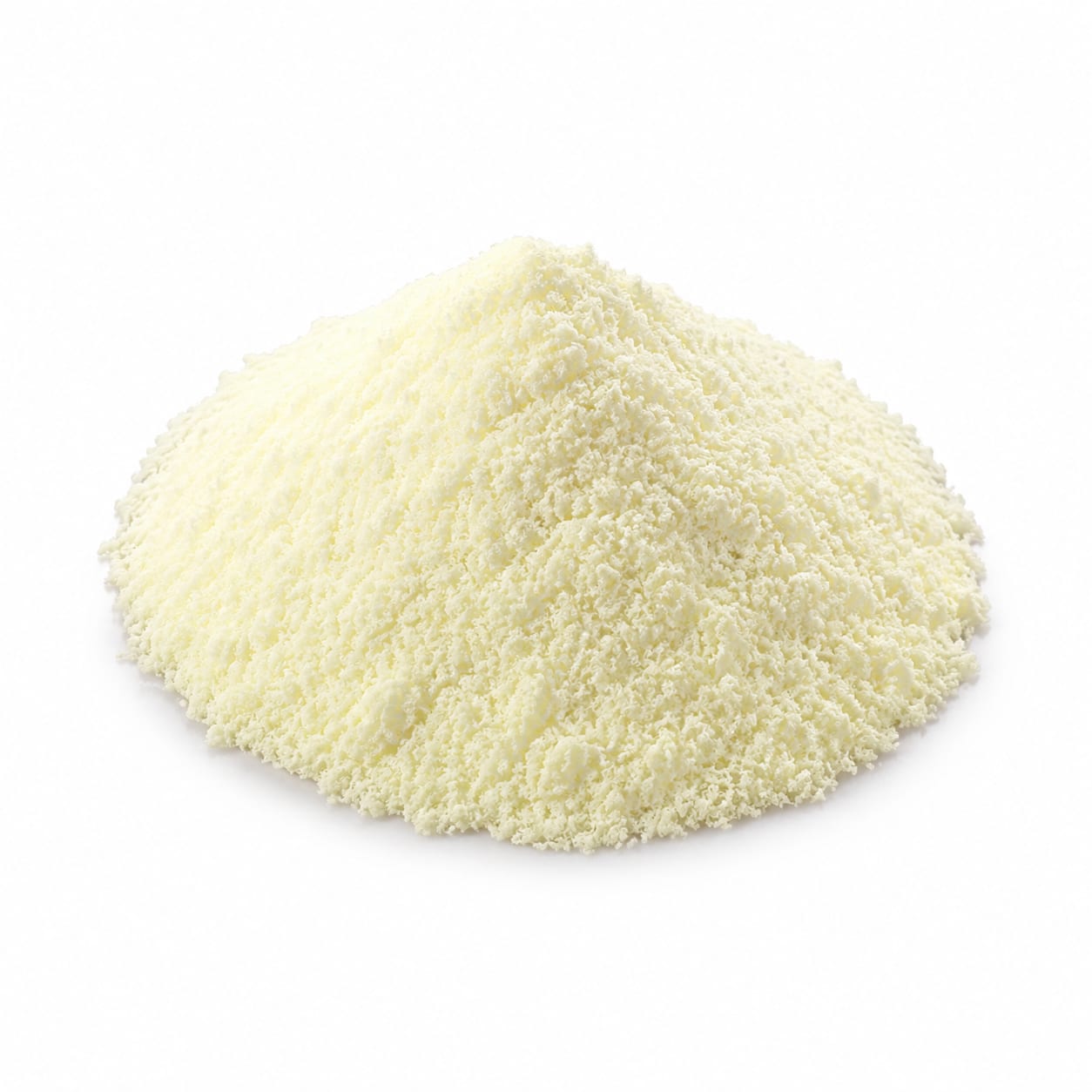
Milk Powder
Shelf-stable dehydrated milk with concentrated protein, carbs, and fats.
A manufactured dairy product made by evaporating milk to dryness, resulting in a shelf-stable powder that retains much of the original milk's nutritional profile in a concentrated form.
concentrated dairy macronutrient source
Typical serving · 30g
Common varieties · whole milk powder, skim milk powder (non-fat dry milk), instant milk powder, buttermilk powder
Overall context score across nutrition, safety, and diet fit
At a glance
Quick facts
Simple indicators based on nutrition, processing, and diet fit.
The story
What makes it unique
Milk powder is produced via spray drying or drum drying, which removes water content while preserving proteins (casein and whey), lactose, and minerals. It digests at a moderate rate depending on fat content. The dehydration process concentrates the macronutrients, resulting in high energy density. Satiety is moderate per calorie due to the low volume, though protein content contributes to fullness.
Varieties: whole milk powder · skim milk powder (non-fat dry milk) · instant milk powder · buttermilk powder
Per 100g
Nutrition breakdown
Macro balance and key metrics at a glance.
Energy
Density 4.96 kcal/g
Protein
Carbs
Fat
Fiber
Sugar
38 g
Sodium
330 mg
Potassium
1330 mg
Glycemic index
35
Glycemic load
13
Water content
3%
Standout compounds
Nutrient highlights
Calcium
highEssential for bone density and muscle contraction
Protein
highSupports muscle synthesis and tissue repair
Vitamin D
moderateFacilitates calcium absorption and immune function (if fortified)
Potassium
highHelps regulate fluid balance and blood pressure
Vitamin B12
highCrucial for nerve function and red blood cell formation
Wellness map
Health scores & processing
NOVA processing scale
moderate · Whole food
Minimally processed through pasteurization and dehydration. No extraneous additives in standard varieties, though the physical structure is altered from the whole food.
Diet compatibility
- Weight loss
- Muscle gain
- Diabetes
- Gut health
- Low carb
- High protein
- Heart health
Relative standing
Food rankings
Qualitative ranks compared to similar whole foods.
- Satietymoderate
- Blood sugarmoderate
- Nutrient densitygood
- Fitness fuelexcellent
- Processing qualitygood
Eat with confidence
Food safety profile
Milk powder has a very low microbial contamination risk due to low water activity. Sourcing from reputable brands minimizes risks of antibiotic residues or adulteration.
Evidence confidence 85%
- Pesticideslow
- Antibioticsmoderate
- Heavy metalslow
- Contaminationlow
Watch for
- antibiotic residues
- melamine (historical adulterant)
- aflatoxins
Safer choices
organic grass-fed milk powder
Prep tips
Reconstitute with clean, potable water. Ensure mixing containers are sanitized to prevent bacterial introduction.
Dairy industry antibiotic and hormone use regulations vary by country. Historical incidents of melamine adulteration in global supply chains.
Deep dive
Health analysis
How this food may fit different goals and preparation choices.
Weight loss
High energy density makes it very easy to overconsume calories. Not ideal for volume eating or strict calorie deficits unless carefully measured.
Blood sugar
Contains concentrated lactose, which can cause moderate blood sugar spikes. The fat and protein in whole milk powder slow digestion slightly, but it remains a concentrated carb source.
Fitness & energy
Excellent post-workout option due to the fast-digesting whey and slow-digesting casein protein blend, alongside carbohydrates for glycogen replenishment.
Gut health
Contains no fiber and high concentrations of lactose, which can trigger bloating or digestive distress in lactose-intolerant individuals.
Processing quality
Dehydration is a simple preservation method that retains the original macronutrient and mineral profile without requiring chemical additives.
Food safety
Highly shelf-stable and resistant to microbial growth. Primary concerns relate to industrial dairy farming practices rather than the powder itself.
Common mistakes
Treating milk powder as a low-calorie flavoring rather than a calorie-dense food. Assuming it is lactose-free because it is dried.
Best preparation
Reconstituting with water for drinking, blending into smoothies for protein fortification, or mixing into oatmeal to add creaminess and protein.
Practical guide
Best use cases
When and how this food fits real eating patterns.
Post-workout recovery
Provides a balanced ratio of fast and slow proteins with carbohydrates to replenish glycogen and repair muscles.
Emergency food storage
Extended shelf life and complete protein profile make it a staple for survival kits and long-term food storage.
Weight gain diets
High calorie density allows for easy addition of calories and protein to smoothies and meals without creating excessive fullness.
Camping and backpacking
Lightweight and shelf-stable, making it easy to carry milk for coffee, oatmeal, or cooking on the trail.
Balance sheet
Pros & cons
Upsides
- Excellent shelf stability for long-term storage
- Complete protein source with all essential amino acids
- Highly bioavailable calcium and minerals
- Convenient and lightweight for travel or camping
- Versatile ingredient for cooking and baking
Trade-offs
- High calorie density makes portion control difficult
- Contains concentrated lactose, problematic for many adults
- Whole varieties are high in saturated fat
- Lower protein-to-calorie ratio compared to protein isolates
- Can clump or dissolve poorly in cold water
Fit check
Who is it for?
Great match
- post-workout recovery
- weight gain diets
- emergency food storage
- backpacking meals
Consider alternatives
- strict calorie deficits
- lactose intolerant individuals
- strict low-carb diets
- vegan diets
Side by side
How it compares
Open the full head-to-head analysis for nutrition, safety, and practical tradeoffs.
This food
Milk Powder
VS95% alike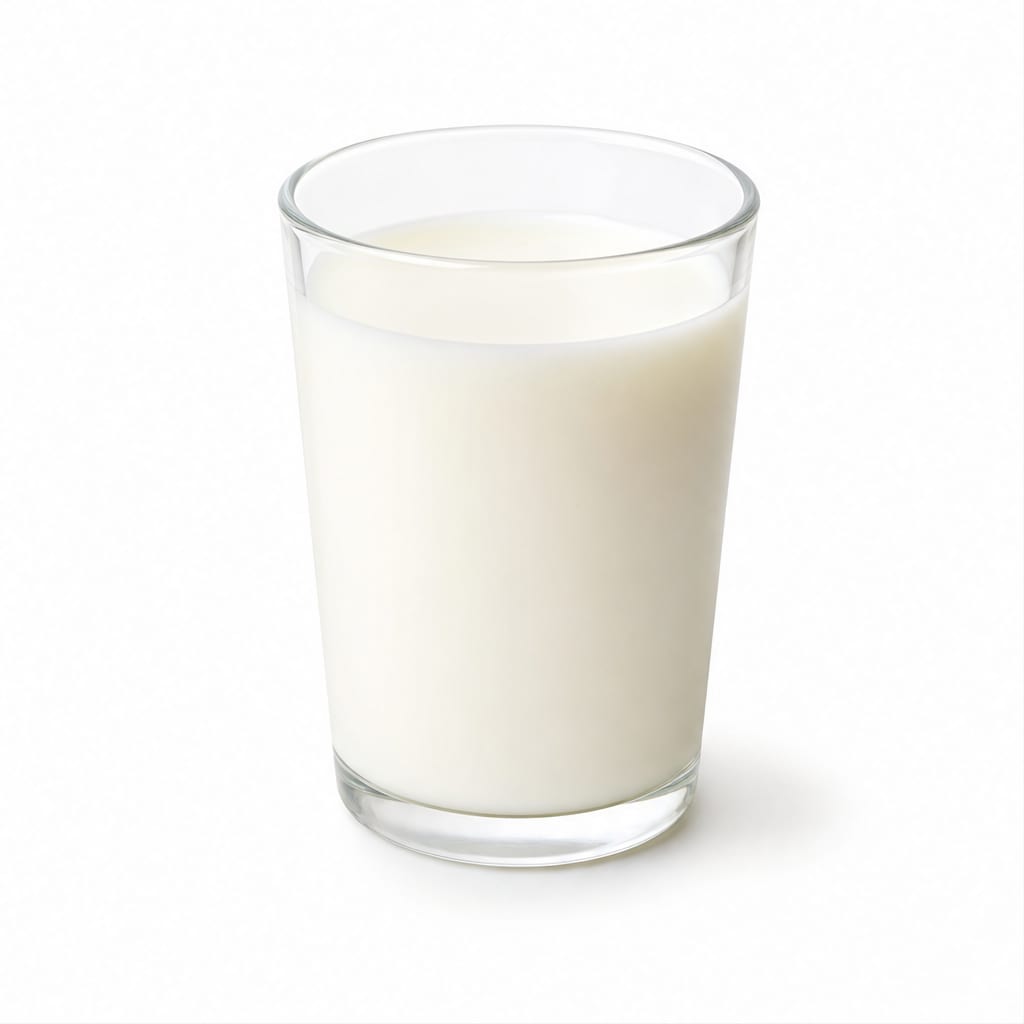
Compare with
Fresh Whole Milk
Milk powder is dehydrated fresh milk, offering the same macros in a concentrated, shelf-stable form.
Milk powder offers the same nutrition as fresh milk but is more calorie-dense and shelf-stable, while fresh milk provides better volume and satiety per calorie.
This food
Milk Powder
VS70% alike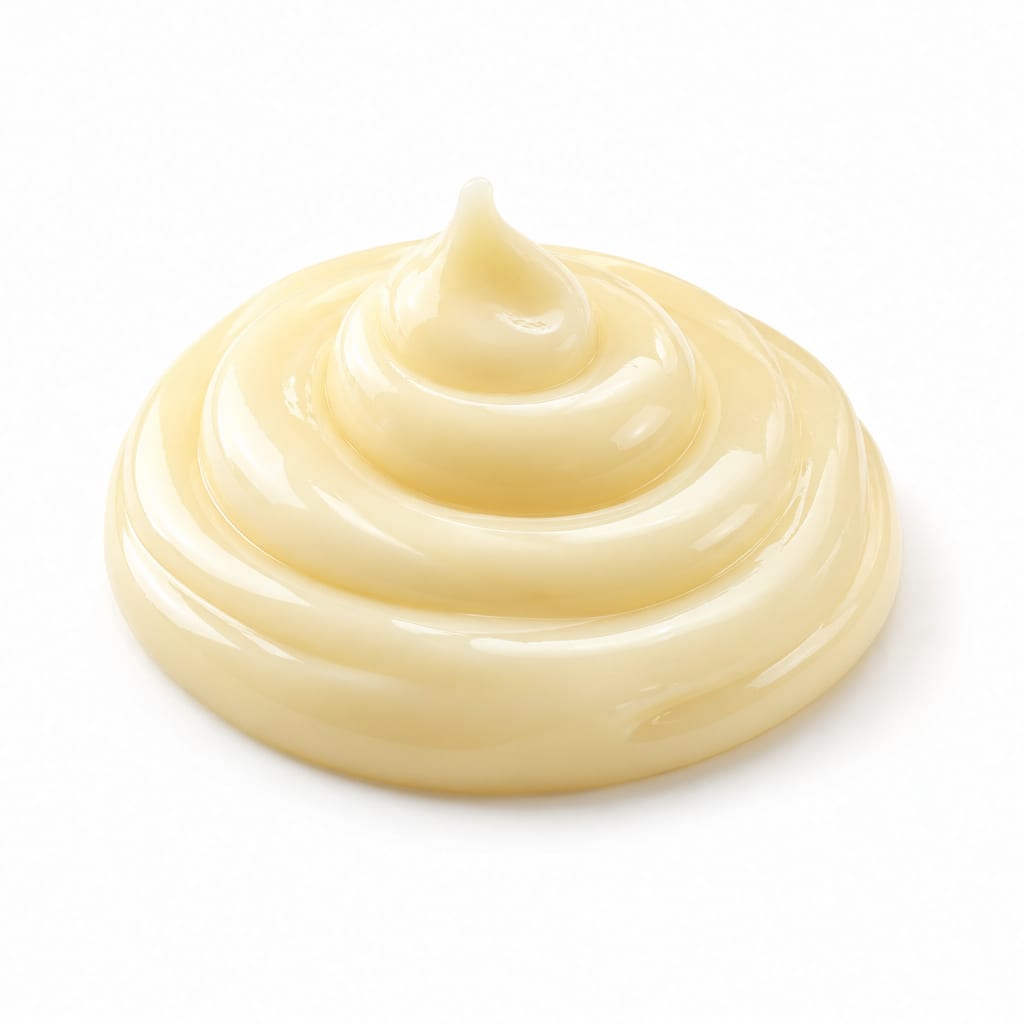
Compare with
Sweetened Condensed Milk
Condensed milk is heavily sweetened with added sugar, whereas milk powder contains only natural lactose.
Milk powder is far better for blood sugar and fitness than sweetened condensed milk, which is packed with added sugars and empty calories.
This food
Milk Powder
VS65% alike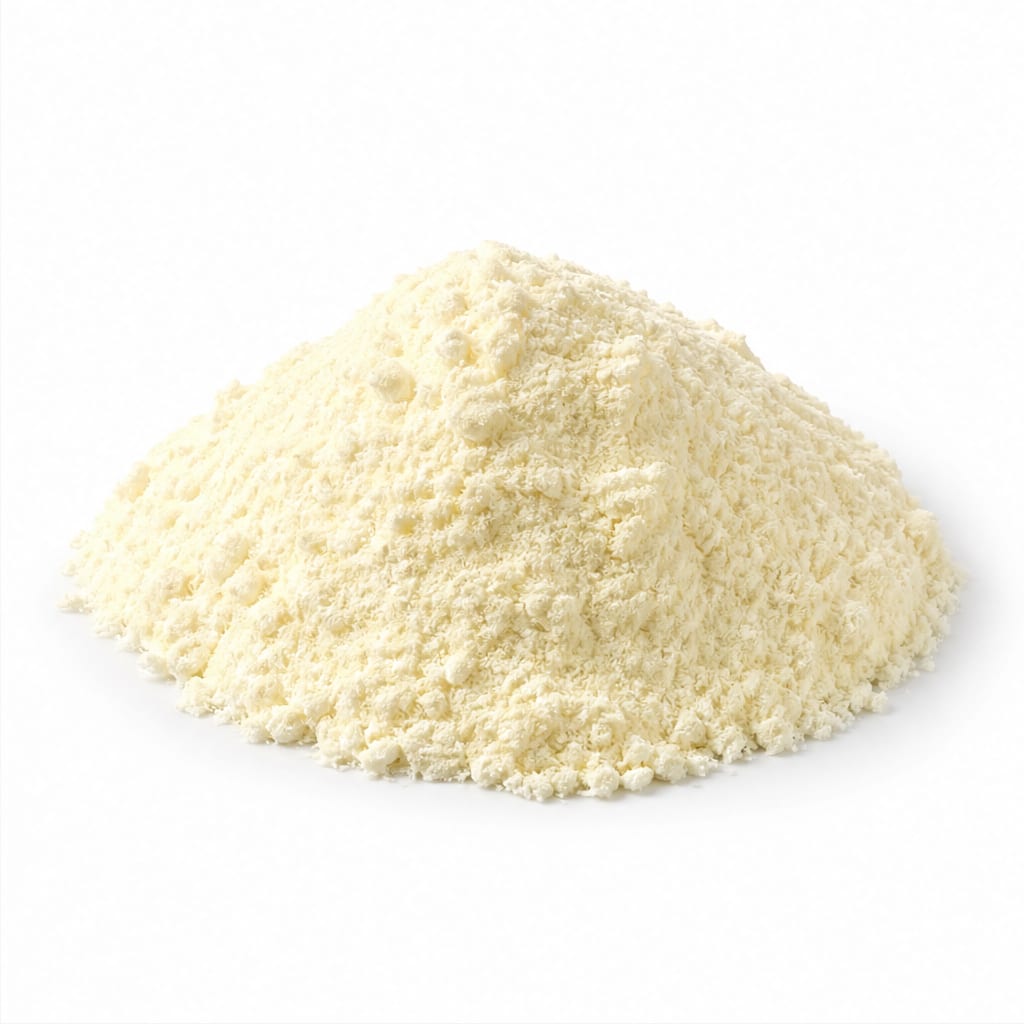
Compare with
Whey Protein Powder
Whey protein is filtered to remove fats and carbs, offering much higher protein per calorie than milk powder.
Whey protein powder is superior for muscle gain and weight loss due to its high protein-to-calorie ratio, while milk powder provides a balanced mix of carbs and fats.
This food
Milk Powder
VS90% alike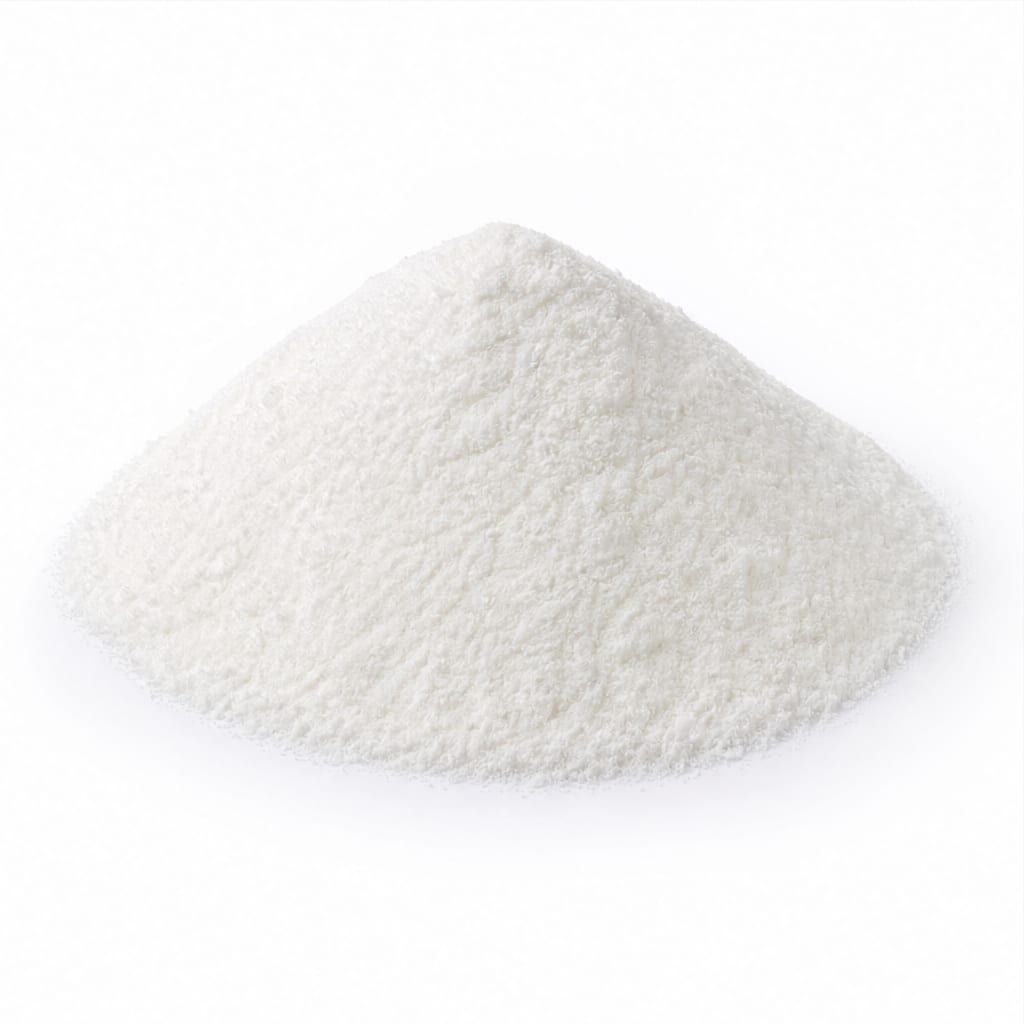
Compare with
Skim Milk Powder
Skim milk powder has fewer calories and fat but slightly higher lactose concentration by weight compared to whole milk powder.
Skim milk powder is lower in calories and fat, making it better for weight loss, while whole milk powder offers more satiety due to its fat content.
This food
Milk Powder
VS75% alike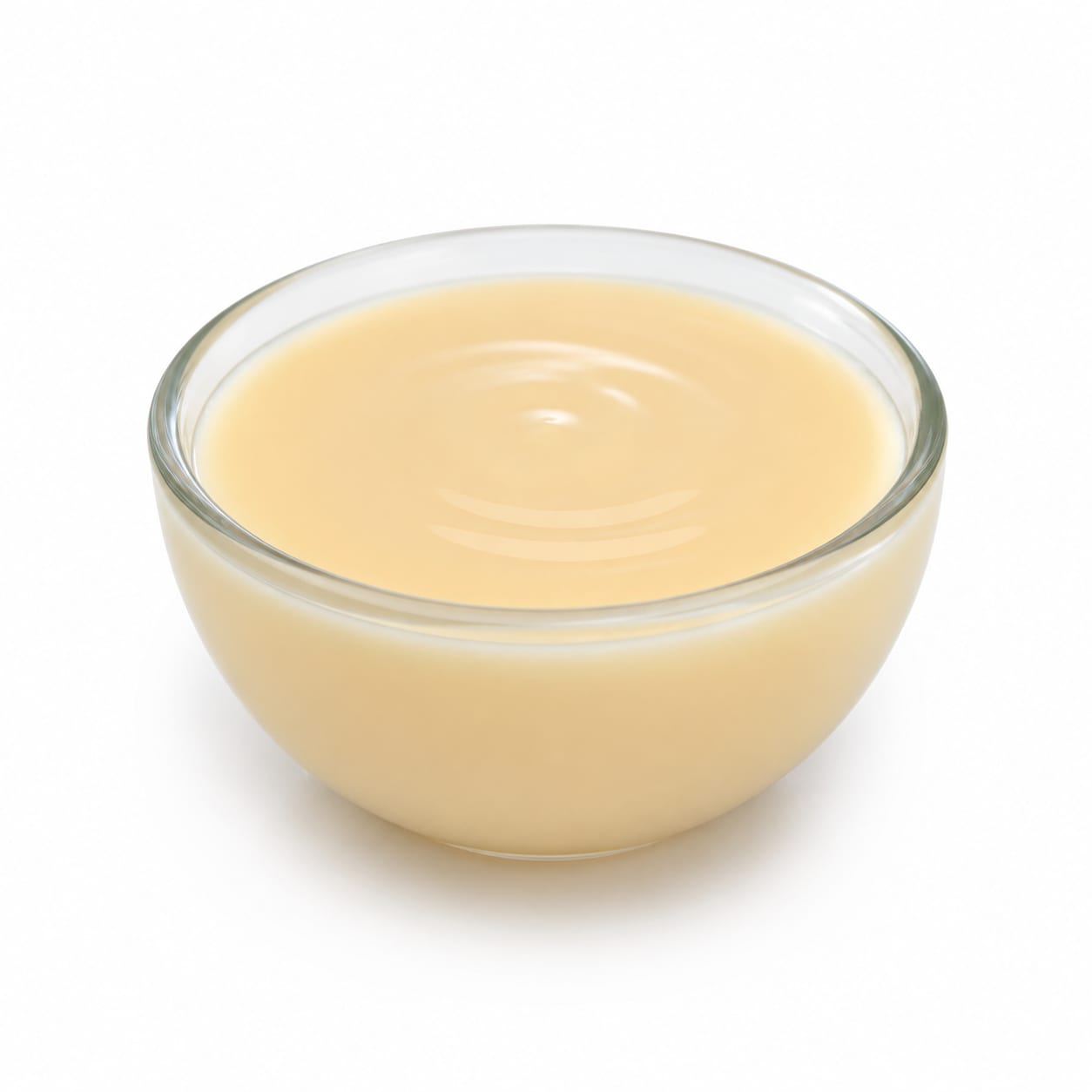
Compare with
Evaporated Milk
Evaporated milk is concentrated but retains about 60% of its water, whereas milk powder is fully dehydrated.
Evaporated milk provides better hydration and volume, while milk powder offers maximum portability and shelf stability for travel or storage.
This food
Milk Powder
VS50% alike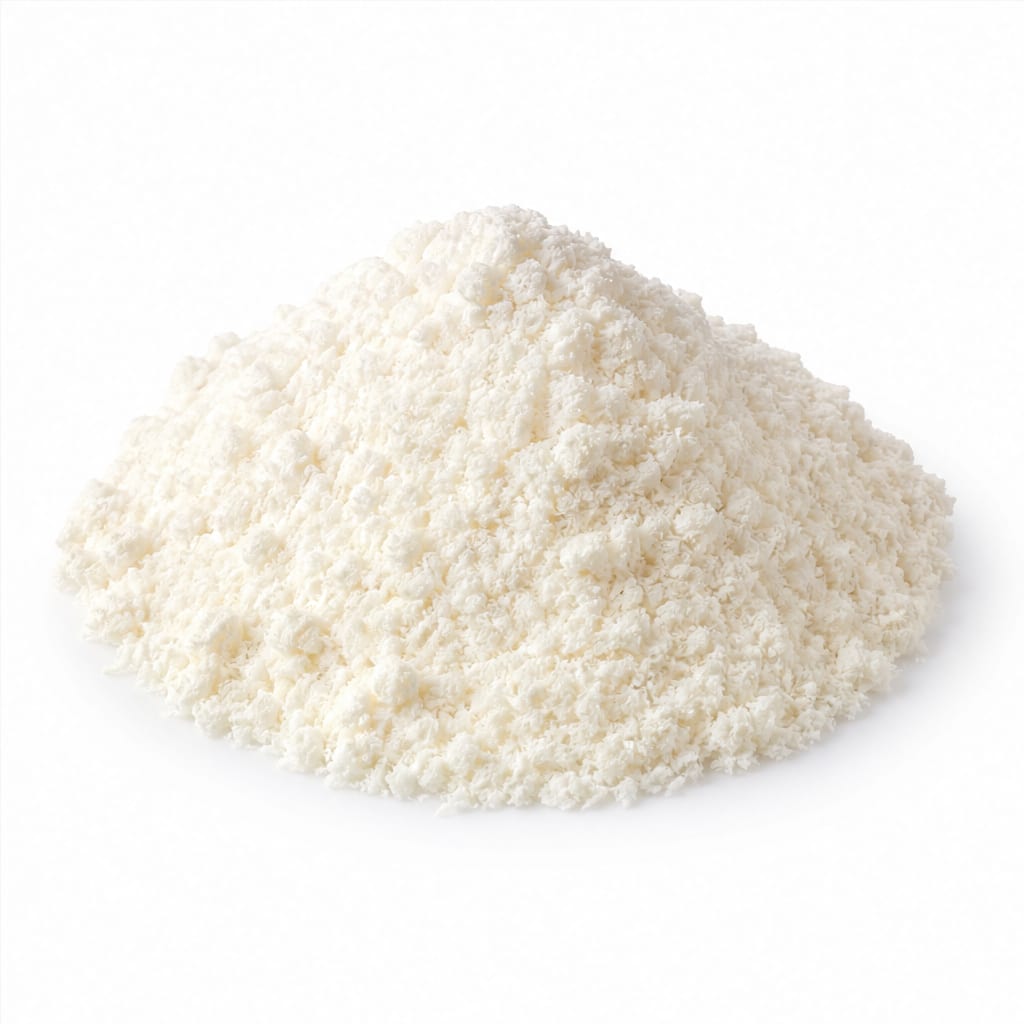
Compare with
Coconut Milk Powder
Coconut milk powder is higher in saturated fat and lower in protein compared to dairy milk powder.
Dairy milk powder is much higher in protein and calcium, while coconut milk powder is a lactose-free, higher-fat alternative suitable for vegan diets.
This food
Milk Powder
VS55% alike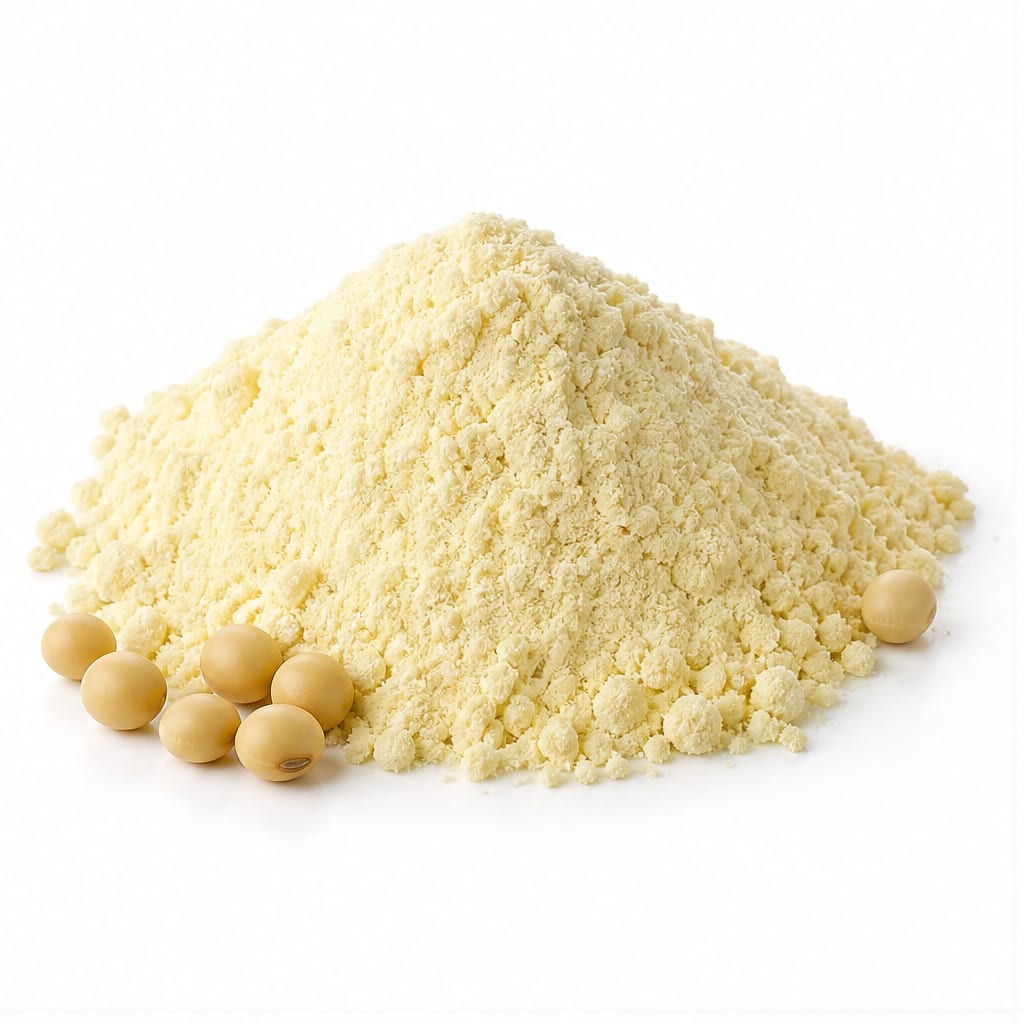
Compare with
Soy Milk Powder
Soy milk powder offers a complete plant protein profile similar to dairy but without lactose or cholesterol.
Soy milk powder is a lactose-free plant protein that digests slower, while dairy milk powder offers faster-digesting whey for post-workout recovery.
This food
Milk Powder
VS60% alike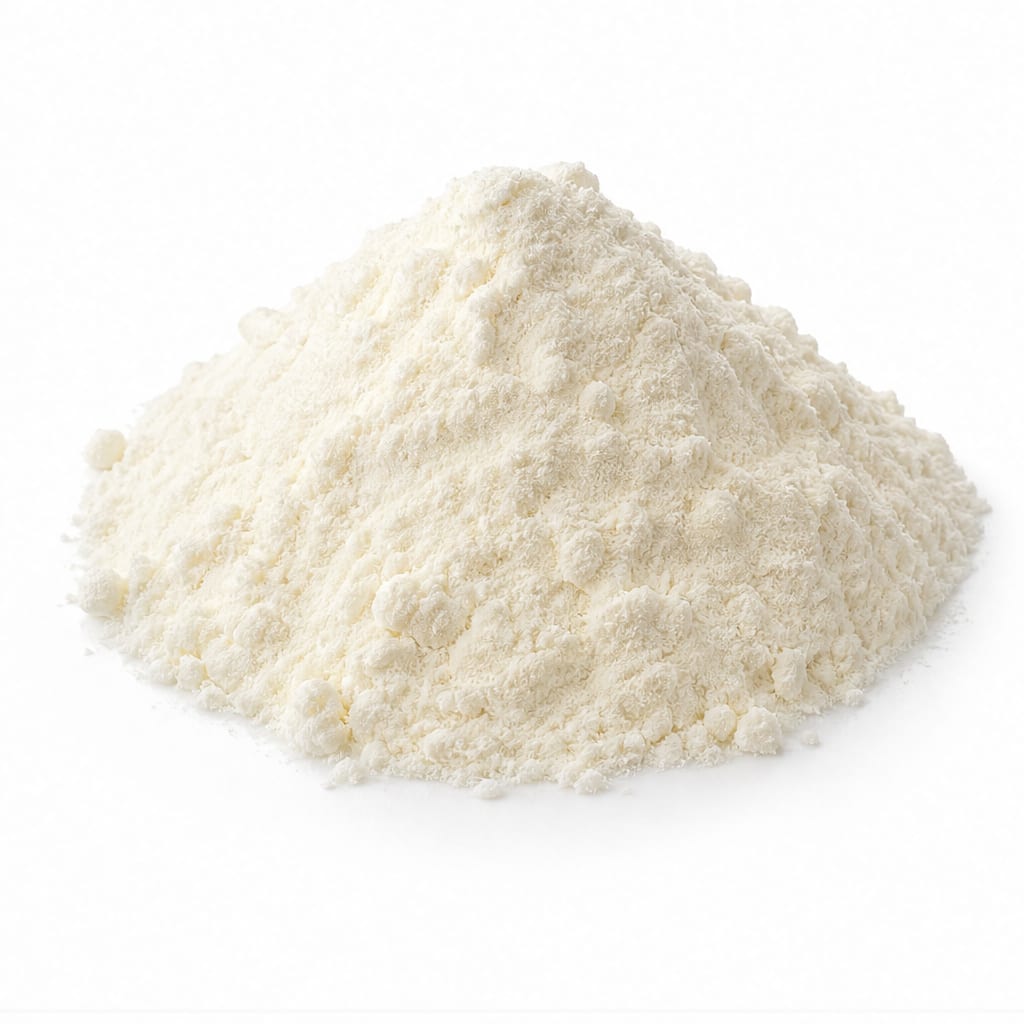
Compare with
Casein Protein Powder
Casein powder is isolated slow-digesting protein, while milk powder contains a mix of whey, casein, fats, and carbs.
Casein protein provides pure slow-digesting protein for overnight recovery, whereas milk powder delivers a balanced mix of macros with more calories.
This food
Milk Powder
VS45% alike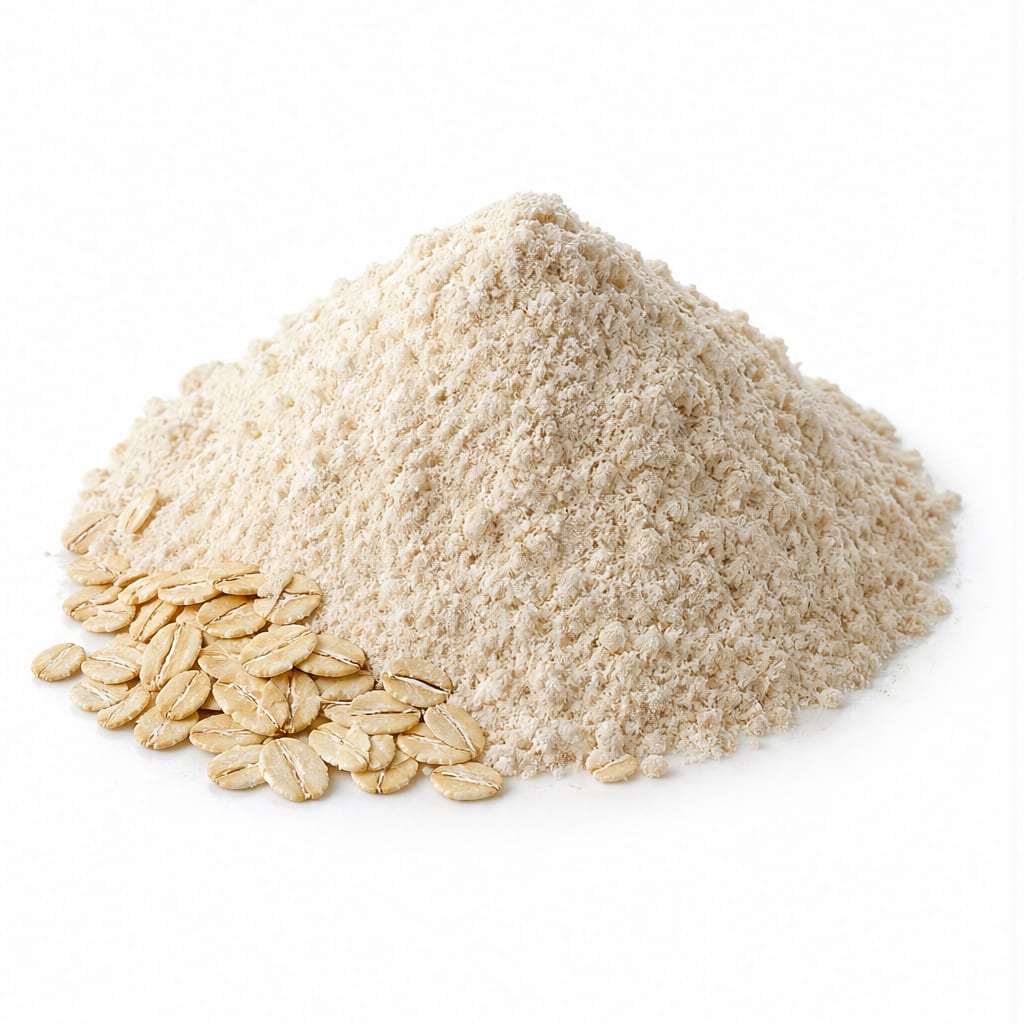
Compare with
Oat Milk Powder
Oat milk powder is higher in carbohydrates and lower in protein compared to dairy milk powder.
Milk powder provides significantly more protein per serving than oat milk powder, which is primarily a carbohydrate-based creamer.
This food
Milk Powder
VS40% alike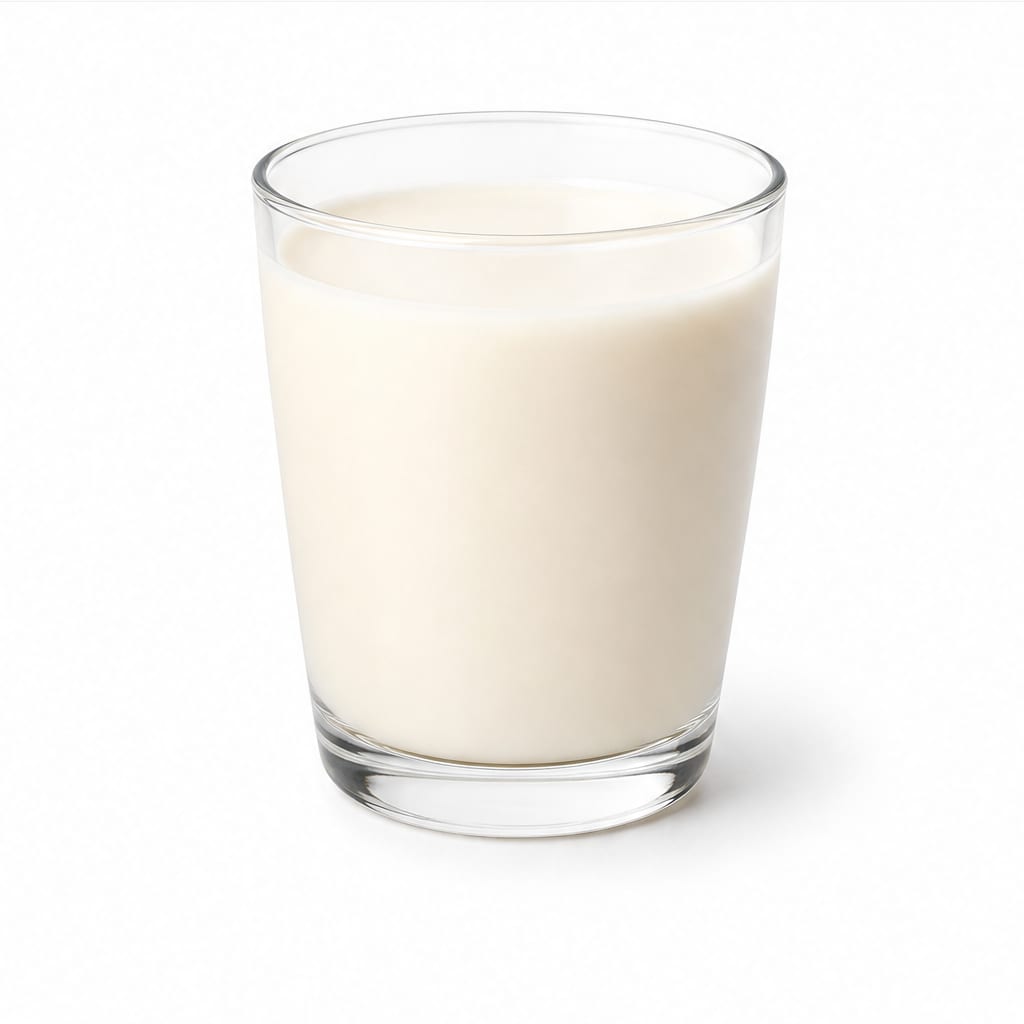
Compare with
Almond Milk
Almond milk is heavily diluted and very low in calories and protein, while milk powder is dense in both.
Almond milk is best for strict low-calorie diets, while milk powder is far superior for muscle building and nutrient density.
Common questions
FAQ
Answers aligned with how people search for this food.
Is milk powder good for weight loss?
Milk powder is generally not ideal for weight loss because it is highly calorie-dense and low in volume, making it easy to overconsume. However, measured portions can add protein to a weight loss diet.
Does milk powder have lactose?
Yes, milk powder contains concentrated lactose. In fact, skim milk powder has a higher percentage of lactose by weight than fresh milk, making it unsuitable for those with lactose intolerance.
Is powdered milk highly processed?
Standard milk powder is only moderately processed (NOVA Group 2). It is made by simply evaporating water from pasteurized milk without adding sugars, fats, or chemical preservatives.
Can I use milk powder for protein shakes?
Yes, milk powder can be used in protein shakes. It provides a mix of fast-digesting whey and slow-digesting casein, though it has a lower protein-to-calorie ratio than whey protein isolate.
Does milk powder spike blood sugar?
Milk powder contains lactose, a naturally occurring milk sugar. While it has a moderate glycemic index, the concentrated nature of the powder means a small serving can quickly raise blood sugar if not paired with fiber or fats.
How long does powdered milk last?
Unopened dry milk powder can last 2 to 10 years past its printed date when stored in a cool, dark place. Once opened, it should be used within a few months and kept tightly sealed.
Is milk powder the same as whey protein?
No. Milk powder contains both whey and casein proteins along with lactose and milk fat. Whey protein powder is a filtered extract that removes most of the fat and carbs, offering much higher protein per calorie.
Can lactose intolerant people drink milk powder?
Most people with lactose intolerance cannot tolerate milk powder well due to its high lactose concentration. Lactose-free milk powder alternatives are available.
Transparency
Data confidence
Estimated confidence for nutrition data, interpretation, safety notes, and comparisons.
Nutrition data
Health analysis
Food safety
Comparisons