
Nutrition comparison
Milk Powder vs Whey Protein Powder: Which Is Better for You?
Compare Milk Powder and Whey Protein Powder side by side. Learn which is better for muscle gain, weight loss, daily nutrition, and lactose sensitivity with practical tradeoff analysis.
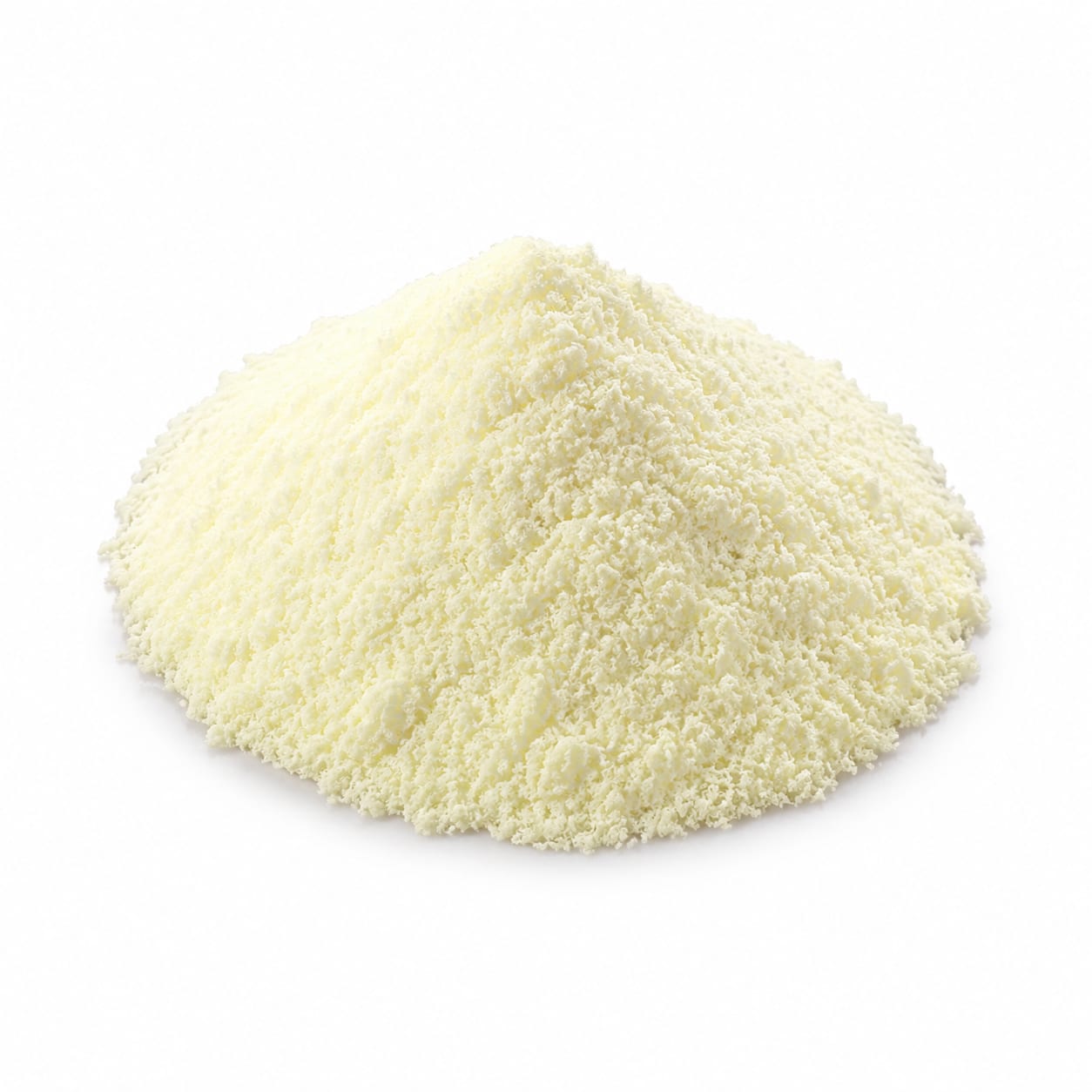
Milk Powder
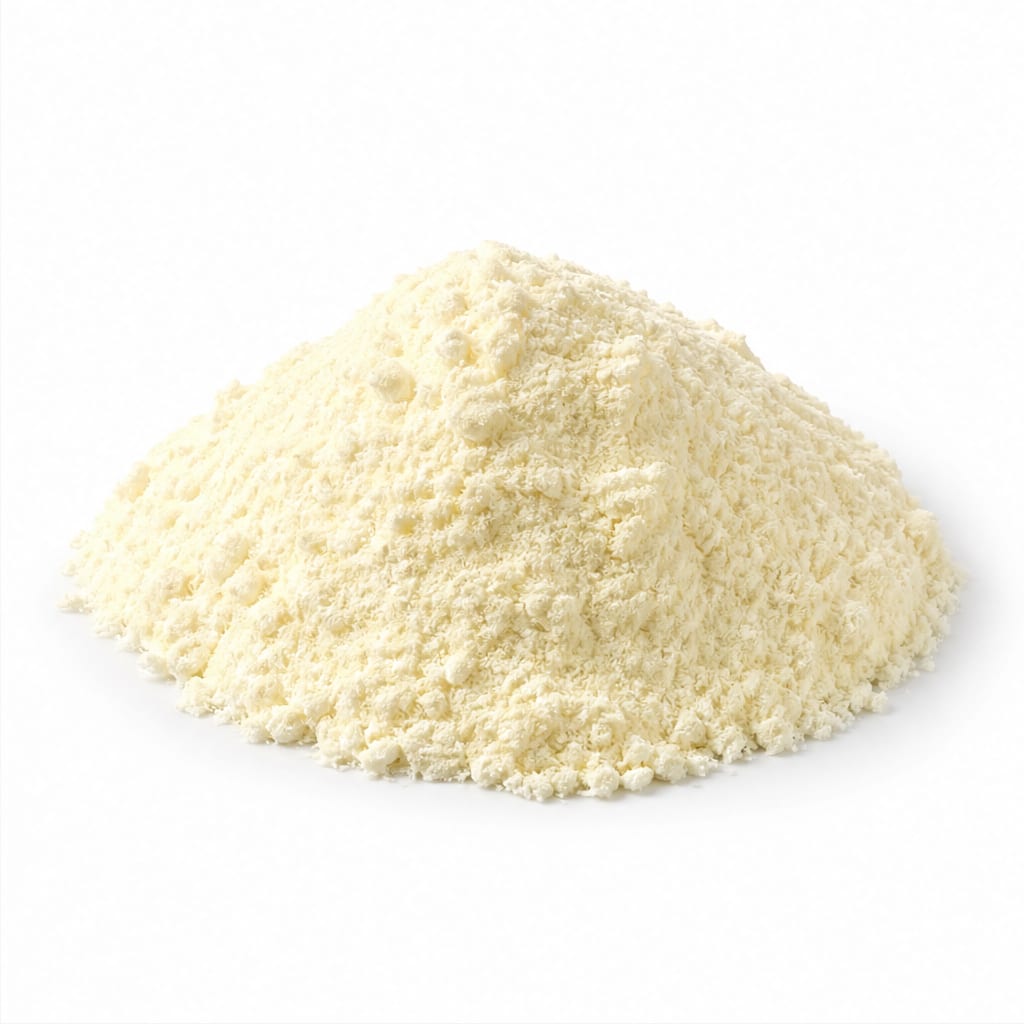
Whey Protein Powder
Milk Powder delivers balanced nutrition with carbs, fat, and protein together. Whey Protein Powder is a targeted protein tool with far more protein per calorie but almost nothing else.
Whey Protein Powder scores higher for its targeted effectiveness and superior protein density, but Milk Powder earns points for nutritional completeness and lower processing. The right choice depends entirely on your goal.
Nutritional completeness versus protein concentration — Milk Powder feeds your whole body, Whey Protein Powder feeds your muscles first.
At a glance
Executive summary
Overall
It depends
Healthier
It depends
More practical
Whey Protein Powder
Daily use
Milk Powder
Key comparison lenses
protein supplementation vs complete nutrition
Users comparing these two are typically deciding between a concentrated protein source and a more nutritionally rounded option
muscle building efficiency
Both are popular among fitness-focused users, but they serve very different roles in muscle recovery and growth
lactose tolerance and digestibility
Milk Powder contains significant lactose while many whey isolates are low-lactose, making this a key deciding factor
cost-effective nutrition
Milk Powder is often chosen as a budget-friendly nutrition source, while whey is a premium protein investment
ultra-processing concerns
Both are processed, but whey protein powders often contain more additives, sweeteners, and emulsifiers
Best choice for
Milk Powder
- People needing affordable complete nutrition
- Those recovering from illness who need calories plus protein
- Families wanting versatile cooking and baking ingredients
- Anyone without lactose issues seeking a whole-food-derived option
- Budget-conscious users wanting calcium and vitamins alongside protein
Whey Protein Powder
- Athletes and lifters needing fast post-workout protein
- People trying to hit high protein targets without extra calories
- Lactose-sensitive individuals using whey isolate
- Anyone on a calorie-restricted cutting phase
- Convenience-focused users who want quick shakes with minimal prep
Least suitable for
Milk Powder
- Lactose-intolerant individuals
- People on strict low-carb or keto diets
- Those needing high protein with minimal calories
- Anyone avoiding dairy completely
Whey Protein Powder
- People seeking a meal replacement or complete nutrition source
- Those concerned about artificial sweeteners and additives
- Anyone on a tight budget needing maximum nutrition per dollar
- Users who want whole-food options with minimal processing
Deep comparison
Dimension by dimension
Each lens scores both foods and breaks down who each option suits.
- Dimension 1 · Priority 95Whey Protein Powder
Protein Quality and Density
Milk Powder · 45Whey Protein Powder · 93Whey Protein Powder delivers roughly 70-90% protein by weight versus Milk Powder's 25-35%. That means far more muscle-building amino acids per scoop and per calorie.
Tradeoff
You get dramatically more protein with whey, but you lose the carbohydrates and fats that help with sustained energy and hormone production.
Why it matters
If you need 30g of protein post-workout, one scoop of whey does it. Milk Powder requires a much larger serving and brings extra calories along for the ride.
Real-world impact
After a workout, whey feels light and digests fast. Milk Powder feels more like drinking a meal — heavier, slower, but more filling.
Milk Powder
- Situations where you want protein alongside energy from carbs and fat
- People who struggle to eat enough calories overall
Better for
- Low-calorie diets where protein-per-calorie matters
- Competitive athletes needing fast amino acid delivery
Worse for
Whey Protein Powder
- Post-workout recovery windows
- Hitting daily protein goals without overshooting calories
- Anyone tracking macros precisely
Better for
- People relying on it as a sole nutrition source after surgery or illness
- Anyone who finds highly concentrated protein shakes unsatisfying
Worse for
- Dimension 2 · Priority 88Milk Powder
Nutritional Completeness
Milk Powder · 82Whey Protein Powder · 35Milk Powder retains most of milk's natural nutrient profile — calcium, potassium, B vitamins, carbs, and fat. Whey Protein Powder strips almost everything away except protein.
Tradeoff
Milk Powder nourishes broadly but weakly for protein. Whey Protein Powder nourishes narrowly but powerfully for protein.
Why it matters
Your body needs more than protein. Calcium for bones, carbs for energy, fat for hormones — Milk Powder covers these basics in every serving.
Real-world impact
A glass of reconstituted Milk Powder can substitute for a light snack. A whey shake leaves you hungry again in an hour unless you add real food.
Milk Powder
- Replacing meals during busy days
- Older adults needing calcium and calories together
- Children who need balanced nutrition, not just protein
Better for
- Anyone assuming it provides enough protein for serious training
- Low-carb dieters who cannot afford the lactose carbs
Worse for
Whey Protein Powder
- Situations where you already eat balanced meals and only lack protein
- Adding protein to oatmeal, smoothies, or recipes without adding significant carbs or fat
Better for
- Using it as a meal replacement — it will leave you undernourished
- Long-term reliance without diverse whole-food protein sources
Worse for
- Dimension 3 · Priority 80Milk Powder
Satiety and Fullness
Milk Powder · 74Whey Protein Powder · 52Milk Powder's mix of protein, carbs, and fat creates a more satisfying experience. Whey Protein Powder digests quickly and leaves you hungry sooner.
Tradeoff
Milk Powder keeps you fuller longer but costs more calories. Whey is lighter on the stomach but barely takes the edge off hunger.
Why it matters
If you are trying to manage cravings or avoid snacking, the more complete macronutrient profile of Milk Powder does noticeably better at keeping you satisfied.
Real-world impact
Drink a Milk Powder shake at 3 PM and you may skip the afternoon vending machine visit. A whey shake at 3 PM often means you are hunting for food again by 4.
Milk Powder
- Between-meal hunger management
- People who feel shaky or unsatisfied after protein-only shakes
Better for
- Anyone who finds dairy-heavy drinks uncomfortably heavy before exercise
Worse for
Whey Protein Powder
- Right after training when you want something light before a real meal
- Morning shakes where you add fruit, oats, and nut butter anyway
Better for
- Emotional eaters who need a shake to actually feel like they ate something
- People trying to reduce snacking frequency throughout the day
Worse for
- Dimension 4 · Priority 78Whey Protein Powder
Digestive Tolerance
Milk Powder · 42Whey Protein Powder · 72Milk Powder contains full lactose content, making it problematic for the majority of adults worldwide. Most quality whey protein powders, especially isolates, are very low in lactose.
Tradeoff
Whey isolates are gentler on lactose-sensitive stomachs but can still cause bloating from rapid protein absorption. Milk Powder is more likely to cause gas, cramping, or diarrhea in lactose-intolerant people.
Why it matters
Roughly 65% of the global population has some degree of lactose malabsorption. This makes Milk Powder a non-starter for many people.
Real-world impact
If regular milk gives you bloating or stomach cramps, Milk Powder will do the same. A whey isolate shake likely will not.
Milk Powder
- People with confirmed lactose tolerance who digest dairy without issues
Better for
- Lactose-intolerant users — will cause bloating, gas, and diarrhea
- Anyone with dairy sensitivity beyond just lactose
Worse for
Whey Protein Powder
- Lactose-sensitive individuals choosing whey isolate
- Anyone who has experienced GI distress from regular milk products
- Post-workout nutrition where heavy digestion feels uncomfortable
Better for
- Some people experience bloating from whey concentrate specifically
- Rare cases of whey allergy in people with dairy allergies
Worse for
- Dimension 5 · Priority 75Milk Powder
Processing and Additives
Milk Powder · 68Whey Protein Powder · 40Milk Powder is essentially dehydrated milk with minimal additions. Whey Protein Powder often contains artificial sweeteners, flavors, emulsifiers, and thickeners.
Tradeoff
Milk Powder is closer to a real food but still processed. Whey Protein Powder is more processed and frequently loaded with additives that some people prefer to avoid.
Why it matters
If you read ingredient labels and want to minimize artificial inputs, Milk Powder typically has one ingredient. Whey Protein Powder often has ten or more.
Real-world impact
You can pronounce everything on a Milk Powder label. Many whey protein labels read like a chemistry experiment — sucralose, acesulfame potassium, soy lecithin, carrageenan, natural flavors.
Milk Powder
- Clean-label consumers who want minimal ingredients
- Families uncomfortable with artificial sweeteners around children
- Anyone trying to reduce ultra-processed food intake
Better for
- Anyone assuming dehydrated milk is a whole, unprocessed food — it is still processed
Worse for
Whey Protein Powder
- Unflavored whey isolate options that contain only whey and sometimes lecithin
- People who prioritize protein delivery over ingredient purity
Better for
- People avoiding artificial sweeteners like sucralose or acesulfame potassium
- Those concerned about emulsifiers and gut health
- Anyone sensitive to thickeners like xanthan gum or carrageenan
Worse for
- Dimension 6 · Priority 72Milk Powder
Cost and Value
Milk Powder · 85Whey Protein Powder · 55Milk Powder is one of the cheapest sources of complete nutrition available. Whey Protein Powder costs significantly more per serving, especially isolates.
Tradeoff
Milk Powder gives you more total nutrition per dollar. Whey gives you more protein per dollar but less overall nutritional value.
Why it matters
For families, students, or anyone on a tight budget, Milk Powder provides calcium, calories, and protein at a fraction of the cost of whey supplements.
Real-world impact
A month of Milk Powder for cooking, drinking, and cereal might cost what one tub of whey protein costs. If budget matters, this gap is hard to ignore.
Milk Powder
- Budget-conscious households needing versatile nutrition
- Bulk cooking and baking where cost per serving matters
- Developing-world nutrition programs and emergency food supplies
Better for
- Situations where you are paying for carbs and fat you do not want
Worse for
Whey Protein Powder
- Serious athletes who view protein powder as a targeted investment, not a general food
- Anyone who calculates cost per gram of protein rather than cost per calorie
Better for
- Anyone who cannot afford premium supplementation monthly
- People who could get equivalent protein from cheaper whole foods
Worse for
- Dimension 7 · Priority 68Milk Powder
Versatility and Convenience
Milk Powder · 80Whey Protein Powder · 65Milk Powder works in coffee, baking, cooking, cereal, and emergency food kits. Whey Protein Powder is mainly useful in shakes, smoothies, and protein-focused recipes.
Tradeoff
Milk Powder is a kitchen staple with dozens of uses. Whey Protein Powder is a specialized supplement with a narrow range of applications.
Why it matters
If you want one powder that does many things, Milk Powder wins easily. If you only care about protein shakes, whey is simpler.
Real-world impact
Milk Powder can replace fresh milk in any recipe. Whey Protein Powder makes terrible coffee creamer, odd pancakes, and clumpy oatmeal unless you know specific techniques.
Milk Powder
- Households wanting one powder for multiple uses
- Camping, emergency preparedness, and travel
- Baking and cooking where milk flavor and texture matter
Better for
- Does not dissolve as smoothly in cold water as whey does
Worse for
Whey Protein Powder
- Quick post-workout shakes with just water and a shaker bottle
- Adding protein to smoothies without changing the flavor much
Better for
- Performs poorly in most traditional cooking applications
- Heating whey can denature proteins and create unpleasant textures
Worse for
- Dimension 8 · Priority 70Whey Protein Powder
Blood Sugar Impact
Milk Powder · 48Whey Protein Powder · 75Milk Powder contains significant lactose, which raises blood sugar. Whey Protein Powder, especially isolate, has minimal carbs and a gentler glycemic impact.
Tradeoff
Whey is easier on blood sugar but can still spike insulin due to its rapid amino acid absorption. Milk Powder provides steadier energy but at the cost of a higher glucose response.
Why it matters
For people with diabetes, insulin resistance, or metabolic concerns, the lower carb content of whey makes it significantly easier to manage.
Real-world impact
A Milk Powder shake can cause a noticeable energy crash in sensitive people. A whey isolate shake keeps blood sugar stable but may leave you reaching for carbs to feel energized.
Milk Powder
- Athletes who need carbs alongside protein for glycogen replenishment
- People trying to gain weight who benefit from the extra carbohydrate energy
Better for
- Insulin-resistant individuals who need to minimize carb intake
- People experiencing afternoon energy crashes after dairy-based drinks
Worse for
Whey Protein Powder
- People with diabetes or prediabetes
- Low-carb and keto dieters
- Anyone monitoring blood sugar for metabolic health
Better for
- Whey can still trigger an insulin spike without carbs, which may increase hunger in some people shortly after consumption
Worse for
Timeline
Health impact over time
Short-term
Hours to days
Milk Powder
- Provides quick energy from lactose carbohydrates alongside protein
- Can cause bloating, gas, or diarrhea in lactose-intolerant individuals
- More filling than whey alone due to mixed macronutrients
- May cause a moderate blood sugar rise from lactose content
Whey Protein Powder
- Rapid amino acid delivery supports muscle repair within 30-60 minutes
- Light on the stomach for most people, especially with isolates
- Can cause bloating or digestive discomfort if consumed in large amounts quickly
- May trigger mild hunger soon after consumption due to lack of carbs and fat
Long-term
Months to years
Milk Powder
- Regular calcium intake supports bone density over time
- Sustained complete nutrition can help prevent deficiencies in restrictive diets
- Lactose consumption may worsen digestive issues in sensitive populations over time
- Consistent calorie intake from carbs and fat may contribute to weight gain if not monitored
Whey Protein Powder
- High protein intake supports muscle mass preservation, especially during aging
- Long-term use of artificially sweetened whey products may affect gut microbiome
- Relying on whey as a primary protein source may displace whole-food nutrients
- Consistent post-workout use supports training adaptation and recovery over months and years
Risk profile
Safety & processing
Milk Powder is dehydrated milk — processed but straightforward, usually containing just one ingredient. Whey Protein Powder undergoes extensive filtration and often includes artificial sweeteners, flavors, and emulsifiers. Unflavored whey isolates are the exception, containing minimal additives.
Milk Powder
Lactose intolerance reactions
mediumMilk Powder retains full lactose content. For the majority of global adults with some lactose malabsorption, this can cause significant digestive distress.
Oxidized cholesterol
lowThe spray-drying process can oxidize some cholesterol in full-fat Milk Powder, though the health significance of this in moderate consumption is debated.
Contamination during storage
lowIf Moisture gets into Milk Powder, it can support bacterial growth. Proper storage in airtight containers is essential.
Whey Protein Powder
Heavy metal contamination
lowSome whey protein products have tested positive for trace amounts of lead, arsenic, or cadmium. Quality brands test for this, but cheaper products may not.
Artificial sweetener exposure
mediumMany flavored whey products contain sucralose or acesulfame potassium. While generally recognized as safe, emerging research questions long-term gut microbiome effects.
Protein spiking
mediumSome lower-quality brands add cheap amino acids like glycine or taurine to inflate protein numbers on the label without adding real whey protein.
Who wins for whom
Audience fit
Same foods, different winners depending on your goal.
children
Milk PowderChildren need balanced nutrition — calcium, calories, carbs, fat, and protein together. Milk Powder provides this naturally. Whey Protein Powder is an unnecessary supplement for most kids and may contain sweeteners inappropriate for children.
daily consumption
Milk PowderMilk Powder functions as an actual food with broad nutritional value. Whey Protein Powder is best used as a targeted supplement, not a daily staple replacing diverse protein sources.
diabetes
Whey Protein PowderWhey isolate has negligible carbs and will not spike blood sugar. Milk Powder contains lactose that raises glucose, making it harder to manage for people with diabetes.
elderly
It dependsMilk Powder helps elderly users who need calories, calcium, and balanced nutrition to prevent frailty. Whey Protein Powder helps those specifically struggling with sarcopenia who need concentrated protein without filling up on volume.
muscle gain
Whey Protein PowderWhey Protein Powder provides fast-digesting, leucine-rich protein that directly drives muscle protein synthesis. More effective per serving than Milk Powder for this specific goal.
weight loss
Whey Protein PowderWhey Protein Powder delivers high protein with minimal calories, preserving muscle while keeping you in a deficit. Milk Powder adds extra carbs and fat that eat into your calorie budget.
Your move
Decision guide
Choose Milk Powder
- You want affordable, versatile nutrition that works in cooking, baking, and beverages
- You have no lactose issues and prefer whole-food-derived options
- You need calories and protein together — during recovery, for children, or for weight gain
- You want a single powder that replaces fresh milk in any recipe
- You are building an emergency food supply or stocking a pantry
Choose Whey Protein Powder
- You train hard and need fast, concentrated protein for recovery
- You are tracking macros and need high protein with minimal calories
- You are lactose-sensitive and want a dairy protein that will not upset your stomach
- You are cutting weight and cannot afford the extra carbs and fat in Milk Powder
- You already eat balanced meals and only lack protein, not overall nutrition
Either works if
- You want to boost the protein content of smoothies, oatmeal, or shakes
- You are looking for a shelf-stable dairy-based protein source
- You are comfortable with processed foods and want convenience
Avoid both if
- You have a dairy allergy — both contain dairy proteins that can trigger reactions
- You are strictly vegan and avoiding all animal products
- You have severe kidney disease and need to limit protein intake
- You are trying to eliminate all processed and supplemented foods from your diet
Final recommendation
Think of Milk Powder as food and Whey Protein Powder as a tool. If you need everyday nutrition, cooking versatility, and balanced calories, Milk Powder serves you better. If you need targeted protein for training, weight loss, or lactose sensitivity, Whey Protein Powder is the clear choice. Most people benefit from having both — Milk Powder in the kitchen, whey in the gym bag.
Practical
Consumer tips
- 1
If you choose whey, opt for isolate over concentrate if lactose is a concern — isolates contain less than 1% lactose
- 2
Look for unflavored whey protein with minimal ingredients to avoid artificial sweeteners and emulsifiers
- 3
Store Milk Powder in a cool, dry, airtight container — moisture ruins it quickly
- 4
Third-party tested whey brands are worth the premium to avoid heavy metal contamination and protein spiking
- 5
Mix Milk Powder with warm water first for smoother dissolution before adding to cold drinks
- 6
Avoid whey protein products that list proprietary blends — you deserve to know exactly what you are consuming
- 7
Full-fat Milk Powder tastes richer and works better in cooking, while skim Milk Powder dissolves easier and has a longer shelf life
- 8
If you use whey daily, consider cycling off occasionally and getting protein from whole foods to maintain dietary diversity