
Nutrition comparison
Milk Powder vs Coconut Milk Powder: Nutrition, Protein, and Dairy-Free Tradeoffs
Compare Milk Powder and Coconut Milk Powder on protein, calcium, additives, and digestibility. Find out which powdered milk alternative fits your diet and health goals.
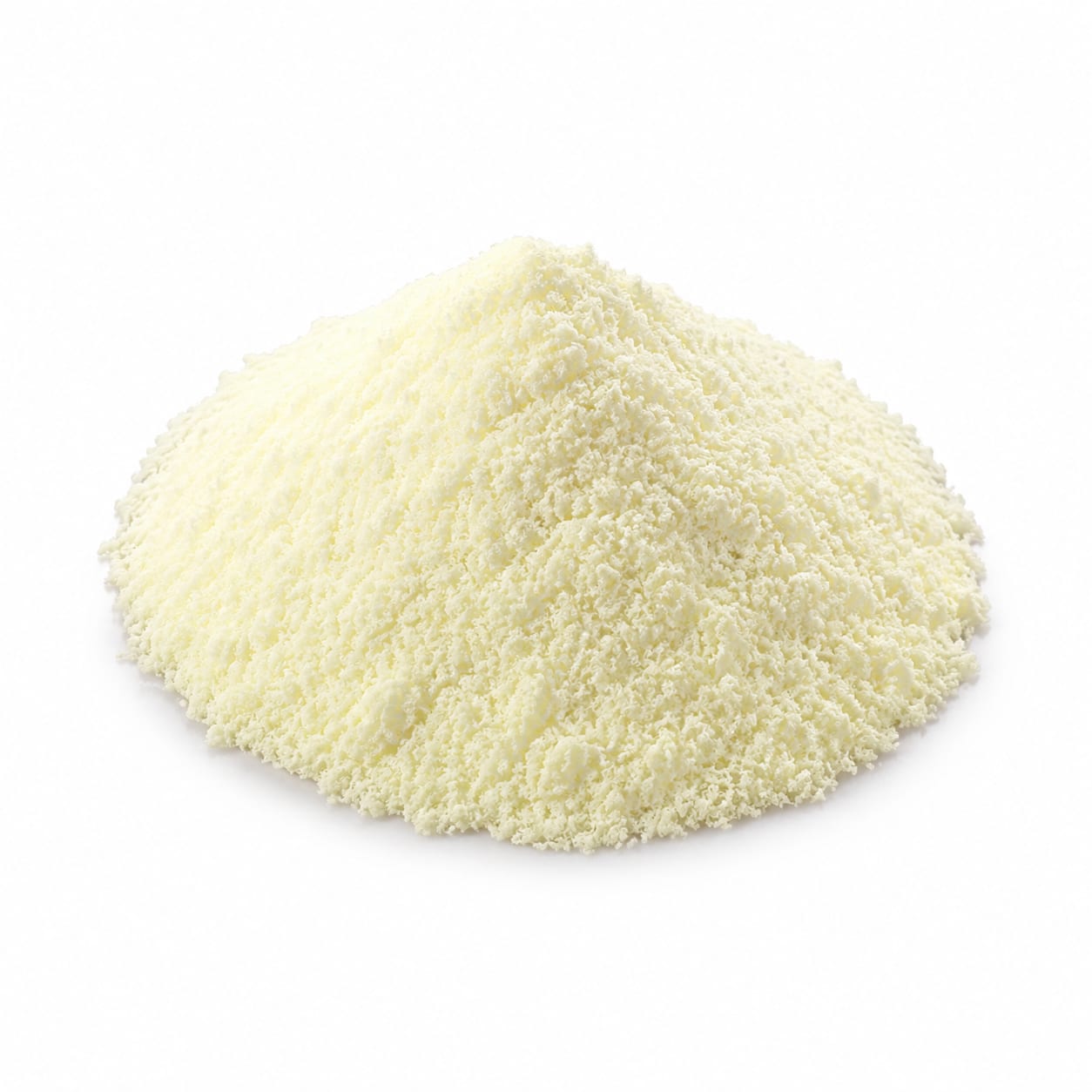
Milk Powder
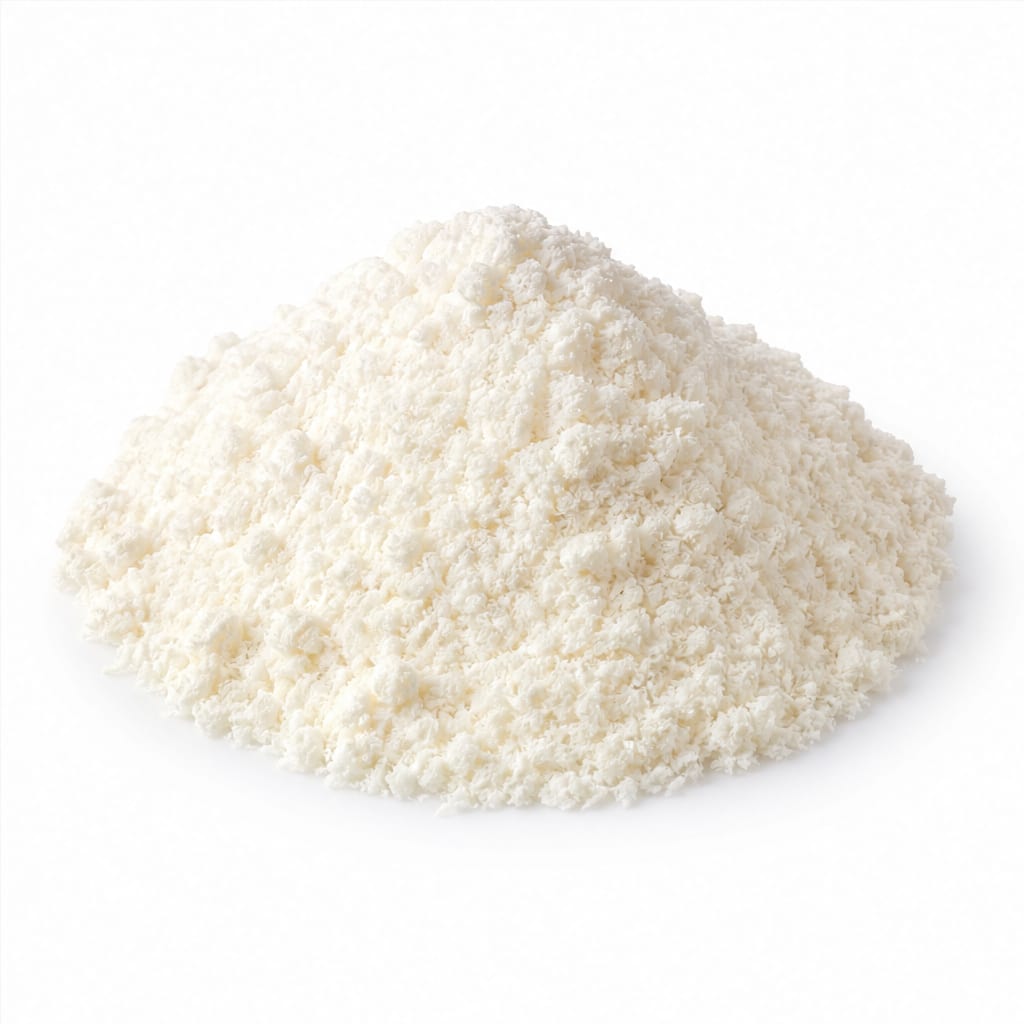
Coconut Milk Powder
Milk Powder wins on protein, calcium, and overall nutrition density. Coconut Milk Powder wins for dairy-free diets and MCT-based energy. Your choice hinges on lactose tolerance and dietary philosophy.
Milk Powder scores notably higher due to superior protein, calcium, and B-vitamin content. Coconut Milk Powder loses ground on protein density and typical additive load but remains valuable for dairy-free diets.
Complete dairy nutrition versus plant-based compatibility with lower protein but easier digestion for lactose-sensitive people.
At a glance
Executive summary
Overall
It depends
Healthier
Milk Powder
More practical
It depends
Daily use
Milk Powder
Key comparison lenses
dairy free alternative evaluation
Most users comparing these are deciding between dairy and plant-based options for lactose intolerance or vegan diets
protein and nutrition density
Milk Powder delivers significantly more protein and calcium, making this a critical tradeoff
saturated fat and heart health
Both contain saturated fat but from very different sources with different health implications
additive and processing concerns
Coconut Milk Powder typically requires more stabilizers and emulsifiers, raising clean-label concerns
weight management and satiety
Protein content differences directly affect fullness and metabolic impact
Best choice for
Milk Powder
- People without lactose intolerance seeking maximum nutrition
- Children and elderly needing calcium and protein support
- Athletes and muscle-building goals
- Budget-conscious consumers wanting complete nutrition
Coconut Milk Powder
- Lactose-intolerant individuals
- Vegans avoiding all animal products
- People seeking MCT-based quick energy
- Those with dairy allergies or sensitivities
Least suitable for
Milk Powder
- Lactose-intolerant individuals
- Vegans and strict plant-based eaters
- People with dairy protein allergies
Coconut Milk Powder
- People needing high protein intake
- Those watching saturated fat closely
- Consumers avoiding emulsifiers and additives
Deep comparison
Dimension by dimension
Each lens scores both foods and breaks down who each option suits.
- Dimension 1 · Priority 95Milk Powder
Protein Quality and Quantity
Milk Powder · 90Coconut Milk Powder · 20Milk Powder provides complete dairy protein with all essential amino acids. Coconut Milk Powder contains minimal protein, often under 5-10% by weight.
Tradeoff
You sacrifice significant muscle-supporting nutrition if you choose Coconut Milk Powder for dairy-free reasons.
Why it matters
Protein drives satiety, muscle maintenance, and metabolic health. This is the single biggest nutritional gap between the two.
Real-world impact
A serving of Milk Powder in your morning coffee or oatmeal contributes meaningfully to daily protein targets. Coconut Milk Powder contributes almost nothing protein-wise.
Milk Powder
- Muscle recovery after exercise
- Staying full between meals
- Meeting daily protein needs without supplements
Better for
- Those with dairy protein allergies who cannot tolerate any whey or casein
Worse for
Coconut Milk Powder
- Anyone relying on it as a protein source
- Elderly needing protein to prevent muscle loss
- Growing children with high protein needs
Worse for
- Dimension 2 · Priority 90Milk Powder
Calcium and Micronutrient Density
Milk Powder · 92Coconut Milk Powder · 15Milk Powder is a calcium and B-vitamin powerhouse. Coconut Milk Powder is naturally low in most micronutrients unless fortified.
Tradeoff
Switching to Coconut Milk Powder means finding calcium and B12 elsewhere in your diet.
Why it matters
Calcium deficiency is already common. Removing dairy without replacement increases risk of bone density issues over time.
Real-world impact
One serving of Milk Powder can deliver 20-30% of daily calcium. Coconut Milk Powder delivers close to zero unless explicitly fortified.
Milk Powder
- Bone health and osteoporosis prevention
- Pregnant women needing extra calcium
- Teens in peak bone-building years
Better for
Coconut Milk Powder
- Post-menopausal women at risk for osteoporosis
- Anyone not supplementing calcium elsewhere
- Children building peak bone mass
Worse for
- Dimension 3 · Priority 88Coconut Milk Powder
Digestive Tolerance and Allergen Profile
Milk Powder · 35Coconut Milk Powder · 85Coconut Milk Powder is naturally lactose-free and dairy-free. Milk Powder contains lactose and dairy proteins that affect a significant portion of the population.
Tradeoff
Better digestibility for sensitive individuals comes at the cost of lower nutrition density.
Why it matters
Roughly 65% of the global population has some degree of lactose malabsorption. For them, Milk Powder causes bloating, gas, or worse.
Real-world impact
If regular milk gives you stomach issues, Coconut Milk Powder is a gentle alternative that would not leave you bloated after your morning coffee.
Milk Powder
- People with confirmed lactose tolerance who digest dairy well
Better for
- Anyone with lactose intolerance
- People with dairy protein allergies
Worse for
Coconut Milk Powder
- Lactose-intolerant individuals
- People with irritable bowel syndrome triggered by dairy
- Vegans and plant-based eaters
Better for
- Dimension 4 · Priority 82It depends
Fat Profile and Heart Health
Milk Powder · 60Coconut Milk Powder · 55Milk Powder contains dairy saturated fat with some beneficial fatty acids. Coconut Milk Powder contains MCTs that provide quick energy but still loads of saturated fat.
Tradeoff
Neither is a heart-health hero. MCTs offer faster energy conversion, but the overall saturated fat load in Coconut Milk Powder can be high.
Why it matters
Both options raise saturated fat intake. The type of saturated fat differs, but excessive intake from either source concerns cardiologists.
Real-world impact
Using either powder moderately in coffee or cooking is fine. Using either as a major daily fat source could impact cholesterol over time.
Milk Powder
- People who tolerate dairy fat and value its natural fatty acid diversity
Better for
- People with high LDL cholesterol monitoring saturated fat
Worse for
Coconut Milk Powder
- Those seeking MCT-based quick energy before workouts
- People on ketogenic diets who benefit from MCTs
Better for
- Anyone advised to limit saturated fat for heart health
- People assuming coconut fat is automatically healthier than dairy fat
Worse for
- Dimension 5 · Priority 78Milk Powder
Additives and Processing Concerns
Milk Powder · 70Coconut Milk Powder · 40Milk Powder is typically just dehydrated milk. Coconut Milk Powder almost always contains sodium caseinate, maltodextrin, or other emulsifiers to stay powdery and dissolve well.
Tradeoff
Choosing the plant-based option paradoxically means consuming more processed ingredients.
Why it matters
Clean-label consumers often assume plant-based means less processed. Coconut Milk Powder is a clear counterexample.
Real-world impact
If you read ingredient labels to avoid emulsifiers and fillers, Milk Powder often has one ingredient. Coconut Milk Powder commonly lists four to six.
Milk Powder
- Clean-label consumers wanting minimal ingredients
- People avoiding maltodextrin and sodium caseinate
Better for
Coconut Milk Powder
- Those avoiding ultra-processed food additives
- Vegans who may not realize sodium caseinate is a dairy derivative in many coconut milk powders
Worse for
- Dimension 6 · Priority 70It depends
Shelf Stability and Convenience
Milk Powder · 80Coconut Milk Powder · 78Both offer excellent shelf stability compared to liquid versions. Milk Powder may clump slightly more in some storage conditions; Coconut Milk Powder often flows better due to anti-caking agents.
Tradeoff
Nearly equivalent convenience, but Coconut Milk Powder's better flow comes from additives, not inherent properties.
Why it matters
Both are pantry staples for camping, emergency prep, or reducing grocery trips.
Real-world impact
Either powder works well for travel, camping, or keeping a backup in the pantry. Practical differences are minimal.
Milk Powder
- Emergency preparedness with maximum nutrition per gram stored
Better for
Coconut Milk Powder
- Tropical or humid climates where anti-caking agents help
Better for
- Dimension 7 · Priority 72Milk Powder
Blood Sugar Impact
Milk Powder · 65Coconut Milk Powder · 50Milk Powder contains lactose, a naturally low-glycemic sugar. Coconut Milk Powder often contains maltodextrin, which has a very high glycemic index.
Tradeoff
The dairy-free option may actually spike blood sugar faster due to maltodextrin, despite having no lactose.
Why it matters
People choosing Coconut Milk Powder for health reasons may unknowingly consume a high-glycemic additive.
Real-world impact
If you are managing blood sugar, check the Coconut Milk Powder label carefully. Maltodextrin digests faster than table sugar.
Milk Powder
- People monitoring glycemic response
- Diabetics who tolerate dairy
Better for
- Lactose-intolerant diabetics
Worse for
Coconut Milk Powder
- Diabetics who cannot tolerate any dairy at all
Better for
- Anyone assuming dairy-free means blood-sugar-friendly
- People sensitive to maltodextrin spikes
Worse for
Timeline
Health impact over time
Short-term
Hours to days
Milk Powder
- Bloating or gas in lactose-intolerant individuals within 30 minutes to 2 hours
- Quick protein satiety helping curb overeating at subsequent meals
- Mild blood sugar rise from lactose, generally well-tolerated
Coconut Milk Powder
- Comfortable digestion for dairy-sensitive people
- Potential blood sugar spike if maltodextrin is present
- Less satiety due to minimal protein content
Long-term
Months to years
Milk Powder
- Better bone density from consistent calcium intake if consumed regularly
- Maintained muscle mass from high-quality dairy protein
- Possible increased LDL cholesterol if consuming full-fat versions excessively
Coconut Milk Powder
- Risk of calcium and protein deficiency if not compensated elsewhere in diet
- Potential MCT-related metabolic benefits in ketogenic contexts
- Possible elevated LDL from high coconut saturated fat intake over years
Risk profile
Safety & processing
Milk Powder is typically just dehydrated milk with minimal intervention. Coconut Milk Powder almost always requires emulsifiers like sodium caseinate, maltodextrin, or silicon dioxide to achieve its powdered form and solubility. The plant-based option is surprisingly more processed.
Milk Powder
Lactose intolerance reactions
mediumCauses bloating, cramping, and diarrhea in lactose-intolerant individuals. Affects the majority of global populations to some degree.
Dairy protein allergy
highCan trigger serious allergic reactions including anaphylaxis in those with true milk protein allergies. Not the same as lactose intolerance.
Oxidized cholesterol
lowSpray-drying milk powder can oxidize some cholesterol. Minimal risk in moderate consumption but a consideration for very high intake.
Coconut Milk Powder
Hidden dairy in sodium caseinate
highMany Coconut Milk Powders use sodium caseinate as an emulsifier, which is a dairy derivative. Vegans and dairy-allergic consumers must check labels carefully.
Maltodextrin blood sugar spike
mediumMaltodextrin has a glycemic index higher than table sugar. Problematic for diabetics or those managing insulin resistance.
Saturated fat load
mediumHigh coconut saturated fat content may raise LDL cholesterol with regular heavy consumption, though MCTs behave differently than other saturated fats.
Who wins for whom
Audience fit
Same foods, different winners depending on your goal.
children
Milk PowderGrowing children benefit enormously from the calcium, protein, and B-vitamins in Milk Powder. Coconut Milk Powder cannot match this nutritional profile for development.
daily consumption
Milk PowderFor those who tolerate dairy, Milk Powder offers more complete daily nutrition. Coconut Milk Powder works as a daily option only if calcium and protein are well-covered by other foods.
diabetes
It dependsMilk Powder has lower glycemic impact from lactose but contains dairy sugars. Coconut Milk Powder avoids lactose but often contains maltodextrin, which spikes blood sugar faster. Check labels carefully.
elderly
Milk PowderOlder adults need protein to prevent sarcopenia and calcium for bone density. Milk Powder addresses both. Coconut Milk Powder falls short on these critical aging-related needs.
muscle gain
Milk PowderMilk Powder provides complete protein with high biological value and all essential amino acids. Coconut Milk Powder contributes negligible protein for muscle building.
weight loss
Milk PowderHigher protein content in Milk Powder increases satiety and preserves lean muscle during caloric deficits, making it easier to stick with reduced portions.
Your move
Decision guide
Choose Milk Powder
- You digest dairy without issues and want maximum nutrition per serving
- You need affordable, shelf-stable protein and calcium
- You are feeding children or elderly family members
- You want minimal ingredients and fewer additives
Choose Coconut Milk Powder
- You are lactose-intolerant or dairy-allergic
- You follow a vegan or plant-based diet
- You want MCT-based energy for ketogenic or low-carb eating
- You need a creamer that dissolves smoothly in hot drinks without dairy
Either works if
- You only use small amounts as an occasional coffee creamer
- Your diet already covers protein and calcium from other sources
- Shelf stability and convenience are your only priorities
Avoid both if
- You are strictly limiting saturated fat for heart disease management
- You have both dairy intolerance and coconut allergy
- You prefer whole, unprocessed foods over powdered alternatives
Final recommendation
If you tolerate dairy, Milk Powder is the clear nutritional winner with its protein, calcium, and cleaner ingredient list. Choose Coconut Milk Powder only if dairy is off the table for you, and then seek brands without maltodextrin or sodium caseinate for the cleanest option. Neither should be your primary fat or protein source, but both work well as convenient pantry staples in their respective dietary contexts.
Practical
Consumer tips
- 1
Check Coconut Milk Powder labels for sodium caseinate if you are vegan or dairy-allergic, as many brands sneak in this dairy derivative
- 2
Look for Coconut Milk Powder brands that use tapioca maltodextrin instead of corn-based if you avoid GMOs
- 3
Full-fat Milk Powder provides more calories but better satiety; skim Milk Powder offers protein with less saturated fat
- 4
Store both in airtight containers after opening, as both absorb moisture and clump
- 5
If switching from Milk Powder to Coconut Milk Powder, add a dedicated calcium supplement or calcium-rich foods to avoid bone health gaps
- 6
Coconut Milk Powder works better in curries and tropical dishes, while Milk Powder suits baking, mashed potatoes, and creamy soups
- 7
For blood sugar management, prioritize Coconut Milk Powder brands that list no maltodextrin in ingredients