
Nutrition comparison
Milk Powder vs Soy Milk Powder: Which Is Better for You?
Compare Milk Powder and Soy Milk Powder on protein quality, digestion, calcium, hormones, and taste. Find out which powder fits your diet, health goals, and lifestyle.
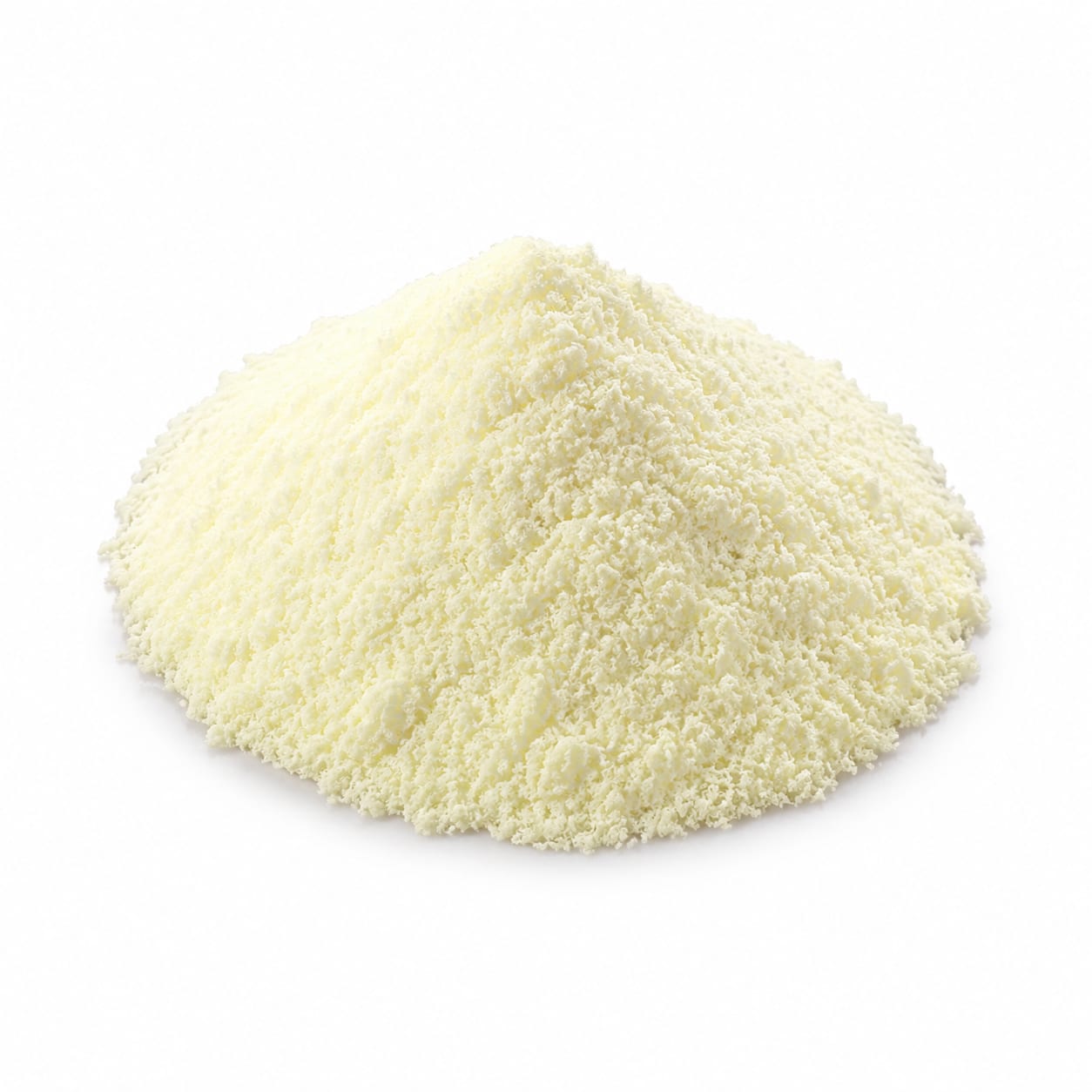
Milk Powder
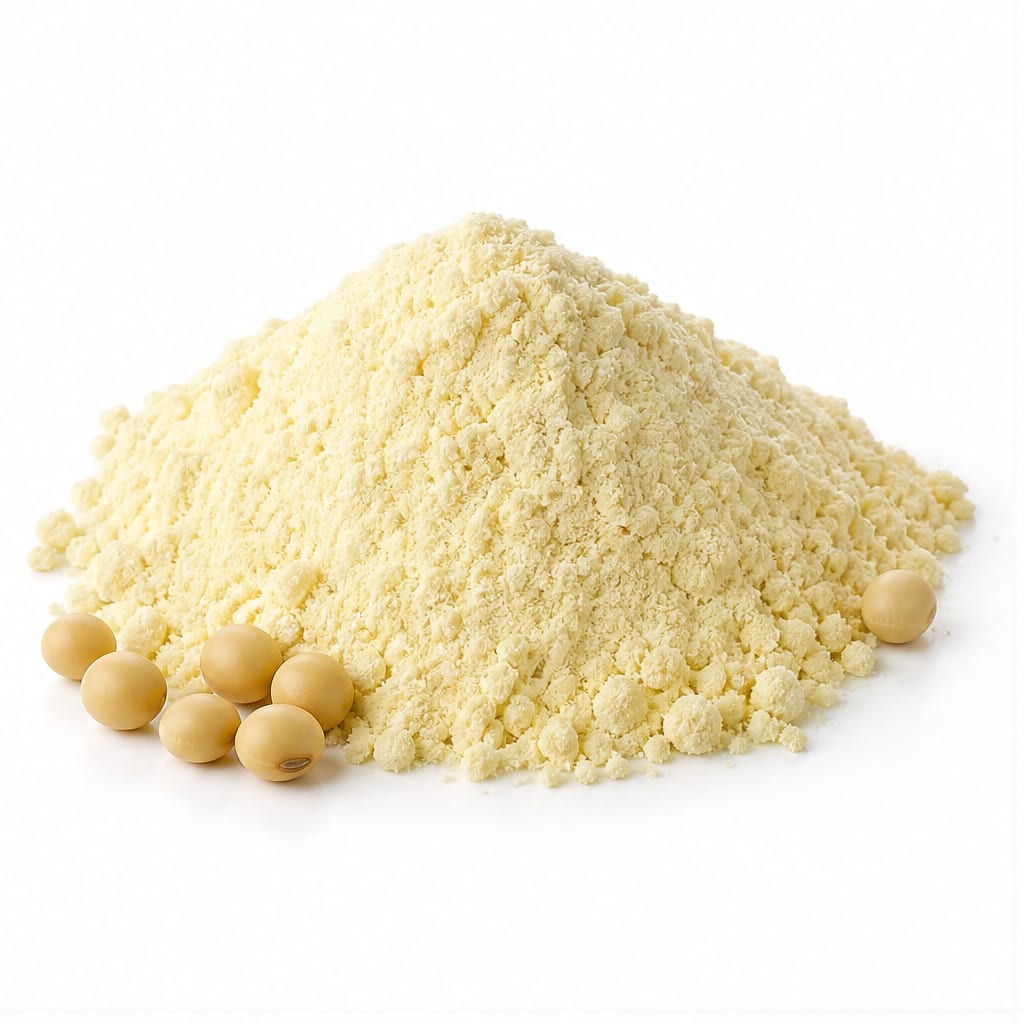
Soy Milk Powder
Milk Powder delivers superior protein quality and calcium absorption, while Soy Milk Powder wins for lactose-free digestion and plant-based lifestyles. Your choice hinges on tolerance and values more than nutrition alone.
Milk Powder scores slightly higher due to superior protein completeness and calcium bioavailability, but Soy Milk Powder stays close because of its digestive advantage and plant-based benefits. The narrow gap reflects how context-dependent this choice truly is.
Complete dairy protein and better calcium absorption versus easier digestion and zero animal hormones, with both carrying allergen and processing concerns.
At a glance
Executive summary
Overall
It depends
Healthier
It depends
More practical
Soy Milk Powder
Daily use
It depends
Key comparison lenses
dairy vs plant protein quality
Users comparing these powders are usually deciding between animal and plant protein sources with different amino acid profiles and bioavailability
lactose intolerance and digestive comfort
This is the most common practical reason people switch from Milk Powder to Soy Milk Powder
hormonal concerns dairy hormones vs phytoestrogens
Both foods carry hormonal questions that worry consumers: dairy hormones in Milk Powder and isoflavones in Soy Milk Powder
bone health and calcium bioavailability
Both powders are often used as calcium sources but absorption differs significantly between dairy and fortified plant sources
weight management and satiety
Powdered milk products are frequently used in meal replacements and diet contexts where fullness matters
allergen avoidance
Dairy and soy are both top 9 allergens, making this comparison critical for allergic individuals
Best choice for
Milk Powder
- Muscle building and recovery
- Maximum calcium absorption
- Growing children who tolerate dairy
- Budget-conscious protein supplementation
- Baking and cooking needing milk solids
Soy Milk Powder
- Lactose-intolerant individuals
- Vegans and plant-based eaters
- Those avoiding saturated animal fat
- People with dairy allergies
- Anyone concerned about dairy hormones
Least suitable for
Milk Powder
- Lactose-intolerant or dairy-sensitive people
- Vegans
- Those managing acne linked to dairy
- People avoiding cholesterol
- Anyone with dairy allergy
Soy Milk Powder
- Soy-allergic individuals
- People avoiding phytoestrogens
- Those wanting complete protein without planning
- Anyone sensitive to common additives in plant powders
- Consumers worried about GMO crops
Deep comparison
Dimension by dimension
Each lens scores both foods and breaks down who each option suits.
- Dimension 1 · Priority 95Milk Powder
Protein Quality and Completeness
Milk Powder · 88Soy Milk Powder · 72Milk Powder provides all essential amino acids in optimal ratios. Soy Milk Powder is close but slightly lower in methionine.
Tradeoff
You get more bioavailable protein from Milk Powder, but Soy Milk Powder still delivers solid plant protein that works well when combined with other foods.
Why it matters
Protein quality affects muscle repair, immune function, and how satisfied you feel after eating. Higher quality means your body uses more of what you consume.
Real-world impact
After a workout, Milk Powder mixed into a shake will support muscle recovery more efficiently. Soy Milk Powder still works but may need pairing with grains or seeds for optimal amino acid balance.
Milk Powder
- Post-workout recovery
- Elderly adults preventing muscle loss
- Growing teenagers
- Anyone eating limited protein variety
Better for
- Dairy-sensitive individuals who cannot absorb it well
- Vegans
Worse for
Soy Milk Powder
- Plant-based athletes already eating diverse proteins
- Light daily protein supplementation
- Anyone who experiences bloating from dairy
Better for
- Situations requiring maximum protein efficiency from a single source
- Soy-allergic individuals
Worse for
- Dimension 2 · Priority 90Soy Milk Powder
Digestive Tolerance
Milk Powder · 45Soy Milk Powder · 82Milk Powder contains lactose that causes bloating, gas, and discomfort for roughly 65% of the global population. Soy Milk Powder is naturally lactose-free.
Tradeoff
Soy Milk Powder is dramatically easier on the stomach for most people worldwide, though a small subset experiences soy sensitivity or gas from oligosaccharides.
Why it matters
Digestive discomfort undermines nutrient absorption and quality of life. A food that causes bloating is not a food you will happily consume daily.
Real-world impact
If you have ever felt gassy or cramped after a milk-based smoothie, Soy Milk Powder eliminates that problem entirely. Milk Powder requires lactase enzyme supplements for many users.
Milk Powder
- People with confirmed lactose tolerance, especially Northern European descent
- Those who already use lactase enzymes successfully
Better for
- Most adults globally who lose lactase enzyme after childhood
- Anyone with dairy-sensitive IBS
Worse for
Soy Milk Powder
- Anyone with lactose intolerance
- People with irritable bowel syndrome triggered by dairy
- Travelers who cannot control their food environment
Better for
- People with specific soy intolerance
- Those who experience gas from soy fiber
Worse for
- Dimension 3 · Priority 80Milk Powder
Bone Health and Calcium
Milk Powder · 85Soy Milk Powder · 68Milk Powder contains naturally occurring calcium with high absorption rates. Soy Milk Powder relies on added calcium that may settle or absorb less efficiently.
Tradeoff
Natural dairy calcium absorbs better, but Soy Milk Powder can still support bones when fortified and consumed regularly with vitamin D.
Why it matters
Calcium absorption is not just about how much is on the label. Bioavailability determines how much actually reaches your bones.
Real-world impact
A single serving of Milk Powder delivers calcium your body readily uses. With Soy Milk Powder, shake the container well and ensure vitamin D intake to get similar bone benefits.
Milk Powder
- Postmenopausal women needing reliable calcium
- Adolescents building peak bone mass
- Elderly adults at fracture risk
Better for
- People avoiding dairy for any reason
Worse for
Soy Milk Powder
- Those who cannot tolerate dairy but still need calcium support
- Vegans who supplement vitamin D consistently
Better for
- Situations where calcium fortification is inconsistent or poorly absorbed
- Anyone not also getting adequate vitamin D
Worse for
- Dimension 4 · Priority 78Soy Milk Powder
Heart Health and Fat Profile
Milk Powder · 52Soy Milk Powder · 80Milk Powder contains saturated fat and cholesterol. Soy Milk Powder has mostly unsaturated fats and includes heart-protective isoflavones.
Tradeoff
Soy Milk Powder supports cardiovascular health more directly, though the saturated fat in Milk Powder is less concerning in moderate amounts for active people.
Why it matters
Daily consumption habits accumulate over decades. A small saturated fat load each day adds up, while soy isoflavones offer cumulative cardiovascular benefits.
Real-world impact
Swapping Milk Powder for Soy Milk Powder in your daily coffee or smoothie is a small change that subtly shifts your fat intake toward a more heart-friendly profile over years.
Milk Powder
- Active individuals burning significant calories
- Children needing energy-dense nutrition
Better for
- Sedentary adults watching lipid panels
- People with elevated LDL cholesterol
Worse for
Soy Milk Powder
- Adults monitoring cholesterol
- People with family history of heart disease
- Anyone following a Mediterranean-style eating pattern
Better for
- Those who overconsume soy at the expense of dietary variety
Worse for
- Dimension 5 · Priority 75It depends
Hormonal Considerations
Milk Powder · 55Soy Milk Powder · 60Milk Powder contains naturally occurring dairy hormones including IGF-1. Soy Milk Powder contains phytoestrogens that weakly mimic estrogen. Both raise questions but neither is clearly dangerous at normal intakes.
Tradeoff
Dairy hormones may influence acne and cell growth signals. Soy phytoestrogens may help or concern depending on individual hormone sensitivity. Moderation makes both acceptable for most people.
Why it matters
Hormonal effects are subtle, cumulative, and highly individual. What bothers one person may be completely fine for another.
Real-world impact
If dairy triggers your acne, Soy Milk Powder is the clear switch. If you are recovering from estrogen-sensitive conditions, discuss soy with your doctor before making it a daily staple.
Milk Powder
- People without acne or hormone-sensitive conditions
- Those who tolerate dairy well in moderate amounts
Better for
- Teenagers and adults with dairy-linked acne
- People avoiding IGF-1 exposure
Worse for
Soy Milk Powder
- Women experiencing perimenopause who may benefit from isoflavones
- Anyone whose skin clears when eliminating dairy
Better for
- Individuals with current estrogen-receptor-positive breast cancer without medical guidance
- Those who feel anxious about phytoestrogen consumption
Worse for
- Dimension 6 · Priority 70It depends
Allergen Risk
Milk Powder · 50Soy Milk Powder · 50Both dairy and soy are top 9 allergens. Neither has an allergen advantage. Your personal allergy profile determines which is safer.
Tradeoff
There is no winner here. If you are allergic to one, the other becomes your default. If you have both allergies, neither works.
Why it matters
Food allergies can range from uncomfortable to life-threatening. This dimension is binary for each individual.
Real-world impact
Know your allergies. If dairy causes hives or swelling, Soy Milk Powder is your safe bet. If soy triggers reactions, stick with Milk Powder. If both bother you, explore oat or rice alternatives.
Milk Powder
- Soy-allergic individuals
- People with confirmed dairy tolerance
Better for
- Anyone with dairy allergy or sensitivity
Worse for
Soy Milk Powder
- Dairy-allergic individuals
- People with confirmed soy tolerance
Better for
- Anyone with soy allergy
Worse for
- Dimension 7 · Priority 65Milk Powder
Versatility and Taste
Milk Powder · 82Soy Milk Powder · 65Milk Powder dissolves smoothly, tastes neutral and creamy, and works in everything from baking to coffee. Soy Milk Powder has a distinct beany flavor and can clump or separate.
Tradeoff
Milk Powder blends seamlessly into recipes and drinks. Soy Milk Powder requires more effort to mask its flavor and may need blending or flavoring additions.
Why it matters
A supplement you enjoy using gets consumed consistently. One that tastes off or clumps ends up forgotten in the pantry.
Real-world impact
Milk Powder in coffee tastes like regular milk. Soy Milk Powder may need vanilla, cocoa, or sweetener to taste pleasant. For baking, Milk Powder browns better and adds richness.
Milk Powder
- Coffee and tea drinkers wanting neutral flavor
- Bakers needing reliable milk solids
- Anyone wanting a powder that dissolves easily
Better for
- Situations where dairy flavor is unwanted
Worse for
Soy Milk Powder
- Smoothie makers who can blend away texture issues
- People who enjoy or do not mind soy flavor
- Recipes where soy flavor complements the dish
Better for
- Picky eaters sensitive to beany flavors
- Hot beverages where clumping is obvious
Worse for
- Dimension 8 · Priority 60Soy Milk Powder
Environmental and Ethical Impact
Milk Powder · 42Soy Milk Powder · 78Soy Milk Powder has a lower carbon footprint and uses less water and land than dairy Milk Powder, though soy farming has its own deforestation concerns.
Tradeoff
Soy is more resource-efficient overall, but sourcing matters. Conventionally grown soy linked to deforestation reduces that advantage. Dairy has larger greenhouse gas emissions but can come from regenerative farms.
Why it matters
For environmentally conscious consumers, the cumulative impact of daily choices adds up significantly over years.
Real-world impact
Choosing Soy Milk Powder daily is comparable to other moderate-impact dietary swaps. Choosing organic or sustainably sourced soy maximizes the environmental benefit.
Milk Powder
- Dairy from local regenerative farms
- Situations where dairy is a byproduct already being produced
Better for
- Environmentally conscious consumers avoiding dairy emissions
- Those concerned about industrial farming practices
Worse for
Soy Milk Powder
- Vegans reducing animal agriculture impact
- Anyone prioritizing lower carbon footprint meals
- Consumers who verify sustainable soy sourcing
Better for
- Soy sourced from deforested regions
- Anyone not checking sourcing certifications
Worse for
Timeline
Health impact over time
Short-term
Hours to days
Milk Powder
- May cause bloating, gas, or cramping in lactose-intolerant individuals within 30 minutes to 2 hours
- Provides quick energy from lactose and milk fat
- Can trigger acne flare-ups within days for dairy-sensitive skin
- Supports immediate muscle protein synthesis after exercise
Soy Milk Powder
- Generally comfortable digestion for lactose-intolerant people
- May cause mild gas from soy oligosaccharides in some individuals
- Provides steady energy without dairy-related digestive distress
- Allergic reactions possible in soy-sensitive individuals, including hives or swelling
Long-term
Months to years
Milk Powder
- Consistent saturated fat intake may elevate LDL cholesterol over years
- Reliable calcium intake supports bone density maintenance
- IGF-1 exposure from dairy may influence cell proliferation patterns
- Daily dairy consumption associated with both positive and mixed health outcomes depending on quantity
Soy Milk Powder
- Isoflavones may reduce menopausal symptoms and support cardiovascular health over time
- Fortified calcium supports bones though slightly less efficiently than dairy calcium
- Soy consumption associated with reduced breast cancer recurrence in some studies
- Potential thyroid interaction with very high soy intake in susceptible individuals
Risk profile
Safety & processing
Both powders are processed by definition since dehydration is required. Milk Powder typically contains just one ingredient: milk. Soy Milk Powder often includes added oils, sweeteners, salt, and stabilizers to improve taste and texture, making it slightly more processed with more additives to review on labels.
Milk Powder
Lactose intolerance reactions
mediumAffects the majority of global adults. Symptoms range from mild bloating to severe cramping and diarrhea.
Dairy antibiotic residues
lowRegulated in most countries but trace antibiotic residues can appear in conventional dairy. Organic Milk Powder reduces this concern.
Dairy hormone exposure
mediumNaturally occurring hormones including estrogen and IGF-1 are present in all dairy. rbST-treated cows may have higher levels, though many countries ban rbST.
Microbial contamination in reconstitution
lowPowder itself is shelf-stable, but once mixed with water it becomes a bacterial growth medium if not refrigerated promptly.
Soy Milk Powder
GMO soy exposure
mediumThe majority of conventional soy is genetically modified. Choosing organic Soy Milk Powder eliminates this concern entirely.
Phytoestrogen overconsumption
lowModerate intake is safe for most people, but very high daily consumption over years warrants medical guidance for those with hormone-sensitive conditions.
Added sugars and additives
mediumMany commercial Soy Milk Powders contain added sugars, vegetable oils, and emulsifiers. Reading labels carefully is essential.
Soy allergy reactions
highSoy is a top 9 allergen. Reactions can be severe including anaphylaxis in sensitive individuals.
Who wins for whom
Audience fit
Same foods, different winners depending on your goal.
children
Milk PowderGrowing children benefit from the complete protein, highly bioavailable calcium, and calorie density in Milk Powder, provided they tolerate dairy. Soy Milk Powder can work but requires more careful nutritional planning.
daily consumption
It dependsFor dairy-tolerant individuals, Milk Powder offers more complete nutrition. For the lactose-intolerant majority globally, Soy Milk Powder is the sustainable daily choice. Personal tolerance is the deciding factor.
diabetes
Soy Milk PowderSoy Milk Powder has a lower glycemic impact, no lactose sugar, and contains fiber that slows glucose absorption. Unsweetened versions are especially diabetes-friendly.
elderly
It dependsMilk Powder supports bone density and muscle preservation better, but many elderly adults are lactose-intolerant, making Soy Milk Powder the practical choice for digestive comfort.
muscle gain
Milk PowderMilk Powder provides whey and casein proteins with superior amino acid profiles and faster muscle protein synthesis, making it more effective for building and repairing muscle.
weight loss
Soy Milk PowderSoy Milk Powder typically has fewer calories per serving, less saturated fat, and slightly more fiber, making it easier to maintain a calorie deficit without feeling deprived.
Your move
Decision guide
Choose Milk Powder
- You digest dairy comfortably without bloating or skin reactions
- Maximum protein quality and calcium absorption are your top priorities
- You are actively building muscle or recovering from injury
- You want a single-ingredient powder without additives
- You are feeding dairy-tolerant children who need calorie density
Choose Soy Milk Powder
- You are lactose-intolerant or dairy-sensitive
- You follow a vegan or plant-based lifestyle
- You want to reduce saturated fat and cholesterol intake
- Dairy triggers acne or digestive issues for you
- You are concerned about dairy hormones and prefer plant alternatives
Either works if
- You have no allergies or intolerances to either food
- You rotate between animal and plant proteins for dietary diversity
- You use powder occasionally rather than daily
- Both fit within your overall balanced diet
- You are simply looking for a convenient milk substitute for recipes
Avoid both if
- You have both dairy and soy allergies
- You are seeking a whole food rather than a processed powder
- You have kidney disease requiring protein restriction without medical guidance
- You prefer fresh liquid milk alternatives instead of reconstituted powders
Final recommendation
Let your body decide. If Milk Powder sits well in your stomach and clears your skin, it offers slightly better nutrition per scoop. If dairy causes any digestive discomfort, skin issues, or ethical conflict, Soy Milk Powder is a strong alternative that gets you most of the same benefits with easier digestion. The three percent score gap between them proves this is a personal choice, not a nutritional emergency.
Practical
Consumer tips
- 1
Always choose unsweetened Soy Milk Powder to avoid hidden sugars that undermine health benefits
- 2
Look for organic Soy Milk Powder to avoid GMO soy and pesticide residues
- 3
If using Milk Powder and experiencing bloating, try adding lactase enzyme drops before mixing
- 4
Shake or blend Soy Milk Powder thoroughly to prevent clumping and improve texture
- 5
Store both powders in airtight containers away from moisture and heat to preserve freshness
- 6
Check labels on Soy Milk Powder for added oils, carrageenan, and sodium you may not want
- 7
Mix Milk Powder with warm water first for smoother reconstitution before adding to cold drinks
- 8
For bone health with Soy Milk Powder, ensure you get adequate vitamin D from sunlight, food, or supplements
- 9
Rotate between both powders if you tolerate both, to get the benefits of dairy and plant nutrients
- 10
Avoid buying large quantities unless you use powder frequently, as fats in both can oxidize over time