
Nutrition comparison
Milk Powder vs Casein Protein Powder: Which Is Better?
Compare Milk Powder and Casein Protein Powder to see which fits your goals. Learn the differences in protein density, satiety, carbs, and processing for weight loss and muscle gain.
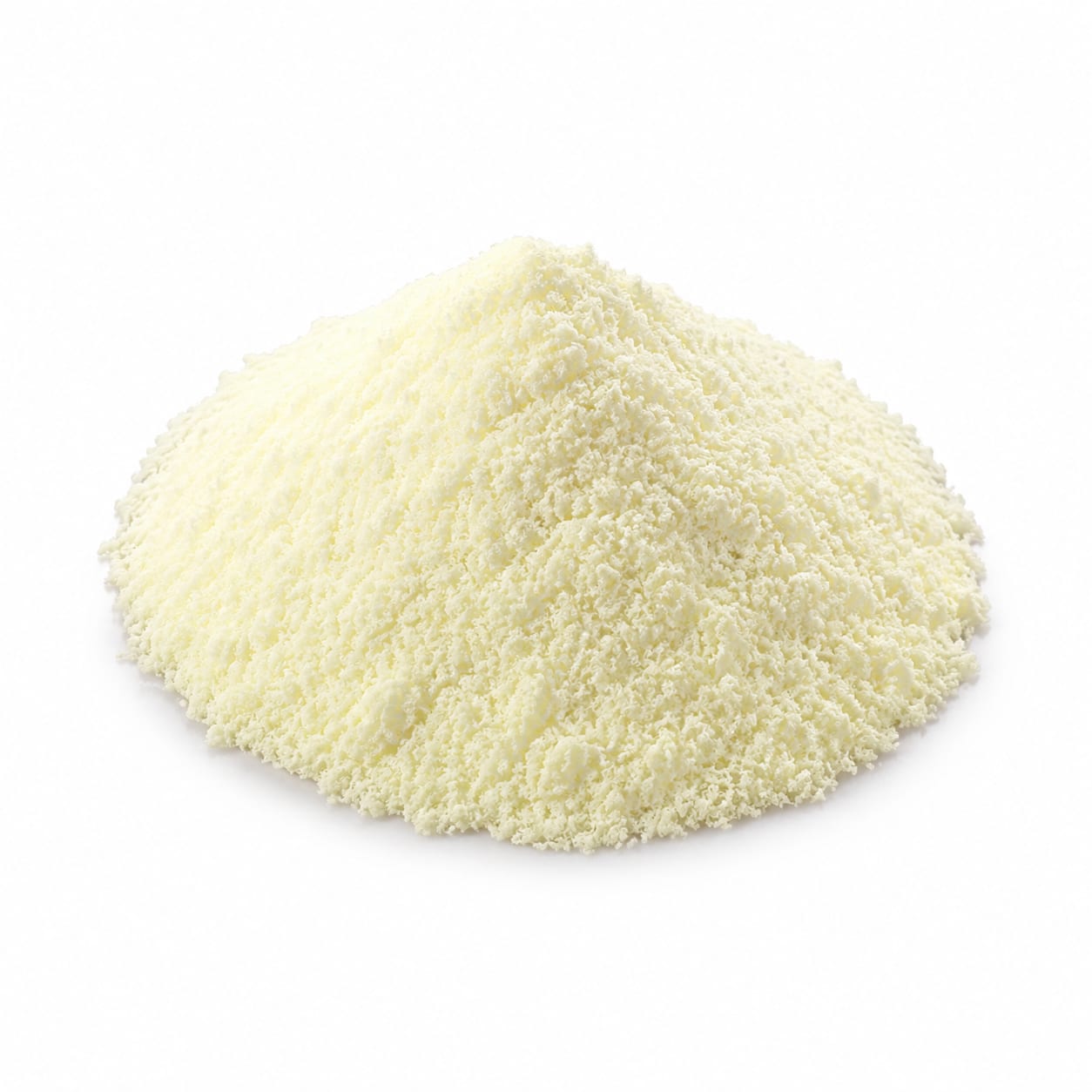
Milk Powder
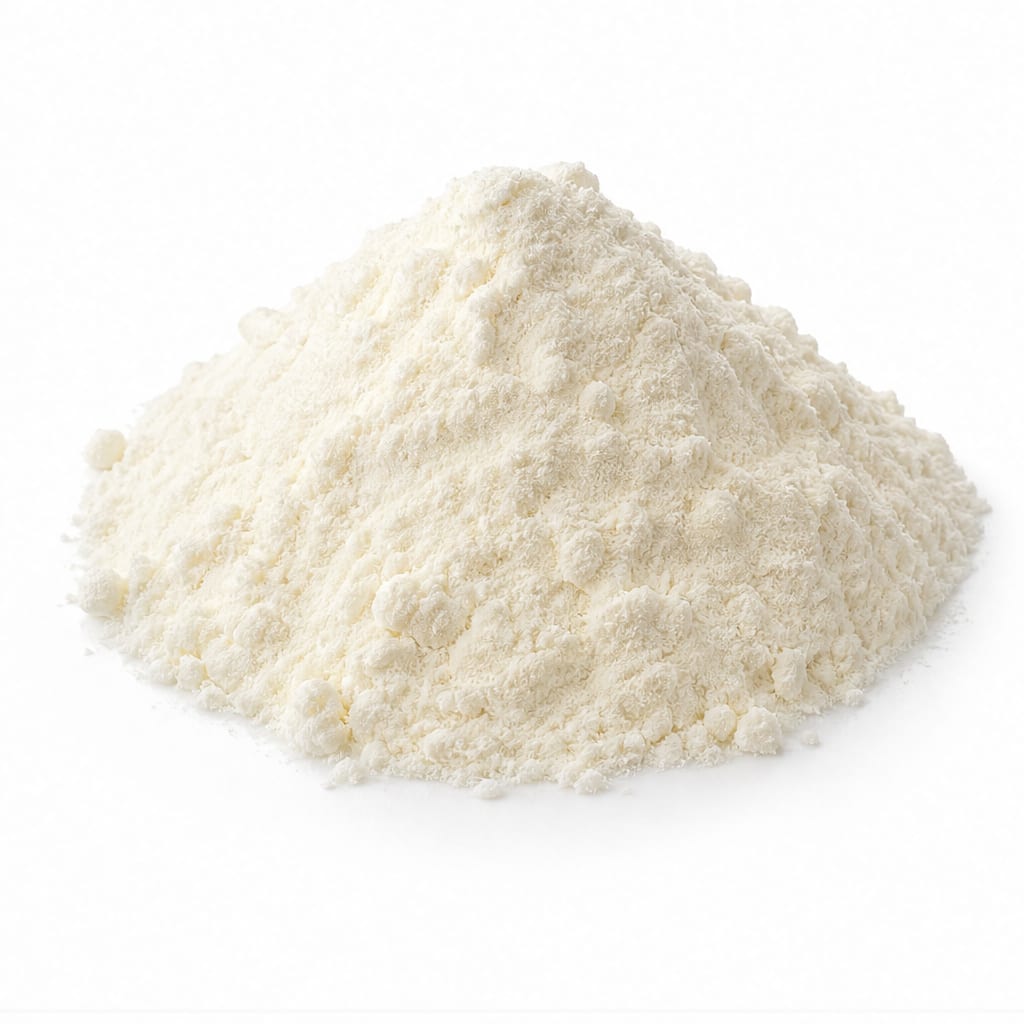
Casein Protein Powder
Milk Powder is a versatile, whole-food pantry staple, while Casein Protein Powder is a targeted fitness tool for high protein and low carbs.
Milk Powder scores slightly higher for general health and naturalness, but Casein Protein Powder dominates for targeted fitness goals. The right choice depends entirely on your primary objective.
You trade the natural nutrient balance and versatility of Milk Powder for the concentrated, slow-digesting protein and low carb profile of Casein Protein Powder.
At a glance
Executive summary
Overall
It depends
Healthier
Milk Powder
More practical
Milk Powder
Daily use
Milk Powder
Key comparison lenses
protein supplementation vs whole food nutrition
Users are typically deciding between a concentrated protein isolate for fitness goals versus a whole-food powder for general nutrition or cooking.
satiety and weight management
Casein is famous for slow digestion and fullness, while milk powder offers a more balanced but less filling macronutrient profile.
lactose and digestive tolerance
Milk powder contains significant lactose, whereas casein isolates are typically very low in lactose, impacting digestive comfort.
processing and naturalness
Milk powder is simply dehydrated milk, while casein requires extensive extraction and isolation processes.
Best choice for
Milk Powder
- Baking and cooking applications
- Families needing a shelf-stable dairy source
- People wanting whole-food calcium and natural vitamins
- Budget-conscious consumers looking for versatile nutrition
Casein Protein Powder
- Late-night snacking to prevent morning hunger
- Low-carb or keto dieters needing pure protein
- Athletes wanting overnight muscle recovery support
- People with mild lactose intolerance seeking dairy protein
Least suitable for
Milk Powder
- Strict low-carb or keto diets
- Severe lactose intolerance
- Those needing a massive protein boost without extra calories
Casein Protein Powder
- People avoiding ultra-processed foods
- Those needing quick energy or carbohydrates
- Budget-limited households
- Baking recipes requiring milk solids and lactose
Deep comparison
Dimension by dimension
Each lens scores both foods and breaks down who each option suits.
- Dimension 1 · Priority 95Casein Protein Powder
Protein Density & Muscle Support
Milk Powder · 35Casein Protein Powder · 95Casein Protein Powder delivers a massive protein hit with minimal calories, while Milk Powder offers moderate protein bundled with carbs and fats.
Tradeoff
You sacrifice the whole-food balance of Milk Powder to get the concentrated, slow-digesting protein of Casein Protein Powder.
Why it matters
If your main goal is hitting a high protein target without overshooting your calorie budget, Casein Protein Powder makes it effortless.
Real-world impact
One scoop of Casein Protein Powder gives you about 24g of protein for 120 calories. Milk Powder gives you about 8g of protein for 160 calories, making it harder to hit muscle-building targets without gaining weight.
Milk Powder
- Maintaining a balanced macronutrient intake
- Those who struggle to eat enough calories
Better for
- High-protein diets requiring precise macro tracking
Worse for
Casein Protein Powder
- Overnight muscle repair
- Lean muscle gain without excess calories
Better for
- Post-workout recovery when you need fast-absorbing nutrients
Worse for
- Dimension 2 · Priority 88Casein Protein Powder
Satiety & Cravings Control
Milk Powder · 60Casein Protein Powder · 90Casein Protein Powder is famously filling because it forms a gel in your gut, while Milk Powder digests at a normal, faster pace.
Tradeoff
Milk Powder tastes more like a comforting beverage, but Casein Protein Powder keeps hunger at bay for hours.
Why it matters
Controlling cravings is often the hardest part of weight loss. A food that physically fills your stomach makes dieting much easier.
Real-world impact
Drinking a Casein Protein Powder shake before bed or during an afternoon slump feels like eating a thick pudding, effectively killing the urge to snack. Milk Powder in water feels like a light drink that leaves you hungry again sooner.
Milk Powder
- Quick, light refreshment without feeling overly stuffed
Better for
- Managing intense afternoon cravings
Worse for
Casein Protein Powder
- Late-night hunger pangs
- Long gaps between meals
Better for
- Pre-workout energy when you need a light stomach
Worse for
- Dimension 3 · Priority 82Milk Powder
Nutrient Completeness
Milk Powder · 90Casein Protein Powder · 40Milk Powder retains the natural carbs, fats, calcium, and B-vitamins of milk, whereas Casein Protein Powder strips almost everything away except protein.
Tradeoff
You give up the broad nutritional profile of Milk Powder for the isolated protein focus of Casein Protein Powder.
Why it matters
Your body needs more than just protein to function well. Carbs fuel your brain, fats support hormones, and natural calcium is highly bioavailable.
Real-world impact
Using Milk Powder as a coffee creamer or oatmeal base adds real creaminess, calcium, and energy. Casein Protein Powder just adds thickness and protein, often requiring you to find other food sources for your missing nutrients.
Milk Powder
- Supporting overall health and bone density
- Replacing fresh milk in recipes
Better for
- Situations demanding pure protein without nutritional extras
Worse for
Casein Protein Powder
- Diets where all other nutrients are precisely tracked and consumed elsewhere
Better for
- Acting as a standalone meal replacement
Worse for
- Dimension 4 · Priority 78Casein Protein Powder
Blood Sugar & Low-Carb Suitability
Milk Powder · 30Casein Protein Powder · 90Casein Protein Powder is virtually carb-free, making it ideal for stable blood sugar. Milk Powder contains lactose, a naturally occurring sugar.
Tradeoff
Milk Powder provides quick energy from carbs, but Casein Protein Powder protects you from sugar spikes and crashes.
Why it matters
If you are managing diabetes, insulin resistance, or trying to stay in ketosis, even natural dairy sugars can derail your progress.
Real-world impact
A shake made with Milk Powder can cause a slight energy crash an hour later due to the lactose. Casein Protein Powder provides steady, crash-free energy and keeps your blood sugar completely stable.
Milk Powder
- Post-run recovery needing quick carb replenishment
Better for
- Strict ketogenic diets
- Insulin-sensitive individuals
Worse for
Casein Protein Powder
- Keto and low-carb lifestyles
- Managing afternoon energy crashes
Better for
- Endurance athletes needing fast glycogen replenishment
Worse for
- Dimension 5 · Priority 75Milk Powder
Processing & Clean Labels
Milk Powder · 85Casein Protein Powder · 35Milk Powder is simply dehydrated milk with one ingredient. Casein Protein Powder requires heavy industrial extraction and often contains additives.
Tradeoff
You accept a highly processed product with Casein Protein Powder to get that isolated protein density.
Why it matters
Minimally processed foods are generally easier on the gut and carry fewer long-term health uncertainties than ultra-processed isolates.
Real-world impact
Milk Powder's ingredient list is just 'milk'. Casein Protein Powder often lists artificial sweeteners, thickeners like xanthan gum, and highly refined flavorings to make it palatable.
Milk Powder
- Clean-eating advocates
- Those with sensitive digestion who react to gums and emulsifiers
Better for
- None regarding processing level
Worse for
Casein Protein Powder
- Prioritizing macro-targets over ingredient purity
Better for
- Anyone avoiding artificial sweeteners or food additives
Worse for
Timeline
Health impact over time
Short-term
Hours to days
Milk Powder
- Provides quick energy from lactose sugars
- Can cause bloating or gas in lactose-intolerant individuals
- Feels light and hydrating when mixed with water
Casein Protein Powder
- Creates a thick, heavy feeling of fullness in the stomach
- Rarely causes digestive upset unless sensitive to thickeners or artificial sweeteners
- Stabilizes appetite for hours
Long-term
Months to years
Milk Powder
- Supports bone health naturally through a whole-food calcium matrix
- Regular lactose consumption may maintain gut bacteria diversity if tolerated
- Excess calorie consumption is possible if used frequently as a beverage
Casein Protein Powder
- Excellent for preserving lean muscle mass during aging or calorie deficits
- Risk of missing out on broader nutrients if heavily relied upon instead of whole foods
- Long-term consumption of artificial thickeners and sweeteners may impact gut microbiome health
Risk profile
Safety & processing
Milk Powder is about as natural as a shelf-stable dairy product gets—just evaporated milk. Casein Protein Powder is heavily refined to isolate the protein, and commercial products almost always include artificial flavors, sweeteners, and anti-caking agents to make it drinkable.
Milk Powder
Lactose Intolerance Discomfort
mediumContains significant lactose which can cause painful bloating, gas, and diarrhea in a large percentage of adults globally.
Oxidized Cholesterol
lowIf whole milk powder is used, the spray-drying process can oxidize some cholesterol, which is less of an issue in skim milk powder.
Casein Protein Powder
Heavy Metal Contamination
mediumProtein powders have been occasionally flagged for trace amounts of lead or arsenic due to industrial processing and sourcing.
Additive Sensitivities
mediumGums, artificial sweeteners, and flavorings in many Casein Protein Powders can cause gut irritation or headaches in sensitive individuals.
Who wins for whom
Audience fit
Same foods, different winners depending on your goal.
children
Milk PowderChildren need balanced nutrition for growth, including the fats, carbs, and natural calcium in Milk Powder, without the artificial sweeteners found in most Casein Protein Powders.
daily consumption
Milk PowderMilk Powder is a natural, whole food that easily fits into daily cooking and coffee, whereas Casein Protein Powder is better used as a targeted supplement rather than a daily food staple.
diabetes
Casein Protein PowderCasein Protein Powder has virtually zero carbohydrates and will not spike blood sugar, unlike the lactose sugars found in Milk Powder.
elderly
It dependsMilk Powder is better for general nutrition and bone health, but Casein Protein Powder is superior if the primary concern is preventing age-related muscle loss.
muscle gain
Casein Protein PowderHitting high protein targets is much easier with Casein Protein Powder's concentrated dosing, and its slow release is perfect for overnight muscle repair.
weight loss
Casein Protein PowderCasein Protein Powder provides massive satiety and pure protein with very few calories, making it far easier to stick to a calorie deficit without feeling starving.
Your move
Decision guide
Choose Milk Powder
- You want a versatile pantry staple for baking, cooking, and coffee
- You tolerate lactose well and want whole-food nutrition
- You are feeding a family and need a natural, budget-friendly dairy option
- You prioritize clean labels and minimal processing
Choose Casein Protein Powder
- You are trying to lose weight but constantly feel hungry
- You need high protein intake for bodybuilding or athletic recovery
- You are on a low-carb or ketogenic diet
- You have mild lactose intolerance but still want dairy protein
Either works if
- You just want to add a creamy texture and mild dairy flavor to a fruit smoothie
- You are looking to increase your daily protein intake beyond normal meals
Avoid both if
- You have a severe dairy allergy, as both contain milk derivatives
Final recommendation
Let your primary goal dictate your choice. If you want a natural, versatile food for everyday life, Milk Powder is the clear winner. But if your focus is on fitness, fat loss, or low-carb living, Casein Protein Powder is the superior tool for the job. Just check the label to avoid unwanted artificial additives.
Practical
Consumer tips
- 1
If buying Casein Protein Powder, look for brands that use natural sweeteners like stevia or monk fruit, and avoid those with long lists of chemical thickeners.
- 2
Skim Milk Powder mixes easier in cold water than whole Milk Powder, which tends to clump unless tempered first.
- 3
Casein Protein Powder thickens enormously when mixed with liquid—use less water if you want a pudding-like snack, or more water if you want a drinkable shake.
- 4
Store Milk Powder in a cool, dark place in an airtight container; once opened, its shelf life drops significantly compared to the unopened tin.