
Nutrition comparison
Milk Powder vs Almond Milk: Nutrition, Protein, and Which Is Actually Better for You
Complete comparison of Milk Powder versus Almond Milk covering protein, calories, calcium absorption, lactose tolerance, additives, and which one fits your diet best.
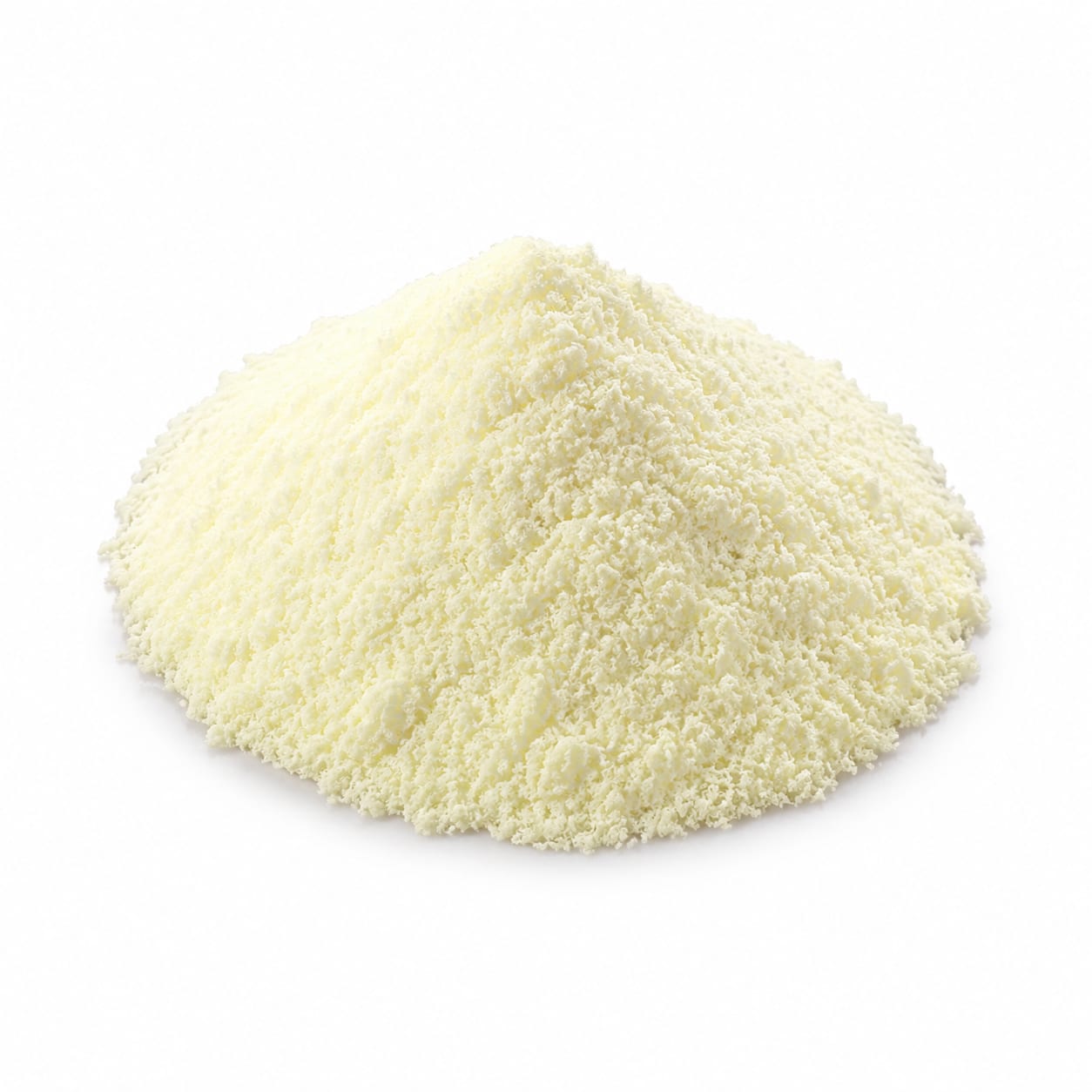
Milk Powder
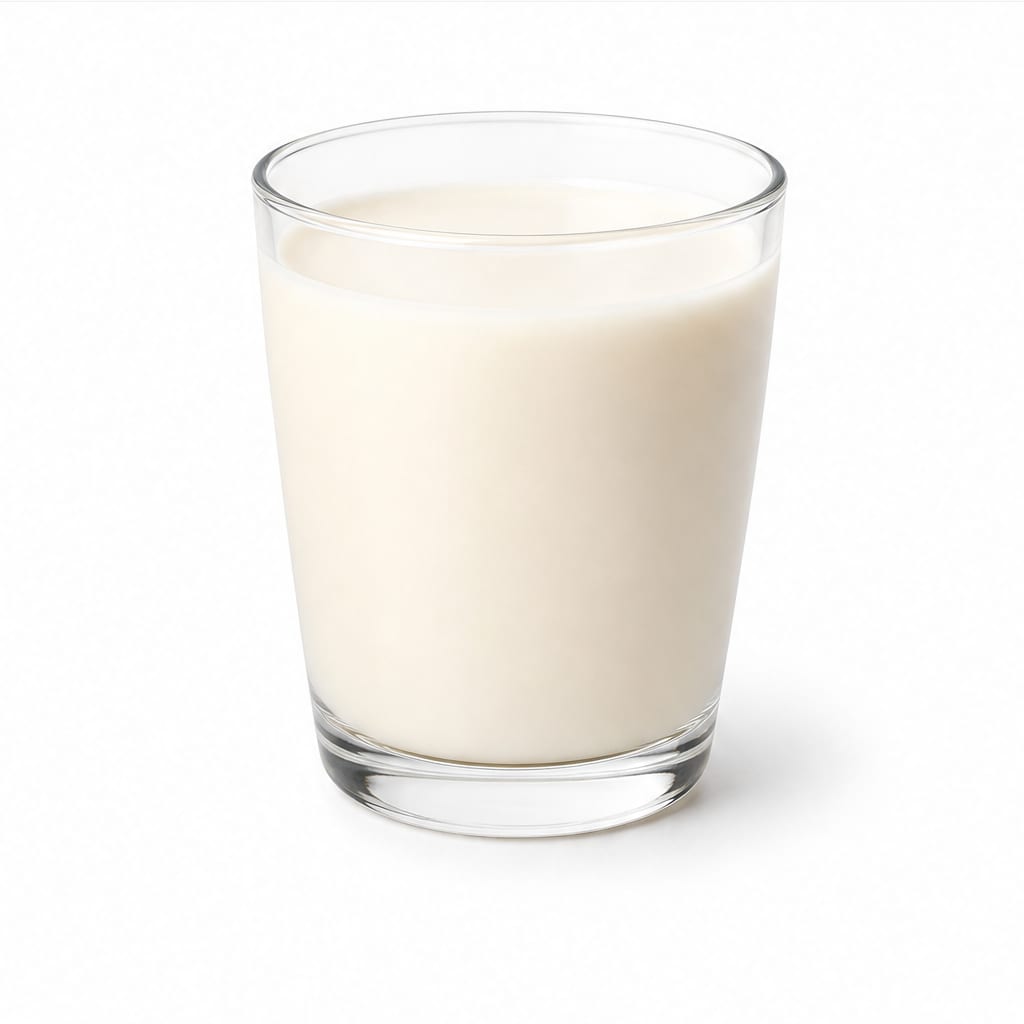
Almond Milk
Milk Powder delivers real nutrition in a compact package, while Almond Milk offers a nearly calorie-free liquid that won't weigh you down but won't fuel you either.
Milk Powder scores higher due to genuine nutritional content and protein quality, but Almond Milk earns points for low calories and dairy-free accessibility. The gap reflects that milk powder is actual food, while almond milk is mostly water with modest fortification.
Substantial protein and calcium versus near-zero calories with freedom from dairy
At a glance
Executive summary
Overall
It depends
Healthier
It depends
More practical
Milk Powder
Daily use
It depends
Key comparison lenses
dairy vs plant based nutrition
Core decision: concentrated dairy nutrition versus low-calorie plant-based alternative
protein and satiety comparison
Massive protein gap between these two options directly affects fullness and muscle support
lactose tolerance and digestive comfort
Primary reason people switch from dairy to almond milk is digestive tolerance
weight management calorie density
Almond milk is dramatically lower in calories, milk powder is calorie-dense and nutrient-dense
processing and additive concerns
Almond milk often contains emulsifiers and added vitamins; milk powder is more single-ingredient
Best choice for
Milk Powder
- Anyone needing protein and calcium on a budget
- Backpacking, camping, or emergency food storage
- Growing children who tolerate dairy well
- Older adults at risk for muscle loss and bone density decline
- Athletes and active people needing real recovery nutrition
Almond Milk
- People with lactose intolerance or dairy allergy
- Anyone cutting calories without feeling restricted by liquid intake
- Vegans avoiding all animal products
- Those who want a light coffee creamer or smoothie base without the heaviness
- People watching saturated fat intake closely
Least suitable for
Milk Powder
- Anyone with lactose intolerance or dairy allergy
- People following a vegan lifestyle
- Those carefully limiting calorie intake
- Individuals concerned about saturated fat consumption
Almond Milk
- Infants and toddlers needing complete nutrition
- Anyone relying on milk as a protein source
- People with tree nut allergies
- Those seeking nutrient density per calorie spent
Deep comparison
Dimension by dimension
Each lens scores both foods and breaks down who each option suits.
- Dimension 1 · Priority 95Milk Powder
Protein Quality and Quantity
Milk Powder · 92Almond Milk · 8Milk Powder contains high-quality complete protein with all essential amino acids. Almond Milk is essentially protein-free.
Tradeoff
You get real muscle-building nutrition from Milk Powder, or you get a protein void with Almond Milk that must be filled elsewhere in your diet.
Why it matters
Protein drives satiety, muscle maintenance, and metabolic health. A protein-free milk alternative means missing a key meal contribution.
Real-world impact
A smoothie made with Milk Powder keeps you full for hours. The same smoothie with Almond Milk leaves you hungry again by mid-morning.
Milk Powder
- Post-workout recovery
- Breakfast that actually sustains energy
- Older adults preserving muscle mass
- Growing teenagers with high protein needs
Better for
- Those with severe dairy protein allergy
Worse for
Almond Milk
- Light evening beverage before bed
- Anyone already exceeding protein needs from other foods
Better for
- Using as a meal replacement or recovery drink
- Anyone struggling to hit daily protein targets
Worse for
- Dimension 2 · Priority 85Almond Milk
Calorie Density and Weight Management
Milk Powder · 35Almond Milk · 88Almond Milk provides a satisfying milk-like experience for roughly 30-40 calories per cup. Reconstituted Milk Powder delivers 150+ calories per cup with real nutrition behind every calorie.
Tradeoff
Almond Milk lets you pour freely without calorie anxiety. Milk Powder demands portion awareness but rewards you with genuine nourishment.
Why it matters
For active weight loss, low-calorie liquids help create deficits without feeling deprived. But low-calorie does not mean satisfying.
Real-world impact
You can drink Almond Milk freely in coffee, cereal, and recipes without budgeting calories. Milk Powder requires intentional portions but actually contributes to your daily nutrition needs.
Milk Powder
- Underweight individuals needing calorie density
- Athletes in a gaining phase
- Situations where every calorie must carry nutrition
Better for
- Strict calorie counting without portion control
Worse for
Almond Milk
- Calorie-restricted diets
- Large-volume eaters who want to pour generously
- Late-night cravings without the calorie cost
Better for
- Recovery from illness when weight gain is needed
- High-energy expenditure situations
Worse for
- Dimension 3 · Priority 82Milk Powder
Bone Health and Calcium
Milk Powder · 88Almond Milk · 55Milk Powder contains naturally occurring calcium paired with lactose and vitamin D that enhance absorption. Almond Milk relies on added calcium that may settle in the carton or absorb less efficiently.
Tradeoff
Natural calcium with proven absorption versus fortified calcium with uncertain bioavailability.
Why it matters
Calcium only matters if your body actually absorbs it. Natural dairy calcium has a long track record of supporting bone density.
Real-world impact
Shake your Almond Milk carton vigorously or the added calcium sinks to the bottom and you get almost none. Milk Powder delivers consistent calcium in every serving.
Milk Powder
- Post-menopausal women concerned about osteoporosis
- Adolescents building peak bone mass
- Anyone not taking a separate calcium supplement
Better for
- Vegans who avoid all dairy on principle
Worse for
Almond Milk
- Those who supplement calcium separately anyway
Better for
- Relying on it as your primary calcium source without shaking well
Worse for
- Dimension 4 · Priority 88Almond Milk
Digestive Tolerance
Milk Powder · 30Almond Milk · 90Almond Milk is naturally lactose-free and gentle on most digestive systems. Milk Powder contains concentrated lactose that triggers bloating, gas, and discomfort in roughly 65% of the global population.
Tradeoff
Real dairy nutrition with potential digestive distress versus easy digestion with minimal nutritional payoff.
Why it matters
The best food in the world is worthless if it makes you feel terrible. Lactose intolerance is the most common food sensitivity globally.
Real-world impact
A cup of reconstituted Milk Powder can cause hours of bloating for lactose-sensitive people. Almond Milk goes down easy every time.
Milk Powder
- Those with Northern European ancestry who digest lactose well
- People who have built lactose tolerance through regular consumption
Better for
- Most adults worldwide who have reduced lactase production
- Anyone with diagnosed lactose intolerance
Worse for
Almond Milk
- Anyone with lactose intolerance
- People with sensitive digestion
- IBS sufferers who react to dairy
Better for
- People with almond or tree nut allergies
Worse for
- Dimension 5 · Priority 72Milk Powder
Processing and Additives
Milk Powder · 70Almond Milk · 35Milk Powder is typically one ingredient: milk with water removed. Almond Milk often contains emulsifiers, stabilizers, added vitamins, and sometimes sugar to make it palatable.
Tradeoff
Simple ingredient list with minimal processing versus a highly engineered product designed to mimic milk's texture and nutrition.
Why it matters
Fewer additives generally means fewer unknowns in your long-term health equation. Emulsifiers like carrageenan remain controversial for gut health.
Real-world impact
Read the label: Milk Powder says 'milk.' Almond Milk lists 8-12 ingredients including things you would never add at home.
Milk Powder
- Clean-label eaters who want minimal ingredients
- People concerned about emulsifier effects on gut lining
Better for
- Anyone avoiding all processed foods including dehydrated items
Worse for
Almond Milk
- Those who prioritize avoiding animal products above all else
- People who choose unsweetened varieties with minimal additives
Better for
- Those wary of carrageenan and other stabilizers
- People avoiding added synthetic vitamins
Worse for
- Dimension 6 · Priority 70Milk Powder
Shelf Stability and Convenience
Milk Powder · 90Almond Milk · 72Milk Powder can last years at room temperature and only needs water to become milk. Almond Milk in cartons is shelf-stable until opened but heavier to store and transport.
Tradeoff
Ultra-compact storage and indefinite shelf life versus ready-to-pour convenience with shorter storage life.
Why it matters
For emergency preparedness, travel, or small living spaces, storage efficiency matters enormously.
Real-world impact
A bag of Milk Powder the size of a loaf of bread makes gallons of milk. The equivalent in Almond Milk weighs 30 pounds and takes up a shelf.
Milk Powder
- Emergency food supplies and disaster preparedness
- Camping and backpacking trips
- Small apartments with limited refrigerator space
- Budget-conscious bulk buying
Better for
- Situations where you need instant liquid without mixing
Worse for
Almond Milk
- Quick pour-and-go mornings with zero prep
- Office refrigerators where mixing powder feels awkward
Better for
- Long-term storage without refrigeration after opening
- Transporting large volumes
Worse for
- Dimension 7 · Priority 68Almond Milk
Heart Health and Fat Profile
Milk Powder · 42Almond Milk · 78Almond Milk contains mostly unsaturated fats and zero cholesterol. Whole Milk Powder brings saturated fat and cholesterol that can raise LDL in sensitive individuals.
Tradeoff
Heart-friendlier fat profile with minimal fat versus saturated fat that tastes richer but raises cardiovascular risk markers.
Why it matters
For people managing cholesterol or heart disease risk, saturated fat from dairy adds up quickly across the day.
Real-world impact
Switching from dairy to Almond Milk is one of the easiest ways to reduce daily saturated fat without changing what you eat, just what you pour.
Milk Powder
- Active young people who process saturated fat efficiently
- Those using skim Milk Powder which removes most fat
Better for
- Cardiovascular patients on strict saturated fat limits
Worse for
Almond Milk
- People with elevated LDL cholesterol
- Anyone with family history of heart disease
- Mediterranean or plant-forward diet followers
Better for
- Those who assume all plant-based automatically means heart-healthy while ignoring added sugars in sweetened versions
Worse for
Timeline
Health impact over time
Short-term
Hours to days
Milk Powder
- Provides immediate satiety from protein and fat content
- Can trigger bloating and gas in lactose-intolerant individuals within 30 minutes to 2 hours
- Steadier blood sugar response due to protein and fat slowing carbohydrate absorption
- May feel heavy in the stomach if consumed in large quantities
Almond Milk
- Light feeling with minimal digestive burden
- Unsweetened versions cause virtually no blood sugar spike
- Fortified varieties may cause mild stomach upset in sensitive individuals due to added calcium carbonate
- Does not provide meaningful satiety on its own
Long-term
Months to years
Milk Powder
- Supports bone density through consistent calcium and vitamin D intake
- Helps maintain muscle mass with regular complete protein consumption
- Saturated fat intake may raise cardiovascular risk markers if consumed excessively
- Consistent dairy consumption associated with possible reduced colorectal cancer risk in some studies
Almond Milk
- Low calorie intake supports weight maintenance when replacing higher-calorie beverages
- Fortified calcium may not absorb as effectively as dairy calcium over years of reliance
- Vitamin E from almonds provides antioxidant benefits
- Risk of nutritional gaps if used as a true milk replacement without compensating elsewhere in diet
Risk profile
Safety & processing
Milk Powder undergoes dehydration but remains fundamentally milk with water removed. Almond Milk requires extensive processing to transform nuts into a pourable liquid, including straining out most of the almond solids and adding emulsifiers, stabilizers, and fortified vitamins to approximate milk's nutritional profile.
Milk Powder
Bacterial contamination if reconstituted with unclean water or stored improperly
mediumOnce mixed with water, Milk Powder becomes perishable dairy that must be refrigerated and consumed within days, just like fresh milk.
Oxidized cholesterol in dried form
lowSome research suggests spray-drying milk can create oxidized cholesterol compounds, though the health significance in normal consumption amounts remains debated.
Antibiotic and hormone residues from conventional dairy
lowConventional Milk Powder may contain trace amounts of veterinary drugs and bovine hormones, though regulations limit this significantly in most countries.
Almond Milk
Carrageenan and emulsifier gut irritation
mediumCarrageenan, a common stabilizer in Almond Milk, has been linked to gut inflammation in some studies, though food-grade carrageenan is considered safe by most regulatory bodies.
Added sugar in sweetened varieties
highSweetened Almond Milk can contain 5-15 grams of added sugar per cup, turning a healthy choice into a sugar delivery system that undermines the whole point of choosing it.
Tree nut allergy reactions
highFor the roughly 1% of the population with almond or tree nut allergies, Almond Milk can cause severe anaphylactic reactions.
Inconsistent fortification levels
lowAdded calcium and vitamins may settle unevenly in the carton, leading to unpredictable nutrient intake per serving.
Who wins for whom
Audience fit
Same foods, different winners depending on your goal.
children
Milk PowderGrowing children need the protein, calcium, and calorie density that Milk Powder provides. Almond Milk is too nutritionally weak to support healthy development as a primary beverage.
daily consumption
It dependsFor dairy-tolerant individuals who want real nutrition, Milk Powder is the better daily choice. For lactose-intolerant or calorie-conscious users, Almond Milk fits more comfortably into daily routines.
diabetes
Almond MilkUnsweetened Almond Milk has minimal carbohydrates and will not spike blood sugar. Milk Powder contains lactose sugar that requires insulin response, though its protein helps moderate the glycemic impact.
elderly
Milk PowderOlder adults face muscle loss and bone density decline that Milk Powder's protein and calcium directly combat. Almond Milk's low nutritional content fails to address these critical aging concerns.
muscle gain
Milk PowderMilk Powder delivers complete protein with high biological value that directly supports muscle repair and growth. Almond Milk contributes essentially nothing toward muscle protein synthesis.
weight loss
Almond MilkUnsweetened Almond Milk provides the experience of milk for a fraction of the calories, making it easier to maintain a calorie deficit without feeling deprived of creamy foods.
Your move
Decision guide
Choose Milk Powder
- You tolerate dairy well and want maximum nutrition per serving
- You are building muscle, recovering from illness, or feeding growing kids
- You need long-lasting emergency food storage or camping supplies
- You are on a tight budget and need affordable complete protein
- You want a simple ingredient list without emulsifiers or stabilizers
Choose Almond Milk
- You are lactose intolerant or have a dairy protein allergy
- You are counting calories and want a nearly free pour for coffee and cereal
- You follow a vegan lifestyle and avoid all animal products
- You have elevated cholesterol and want to reduce saturated fat intake
- You prefer the light mouthfeel over the richness of dairy
Either works if
- You are simply looking for something to moisten oatmeal or coffee
- You rotate between dairy and plant-based options for variety
- You use milk primarily as a cooking ingredient where nutrition matters less
Avoid both if
- You have both dairy and tree nut allergies
- You are an infant under 12 months who needs breast milk or formula exclusively
- You are seeking a whole food beverage and prefer fresh liquid milk or whole almonds instead
Final recommendation
Let your body decide. If dairy sits well with you, Milk Powder is the nutritional powerhouse that earns its calories. If your digestion rebels against lactose or your ethics reject dairy, unsweetened Almond Milk is a perfectly reasonable substitute as long as you get protein and calcium from other sources. The biggest mistake is treating Almond Milk as a true nutritional equivalent. It is not. It is a low-calorie, dairy-free liquid that happens to be white. Respect what each one actually offers and choose accordingly.
Practical
Consumer tips
- 1
Always buy unsweetened Almond Milk. Sweetened versions can contain as much sugar as a soda and destroy the health advantage entirely.
- 2
Shake Almond Milk cartons vigorously before each use. Added calcium settles at the bottom and you may get almost none in your glass otherwise.
- 3
Consider skim Milk Powder if saturated fat is your main concern. You keep the protein and calcium while removing most of the fat.
- 4
Mix Milk Powder with warm water first for smoother reconstitution. Cold water leaves lumps that never fully dissolve.
- 5
Check Almond Milk labels for carrageenan if you have sensitive digestion. Brands like Silk and Califia offer carrageenan-free options.
- 6
Do not give Almond Milk to children under 2 as a primary milk source. It lacks the fat, protein, and calories their developing brains and bodies require.
- 7
Store Milk Powder in airtight containers after opening. Moisture causes clumping and reduces shelf life dramatically.
- 8
If you use Almond Milk daily, track your protein intake elsewhere. It is easy to unknowingly fall short when your milk contributes zero protein.