
Nutrition comparison
Milk Powder vs Fresh Whole Milk: Which Is Better for Nutrition, Storage, and Daily Use?
Compare Milk Powder and Fresh Whole Milk on nutrition, taste, shelf life, and safety. Learn when each option wins and which is better for your lifestyle.
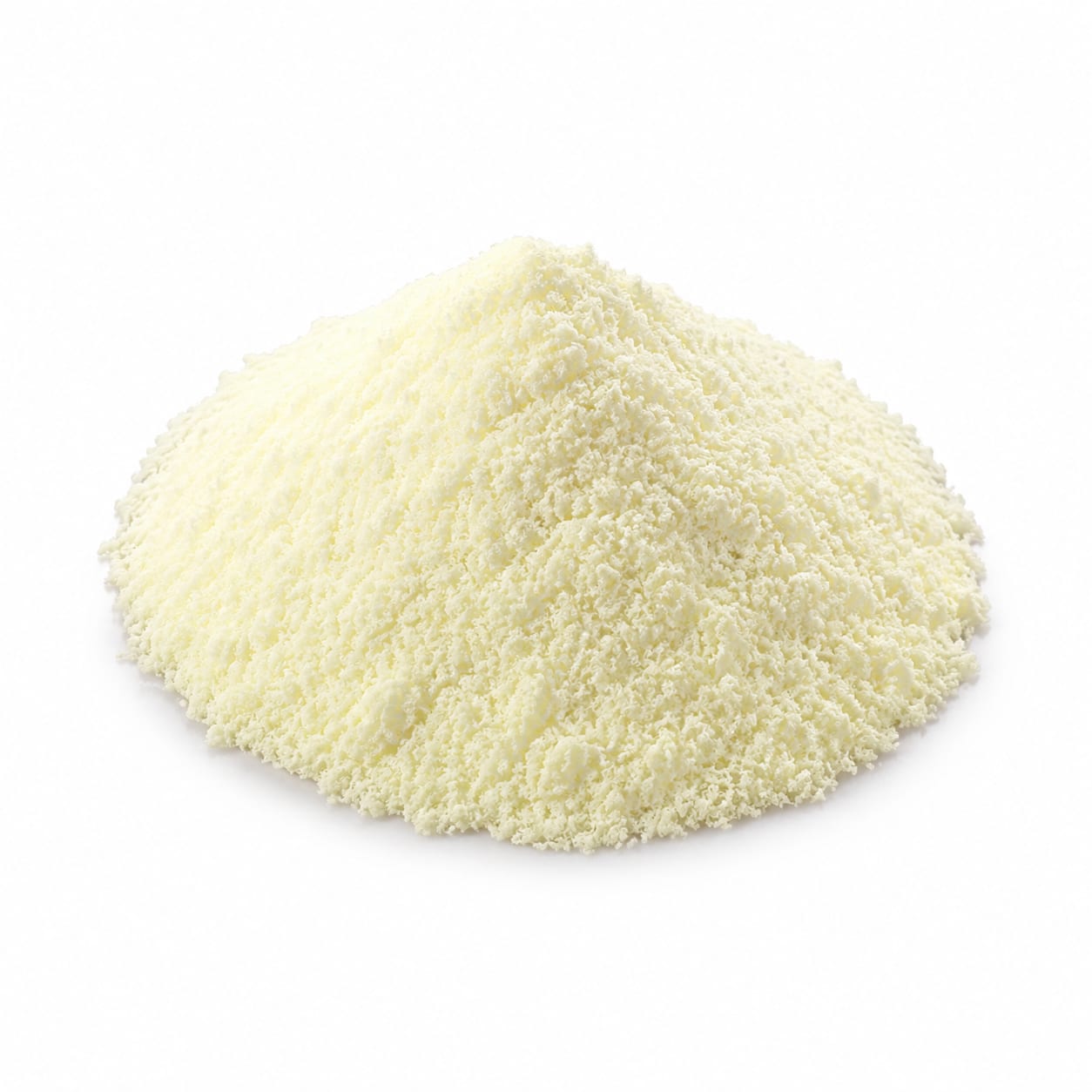
Milk Powder
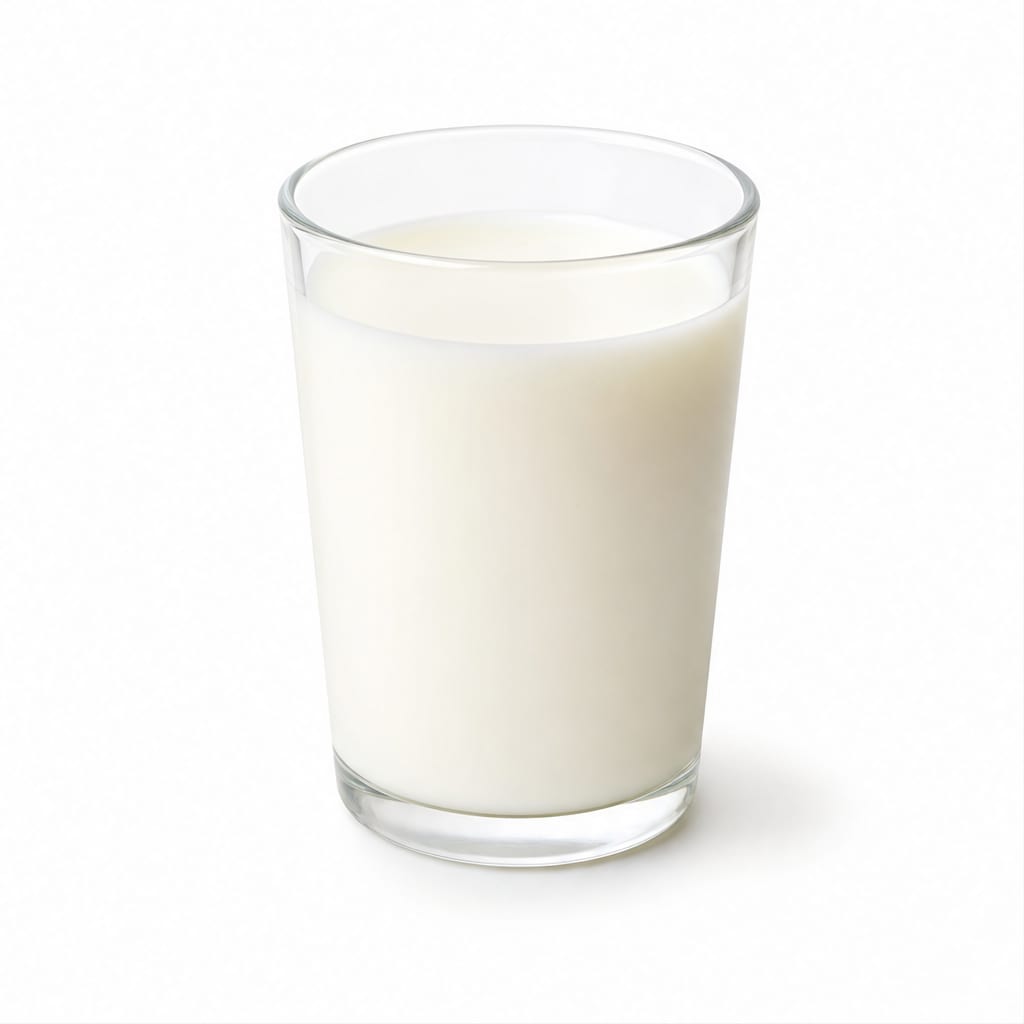
Fresh Whole Milk
Fresh Whole Milk wins for daily drinking and nutritional quality, while Milk Powder dominates for storage, travel, and emergency preparedness.
Fresh Whole Milk scores higher overall due to superior taste, naturalness, and nutrient bioavailability. Milk Powder closes the gap significantly with unmatched shelf stability and convenience, making it the better choice in specific practical scenarios.
You trade freshness and optimal nutrient quality for shelf stability and convenience — neither is universally better.
At a glance
Executive summary
Overall
It depends
Healthier
Fresh Whole Milk
More practical
Milk Powder
Daily use
Fresh Whole Milk
Key comparison lenses
Convenience vs freshness tradeoff
The core decision most people face: shelf-stable convenience of milk powder versus the fresh taste and naturalness of whole milk
Nutritional bioavailability after processing
Dehydration alters vitamin stability and fat oxidation, making nutrient quality a major concern
Emergency preparedness and storage practicality
Milk powder exists primarily as a shelf-stable dairy solution, which is its defining advantage
Culinary and everyday drinking suitability
Fresh whole milk is far superior for drinking, while milk powder excels in baking and cooking applications
Processing and oxidation concerns
Heat-drying creates oxidized cholesterol and potential AGEs that fresh milk avoids
Best choice for
Milk Powder
- Emergency food supplies and disaster preparedness
- Camping, backpacking, and off-grid living
- Baking and cooking where liquid milk is impractical
- Budget-conscious households in regions with unreliable refrigeration
- Travelers who need lightweight portable nutrition
Fresh Whole Milk
- Daily drinking and cereal pairing
- Families with reliable refrigeration access
- Anyone prioritizing taste and fresh flavor
- People concerned about processed food intake
- Children who drink milk as a primary beverage
Least suitable for
Milk Powder
- Daily drinking by people who value fresh taste
- Anyone avoiding processed or dehydrated foods
- Those concerned about oxidized fats and cholesterol
- Parents wanting the most natural option for young children
Fresh Whole Milk
- Emergency preparedness kits
- Extended travel or camping trips
- Hot climates without reliable refrigeration
- Situations where weight and space matter
Deep comparison
Dimension by dimension
Each lens scores both foods and breaks down who each option suits.
- Dimension 1 · Priority 95Fresh Whole Milk
Nutritional Quality and Bioavailability
Milk Powder · 60Fresh Whole Milk · 88Fresh Whole Milk retains its natural vitamin profile and unoxidized fats, while the dehydration process in Milk Powder degrades some heat-sensitive vitamins and creates oxidized cholesterol.
Tradeoff
Milk Powder is more nutrient-dense per gram by weight, but some of those nutrients are less bioavailable or partially degraded by heat processing.
Why it matters
Your body absorbs fresh milk's vitamins A, D, and B12 more effectively. Oxidized cholesterol in Milk Powder may contribute to arterial stress over time, though the evidence is still debated.
Real-world impact
If you drink milk daily for calcium and vitamin D, Fresh Whole Milk delivers those nutrients in their most usable form. Milk Powder still works, but it's a slightly degraded version of the original.
Milk Powder
- Getting concentrated calories and protein in a small serving
- Situations where you need to fortify recipes with extra dairy nutrition
Better for
- Heat-sensitive vitamin loss during manufacturing
- Oxidized cholesterol content from the drying process
Worse for
Fresh Whole Milk
- Maximizing vitamin absorption from your dairy intake
- Avoiding oxidized fats and cholesterol from heat processing
- Getting the full natural enzyme and nutrient profile
Better for
- Perishability means nutrient loss over days if not consumed quickly
Worse for
- Dimension 2 · Priority 90Milk Powder
Shelf Stability and Storage
Milk Powder · 95Fresh Whole Milk · 25Milk Powder can last months to years at room temperature, while Fresh Whole Milk spoils within days once opened.
Tradeoff
You gain near-infinite storage flexibility with Milk Powder but lose the ready-to-drink convenience and fresh taste of refrigerated milk.
Why it matters
For anyone without reliable refrigeration — or preparing for emergencies — this difference is decisive. Fresh Whole Milk becomes a liability in power outages or remote locations.
Real-world impact
A bag of Milk Powder in your pantry is insurance against empty-fridge moments. Fresh Whole Milk requires constant refrigeration and regular grocery runs.
Milk Powder
- Emergency preparedness and disaster kits
- Camping, boating, and off-grid living
- Reducing food waste from spoilage
- Pantry stocking without refrigerator space concerns
Better for
- Requires clean water and mixing before use
- Absorbs moisture and clumps if not sealed properly
Worse for
Fresh Whole Milk
- Grab-and-go daily consumption
- No reconstitution step needed
Better for
- Spoils within 5-7 days of opening
- Requires continuous refrigeration
- Vulnerable to power outages
Worse for
- Dimension 3 · Priority 85Fresh Whole Milk
Taste and Drinking Experience
Milk Powder · 40Fresh Whole Milk · 90Fresh Whole Milk tastes noticeably better for drinking — creamier, cleaner, and more satisfying. Reconstituted Milk Powder often tastes cooked or slightly sweet in an unnatural way.
Tradeoff
If you're drinking milk straight or pouring it over cereal, the taste gap is significant. For cooking and baking, the difference mostly disappears.
Why it matters
Taste drives compliance. People who dislike the flavor of reconstituted Milk Powder may drink less milk overall, defeating the nutritional purpose.
Real-world impact
Kids in particular often reject reconstituted Milk Powder as a beverage. Adults may tolerate it in coffee or cooking but rarely prefer it for drinking.
Milk Powder
- Baking where milk is a background ingredient
- Making homemade yogurt or cheese where flavor transforms anyway
Better for
- Noticeable cooked or caramelized flavor when reconstituted
- Texture can be slightly grainy if not mixed thoroughly
Worse for
Fresh Whole Milk
- Drinking straight from the glass
- Cereal, oatmeal, and smoothies
- Coffee and tea where fresh creaminess matters
Better for
- Short window of peak freshness after opening
Worse for
- Dimension 4 · Priority 80Fresh Whole Milk
Processing and Naturalness
Milk Powder · 35Fresh Whole Milk · 82Fresh Whole Milk undergoes minimal processing — typically just pasteurization and homogenization. Milk Powder requires high-heat spray drying, which significantly alters its composition.
Tradeoff
The more processing involved, the further you move from the original food matrix. Some nutrients are lost, some compounds are created, and the product becomes less recognizable to your body.
Why it matters
People trying to eat closer to whole, minimally processed foods should favor Fresh Whole Milk. The dehydration process in Milk Powder creates compounds not found in fresh dairy.
Real-world impact
If you read ingredient labels and prefer short lists, Fresh Whole Milk is simply milk. Milk Powder is still just dehydrated milk, but the processing story is more complex.
Milk Powder
- Still a single-ingredient product in most cases — no additives required
Better for
- Spray drying creates advanced glycation end-products
- Oxidized cholesterol from heat exposure
- Some brands add emulsifiers or anti-caking agents
Worse for
Fresh Whole Milk
- Minimal processing preserves the natural food matrix
- No oxidized lipids or Maillard reaction products
- Closer to what humans have consumed for millennia
Better for
- Homogenization alters fat globule structure, though health impact is debated
Worse for
- Dimension 5 · Priority 72Milk Powder
Cost and Value
Milk Powder · 82Fresh Whole Milk · 55Milk Powder is typically more cost-effective per serving, especially in regions where fresh dairy is expensive or imported.
Tradeoff
You save money with Milk Powder but may sacrifice some drinking enjoyment and nutrient quality. The savings are most dramatic in remote areas or developing regions.
Why it matters
For budget-conscious families, the per-glass cost of Milk Powder can be half that of Fresh Whole Milk, making adequate calcium intake more affordable.
Real-world impact
A single bag of Milk Powder can replace dozens of milk jugs at a fraction of the cost and storage space. This matters enormously for large families or tight budgets.
Milk Powder
- Lower cost per serving in most markets
- Less waste from spoilage means better value
- Bulk purchasing is practical due to long shelf life
Better for
- Initial bulk purchase cost can be higher
- Risk of waste if you buy more than you use before expiration
Worse for
Fresh Whole Milk
- Available in small quantities at any grocery store
- No upfront bulk purchase needed
Better for
- Higher per-serving cost
- Spoilage waste eats into value
Worse for
- Dimension 6 · Priority 68It depends
Digestive Tolerance
Milk Powder · 55Fresh Whole Milk · 55Both contain similar lactose levels when reconstituted, so lactose intolerance affects both equally. However, some people find reconstituted Milk Powder slightly harder to digest.
Tradeoff
Neither is a good choice for lactose-intolerant individuals. The processing differences don't meaningfully change lactose content.
Why it matters
If dairy bothers your stomach, switching between these two won't solve the problem. You'd need lactose-free versions of either product.
Real-world impact
Some people report that reconstituted Milk Powder sits heavier in the stomach, possibly due to the altered protein structure from heat processing. Others notice no difference.
Milk Powder
- Can be mixed at lower concentration for easier tolerance
- Available in low-lactose or lactose-free powder forms
Better for
- Denatured proteins may feel heavier for sensitive stomachs
- Improper reconstitution can create texture that's harder to digest
Worse for
Fresh Whole Milk
- Lactose-free fresh milk is widely available
- Natural protein structure may be easier on some digestive systems
Better for
- Full lactose content with no dilution option
- Cold milk can be harder to digest for some people
Worse for
Timeline
Health impact over time
Short-term
Hours to days
Milk Powder
- Provides quick calories and protein after reconstitution
- May feel slightly heavier or less refreshing than fresh milk
- Requires access to clean water for safe reconstitution
Fresh Whole Milk
- Immediate hydration plus nutrition in a single serving
- More satisfying and refreshing as a beverage
- Risk of foodborne illness if left unrefrigerated too long
Long-term
Months to years
Milk Powder
- Oxidized cholesterol intake may contribute to cardiovascular concerns with heavy daily consumption
- Slightly reduced vitamin bioavailability could matter if milk is your primary nutrient source
- Cost savings may improve overall diet quality by freeing budget for other healthy foods
Fresh Whole Milk
- Consistent intake of bioavailable calcium and vitamin D supports bone density
- Fresh fat-soluble vitamins in their natural matrix may support better long-term absorption
- Daily refrigeration dependency creates vulnerability during supply disruptions
Risk profile
Safety & processing
Both are fundamentally single-ingredient dairy products, but Milk Powder undergoes significant heat processing that alters its nutritional profile. Fresh Whole Milk is pasteurized but otherwise close to its natural state. The main concern with Milk Powder is not additives — it's the compositional changes from dehydration, including oxidized fats and reduced vitamin activity.
Milk Powder
Improper reconstitution with contaminated water
highIn areas with unsafe drinking water, reconstituting Milk Powder introduces waterborne pathogens that Fresh Whole Milk avoids since it's already a ready-to-drink liquid.
Moisture absorption and spoilage
mediumOnce opened, Milk Powder absorbs humidity and can grow mold or bacteria if not sealed properly. This is a slow risk but real in humid climates.
Oxidized cholesterol consumption
lowSpray drying creates oxysterols that may contribute to arterial damage over decades of heavy consumption. The risk is modest but worth noting for daily consumers.
Fresh Whole Milk
Rapid bacterial growth if unrefrigerated
highFresh Whole Milk spoils quickly at room temperature and can cause food poisoning if consumed after sitting out. This is the most acute safety risk between the two products.
Temperature abuse during transport
mediumCold chain breaks between store and home can reduce shelf life and increase bacterial growth before you even open the container.
Who wins for whom
Audience fit
Same foods, different winners depending on your goal.
children
Fresh Whole MilkChildren prefer the taste of Fresh Whole Milk, and the natural nutrient profile supports growing bodies better. The oxidized fats in Milk Powder are a minor but unnecessary compromise for kids with refrigeration access.
daily consumption
Fresh Whole MilkFor people with reliable refrigeration, Fresh Whole Milk is the better daily choice due to taste, naturalness, and nutrient quality. Milk Powder is best reserved for specific practical situations.
diabetes
Fresh Whole MilkFresh Whole Milk has a slightly lower glycemic impact and no risk of added maltodextrin or fillers found in some Milk Powder brands. The natural fat slows sugar absorption.
elderly
It dependsFresh Whole Milk is better for daily nutrition and taste, but elderly individuals living alone with limited shopping ability may benefit from Milk Powder's long shelf life and reduced waste.
muscle gain
Milk PowderMilk Powder delivers more protein and calories per gram, making it easier to add to shakes and smoothies for caloric surplus without excessive volume.
weight loss
Fresh Whole MilkFresh Whole Milk is more satisfying as a beverage, which helps with portion control. Milk Powder's concentrated nature makes it easier to accidentally overconsume calories when reconstituted imprecisely.
Your move
Decision guide
Choose Milk Powder
- You're building an emergency food supply or disaster kit
- You camp, travel, or live off-grid without reliable refrigeration
- You bake frequently and want a shelf-stable milk ingredient
- You're on a tight budget and need affordable dairy nutrition
- You live in a region where fresh dairy is expensive or unavailable
Choose Fresh Whole Milk
- You drink milk daily and have reliable refrigeration
- Taste and freshness matter to you
- You want the most natural, least processed dairy option
- You're feeding children who drink milk as a primary beverage
- You use milk primarily for cereal, coffee, or drinking straight
Either works if
- You use milk mainly for cooking where taste differences disappear
- You're lactose intolerant — both require lactose-free versions
- You need calcium and protein and have access to both options
Avoid both if
- You have a dairy allergy — neither is safe
- You're strictly vegan and avoiding all animal products
- You have severe lactose intolerance and no access to lactose-free versions
Final recommendation
Keep Fresh Whole Milk as your daily driver if you have refrigeration — it tastes better, retains more nutrients, and is less processed. But always stock a bag of Milk Powder in your pantry for emergencies, baking, and those moments when the fridge is empty. They complement each other better than they compete.
Practical
Consumer tips
- 1
Mix Milk Powder with warm water for smoother reconstitution — cold water leaves more clumps
- 2
Once reconstituted, treat Milk Powder the same as Fresh Whole Milk: refrigerate and consume within days
- 3
Store opened Milk Powder in an airtight container in a cool, dry place to prevent moisture absorption
- 4
For the best taste, let reconstituted Milk Powder chill in the fridge for a few hours before drinking
- 5
Check Milk Powder ingredient lists — some brands add vegetable oil or emulsifiers, while others are pure dehydrated milk
- 6
If buying Milk Powder for daily drinking, consider whole milk powder over skimmed — the fat improves taste and satiety significantly
- 7
Use Milk Powder as a coffee creamer substitute — it dissolves well and adds creaminess without spoilage risk