
Nutrition comparison
Milk Powder vs Sweetened Condensed Milk: Nutrition & Uses
Compare Milk Powder and Sweetened Condensed Milk to see which is healthier. Learn about sugar content, calories, and best culinary uses for each dairy product.
Overall winner · Milk Powder
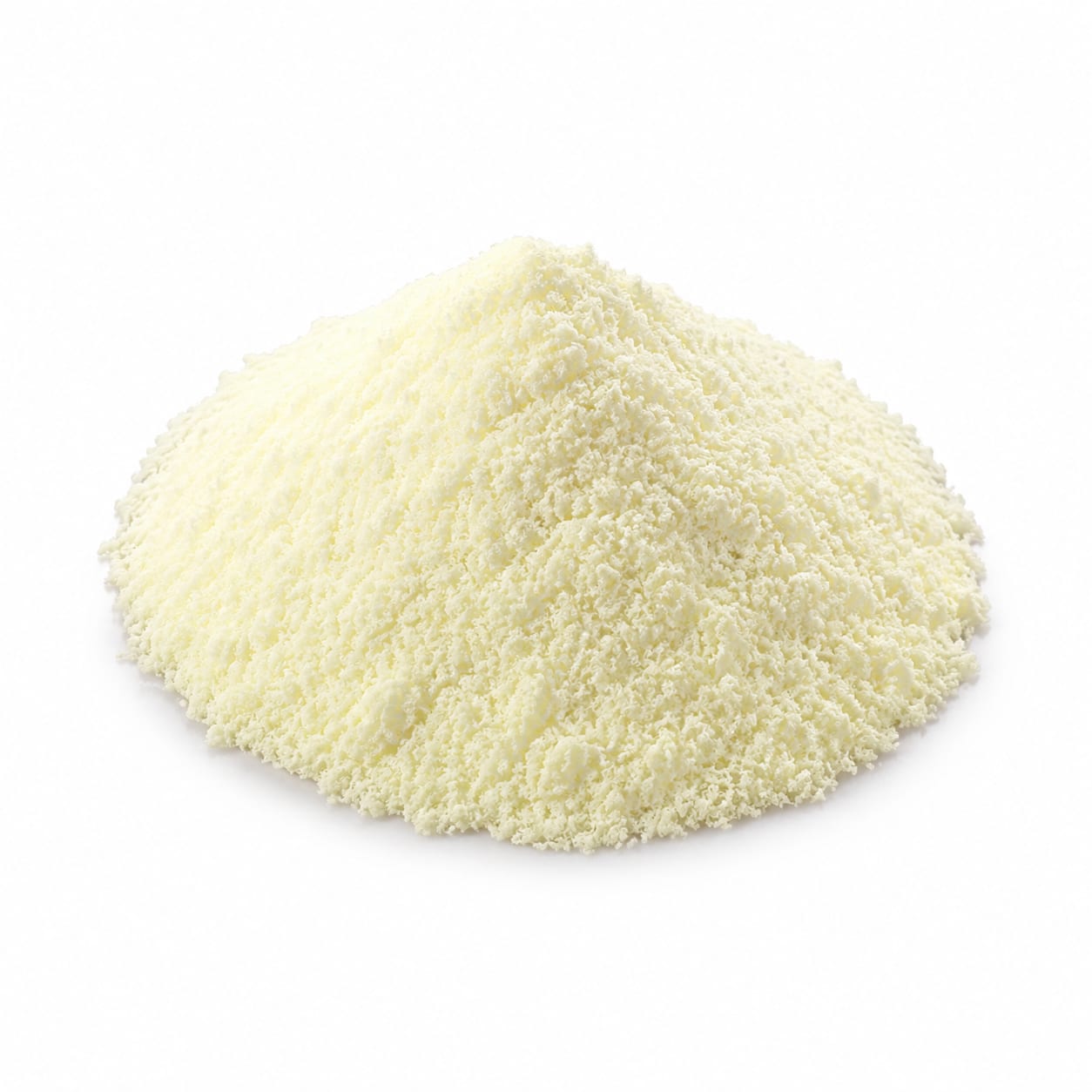
Milk Powder
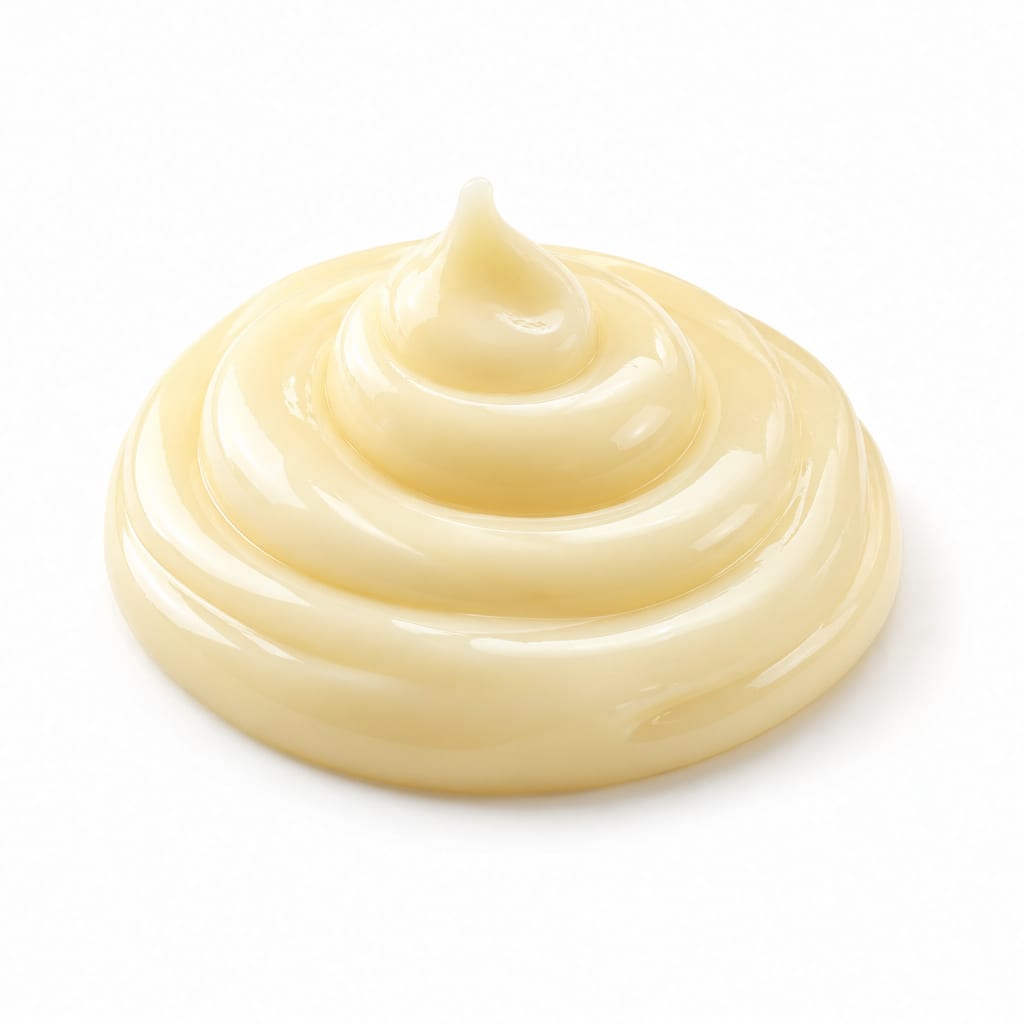
Sweetened Condensed Milk
Milk Powder is the versatile, low-sugar everyday staple, while Sweetened Condensed Milk is essentially a dessert ingredient packed with added sugar.
Milk Powder scores significantly higher due to its lack of added sugar, higher protein per calorie, and everyday versatility. Sweetened Condensed Milk is penalized heavily for its massive sugar content, making it unsuitable for regular consumption.
Nutritional flexibility and steady energy versus intense sweetness and rich dessert texture.
At a glance
Executive summary
Overall
Milk Powder
Healthier
Milk Powder
More practical
Milk Powder
Daily use
Milk Powder
Key comparison lenses
Sugar content and blood sugar impact
Sweetened Condensed Milk is nearly half added sugar, while Milk Powder contains only natural dairy sugars, making this the most critical health difference.
Weight management and calorie density
The high calorie and sugar density of Sweetened Condensed Milk makes it a liability for weight control, whereas Milk Powder offers lean protein.
Culinary versatility
Milk Powder can be used in both sweet and savory contexts, while Sweetened Condensed Milk is strictly bound to desserts and sweet drinks.
Nutritional value per calorie
Users often mistake both as simple dairy staples, but their nutritional profiles diverge drastically when sugar is factored in.
Best choice for
Milk Powder
- Everyday cooking and baking
- Reconstituting as a beverage
- Protein supplementation
Sweetened Condensed Milk
- Making desserts
- Sweet coffee drinks like Vietnamese iced coffee
- Quick caramel bases
Least suitable for
Milk Powder
- Satisfying intense sweet cravings
- Quick dessert glazes
Sweetened Condensed Milk
- Daily drinking
- Diabetics
- Weight loss diets
Deep comparison
Dimension by dimension
Each lens scores both foods and breaks down who each option suits.
- Dimension 1 · Priority 95Milk Powder
Sugar & Blood Sugar Control
Milk Powder · 90Sweetened Condensed Milk · 10Milk Powder contains natural milk sugars only, while Sweetened Condensed Milk is loaded with added sugar.
Tradeoff
You get intense sweetness and caramel notes from condensed milk, but at the cost of a massive blood sugar spike.
Why it matters
Frequent high sugar intake drives insulin resistance, weight gain, and energy crashes.
Real-world impact
Using condensed milk in your morning coffee will spike your blood sugar, leading to an energy crash before lunch. Milk Powder provides steady energy.
Milk Powder
- Steady energy levels
- Diabetes management
- Avoiding sugar crashes
Better for
- Satisfying a sweet tooth
Worse for
Sweetened Condensed Milk
- Quick energy for endurance activities
- Satisfying sweet cravings
Better for
- Metabolic health
- Sustained focus
Worse for
- Dimension 2 · Priority 90Milk Powder
Calorie Density & Weight Management
Milk Powder · 85Sweetened Condensed Milk · 25Sweetened Condensed Milk is extremely calorie-dense due to its sugar and fat content.
Tradeoff
Condensed milk delivers a rich mouthfeel and sweetness in small amounts, but calories add up very quickly.
Why it matters
High calorie density makes it easy to overconsume, silently sabotaging weight loss efforts.
Real-world impact
Just two tablespoons of condensed milk pack over 120 calories, mostly from sugar, leaving you hungry again soon after.
Milk Powder
- Calorie control
- Feeling full without overeating
Better for
- Bulking up quickly
Worse for
Sweetened Condensed Milk
- Weight gain for underweight individuals
- High-calorie backpacking meals
Better for
- Portion control
- Fat loss
Worse for
- Dimension 3 · Priority 80Milk Powder
Protein & Nutritional Value
Milk Powder · 88Sweetened Condensed Milk · 40Milk Powder delivers high-quality dairy protein without the sugar baggage, whereas condensed milk's protein is drowned in added sugar.
Tradeoff
Condensed milk provides some calcium and dairy fat, but the sugar-to-protein ratio is terrible for muscle maintenance or satiety.
Why it matters
Protein keeps you full and supports muscle. Getting it alongside 50g of sugar per serving defeats the purpose for most health goals.
Real-world impact
A glass of reconstituted Milk Powder after a workout aids recovery. A serving of condensed milk just gives you a sugar rush.
Milk Powder
- Post-workout recovery
- Muscle maintenance
- Satiety
Better for
- High-fat flavor profiles
Worse for
Sweetened Condensed Milk
- Adding richness to treats
Better for
- Lean muscle building
- Clean nutrition
Worse for
- Dimension 4 · Priority 85Milk Powder
Versatility & Culinary Use
Milk Powder · 92Sweetened Condensed Milk · 70Milk Powder works in both sweet and savory dishes, while Sweetened Condensed Milk is restricted to sweet recipes.
Tradeoff
Condensed milk saves time in dessert-making, but Milk Powder can replace fresh milk in almost any recipe.
Why it matters
A versatile pantry staple reduces food waste and adapts to more meals.
Real-world impact
Milk Powder can thicken a curry or make mashed potatoes creamy. Condensed milk will ruin a savory dish instantly.
Milk Powder
- Savory cooking
- Baking breads and doughs
- Emergency milk substitute
Better for
- One-step dessert bases
Worse for
Sweetened Condensed Milk
- No-churn ice cream
- Fudge and candy making
Better for
- Savory sauces
- Everyday drinking
Worse for
- Dimension 5 · Priority 60It depends
Shelf Stability & Convenience
Milk Powder · 90Sweetened Condensed Milk · 90Both are shelf-stable and last a long time unopened, making them excellent pantry backups.
Tradeoff
Once opened, condensed milk must be used within a week or two, whereas dry Milk Powder lasts for months.
Why it matters
Reducing food waste and having reliable ingredients on hand matters for busy households.
Real-world impact
You can dip into a tub of Milk Powder for months, but an open can of condensed milk demands immediate use.
Milk Powder
- Long-term fridge storage after opening
- Small-quantity usage
Better for
- Requires mixing before use
Worse for
Sweetened Condensed Milk
- Ready-to-pour thickness
Better for
- Waste risk if not used quickly
Worse for
Timeline
Health impact over time
Short-term
Hours to days
Milk Powder
- Steady energy
- Satiety from protein
- Easy on blood sugar
Sweetened Condensed Milk
- Rapid energy spike
- Sugar rush followed by a crash
- Quick calorie intake for underweight individuals
Long-term
Months to years
Milk Powder
- Supports bone health via calcium
- Maintains muscle mass
- Neutral impact on metabolic health
Sweetened Condensed Milk
- Increased risk of type 2 diabetes
- Weight gain if used regularly
- Higher risk of dental cavities
Risk profile
Safety & processing
Both are processed dairy products with extended shelf lives. Sweetened Condensed Milk relies on massive amounts of added sugar for preservation and taste, while Milk Powder simply removes water from regular milk.
Milk Powder
Oxidized flavor over time
lowMilk Powder can develop off-flavors if stored too long or exposed to air, though it remains safe to consume.
Sweetened Condensed Milk
Botulism risk in homemade caramel
mediumBoiling sealed cans of Sweetened Condensed Milk to make dulce de leche can cause explosions or harbor harmful bacteria if not done correctly.
Who wins for whom
Audience fit
Same foods, different winners depending on your goal.
children
Milk PowderMilk Powder supports growth with protein and calcium, avoiding the extreme sugar intake that harms developing teeth and habits.
daily consumption
Milk PowderMilk Powder is a versatile, low-sugar staple that can be consumed daily without negative metabolic effects.
diabetes
Milk PowderMilk Powder contains only natural milk sugars, keeping blood sugar stable compared to the sugar-heavy condensed milk.
elderly
Milk PowderMilk Powder helps maintain muscle mass and bone density without spiking blood sugar, a common concern for older adults.
muscle gain
Milk PowderMilk Powder offers a much better protein-to-calorie ratio, supporting muscle repair without the sugar baggage.
weight loss
Milk PowderMilk Powder provides protein and calcium without the massive sugar load that drives fat storage.
Your move
Decision guide
Choose Milk Powder
- You want a versatile milk substitute for everyday cooking
- You are watching your sugar intake or managing diabetes
- You need a shelf-stable protein source for smoothies or baking
Choose Sweetened Condensed Milk
- You are making a specific dessert like fudge, flan, or dulce de leche
- You want a sweet creamer for iced coffee
- You need high-calorie intake for weight gain
Either works if
- You need a long-lasting dairy product for emergency food storage
Avoid both if
- You have a severe dairy allergy or lactose intolerance
Final recommendation
Keep Milk Powder as your daily dairy staple for its protein and versatility, and treat Sweetened Condensed Milk strictly as an occasional dessert ingredient.
Practical
Consumer tips
- 1
Use Milk Powder to enrich smoothies or oatmeal without adding excess liquid.
- 2
If a recipe calls for Sweetened Condensed Milk and you want less sugar, try simmering Milk Powder with water and a healthier sweetener.
- 3
Never boil an unopened can of Sweetened Condensed Milk; transfer it to a pan or use a slow cooker method for safe caramel.
- 4
Store Milk Powder in an airtight container in a cool, dark place to prevent it from clumping or tasting stale.