
Nutrition comparison
Milk Powder vs Skim Milk Powder: Which Is Better for You?
Compare Milk Powder and Skim Milk Powder on calories, protein, fat, vitamins, and taste. Find out which one fits your health goals, cooking needs, and lifestyle best.
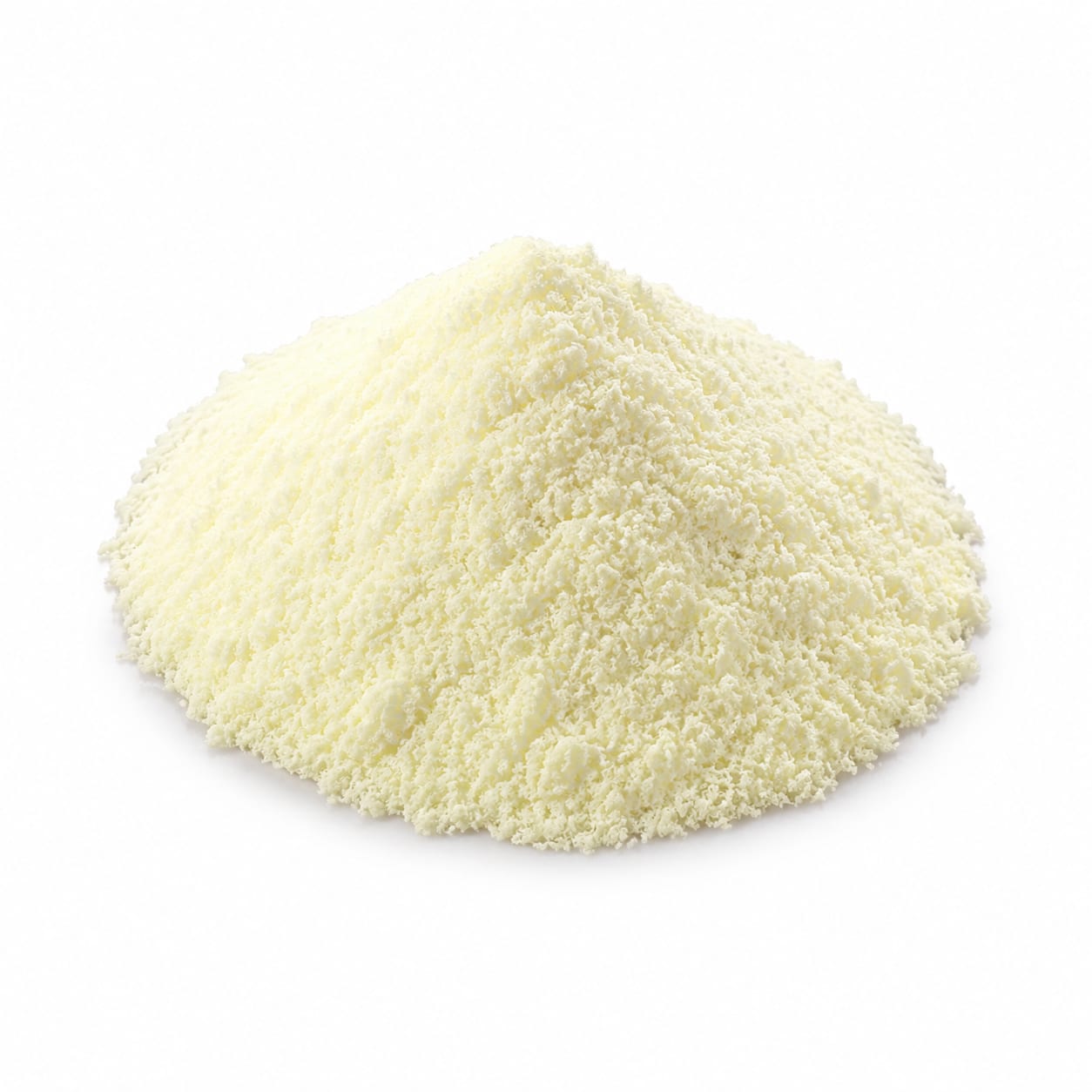
Milk Powder
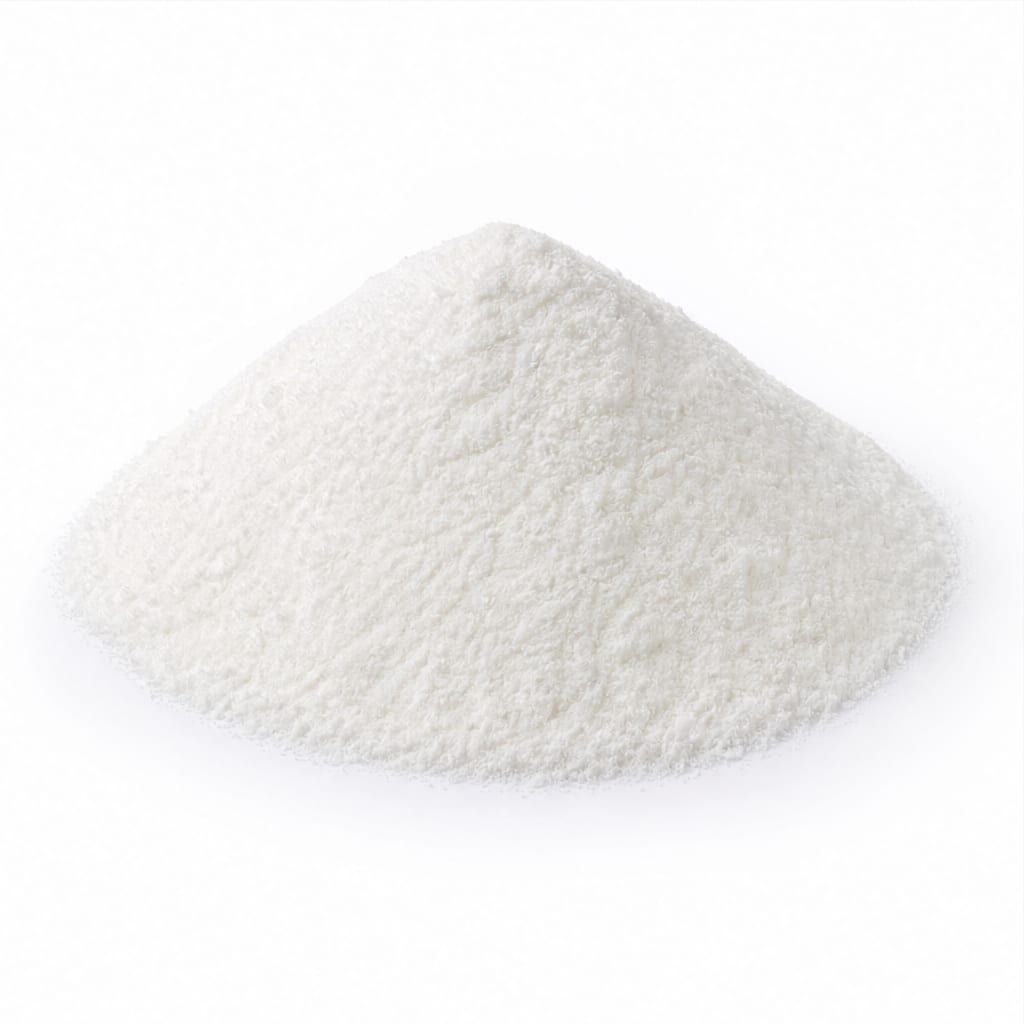
Skim Milk Powder
Milk Powder offers richer nutrition and better satiety from its fat content, while Skim Milk Powder delivers more protein per calorie and easier weight control.
Skim Milk Powder edges ahead slightly due to broader suitability for common health goals like weight management and heart health, but Milk Powder wins on nutrient completeness and satisfaction. The close scores reflect that neither is universally better.
Full fat brings flavor, satiety, and fat-soluble vitamins versus fewer calories and higher protein density when the fat is removed.
At a glance
Executive summary
Overall
It depends
Healthier
It depends
More practical
Skim Milk Powder
Daily use
It depends
Key comparison lenses
fat content and calorie tradeoff
The primary difference is fat removal, which directly impacts calories, satiety, and vitamin content
weight management suitability
Users choosing between these are often deciding whether the fat calories are worth keeping
nutrient density comparison
Fat-soluble vitamins are lost when fat is removed, affecting overall nutritional value
cooking and baking functionality
Fat content changes how each powder performs in recipes, mouthfeel, and flavor
daily consumption sustainability
Long-term use depends on taste satisfaction, satiety, and health goals
Best choice for
Milk Powder
- Children needing calorie-dense nutrition
- People wanting better satiety between meals
- Bakers seeking richer flavor and texture
- Those with higher caloric needs
- Anyone wanting naturally occurring fat-soluble vitamins
Skim Milk Powder
- Adults managing calorie intake
- People focused on protein per calorie
- Those watching saturated fat for heart health
- Anyone reconstituting milk for daily drinking on a diet
- Post-workout nutrition where lean protein is preferred
Least suitable for
Milk Powder
- People strictly limiting saturated fat
- Those on calorie-restricted diets
- Anyone with fat malabsorption issues
Skim Milk Powder
- Children who need fat for brain development
- People finding low-fat foods unsatisfying
- Those relying on it as a sole milk source without vitamin fortification
Deep comparison
Dimension by dimension
Each lens scores both foods and breaks down who each option suits.
- Dimension 1 · Priority 95Skim Milk Powder
calorie density and weight management
Milk Powder · 55Skim Milk Powder · 88Skim Milk Powder has roughly 30-40% fewer calories per serving since the fat has been removed, making it far easier to fit into a calorie-controlled plan.
Tradeoff
You save calories but lose the staying power that fat provides, which may lead to hunger sooner.
Why it matters
For anyone tracking calories, this difference compounds quickly over weeks and months of daily use.
Real-world impact
A glass of reconstituted whole milk powder costs you about 150 calories versus roughly 90 for skim — that 60-calorie gap per glass adds up to over 20,000 calories per year if you drink two daily.
Milk Powder
- Maintaining weight when appetite is low
- Getting more calories without eating more volume
Better for
- Calorie creep when not measuring portions
- Undermining weight loss efforts
Worse for
Skim Milk Powder
- Cutting calories without reducing protein
- Long-term weight maintenance
- Fitting milk into a calorie budget
Better for
- Feeling hungry sooner after drinking
- Overcompensating with other foods later
Worse for
- Dimension 2 · Priority 88Milk Powder
satiety and satisfaction
Milk Powder · 82Skim Milk Powder · 58Fat slows digestion and triggers fullness signals, making Milk Powder significantly more satisfying to drink and consume in meals.
Tradeoff
That satisfaction comes with extra calories that may not align with your goals.
Why it matters
Foods that leave you full reduce snacking and make healthy eating feel easier rather than forced.
Real-world impact
A reconstituted glass of whole milk with breakfast can keep you satisfied until lunch, while skim milk may have you reaching for a snack by mid-morning.
Milk Powder
- Staying full between meals
- Reducing the urge to snack
- Making smoothies or oatmeal more satisfying
Better for
- Feeling too full before workouts
- Heavier digestion in hot weather
Worse for
Skim Milk Powder
- Lighter feeling after consuming
- Post-workout when you want protein without heaviness
Better for
- Unsatisfying as a standalone drink
- Needing to add other foods to feel full
Worse for
- Dimension 3 · Priority 85Skim Milk Powder
protein density per calorie
Milk Powder · 60Skim Milk Powder · 90With fat removed, Skim Milk Powder packs more protein into each calorie, making it the clear winner for anyone prioritizing protein efficiency.
Tradeoff
Protein density is great, but protein alone does not guarantee satisfaction or balanced nutrition.
Why it matters
If you are tracking macros or trying to hit protein targets without exceeding calories, this efficiency matters daily.
Real-world impact
You get about 36g of protein per 100 calories of Skim Milk Powder versus roughly 25g from the same calories of whole Milk Powder.
Milk Powder
- Situations where calorie surplus is fine
- Balanced nutrition over macro targeting
Better for
- Wasting calories on fat when protein is the priority
- Harder to hit high protein numbers on a cut
Worse for
Skim Milk Powder
- Athletes hitting protein targets
- Anyone on high-protein, low-calorie plans
- Adding protein to smoothies without excess calories
Better for
- Missing the nutritional synergy of fat with protein
- Over-focusing on one macro at the expense of balance
Worse for
- Dimension 4 · Priority 82Milk Powder
vitamin and mineral completeness
Milk Powder · 85Skim Milk Powder · 65Milk Powder naturally retains fat-soluble vitamins A, D, E, and K because they are carried in the fat. Skim Milk Powder loses these unless fortified.
Tradeoff
Fortified versions of Skim Milk Powder exist, but synthetic vitamin absorption may differ from naturally occurring vitamins in fat.
Why it matters
Vitamin D deficiency is widespread, and dairy fat is one of the few natural food sources. This matters more than most people realize.
Real-world impact
If Skim Milk Powder is your primary dairy source and it is unfortified, you may need to get vitamins A and D elsewhere, which many people forget to do.
Milk Powder
- Natural fat-soluble vitamin intake
- Better calcium absorption due to vitamin D presence
- More nutritionally complete as a standalone food
Better for
- None significant for this dimension
Worse for
Skim Milk Powder
- Still contains all the water-soluble vitamins and minerals
- Often fortified to compensate for losses
Better for
- Risk of fat-soluble vitamin gap if unfortified
- Relying on fortification quality which varies by brand
Worse for
- Dimension 5 · Priority 78Skim Milk Powder
heart health and saturated fat
Milk Powder · 50Skim Milk Powder · 85Milk Powder contains about 26-28% fat, much of it saturated. Skim Milk Powder removes nearly all saturated fat, making it gentler on cardiovascular risk factors.
Tradeoff
The saturated fat debate is nuanced, but for people with existing heart concerns, reducing it is still the standard recommendation.
Why it matters
Heart disease remains the leading cause of death globally, and saturated fat intake is a modifiable risk factor.
Real-world impact
Two glasses of reconstituted whole milk powder adds about 8g of saturated fat to your day — roughly 40% of the recommended daily limit.
Milk Powder
- People with no heart health concerns and balanced diets
- Those who tolerate saturated fat well genetically
Better for
- Contributing to daily saturated fat limits quickly
- Concern for those with cardiovascular risk factors
Worse for
Skim Milk Powder
- Anyone with elevated cholesterol
- Family history of heart disease
- Following heart-healthy eating patterns
Better for
- None significant for this dimension
Worse for
- Dimension 6 · Priority 72Milk Powder
flavor and culinary versatility
Milk Powder · 88Skim Milk Powder · 62Fat carries flavor and creates creaminess that Skim Milk Powder simply cannot replicate. Milk Powder produces richer-tasting reconstituted milk, sauces, and baked goods.
Tradeoff
Better flavor comes with more calories, which is the eternal food dilemma.
Why it matters
Food that tastes better is easier to enjoy consistently, and satisfaction reduces the urge to seek less healthy alternatives.
Real-world impact
Baked goods made with whole Milk Powder have better texture and browning. Reconstituted skim tastes noticeably thinner and less comforting.
Milk Powder
- Making creamy sauces and soups
- Baking richer desserts and breads
- Reconstituting milk that actually tastes like whole milk
Better for
- Making dishes heavier than intended
- Over-enriching already rich recipes
Worse for
Skim Milk Powder
- Recipes where you want dairy flavor without richness
- Adding to smoothies where other ingredients provide creaminess
Better for
- Flat or watery taste in reconstituted milk
- Dry texture in baked goods
- Needing added butter or oil to compensate
Worse for
- Dimension 7 · Priority 60Skim Milk Powder
shelf stability and storage
Milk Powder · 65Skim Milk Powder · 85Skim Milk Powder lasts longer in storage because fat is what goes rancid over time. Without fat, oxidation risk drops significantly.
Tradeoff
Both are shelf-stable compared to liquid milk, but the difference matters for long-term emergency storage.
Why it matters
If you are stocking up for months or years, Skim Milk Powder is the more reliable choice.
Real-world impact
Whole Milk Powder typically lasts 6-12 months once opened, while Skim Milk Powder can go 18-24 months or more if kept cool and dry.
Milk Powder
- Short-term use where shelf life is not a concern
- Rotating stock regularly
Better for
- Fat oxidation causing off-flavors over time
- Shorter usable window after opening
Worse for
Skim Milk Powder
- Emergency food storage
- Buying in bulk for long-term use
- Hot or humid climates where rancidity accelerates
Better for
- None significant for this dimension
Worse for
Timeline
Health impact over time
Short-term
Hours to days
Milk Powder
- Greater satiety after consuming due to fat content
- Slower blood sugar rise when consumed with carbohydrates
- Potential digestive heaviness for those unaccustomed to full-fat dairy
Skim Milk Powder
- Lighter feeling after consumption
- Rapid protein availability for muscle recovery
- Possible less satisfaction leading to sooner hunger return
Long-term
Months to years
Milk Powder
- Consistent intake of fat-soluble vitamins without needing fortification
- Higher saturated fat intake that may affect cholesterol over years
- Better weight maintenance for some due to natural satiety signals
Skim Milk Powder
- Lower lifetime saturated fat exposure supporting heart health
- Risk of fat-soluble vitamin deficiency if unfortified product is used exclusively
- Easier long-term calorie control supporting healthy weight
Risk profile
Safety & processing
Both products undergo similar dehydration processes. The key difference is that Skim Milk Powder has an additional fat-removal step. Neither typically contains artificial additives, though some Skim Milk Powder brands add synthetic vitamins A and D to compensate for losses. Both are more processed than fresh milk but far less processed than most packaged snack foods.
Milk Powder
oxidative rancidity
mediumThe fat in Milk Powder can oxidize over time, especially in warm or humid storage, producing off-flavors and potentially harmful compounds.
maillard reaction products
lowThe spray-drying process creates some browning compounds. While generally safe at normal consumption levels, excessive intake of heavily processed milk powder is not ideal.
Skim Milk Powder
vitamin deficiency with exclusive use
mediumRelying solely on unfortified Skim Milk Powder as a dairy source may lead to inadequate vitamins A and D over time, especially in populations with limited sun exposure.
maillard reaction products
lowSimilar to whole Milk Powder, the spray-drying process creates some browning byproducts, though slightly less due to lower fat content.
Who wins for whom
Audience fit
Same foods, different winners depending on your goal.
children
Milk PowderGrowing children need fat for brain development, hormone production, and calorie density. The fat-soluble vitamins in whole Milk Powder are also critical for development.
daily consumption
It dependsFor calorie-conscious adults, Skim Milk Powder is the easier daily choice. For families, children, or those wanting more satisfying nutrition, Milk Powder is preferable.
diabetes
Skim Milk PowderLower fat content does not directly improve blood sugar, but the lower calorie density helps with weight management, which is the most impactful factor for type 2 diabetes control.
elderly
It dependsMilk Powder helps elderly individuals struggling with appetite or weight loss, while Skim Milk Powder suits those managing heart disease or cholesterol. It depends on their primary health concern.
muscle gain
Skim Milk PowderMore protein per calorie means you can hit higher protein targets without exceeding your daily calorie budget, which matters during lean bulking phases.
weight loss
Skim Milk PowderFewer calories per serving and higher protein density make Skim Milk Powder easier to integrate into a calorie deficit without sacrificing protein intake.
Your move
Decision guide
Choose Milk Powder
- You are feeding children who need fat for development
- Satiety and satisfaction matter more to you than calorie savings
- You use milk powder primarily for baking or cooking where fat improves results
- You have no heart health concerns and want the most nutritionally complete option
- You struggle to get enough calories and need energy-dense foods
Choose Skim Milk Powder
- You are watching your weight or counting calories
- You have elevated cholesterol or a family history of heart disease
- You want maximum protein per calorie for athletic goals
- You are stocking up for long-term emergency storage
- You prefer a lighter-tasting reconstituted milk for daily drinking
Either works if
- You use milk powder only occasionally in small amounts
- You get plenty of fat-soluble vitamins from other sources like eggs, fish, or supplements
- Cost is your primary concern and both are similarly priced
- You mix it into smoothies where other ingredients dominate flavor and nutrition
Avoid both if
- You have a dairy allergy or severe lactose intolerance
- You are following a strict vegan diet
- You have kidney disease and need to limit protein or phosphorus
- You are avoiding all processed foods as a dietary philosophy
Final recommendation
For most adults managing their health, Skim Milk Powder is the safer daily choice due to lower calories and saturated fat. But if you are active, at a healthy weight, or feeding a family, Milk Powder offers better nutrition and satisfaction. The best approach for many households is keeping both: Skim Milk Powder for daily drinking and protein-focused use, and Milk Powder for cooking, baking, and situations where richness and satiety matter more.
Practical
Consumer tips
- 1
Check if your Skim Milk Powder is fortified with vitamins A and D — not all brands are, and this makes a real nutritional difference
- 2
Store both types in airtight containers in a cool, dark place to maximize shelf life, but prioritize using Milk Powder sooner due to fat oxidation risk
- 3
Mix Skim Milk Powder with a small amount of coconut oil or nut butter when reconstituting if you want creaminess without switching to whole Milk Powder
- 4
Use Milk Powder as a coffee creamer alternative — it dissolves well and adds richness without the additives in commercial creamers
- 5
When baking, you can often substitute Skim Milk Powder for whole by adding a tablespoon of butter or oil per cup of reconstituted milk to compensate for lost fat
- 6
If buying in bulk for emergency storage, Skim Milk Powder is the clearly better choice as it can last twice as long once opened