
Nutrition comparison
Milk Powder vs Oat Milk Powder: Nutrition, Digestion, and Which Is Better for You
Compare Milk Powder and Oat Milk Powder on protein, digestion, additives, and heart health. Find out which fits your body, diet, and daily routine better.
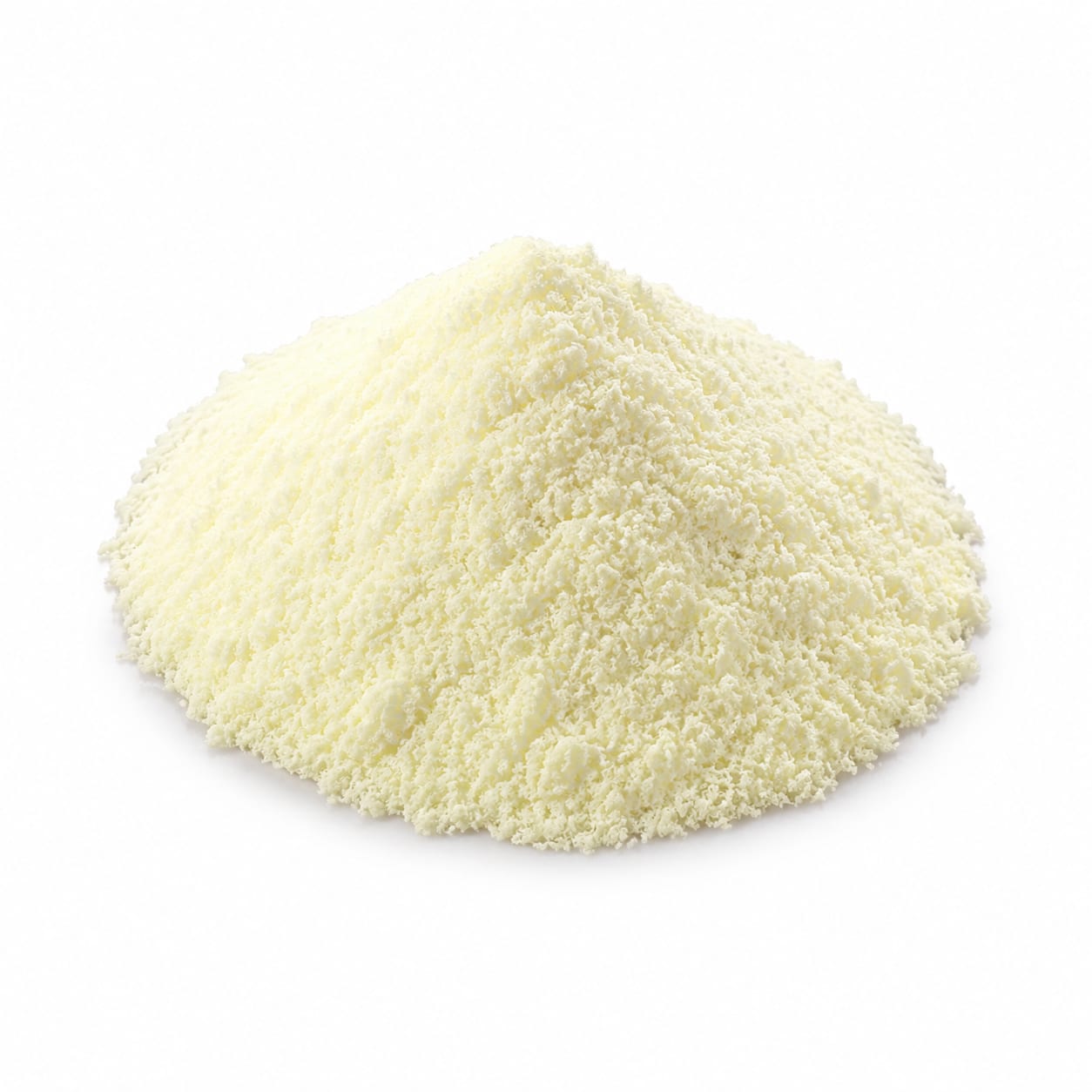
Milk Powder
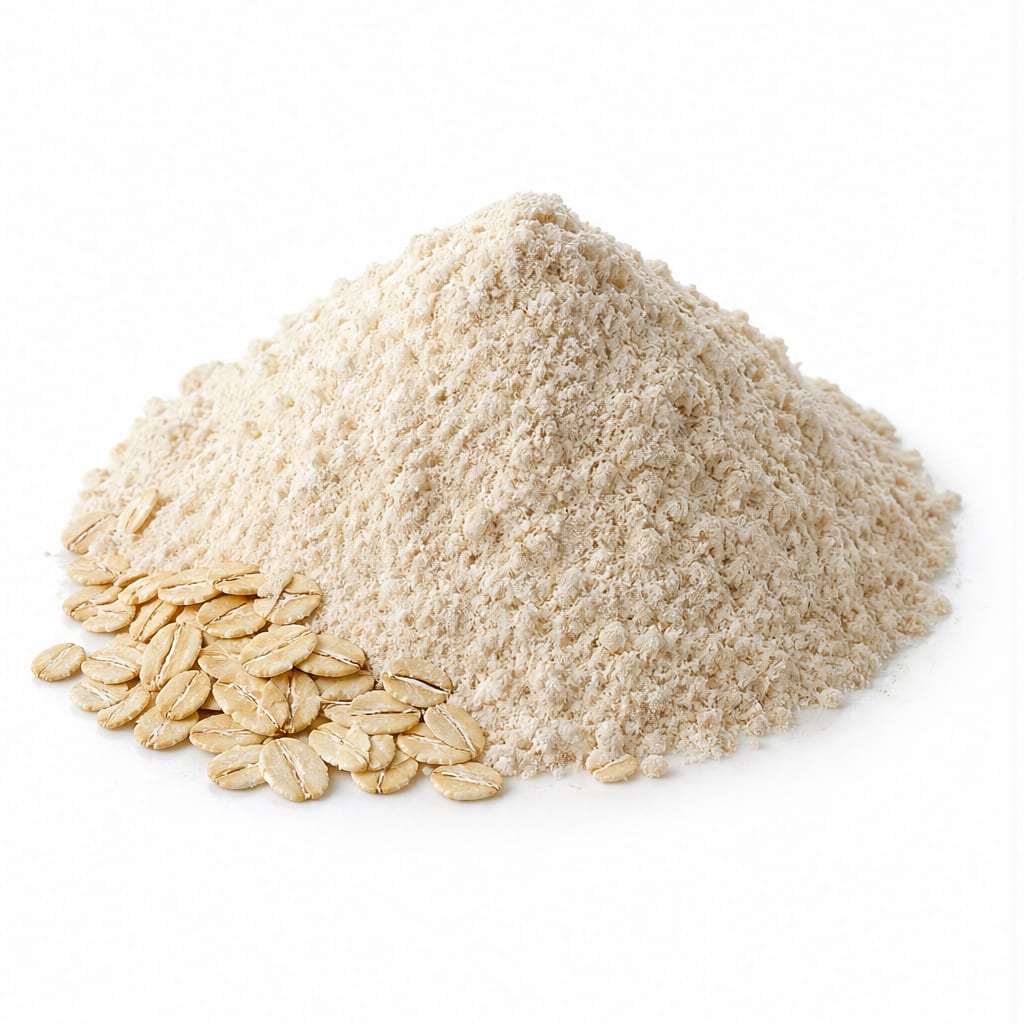
Oat Milk Powder
Milk Powder wins on protein quality, bone support, and fewer additives. Oat Milk Powder wins for lactose intolerance, plant-based lifestyles, and beta-glucan benefits. Your choice depends on what your body tolerates and what you prioritize.
Milk Powder scores higher due to superior protein quality, natural nutrient density, and fewer additives. Oat Milk Powder loses ground on protein content, gluten exposure, and typical additive load. However, for the roughly 65% of the global population with some lactose intolerance, Oat Milk Powder becomes the practical winner despite nutritional gaps.
Complete nutrition and simpler ingredients versus digestive comfort and plant-based alignment
At a glance
Executive summary
Overall
It depends
Healthier
It depends
More practical
Milk Powder
Daily use
It depends
Key comparison lenses
dairy vs plant protein quality
Milk Powder delivers complete protein with all essential amino acids; Oat Milk Powder provides significantly less protein and is incomplete
lactose intolerance and digestive comfort
This is the primary reason most people switch from dairy to oat-based alternatives
processing and additive exposure
Oat Milk Powder often contains emulsifiers, added oils, and stabilizers that Milk Powder does not need
bone health and mineral absorption
Milk Powder has naturally occurring calcium and vitamin D in bioavailable forms; Oat Milk Powder relies on fortification
heart health tradeoffs
Milk Powder has saturated fat and cholesterol; Oat Milk Powder has beta-glucan fiber but often added vegetable oils
blood sugar impact
Oat Milk Powder is higher in carbohydrates and can spike blood sugar more than Milk Powder
Best choice for
Milk Powder
- People who tolerate dairy well and want maximum protein
- Anyone prioritizing bone density and natural calcium absorption
- Budget-conscious consumers needing shelf-stable complete nutrition
- Children and elderly needing high-quality protein for growth or maintenance
Oat Milk Powder
- Lactose-intolerant individuals or those with dairy allergies
- Vegans and anyone avoiding animal products
- People with mild dairy-related digestive discomfort
- Those wanting beta-glucan fiber for cholesterol management
Least suitable for
Milk Powder
- Lactose-intolerant individuals
- Vegans and strict plant-based eaters
- People with dairy protein allergies or sensitivities
- Anyone avoiding saturated fat for heart health reasons
Oat Milk Powder
- People needing high protein intake for muscle gain or recovery
- Those avoiding gluten or with celiac disease
- Consumers concerned about emulsifiers and ultra-processing
- Anyone watching carbohydrate intake closely
Deep comparison
Dimension by dimension
Each lens scores both foods and breaks down who each option suits.
- Dimension 1 · Priority 95Milk Powder
Protein Quality and Content
Milk Powder · 88Oat Milk Powder · 35Milk Powder provides roughly 26-34g of complete protein per 100g with all essential amino acids in optimal ratios. Oat Milk Powder typically delivers only 10-14g of incomplete protein lacking adequate lysine.
Tradeoff
You sacrifice significant protein quantity and quality for plant-based digestibility
Why it matters
Protein completeness affects muscle maintenance, satiety, and how well your body can actually use what you consume
Real-world impact
A serving of Milk Powder in your smoothie keeps you full for hours. Oat Milk Powder leaves you reaching for a snack sooner.
Milk Powder
- Post-workout recovery
- Older adults preventing muscle loss
- Growing children
- Anyone using powder as a protein source
Better for
- Dairy-allergic individuals who cannot access the protein at all
Worse for
Oat Milk Powder
- Light beverage use where protein is not the goal
- Plant-based meal pairing with complementary proteins
Better for
- Anyone relying on it as a primary protein source
- Strength athletes needing complete amino acid profiles
Worse for
- Dimension 2 · Priority 90Oat Milk Powder
Digestive Tolerance
Milk Powder · 40Oat Milk Powder · 82Milk Powder retains lactose from dairy, causing bloating, gas, and discomfort for the majority of global adults. Oat Milk Powder is naturally lactose-free and generally easier to digest.
Tradeoff
You gain digestive comfort but lose the nutritional density that made dairy a staple
Why it matters
If your body cannot properly digest something, you absorb fewer of its nutrients regardless of how impressive the label looks
Real-world impact
Milk Powder that causes bloating and urgency defeats the purpose of consuming it. Oat Milk Powder that sits comfortably in your stomach is functionally superior for daily use.
Milk Powder
- People of Northern European descent who retain lactase enzyme
- Those who have always tolerated dairy without issues
Better for
- The estimated 65% of global adults with reduced lactase production
- People with dairy-triggered skin breakouts or congestion
Worse for
Oat Milk Powder
- Lactose-intolerant individuals
- People with irritable bowel syndrome triggered by dairy
- Anyone who experiences bloating or congestion from milk
Better for
- People with non-celiac gluten sensitivity
- Those sensitive to oat fiber who experience gas from beta-glucan
Worse for
- Dimension 3 · Priority 85Milk Powder
Processing and Additives
Milk Powder · 72Oat Milk Powder · 38Milk Powder is typically just dehydrated milk with minimal ingredients. Oat Milk Powder commonly contains added oils, emulsifiers, stabilizers, and sometimes salt or sweeteners to mimic creaminess.
Tradeoff
Simpler ingredient list and fewer additives versus plant-based formulation that requires more processing to achieve palatable texture
Why it matters
Emulsifiers and stabilizers may disrupt gut barrier function over time, and added oils increase calorie density without nutritional benefit
Real-world impact
Reading the ingredient list on Milk Powder feels familiar. Oat Milk Powder labels often read like a science experiment.
Milk Powder
- Clean-label consumers wanting minimal ingredients
- Those concerned about emulsifier exposure and gut health
Better for
- Those who assume all powders are equally processed
Worse for
Oat Milk Powder
- People who accept some processing as the cost of avoiding dairy
Better for
- Anyone actively reducing ultra-processed food intake
- Consumers avoiding rapeseed or sunflower oil additives
- People sensitive to maltodextrin or other thickening agents
Worse for
- Dimension 4 · Priority 82Milk Powder
Bone Health Support
Milk Powder · 85Oat Milk Powder · 55Milk Powder contains naturally occurring calcium, phosphorus, and vitamin D in forms your body recognizes and absorbs efficiently. Oat Milk Powder relies on fortification with less predictable absorption rates.
Tradeoff
Naturally integrated bone-building nutrients versus added fortification that may not absorb as well
Why it matters
Calcium without proper cofactors passes through your body. The natural matrix in dairy delivers these cofactors together.
Real-world impact
If bone density matters to you, especially post-menopause, Milk Powder offers more reliable mineral delivery.
Milk Powder
- Post-menopausal women concerned about osteoporosis
- Growing children building peak bone mass
- Elderly adults needing reliable calcium absorption
Better for
- People who cannot tolerate dairy long enough to benefit from its calcium
Worse for
Oat Milk Powder
- Those who supplement calcium and vitamin D separately anyway
Better for
- Anyone relying on Oat Milk Powder as their primary calcium source without additional supplementation
Worse for
- Dimension 5 · Priority 78It depends
Heart Health Profile
Milk Powder · 55Oat Milk Powder · 60Milk Powder contains saturated fat and cholesterol, which raise cardiovascular concerns for some. Oat Milk Powder provides beta-glucan fiber that actively helps lower cholesterol, but often includes added vegetable oils.
Tradeoff
Saturated fat and cholesterol risk versus beta-glucan benefit with potential hidden oil calories
Why it matters
Heart health is cumulative. Small daily choices about fat type and fiber add up meaningfully over decades.
Real-world impact
Oat Milk Powder gives you a daily dose of cholesterol-lowering fiber, but the added oils in many brands partially offset that benefit.
Milk Powder
- Active individuals who burn through saturated fat without issue
- Those already eating low-saturated-fat diets overall
Better for
- People with existing heart disease or high cholesterol
- Those on physician-advised saturated fat restriction
Worse for
Oat Milk Powder
- People with elevated LDL cholesterol wanting beta-glucan support
- Anyone following a heart-healthy Mediterranean-style pattern
Better for
- Consumers unaware that added oils in their Oat Milk Powder contribute inflammatory omega-6 fats
Worse for
- Dimension 6 · Priority 75Milk Powder
Blood Sugar Stability
Milk Powder · 65Oat Milk Powder · 45Milk Powder contains lactose, a naturally low-glycemic sugar paired with protein and fat that slow absorption. Oat Milk Powder is higher in carbohydrates and maltose from enzymatic processing, causing faster blood sugar rises.
Tradeoff
Slower, steadier blood sugar response versus faster carbohydrate-driven energy that may crash
Why it matters
Blood sugar spikes drive cravings, fatigue, and over time increase diabetes risk
Real-world impact
Milk Powder in your morning coffee gives steadier energy. Oat Milk Powder can contribute to a mid-morning crash if consumed alone.
Milk Powder
- People with insulin resistance or prediabetes
- Anyone monitoring glycemic load carefully
Better for
- Those who experience lactose-driven blood sugar irregularities
Worse for
Oat Milk Powder
- Athletes needing quick carbohydrate energy before training
Better for
- Diabetics who need to count carbohydrate impact carefully
- People prone to afternoon energy crashes
Worse for
- Dimension 7 · Priority 80It depends
Allergen and Sensitivity Profile
Milk Powder · 45Oat Milk Powder · 55Milk Powder triggers dairy allergy and lactose intolerance in a large portion of the population. Oat Milk Powder avoids dairy but introduces gluten concerns and potential oat cross-reactivity for some.
Tradeoff
Widespread dairy intolerance versus narrower but real gluten and oat sensitivity issues
Why it matters
An allergen that affects you personally outweighs every nutritional advantage a food offers
Real-world impact
The healthiest food on paper causes harm if your immune system or digestion rejects it.
Milk Powder
- Dairy-tolerant individuals with no gluten concerns
Better for
- Dairy-allergic individuals
- People with lactose intolerance
- Those with dairy-triggered eczema or sinus congestion
Worse for
Oat Milk Powder
- Dairy-allergic or lactose-intolerant individuals who tolerate gluten
- Vegans needing a reliable milk alternative
Better for
- People with celiac disease unless certified gluten-free
- Those with oat sensitivity or cross-reactivity with gluten proteins
Worse for
Timeline
Health impact over time
Short-term
Hours to days
Milk Powder
- Provides immediate high-quality protein for satiety and muscle support
- May cause bloating, gas, or digestive discomfort in lactose-intolerant individuals
- Steadier blood sugar response compared to oat-based alternatives
- Can trigger congestion or skin reactions in dairy-sensitive people
Oat Milk Powder
- Comfortable digestion for those avoiding dairy with no bloating or lactose symptoms
- Faster blood sugar rise due to higher carbohydrate content and enzymatic processing
- Less satiating due to lower protein content, potentially increasing hunger sooner
- Beta-glucan begins supporting cholesterol regulation even in single servings
Long-term
Months to years
Milk Powder
- Supports bone density through bioavailable calcium and vitamin D in a natural matrix
- Saturated fat intake from dairy remains debated but may impact heart health in susceptible individuals
- Consistent high-quality protein intake helps preserve muscle mass with aging
- Long-term dairy consumption correlates with reduced type 2 diabetes risk in some studies
Oat Milk Powder
- Daily beta-glucan intake can meaningfully lower LDL cholesterol over months and years
- Lower protein intake may contribute to gradual muscle loss if not compensated elsewhere in diet
- Fortified calcium absorption may be less efficient than dairy-sourced calcium long-term
- Emulsifier and additive exposure from regular consumption has unknown but potentially concerning gut health effects
Risk profile
Safety & processing
Milk Powder undergoes pasteurization and dehydration but retains a short, recognizable ingredient list. Oat Milk Powder requires enzymatic breakdown of oats, oil addition for creaminess, emulsifiers for texture, and fortification to approach dairy's nutrient profile. The processing gap is significant.
Milk Powder
Bacterial contamination during production
lowPasteurization and dehydration effectively eliminate most pathogens. Reconstitution with contaminated water is the more realistic risk.
Antibiotic and hormone residues
mediumConventional dairy may contain trace antibiotic and hormone residues. Choosing organic Milk Powder significantly reduces this concern.
Oxidized cholesterol from powder storage
lowExtended storage of dried milk fats can lead to mild oxidation. Keeping powder sealed and cool minimizes this.
Oat Milk Powder
Gluten cross-contamination
mediumUnless certified gluten-free, oat products frequently contain trace wheat, barley, or rye from shared farming and processing facilities.
Pesticide residue from conventional oats
mediumOats are commonly treated with glyphosate as a pre-harvest desiccant. Choosing organic Oat Milk Powder avoids this exposure.
Heavy metal accumulation in plant-based powders
lowPlant crops can absorb soil heavy metals. Reputable brands test for this, but cheaper products may not.
Who wins for whom
Audience fit
Same foods, different winners depending on your goal.
children
It dependsFor dairy-tolerant children, Milk Powder offers superior growth-supporting nutrition. For children with dairy allergies or lactose intolerance, Oat Milk Powder is necessary but requires careful attention to protein and fat intake from other sources.
daily consumption
It dependsIf you tolerate dairy, Milk Powder is nutritionally superior for daily use. If dairy causes any discomfort, Oat Milk Powder is the sustainable daily choice because consistency always beats theoretical nutritional perfection.
diabetes
Milk PowderLower carbohydrate content and the presence of protein and fat slow glucose absorption. Oat Milk Powder's higher carb load and maltose from processing pose greater glycemic challenges.
elderly
It dependsMilk Powder supports bone density and muscle preservation, both critical with aging. However, lactose intolerance increases with age, making Oat Milk Powder the practical choice for many older adults despite its nutritional gaps.
muscle gain
Milk PowderMilk Powder provides complete protein with high leucine content, the key amino acid triggering muscle protein synthesis. Oat Milk Powder cannot support muscle building effectively on its own.
weight loss
Milk PowderHigher protein content from Milk Powder increases satiety and helps preserve lean muscle during calorie restriction. Oat Milk Powder's lower protein and higher carbohydrate profile offers less hunger control.
Your move
Decision guide
Choose Milk Powder
- You digest dairy comfortably with no bloating, congestion, or skin reactions
- Protein intake is a priority for muscle, satiety, or recovery
- You want fewer additives and a simpler ingredient list
- Bone health is a specific concern, especially for growing children or post-menopausal women
- You need shelf-stable complete nutrition for travel, camping, or emergency preparedness
Choose Oat Milk Powder
- You are lactose intolerant or dairy-allergic and experience any discomfort from milk
- You follow a vegan or plant-based lifestyle
- You want beta-glucan fiber for cholesterol management
- Dairy triggers skin breakouts, sinus congestion, or digestive distress for you
- You prioritize plant-based eating even with some nutritional tradeoffs
Either works if
- You use milk powder only occasionally in coffee or recipes where nutritional differences are minimal
- You supplement protein and calcium separately from other sources
- You rotate between both depending on what your body tolerates on any given day
Avoid both if
- You have fresh milk available and prefer whole, unprocessed foods
- You are sensitive to both dairy and gluten, making both options problematic
- You are strictly avoiding all powdered or shelf-stable foods in favor of fresh alternatives
Final recommendation
Let your body decide. If Milk Powder sits well in your stomach, it is the nutritionally stronger choice with better protein, natural calcium, and fewer additives. If dairy causes any digestive discomfort, skin issues, or congestion, Oat Milk Powder is the right call regardless of its nutritional gaps. The best food for you is always the one your body actually tolerates. For Oat Milk Powder users, compensate by adding protein elsewhere and choosing brands with minimal additives and organic oats to avoid glyphosate.
Practical
Consumer tips
- 1
Check Oat Milk Powder labels for added oils, emulsifiers like carrageenan, and maltodextrin. Simpler is better.
- 2
Choose organic Oat Milk Powder to avoid glyphosate exposure from conventional oat farming.
- 3
If you are partially lactose intolerant, try Milk Powder in smaller amounts paired with food, which slows lactose digestion.
- 4
Look for Oat Milk Powder certified gluten-free if you have celiac disease or gluten sensitivity.
- 5
Reconstitute either powder with warm water first for smoother texture before adding to cold beverages.
- 6
For Oat Milk Powder users: pair it with a protein source like nuts, seeds, or a scoop of plant protein to compensate for its low protein content.
- 7
Store both powders in airtight containers away from heat and light to preserve freshness and prevent fat oxidation.
- 8
If switching from Milk Powder to Oat Milk Powder, track your protein intake for a week to ensure you are not unintentionally dropping below your needs.