
Nutrition comparison
Milk Powder vs Evaporated Milk: Which Shelf-Stable Dairy Is Better?
Compare Milk Powder and Evaporated Milk on taste, nutrition, cost, shelf life, and cooking use. Find out which one fits your kitchen, budget, and lifestyle better.
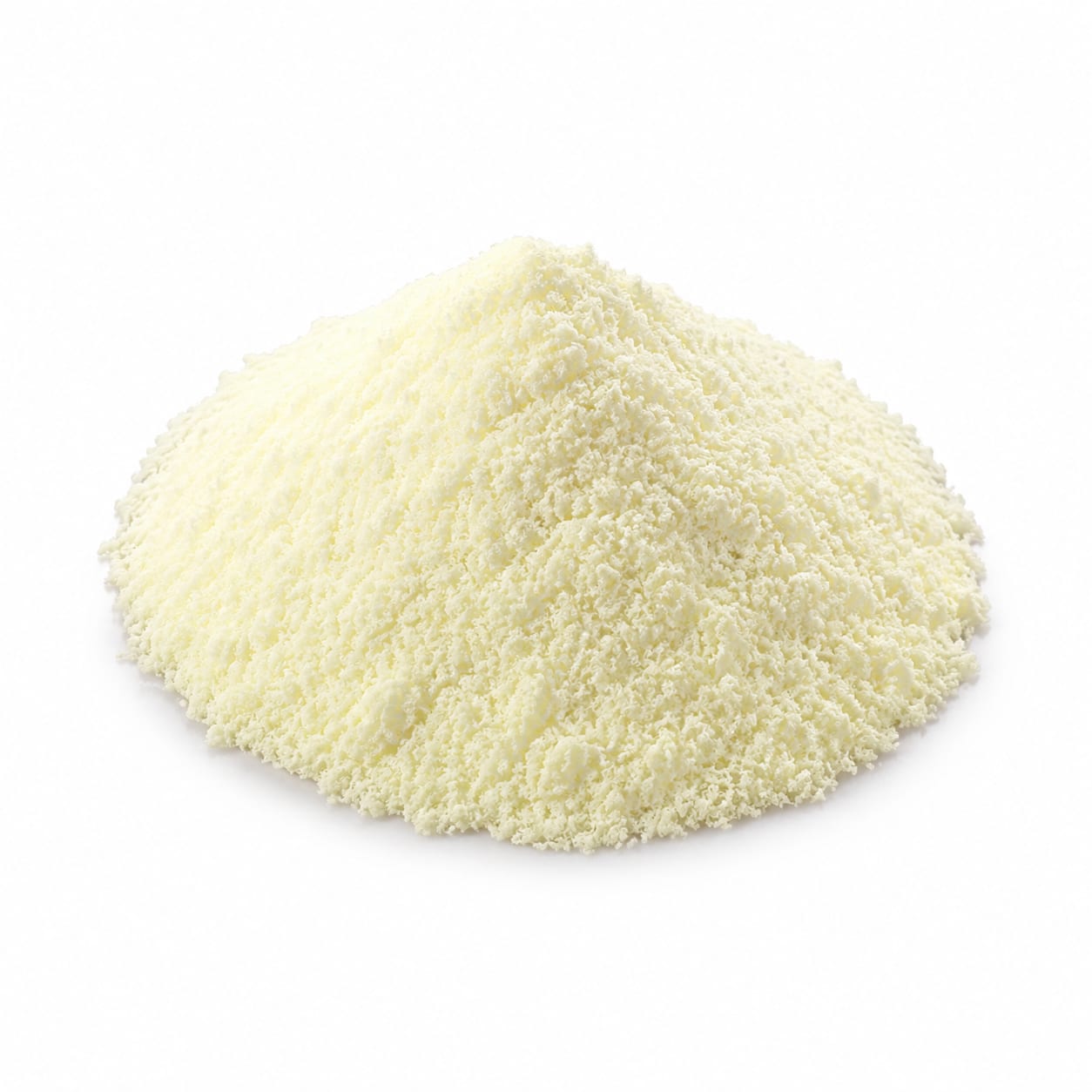
Milk Powder
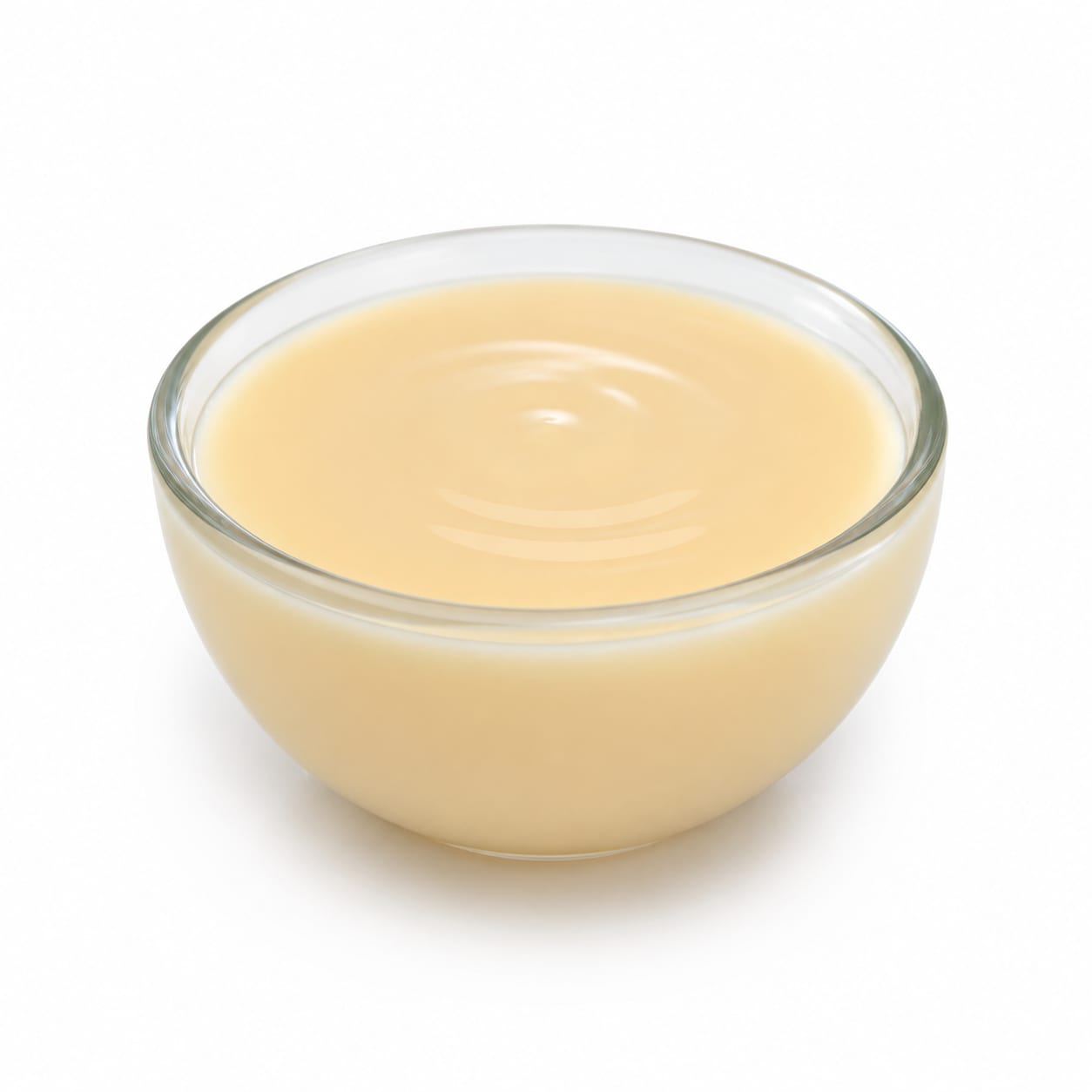
Evaporated Milk
Milk Powder wins on shelf life, cost, and storage efficiency, while Evaporated Milk wins on taste, convenience, and ready-to-use practicality.
Evaporated Milk scores slightly higher due to better taste, easier use, and more natural mouthfeel. Milk Powder trades sensory quality for superior shelf life and cost efficiency, making the winner context-dependent.
Concentrated economy and longevity versus better flavor and immediate usability.
At a glance
Executive summary
Overall
It depends
Healthier
It depends
More practical
Evaporated Milk
Daily use
Evaporated Milk
Key comparison lenses
shelf stable dairy comparison
Both are long-lasting dairy alternatives to fresh milk, so storage and convenience are primary decision drivers
nutritional equivalence check
Users want to know if these concentrated milk forms deliver the same nutrition as each other and as fresh milk
cooking and baking substitution
Both are commonly used in recipes where fresh milk is unavailable, so culinary performance matters
emergency preparedness
Milk Powder is a staple in emergency supplies; users may wonder if Evaporated Milk is a viable alternative
daily drinking versatility
Some consumers use these as everyday milk substitutes and need to know how they compare for drinking straight
Best choice for
Milk Powder
- Emergency preparedness and long-term storage
- Budget-conscious households needing bulk dairy
- Backpacking, camping, or off-grid living
- Baking where precise reconstitution is acceptable
- People who want fat-free skim milk options
Evaporated Milk
- Coffee creamer and beverage enhancement
- Creamy soups, sauces, and custards
- Quick recipes without measuring and mixing
- People who dislike the taste of reconstituted milk
- Smaller households that use dairy occasionally
Least suitable for
Milk Powder
- Drinking straight as a cold beverage
- Quick coffee or tea creamer needs
- Households without clean water for reconstitution
- Recipes requiring precise liquid consistency without trial and error
Evaporated Milk
- Long-term emergency storage beyond 1-2 years
- Bulk buying on a tight budget
- Backpacking or weight-sensitive travel
- Fat-free or low-calorie diet needs
Deep comparison
Dimension by dimension
Each lens scores both foods and breaks down who each option suits.
- Dimension 1 · Priority 95Milk Powder
Shelf Life and Storage
Milk Powder · 94Evaporated Milk · 72Milk Powder lasts years longer and takes a fraction of the storage space, making it the clear pantry champion.
Tradeoff
You gain extreme longevity but lose the ready-to-pour convenience of a canned liquid.
Why it matters
For emergency preparedness or infrequent use, a product that lasts 10+ years versus 1-2 years is a major practical difference.
Real-world impact
A single bag of Milk Powder can sit in your pantry for years and still be usable, while Evaporated Milk cans need rotation within 12-24 months.
Milk Powder
- Emergency food supplies
- Cabin or vacation home stocking
- Bulk buying with slow usage rates
Better for
- Needs airtight storage after opening to prevent clumping and spoilage
Worse for
Evaporated Milk
- Situations where you use it within months
- Kitchens with limited dry storage but room for cans
Better for
- Cans can dent, rust, or degrade over time in humid environments
Worse for
- Dimension 2 · Priority 90Evaporated Milk
Taste and Drinkability
Milk Powder · 45Evaporated Milk · 78Evaporated Milk tastes richer and closer to fresh cream, while reconstituted Milk Powder often tastes flat or slightly stale.
Tradeoff
Evaporated Milk has a subtly cooked, caramelized flavor that works in coffee and cooking but is not identical to fresh milk either.
Why it matters
If you plan to drink it straight or use it daily in beverages, taste is the dealbreaker for most people.
Real-world impact
Kids and picky drinkers often reject reconstituted Milk Powder, while Evaporated Milk in coffee feels like a legitimate creamer upgrade.
Milk Powder
- Recipes where milk is a background ingredient and flavor is masked
Better for
- Reconstituted milk tastes noticeably different from fresh milk
- Can have a chalky or stale aftertaste
Worse for
Evaporated Milk
- Coffee and tea creamer
- Drinking straight when chilled and diluted
- Desserts where creamy flavor is central
Better for
- Slightly sweet cooked flavor may not work in savory dishes requiring neutral milk
Worse for
- Dimension 3 · Priority 85Evaporated Milk
Convenience and Ease of Use
Milk Powder · 50Evaporated Milk · 85Evaporated Milk is ready to pour; Milk Powder requires measuring, mixing, and waiting for clumps to dissolve.
Tradeoff
The extra preparation step for Milk Powder is minor for baking but annoying for a quick glass of milk or coffee.
Why it matters
Friction in food prep directly affects how often you actually use what you buy.
Real-world impact
At 6 AM before coffee, opening a can is effortless. Measuring powder and stirring out lumps feels like a chore.
Milk Powder
- Situations where you need exact powder-to-water ratios for recipes
- Making custom concentrations of milk
Better for
- Clumping during reconstitution is frustrating
- Requires clean water source
- Measuring and mixing adds 2-5 minutes per use
Worse for
Evaporated Milk
- Quick morning coffee
- Fast weeknight cooking
- Anyone who values grab-and-go simplicity
Better for
- Opened cans must be refrigerated and used within a few days
- Leftover partial cans create waste if not used promptly
Worse for
- Dimension 4 · Priority 82It depends
Nutritional Value
Milk Powder · 75Evaporated Milk · 73Both deliver similar nutrition per reconstituted serving, but Milk Powder offers more fat-free options while Evaporated Milk retains more natural fat-soluble vitamins.
Tradeoff
Non-fat Milk Powder has fewer calories but loses vitamins A and D unless fortified; Evaporated Milk keeps natural fat but packs more calories per serving.
Why it matters
Your dietary goals determine which nutritional profile serves you better.
Real-world impact
For calorie counters, non-fat Milk Powder reconstituted with water is a lean protein and calcium source. For those wanting richer nutrition, Evaporated Milk delivers fat-soluble vitamins naturally.
Milk Powder
- Low-calorie and fat-free diet plans
- High-protein needs when using non-fat variety
- Precise calorie tracking since you control concentration
Better for
- Non-fat versions lose natural vitamin A and D unless re-fortified
- Some brands add less fortification than fresh milk
Worse for
Evaporated Milk
- Retaining natural fat-soluble vitamins A, D, E, K
- More satiating due to higher fat content
- Growing children who benefit from dietary fat
Better for
- Higher calorie density per serving
- Less suitable for strict low-fat diets
Worse for
- Dimension 5 · Priority 78Milk Powder
Cost Efficiency
Milk Powder · 90Evaporated Milk · 60Milk Powder delivers significantly more milk equivalent per dollar, making it the budget winner by a wide margin.
Tradeoff
The savings come with the inconvenience of reconstitution and a less appealing taste.
Why it matters
For large families or institutions, the cost difference is substantial over a year.
Real-world impact
A $10 bag of Milk Powder can make gallons of milk equivalent. The same money buys roughly 4-5 cans of Evaporated Milk, yielding far less liquid.
Milk Powder
- Large families on tight grocery budgets
- Institutional or food service use
- Anyone buying dairy in bulk
Better for
- If you let it expire or absorb moisture, the savings evaporate
Worse for
Evaporated Milk
- Small households where waste from bulk powder is a risk
- Occasional users who prioritize quality over quantity
Better for
- Significantly more expensive per equivalent serving of milk
Worse for
- Dimension 6 · Priority 75It depends
Culinary Versatility
Milk Powder · 70Evaporated Milk · 80Evaporated Milk excels in creamy, rich dishes; Milk Powder works better as a dry ingredient in breads and dry mixes.
Tradeoff
Evaporated Milk adds body and richness that powder cannot replicate, but powder integrates seamlessly into dry recipes without adding liquid.
Why it matters
The wrong choice can ruin a recipe's texture or consistency.
Real-world impact
Making mac and cheese? Evaporated Milk creates a silky sauce. Making homemade bread? Milk Powder blends into the flour without throwing off hydration.
Milk Powder
- Bread and roll recipes calling for dry milk
- Homemade hot cocoa mix or dry seasoning blends
- Smoothies where you control liquid separately
Better for
- Cannot replicate the creamy body Evaporated Milk adds to sauces and desserts
Worse for
Evaporated Milk
- Pumpkin pie, flan, and custards
- Creamy soups and chowders
- Mashed potatoes and gratins
- Thai iced tea and coffee drinks
Better for
- Adds unwanted liquid to recipes designed for dry milk powder
Worse for
- Dimension 7 · Priority 68It depends
Processing and Additives
Milk Powder · 62Evaporated Milk · 65Both are more processed than fresh milk, but Evaporated Milk undergoes less dehydration and typically has fewer additives.
Tradeoff
Milk Powder's intense drying process can degrade some nutrients and often requires added stabilizers, while Evaporated Milk's gentler concentration preserves more but still involves high heat.
Why it matters
Consumers avoiding ultra-processed foods should know neither is a whole food, but the degree matters.
Real-world impact
If you read ingredient labels, Evaporated Milk often lists just milk and maybe a stabilizer. Milk Powder may include anti-caking agents and emulsifiers.
Milk Powder
- Some non-fat varieties contain only skim milk with no additives
Better for
- Spray-drying can oxidize fats in whole milk powder
- Anti-caking agents like sodium aluminosilicate in some brands
- Greater nutrient degradation from high-heat dehydration
Worse for
Evaporated Milk
- Shorter ingredient lists on most brands
- Less aggressive processing than spray-drying
Better for
- Some brands add carrageenan or sodium phosphate as stabilizers
- Canned product raises concerns about BPA in can linings
Worse for
Timeline
Health impact over time
Short-term
Hours to days
Milk Powder
- Reconstituted milk may cause mild digestive discomfort if not mixed thoroughly
- Risk of clumpy texture leading to poor consumption, especially in children
- Quick protein and calcium delivery once properly reconstituted
Evaporated Milk
- More satiating per serving due to natural fat content
- Slightly sweeter taste from lactose concentration may trigger cravings in sugar-sensitive individuals
- Immediate creamy satisfaction in beverages and food
Long-term
Months to years
Milk Powder
- Consistent calcium and protein intake supports bone density when used regularly
- Non-fat versions support heart health by reducing saturated fat intake
- Potential for degraded fat-soluble vitamins if relying solely on unfortified powder long-term
Evaporated Milk
- Regular use contributes saturated fat intake that may affect cardiovascular markers over time
- Natural retention of fat-soluble vitamins supports more complete nutrition
- BPA exposure from can linings is a low but cumulative concern with frequent consumption
Risk profile
Safety & processing
Both are processed forms of milk, but Evaporated Milk is closer to the original product since it only removes water through gentle heating. Milk Powder undergoes aggressive spray-drying that alters flavor and can require anti-caking agents. Neither is a whole food, but Evaporated Milk retains more of fresh milk's natural character.
Milk Powder
Moisture contamination and spoilage
mediumOnce opened, Milk Powder absorbs humidity and can grow mold or bacteria if not sealed in airtight containers. Unlike canned goods, it has no protective barrier after opening.
Oxidized fats in whole milk powder
mediumWhole Milk Powder's fat content can go rancid over time, especially if stored in warm conditions. This creates off-flavors and potentially harmful oxidation products.
Anti-caking agent exposure
lowSome brands use sodium aluminosilicate or silicon dioxide. While generally recognized as safe, some consumers prefer to avoid these additives.
Evaporated Milk
BPA from can linings
mediumMost Evaporated Milk cans use BPA-containing linings. Frequent consumption may contribute to cumulative endocrine disruptor exposure. Some brands now offer BPA-free cans.
Botulism risk in dented cans
lowDamaged cans can compromise the sterile seal. While rare, this is a serious risk with any canned food. Always inspect cans before use.
Stabilizer sensitivities
lowCarrageenan in some brands can cause digestive irritation in sensitive individuals, particularly those with IBS or gut inflammation.
Who wins for whom
Audience fit
Same foods, different winners depending on your goal.
children
Evaporated MilkEvaporated Milk tastes better, which matters enormously for getting kids to actually drink milk. The dietary fat also supports brain development in younger children.
daily consumption
Evaporated MilkEvaporated Milk's better taste and ease of use make it more sustainable as a daily milk substitute. Milk Powder's preparation friction causes most people to abandon it for daily drinking.
diabetes
Milk PowderNon-fat Milk Powder has slightly lower carbohydrate density per serving when reconstituted, and zero fat slows absorption less than the fat in Evaporated Milk, though both contain lactose sugars that require monitoring.
elderly
It dependsEvaporated Milk is easier to use for those with limited dexterity or energy for mixing, but non-fat Milk Powder supports cardiovascular health concerns more common in older adults.
muscle gain
Milk PowderMilk Powder provides more protein per calorie when using non-fat varieties, and you can increase concentration for a higher-protein drink without adding fat.
weight loss
Milk PowderNon-fat Milk Powder reconstituted with water delivers protein and calcium with minimal calories and zero fat, making it easier to stay within a calorie budget.
Your move
Decision guide
Choose Milk Powder
- You are building an emergency food supply or disaster kit
- Budget is the top priority and you use milk in large quantities
- You bake bread or make dry mixes where powder integrates better
- You want a fat-free, low-calorie milk option for weight management
- You live remotely or travel where refrigeration is unreliable
Choose Evaporated Milk
- You want a better-tasting coffee creamer or beverage addition
- You cook creamy soups, sauces, custards, or desserts regularly
- You value convenience and will actually use something that is ready to pour
- You only need small amounts occasionally and want less waste
- You prefer shorter ingredient lists and less processing
Either works if
- You are substituting for fresh milk in a cooked recipe where flavor differences are masked
- You need shelf-stable dairy for a cabin or RV
- You are not sensitive to taste differences in milk
Avoid both if
- You have a dairy allergy or severe lactose intolerance
- You prioritize whole, unprocessed foods exclusively
- You have access to affordable fresh milk and do not need shelf stability
Final recommendation
Keep both in your pantry for different purposes. Stock Milk Powder for emergencies, baking, and budget bulk needs. Keep a few cans of Evaporated Milk for cooking, coffee, and quick recipes. If you must choose only one, Evaporated Milk is more pleasant for daily life, while Milk Powder is the pragmatic choice for preparedness and savings.
Practical
Consumer tips
- 1
Look for whole Milk Powder without anti-caking agents for the cleanest ingredient list
- 2
Choose BPA-free canned Evaporated Milk brands if you use it frequently
- 3
Store opened Milk Powder in an airtight glass jar in a cool, dark place to maximize freshness
- 4
Reconstitute Milk Powder with warm water and whisk vigorously to reduce clumping, then chill before drinking
- 5
Freeze extra Milk Powder in portioned bags to extend shelf life beyond the printed date
- 6
Evaporated Milk can be diluted with equal parts water to approximate fresh milk in recipes
- 7
For the richest coffee creamer, use Evaporated Milk straight from the can without diluting
- 8
Check labels on Evaporated Milk for carrageenan if you have digestive sensitivities
- 9
Mark the opening date on Milk Powder containers since freshness degrades faster once exposed to air
- 10
Buy small cans of Evaporated Milk for occasional use to avoid waste from opened cans spoiling in the fridge