
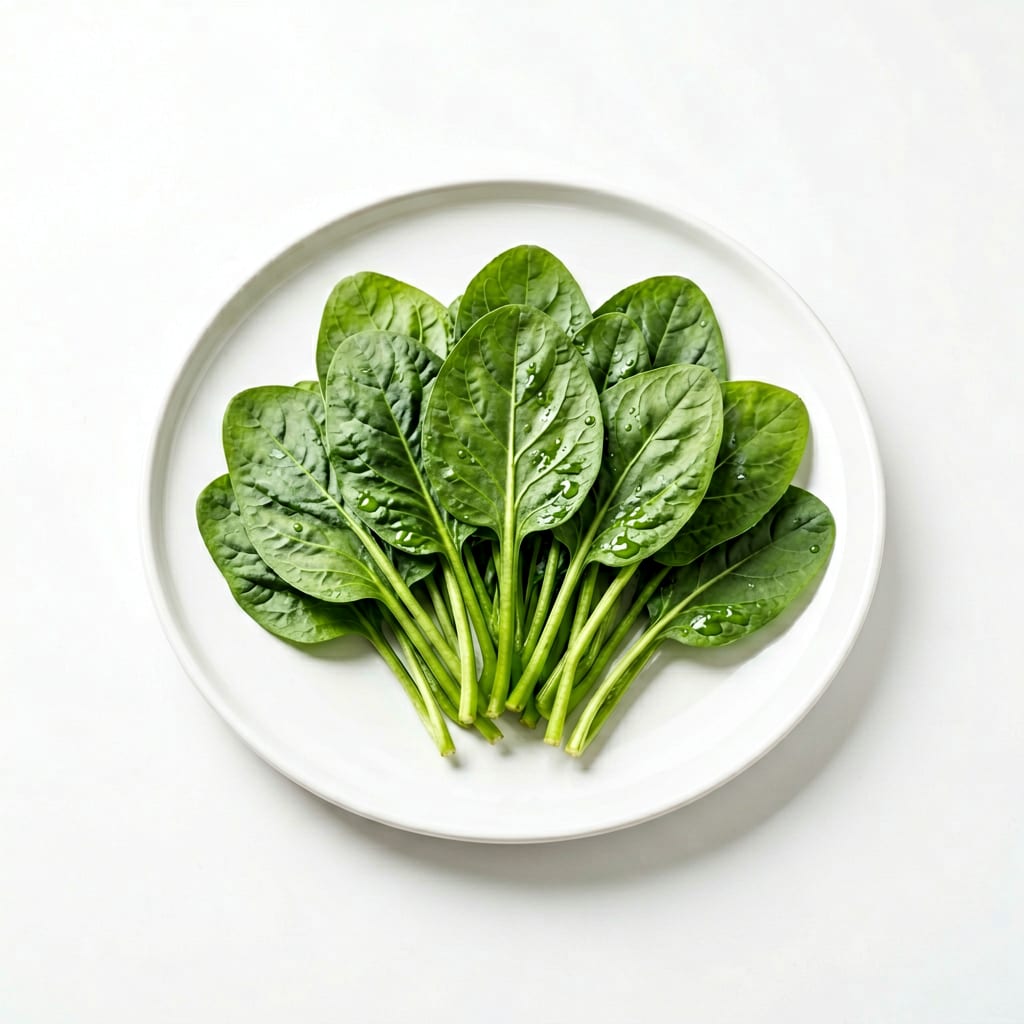
Leafy Green
Malabar Spinach
A heat-tolerant, mucilaginous leafy green vine used as a nutritious vegetable in tropical climates.
A tropical climbing vine plant with thick, fleshy leaves commonly used in Asian and African cuisines, known for its slight mucilaginous texture when cooked.
high-volume low-calorie leafy green
Typical serving · 100g
Common varieties · Green Malabar (Basella alba), Red Malabar (Basella rubra)
Overall context score across nutrition, safety, and diet fit
At a glance
Quick facts
Simple indicators based on nutrition, processing, and diet fit.
The story
What makes it unique
Malabar spinach is a low-energy, high-water leafy green with moderate fiber and mucilage content. It digests slowly due to soluble fiber, promoting satiety and gentle glycemic impact. Its macronutrient profile is negligible in fat and protein but rich in micronutrients like vitamins A and C. Processing is minimal when consumed fresh.
Varieties: Green Malabar (Basella alba) · Red Malabar (Basella rubra)
Per 100g
Nutrition breakdown
Macro balance and key metrics at a glance.
Energy
Density 0.19 kcal/g
Protein
Carbs
Fat
Fiber
Sugar
0.3 g
Sodium
24 mg
Potassium
140 mg
Glycemic index
15
Glycemic load
1
Water content
93%
Standout compounds
Nutrient highlights
Vitamin A
highSupports vision and immune function
Vitamin C
highPromotes collagen synthesis and antioxidant defense
Soluble Fiber
moderateSoothes gut lining and slows digestion
Iron
moderateEssential for oxygen transport in blood
Wellness map
Health scores & processing
NOVA processing scale
Minimally processed · Whole food
Consumed raw or cooked directly from the plant with no industrial processing.
Diet compatibility
- Weight loss
- Muscle gain
- Diabetes
- Gut health
- Low carb
- High protein
- Heart health
Relative standing
Food rankings
Qualitative ranks compared to similar whole foods.
- Satietygood
- Blood sugarexcellent
- Nutrient densitygood
- Fitness fuelmoderate
- Processing qualityexcellent
Eat with confidence
Food safety profile
Generally safe with low contamination risk. Washing thoroughly is recommended to remove soil and potential agricultural residues.
Evidence confidence 85%
- Pesticideslow
- Antibioticslow
- Heavy metalslow
- Contaminationlow
Watch for
- Soil-borne bacteria
- Pesticide residues (if conventionally grown)
Safer choices
Organic or homegrown varieties to minimize pesticide exposure
Prep tips
Rinse leaves thoroughly under running water to remove grit and soil. Cook briefly to reduce oxalates if sensitive.
None significant
Deep dive
Health analysis
How this food may fit different goals and preparation choices.
Weight loss
Extremely low energy density allows large portion sizes, filling the stomach with minimal caloric intake.
Blood sugar
Very low glycemic index and load; the soluble fiber prevents rapid blood sugar spikes.
Fitness & energy
Not a primary energy source, but useful for adding volume and micronutrients to meals without adding heavy macronutrients.
Gut health
Mucilage acts as a prebiotic and soothes the digestive lining, though the slippery texture is disliked by some.
Processing quality
Whole food in its natural state, retaining all inherent nutrients and fiber.
Food safety
Low risk profile; primary concern is proper washing to remove soil contaminants.
Common mistakes
Overcooking into a mushy texture, or avoiding it entirely due to its natural sliminess instead of using it to thicken soups.
Best preparation
Lightly sautéed, added to soups and stews as a thickener, or used fresh in salads when leaves are young.
Practical guide
Best use cases
When and how this food fits real eating patterns.
Natural Soup Thickener
Use instead of flour or cornstarch to thicken stews and soups while adding nutrients.
High-Volume Dieting
Eat large portions to fill the stomach on very few calories during weight loss.
Summer Garden Green
Grows prolifically in hot summer weather when other leafy greens bolt and die.
Balance sheet
Pros & cons
Upsides
- Very low in calories
- High in vitamins A and C
- Mucilage aids digestion and thickens soups
- Thrives in hot weather
- Low glycemic impact
Trade-offs
- Slimy texture when cooked
- Contains oxalates which may inhibit mineral absorption
- Low in protein and fat
- Not as widely available as standard greens
Fit check
Who is it for?
Great match
- weight loss diets
- blood sugar management
- gut health and digestion
- thickening soups naturally
Consider alternatives
- strict oxalate-restricted diets
- people averse to slippery textures
- high-protein diets
Side by side
How it compares
Open the full head-to-head analysis for nutrition, safety, and practical tradeoffs.
This food
Malabar Spinach
VS90% alike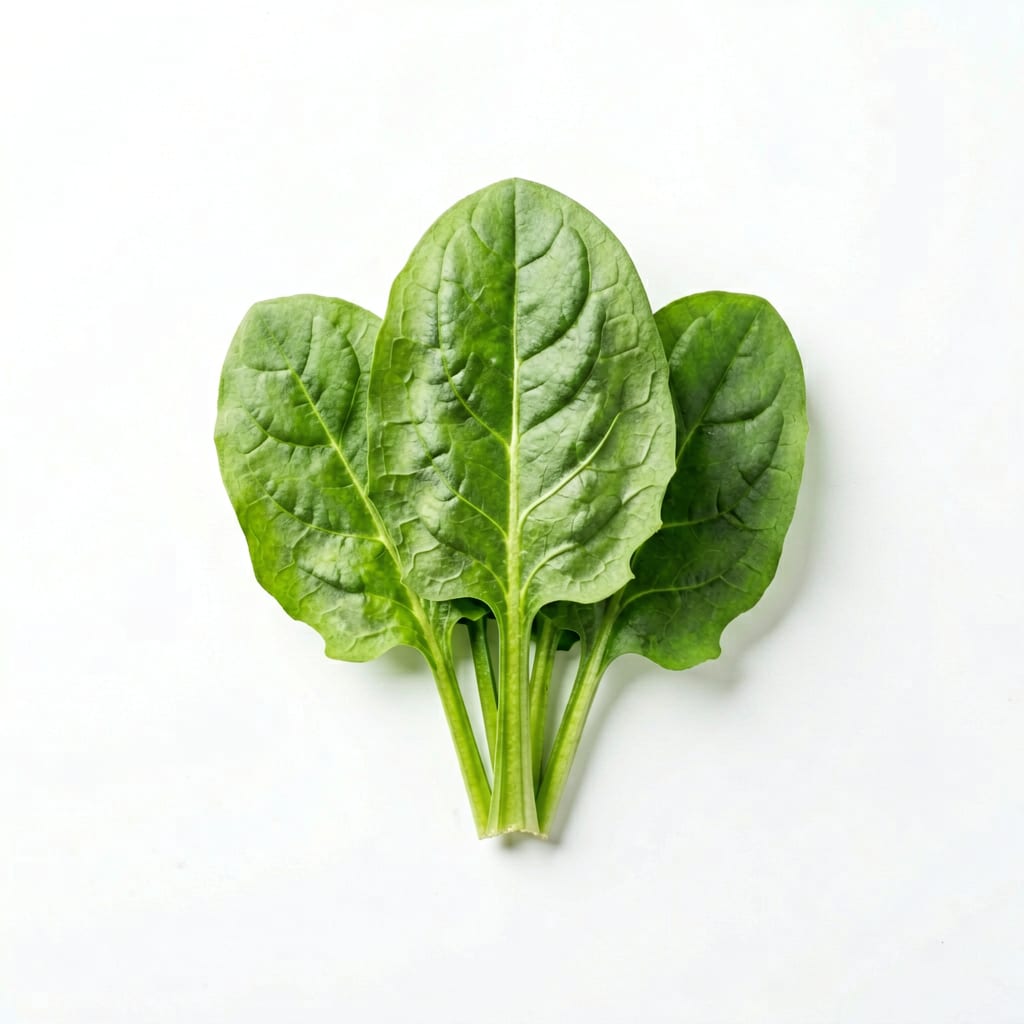
Compare with
Spinach
Spinach is more tender and lacks the slimy texture, while Malabar is better suited for hot climates and soup thickening.
Malabar spinach provides more volume and natural thickening for soups, while regular spinach is more versatile for salads and sautés.
This food
Malabar Spinach
VS85% alike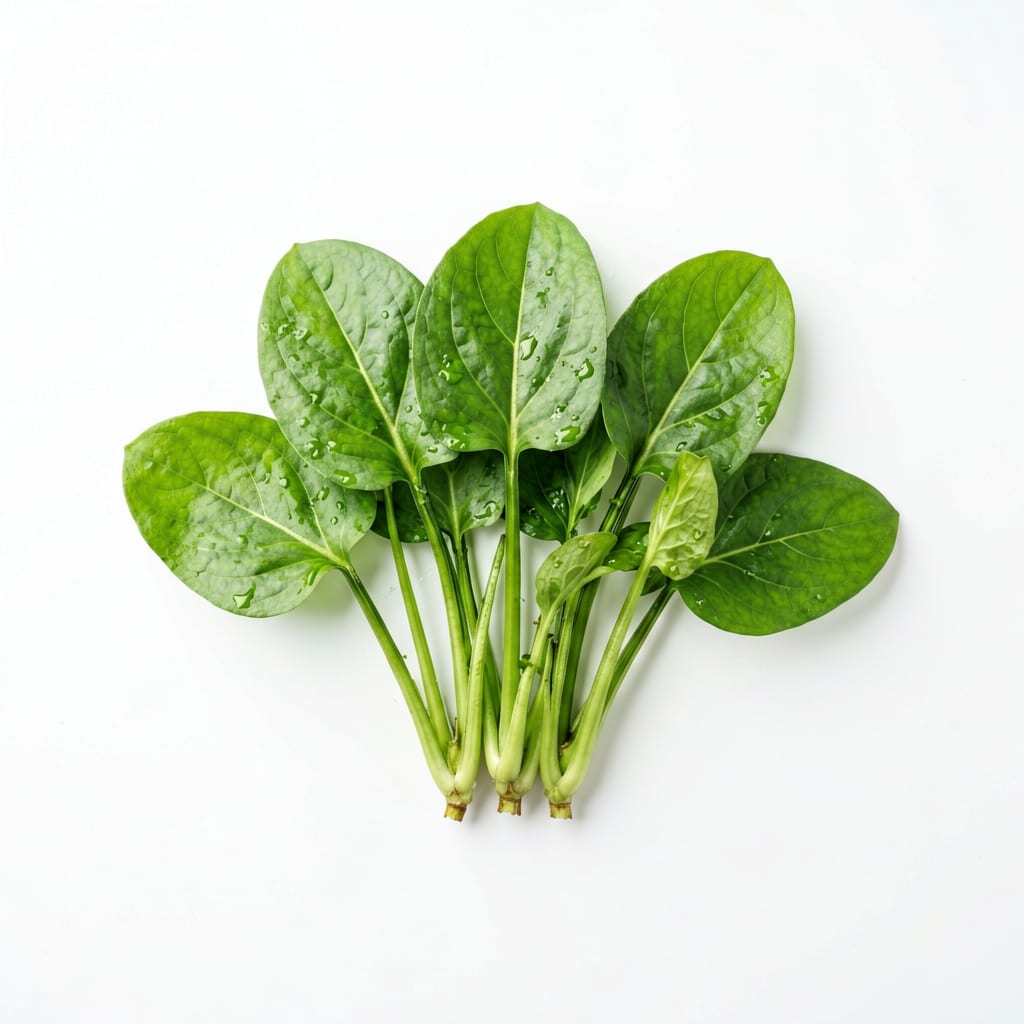
Compare with
Water Spinach
Water spinach has hollow stems and a milder texture without the mucilage, while Malabar is thicker and more filling.
Malabar spinach is lower in calories and higher in fiber, making it better for satiety, while water spinach offers a crisper texture.
This food
Malabar Spinach
VS80% alike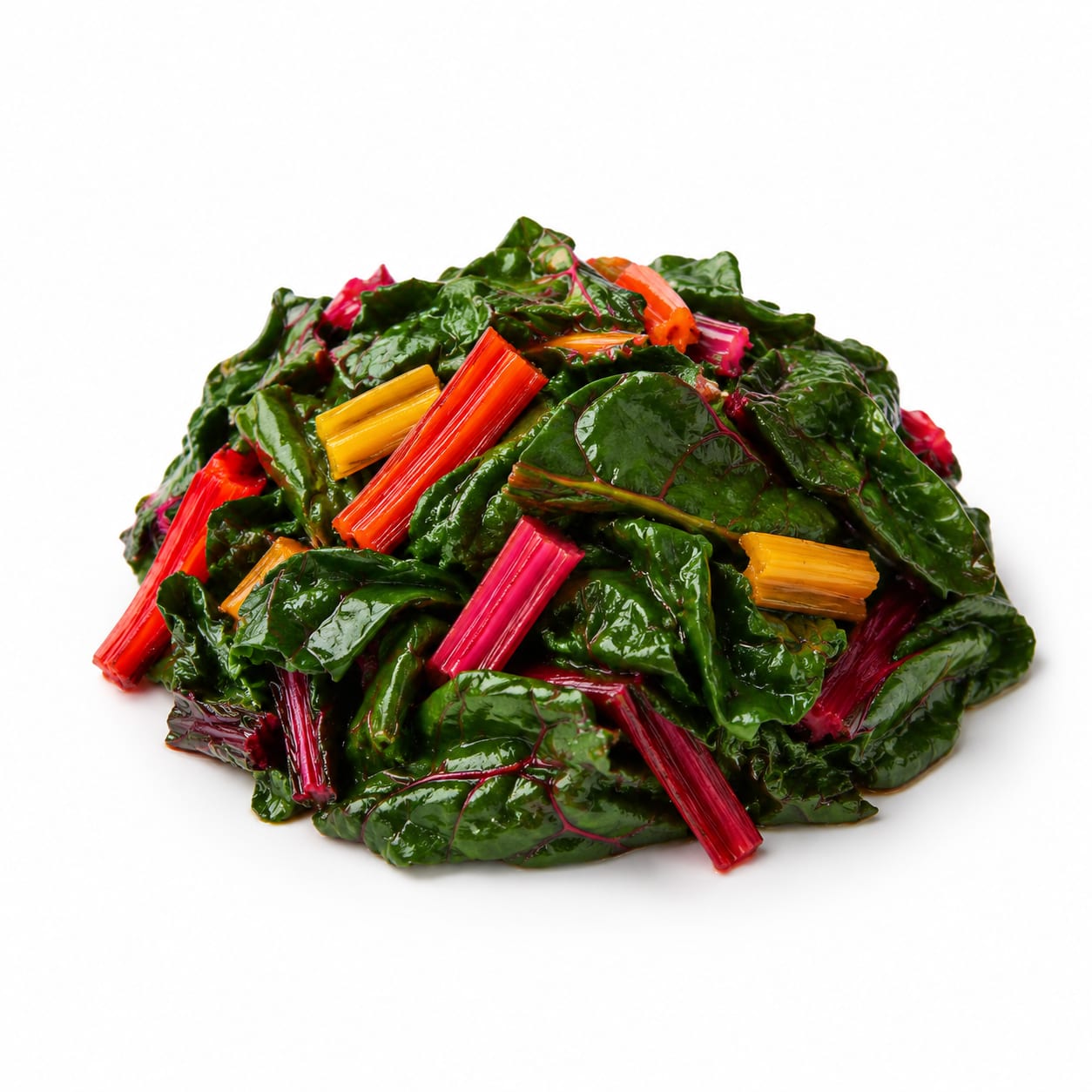
Compare with
Swiss Chard
Swiss chard has an earthy flavor and tougher stems, while Malabar is milder and acts as a thickener.
Swiss chard provides more magnesium and versatility, while Malabar spinach is lower in calories and better for thickening broths.
This food
Malabar Spinach
VS75% alike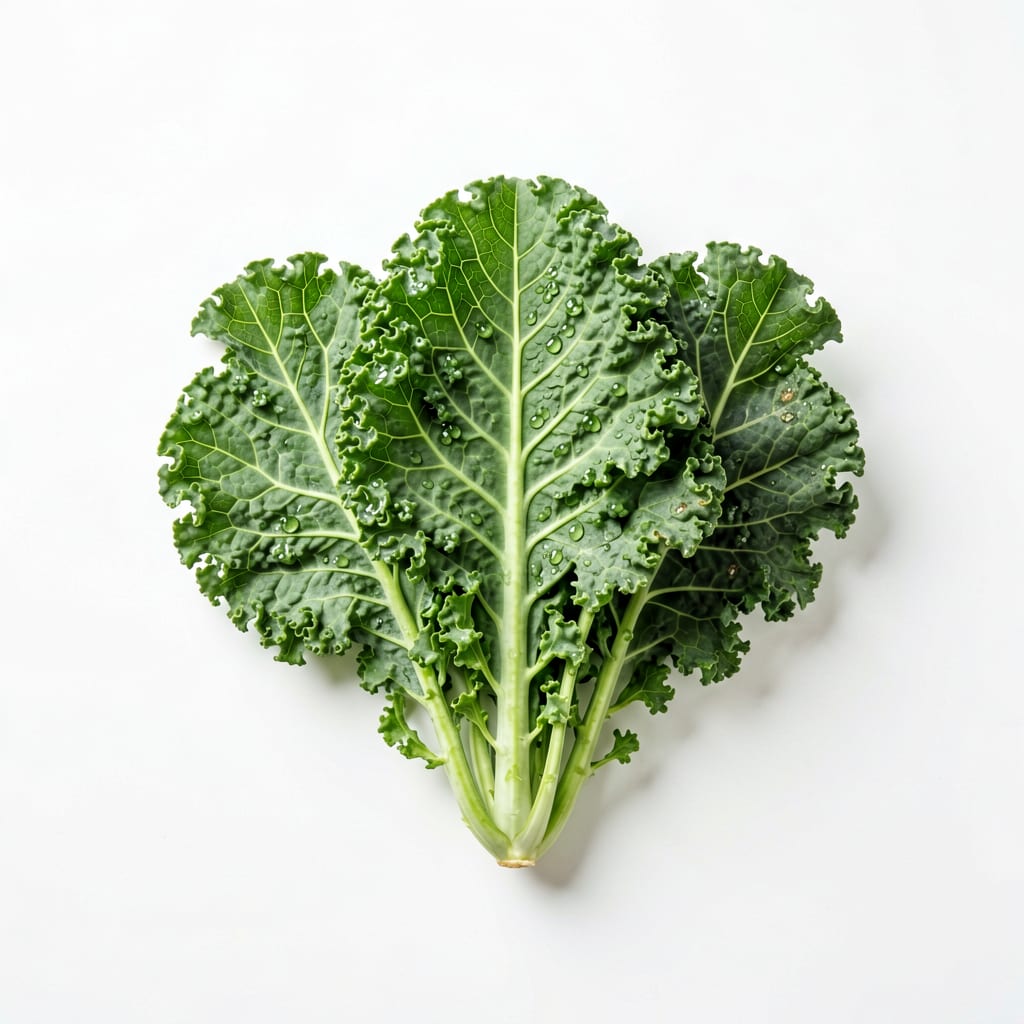
Compare with
Kale
Kale is much denser in nutrients and protein, while Malabar is lighter and better for high-volume eating.
Kale is higher in protein and nutrients per calorie, while Malabar spinach is much lower in calories and better for high-volume, low-energy diets.
This food
Malabar Spinach
VS75% alike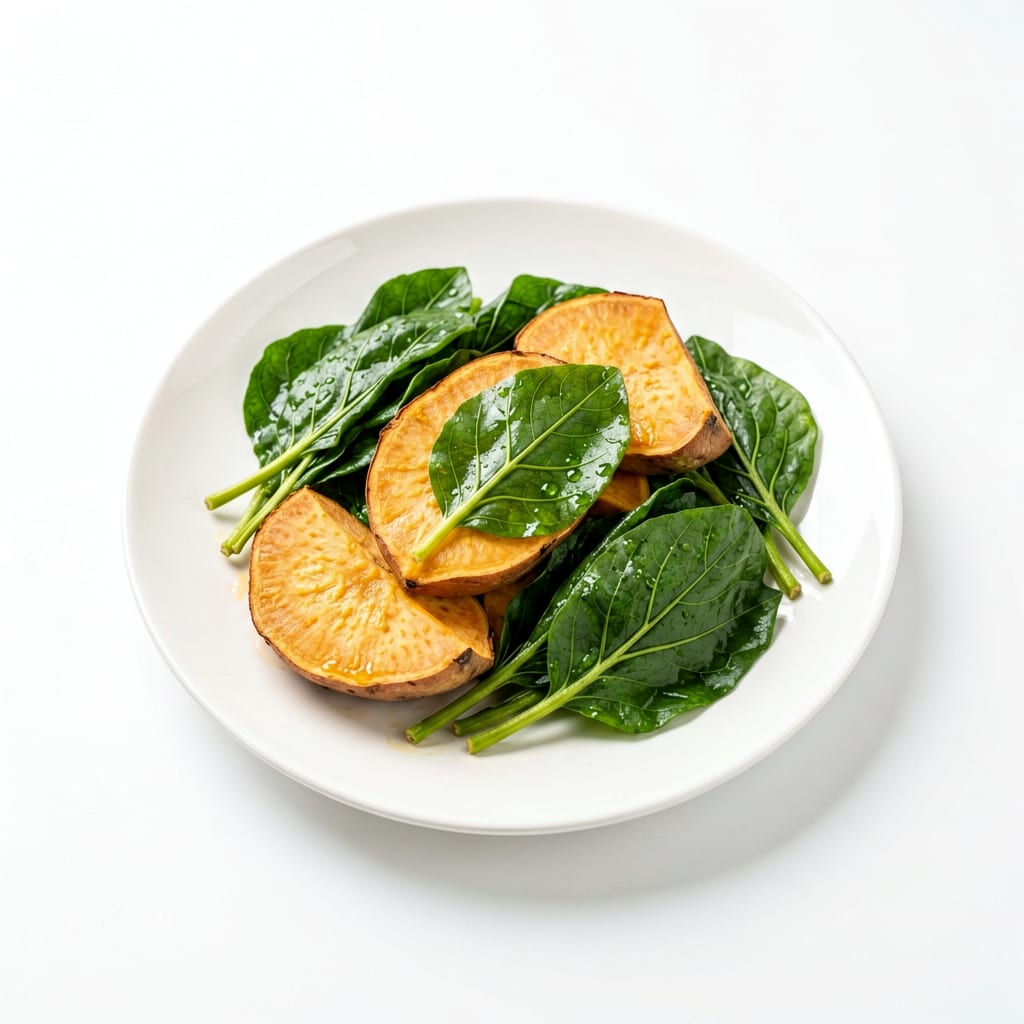
Compare with
Sweet Potato Leaves
Sweet potato leaves lack the mucilage and have a slightly bitter taste, while Malabar is mild and thickening.
Malabar spinach is lower in calories and acts as a natural thickener, whereas sweet potato leaves are less slimy and slightly more nutritious.
This food
Malabar Spinach
VS70% alike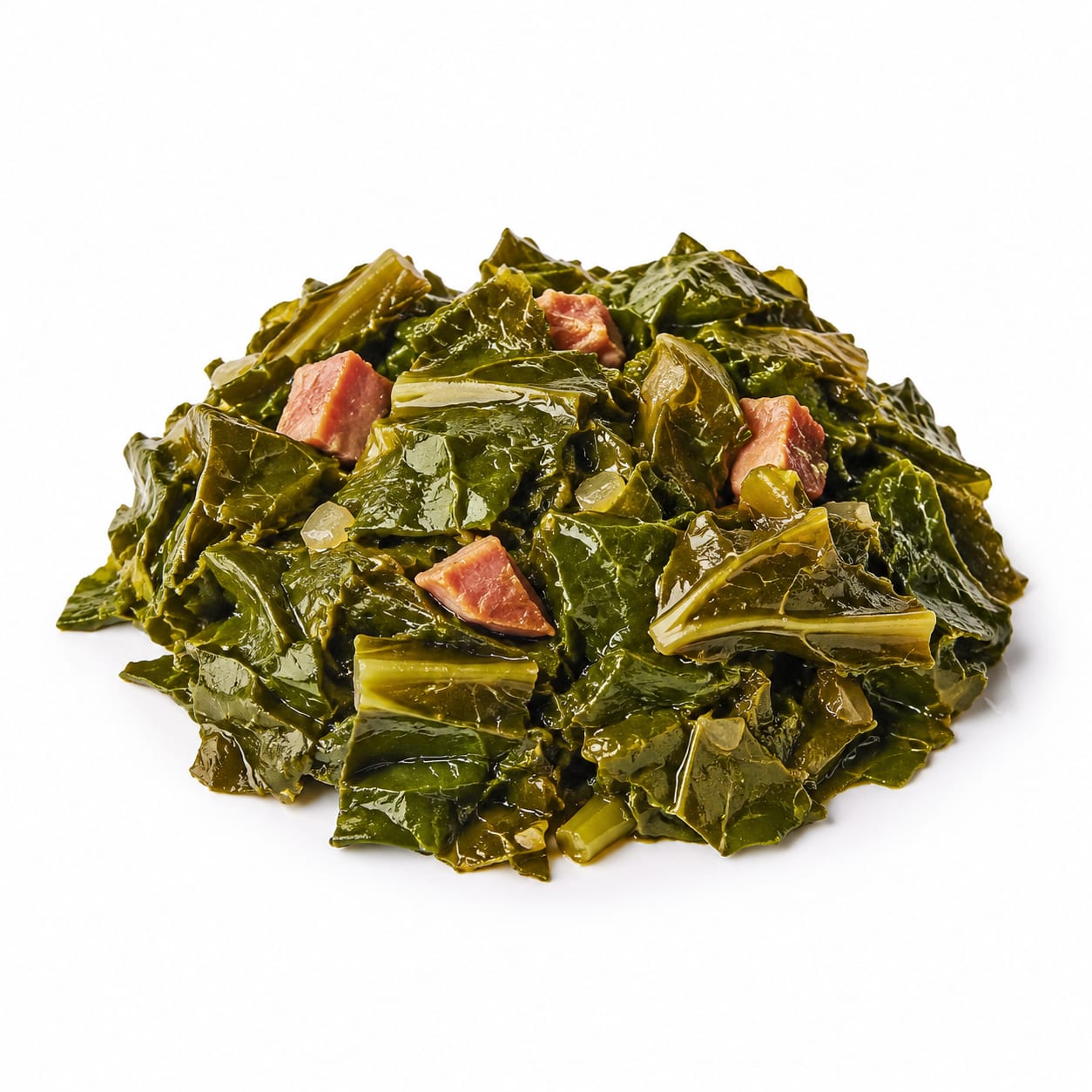
Compare with
Collard Greens
Collards require longer cooking and have a stronger flavor, while Malabar cooks quickly and thickens liquids.
Collard greens are higher in protein and fiber for satiety, while Malabar spinach is significantly lower in calories and better for weight loss volume.
This food
Malabar Spinach
VS65% alike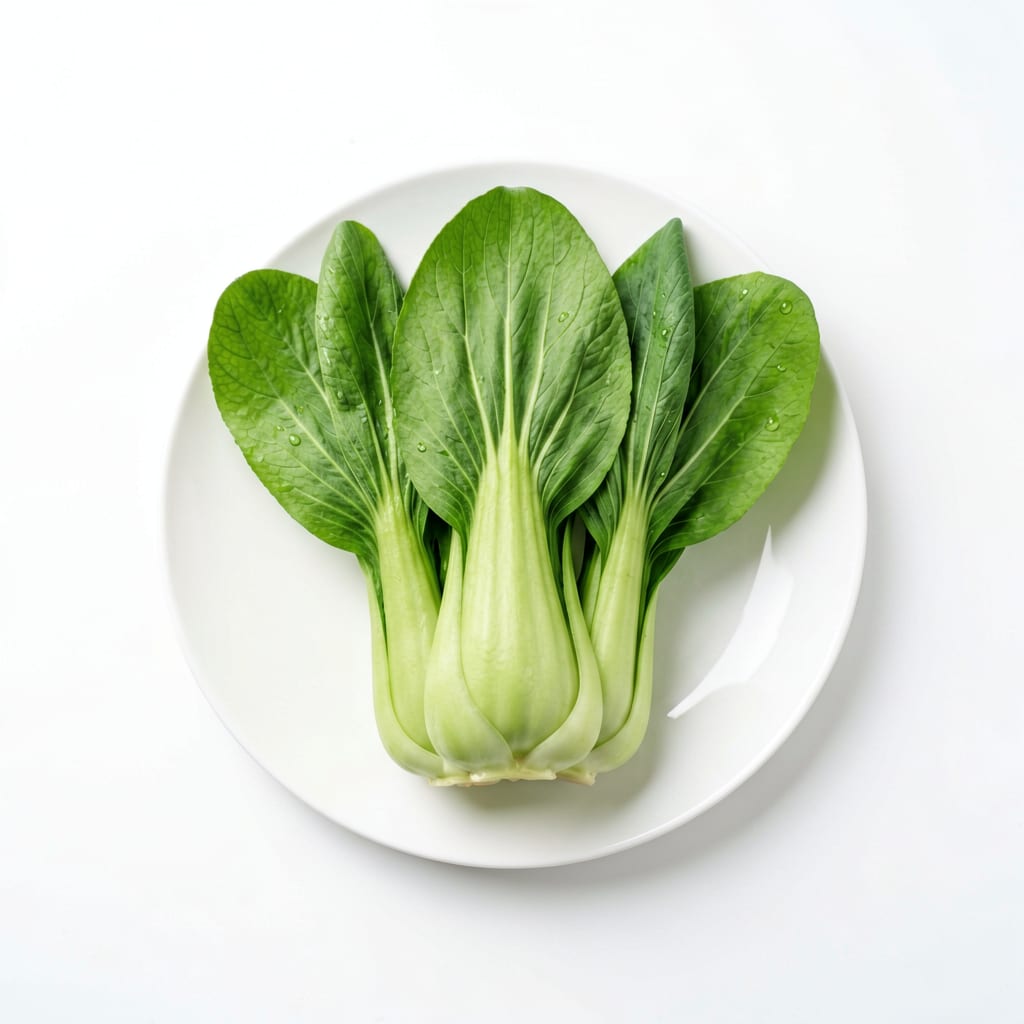
Compare with
Bok Choy
Bok choy offers a crisp texture and mild mustard flavor, while Malabar is soft and mucilaginous.
Bok choy provides a satisfying crunch and more calcium, while Malabar spinach is lower in calories and acts as a soup thickener.
This food
Malabar Spinach
VS60% alike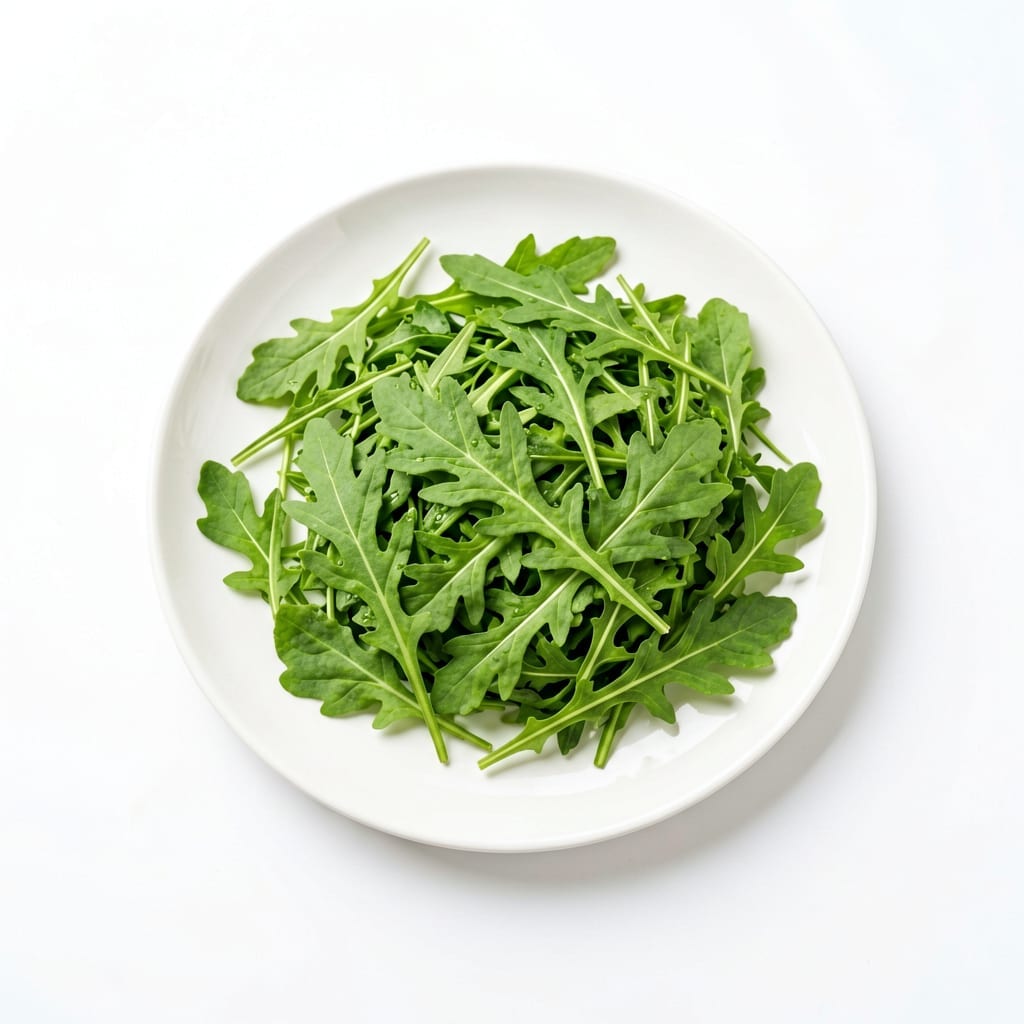
Compare with
Arugula
Arugula is peppery and typically eaten raw, while Malabar is mild and usually cooked.
Arugula is better for salads with its peppery flavor, while Malabar spinach is better for cooked dishes and low-calorie volume eating.
This food
Malabar Spinach
VS55% alike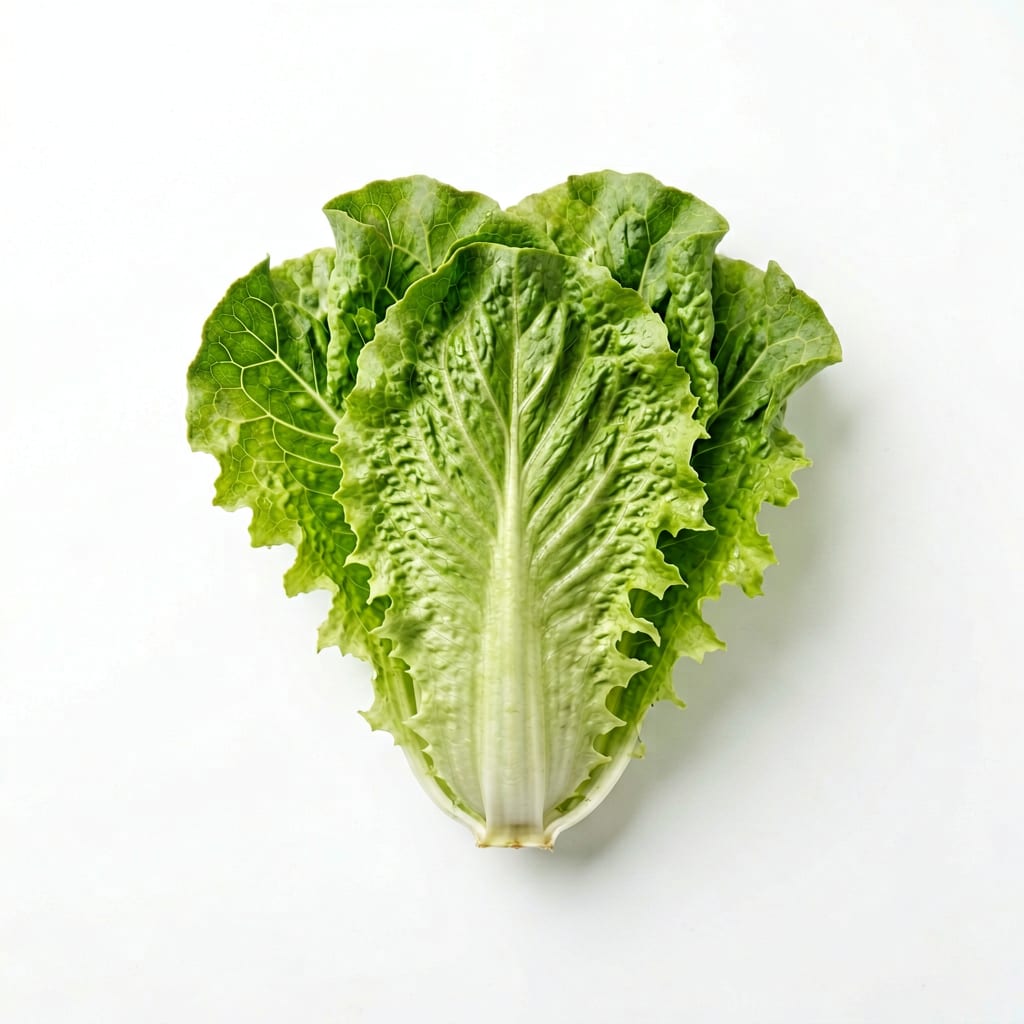
Compare with
Lettuce
Lettuce is crisp and water-rich for raw salads, while Malabar is thicker and cooked.
Lettuce is best for raw salads, while Malabar spinach provides more fiber and mucilage, making it more filling and better for cooked meals.
This food
Malabar Spinach
VS70% alike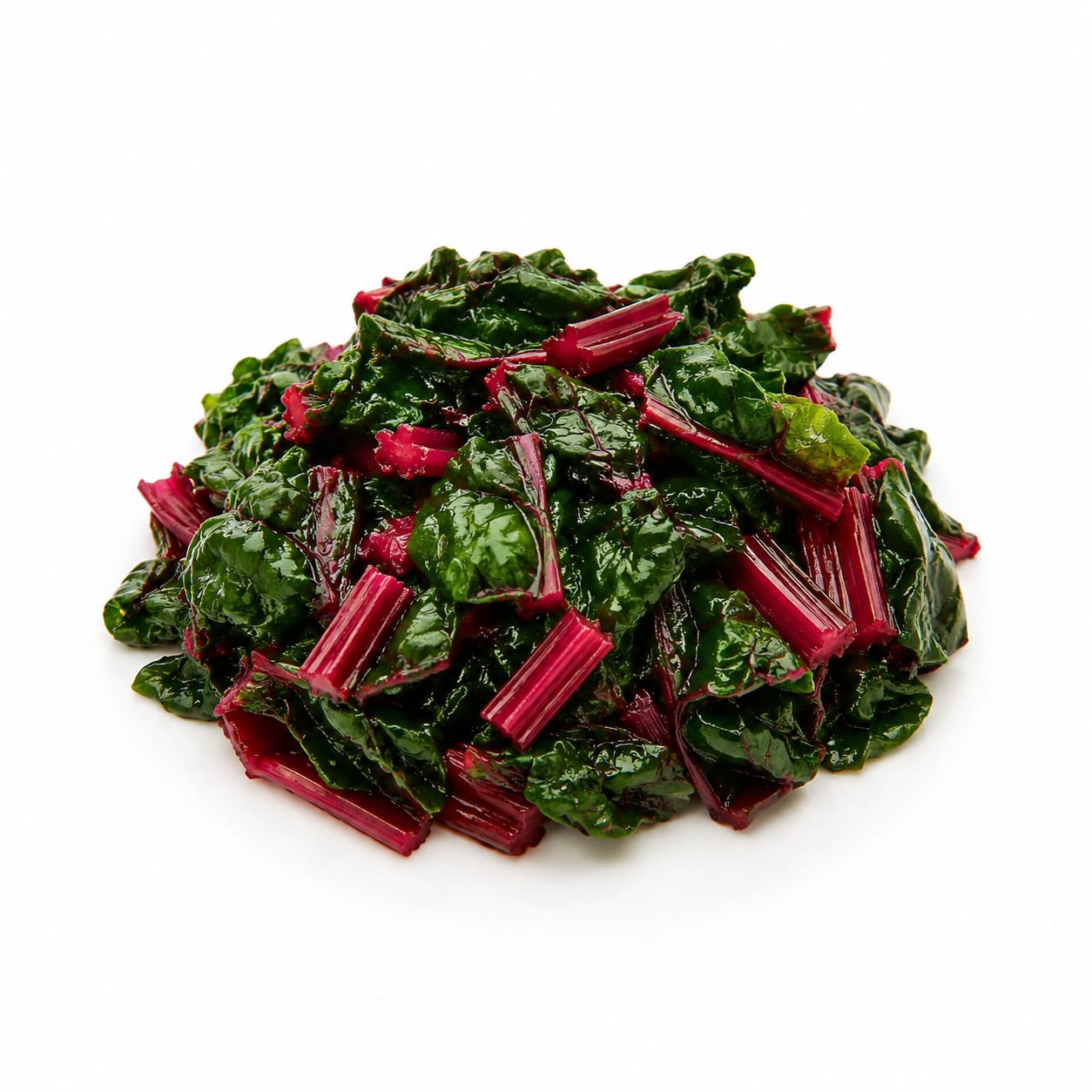
Compare with
Beet Greens
Beet greens have an earthy flavor and higher mineral content, while Malabar is milder and mucilaginous.
Beet greens offer more iron and potassium for fitness recovery, while Malabar spinach is lower in calories and better for gut-soothing mucilage.
Common questions
FAQ
Answers aligned with how people search for this food.
Is Malabar spinach good for weight loss?
Yes, it is very low in calories and high in water and fiber, which helps you feel full without overeating.
Can diabetics eat Malabar spinach?
Yes, it has a very low glycemic index and contains fiber that helps stabilize blood sugar levels.
Why does Malabar spinach get slimy?
The leaves contain mucilage, a soluble fiber that becomes gel-like when heated, acting as a natural thickener.
How does Malabar spinach compare to regular spinach?
It is more heat-tolerant, thicker, and becomes mucilaginous when cooked, whereas regular spinach wilts down and is not slimy.
Can you eat Malabar spinach raw?
Yes, young leaves can be eaten raw in salads, but mature leaves are usually cooked to soften them.
Does Malabar spinach contain oxalates?
Yes, it contains moderate levels of oxalates, though generally less than regular spinach; cooking can help reduce them.
What nutrients is Malabar spinach high in?
It is particularly high in Vitamin A, Vitamin C, iron, and calcium.
How do you cook Malabar spinach?
It is best lightly sautéed, added to curries, or tossed into soups where its mucilage naturally thickens the broth.
Transparency
Data confidence
Estimated confidence for nutrition data, interpretation, safety notes, and comparisons.
Nutrition data
Health analysis
Food safety
Comparisons