
Nutrition comparison
Malabar Spinach vs Lettuce: Which Green Is Actually Better for You?
Malabar Spinach delivers far more iron, calcium, and vitamins than Lettuce, but Lettuce wins on convenience and raw versatility. Compare nutrition, taste, and best uses side by side.
Overall winner · Malabar Spinach
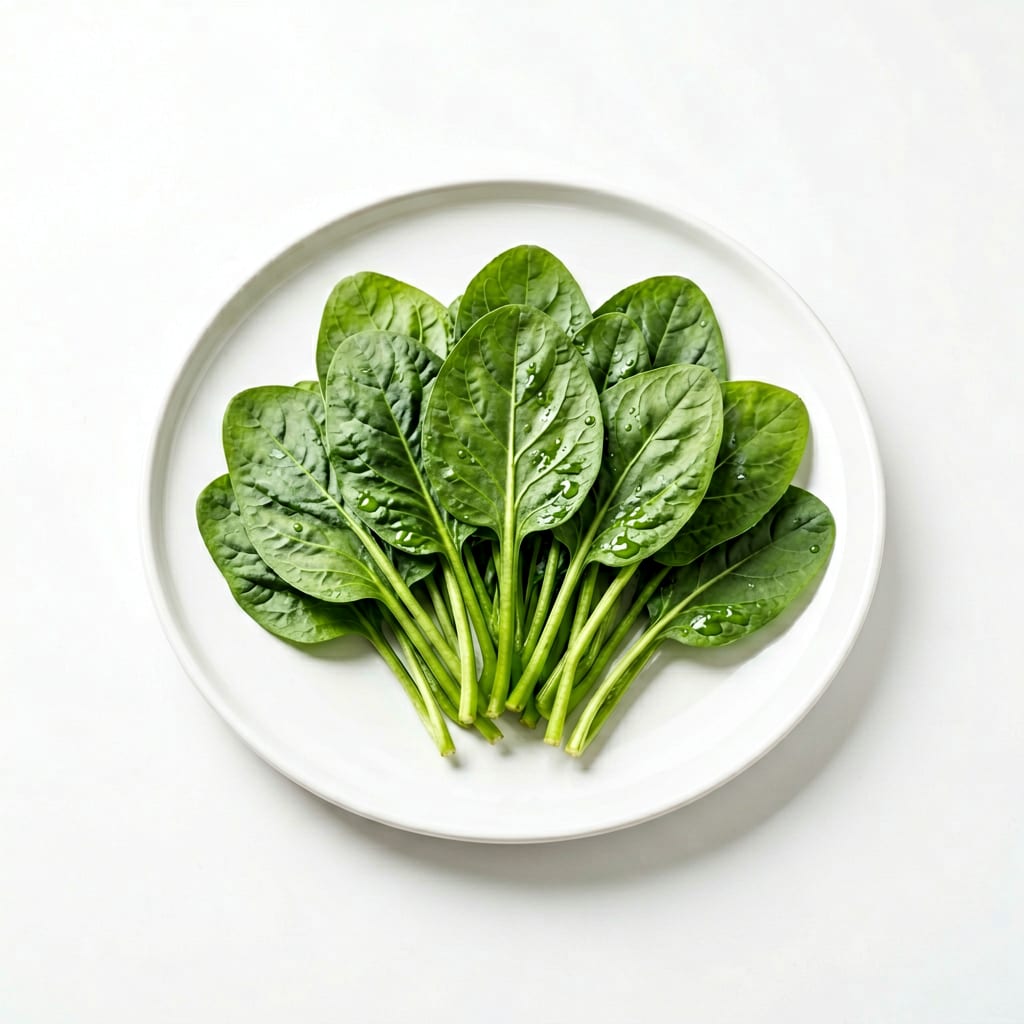
Malabar Spinach
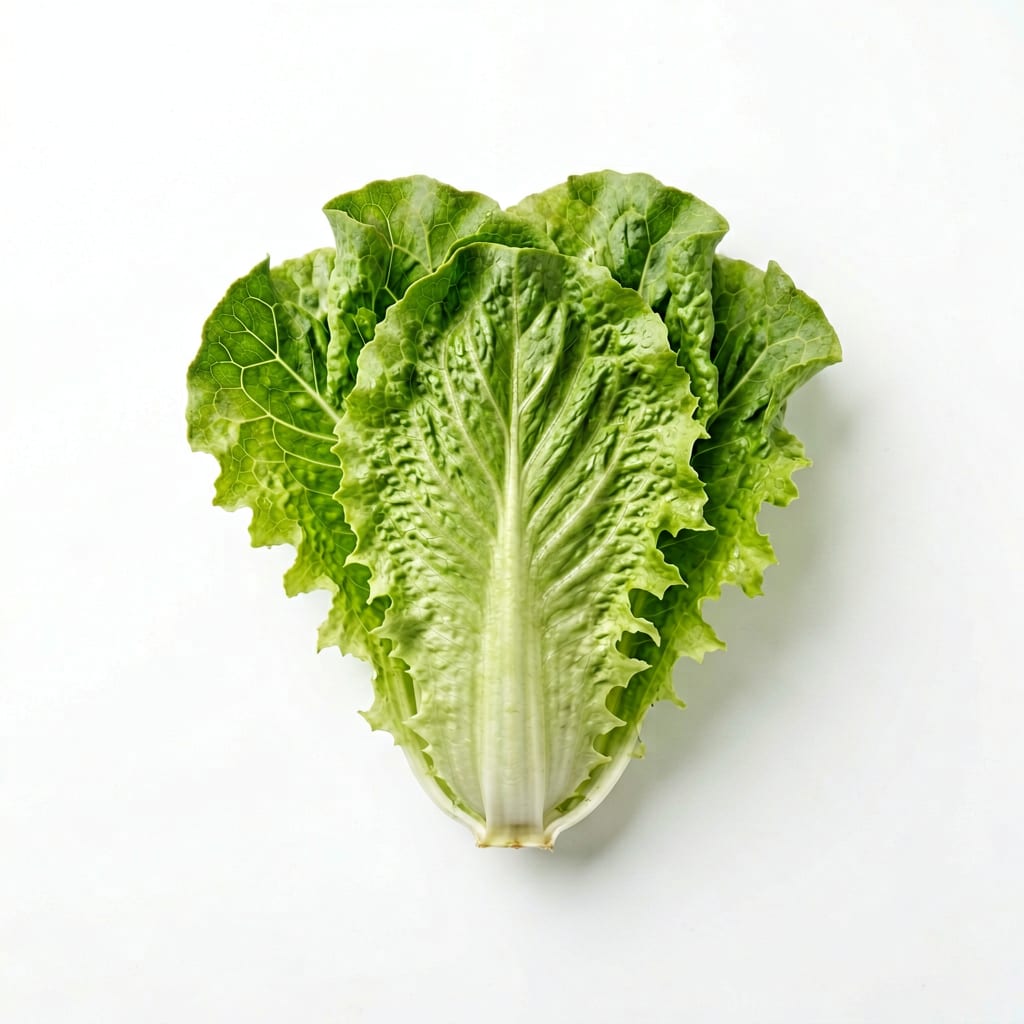
Lettuce
Malabar Spinach is the nutritional powerhouse, delivering far more iron, calcium, and vitamins per bite than Lettuce, but Lettuce wins on convenience and raw versatility.
Malabar Spinach scores notably higher due to its superior nutrient density, especially iron, calcium, and vitamins A and C. Lettuce remains a perfectly healthy choice but delivers far less nutritional value per serving, functioning more as a low-calorie hydration vehicle than a nutrient source.
You gain significantly more nutrients with Malabar Spinach but sacrifice the crisp, raw salad experience and easy availability that Lettuce provides.
At a glance
Executive summary
Overall
Malabar Spinach
Healthier
Malabar Spinach
More practical
Lettuce
Daily use
It depends
Key comparison lenses
nutrient density comparison
Malabar Spinach dramatically outperforms Lettuce in vitamins and minerals per serving, making this the most consequential difference
raw vs cooked green choice
Lettuce is primarily eaten raw while Malabar Spinach is best cooked, fundamentally changing how each fits into meals
iron and mineral deficiency prevention
Malabar Spinach is notably rich in iron and calcium, relevant for vegetarians and those at risk of deficiency
everyday salad green decision
Most users are choosing between these as daily greens and need practical guidance on which serves their routine better
digestive tolerance and oxalate concern
Malabar Spinach contains oxalates that may affect kidney stone-prone individuals, a meaningful safety consideration
Best choice for
Malabar Spinach
- Anyone needing more iron in their diet
- Vegetarians and vegans seeking mineral-dense greens
- Home cooks making soups, stews, and stir-fries
- People in warm climates where it grows easily
- Those wanting maximum nutrition per calorie
Lettuce
- Busy people who want instant no-cook greens
- Salad lovers who prioritize crunch and freshness
- Anyone meal-prepping raw vegetable bases
- People who need widely available affordable greens
- Those who find cooked greens unappealing
Least suitable for
Malabar Spinach
- People prone to kidney stones due to oxalate content
- Those wanting a quick raw salad base
- Anyone unfamiliar with cooking leafy greens
- People in regions where it is hard to find
Lettuce
- Anyone relying on greens as a significant iron source
- Those needing nutrient-dense calories during recovery
- People wanting substantial mineral intake from vegetables
- Anyone seeking a cooked green with body and texture
Deep comparison
Dimension by dimension
Each lens scores both foods and breaks down who each option suits.
- Dimension 1 · Priority 95Malabar Spinach
Nutrient Density
Malabar Spinach · 92Lettuce · 35Malabar Spinach contains dramatically more iron, calcium, vitamin A, and vitamin C per serving than Lettuce.
Tradeoff
You get far more nutrition per bite from Malabar Spinach, but it requires cooking to unlock its full potential.
Why it matters
If you are eating greens partly to meet micronutrient needs, Malabar Spinach does substantially more heavy lifting.
Real-world impact
A single cooked cup of Malabar Spinach can provide a meaningful fraction of your daily iron and calcium, while Lettuce contributes mostly water and trace amounts.
Malabar Spinach
- Preventing iron deficiency
- Boosting calcium intake without dairy
- Getting more vitamin A for eye health
- Supporting immune function with vitamin C
Better for
- People who assume all greens are nutritionally similar and overestimate intake
Worse for
Lettuce
- Keeping meals light when you already eat nutrient-rich foods elsewhere
Better for
- Anyone relying on Lettuce as a primary vegetable nutrient source
Worse for
- Dimension 2 · Priority 82It depends
Culinary Versatility
Malabar Spinach · 65Lettuce · 75Lettuce excels in raw applications while Malabar Spinach shines in cooked dishes. They serve different kitchen roles.
Tradeoff
Lettuce gives you instant raw crunch with zero prep. Malabar Spinach needs cooking but adds body and thickness to dishes.
Why it matters
Your cooking habits and meal style should drive this choice more than nutrition alone.
Real-world impact
If you eat salads daily, Lettuce is irreplaceable. If you cook soups, curries, or stir-fries regularly, Malabar Spinach becomes the more useful green.
Malabar Spinach
- Hearty soups and stews
- Stir-fries and sautés
- Curries where greens wilt into the sauce
- Dishes benefiting from a slightly thickening texture
Better for
- Classic cold salads
- Raw sandwich layering
Worse for
Lettuce
- Fresh salads and wraps
- Burger and sandwich layers
- Quick no-cook meal assembly
- Taco and gyro toppings
Better for
- Cooked dishes where you want the green to contribute substance
Worse for
- Dimension 3 · Priority 80Lettuce
Convenience and Availability
Malabar Spinach · 40Lettuce · 90Lettuce is available in every grocery store and requires no cooking. Malabar Spinach can be hard to find and always needs preparation.
Tradeoff
Lettuce is grab-and-go easy. Malabar Spinach requires sourcing effort and cooking time but rewards you with more nutrition.
Why it matters
The healthiest green only matters if you can actually buy and eat it regularly.
Real-world impact
Most people can get Lettuce any day of the week with zero effort. Malabar Spinach may require specialty stores, farmers markets, or home growing.
Malabar Spinach
- Home gardeners in warm climates
- People near Asian or specialty markets
Better for
- Rural areas with limited produce selection
- Last-minute meal needs
Worse for
Lettuce
- Anyone shopping at conventional grocery stores
- Busy weeknight cooks wanting instant greens
- Meal preppers building quick salad bases
Better for
- Situations where you want a cooked green side dish
Worse for
- Dimension 4 · Priority 72Malabar Spinach
Satiety and Fullness
Malabar Spinach · 75Lettuce · 40Malabar Spinach is more filling due to its higher fiber and protein content and its mucilaginous texture that adds substance to meals.
Tradeoff
Malabar Spinach makes meals feel more complete and satisfying, while Lettuce-based meals often leave you hungry again within an hour.
Why it matters
If you are using greens to help control appetite, the choice significantly affects how full you feel.
Real-world impact
A Malabar Spinach curry with rice feels like a real meal. A Lettuce salad often needs substantial additions to satisfy.
Malabar Spinach
- Weight management through greater fullness
- Making plant-based meals more satisfying
- Reducing between-meal snacking
Better for
- People who dislike the slightly slippery texture when cooked
Worse for
Lettuce
- Light meals when you want to eat less
- Staying refreshed in hot weather
Better for
- Anyone frustrated by salads that never feel filling enough
Worse for
- Dimension 5 · Priority 88Malabar Spinach
Mineral Content
Malabar Spinach · 90Lettuce · 30Malabar Spinach provides significantly more iron, calcium, magnesium, and potassium per serving than Lettuce.
Tradeoff
Malabar Spinach contains oxalates that can reduce mineral absorption, somewhat offsetting its higher mineral content. Cooking helps reduce this.
Why it matters
For vegetarians, vegans, and anyone not eating dairy or red meat, this difference can meaningfully impact daily mineral intake.
Real-world impact
Eating Malabar Spinach regularly can contribute noticeably to your iron and calcium needs. Lettuce barely moves the needle on minerals.
Malabar Spinach
- Vegetarians needing plant-based iron
- People avoiding dairy who need calcium sources
- Those with increased mineral requirements
Better for
- Kidney stone formers who must limit oxalates
Worse for
Lettuce
- People with oxalate-sensitive kidney issues who need low-oxalate greens
Better for
- Anyone counting on salad greens for meaningful mineral intake
Worse for
- Dimension 6 · Priority 55Lettuce
Hydration and Lightness
Malabar Spinach · 50Lettuce · 85Lettuce is over 95% water and delivers a refreshing lightness that Malabar Spinach cannot match in its cooked form.
Tradeoff
Lettuce is perfect when you want to feel light and hydrated. Malabar Spinach feels more substantial and grounding.
Why it matters
In hot weather or after heavy meals, a crisp Lettuce salad feels restorative in ways cooked greens cannot replicate.
Real-world impact
On a summer afternoon, a Lettuce salad feels refreshing and cooling. A bowl of cooked Malabar Spinach feels nourishing but heavier.
Malabar Spinach
- Replacing heavier cooked greens in warm dishes
Better for
- When you crave something crisp and cooling
Worse for
Lettuce
- Hot weather meals needing refreshment
- Light dinners after a heavy lunch
- Staying hydrated through food
Better for
- When you need a vegetable that actually contributes to hunger satisfaction
Worse for
Timeline
Health impact over time
Short-term
Hours to days
Malabar Spinach
- Provides noticeable iron boost which may help energy levels if you are slightly deficient
- High vitamin C content supports immediate immune function
- Mucilaginous fiber can aid digestion and promote regular bowel movements
- May feel more satisfied after meals due to higher protein and fiber
Lettuce
- Excellent hydration from very high water content
- Very gentle on the digestive system with minimal fiber load
- Low calorie intake helps with immediate portion control
- Crunchy texture can satisfy the desire for fresh food without heaviness
Long-term
Months to years
Malabar Spinach
- Regular consumption supports iron status and may help prevent anemia over time
- Calcium content contributes to bone health when consumed consistently
- Antioxidants including betalains may help reduce chronic inflammation
- Oxalate accumulation could increase kidney stone risk in susceptible individuals
Lettuce
- Consistent intake supports hydration habits and low-calorie eating patterns
- Vitamin K content contributes to bone metabolism and blood clotting function
- Very low risk of any adverse effects from long-term consumption
- Unlikely to cause mineral imbalances or digestive issues even with daily use
Risk profile
Safety & processing
Both Malabar Spinach and Lettuce are whole, minimally processed vegetables typically sold fresh without additives. Neither raises processing concerns when purchased as fresh produce.
Malabar Spinach
Oxalate-related kidney stone formation
mediumMalabar Spinach contains moderate oxalates. People with a history of calcium oxalate kidney stones should moderate intake and always cook it to reduce oxalate levels.
Pesticide residue
lowLike all leafy greens, Malabar Spinach can carry pesticide residue. Washing thoroughly or choosing organic reduces this risk.
Contamination from growing conditions
lowSince it grows as a climbing vine close to soil, proper washing is important to remove potential soil-borne contaminants.
Lettuce
E. coli and Salmonella contamination
mediumLettuce has been linked to multiple foodborne illness outbreaks. Always wash thoroughly and avoid bags with excessive moisture.
Pesticide residue
mediumLettuce frequently appears on the Environmental Working Group's Dirty Dozen list due to pesticide concerns. Organic options are advisable when possible.
Nitrate accumulation
lowLettuce can accumulate nitrates, especially when grown with heavy nitrogen fertilization. This is a minor concern for most adults but worth noting for infants.
Who wins for whom
Audience fit
Same foods, different winners depending on your goal.
children
LettuceLettuce is milder, crisper, and easier for children to accept raw. Malabar Spinach's slippery cooked texture can be a hard sell for picky eaters.
daily consumption
It dependsLettuce is easier to eat daily due to availability and zero prep. Malabar Spinach delivers more nutrition per serving but requires cooking and sourcing effort. Rotate both if possible.
diabetes
Malabar SpinachBoth are extremely low glycemic, but Malabar Spinach offers more fiber and magnesium, both of which support better blood sugar regulation over time.
elderly
Malabar SpinachOlder adults benefit more from Malabar Spinach's higher iron, calcium, and vitamin content, which addresses common age-related deficiencies. The cooked texture is also easier to chew.
muscle gain
Malabar SpinachMalabar Spinach provides more protein per serving and significantly more iron, which supports oxygen delivery to muscles during training.
weight loss
It dependsLettuce is lower in calories and great for volume eating, but Malabar Spinach is more filling and nutrient-dense, which helps prevent cravings. Choose based on whether you prefer raw salads or cooked dishes.
Your move
Decision guide
Choose Malabar Spinach
- You want maximum nutrition from your greens
- You cook regularly and enjoy soups, stews, or stir-fries
- You are vegetarian or vegan and need more iron and calcium
- You live in a warm climate where Malabar Spinach grows easily
- You feel unsatisfied after eating salads and want something more filling
Choose Lettuce
- You eat salads daily and want a reliable raw base
- You need something quick with zero cooking required
- You have limited access to specialty produce
- You are prone to kidney stones and need low-oxalate greens
- You prefer light, refreshing meals over cooked vegetables
Either works if
- You simply want more vegetables in your diet regardless of type
- You are meeting your nutritional needs from other foods already
- You enjoy both raw and cooked greens and can rotate them
Avoid both if
- You have a specific leafy green allergy
- You are looking for a significant protein source rather than a vegetable side
Final recommendation
Eat Malabar Spinach when you can find it and have time to cook. It delivers substantially more nutrition per serving than Lettuce. But keep Lettuce in your routine for raw meals and convenience. The ideal approach is using both: Malabar Spinach for cooked dishes where its nutrients and texture shine, and Lettuce for salads and quick raw meals. If you must pick one for health outcomes, Malabar Spinach is the stronger nutritional choice.
Practical
Consumer tips
- 1
Boiling Malabar Spinach briefly and discarding the water reduces oxalate content by up to 40%, making its minerals more absorbable
- 2
Pair Malabar Spinach with a vitamin C source like lemon juice or tomatoes to boost iron absorption significantly
- 3
Choose organic Lettuce when possible since it consistently ranks high for pesticide residue
- 4
Store Malabar Spinach like other tender greens in a breathable bag in the fridge and use within 3-4 days
- 5
If you cannot find fresh Malabar Spinach locally, check frozen options at Asian grocery stores
- 6
Growing Malabar Spinach at home is surprisingly easy in warm climates and gives you a continuous supply through summer
- 7
For the best of both worlds, add raw Lettuce to your lunch salad and cooked Malabar Spinach to your dinner