
Nutrition comparison
Malabar Spinach vs Sweet Potato Leaves: Which Leafy Green Is Better for You?
Compare Malabar Spinach and Sweet Potato Leaves side by side. Learn which offers more vitamins, better texture, easier cooking, and stronger sustainability for your health goals.
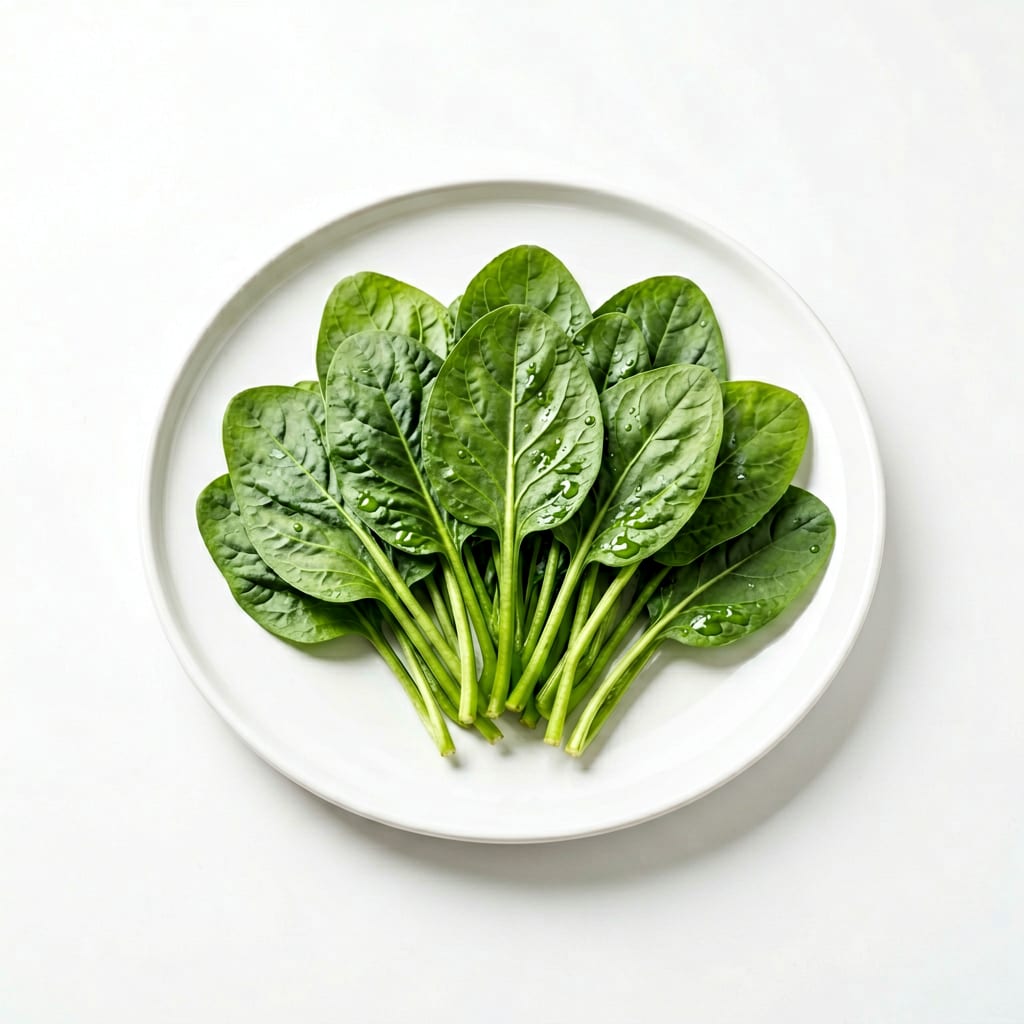
Malabar Spinach
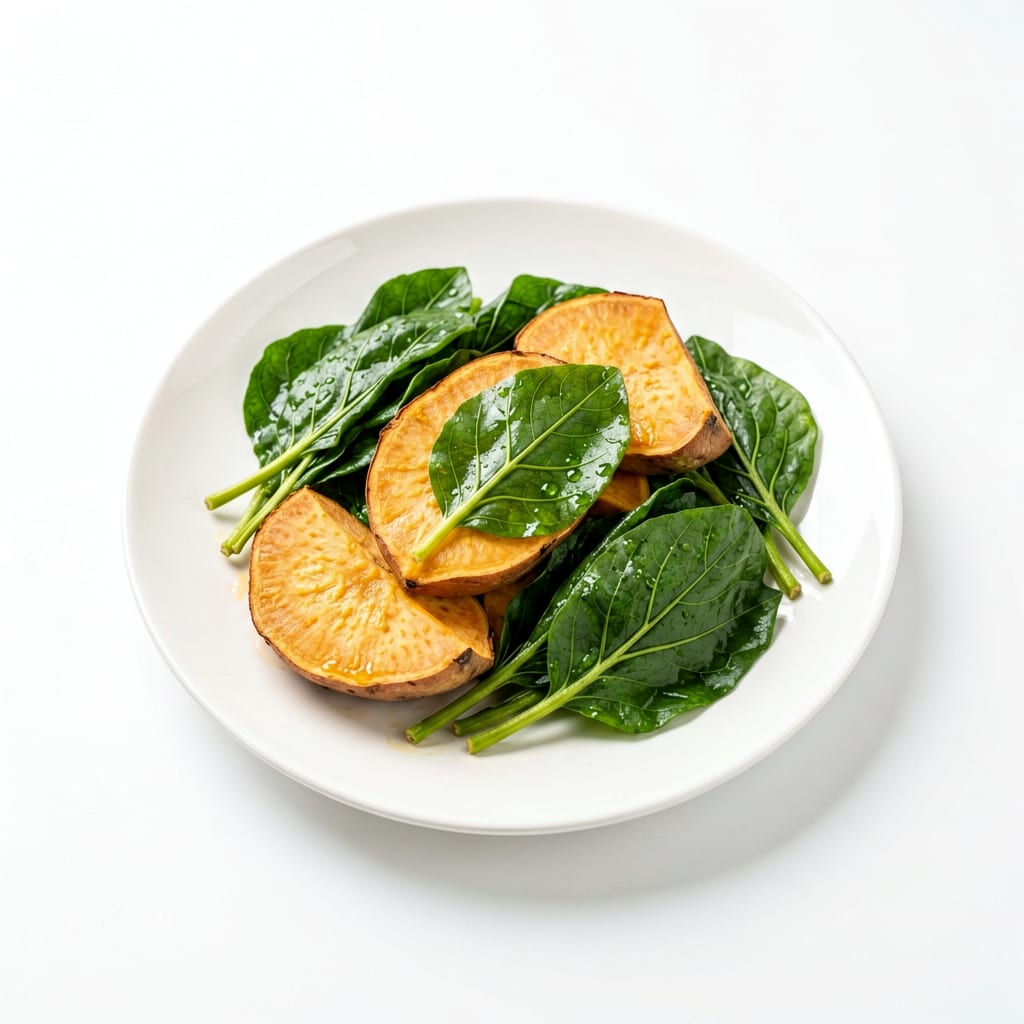
Sweet Potato Leaves
Malabar Spinach edges ahead on certain vitamins and mucilage-driven gut benefits, while Sweet Potato Leaves win on broader nutrient balance, milder texture, and sustainability.
Sweet Potato Leaves score slightly higher due to better culinary adaptability, stronger vitamin K content, and the sustainability advantage of dual-harvest use. Malabar Spinach remains excellent but its divisive texture and narrower cooking applications hold it back.
Malabar Spinach offers a unique soothing mucilage and slightly more vitamin C, but its slippery texture is polarizing. Sweet Potato Leaves deliver a more familiar eating experience with better vitamin K and a dual-harvest sustainability advantage.
At a glance
Executive summary
Overall
It depends
Healthier
Sweet Potato Leaves
More practical
Sweet Potato Leaves
Daily use
Sweet Potato Leaves
Key comparison lenses
nutrient density comparison between two underutilized leafy greens
Both are nutrient powerhouses but with distinct vitamin and mineral profiles that matter for daily food choices
culinary versatility and cooking behavior
Malabar Spinach has a unique mucilaginous texture that divides opinion, while Sweet Potato Leaves cook more like conventional greens
sustainability and food waste reduction
Sweet Potato Leaves are a byproduct of root harvesting, making them an exceptionally sustainable choice
antioxidant and anti-inflammatory benefits
Both offer strong antioxidant profiles but through different compounds, affecting long-term health outcomes differently
accessibility and cultural familiarity
Both are tropical vegetables with limited availability in Western markets, but Sweet Potato Leaves may be easier to grow at home
Best choice for
Malabar Spinach
- People seeking digestive soothing from mucilage
- Anyone needing extra vitamin C and iron
- Tropical gardeners wanting a heat-tolerant vine green
- Those who enjoy okra-like textures in soups and stews
Sweet Potato Leaves
- People wanting a mild, spinach-like cooking green
- Anyone prioritizing vitamin K for bone health
- Home gardeners who already grow sweet potatoes
- Families needing a more universally palatable leafy green
Least suitable for
Malabar Spinach
- People who dislike slimy or mucilaginous textures
- Those with oxalate sensitivity requiring low-oxalate diets
- Anyone seeking a conventional salad green
Sweet Potato Leaves
- People on blood-thinning medications who must limit vitamin K
- Those without access to sweet potato greens or Asian markets
- Anyone allergic to morning glory family plants
Deep comparison
Dimension by dimension
Each lens scores both foods and breaks down who each option suits.
- Dimension 1 · Priority 95Sweet Potato Leaves
Vitamin and Mineral Density
Malabar Spinach · 72Sweet Potato Leaves · 82Sweet Potato Leaves deliver a broader and more balanced micronutrient spread, especially vitamin K, while Malabar Spinach concentrates more heavily on vitamin C and iron.
Tradeoff
Malabar Spinach gives you more vitamin C per bite, but Sweet Potato Leaves cover more nutritional ground overall including vitamin K, B vitamins, and potassium.
Why it matters
A single serving of Sweet Potato Leaves can cover over 100% of daily vitamin K needs, which is critical for bone density and blood clotting. Malabar Spinach excels at vitamin C but leaves gaps elsewhere.
Real-world impact
If you eat leafy greens as your primary vitamin source, Sweet Potato Leaves give you more reliable coverage across multiple nutrients without needing to supplement.
Malabar Spinach
- Boosting vitamin C intake naturally
- Increasing iron absorption when paired with other iron-rich foods
Better for
- Lower vitamin K means less direct bone health support
- Narrower overall micronutrient coverage
Worse for
Sweet Potato Leaves
- Meeting vitamin K needs for bone health
- Getting a wider spectrum of B vitamins
- Supporting electrolyte balance with more potassium
Better for
- Slightly less vitamin C per serving compared to Malabar Spinach
Worse for
- Dimension 2 · Priority 88Sweet Potato Leaves
Culinary Versatility and Eating Experience
Malabar Spinach · 60Sweet Potato Leaves · 82Sweet Potato Leaves cook and taste like a conventional leafy green, making them easy to incorporate into most recipes. Malabar Spinach has a slippery, mucilaginous texture that works well in some dishes but limits its appeal.
Tradeoff
Malabar Spinach adds body and thickening to soups and stews, which is unique and useful. But that same slime factor makes it unsuitable for salads, stir-fries, or any preparation where a firm texture matters.
Why it matters
The best healthy food is one you actually want to eat regularly. Texture aversion is one of the top reasons people abandon leafy greens.
Real-world impact
Sweet Potato Leaves can replace spinach or kale in most recipes without complaint. Malabar Spinach requires recipe-specific adaptation and may face family resistance at the dinner table.
Malabar Spinach
- Thickening soups and stews naturally without flour or cream
- Adding body to Filipino-style dishes like laing or sinigang
Better for
- Cannot be used as a raw salad green
- Slippery texture puts off many eaters, especially children
Worse for
Sweet Potato Leaves
- Sautéing, steaming, or stir-frying like any standard green
- Using raw in salads when young and tender
- Sneaking into smoothies without texture issues
Better for
- Cannot thicken dishes the way Malabar Spinach mucilage can
Worse for
- Dimension 3 · Priority 82Malabar Spinach
Digestive Health and Gut Soothing
Malabar Spinach · 85Sweet Potato Leaves · 72Malabar Spinach contains mucilage that coats and soothes the digestive tract, giving it a distinct advantage for people with irritated guts. Sweet Potato Leaves offer good fiber but lack the soothing component.
Tradeoff
The mucilage in Malabar Spinach acts like a gentle internal bandage for inflamed digestive linings, but it can feel unpleasant in the mouth. Sweet Potato Leaves support healthy digestion through fiber alone.
Why it matters
For anyone with IBS, gastritis, or sensitive digestion, mucilaginous foods can provide real symptom relief that regular fiber cannot match.
Real-world impact
If your stomach is easily upset, a bowl of Malabar Spinach soup can feel genuinely soothing. Sweet Potato Leaves are perfectly fine for digestion but do not offer that extra calming effect.
Malabar Spinach
- Soothing an inflamed or irritated digestive tract
- Providing prebiotic mucilage that feeds beneficial gut bacteria
- Helping with mild constipation through both fiber and mucilage
Better for
- Mucilage can cause gagging or aversion in texture-sensitive eaters
Worse for
Sweet Potato Leaves
- Supporting regular bowel movements through straightforward fiber
- Gentle enough for most digestive sensitivities without texture issues
Better for
- Lacks the active gut-soothing properties of mucilage
Worse for
- Dimension 4 · Priority 78It depends
Antioxidant and Anti-Inflammatory Power
Malabar Spinach · 76Sweet Potato Leaves · 78Both greens are strong antioxidant sources, but they shine in different areas. Malabar Spinach has more betalains and vitamin C, while Sweet Potato Leaves are richer in polyphenols and carotenoids.
Tradeoff
Malabar Spinach provides water-soluble antioxidants that act quickly in the body. Sweet Potato Leaves offer more fat-soluble antioxidants like beta-carotene that accumulate and provide longer-term protection.
Why it matters
A diverse antioxidant intake matters more than loading up on one type. Both greens complement each other well if you rotate them.
Real-world impact
Eating Malabar Spinach gives you a quick antioxidant burst, especially for immune support. Sweet Potato Leaves build more sustained antioxidant reserves over time, particularly for eye and skin health.
Malabar Spinach
- Quick immune system support from high vitamin C
- Betalain pigments that reduce acute inflammation
Better for
- Fewer fat-soluble antioxidants that accumulate over time
Worse for
Sweet Potato Leaves
- Long-term eye and skin protection from beta-carotene
- Polyphenols linked to reduced chronic disease risk
Better for
- Less immediate immune-boosting vitamin C per serving
Worse for
- Dimension 5 · Priority 75Sweet Potato Leaves
Sustainability and Environmental Impact
Malabar Spinach · 70Sweet Potato Leaves · 88Sweet Potato Leaves are a rare dual-purpose crop: you harvest the roots for calories and the leaves for nutrients. Malabar Spinach is productive but serves a single purpose.
Tradeoff
Growing sweet potatoes gives you two foods from one plant, dramatically improving land-use efficiency. Malabar Spinach is a prolific grower in hot climates but only provides leaves.
Why it matters
In a world where arable land is shrinking, crops that deliver multiple food outputs from the same space are genuinely more sustainable.
Real-world impact
A single sweet potato plant can feed you carb-rich roots and nutrient-dense leaves for months. Malabar Spinach requires dedicated space and only gives you greens.
Malabar Spinach
- Extremely heat-tolerant and thrives in tropical summers when other greens fail
- Perennial vine that keeps producing with minimal replanting
Better for
- Single-use crop with no secondary food yield
- Can become invasive in some tropical environments
Worse for
Sweet Potato Leaves
- Dual harvest of roots and leaves from one crop
- Reduces food waste by using leaves that are often discarded
- Grows easily in home gardens across many climates
Better for
- Leaf harvest must be timed carefully to avoid reducing root yield
Worse for
- Dimension 6 · Priority 70Sweet Potato Leaves
Accessibility and Ease of Adoption
Malabar Spinach · 55Sweet Potato Leaves · 68Neither green is commonly found in mainstream Western supermarkets, but Sweet Potato Leaves are easier to source if you grow your own sweet potatoes or shop at Asian markets.
Tradeoff
Malabar Spinach is harder to find fresh and more intimidating to cook for newcomers. Sweet Potato Leaves benefit from the familiarity of the sweet potato name, even if the leaves are unfamiliar.
Why it matters
The healthiest vegetable does nothing for you if you cannot find or cook it. Accessibility determines whether a food becomes a habit or a one-time experiment.
Real-world impact
If you already grow sweet potatoes, the leaves are free and always available. Malabar Spinach typically requires a dedicated search at specialty stores or seed catalogs.
Malabar Spinach
- Widely available in tropical and subtropical regions
- Seeds are easy to order online for home growing
Better for
- Rarely stocked in conventional grocery stores
- Unfamiliar name and appearance discourages trying it
Worse for
Sweet Potato Leaves
- Available to anyone who grows sweet potatoes
- Found in many Asian and African grocery stores
- More intuitive to cook for people new to unusual greens
Better for
- Still not a mainstream item in most Western markets
Worse for
Timeline
Health impact over time
Short-term
Hours to days
Malabar Spinach
- Mucilage provides immediate soothing for throat and stomach irritation
- Vitamin C supports quick immune response during early cold symptoms
- High water content helps with hydration in hot weather
- Mild laxative effect can relieve occasional constipation within hours
Sweet Potato Leaves
- Potassium helps with quick recovery from muscle cramps
- B vitamins support steady energy without stimulants
- Fiber promotes satisfying bowel movements within a day
- Beta-carotene gives a subtle skin warmth and glow with regular consumption
Long-term
Months to years
Malabar Spinach
- Consistent mucilage intake may strengthen gut lining integrity over time
- Regular vitamin C supports collagen production for skin and joint health
- Iron content helps maintain healthy blood when eaten with vitamin C sources
- Antioxidant compounds may reduce markers of chronic inflammation
Sweet Potato Leaves
- High vitamin K intake significantly supports bone mineral density with age
- Beta-carotene accumulation protects against age-related eye degeneration
- Polyphenol intake is associated with lower cardiovascular disease risk
- Regular consumption supports healthy blood pressure through potassium
Risk profile
Safety & processing
Both Malabar Spinach and Sweet Potato Leaves are whole, unprocessed foods typically eaten fresh from the garden or market. Neither carries meaningful additive concerns when purchased as fresh produce.
Malabar Spinach
Oxalate content
mediumMalabar Spinach contains moderate oxalates that can contribute to kidney stone formation in susceptible individuals. Cooking reduces oxalate levels significantly.
Mucilage aspiration in infants
lowThe slippery texture could pose a mild choking hazard for very young children if not properly prepared. Always cook and cut into small pieces for kids.
Sweet Potato Leaves
Vitamin K interaction with blood thinners
highSweet Potato Leaves are extremely rich in vitamin K, which directly counteracts anticoagulant medications like warfarin. Patients on blood thinners must monitor intake carefully.
Pesticide residue on conventionally grown leaves
mediumLeafy greens tend to retain more pesticide residue than root vegetables. Since sweet potato leaves are often a secondary crop, they may not receive the same washing attention as primary produce.
Who wins for whom
Audience fit
Same foods, different winners depending on your goal.
children
Sweet Potato LeavesSweet Potato Leaves have a milder texture and flavor that children are more likely to accept. Malabar Spinach mucilage often triggers rejection in young eaters.
daily consumption
Sweet Potato LeavesSweet Potato Leaves are easier to incorporate into daily meals due to their versatile cooking behavior and broader nutrient coverage, making them more sustainable as a daily habit.
diabetes
Sweet Potato LeavesSweet Potato Leaves have a more favorable effect on blood sugar stability thanks to their fiber content and magnesium, which supports insulin sensitivity.
elderly
Sweet Potato LeavesThe high vitamin K content in Sweet Potato Leaves is especially valuable for bone health in older adults, and the softer cooked texture is easier to chew and swallow.
muscle gain
It dependsNeither green is a significant protein source. Malabar Spinach has marginally more protein per serving, but the difference is too small to matter without other protein-rich foods.
weight loss
Sweet Potato LeavesSweet Potato Leaves are slightly more filling per serving due to their fiber profile and are easier to eat in larger volumes, making them a better volume-eating tool for calorie control.
Your move
Decision guide
Choose Malabar Spinach
- You have digestive irritation and want the soothing benefit of mucilage
- You live in a hot climate and need a green that thrives in intense heat
- You enjoy or do not mind the slippery texture in soups and stews
- You want to boost your vitamin C and iron intake specifically
Choose Sweet Potato Leaves
- You want a leafy green that cooks and tastes like familiar spinach
- You grow sweet potatoes and want to maximize your harvest
- You need strong vitamin K for bone health
- You are feeding a family and need a green everyone will eat
- You are on a budget and want the most food value per plant
Either works if
- You simply want more leafy greens in your diet and can find either one
- You are rotating greens for antioxidant diversity
- You live in a tropical or subtropical region where both grow easily
Avoid both if
- You are on warfarin or similar blood thinners without medical guidance on vitamin K intake
- You have severe oxalate sensitivity and kidney stone history
- You cannot access either fresh and are considering processed versions with added sodium or preservatives
Final recommendation
For most people, Sweet Potato Leaves are the more practical and nutritionally balanced choice, especially if you already grow sweet potatoes. Choose Malabar Spinach when you specifically want its gut-soothing mucilage or need a green that produces relentlessly through the hottest months. The ideal approach is rotating both to get the full spectrum of their complementary nutrients.
Practical
Consumer tips
- 1
If the mucilage texture of Malabar Spinach bothers you, try blending it into smoothies where the texture disappears completely
- 2
Harvest Sweet Potato Leaves regularly to encourage more leaf growth, but never strip more than a third of the vine at once to protect your root harvest
- 3
Both greens lose significant nutrients if overcooked. Aim for a quick sauté or light steam rather than prolonged boiling.
- 4
Pair Malabar Spinach with a squeeze of lemon juice to boost iron absorption and cut through the mucilage with acidity
- 5
If buying Sweet Potato Leaves at a market, choose young tender leaves over older ones for milder flavor and better texture
- 6
Boiling Malabar Spinach and discarding the water reduces oxalates by up to 87%, which matters if you are prone to kidney stones
- 7
Sweet Potato Leaves can be eaten raw when very young, making them one of the few dual-purpose crop leaves safe for salads