
Nutrition comparison
Malabar Spinach vs Water Spinach: Nutrition, Safety, and Which Green to Choose
Compare Malabar Spinach and Water Spinach side by side. Learn which is safer, more nutritious, and better for your health goals. Covers calcium, iron, contamination risk, and cooking tips.
Overall winner · Malabar Spinach
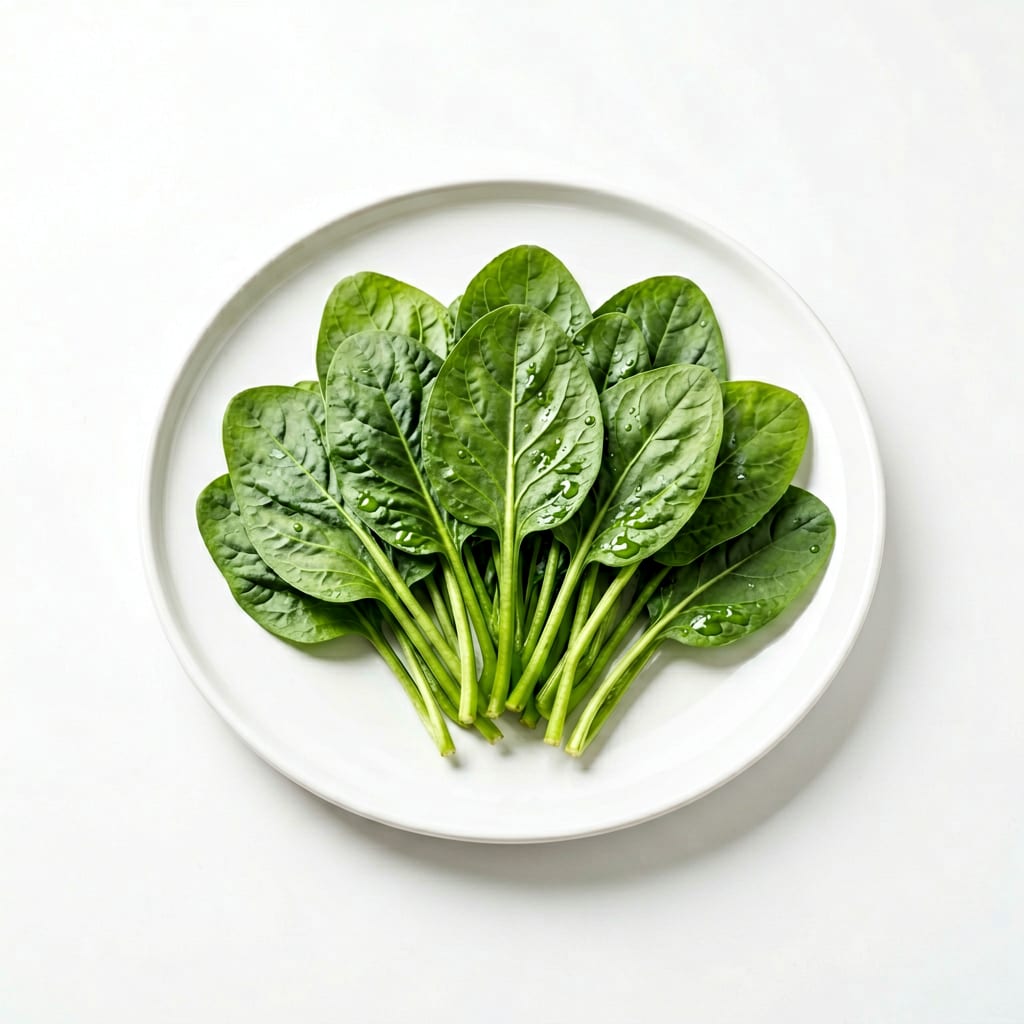
Malabar Spinach
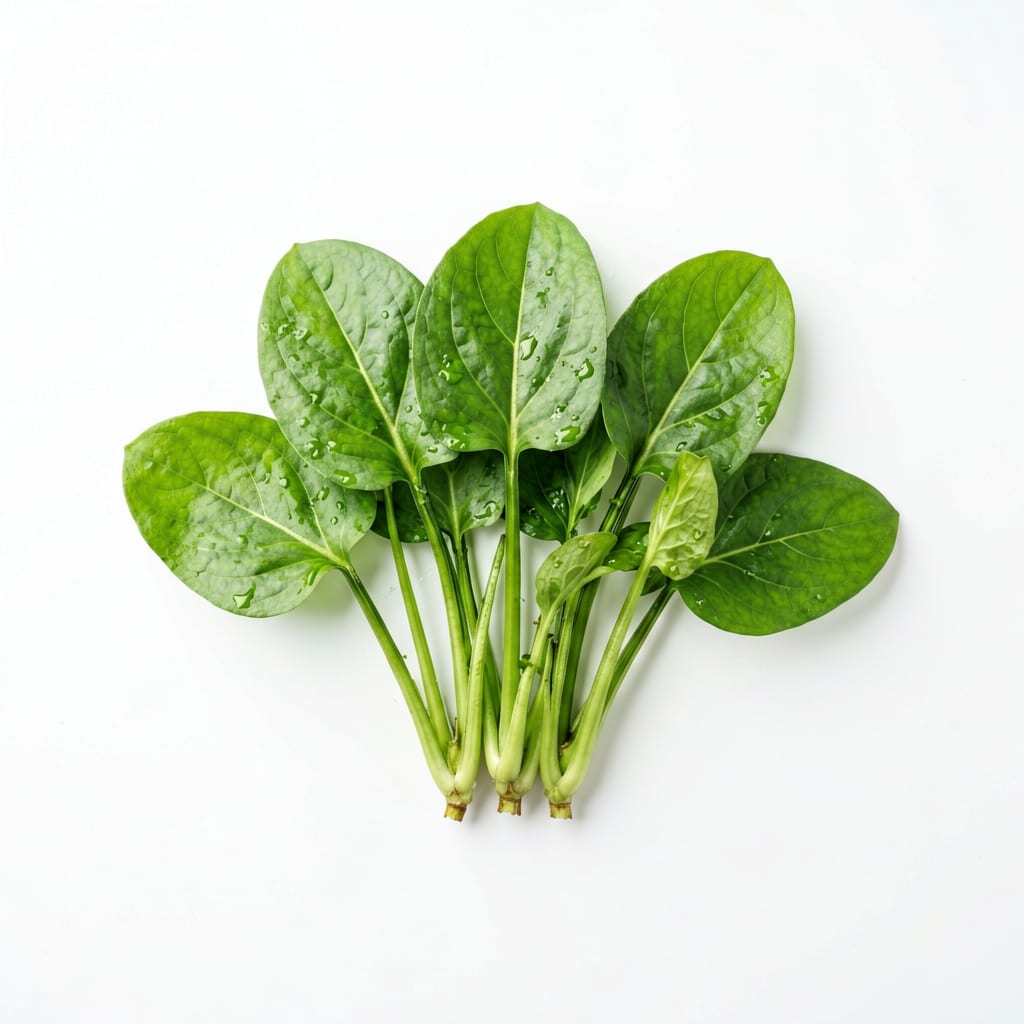
Water Spinach
Malabar Spinach edges ahead due to superior calcium content, soothing mucilage for digestion, and significantly lower contamination risk, though Water Spinach offers better iron and cooks faster.
Malabar Spinach wins on safety and calcium, while Water Spinach leads on iron and cooking speed. The 8-point gap reflects Malabar's cleaner safety profile and broader digestive benefits, though neither dominates overwhelmingly.
You trade Water Spinach's quicker cooking and higher iron for Malabar Spinach's gut-soothing properties, stronger bones support, and cleaner safety profile.
At a glance
Executive summary
Overall
Malabar Spinach
Healthier
Malabar Spinach
More practical
Water Spinach
Daily use
Malabar Spinach
Key comparison lenses
safety and contamination
Water Spinach grows in aquatic environments with higher heavy metal and parasite risk, making this the most critical differentiator
nutritional density for leafy greens
Both are nutrient-packed greens, so users want to know which delivers more vitamins and minerals per bite
digestive comfort and gut health
Malabar Spinach contains notable mucilage that affects digestion differently than Water Spinach
everyday cooking practicality
Availability, prep time, and cooking behavior differ significantly between these greens
weight management and satiety
Both are low-calorie greens but differ in fiber type and how filling they feel
Best choice for
Malabar Spinach
- People with sensitive digestion or IBS
- Anyone concerned about heavy metal exposure
- Older adults needing calcium support
- Home gardeners in warm climates
- Those seeking a soothing, cooling green
Water Spinach
- Home cooks wanting fast stir-fry greens
- People with iron deficiency concerns
- Southeast Asian cuisine enthusiasts
- Anyone needing a quick-cooking vegetable
- Budget-conscious shoppers in Asian markets
Least suitable for
Malabar Spinach
- People who dislike slimy or mucilaginous textures
- Those wanting a quick-cooking stir-fry green
- Anyone unfamiliar with cooking vine greens
Water Spinach
- People with compromised immune systems due to parasite risk
- Anyone worried about waterborne contaminants
- Those living far from Asian grocery stores
- People on low-oxalate diets
Deep comparison
Dimension by dimension
Each lens scores both foods and breaks down who each option suits.
- Dimension 1 · Priority 92Malabar Spinach
food_safety_and_contamination
Malabar Spinach · 88Water Spinach · 55Malabar Spinach grows on vines above ground with minimal contamination risk. Water Spinach grows in water and mud, exposing it to parasites and heavy metals.
Tradeoff
Water Spinach's aquatic habitat gives it fast growth and tender stems but introduces real safety concerns that require thorough cooking to mitigate.
Why it matters
Contaminated Water Spinach has been linked to parasitic infections and can accumulate lead and cadmium from polluted waterways. This is not theoretical—it's a documented public health issue in Southeast Asia.
Real-world impact
If you undercook Water Spinach, you risk foodborne illness. Malabar Spinach can be eaten with minimal safety precautions.
Malabar Spinach
- Immune-compromised individuals
- Pregnant women avoiding contamination risk
- Anyone sourcing from unknown water quality areas
Better for
- No significant safety downside
Worse for
Water Spinach
- Experienced cooks who always blanch thoroughly
- Those buying from trusted, regulated sources
Better for
- Raw or lightly cooked preparations
- Unregulated or wild-harvested sources
- People with liver conditions more vulnerable to heavy metals
Worse for
- Dimension 2 · Priority 85It depends
vitamin_and_mineral_density
Malabar Spinach · 76Water Spinach · 73Malabar Spinach delivers dramatically more calcium and notable folate. Water Spinach provides more iron and comparable vitamin A and C.
Tradeoff
Choose Malabar Spinach for bone health and cellular repair. Choose Water Spinach for blood health and energy support.
Why it matters
The calcium gap is substantial—Malabar Spinach can provide over 100mg per 100g serving, while Water Spinach offers roughly half that. But Water Spinach's iron content helps fill a common nutritional gap.
Real-world impact
Regular Malabar Spinach eaters get meaningful calcium support without dairy. Water Spinach eaters get a gentle iron boost, especially valuable for menstruating women.
Malabar Spinach
- Older adults at risk for osteoporosis
- Dairy-free eaters needing calcium
- Pregnant women needing extra folate
Better for
- Those specifically targeting iron deficiency
Worse for
Water Spinach
- Women with heavy periods needing iron
- Vegetarians and vegans with low iron stores
- Recovering from blood loss or anemia
Better for
- People needing calcium without dairy
- Anyone already iron-overloaded
Worse for
- Dimension 3 · Priority 78Malabar Spinach
digestive_comfort_and_gut_health
Malabar Spinach · 82Water Spinach · 65Malabar Spinach's mucilage coats and soothes the digestive tract. Water Spinach is gentle but lacks this protective quality.
Tradeoff
The slimy texture that makes Malabar Spinach soothing also makes it less appealing to some eaters. Water Spinach has a more neutral mouthfeel but fewer gut-healing properties.
Why it matters
Mucilaginous greens have been used traditionally for ulcers, constipation, and inflamed guts. This isn't folklore—soluble mucilage physically coats irritated tissue.
Real-world impact
After a stomach upset or during IBS flares, Malabar Spinach feels comforting and easy to tolerate. Water Spinach is fine but doesn't actively soothe.
Malabar Spinach
- IBS sufferers during flare-ups
- People recovering from stomach bugs
- Anyone dealing with acid reflux or gastritis
- Older adults with sluggish digestion
Better for
- Texture-sensitive eaters who gag on slime
Worse for
Water Spinach
- Those who find slimy textures nauseating
- People wanting a neutral-tasting green
Better for
- Active gut inflammation needing soothing
- Chronic constipation needing mucilage support
Worse for
- Dimension 4 · Priority 72Water Spinach
cooking_convenience_and_versatility
Malabar Spinach · 60Water Spinach · 80Water Spinach cooks in under 2 minutes and shines in stir-fries. Malabar Spinach takes longer and releases slime that changes dish texture.
Tradeoff
Water Spinach is the weeknight cook's friend—fast, forgiving, and crisp. Malabar Spinach requires more technique to handle its mucilage and thicker stems.
Why it matters
When you're tired and hungry, a 3-minute kangkung stir-fry beats wrestling with slimy vines. Cooking ease determines whether a vegetable actually gets eaten.
Real-world impact
Water Spinach lands on the table faster with less effort. Malabar Spinach often needs blanching first or specific recipe adaptation to manage texture.
Malabar Spinach
- Soups and stews where mucilage thickens naturally
- Slow-cooked curries where texture blends in
- Traditional recipes designed for it
Better for
- Last-minute meal prep
- Dishes where sliminess would be off-putting
Worse for
Water Spinach
- Quick weeknight stir-fries
- Blanching as a simple side dish
- Any recipe where you want crisp-tender texture
Better for
- Recipes wanting a thickening effect
- Dishes where you want substantial mouthfeel
Worse for
- Dimension 5 · Priority 70Malabar Spinach
antioxidant_and_anti_inflammatory_value
Malabar Spinach · 78Water Spinach · 72Both offer strong antioxidant profiles, but Malabar Spinach's betalains and higher vitamin C content give it a slight edge in fighting inflammation.
Tradeoff
The difference is modest. Both greens outperform iceberg lettuce and many common vegetables on antioxidants.
Why it matters
Betalains—the pigments in Malabar Spinach—are studied for anti-inflammatory and liver-protective effects. Water Spinach has good flavonoids but less diversity in pigment compounds.
Real-world impact
Regular consumption of either green supports reduced inflammation. Malabar Spinach just offers a slightly broader spectrum of protective compounds.
Malabar Spinach
- People with chronic inflammation
- Those seeking liver-supportive foods
- Anyone wanting maximum antioxidant variety
Better for
- No real downside here
Worse for
Water Spinach
- Still excellent for general antioxidant intake
- More accessible for consistent daily consumption
Better for
- Slightly less diverse antioxidant profile
Worse for
Timeline
Health impact over time
Short-term
Hours to days
Malabar Spinach
- Coating, soothing sensation in stomach and intestines
- Mild laxative effect from mucilage and fiber
- Quick hydration from high water content
Water Spinach
- Rapid iron uptake supporting energy levels
- Light, non-bloating meal component
- Quick satiety from volume with minimal calories
Long-term
Months to years
Malabar Spinach
- Stronger bone density support from consistent calcium intake
- Better gut lining integrity from regular mucilage consumption
- Reduced inflammation markers from betalain antioxidants
Water Spinach
- Improved iron status reducing fatigue over time
- Consistent vitamin A intake supporting eye health
- Risk of heavy metal accumulation if sourced from polluted waters
Risk profile
Safety & processing
Both greens are whole foods typically sold fresh and unprocessed. Neither carries additive concerns. The real difference is environmental exposure—Water Spinach's aquatic habitat introduces natural contaminants, not artificial ones.
Malabar Spinach
Oxalate content
lowContains moderate oxalates. A concern only for people with kidney stone history who eat large quantities raw.
Pesticide residue on leaves
lowStandard leafy vegetable pesticide risk. Washing thoroughly is sufficient for most conventionally grown Malabar Spinach.
Water Spinach
Parasitic contamination
highGrows in water and mud where Fasciolopsis buski and other intestinal flukes live. Thorough cooking is mandatory. Raw or lightly blanched Water Spinach is a known infection vector.
Heavy metal accumulation
mediumAquatic plants absorb heavy metals from water. Lead and cadmium contamination is documented in Water Spinach from industrial or agricultural runoff areas.
Bacterial contamination
mediumWater environments harbor E. coli and Salmonella more readily than soil-grown greens. Proper washing and cooking reduce this significantly.
Who wins for whom
Audience fit
Same foods, different winners depending on your goal.
children
Malabar SpinachLower contamination risk makes Malabar Spinach safer for developing immune systems. The calcium content also supports growing bones. Texture may require blending into soups.
daily consumption
Malabar SpinachThe safety margin is wider. You can eat Malabar Spinach daily without worrying about cumulative heavy metal exposure, while Water Spinach requires more source vigilance.
diabetes
Malabar SpinachMalabar Spinach's soluble fiber and mucilage slow glucose absorption more effectively. Both are excellent low-glycemic choices, but the mucilage gives Malabar a slight blood sugar advantage.
elderly
Malabar SpinachCalcium for bone density, soothing mucilage for sensitive digestion, and lower infection risk all favor Malabar Spinach for older adults.
muscle gain
Water SpinachWater Spinach's higher iron content supports oxygen delivery to muscles during training. Neither is a protein source, but iron matters for active people.
weight loss
It dependsBoth are extremely low in calories and high in volume. Malabar Spinach's mucilage may increase fullness slightly, but Water Spinach's faster cooking makes it easier to eat regularly.
Your move
Decision guide
Choose Malabar Spinach
- You have digestive issues and want a gut-soothing green
- You're concerned about water contamination and food safety
- You need extra calcium without dairy
- You enjoy or don't mind mucilaginous textures
- You grow your own greens and want a prolific vine
Choose Water Spinach
- You want a fast-cooking green for weeknight stir-fries
- Iron deficiency is your primary nutritional concern
- You love Southeast Asian flavors and cook those cuisines regularly
- You source from trusted, regulated suppliers
- You prefer crisp-tender vegetable textures
Either works if
- You simply want more leafy greens in your diet
- You're looking for low-calorie volume to fill meals
- You rotate vegetables regularly and don't eat just one type
- Both are available and affordable at your local market
Avoid both if
- You're on a strict low-oxalate diet for kidney stones
- You have severe green vegetable allergies
- You cannot access fresh versions and only find wilted or yellowed stock
Final recommendation
For most people seeking a daily leafy green, Malabar Spinach is the safer long-term choice with broader health benefits. But if you cook Southeast Asian food regularly and source Water Spinach from reliable suppliers, it deserves a place in your rotation. The best approach: use both, leaning toward Malabar Spinach for daily use and Water Spinach for specific dishes where its texture and flavor shine.
Practical
Consumer tips
- 1
Always blanch Water Spinach for at least 30 seconds before stir-frying to kill potential parasites
- 2
Source Water Spinach from reputable markets that test for heavy metals, especially if you eat it weekly
- 3
Reduce Malabar Spinach slime by blanching briefly before adding to dishes, or embrace it in soups where it acts as a natural thickener
- 4
Grow Malabar Spinach at home in warm climates—it's a vigorous vine that produces abundantly with minimal effort
- 5
Store both greens in damp paper towels in the refrigerator and use within 2-3 days for best nutrient retention
- 6
If you have kidney stone history, cook both greens rather than eating raw to reduce oxalate absorption
- 7
Pair Water Spinach with vitamin C sources like tomatoes or lime juice to boost iron absorption